
How to Get Rid of Forehead Lines: 8 Proven Methods That Work
You can get rid of forehead lines by combining effective skincare ingredients, professional treatments like Botox or chemical peels, and consistent preventive care. For deeper wrinkles, softening rather than complete removal is realistic. Choosing the right method depends on the severity of the lines and your age.
This information is for adults wanting to smooth their forehead wrinkles or prevent new ones from forming. You’ll learn what causes these lines, when they usually appear, top ingredients and treatments that work, plus practical steps to maintain results over time.
Key Takeaways
- Forehead lines often begin in your late teens due to sun exposure, with premature lines common around age 18.
- Use skincare ingredients like peptides, DNA Repairsomes®, and mineral SPF 50 sunscreen to soften wrinkles and protect against sun damage.
- Botox injections relax forehead muscles by blocking contractions, smoothing skin for 3 to 6 months after a quick 30-minute session.
- Chemical peels like TCA or Jessner peels improve forehead wrinkles and usually cost between $150 and $650 per treatment.
- Applying aloe vera gel and performing regular exfoliation can improve skin texture, but expect results in about 3 to 4 weeks.
- Prevent wrinkles early by using sunscreen daily, moisturizing, and considering preventative Botox from age 20 for lasting smoothness.
1. What Causes Forehead Lines and Wrinkles?
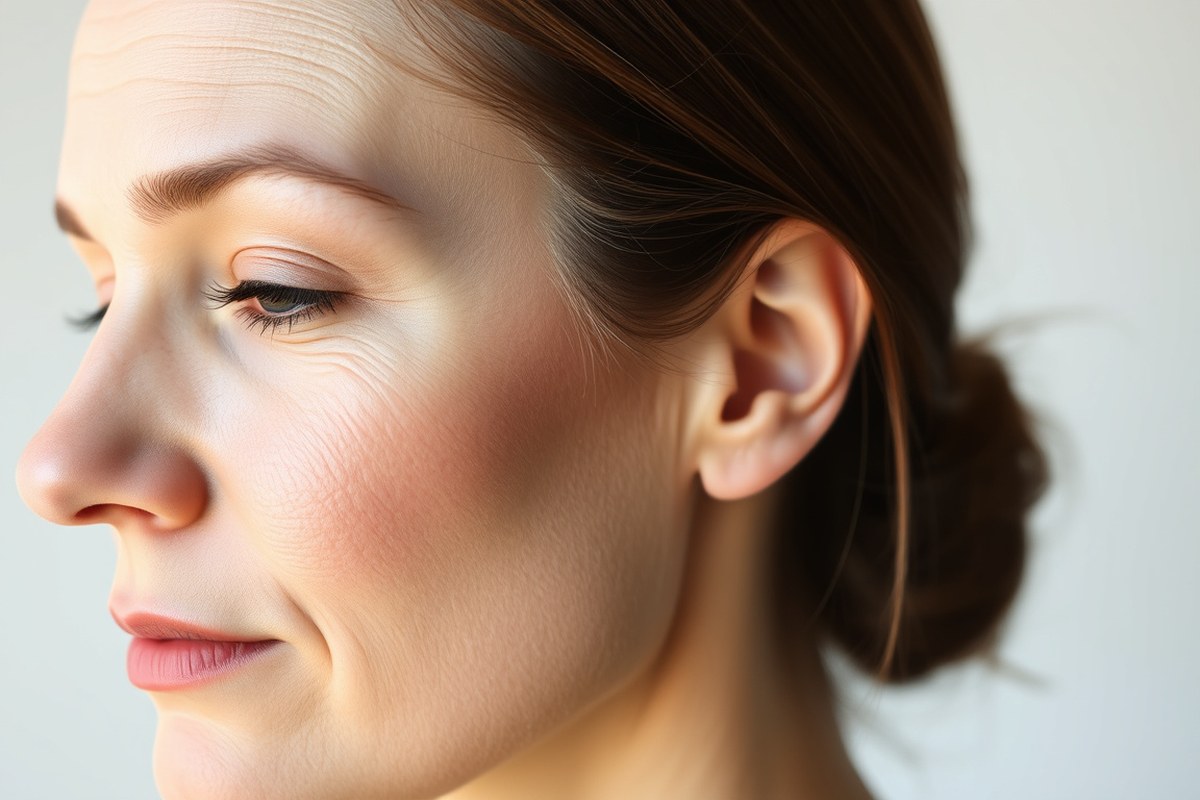
Forehead lines and wrinkles form primarily due to a mix of biological changes and external factors that affect your skin’s structure and appearance. One of the main biological causes is the gradual loss of collagen and elastin, which are proteins in your skin responsible for its firmness and elasticity. As you age, collagen production slows down, and existing collagen breaks down. This breakdown causes the skin to lose its supportive framework, making it more prone to creasing and wrinkling. Without enough collagen and elastin, your skin becomes thinner and less able to bounce back, so frequent movements start leaving permanent lines.
Repetitive facial expressions are a direct contributor to forehead wrinkles. Every time you raise your eyebrows, frown, or squint, the muscles under your skin contract and cause it to fold in the same places repeatedly. Over time, these muscle contractions create tiny creases that deepen into fine lines and wrinkles. These lines often become visible as early as your mid-20s because your skin’s elasticity begins to decline, making those folds harder to smooth out.
Sun damage plays a significant role in accelerating forehead wrinkle formation. Ultraviolet (UV) rays from sunlight penetrate the skin and speed up collagen and elastin breakdown. According to facial plastic surgeon Michael Bassiri, environmental factors such as sun exposure increase this breakdown rate, leading to earlier and more pronounced wrinkles. Protecting your skin from UV damage by applying sunscreen daily and wearing sunglasses to avoid squinting can help slow this process. Sun damage also generates free radicals, which further degrade collagen and elastin, worsening wrinkle formation.
Dehydration can contribute to the appearance of fine lines as well. When your skin lacks moisture, it looks less plump and makes wrinkles more noticeable. Smoking and pollution are other external factors that can damage collagen and elastin fibers, intensifying wrinkle development over time. The slower cell turnover that comes with aging also means dead skin cells accumulate, contributing to a dull, uneven texture that makes lines stand out more.
In summary, forehead lines develop due to a combination of collagen and elastin loss, repetitive facial movements, sun damage, and other environmental and lifestyle factors. Addressing these causes involves protecting your skin from UV rays, maintaining hydration, and minimizing repetitive expressions that deepen forehead creases. Over time, supporting collagen production with skincare ingredients or professional treatments can help restore skin’s firmness and reduce wrinkle depth.
2. When Do Forehead Lines Usually Start to Appear?

Forehead lines often begin to emerge in the mid-20s, marking one of the earliest visible signs of aging. These wrinkles typically start as fine lines that appear after making facial expressions, but with time and certain factors, they may become more permanent. While age plays a significant role, other factors can cause forehead lines to develop even earlier, sometimes as young as 18. Excessive sun exposure is a common contributor to premature forehead wrinkles in young adults, as ultraviolet (UV) rays break down collagen and elastin, weakening the skin’s firmness.
The timeline for forehead wrinkle development varies widely depending on personal habits and environmental exposures. For example, smokers often experience earlier onset of forehead lines, sometimes by age 20, because cigarette smoke accelerates collagen breakdown. Quitting smoking can delay this process, but the damage already done may still have lasting effects on skin texture and elasticity. Factors such as dehydration, stress, and alcohol consumption also speed up the formation of forehead lines by impairing the skin’s protective barrier and moisture retention.
Even after puberty, forehead wrinkles can appear at any age. People with consistent skincare routines that include sunscreen use may not see lines until later, often well into their 30s, because regular sun protection improves skin texture and slows wrinkle formation. You can start practicing face yoga or gentle forehead massages in your mid-20s to maintain skin flexibility and reduce muscle tension that deepens lines. These approaches, combined with a good moisturising regimen, provide a proactive way to delay the visible effects.
Young adults concerned about early forehead lines might consider preventative treatments. Dermatologists sometimes recommend starting Botox as early as age 20 to inhibit repetitive muscle movements that cause lines to deepen over time. While this option is generally safe and effective, it requires ongoing maintenance with sessions lasting about 30 minutes and minimal downtime after treatment. Those hesitant about injections can focus on lifestyle changes, like daily sunscreen application, avoiding peak sun hours, and drinking plenty of water to help prevent early wrinkle development.
Consistent and proper use of a broad-spectrum sunscreen every day can significantly delay the onset of forehead lines by protecting skin from UV damage.
Skin aging does not follow a strict timeline, so the first signs like forehead wrinkles appear sooner for some and later for others. Your genetics, daily habits, and exposure to stressors influence when these lines form. Monitoring your skin’s condition from the late teens onward and adjusting your skincare routine accordingly can make a visible difference in how soon forehead wrinkles develop.
3. Top Skincare Ingredients to Soften Forehead Wrinkles
Retinoids rank among the most effective skincare ingredients for reducing forehead lines. They work by promoting skin cell turnover and stimulating collagen production, which firms the skin and smooths wrinkles. You can start by incorporating a retinol cream or serum into your nighttime routine two to three times a week, gradually increasing usage to nightly as your skin builds tolerance. Over-the-counter retinol products generally cost between $20 and $60, while prescription retinoids are more potent but require a dermatologist’s visit. Expect to see improvement after about 12 weeks of consistent use. Be aware that retinoids can cause initial irritation, redness, or dryness, so always apply a broad-spectrum sunscreen daily because your skin becomes more sensitive to UV damage.
Vitamin C is another valuable ingredient in targeting forehead wrinkles. It helps by boosting collagen synthesis and providing antioxidant protection against environmental stressors, such as pollution and UV rays, which contribute to aging. Apply a stabilized vitamin C serum with a concentration of 10 to 20 percent every morning after cleansing and before moisturizing. These serums often cost $30 to $100 depending on the brand and formulation. Vitamin C works well for improving skin texture and reducing fine lines, though results usually appear after three months. Look for formulations with added vitamin E or ferulic acid, which improve the stability and effectiveness of vitamin C.
Hyaluronic acid is a powerful hydrating ingredient that can instantly improve the appearance of forehead lines by plumping the skin. Because it holds up to 1,000 times its weight in water, products containing hyaluronic acid help restore moisture, making superficial wrinkles less noticeable. You can include hyaluronic acid-based moisturizers or serums into both your morning and evening routines. They typically cost between $20 and $80 and suit nearly all skin types. For best results, apply hyaluronic acid on damp skin before sealing in with a moisturizer to trap hydration. While it doesn’t increase collagen, it provides quick, visible smoothing and works well in combination with retinoids and peptides.
Peptides are small protein fragments that signal skin cells to produce more collagen and elastin, which strengthens and firms the skin over time. Two common peptides in wrinkle-focused products are Matrixyl (Palmitoyl Pentapeptide-4) and Argireline (Acetyl Hexapeptide-8). These peptides help soften fine lines and are usually found in serums or creams costing $40 to $120. Consistent use for four or more months is necessary to observe collagen-boosting effects. Apply peptide-infused products after cleansing and before moisturizing, both morning and night. Unlike retinoids, peptides rarely cause irritation, making them suitable for sensitive skin.
To integrate these ingredients effectively, start by choosing one as your primary treatment, retinoids at night and vitamin C in the morning are a proven combination. Follow up with hyaluronic acid to maintain hydration and use peptide-infused creams to support long-term collagen production. Always layer from the thinnest to the thickest texture, and include daily SPF 30 or higher to protect your efforts. Avoid introducing several active ingredients at once, which can cause irritation; instead, add one product every two weeks to monitor your skin’s response. This approach balances improving forehead wrinkles with minimizing side effects and maintaining skin health.
4. How Botox and Neurotoxin Injections Smooth Forehead Lines
Botox and similar neurotoxin injections smooth forehead lines by temporarily relaxing the muscles that cause those wrinkles. Results typically last about three to six months, with treatment costs ranging from $200 to $600 per session depending on the product and location. While effective for reducing dynamic wrinkles, these injections come with potential side effects and require regular maintenance to maintain results.
How Botox Temporarily Relaxes Muscle Movement
Botox and other neuromodulators work by blocking nerve signals to the muscles responsible for forehead lines, such as the frontalis muscle. This reduces muscle contraction, preventing creasing and allowing the skin above to relax and smooth out. Since the action targets dynamic wrinkles caused by repeated facial expressions, it’s most effective on lines that appear with movement rather than static wrinkles present at rest.
The effects set in a few days after injections and peak around two weeks. Results usually last three to six months before muscle activity returns and wrinkles reappear, requiring additional treatments to maintain a smooth forehead. Botox is the only FDA-approved neurotoxin for smoothing wrinkles on the forehead, between the brows, and around the eyes, while alternatives like Dysport, Xeomin, and Jeuveau offer similar muscle-relaxing actions with slight differences in spread or onset.
Typical Treatment Costs and Duration
Expect to pay between $200 and $600 for a Botox or similar neurotoxin treatment on the forehead, with prices influenced by dose and geographic location. The amount of product needed depends on wrinkle severity and muscle strength, so treatments tailored by a board-certified dermatologist or cosmetic professional provide the best value and safety. Unlike fillers, Botox mainly targets muscle movement rather than volume replacement.
Downtime is usually minimal or nonexistent, with many patients returning to normal activities immediately. Results appear within days and last about three to six months. Repeat treatments every three to four months will be necessary to maintain the effect, as the neurotoxin gradually wears off and muscle contractions resume.
| Injectable | Average Cost per Treatment | Downtime | Duration of Effect | Common Risks |
|---|---|---|---|---|
| Botox | $200, $600 | None to minimal | 3, 6 months | Bruising, headache, drooping eyelid |
| Dysport | $200, $600 | None to minimal | 3, 5 months | Spread to adjacent muscles, minor swelling |
| Xeomin | $200, $600 | None to minimal | 3, 6 months | Injection site reactions, temporary weakness |
| Jeuveau | $250, $600 | None to minimal | 3, 5 months | Mild bruising, muscle weakness |
Possible Side Effects and Safety Tips
Common side effects include mild bruising, swelling, headache, or temporary weakness near the injection site. Rare complications can involve drooping eyelids or asymmetry if the neurotoxin spreads beyond intended muscles. Using a licensed professional experienced in facial anatomy reduces the risk of side effects.
It’s important to follow all pre- and post-treatment instructions, such as avoiding alcohol, blood thinners, or vigorous exercise immediately before and after the injections to minimize bruising. Inform your healthcare provider of any neuromuscular conditions or allergies to avoid complications. Avoid rubbing or massaging the treated area after injections to prevent unintended spread.
Preventative Use and Recommended Starting Age
Neurotoxin injections can be used preventatively to slow the development of forehead lines by reducing repetitive muscle contractions before deep wrinkles form. Many dermatologists recommend starting in the late 20s to early 30s for those concerned about aging, depending on individual muscle activity and family history of wrinkles.
Regular treatments can help maintain smoother skin over time and may reduce the need for more invasive procedures later. However, preventative use should be discussed with a healthcare provider who can assess your skin and facial expressions to tailor treatment frequency and dosage appropriately.
5. Chemical Peels and Laser Treatments for Forehead Wrinkles
Chemical peels, laser resurfacing, and radiofrequency microneedling offer different strengths for reducing forehead wrinkles. Chemical peels use acids to exfoliate and renew skin layers, laser resurfacing stimulates collagen by controlled skin damage, and RF microneedling combines tiny skin punctures with heat to boost elasticity. Costs range from a few hundred to several thousand dollars, with varying downtime and results depending on the type and depth of treatment.
Superficial and Medium Chemical Peels (TCA, Jessner)
Chemical peels use acids like trichloroacetic acid (TCA) and Jessner’s solution to remove dead skin cells, promoting smoother, more even skin and softening fine forehead lines. Superficial peels affect only the top skin layer and require little to no downtime, typically costing between $150 and $300 per session. Medium peels penetrate deeper into the skin, targeting more pronounced wrinkles but may require a week or more of recovery to manage redness and peeling. These peels work best for early forehead wrinkles and improve skin texture but don’t stop muscle contractions that cause dynamic lines.
For medium peels, TCA concentrations often range from 20% to 35%, creating a controlled burn that triggers collagen production as the skin heals. Jessner’s solution is a combination of salicylic acid, lactic acid, and resorcinol and can be adjusted for mild to moderate peeling effects. Repeated treatments spaced a few weeks apart provide better results. Risks include prolonged redness, hyperpigmentation, and sensitivity to sunlight, so applying sunscreen daily and avoiding sun exposure after treatment is important.
Laser Resurfacing Types and Benefits
Laser resurfacing uses focused light beams to create micro-injuries on the skin, stimulating collagen and elastin production to tighten skin and reduce wrinkles. Ablative lasers, like CO2 and Erbium lasers, remove outer skin layers and have the strongest effects but involve 7 to 14 days of downtime with redness and swelling. These treatments cost between $1,000 and $3,000 per session and are suited for deeper forehead wrinkles that do not respond well to topical treatments or superficial peels.
Non-ablative lasers target deeper skin without damaging the surface, offering milder improvement with minimal downtime, usually a day or two, and costs around $500 to $1,200 per session. Risks of laser resurfacing include infection, scarring, changes in skin pigment, and prolonged redness. Proper candidate selection and post-treatment care with moisturizers and sunscreen reduce adverse effects and optimize healing.
Radiofrequency (RF) Microneedling Explained
RF microneedling combines tiny needles creating controlled skin punctures with radiofrequency energy delivering heat into the dermis. This dual action stimulates increased collagen and elastin, improving skin thickness and diminishing forehead wrinkles more effectively than microneedling alone. The treatment usually costs between $700 and $1,500 per session and requires minimal downtime of about 2 to 4 days, with mild redness and swelling.
RF microneedling is suitable for all skin types and carries a lower risk of pigment changes compared to lasers, making it a safer option for people with darker skin tones. Multiple sessions spaced 4 to 6 weeks apart typically yield the best outcomes. While it won’t stop muscle contractions like Botox, it improves skin quality, firmness, and wrinkle depth significantly.
| Treatment Type | Cost per Session | Downtime | Effectiveness on Wrinkles | Common Risks |
|---|---|---|---|---|
| Superficial Chemical Peel | $150, $300 | None to 3 days | Softens fine lines, early wrinkles | Redness, mild peeling, sun sensitivity |
| Medium Chemical Peel (TCA, Jessner) | $300, $600 | 5, 10 days | Improves moderate wrinkles | Prolonged redness, pigmentation changes |
| Ablative Laser Resurfacing (CO2, Erbium) | $1,000, $3,000 | 7, 14 days | Strong results for deep wrinkles | Infection, scarring, pigment changes |
| Non-Ablative Laser | $500, $1,200 | 1, 3 days | Mild to moderate wrinkle improvement | Redness, temporary swelling |
| RF Microneedling | $700, $1,500 | 2, 4 days | Good for wrinkle depth, skin firmness | Swelling, redness, low pigment risk |
Always consult a licensed dermatologist or licensed professional to evaluate your skin type and wrinkle severity before starting any chemical peel or laser treatment to avoid unexpected side effects.
6. Natural Remedies and At-Home Devices: What Really Works
Natural remedies like aloe vera, avocado masks, and vitamin E can help soften forehead lines but usually offer modest improvements. Aloe vera deeply hydrates skin and improves elasticity, which may smooth fine wrinkles with consistent use. Avocado masks provide fatty acids and antioxidants that nourish skin but may not target deeper wrinkles effectively. Vitamin E applied topically supports skin repair and hydration but needs regular application to see benefits. These natural treatments are affordable and low-risk, costing just a few dollars and taking about 15 to 30 minutes per application several times a week.
At-home devices such as microcurrent tools, LED light therapy masks, and facial rollers are popular for wrinkle reduction. Microcurrent devices stimulate facial muscles to lift and firm skin, requiring 5 to 10 minutes per session, several times a week. LED masks use red light to boost collagen production; sessions last 10 to 20 minutes, with benefits often noticed after 4 to 6 weeks. Facial rollers improve circulation and reduce puffiness, offering temporary smoothing effects rather than lasting wrinkle reduction. Devices typically cost between $30 and $300 depending on type and brand.
Compared to professional treatments like Botox or laser therapy, natural remedies and at-home devices yield subtler, slower improvements. They are best for early, fine lines or as part of a regular skincare routine to maintain skin health.
- Aloe vera gel: Apply daily for 15 minutes to hydrate and increase elasticity.
- Avocado mask: Use 1-2 times weekly for antioxidant nourishment.
- Vitamin E oil: Apply nightly to support skin repair.
- Microcurrent device: Use 5-10 minutes, 3-5 times a week to tone muscles.
- Red LED light therapy: 10-20 minutes per session, 3-5 times weekly for collagen boost.
- Facial roller: Roll 5 minutes daily for improved circulation and plumping.
Consistency is key with these methods. Realistic results usually involve softening or delaying wrinkle depth rather than erasing deep lines. Side effects are rare but watch for skin sensitivity or irritation, especially when combining multiple treatments. For significant forehead wrinkles, consulting a dermatologist about professional options remains the most effective route.
7. Preventing Forehead Wrinkles and Maintaining Results Effectively
To effectively prevent new forehead wrinkles and maintain smooth skin after treatments, consistent protection from sun damage, healthy lifestyle choices, and combining professional care with a solid daily routine are essential. Sticking to these habits minimizes wrinkle formation and supports long-term skin health.
Sunscreen Use: Frequency and SPF Recommendations
Applying a broad-spectrum sunscreen with at least SPF 30 every morning is critical for stopping new wrinkles before they form. Reapplication every two hours, especially if you are outdoors or sweating, ensures lasting protection against UV rays that accelerate aging. This should happen every day, even on cloudy or rainy days, as UV radiation penetrates through clouds and can harm your skin. Using a mineral-based, tinted sunscreen with added peptides and DNA repair technology can both protect your skin and help repair minor sun damage, reducing fine lines by nearly 90% according to product studies.
For winters or when exposed to harsh environmental factors, regular sunscreen use remains important because snow reflects UV rays, increasing exposure. The sunscreen should be the last step in your morning skincare routine, applied after moisturizer but before makeup.
Lifestyle Habits to Prevent Wrinkles
Smoking accelerates forehead wrinkle formation as it breaks down collagen and restricts blood flow, causing your skin to look older. Limiting alcohol intake and staying well-hydrated by drinking at least 8 cups of water daily help maintain skin elasticity. Excessive alcohol dehydrates the skin and can worsen wrinkles over time. Avoid repetitive expressions that crease the forehead, such as frequent frowning or raising your eyebrows, since these dynamic movements create lines that deepen with age.
A diet rich in antioxidants, vitamins C and E, and omega-3 fatty acids supports skin regeneration and prevents oxidative stress that leads to wrinkles. Regular exercise increases circulation, delivering oxygen and nutrients, which promotes collagen and elastin production. Managing stress effectively through mindfulness or relaxation techniques also reduces the tendency to wrinkle your forehead muscles.
Combining Professional and At-Home Care for Maintenance
Maintaining wrinkle treatments like Botox or chemical peels requires a solid skincare routine and periodic professional touch-ups. In the morning, cleanse your face with a gentle, hydrating cleanser, apply an antioxidant serum such as vitamin C, then a moisturizer with peptides, and finish with sunscreen as described. At night, use a retinoid or peptide serum after cleansing, followed by a richer moisturizer to support skin repair during sleep. This routine improve treatment effects and delays wrinkle recurrence.
Professional treatments should be spaced according to your provider’s recommendations, Botox generally every 3 to 4 months, chemical peels or laser sessions less frequently depending on intensity. You can add gentle weekly exfoliation using alpha-hydroxy acids or enzyme masks to smooth texture without irritating the skin. Adjust your skincare based on seasons: heavier moisturizers in winter to combat dryness and lightweight formulations in summer to prevent clogged pores while using sunscreen consistently.
8. Choosing the Right Treatment: Severity and Age Decision Guide
Forehead lines can rarely be completely removed, especially deep wrinkles, but they can be softened significantly with the right treatment plan. Your age, skin type, and wrinkle depth should guide your choice of care. Light fine lines usually respond well to moisturisers, hydrating ingredients like hyaluronic acid, and gentle at-home exfoliation. For moderate wrinkles, combining at-home care with professional treatments like chemical peels or laser sessions often yields better results. Deep, static wrinkles usually require injectables such as Botox to relax the underlying muscles and smooth the skin surface.
The decision revolves around how established your lines are and your skin’s resilience. Younger skin tends to bounce back more easily with topical treatments, while older skin often needs stronger intervention. Combining treatments can improve overall outcomes but involves higher costs and visits. For example, pairing injectables with skin resurfacing treatments can tackle both muscle movement and damaged skin texture. Use the following flowchart based on wrinkle severity and age to help select the best approach:
| Severity / Age | Recommended Treatment | Expected Results | Considerations |
|---|---|---|---|
| Fine lines, under 30 years | At-home care: moisturisers with hyaluronic acid, antioxidants, facial exercises | Improved hydration, slight softening; prevention focus | Consistent daily routine needed; relatively low cost |
| Fine to moderate lines, 30-45 years | Professional facials, chemical peels, topical retinoids plus at-home care | Smoother skin texture; noticeable reduction in line depth | Requires periodic sessions; moderate cost; some downtime |
| Moderate to deep lines, 45+ years | Injectables (Botox), laser treatments, chemical peels; combined with at-home care | Significant smoothing of lines; muscle relaxation reduces new ones | Higher cost; repeat treatments every 3-6 months; risks include bruising |
| Deep static wrinkles at any age | Injectables (Botox) combined with resurfacing procedures, possible fillers | Marked wrinkle softening; some lines may persist | Professional administration required; maintenance treatments needed |
Even the best treatments cannot erase deep wrinkles fully but can soften and improve their appearance markedly. Avoiding sun damage and maintaining hydration support all approaches. Nutrition influences collagen production, so a diet rich in antioxidants can complement your regimen. Facial exercises and silicone facial patches may help fine lines but have limited impact on deeper creases.
Avoid skipping sunscreen, even a day in the sun without protection can deepen existing forehead lines and reduce treatment effectiveness.
Choosing the right treatment involves balancing your goals, budget, and tolerance for sessions or downtime. Start conservatively with at-home care if your lines are new or mild, and consult a dermatologist for injectables or procedures if your lines are moderate to deep or you want faster, more visible results.
Step-by-Step Action Plan for Reducing Forehead Lines
Follow this plan to start smoothing forehead wrinkles, protect your skin, and decide on the best treatments for your needs.
- Before You Start: Assess your forehead lines in natural light and decide your top concern, fine lines, deep wrinkles, or prevention. This helps you pick the right approach.
- Day 1: Begin applying a skincare product with retinol or peptides nightly to soften lines. Look for smoother skin texture and less creasing after 3 to 4 weeks.
- Week 2: Add a broad-spectrum SPF 30 sunscreen every morning to prevent new wrinkles. Notice if your skin avoids new dark spots or sun damage signs over the next month.
- Week 4: Consider scheduling a consultation with a dermatologist to discuss Botox or neurotoxin injections if you have moderate to deep lines. Expect subtle improvement in line movement after about one week post-treatment.
- Month 2: Try a mild chemical peel or laser treatment if advised, targeting uneven texture and deeper wrinkles. Improvement shows as smoother skin and fewer fine lines within a month after.
- Ongoing: Use gentle facial massage or at-home microcurrent devices as a supplement. You should feel skin firmer and see gradual line softening with consistent use over 6-8 weeks.
- Every 3 Months: Reassess your forehead’s appearance and adjust your routine or treatments based on results and any new concerns.
Frequently Asked Questions
Can Forehead Lines Be Completely Erased with Treatments?
Deep forehead lines can only be softened, not fully erased. Most treatments improve appearance but don’t make lines disappear entirely.
How Long Do Botox Treatments for Forehead Lines Last?
Botox injections for forehead lines typically last about 3 to 6 months. Sessions take around 30 minutes with minimal downtime.
Are There Any Risks with Repeated Botox Use on the Forehead?
Repeated Botox use can cause muscle weakening or bruising, though serious risks are rare. Always use a licensed professional for safety.
Can Lifestyle Changes Reverse Existing Forehead Wrinkles?
Lifestyle changes may improve skin health but usually can’t reverse deep wrinkles. Proper nutrition and sun protection help prevent further damage.
Do Chemical Peels Hurt When Used on the Forehead?
Chemical peels can cause mild discomfort and redness but are generally tolerable. Glycolic, lactic acids, or stronger TCA peels target different wrinkle depths.
How Soon Will I See Results After Laser Treatment for Forehead Lines?
Laser treatments typically show improvement within a few weeks as collagen rebuilds. Multiple sessions may be needed for best results.
The Bottom Line
Forehead lines develop from repeated muscle movements, sun exposure, and skin aging, but you can take steps to reduce their appearance. Starting today, make sure to apply a broad-spectrum sunscreen daily to protect skin and prevent new wrinkles. This simple habit supports any wrinkle treatment you choose and helps keep your forehead looking smoother longer.