

How to Get Rid of Dark Circles: 8 Proven Ways That Really Work
Placing chilled cucumber slices or a washcloth dipped in cold water on your eyes for roughly 15 minutes can quickly reduce dark circles. To achieve long-term improvement, it’s important to identify the underlying cause and use appropriate treatments such as home remedies, topical products, lifestyle adjustments, or medical solutions. Effectively addressing dark circles means understanding their type and choosing the method that suits you best.
This information is for anyone frustrated by persistent dark circles and wanting effective solutions. You will learn about causes, safe home remedies, topical and medical treatments, prevention tips, and when to seek professional help. Armed with this knowledge, you can pick the methods that suit you and work toward fresher, brighter eyes.
Key Takeaways
- Identify your dark circle type by considering causes like pigmentation, thinning skin, allergies, or vascular issues for targeted treatment.
- Use chilled cucumber slices or a washcloth soaked in ice water on your eyes for 10 to 15 minutes to reduce dark circles fast.
- Choose topical treatments with ingredients like 10% vitamin C or vitamin K with emu oil for gradual improvement over weeks.
- Consult a dermatologist about medical options like fillers or laser therapy, weighing risks, costs, and your specific skin condition.
- Maintain at least 7 hours of sleep, follow a balanced diet, and address allergies to help prevent dark circles naturally.
- Apply sunscreen 15 minutes before sun exposure to protect your delicate under-eye skin and prevent dark circles from worsening.
1. What Causes Dark Circles and How to Identify Your Type
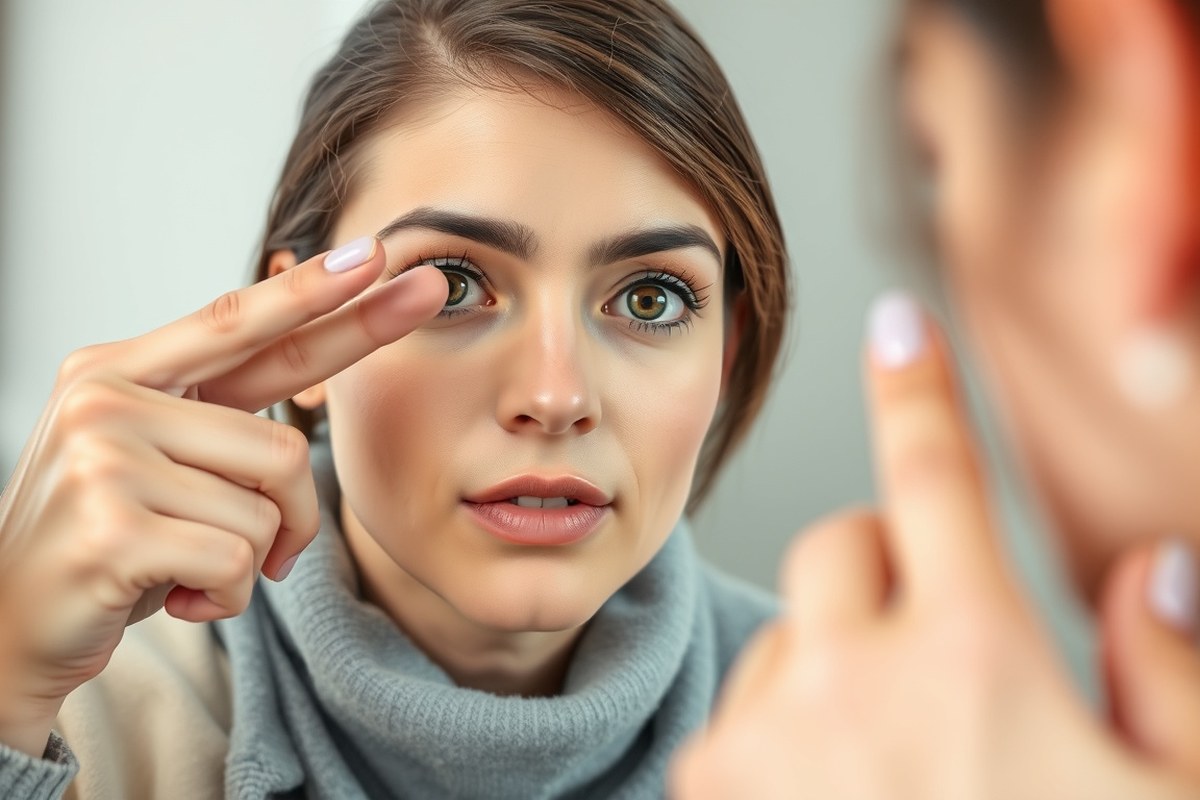
Dark circles under the eyes can come from several causes, including genetics, allergies, pigment changes, vascular issues, and your lifestyle. Genetics and aging are two major factors; if your parents have dark circles, you might too, because the skin under your eyes can be naturally thinner or have more pigmentation. This thinner skin shows the blood vessels underneath more clearly, making dark circles more visible. Aging also thins the skin and reduces fat, which worsens the effect.
Allergies often cause dark circles by making the blood vessels around your eyes swell or get inflamed. Rubbing itchy eyes from allergies can break blood vessels and release pigment, darkening the area below. Managing allergies can help reduce these circles. Noticing dark circles worsen during allergy symptoms may point to this cause.
Pigment-related dark circles happen when your skin produces more melanin under the eyes. This is common in people with darker skin tones and can be worsened by sun exposure. Protecting your skin with sunscreen and avoiding UV exposure helps prevent darkening. Vascular dark circles show a bluish or purplish tint due to blood pooling under thin skin. These often improve with cold compresses that constrict blood vessels and reduce swelling.
Lifestyle habits also play a big role. Drinking alcohol, not getting enough sleep, less than seven hours a night, and poor nutrition can all cause puffiness and dark circles. Nutritional deficiencies in iron, vitamin B12, vitamin A, and antioxidants can contribute, especially if your diet lacks variety. You might want to get tested for these deficiencies if your dark circles appear alongside fatigue or other health symptoms. Fixing diet gaps or adding supplements under medical advice could improve your skin tone.
Men and women can both develop dark circles, but women tend to have a higher prevalence of anemia-related dark circles. Hormonal differences and thinner skin in women may also affect how dark circles appear and respond to treatment. Treatment does not vary dramatically by sex; the focus should be on the cause you identify.
To figure out your type, start with a simple check. Look in the mirror under bright natural light. When the circles look more blue or purple, vascular causes may be the issue. Brown or pigmented circles suggest melanin-related changes. Puffy, swollen areas relate more to allergies or lifestyle factors. Check if they worsen with fatigue or allergy flare-ups. Note any family history to consider genetics. Keep track of your sleep, diet, alcohol intake, and allergy symptoms to connect lifestyle factors.
For a thorough evaluation, a visit to a healthcare professional like a dermatologist is helpful. They can examine your skin, may perform blood tests to check for nutritional deficiencies or anemia, and help narrow down the cause. This professional advice guides you to targeted treatments or lifestyle changes. Identifying your dark circles’ cause creates a better chance of reducing them effectively and safely.
2. Effective Home Remedies and Safe Application Tips

You can try various home treatments to lessen the look of dark circles by calming inflammation and boosting skin moisture. Common options include cucumber slices, cold compresses, tea bags, almond oil, and vitamin E. Each treatment requires careful application to prevent irritation and maintain safety.
Benefits of Using Cucumber Slices
Cucumber slices are a common remedy because they provide a cooling effect that temporarily calms swelling and tightens skin around the eyes. The high water content helps hydrate the skin, which may reduce the dullness that contributes to dark circles. Use thick cucumber slices chilled in the refrigerator for about 10 minutes before applying them.
Place the cool slices gently over your closed eyes for no more than 10 to 15 minutes. The cold helps constrict blood vessels under the skin, making dark circles less visible. Avoid leaving them on too long or pressing firmly, which could irritate the delicate under-eye skin.
How to Prepare Tea Bags for Eyes
Tea bags, especially green or black tea, contain antioxidants and caffeine that may help shrink blood vessels and reduce puffiness. To prepare tea bags safely, steep two tea bags in hot water for 3 to 5 minutes, then remove and let them cool completely in the refrigerator for about 15 to 30 minutes.
Once cooled, place the tea bags over your closed eyes for 10 to 15 minutes. This timing soothes irritated skin and reduces inflammation without risking dryness. Avoid using freshly steeped hot tea bags to prevent burns. Using caffeine-containing tea bags 2 to 3 times a week can offer noticeable temporary relief for puffy, dark under-eyes.
Applying Almond Oil Safely
Sweet almond oil is a natural moisturizer rich in vitamin E and fatty acids, which may nourish the thin skin under your eyes. Choose 100% pure and organic almond oil without additives to minimize the risk of irritation. Patch test a small amount on your wrist for 24 hours before applying it to your eyes.
To apply, use just one or two drops on a clean fingertip. Gently tap the oil around the orbital bone under your eyes, avoiding direct contact with your eyes. Do this once daily, preferably at night, to allow the oil to absorb and work while you sleep. Using too much oil or rubbing it in harshly can worsen irritation or clog pores.
Using Vitamin E for Skin Nourishment
Vitamin E oil is known for its antioxidant properties, which can help protect and repair delicate under-eye skin. Using vitamin E with a carrier oil, like emu oil or rosehip oil, can improve absorption and reduce potential irritation. Vitamin E treatments have shown some effectiveness in reducing dark circles over several weeks.
Apply a very small amount of vitamin E oil mixed with a carrier oil by gently dabbing around the eyes at night. Avoid the inner eyelid and blinking area to prevent irritation. Limiting application to once daily reduces the risk of allergic reactions, which could increase dark circles if the skin becomes inflamed.
Cold Compress Methods and Precautions
A cold compress reduces inflammation by constricting blood vessels, which helps lessen the appearance of dark circles and puffiness. You can use an ice pack wrapped in a soft cloth, chilled spoons, or a store-bought gel eye mask as a cold compress. Keep the compress on your eyes for 5 to 10 minutes at a time to avoid frostbite or excessive skin dryness. Cold compresses can be done daily or as needed when your eyes feel puffy or tired. Take these precautions when using cold packs:
- Wrap ice or frozen packs in a soft towel before applying to avoid direct skin contact
- Limit application time to under 10 minutes per session
- Use clean cloths or masks to prevent bacterial irritation
- Avoid pressing too hard on the eye area
- Do not use cold compresses if you have circulatory problems or skin conditions without consulting a doctor
Be gentle when removing makeup around your eyes. Rubbing harder to remove tough eye makeup can damage delicate skin and capillaries, potentially worsening dark circles. Use a gentle, oil-free eye makeup remover and softly press a cotton pad without dragging or rubbing.
Harshly rubbing your eyes or the surrounding skin can cause inflammation, which may intensify dark circles; always use gentle motions and suitable products to clean the eye area.
3. Key Topical Treatments: What to Look for and How They Work
Topical treatments for dark circles work best when you choose products with ingredients matched to your skin type and the cause of your dark circles. Look for eye creams containing vitamin C, vitamin K, caffeine, retinol, and skin-lightening agents like kojic acid or niacinamide. These ingredients target key factors such as pigmentation, swelling, and skin texture.
Caffeine plays a valuable role by reducing swelling and inflammation that can cause puffiness and shadowing under the eyes. Products with caffeine should be gently applied once or twice daily, using your ring finger to pat a small amount, about a pea-sized drop, around the orbital bone, avoiding direct contact with the eyes. Using caffeine-containing creams consistently can help shrink blood vessels, making dark circles less noticeable within four to six weeks.
Vitamin K is linked to better blood clotting and circulation, which may improve dark circles caused by visible veins. Eye creams combining vitamin K and caffeine have reduced both wrinkles and dark circles in some studies after about six to eight weeks of regular use. Vitamin C, a potent antioxidant, brightens the skin by reducing pigmentation and boosting collagen. You can expect to see visible results from vitamin C serums or eye creams after about eight to twelve weeks of daily application. Start with a low concentration (around 10%) to reduce irritation, especially on sensitive skin.
Retinol creams are another effective choice for smoothing the delicate skin under your eyes and stimulating collagen production. Their use should begin at a low frequency, two to three times per week, gradually increasing as tolerated to nightly application. Improvements in skin texture and reduction of dark circles generally appear after 8 to 12 weeks. Use retinol only at night and always follow up with sunscreen during the day, as retinol makes your skin more sun-sensitive.
Applying these treatments in moderation is important. Overuse can lead to irritation, redness, and dryness, which might make dark circles more noticeable. Avoid getting products into your eyes, and discontinue use if your skin reacts negatively. Those with darker or more pigmented skin should avoid harsh skin-lightening agents that can cause uneven tone or worsen pigmentation. Instead, opt for gentle brighteners like licorice root extract or niacinamide.
For best results, apply eye creams or serums once or twice daily, following gentle upward and outward motions. Consistency over several weeks is essential, as pigments and structural skin changes take time to improve. Products range from $15 to $70 depending on brand and ingredient concentration. If you cannot tolerate certain ingredients like retinol, switch to milder options like vitamin C or peptide-based creams. Combining hydrating ingredients such as hyaluronic acid can also improve skin plumpness and diminish the hollow look that contributes to dark circles.
Always choose formulations suited for sensitive under-eye skin and check labels for fragrance-free and dermatologist-tested options. When used properly and consistently, topical treatments complement lifestyle changes to make dark circles less visible and give your eye area a brighter, smoother appearance.
4. Medical Treatments: Options, Risks, Costs, and Effectiveness
Medical treatments for dark circles, such as chemical peels, laser therapy, and prescription creams, can reduce pigmentation and improve skin texture. These options differ in cost, safety, timeline, and effectiveness. While some provide noticeable results, dark circles may not always disappear permanently.
Chemical Peels Overview
Chemical peels use acids like glycolic acid, retinoic acid, or hydroquinone to peel away the top damaged skin layer, revealing brighter skin underneath. This process helps modulate melanin content, making dark circles caused by pigmentation less visible. Peels are typically done in-office by dermatologists or skin care professionals. Results usually appear within a few days to a week after the treatment, depending on peel strength.
Chemical peels improve discoloration and skin texture but carry risks such as irritation, redness, and in rare cases, scarring or hyperpigmentation if misused. They are more suitable for people with pigment-related dark circles rather than those caused by thinning skin or vascular issues.
Laser Therapy Details
Laser therapy targets pigmentation and promotes collagen formation under the eyes, making skin appear firmer and less shadowed. This approach works best for dark circles primarily caused by excessive melanin or sun damage. Several sessions spaced weeks apart are usually necessary for optimal results.
Treatment time for each laser session is around 20 to 30 minutes, and mild redness or swelling may occur for a few days afterward. A dermatologist adjusts treatment intensity based on your skin type and condition. Laser therapy can offer longer-lasting reduction of pigment-related dark circles, but it is not guaranteed to fully eliminate them.
Cost and Safety Comparison
Dermatologist treatments vary by procedure, number of sessions, and geographic location. Chemical peels tend to be more affordable than laser therapy but may require repeated treatments for sustained improvement. Prescription creams target pigmentation and skin quality but usually need consistent use over months. Outlined below is a comparison table summarizing typical cost ranges, session timelines, safety considerations, and expected benefits for these common medical treatments.
| Treatment | Typical Cost (per session) | Number of Sessions | Timeline for Results | Common Risks | Effectiveness |
|---|---|---|---|---|---|
| Chemical Peels | $150, $500 | 1, 3 | Days to 1 week | Irritation, redness, rare scarring | Good for pigmentation-related discoloration |
| Laser Therapy | $300, $1,000 | 3, 6 (spaced 3, 6 weeks apart) | 2, 4 weeks | Redness, swelling, rare pigmentation changes | Good for pigmentation and collagen stimulation |
| Prescription Creams | $30, $150 (per month) | Daily use ongoing | 6, 12 weeks | Possible skin irritation or sensitivity | Useful for mild pigment-related cases |
Choosing a treatment should consider your dark circles’ cause and your skin sensitivity. Chemical peels and laser therapy require professional evaluation to minimize risks and maximize effectiveness. While these medical options can significantly reduce the appearance of dark circles, no treatment guarantees permanent removal, especially if underlying factors like genetics or lifestyle are unchanged.
5. How Sleep, Diet, and Lifestyle Changes Prevent Dark Circles
Dark circles under the eyes often signal a combination of factors rather than just lack of sleep. Not getting enough restful sleep causes blood vessels to dilate and pool under your thin under-eye skin, which creates that shadowed appearance. Sleep experts recommend 7 to 9 hours of quality sleep per night to help prevent and reduce dark circles. Besides sleep, dehydration can make your skin look dull and your dark circles worse. Drinking enough water daily, about half your body weight in ounces, is important. An unbalanced diet lacking key nutrients, especially vitamins C, K, and iron, can also contribute. Long hours in front of screens strain your eyes and worsen dark circles, while chronic stress disrupts your sleep and causes blood flow changes that deepen these shadows. Addressing these lifestyle factors together improves your chances of reducing dark circles. Here is a practical plan to follow:
- Prioritize 7-9 hours of sleep. Establish a consistent bedtime routine such as dimming lights an hour before sleep, avoiding screens during that time, and keeping your bedroom completely dark and cool around 65-70°F. This supports falling asleep faster and having deeper sleep.
- Maintain hydration. Aim to drink roughly 64 ounces (8 cups) of water daily, adjusting for activity level and climate. Carry a refillable bottle and pace your intake across the day rather than all at once.
- Eat a balanced diet rich in vitamins C, K, and iron. Include leafy greens, citrus fruits, nuts, and lean proteins to strengthen skin and improve circulation around your eyes.
- Limit screen time, especially before bed. Try the 20-20-20 rule, every 20 minutes, look at something 20 feet away for 20 seconds, to reduce eye strain. Use night mode or blue light filters on devices after sunset.
- Manage stress effectively. Adopt relaxation techniques such as journaling, meditation, or dedicated “me-time” to lower anxiety levels and improve sleep quality.
- Avoid habits that worsen dark circles. Smoking, excessive alcohol use, and skipping exercise can negatively affect skin health and circulation.
Results depend on how consistently you apply these changes. Improvements in dark circles usually appear within a few weeks but require persistence. Sudden worsening or additional symptoms like swelling merit medical evaluation.
Improving sleep hygiene by going to bed and waking up at the same time daily strengthens your body’s natural rhythms and helps reduce dark circles more reliably than occasional extra sleep.
6. Sun Protection and Makeup: Minimizing Visible Dark Circles
Sun exposure does worsen dark circles by increasing melanin production, which darkens the skin and makes underlying blood vessels more visible. Wearing a broad-spectrum sunscreen with an SPF of 30 or higher every day, including around the delicate eyelid and under-eye area, helps protect against UV damage. You can find sunscreens specifically formulated for sensitive skin around the eyes; these are less likely to cause irritation. By preventing further pigmentation and skin thinning caused by UV rays, daily sun protection slows the worsening of dark circles and supports healthier skin.
To minimize the appearance of dark circles with makeup, start with a moisturizing eye cream that often contains vitamin C or caffeine to brighten and refresh the area. For concealers, use a shade that matches your skin tone or is slightly lighter, often with peach or orange undertones. These warm tones counteract the bluish or purple hues of dark circles. Apply concealer in a thin, triangular shape under the eye, extending down the cheek and up towards the inner corner to brighten evenly and avoid a patchy look. Use a light hand and blend well with a damp makeup sponge to prevent creasing, especially for dry or thin skin.
In situations where dark circles are severe and accompanied by puffiness, a concealer with a satin finish rather than matte can prevent emphasizing texture. For younger skin or mild circles, lightweight tinted eye creams may be enough. For areas with hyperpigmentation worsened by sun exposure, layering a color-correcting peach or salmon tone underneath concealer can make a noticeable difference. Staying hydrated and setting makeup with a translucent powder will help it last throughout the day without settling into fine lines.
Wearing UV-protective sunglasses and avoiding prolonged midday sun limits further pigmentation. Makeup costs vary widely; drugstore concealers range from $7 to $15, while higher-end brands may cost $30 or more. Sunscreens suitable for the under-eye area commonly cost between $10 and $25 for small tubes or sticks. While makeup does not remove dark circles, it can significantly brighten and conceal the area, improving appearance instantly. Improper colour matching or heavy application risks highlighting rather than hiding the darkness, so testing shades in natural light before buying can save effort and frustration.
7. Recognizing When to See a Doctor and What to Expect
Dark circles under your eyes usually aren’t a sign of a serious health problem, but certain signs mean you should see a doctor for an evaluation. Persistent dark circles that suddenly appear, worsen over time, or are accompanied by swelling, pain, or vision changes warrant professional attention. Also, if your dark circles do not improve after trying typical home treatments or if you notice other symptoms like fatigue or pale skin, it might indicate an underlying health issue that needs testing.
Nutritional deficiencies such as iron deficiency anemia and low vitamin B12 levels can cause or worsen dark circles by reducing oxygen delivery and causing skin pallor. Blood tests ordered by a healthcare provider can check for these deficiencies. Testing typically involves a complete blood count (CBC) and specific vitamin level tests, usually costing between $50 and $200 depending on your insurance coverage and the lab. Detecting and addressing these deficiencies can help improve the darkness under your eyes if nutrition is the cause.
Dark circles vary with age because skin thins and loses collagen over time. In younger adults, dark circles may result from genetics, allergies, or lifestyle factors, while in older adults, thinning skin and blood vessels showing through are more common causes. Treatment approaches differ by age and cause: younger people may benefit from addressing allergies or lifestyle changes, while older adults might need collagen-stimulating treatments or fillers recommended by a dermatologist. To decide when to seek professional help, use this decision rule:
- Schedule a professional evaluation if your dark circles are new, worsening, or accompanied by other symptoms like swelling or pain.
- Get tested for nutritional deficiencies if you also experience fatigue, weakness, or signs of anemia.
- Consider age and treatment response: if home methods fail within 4 to 6 weeks, seek professional advice.
- Visit a dermatologist if you want personalized treatment options like medical-grade topical agents, laser therapy, or fillers.
- Seek immediate care if dark circles appear with sudden vision changes or significant eye discomfort.
During a medical evaluation, a doctor will examine your eyes and skin, ask about your medical history and symptoms, and may order blood work or allergy testing. Appropriate tests include screening for iron levels, vitamin B12, and allergens. Based on the results and your age, treatments may range from correcting deficiencies and managing allergies with oral or intranasal antihistamines to in-office procedures like chemical peels, laser treatments, or injectable fillers.
Professional treatments cost more than home remedies, often ranging from $200 to over $1,000 depending on the procedure. Good results typically show gradual lightening of dark circles and improvement in skin texture over several weeks. Poor results or worsening symptoms should prompt reassessment by your provider to adjust treatment.
8. Combining Treatments: Daily Routine for Best Results by Dark Circle Type
Combining treatments is essential for effectively reducing dark circles, as different causes require tailored approaches. A consistent daily routine including good sleep habits, appropriate topical treatments, sun protection, and lifestyle adjustments delivers the best results. Below are step-by-step routines designed for the most common types of dark circles.
Routine for Genetic or Pigmentation Circles
Genetic dark circles or those caused by pigmentation need gentle but regular care to prevent worsening and gradually lighten the skin. Using targeted topical treatments with ingredients such as vitamin C, niacinamide, or mild retinoids helps reduce pigmentation. Sun protection is key because UV exposure worsens pigmentation by damaging skin and collagen. A daily routine providing consistent antioxidant defense and sun protection improves skin tone over several weeks.
- Cleanse your face gently in the morning with a mild cleanser.
- Apply a vitamin C serum around the eyes to brighten skin and reduce pigmentation.
- Use an eye cream containing niacinamide for anti-inflammatory and barrier support benefits.
- Apply a broad-spectrum sunscreen with at least SPF 30 every morning, including around the eyes.
- Wear UV-protective sunglasses outdoors to shield the delicate eye area.
- Repeat cleansing and nightly application of a gentle retinoid or a pigmentation-lightening cream as recommended, usually 2 to 3 times weekly to avoid irritation.
- Maintain 7-9 hours of quality sleep to assist natural skin repair processes.
Avoid rubbing or scratching the eye area, as this can worsen pigmentation and cause irritation.
Routine for Allergy-Related Circles
Dark circles caused by allergies develop from inflammation and nasal congestion. Managing allergies alongside skincare prevents constant irritation and skin darkening. Using cool compresses and soothing topical treatments reduces puffiness and inflammation. Consistency in allergy control and eye care throughout the day helps alleviate symptoms and improve appearance.
- Use an allergen-appropriate nasal spray or antihistamine medication as directed by a healthcare provider.
- Gently cleanse your face morning and night to remove allergens and buildup.
- Apply a cooling eye gel or cream with ingredients like cucumber or green tea extracts to reduce puffiness and calm skin.
- Use lukewarm cool compresses for 10 to 15 minutes in the morning to relieve inflammation.
- Apply a broad-spectrum SPF 30 sunscreen each morning, avoiding products that cause irritation around the eyes.
- Ensure you get restful sleep and use hypoallergenic bedding to reduce exposure during sleep.
Apply topical treatments gently with your ring finger to minimize pressure and prevent skin stretching.
Routine for Lifestyle-Induced Circles
Lifestyle factors such as poor sleep, dehydration, and excessive screen time cause dark circles from tired and thin skin. Improving these habits alongside hydrating topical care and sun protection restores skin vitality and brightness. Drinking water and reducing eye strain complement topical measures. Following a daily routine that prioritizes skin hydration and protection paired with healthier lifestyle choices shows changes within a few weeks.
- Go to bed and wake up at the same time daily, aiming for 7-9 hours of uninterrupted sleep.
- Drink at least 64 ounces (about 2 liters) of water throughout the day to maintain hydration.
- Use a gentle cleanser to remove makeup and impurities every evening.
- Apply a hydrating eye cream containing hyaluronic acid or peptides twice daily, morning and night.
- Wear broad-spectrum sunscreen (at least SPF 30) and sunglasses outdoors to prevent UV damage.
- Take regular breaks from screens, use the 20-20-20 rule (every 20 minutes, look 20 feet away for 20 seconds).
- Limit salt and alcohol intake to reduce water retention and puffiness.
Do not skip sunscreen even on cloudy days, as UV rays contribute to skin thinning and dark circles over time.
Step-by-Step Action Plan to Reduce Dark Circles
Follow this plan to identify your dark circle type, try effective remedies, and know when to seek professional help for clearer, healthier under-eye skin.
- Day 1: Identify Your Dark Circle Type. Examine your under-eye area in natural light to determine if your circles are caused by pigmentation, thinning skin, or shadowing from hollows. Knowing the type guides your treatment choices.
- Days 2-7: Start Home Remedies. Apply cold compresses or chilled green tea bags for 10 minutes daily and gently massage with almond oil or vitamin E at night. Notice reduced puffiness and improved skin tone.
- Week 2: Introduce Targeted Topical Treatments. Use an eye cream containing ingredients like vitamin C, retinol, or caffeine as directed. Look for brighter, firmer skin and less visible discoloration after consistent use.
- Weeks 3-4: Adjust Sleep and Lifestyle. Aim for 7-8 hours of quality sleep and maintain a diet high in antioxidants and iron. Observe if dark circles appear less prominent with improved energy and skin hydration.
- Week 5: Add Sun Protection and Makeup. Apply broad-spectrum SPF 30+ around your eyes daily and consider concealers matched to your skin tone. Check if sun damage signs lessen and dark circles become less noticeable.
- After 6 Weeks: Evaluate Results. Assess your progress; if dark circles persist or worsen, especially with pain or swelling, plan a consultation with a dermatologist for medical options like chemical peels or fillers.
- Month 2+: Combine Treatments Based on Your Type. Follow a daily routine blending lifestyle habits, topical products, and professional advice. Monitor for steady improvement such as smoother, even-toned under-eye skin and less shadowing.
Frequently Asked Questions
Can Changing My Pillow Help Reduce Dark Circles?
Elevating your head slightly during sleep can reduce fluid buildup that causes puffiness, which may make dark circles less noticeable. Use a thicker pillow to achieve this elevation overnight.
Do Allergies Worsen Dark Circles Under the Eyes?
Yes, allergies can cause itching and rubbing, which darkens the under-eye skin. Managing allergies with appropriate medications might reduce this effect.
Do Hydration Levels Affect Dark Circles?
Staying well-hydrated keeps skin plump and healthy, which may reduce the appearance of dark circles. Aim to drink about 64 ounces of water a day.
Does Cold Weather Make Dark Circles Worse?
Cold weather can dry out skin, making dark circles more visible. Using a moisturizer suited for sensitive skin in winter helps protect the under-eye area.
Is It Safe to Use Caffeine-Based Eye Creams Daily?
Caffeine-based eye creams are generally safe and can temporarily reduce puffiness and dark circles. Follow package instructions and stop if irritation occurs.
Can Makeup Cause Dark Circles over Time?
Heavy makeup or improper removal can irritate skin, potentially worsening dark circle appearance. Always remove makeup gently and fully before bed.
Final Thoughts
Tackling dark circles requires a tailored approach based on what causes yours and how your skin reacts. Start by assessing your current skincare routine and adding a gentle eye cream with ingredients like vitamin C or caffeine to see if that improves your dark circles. Giving your eyes proper care today sets you on the right path toward brighter, healthier-looking skin.




2 Comments