

How to Get Rid of Dark Spots on Face: 8 Proven Methods with Safe Steps
To get rid of dark spots on your face, use targeted topical treatments like retinoic acid alongside consistent sun protection and proper skincare layering. Dark spots, or patches of increased pigmentation, respond best to steady care and ingredients recommended by dermatologists. Combining patience with effective routines can significantly fade these stubborn marks.
This information suits anyone dealing with dark spots from acne scars, sun damage, or hyperpigmentation who wants safe and practical methods without immediate professional treatments. You’ll learn about causes, treatment timelines, product options, home remedies, prevention, and when to consider professional care based on skin type and spot origin.
Key Takeaways
- Dark spots form from melanin overproduction triggered by sun damage, acne scars, and aging, leading to hyperpigmentation.
- Consistent treatment usually takes 8 to 12 weeks for dark spots to fade visibly, requiring patience and routine application.
- Use effective topical ingredients like retinoids, niacinamide, polyhydroxy acids, and tranexamic acid for safe, gradual spot reduction.
- Apply products in order of thinnest to thickest, starting with serums like tranexamic acid, followed by creams and sunscreen.
- Daily use of broad-spectrum SPF 30 or higher sunscreen prevents new dark spots and protects treated skin from worsening.
- Raw honey left on dark spots for 15-20 minutes may lighten them, but avoid harsh home remedies like lemon juice that can irritate.
1. What Causes Dark Spots and How Hyperpigmentation Works
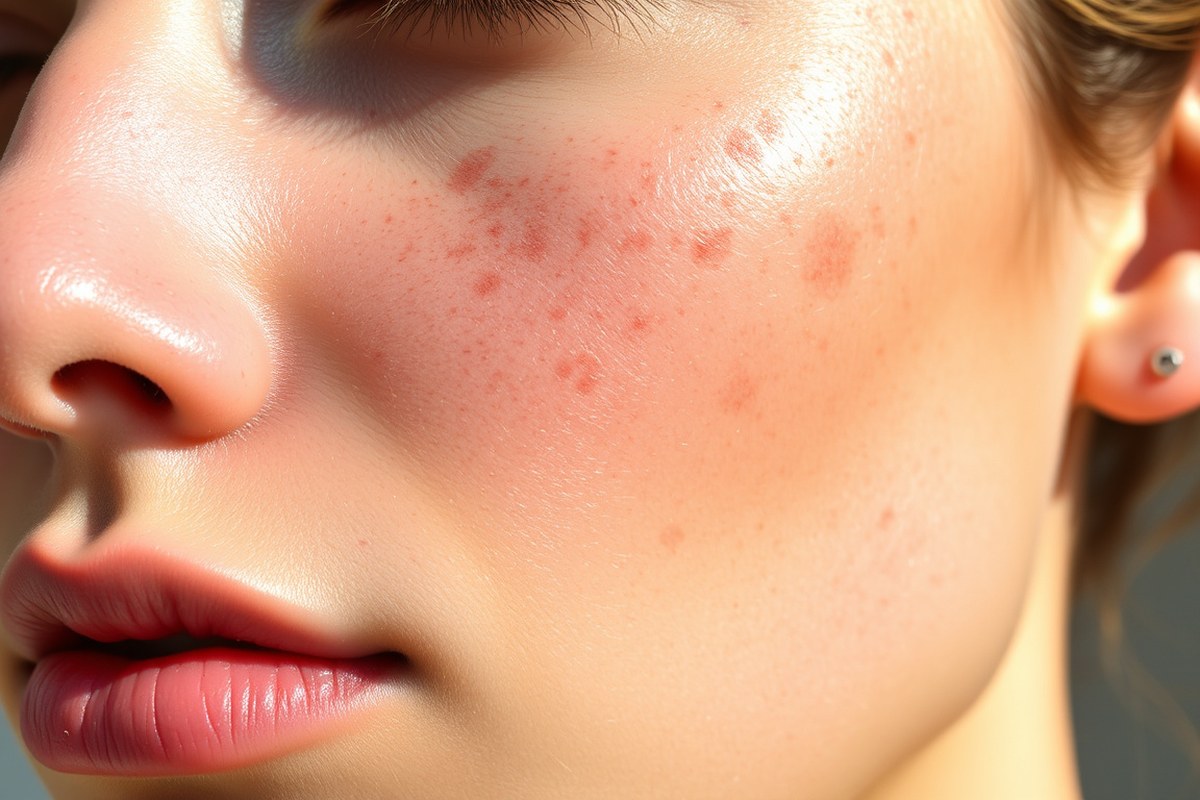
Dark spots on your face result from an excess of melanin, the pigment responsible for your skin color. This surplus mainly occurs as a natural defense against sun damage and inflammation. Various triggers include sunlight exposure, acne flare-ups, hormone shifts, certain drugs, injuries, rashes, and irritation or skin condition inflammation. These factors cause melanin to accumulate, forming darker patches that stand out against your normal skin tone over time.
Melanin overproduction works through a biological process where specialized cells called melanocytes ramp up pigment production when they detect threats like ultraviolet (UV) rays from the sun or inflammation. The melanin then clusters unevenly in the upper layers of your skin, forming dark spots. These spots are sometimes called hyperpigmentation. Age spots are a similar type of dark spot that commonly develop as skin ages, especially after years of sun exposure. Acne scars may also leave dark marks due to inflammation-induced melanin increases, known as post-inflammatory hyperpigmentation (PIH).
Inflammation plays a key role in causing or worsening dark spots. Anytime your skin experiences trauma, such as a pimple, a cut, a burn, or irritation, you can activate melanocytes through inflammatory signals. These signals instruct the skin to produce more melanin as part of the healing process. However, this can leave behind dark marks, especially if the inflammation is persistent or the skin barrier is compromised. Overzealous exfoliation or aggressive treatment attempts may actually increase irritation, making dark spots worse.
Your skin renews itself roughly every 8 to 12 weeks. This means melanin production and uneven pigmentation also follow this timeline, so fading dark spots naturally or with treatment will take at least this long. Rushing the process by using too many active ingredients at once can cause irritation, delaying results or worsening pigmentation.
Protection from further triggers matters because continuous sun exposure and inflammation keep the melanocytes active, leading to new or darker spots. Using a broad-spectrum sunscreen with SPF 30 or higher, especially an oil-free, hydrating formula, helps protect your skin and prevent existing spots from worsening. Regular sunscreen use paired with gentle skincare routines supports your skin’s natural balance and limits melanin overproduction.
2. How Long Does It Take for Dark Spots to Fade Naturally or with Treatment?
Dark spots on the face can fade naturally without treatment, but this process is slow and varies widely depending on the spot’s cause and your skin type. Typically, untreated dark spots may take several months to a year or longer to noticeably fade, especially those caused by acne scars or sun damage. The natural skin turnover cycle replaces skin cells roughly every 28 to 40 days, but deep pigmentation can linger as melanin clusters remain in the lower skin layers.
Using treatment accelerates fading significantly. Over-the-counter products with ingredients like hydroquinone, vitamin C, niacinamide, or alpha hydroxy acids generally show improvements within 8 to 12 weeks of consistent daily use. These formulations work by lightening excess pigment and encouraging skin renewal. You must apply them diligently, usually twice a day, and protect your skin with sunscreen to avoid further darkening. Results depend on how stubborn the spots are and how sensitive your skin is to the treatment.
For more severe or persistent dark spots, such as those from post-inflammatory hyperpigmentation after acne or cosmetic procedures, prescription-strength treatments or professional procedures may be necessary. Chemical peels, laser therapy, and microneedling, performed by dermatologists or licensed professionals, can speed removal and often require multiple sessions spaced weeks apart. These options can show visible changes in as little as a few weeks but typically take 2 to 3 months for the full effect.
Cost and commitment differ between the approaches. Over-the-counter treatments can range from $10 to $50 per product and are convenient for home use but demand patience and consistency. Professional treatments often cost hundreds per session and require office visits but yield faster and more noticeable results for difficult cases. Some dark spots may never fully disappear, but reduction in size and colour intensity is achievable.
Managing expectations helps prevent frustration. Dark spot fading is not an overnight or quick fix, it is a gradual process caused by skin cell renewal and pigment breakdown. Maintaining sun protection, avoiding harsh scrubbing, and sticking to your treatment routine are important to seeing progress. Sometimes combining methods, like starting with topical brighteners and then moving to professional care, offers the best outcomes.
Support fading by never skipping daily sunscreen; sun exposure can undo weeks of progress in a single day.
3. Comparing Topical Ingredients to Fade Dark Spots Safely and Effectively
Several topical ingredients effectively fade dark spots by targeting pigment production and encouraging skin cell turnover. Vitamin C, niacinamide, hydroquinone, azelaic acid, tranexamic acid, and retinoids each have unique strengths, side effects, and recommended usage concentrations. Choosing the right one depends on your skin type, sensitivity, cause of dark spots, and how quickly you want results.
Vitamin C is an antioxidant that blocks tyrosinase, an enzyme central to melanin formation. It also brightens skin and offers some protection against sun damage. Products usually contain 10, 20% L-ascorbic acid or stabilized derivatives. It is generally safe for daily use in the morning and pairs well with niacinamide at different times of day to reduce irritation.
Niacinamide, or vitamin B3, reduces dark spots by inhibiting pigment transfer from cells that produce melanin to skin cells. Concentrations between 2, 5% are effective and tolerable for most skin types, with minimal risk of irritation or redness.
Hydroquinone is a powerful skin lightener that inhibits pigment production directly. Concentrations typically range from 2% OTC to 4% prescription strength. Use is recommended for short periods, generally up to 3 to 4 months, under dermatologist guidance due to potential risks like irritation and ochronosis if misused.
Azelaic acid is effective for acne-related dark spots and general hyperpigmentation. It offers antibacterial benefits and inhibits tyrosinase, with concentrations of 15, 20% showing good results. It is tolerated well by sensitive skin and can be used long term.
Tranexamic acid helps with stubborn pigmentation by reducing melanin synthesis and is often formulated at 2, 5% concentrations. It’s effective on melasma and sun-induced spots and can be combined safely with vitamin C.
Retinoids like retinol, adapalene, and tretinoin increase cell turnover, which helps fade dark spots and improves skin texture. Over-the-counter adapalene 0.1% is FDA-approved and less irritating, while tretinoin and higher-strength retinol require prescription and gradual introduction. Use at night with sun protection during the day.
| Ingredient | Mechanism | Recommended Concentration | Usage Tips | Side Effects |
|---|---|---|---|---|
| Vitamin C | Blocks tyrosinase, antioxidant | 10, 20% L-ascorbic acid or derivatives | Apply morning; pair with niacinamide at other times | Possible mild irritation, photosensitivity if unstable |
| Niacinamide | Reduces pigment transfer | 2, 5% | Use daily; well tolerated by all skin types | Rare mild redness or flushing |
| Hydroquinone | Inhibits pigment formation | 2% OTC; 4% prescription | Limit to 3-4 months; consult dermatologist | Irritation, risk of ochronosis with overuse |
| Azelaic Acid | Tyrosinase inhibitor, antibacterial | 15, 20% | Good for acne-related spots; safe long-term | Mild irritation, dryness |
| Tranexamic Acid | Reduces melanin synthesis | 2, 5% | Use for melasma and sun spots; combine with vitamin C | Rare irritation |
| Retinoids | Accelerates skin cell turnover | Adapalene 0.1% OTC; tretinoin varies | Use at night; start slow; sunscreen essential | Redness, peeling, dryness, photosensitivity |
For mild to moderate dark spots, vitamin C and niacinamide serve well for long-term brightening with minimal risk. Azelaic acid is especially suitable for acne-related pigmentation and sensitive skin. Use hydroquinone only when other options fail and under professional advice due to its risks.
Retinoids are particularly helpful if your dark spots result from acne or if you want the added benefit of improved skin texture. Start with adapalene 0.1% for lower irritation risk. Introduce these gradually, using sunscreen daily to prevent new spots.
Combining ingredients like vitamin C with tranexamic acid or niacinamide with retinol can improve effectiveness, but apply these at different times or alternate days to reduce irritation. Treatment results usually appear after 8 to 12 weeks, so stay consistent and protect your skin from UV exposure.
4. How to Layer Skincare Products for Maximum Dark Spot Fading
Layering skincare products correctly helps ensure active ingredients for fading dark spots work effectively without causing irritation. Applying products in the right order and allowing absorption time prevents sensitivity and maximizes results. Some treatments can worsen pigmentation or skin damage if used improperly or combined with harsh ingredients, so careful layering matters.
Morning Routine for Dark Spot Care
In your morning routine, focus on protecting your skin while treating dark spots gently. Sun protection is essential because UV exposure can make hyperpigmentation worse and slow fading. Use lightweight, antioxidant-rich products first to neutralize free radicals that contribute to pigmentation.
Start with a gentle cleanser, followed by a vitamin C serum or other antioxidant to brighten the skin. Moisturizer provides hydration while prepping skin for sunscreen, which should be the last step. Choose a broad-spectrum sunscreen with physical blockers like zinc oxide or titanium dioxide for stable protection against UVA and UVB rays. Applying sunscreen every day, even on cloudy days, is important to prevent dark spots from darkening or new spots forming.
Evening Routine Essentials
Nighttime is ideal for applying more potent dark spot treatments, such as retinoids or exfoliating acids, since your skin repairs while you sleep. Cleansing thoroughly prepares your skin for active ingredients that promote skin cell turnover and pigment fading. To prevent irritation, let each product absorb before layering the next.
A typical evening layering order starts with a gentle cleanser, followed by a toner or essence if you use one. Next, apply a dark spot serum containing ingredients like retinol, azelaic acid, or niacinamide. Finish with a nourishing moisturizer to support your skin’s barrier. Avoid mixing strong exfoliants with retinoids in the same routine to reduce the risk of redness and peeling, which can worsen dark spots.
- Begin by washing your face with a gentle cleanser.
- Use a hydrating toner or essence if part of your routine.
- Apply your dark spot serum or treatment product evenly.
- Wait 3 to 5 minutes to let the serum absorb fully.
- Apply a moisturizer to lock in hydration and repair skin.
- Use spot treatments carefully, directly on dark spots, avoiding surrounding skin.
- Adjust product frequency based on your skin’s tolerance, starting with every other night if you have sensitive skin.
Introducing New Ingredients Safely
Adding new active ingredients for dark spot treatment requires caution to prevent skin irritation or worsening discoloration. Start by patch testing products on a small area of skin for three days to check for reactions. Introducing one new ingredient at a time helps identify any sensitivity and avoids overwhelming your skin.
Introduce exfoliating acids or retinoids gradually, using them 1 to 2 times per week initially before increasing frequency. Overuse or combining multiple strong actives at once can damage the skin barrier, increasing inflammation and dark spot formation. If irritation occurs, pause the new products and focus on hydration and barrier repair until your skin calms.
For darker or more sensitive skin tones, avoid over-exfoliating and harsh brighteners like hydroquinone without professional advice, as these can cause paradoxical darkening or burns. Consistent, gentle use along with sunscreen and moisturizer supports healthy fading over time without setbacks.
5. Preventing New Dark Spots with Daily Sunscreen and Lifestyle Habits
Using a broad-spectrum sunscreen with an SPF of at least 30 every day is important in both preventing new dark spots and safeguarding your skin while treating existing ones. UV rays promote pigment changes and worsen dark spots, so daily sunblock helps prevent this damage and aids in fading discoloration. Choose a water-resistant formula and apply even on cloudy days or indoors near windows. This ongoing protection shields your face and other exposed areas, reducing the risk of new or deepened spots.
It’s best to apply about one teaspoon of sunscreen for your face 15 minutes before sun exposure and reapply every two hours when outdoors. For extended outdoor activities, use a broad-spectrum product with at least SPF 50 for stronger defense. A tinted sunscreen that contains iron oxide further protects against visible light, which can trigger pigmentation in sensitive skin types. Combining sunscreen with your dark spot treatments prevents new damage and maintains treatment progress.
Healthy lifestyle habits support skin health and improve sunscreen effectiveness. Avoid peak sun hours between 10 a.m. And 4 p.m., wear wide-brimmed hats, and use sunglasses to reduce UV exposure. Drinking plenty of water keeps skin hydrated, while a diet rich in antioxidants like vitamin C and E from fruits and vegetables can help protect skin cells from damage. Avoid picking or aggressively exfoliating dark spots to prevent increased pigmentation or irritation that makes spots worse.
Seasonal changes and your climate also matter. In spring and summer, stronger UV rays increase the risk of dark spot darkening, so upping SPF from 30 to 50 and using physical barriers like clothing becomes even more important. During the winter, UV levels drop but damage still occurs from reflection off snow or spending time near windows. Sunscreen use year-round will maintain results from treatments.
Combining daily broad-spectrum sunscreen with mindful lifestyle habits creates a protective environment for your skin. This helps prevent new dark spots and supports fading of current ones. Costs vary based on brand and SPF level, ranging roughly from $10 to $40 for quality sunscreens, but consistent use is key. Expect gradual improvement with no new spots forming over months, and avoid skipping sun protection, which risks undoing treatment progress.
Apply sunscreen as the last step of your morning routine and remember to reapply every two hours when outside, even if it’s cloudy or you’re in a car.
6. Home Remedies That Work and Those to Avoid for Dark Spot Treatment
Some home remedies can help reduce dark spots and improve skin appearance, but not all are safe or effective. Natural options like aloe vera and turmeric have gentle skin benefits, while acidic treatments such as lemon juice can irritate or worsen pigmentation. Using safe methods and avoiding harsh ingredients lowers the risk of skin damage.
Effective Natural Ingredients
Aloe vera is one of the best home remedies for dark spots. It contains aloin, a compound that may fade pigmentation while soothing skin. Apply pure aloe vera gel or juice directly to spots twice daily for best results. Turmeric also helps by reducing inflammation and inhibiting excess melanin production, which leads to dark spots. To use turmeric, mix a small amount with honey or yogurt and apply as a mask, leaving it on for 10 to 15 minutes before rinsing.
Papaya contains enzymes that gently exfoliate dead skin cells and promote skin renewal, which can lighten spots over time. Use ripe papaya pulp as a mask once or twice a week. These natural ingredients tend to suit most skin types and provide mild but consistent improvement without harsh effects.
Risks of Acidic or Irritant Remedies
Lemon juice is a common natural remedy because of its natural bleaching acid, citric acid. However, lemon juice is highly acidic and can cause irritation, redness, or even worsen hyperpigmentation in some people, especially with sun exposure after application. It may also cause allergic reactions or dryness due to its low pH. For these reasons, it is safest to avoid using lemon juice directly on your face.
Other strong acids or irritants, including raw honey or vinegar in concentrated form, can also provoke skin sensitivity or inflammation. These effects may paradoxically increase dark spots or lead to scarring if the skin barrier is damaged. It is best to be cautious with acidic home remedies and prioritize gentler natural options.
How to Safely Use Home Treatments
To safely try home remedies for dark spots, patch test any new ingredient on a small skin area for 24 hours. Avoid using remedies on broken or sensitive skin. Apply natural treatments like aloe vera or turmeric no more than once or twice daily, and wash off after 10 to 20 minutes if using a mask.
Always apply daily sunscreen of at least SPF 30 during the day, especially after using any treatment that exfoliates or thins skin. This helps prevent new dark spots and protects skin from UV damage that worsens pigmentation. Set realistic expectations, as home remedies work slowly and may need consistent use for several weeks or months to see fading.
- Use pure aloe vera gel on dark spots twice daily for gentle fading.
- Apply turmeric mixed with honey as a mask for 10-15 minutes, 2-3 times weekly.
- Use fresh papaya pulp weekly for mild exfoliation and skin renewal.
- Avoid lemon juice directly on the face to prevent irritation and damage.
- Patch test all remedies on a small skin area first to check for reactions.
- Always apply broad-spectrum sunscreen of at least SPF 30 after treatment.
- Do not overuse acidic or irritant remedies to avoid worsening pigmentation.
7. Professional Treatments: Chemical Peels, Laser, and Microneedling Explained
Professional treatments can significantly reduce or remove dark spots on your face, especially if over-the-counter products and home remedies haven’t worked. Popular options include chemical peels, laser therapy, and microneedling. Each method targets dark spots differently, offering benefits and drawbacks that affect cost, downtime, and suitability depending on your skin type and the cause of the pigmentation.
Chemical peels use acids like alpha hydroxy acid (AHA) or salicylic acid to exfoliate the top layer of skin, encouraging new, evenly pigmented skin to grow. These peels vary in strength. Light peels usually have no downtime and are less expensive, while deep peels require recovery time and higher costs but can treat stubborn spots more effectively.
Laser treatments such as Intense Pulsed Light (IPL) or fractional lasers break down melanin clusters with concentrated light energy. These options tend to offer faster, more noticeable results but come with a higher price tag and some downtime to allow skin healing. Laser therapy usually suits people with sunspots and melasma, but your dermatologist must assess its safety, especially if you have sensitive or darker skin tones.
Microneedling uses fine needles to create controlled skin injuries, promoting collagen production and skin turnover. It is a more gradual treatment and typically requires multiple sessions. The downtime is minimal, making it appealing if you cannot afford significant recovery periods. This method fits those with post-acne dark spots and mild pigmentation issues.
Professional treatments require proper evaluation to choose the best option safely. Consulting a dermatologist before beginning is essential to diagnose the type of dark spots accurately and tailor treatments for your skin’s sensitivity and tone. A dermatologist can also customize chemical peels or recommend combination therapies for better results.
| Treatment | How It Works | Costs (USD) | Downtime | Best For | Cons |
|---|---|---|---|---|---|
| Chemical Peels | Exfoliates top skin layers with acids (AHA, salicylic acid) | $150 – $300 per session | None to 1 week (varies by peel depth) | Superficial spots, uneven tone | Skin irritation, need for multiple sessions |
| Laser Therapy (IPL, Fractional Laser) | Uses light energy to break down melanin clusters | $400 – $1,000 per session | 2 – 7 days | Sunspots, melasma, deeper pigmentation | Higher cost, risk of burns or hyperpigmentation |
| Microneedling | Creates controlled injury to boost collagen and turnover | $200 – $700 per session | Minimal (1-2 days redness) | Post-acne spots, mild pigmentation | Multiple sessions needed, gradual results |
Choosing the right treatment depends on the type and depth of your dark spots, your skin’s sensitivity, and how much downtime you can accommodate. More aggressive treatments like lasers may clear dark spots quicker but come with greater risks, especially for darker skin tones or sensitive skin. Chemical peels offer a middle ground but require regular care afterward to prevent new spots. Microneedling is less intensive but slower to show results.
Before scheduling any professional procedure, see a dermatologist to confirm the diagnosis and discuss your skin goals. They can help customize a treatment plan and monitor your progress to avoid complications. Using medical-grade skincare alongside professional treatments can improve outcomes and maintain your complexion in between sessions.
8. Tailoring Dark Spot Treatment by Cause, Skin Tone, and Sensitivity
Treating dark spots effectively depends on their cause, your skin tone, and how sensitive your skin is. Acne marks, sunspots, and melasma each require a tailored approach because their origins differ. Adjusting treatments for darker skin tones and sensitive skin helps prevent irritation and uneven results. Safety during pregnancy and breastfeeding should also be considered for certain ingredients.
Acne Marks vs Sunspots vs Melasma
Acne marks often result from inflammation and damage to skin cells and usually fade as the skin renews itself. Treating underlying acne is important before targeting marks. Using topical retinoids or vitamin C serums helps speed up skin turnover and reduce pigmentation. Sunspots, caused by UV exposure, respond well to consistent sunscreen use combined with ingredients like hydroquinone or azelaic acid. These fade sun-induced melanin buildup by inhibiting pigment production.
Melasma is more complex and can be triggered by hormones, making it patchy and stubborn. Gentle treatments like chemical exfoliants (glycolic acid) and mild lightening agents often work best. When topical methods do not show the desired results, doctors may suggest laser or chemical peels, but these require professional supervision to avoid worsening pigmentation. Proper diagnosis of dark spot type guides the choice of treatment and duration, which can range from weeks for acne marks to months for melasma.
Adjusting for Darker Skin Tones
People with darker skin tones need careful treatment choices because some strong lightening agents and procedures can cause further discoloration or scarring. Ingredients like hydroquinone may work but should be used under dermatologist guidance to prevent “post-inflammatory hyperpigmentation,” a condition where skin darkens after irritation. Safer options include azelaic acid, niacinamide, and mild chemical exfoliants, which lighten spots gradually with less risk.
Test any new product on a small area to check for adverse reactions before full application. Longer treatment periods, sometimes spanning 8 to 12 weeks, might be necessary to see visible improvement. Protecting skin with broad-spectrum SPF 30 or higher daily is important, as UV exposure worsens pigmentation in darker skin more noticeably. Exercise caution with aggressive treatments like lasers, which can cause damage without expert care.
Managing Sensitive Skin Safely
Sensitive or reactive skin requires a gentler approach to avoid irritation that can worsen dark spots. Start with products labeled for sensitive skin and avoid strong exfoliants or bleaching agents initially. Using moisturizers that support the skin barrier, such as ceramides or hyaluronic acid, helps reduce inflammation and dryness.
Introduce any fading treatment one at a time, applying it every other day or less to monitor tolerance. Keep routines simple and avoid combining multiple active ingredients unless recommended by a professional. Should redness, stinging, or peeling occur, pause treatment and increase moisturizing. This cautious stepwise method minimizes setbacks and supports gradual improvement without triggering new pigmentation.
Always perform a patch test before using a new dark spot treatment, especially on sensitive or reactive skin, to avoid worsening discoloration.
Pregnancy and Breastfeeding Considerations
During pregnancy and breastfeeding, many common dark spot treatments are unsafe or not recommended. Hydroquinone and retinoids should be avoided due to possible risks to the baby. Instead, physical sun protection and gentle, pregnancy-safe ingredients like azelaic acid are often advised. Azelaic acid is effective and has a favorable safety profile backed by dermatologic research.
Consult your healthcare provider before starting or continuing any treatment for dark spots during these periods. Protecting your skin with hats and broad-spectrum sunscreen remains important because pregnancy can increase melasma risk due to hormonal changes. Patience is essential, as some pigmentation may fade naturally after childbirth.
Step-by-Step Action Plan to Fade Dark Spots on Your Face
Follow these steps to reduce dark spots safely and effectively. This plan helps you choose the right products, protect your skin, and track progress.
- Before You Start: Identify your dark spots’ cause and skin type to select suitable treatments and avoid irritation. Note if spots appeared after acne, sun exposure, or aging for a targeted approach.
- Day 1-7: Begin daily sunscreen use with at least SPF 30 to prevent new spots and protect treated skin. Look for broad-spectrum formulas and reapply every 2 hours in sunlight.
- Week 1-4: Introduce a topical ingredient like vitamin C serum or niacinamide in the morning to lighten spots and support skin repair. Use as directed and check for any redness or sensitivity.
- Week 2-6: Add an exfoliant containing alpha hydroxy acids (AHAs) or gentle retinoids at night to speed up skin cell turnover. Monitor your skin to avoid over-exfoliation or irritation.
- After 4 Weeks: Assess progress by comparing photos under consistent lighting. A noticeable lightening or smoother skin tone shows the treatment is working; if not, consider adjusting products or consulting a professional.
- Ongoing: Maintain daily sunscreen and gentle skincare routines to prevent new spots. Avoid picking at acne or using harsh home remedies that could worsen pigmentation.
- After 8-12 Weeks: If dark spots remain stubborn, explore professional options like chemical peels or microneedling with a licensed provider, tailored to your skin tone and sensitivity.
Frequently Asked Questions
How Can I Quickly Fade Dark Spots on My Face?
To quickly fade dark spots, use products with proven ingredients like retinoids consistently for about 8 to 12 weeks. Patience and daily sunscreen protect your progress and prevent new spots from forming.
What Is the Very Best Dark Spot Remover?
The best dark spot remover varies by your skin type, but retinoic acid creams like Dang Retinoic Cream 0.05% are highly recommended for promoting even skin tone and fading hyperpigmentation.
How to Get Rid of Dark Spots on Your Face Naturally?
Natural remedies such as vitamin C serums or aloe vera may help lighten dark spots gradually but take longer than medical treatments. Consistency and sun protection remain essential with natural methods.
What Is the Best Way to Remove Dark Spots on My Face?
Using a combination of topical treatments with ingredients like retinoids, hydroquinone, or vitamin C alongside sunscreen offers the best results. Avoid picking spots and maintain a steady skincare routine for lasting effects.
Can Makeup Cover Dark Spots Without Worsening Them?
Yes, using non-comedogenic, mineral-based makeup can cover dark spots without causing irritation or worsening pigmentation. Remove makeup carefully each night to maintain skin health.
Are Dark Spots on My Face Permanent?
Most dark spots, especially those caused by sun damage or acne, are not permanent and can gradually fade with proper treatment and sun protection over several weeks.
Key Points to Remember
Consistent care and protection are your best tools for reducing dark spots on your face. Start by applying a broad-spectrum sunscreen every morning to prevent new spots and support fading treatments. This simple step can make a significant difference in your skin’s appearance over time.





3 Comments