How to Get Rid of Hyperpigmentation: 8 Proven Steps for Clearer Skin
Getting rid of hyperpigmentation effectively involves targeting the excess melanin that causes dark spots and uneven skin tone. You can use proven ingredients like hydroquinone, chemical peels, and laser therapy, along with a daily skincare routine tailored to your skin type and tone. Managing underlying skin conditions such as acne or eczema also plays a key role in clearing hyperpigmentation.
This information is for anyone struggling with dark spots wanting clearer, more even skin. You’ll learn about the types and causes of hyperpigmentation, effective treatments both at home and in-office, how soon to expect results, and how to avoid common mistakes. This approach helps you address your skin’s unique needs safely and effectively.
Key Takeaways
- Identify your hyperpigmentation type, melasma, sun spots, or post-inflammatory, to choose the most effective treatment approach for your skin.
- Use proven ingredients like 2% hydroquinone to fade dark spots safely; stronger 4% concentrations require dermatologist supervision.
- Expect to see visible lightening results within 8 to 12 weeks of consistent treatment, with some spots fading over 6 to 12 months.
- Consider in-office procedures like chemical peels or laser therapy for faster results, but tailor treatments to your skin tone and sensitivities.
- Incorporate daily use of broad-spectrum sunscreens, such as Sun Face Pigment Control Fluid SPF 50+, to prevent new dark spots from forming.
- Build a skincare routine with gentle, science-backed products to manage pigmentation and avoid irritation that can worsen dark spots.
1. What Is Hyperpigmentation and What Causes It?

Hyperpigmentation occurs when certain areas of your skin produce more melanin than usual, causing them to appear darker than the skin around them. These darker spots or uneven areas often appear on sun-exposed parts such as the face, hands, and neck. Although hyperpigmentation is harmless, it may impact how you feel about your looks.
Sun exposure is the leading cause of hyperpigmentation. Ultraviolet (UV) rays from sunlight stimulate your skin to produce more melanin to protect deeper layers. Over time, this extra melanin settles unevenly, forming age spots or sun spots. These spots often get darker with continued sun exposure, making daily use of sunscreen with at least SPF 30 important to prevent and limit worsening damage.
Hormones also play a role in triggering dark spots, especially during pregnancy when melasma, characterized by symmetrical patches on the cheeks or forehead, can develop. Hormonal changes linked to birth control pills or hormone replacement therapy can cause or worsen hyperpigmentation as well. This hormonal influence means dark spots often appear during periods of intensified hormonal activity.
Post-inflammatory hyperpigmentation happens after your skin experiences inflammation or injury, such as acne, eczema, or cuts. The affected area produces extra melanin as it heals, leading to dark marks or patches that can linger for months. Unlike sunspots, these spots are tied to skin trauma rather than UV damage but can worsen if exposed to sunlight without protection.
Certain medications can also trigger hyperpigmentation by increasing melanin production or making your skin more sensitive to sunlight. These include antibiotics, chemotherapy drugs, and some anti-seizure medications. If you notice new dark spots after starting a medication, speak with your healthcare provider to see if it might be contributing to your skin changes.
Knowing the cause of your hyperpigmentation is key to effective treatment and prevention. Protecting your skin from the sun daily with sunscreen, covering up when outdoors, and avoiding peak UV hours all help reduce new dark spots and prevent existing spots from darkening. Addressing hormonal imbalances with your doctor and treating acne or inflammation quickly minimizes post-inflammatory hyperpigmentation. Taking these steps targets the root of melanin overproduction, which is essential to fading dark spots and evening your skin tone over time.
2. Types of Hyperpigmentation and How to Identify Them
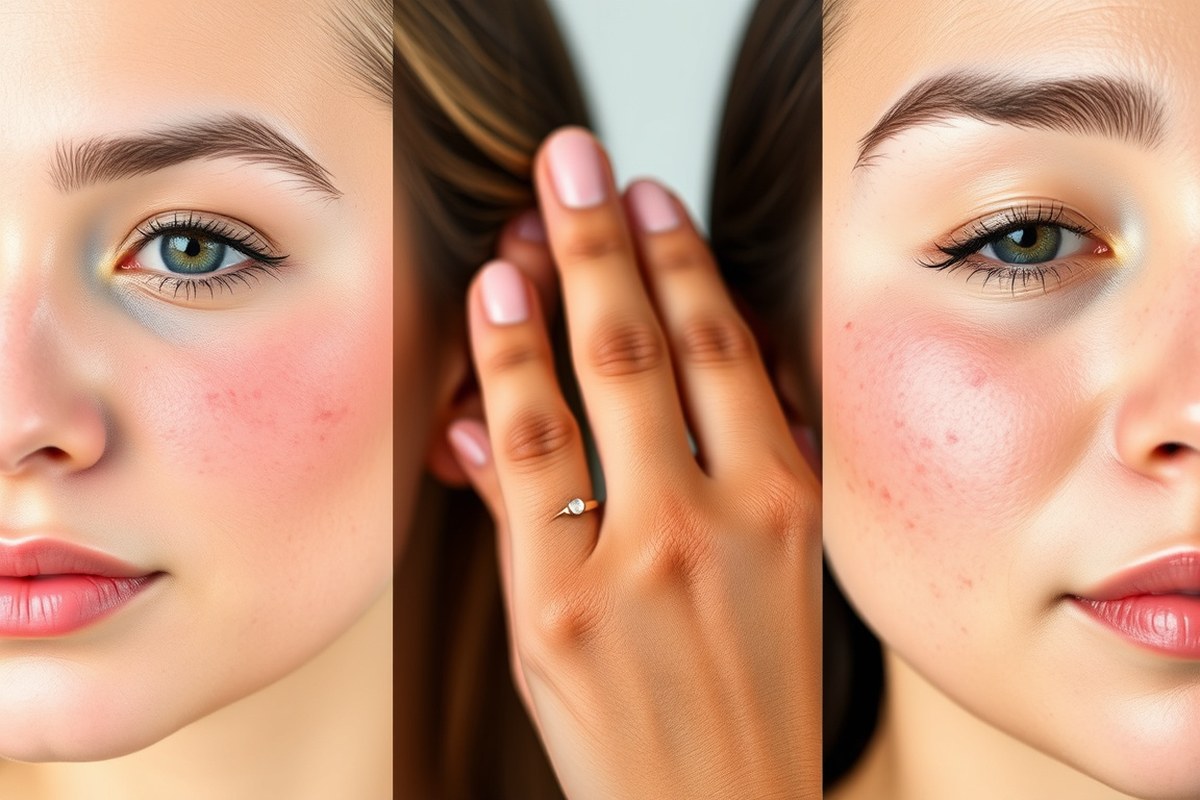
Hyperpigmentation comes in different types that have unique causes and appearances. Identifying whether your dark spots are melasma, age spots, or post-inflammatory hyperpigmentation is key to selecting the right treatment and setting realistic expectations for results.
Melasma: Characteristics and Triggers
Melasma usually shows up as large, irregular patches of darker skin, primarily on the cheeks, forehead, nose, and upper lip. It mainly affects women, especially during pregnancy or with hormone changes from birth control or hormone therapy. Sun exposure is another major trigger that worsens melasma by increasing melanin production.
The color can range from light brown to dark brown or gray-brown and tends to be symmetrical on both sides of the face. Unlike other types, melasma is a stubborn condition and often requires prescription treatments like hydroquinone or professional procedures combined with strict daily sun protection to manage it effectively.
Age Spots and Sun Damage
Age spots, also known as liver spots or solar lentigines, appear as small, well-defined, flat brown or black spots. They usually develop on parts of the body most exposed to sunlight, such as the face, hands, neck, chest, and upper back. These spots typically emerge in middle age or later but can develop earlier with significant sun exposure.
Since age spots result from accumulated sun damage, prevention with sunscreen is essential, and treatment often involves topical lightening agents, chemical peels, or laser treatments to reduce their appearance. Unlike melasma, age spots tend to remain stable but can be lightened over time with consistent care.
Post-Inflammatory Hyperpigmentation Explained
Post-inflammatory hyperpigmentation (PIH) appears as flat spots or patches that are darker than the surrounding skin and usually arise after an injury or inflammation, like acne, eczema, or cuts. It affects all skin types but is more noticeable on darker skin tones because excess melanin is produced during the skin’s healing process.
These spots can vary in color from red, brown, to black depending on the injury’s depth and your skin tone. PIH often fades over several months but responds well to topical treatments such as retinoids, vitamin C, and mild chemical exfoliants. Treating the underlying cause is important to prevent new spots from forming.
Choosing Treatments Based on Type
Identifying your hyperpigmentation type guides effective treatment choices. Melasma often requires a combination of prescription-strength agents like hydroquinone and professional procedures spaced 4 to 6 weeks apart to see improvement. Age spots usually respond well to over-the-counter lightening products, sun protection, and optional laser or peel treatments for faster results.
Post-inflammatory hyperpigmentation benefits from gentle, consistent care that targets inflammation and pigmentation, typically involving topical antioxidants and exfoliants to accelerate fading. Using harsh products or aggressive treatments on PIH can worsen it. Consulting with a dermatologist for an accurate diagnosis helps tailor treatment and avoid mistakes that delay results.
Always protect your skin with broad-spectrum SPF 30 or higher daily to prevent worsening hyperpigmentation, no matter the type you have.
3. Proven Ingredients to Fade Dark Spots and Even Skin Tone
Several active ingredients can effectively fade dark spots and even skin tone by targeting melanin production and skin cell turnover. Niacinamide (vitamin B3) is a top choice, clinically proven to reduce hyperpigmentation and is gentle enough for all skin types, including sensitive and darker skin tones. It also strengthens the skin barrier and calms inflammation, which helps prevent new dark spots from forming. Retinol, a form of vitamin A, speeds up skin cell turnover, revealing fresher skin and diminishing pigmentation over time. It’s more potent and can cause irritation, so starting with a low concentration and applying it at night with sunscreen during the day is essential.
Hydroquinone remains a powerful skin-lightening agent for stubborn dark spots. Over-the-counter products often contain 2% hydroquinone and are effective for moderate pigmentation issues. However, it should be used with caution, especially for darker skin tones, to avoid irritation and potential rebound pigmentation. Vitamin C serums are also effective antioxidants that brighten skin and fade pigmentation within 8 to 12 weeks of consistent use. They are generally safe across skin types but may cause irritation in sensitive skin, so patch testing is advisable.
| Ingredient | Strength / Concentration | Benefits | Safety / Suitability |
|---|---|---|---|
| Niacinamide (Vitamin B3) | 2-5% | Reduces hyperpigmentation, strengthens skin barrier, anti-inflammatory | Safe for all skin types, including sensitive and darker skin tones |
| Retinol | 0.25-1% | Speeds up skin cell turnover, fades pigmentation | Can irritate sensitive skin; start low and build tolerance; night use only |
| Hydroquinone | 2% OTC; higher by prescription | Powerful skin lightener, effective on stubborn dark spots | Use cautiously on darker skin to avoid irritation; discontinue if irritation occurs |
| Vitamin C (Ascorbic Acid) | 10-20% | Antioxidant, brightens skin, fades dark spots | Generally safe; patch test if sensitive |
When combining these ingredients, use caution to reduce irritation. For example, apply niacinamide in the morning with sunscreen to protect the skin. Use retinol at night on alternate days if you have sensitive skin. Vitamin C can be layered under sunscreen in the morning but should not be mixed directly with retinol to avoid increased sensitivity. Avoid using hydroquinone simultaneously with potent exfoliants or retinol unless advised by a dermatologist.
Choosing ingredients depends on your skin type and pigmentation severity. For darker skin tones, niacinamide and vitamin C are safer starting points to minimize irritation and discoloration risk. Retinol requires more gradual introduction, and hydroquinone should only be used under professional guidance due to higher risks. A consistently sun-protective routine is critical to avoid worsening dark spots regardless of active ingredient use.
4. Timelines: How Soon Can You See Results and When to Adjust
You can expect to see improvements in hyperpigmentation after about 8 to 12 weeks of consistent use of brightening creams or topical treatments containing ingredients like thiamidol. This timeline matters because fading dark spots is a gradual process that depends on how quickly your skin renews itself and responds to treatment. Immediate results are uncommon with over-the-counter products, so patience and regular application are key to seeing meaningful changes.
Some professional treatments offer faster results, especially for more severe or persistent hyperpigmentation. Dermatological procedures such as chemical peels, laser therapy, microdermabrasion, or dermabrasion can show visible improvement often after just one session. However, a series of treatments spaced over several weeks or months typically delivers the best outcome. One example is more invasive laser treatments, which may require 3 to 7 days of downtime but can provide noticeable improvements much sooner than topical products.
To decide if a treatment isn’t working, give your skin at least 8 to 12 weeks to respond when using topical creams. Signs that a product is ineffective include no visible lightening of dark spots in that time frame or worsening skin irritation that prevents consistent use. When no improvement appears or adverse effects occur, it’s wise to consult a dermatologist to explore stronger options or professional procedures. This step helps avoid prolonged frustration and ensures you’re not wasting time and money on ineffective solutions.
Adjustments in treatment might be necessary if your hyperpigmentation fails to improve as expected. Adding or switching ingredients like kojic acid combined with hydroquinone and glycolic acid can help improve results but should be done cautiously and under professional guidance because of potential side effects. For faster resolution, especially with more stubborn dark spots, a dermatologist can recommend in-office treatments that target excess melanin more aggressively and deliver quicker outcomes than home care.
In all cases, you should continue sun protection daily to prevent new spots or darkening of existing ones during treatment. Avoid expecting overnight changes and commit to the routine. When after about three months you see little progress, reassessing your approach with a skin specialist will provide tailored advice and possibly faster-acting strategies. Remember, hyperpigmentation fades with time and the right method, but persistence and realistic timing are essential to successful management.
5. Safe and Effective In-Office Treatments to Consider
In-office treatments like chemical peels, laser therapies, and microdermabrasion can significantly reduce hyperpigmentation by targeting excess melanin and renewing the skin surface. These procedures vary in intensity, recovery time, and cost, so choosing the right one depends on your skin type, the severity of pigmentation, and your tolerance for downtime.
Chemical Peels: Types and Benefits
Chemical peels involve applying a solution that exfoliates dead skin cells and stimulates skin renewal. Light peels use alpha-hydroxy acids (AHAs) like glycolic acid and are mild enough for minimal downtime, typically costing between $150 and $300 per session. Medium peels, often using trichloroacetic acid (TCA), penetrate deeper and may require up to a week of healing with redness and peeling; these usually range from $300 to $600. Deep peels with phenol deliver dramatic results but come with longer recovery and higher expense, often exceeding $1,000.
Peels effectively fade sunspots and uneven pigmentation but usually require multiple treatments spaced several weeks apart. Overuse or strong peels applied without professional guidance can cause irritation or worsen pigmentation, especially in darker skin tones. Proper sun protection after peels is critical to maintain results and prevent rebound darkening.
Laser and IPL Treatments Overview
Lasers target melanin using concentrated light or heat energy to break up pigment clusters. Popular options include PICO and Clear & Brilliant lasers, both considered safe and effective with relatively low risk of scarring or fat loss. Laser sessions typically cost between $400 and $1,500 depending on the technology and treatment area.
Intense Pulsed Light (IPL) is a gentler alternative that also targets pigmentation but usually requires multiple treatments with less pronounced downtime, around a few days of redness or swelling. Laser treatments may cause temporary darkening of spots post-procedure and carry some risk of worsening hyperpigmentation if parameters are not carefully adjusted. Fractional CO2 lasers are more aggressive, improving tone and texture but inducing longer recovery and higher costs.
Microdermabrasion: What to Expect
Microdermabrasion mechanically exfoliates the skin using fine crystals or diamond tips to remove the outermost layer. This treatment is less intense than peels or lasers and usually involves no downtime beyond mild redness lasting a few hours. Session costs range from $75 to $200.
While microdermabrasion helps smooth skin and reduce superficial pigmentation, it may not fully address deeper or stubborn hyperpigmentation and often works best combined with topical treatments. Multiple sessions spaced 2 to 4 weeks apart are common. Side effects are rare but can include sensitivity or mild irritation.
Schedule a consultation with a licensed dermatologist to tailor treatments safely, especially if you have darker skin or sensitive skin conditions prone to pigmentation flare-ups.
6. How to Tailor Treatment to Your Skin Tone and Sensitivities
Treating hyperpigmentation requires adjustments based on your skin tone and the sensitivity of the affected area. Darker skin tones need careful product choices to avoid worsening pigmentation, and delicate areas call for gentler formulas. Selecting safe ingredients and tailored treatments helps you reduce dark spots effectively without irritation or damage.
Challenges of Treating Darker Skin Tones
Darker skin contains more active melanocytes, which makes it more prone to post-inflammatory hyperpigmentation after irritation or injury. Using harsh treatments like strong chemical peels or aggressive retinoids can trigger more pigmentation instead of reducing it. Products with ingredients such as niacinamide and low-concentration retinol are safer choices since they brighten skin tone with less risk of irritation.
It is essential to introduce new treatments slowly, applying them just a few times weekly to monitor skin responses. Look for clinically tested products tailored to dark skin, like Pigmentbio Sensitive areas cream, which is formulated to lighten hyperpigmentation on darker skin including sensitive spots. Avoid over-exfoliating because this can increase melanin production and cause patchiness.
Special Care for Delicate Areas
Areas like the underarms, groin, knees, and elbows are prone to hyperpigmentation but also have thinner, more sensitive skin. These spots require treatment products designed to be mild yet effective. Products with gentle but active ingredients should be your first choice to avoid irritation which can worsen dark spots.
For example, Pigmentbio Sensitive areas cream is specifically made for these zones and offers 100% tolerance in clinical trials. Apply the treatment in a thin layer twice daily after cleansing, avoiding any rubbing or aggressive application. If irritation or redness develops, reduce frequency or stop use and consult a dermatologist.
Safe Ingredient Selection for Sensitivities
Ingredients with anti-inflammatory properties can reduce irritation while addressing pigmentation. Niacinamide is one such ingredient, frequently used to brighten and calm the skin simultaneously. It also helps stabilize skin barrier function, which is critical in sensitive skin prone to hyperpigmentation.
Avoid stronger actives such as high-percentage hydroquinone, high-concentration glycolic acid, or harsh retinoids in sensitive areas or if your skin easily inflames. Instead, look for formulations combining niacinamide with milder natural extracts or patented blends that regulate melanin production without stripping the skin. Always patch test first and limit application to once or twice daily, increasing only if tolerated.
7. Daily Skincare Routine to Prevent and Manage Hyperpigmentation
Preventing and managing hyperpigmentation starts with a consistent daily skincare routine focused on sun protection, gentle exfoliation, and targeted treatments. The most important step is applying a broad-spectrum sunscreen with at least SPF 30 every morning. UV exposure triggers melanin production, making dark spots worse and encouraging new ones. Sunscreen should be a non-negotiable part of your routine before any other product.
Exfoliation helps fade hyperpigmentation by removing dead skin cells and promoting cell turnover. Use mild chemical exfoliants like alpha-hydroxy acids (AHAs) or beta-hydroxy acids (BHAs) two to four times per week, depending on your skin’s sensitivity. Over-exfoliating can cause irritation, which may worsen discoloration, so stick to this frequency and avoid harsh physical scrubs. On days without exfoliation, focus on gentle hydration with barrier-friendly ingredients such as niacinamide and hyaluronic acid.
You can layer brightening products like vitamin C serum, niacinamide, and tranexamic acid safely as long as your skin tolerates them without burning or stinging. Applying products from thinnest to thickest texture is a practical approach: start with water-based serums then move to creams and oils. Vitamin C not only helps even skin tone but also protects against oxidative stress. Be mindful that these actives can increase sun sensitivity, so always follow with sunscreen during the day.
- Morning: cleanse, vitamin C serum, moisturizer, broad-spectrum SPF 30+ sunscreen
- Evening (2-4 times/week): cleanse, chemical exfoliant (AHA/BHA), targeted brightening serum, moisturizer
- Evening (non-exfoliation days): cleanse, hydrating serum with niacinamide and hyaluronic acid, moisturizer
- Patch test new products and stop use if burning or irritation occurs to avoid worsening hyperpigmentation
- Limit direct sun exposure and wear protective clothing whenever possible
Following this routine, improvement in dark spots often appears within 8 to 12 weeks, but patience is key. Watch for redness or sensitivity as signs you might be overdoing exfoliation or layering active ingredients too quickly. In sensitive areas or with melasma, prioritize mild formulations and consider professional guidance to tailor your regimen safely. Maintaining this consistent routine can prevent new spots and support gradual fading of existing hyperpigmentation.
8. Common Mistakes and When to Seek Professional Help
One of the biggest mistakes that can worsen hyperpigmentation is overusing harsh products or mixing incompatible active ingredients. Irritating your skin with strong acids, retinoids, or bleaching agents without proper guidance causes inflammation, which can lead to more dark spots or uneven tone. Using hydroquinone without a dermatologist’s oversight is risky since the optimal 4% strength needs careful application to avoid side effects. Also, relying on many products in a complex routine often does more harm than good; a simple, gentle plan works better.
Knowing when to stop or change your routine is important. If your skin stings, burns, or becomes red and flaky, dial back or pause the treatment. Persistent irritation after two weeks signals your skin isn’t tolerating the products. Likewise, if your hyperpigmentation worsens or spreads despite using over-the-counter options consistently for 8 to 12 weeks, you should reconsider your approach. Certain dark spots, especially those changing size, color, or bleeding, must be evaluated by a professional promptly.
- Avoid excessive scrubbing or physical exfoliation that aggravates the skin.
- Do not mix multiple strong actives like retinol, vitamin C, and acids without supervision.
- Stop treatments causing persistent irritation or allergic reactions.
- Use sunscreen daily to prevent worsening hyperpigmentation.
- Seek professional help if dark spots grow, bleed, itch, or look unusual.
- Pregnancy-related pigmentation needs gentle, dermatologist-approved options.
- Consult your health provider before starting hydroquinone or similar prescription treatments.
Persistent irritation or unexpected changes in your dark spots should prompt a visit to a dermatologist for tailored care and safer product recommendations.
Professional evaluation usually involves a skin examination and may include treatments like prescription hydroquinone, chemical peels, or laser therapy targeted for stubborn pigmentation. These options typically cost $150 to $400 per session, depending on the procedure and location. A dermatologist can also identify if your pigmentation is a symptom of an underlying condition that requires more specialized care. Early intervention by a licensed expert reduces risks and improves outcomes compared to extended self-treatment without improvement.
Step-by-Step Action Plan to Reduce Hyperpigmentation
Follow these clear steps to identify, treat, and prevent hyperpigmentation effectively. Track your progress with realistic expectations and adjust your approach as needed.
- Before You Start: Identify your type of hyperpigmentation (sun spots, melasma, or post-inflammatory) by examining location, pattern, and triggers like sun exposure. This helps you pick the right ingredients and treatments.
- Day 1: Begin a daily skincare routine including a broad-spectrum SPF 30+ sunscreen, a gentle cleanser, and a serum with proven fading ingredients like vitamin C or niacinamide. Check if your skin tolerates these without redness or irritation after a week.
- Week 2: Add a gentle exfoliant with alpha hydroxy acids (AHAs) 2 to 3 times per week. Monitor for mild peeling or improvement in skin texture; if irritation occurs, reduce frequency.
- After 4 Weeks: Evaluate visible changes in dark spots and evenness. When spots appear lighter and your skin feels smoother, continue the routine. Without improvement, consider introducing stronger actives like hydroquinone or seeking professional advice.
- Month 2: Maintain daily sun protection and skincare. Schedule an appointment with a dermatologist to discuss in-office treatments such as chemical peels or laser therapy if your hyperpigmentation remains persistent or worsens.
- Ongoing: Avoid picking or irritating spots, use tailored products suitable for your skin tone and sensitivities, and review your routine seasonally to adjust for sun intensity or skin changes.
Frequently Asked Questions
What Is the Fastest Way to Cure Hyperpigmentation?
The fastest way to cure hyperpigmentation is by consulting a dermatologist for treatments like chemical peels, laser therapy, or microdermabrasion, which rapidly reduce dark spots. These procedures work by removing the skin’s outer layers or targeting melanin directly.
Does Hyperpigmentation Go Away?
Some types of hyperpigmentation may fade over time, especially if caused by skin injuries or inflammation, but hormone-related hyperpigmentation like melasma tends to be stubborn and may require treatment to improve. Managing sun exposure helps prevent worsening.
How Do Koreans Get Rid of Hyperpigmentation?
Koreans often use brightening ingredients such as vitamin C, niacinamide, and gentle exfoliants in layered skincare routines. Consistent sun protection and hydrating, soothing products also help achieve more even skin tone gradually.
How Do I Remove My Pigmentation Naturally?
Natural removal of pigmentation involves using ingredients like aloe vera, green tea extract, or licorice root in skincare products. These can help reduce melanin production gently, but results are slower and less dramatic than clinical treatments.
Can Hyperpigmentation Worsen Without Treatment?
Yes, sun exposure and skin irritation can worsen hyperpigmentation if left untreated. Using daily sunscreen and avoiding aggravating factors is important to prevent dark spots from becoming more pronounced.
Is Hyperpigmentation Permanent?
It depends on the cause; some discoloration fades with time, but others, especially melasma, often require ongoing treatment for noticeable improvement.
Before You Go
Reducing hyperpigmentation requires consistent care and the right combination of treatments tailored to your skin type. Start by incorporating a proven brightening ingredient like vitamin C or niacinamide into your morning routine to protect and even out your skin tone. Track your progress patiently and consult a dermatologist if your dark spots don’t improve after several weeks of treatment. This approach helps you manage dark spots safely and effectively over time.