How to Get Rid of Strawberry Legs: A Complete Guide with Proven Treatments
To get rid of strawberry legs, focus on regular exfoliation, proper moisturizing, and gentle hair removal methods. Exfoliating with products containing salicylic acid or using benzoyl peroxide for folliculitis can clear clogged pores. Moisturizing helps reduce dryness that worsens the appearance. Avoid harsh shaving techniques and maintain a consistent leg care routine to prevent the condition from returning. This is for anyone dealing with the dark spots and bumps that make legs look like they have “strawberries.” You’ll learn which hair removal methods affect strawberry legs, the best physical and chemical exfoliants, how moisturizing fits in, lifestyle changes to consider, and when to seek professional care to keep your skin smooth and clear.
Key Takeaways
- Use exfoliating products with salicylic acid regularly to help clear clogged pores and reduce strawberry legs within 8 to 12 weeks.
- Choose shaving creams formulated for sensitive skin to minimize irritation that can worsen strawberry legs.
- Apply physical exfoliation gently for 3 minutes on dry skin or as a 5-15 minute mask on sensitive skin without scrubbing.
- Incorporate chemical exfoliants carefully, avoiding sun exposure for 12 hours after treatment if they contain phototoxic ingredients like sweet orange oil.
- Keep your legs moisturized with suitable products to maintain skin barrier health and reduce follicle visibility contributing to strawberry legs.
- Adopt daily cleansing and weekly exfoliation routines while avoiding harsh hair removal methods to prevent strawberry legs from recurring.
What Are Strawberry Legs and What Causes Them?
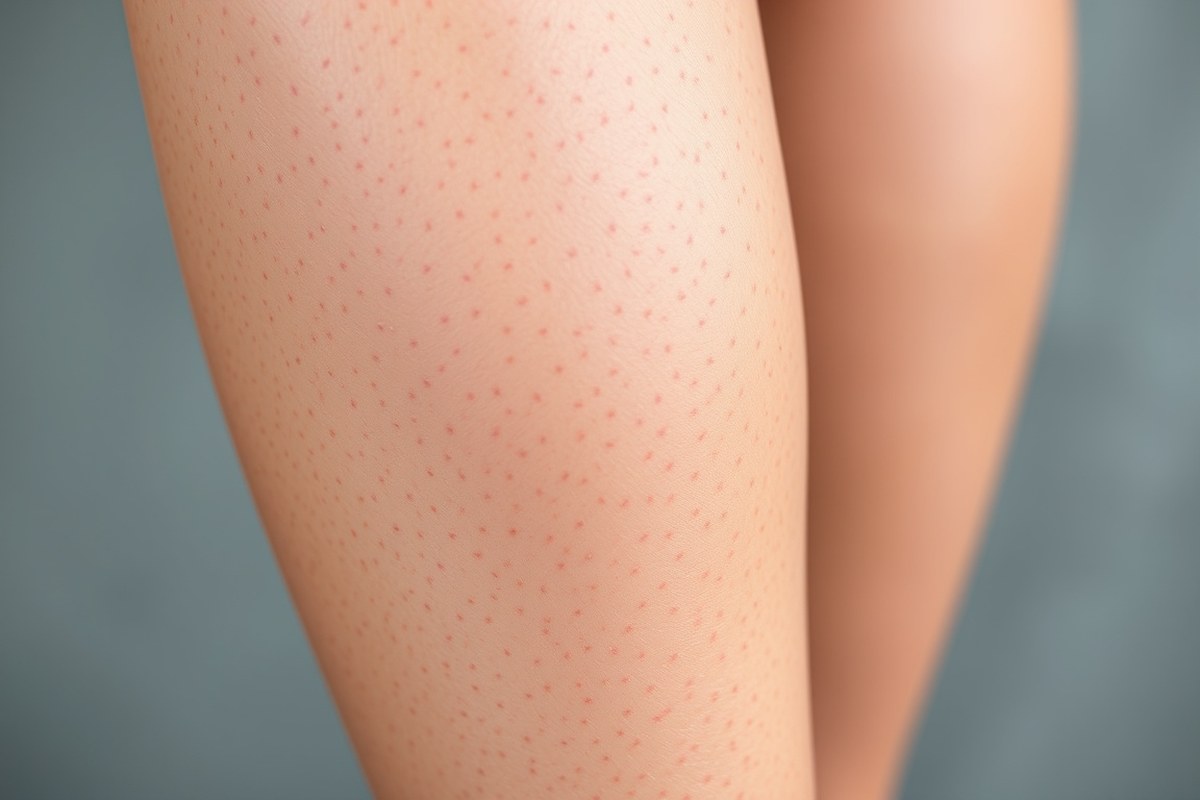
Strawberry legs describe skin on the legs that looks dotted with tiny dark spots, similar to the seeds on a strawberry. These spots are actually open pores or hair follicles filled with trapped oil, dirt, bacteria, or dead skin. The dark color comes from the oxidation of this material when it is exposed to air. Most often, the appearance results from clogged pores caused by hair removal methods like shaving, but it can also stem from other skin conditions. The spots can be more visible on smoother or lighter skin, creating a noticeable cosmetic effect.
The main cause of strawberry legs is clogged hair follicles or open pores containing a mixture of oil, sweat, dead skin cells, and bacteria. Pores can become clogged when shaving harvests hair but leaves the follicle partially blocked, especially if the razor irritates the skin or there is inadequate cleansing after shaving. Dry skin plays a key role as well, since lack of moisture roughens skin texture and encourages dead skin buildup, making pores more visible and prone to clogging.
Beyond clogged pores, other contributors include folliculitis, an inflammation or infection of the hair follicles, and keratosis pilaris (KP), which involves excess keratin buildup that blocks follicles. These conditions cause bumps or redness that can resemble strawberry legs but require different treatments such as antibiotics for folliculitis or specialized exfoliating products for KP. Ingrown hairs trapped beneath the skin can also create similar spots and irritation. These underlying causes mean strawberry legs is not just a simple clogged pore issue. The visibility of pores can relate to genetics, hair thickness, and skin type as well.
Strawberry legs are not a disease but a common cosmetic concern. They do not cause harm but can affect how your legs look and feel, potentially lowering confidence. The trapped material in the pores is benign but becomes noticeable as dark dots. Because the causes relate to everyday habits like shaving and skin care, strawberry legs can improve greatly with proper hygiene, moisturizing, and exfoliation routines focused on clearing and preventing pore blockages while soothing the skin. Addressing skin dryness and gently caring for your legs reduces the likelihood of clogged follicles and the resulting appearance.
How Hair Removal Methods Affect Strawberry Legs

Choosing the right hair removal method can significantly impact the appearance of strawberry legs. Shaving tends to contribute to strawberry legs because it cuts hair at the skin surface, which can cause clogged pores and ingrown hairs. Using a dull blade or shaving dry skin increases follicle irritation, leading to folliculitis, commonly mistaken for strawberry legs. In contrast, waxing and epilating remove hair from the root, which helps prevent the bumps associated with strawberry legs by reducing the occurrence of ingrown hairs over time.
Laser hair removal and electrolysis offer longer-term solutions. Laser therapy targets dark hair on fair skin most effectively, reducing hair growth and thereby minimizing signs of strawberry legs after multiple sessions. Electrolysis treats individual hair follicles and can prevent recurrent ingrown hairs, improving skin texture. Both methods require a professional and come with higher upfront costs but lead to longer-lasting results compared to shaving or waxing.
| Hair Removal Method | Effect on Strawberry Legs | How It Works | Time Frame for Results | Cost Range (USD) |
|---|---|---|---|---|
| Shaving | Can cause irritation and ingrown hairs, making strawberry legs worse | Cuts hair at skin surface | Immediate but needs frequent repetition | Low ($5-$20 per razor) |
| Waxing | Can prevent strawberry legs by removing hair from root; may cause folliculitis if skin is sensitive | Pulls hair out from root | Lasts 3-6 weeks | Moderate ($30-$80 per session) |
| Epilating | May prevent strawberry legs; discomfort similar to waxing | Electrical device pulls hair from root | Lasts several weeks | Moderate initial cost ($30-$100 for device) |
| Laser Hair Removal | Effective in reducing appearance by targeting dark hair; best on fair skin | Uses laser to damage hair follicles | Multiple sessions over months | High ($200-$400 per session) |
| Electrolysis | Can prevent ingrown hairs and improve strawberry legs; permanent | Destroys follicle via electric current | Multiple sessions needed | High ($30-$100 per session) |
For shaving, avoid dry shaving and replace blades regularly to prevent irritation. Waxing or using an epilator might be better if you have sensitive skin prone to folliculitis, but watch for rash or bumps right after hair removal. Laser hair removal typically requires a series of sessions spread out over several months, and its success depends on hair and skin color contrast. Electrolysis is more time-consuming and costly but offers permanent results without inflammation from repeated hair removal. People with frequent ingrown hairs benefit most from laser or electrolysis treatments.
Tip: Always moisturize your legs immediately after hair removal to reduce irritation and help prevent strawberry legs from developing.
Effective Physical Exfoliation Techniques for Strawberry Legs
Physical exfoliation can effectively remove dead skin cells and smooth your legs to reduce the appearance of strawberry legs. Choosing gentle exfoliants and using the correct technique is essential, especially if your skin is sensitive. Careful exfoliation unclogs pores without causing irritation or inflammation that could worsen the condition.
Types of Physical Exfoliants to Use
The best physical exfoliants for treating strawberry legs are those that remove dead skin cells without harsh scrubbing or causing microtears. Gentle options include body scrubs with fine particles, soft exfoliating gloves, and tools like dry brushes designed for sensitive skin. Avoid scrubs with large, rough particles such as walnut shells or apricot pits that can damage skin.
For sensitive skin, non-abrasive exfoliants such as sugar scrubs or synthetic beads in gel formulas work well. Some products combine mild physical exfoliants with soothing ingredients to calm the skin during treatment. Using these exfoliants as a mask, letting the mixture rest on the legs for about 5 minutes before rinsing, can minimize irritation since it avoids mechanical scrubbing.
Step-by-Step Physical Exfoliation Routine
Follow these steps to exfoliate effectively and safely:
- Wet your legs with warm water to soften the skin and open pores.
- Apply your chosen gentle physical exfoliant evenly, starting at the ankles and moving upward in circular motions.
- For normal skin, gently scrub for 1 to 2 minutes, avoiding excessive pressure.
- If you have sensitive skin, skip the scrubbing and let the exfoliant sit for 5 minutes as a mask before rinsing.
- Rinse thoroughly with lukewarm water, removing all exfoliant residue.
- Pat your legs dry with a soft towel instead of rubbing.
- Immediately moisturize using a fragrance-free lotion to help restore the skin barrier.
Perform physical exfoliation no more than 2 to 3 times a week to prevent damaging your skin and irritating strawberry legs further.
Avoiding Irritation and Over-Exfoliation
Over-exfoliating or using harsh scrubs can worsen strawberry legs by inflaming the skin and causing redness. Avoid vigorous scrubbing, especially if your legs are prone to bumps or ingrown hairs. Shaving right after exfoliation might increase irritation; give your skin time to recover.
Avoid exfoliation if you have open wounds, razor burn, or active skin infections on your legs. Using dull razors or shaving without proper prep can contribute to ingrown hairs and clogged pores, so maintain good shaving hygiene alongside exfoliation. Always choose exfoliant products designed for the body and sensitive skin, and discontinue use if you experience persistent irritation or dryness.
Using Chemical Exfoliants: Acids That Help and Safety Tips
Chemical exfoliants like salicylic acid and glycolic acid can effectively reduce strawberry legs by unclogging pores and smoothing skin texture. Use them carefully, following proper application steps, and always protect your skin from sun exposure afterward. Over-the-counter acne treatments containing these acids may help, especially if folliculitis contributes to your condition.
Best Acids for Strawberry Legs
Salicylic acid and glycolic acid are the most recommended exfoliants for treating strawberry legs. Salicylic acid, a beta hydroxy acid, penetrates deep into pores to clear out dead skin cells and excess oil, making it effective for clogged hair follicles and acne-like folliculitis. Glycolic acid, an alpha hydroxy acid (AHA), helps to gently dissolve dead skin on the surface and refine skin texture.
Products like body washes with 4% AHA, such as Dove’s Exfoliate Away Serum Bodywash, provide gentle chemical exfoliation without excessive dryness. Salicylic acid lotions or toners also work well for unclogging pores between shaving or waxing sessions. These acids reduce the appearance of dark spots and bumps by promoting smoother skin over time.
How to Apply Chemical Exfoliants Safely
Applying chemical exfoliants requires a consistent but cautious approach. Overuse can irritate skin, so it’s best to start slowly and observe how your skin reacts. The following steps outline a safe routine for using these acids on your legs:
- Cleanse your legs with a gentle, non-irritating body wash to remove dirt and oils.
- Pat your skin dry with a towel, leaving it slightly damp if using a serum or drops.
- Apply 5 to 6 drops of an acid exfoliant (like a glycolic acid serum) evenly on damp skin, targeting areas with visible strawberry legs.
- Allow the product to absorb fully before applying any moisturizer or oils.
- Start by using the exfoliant 2 to 3 times per week, increasing frequency only if your skin tolerates it without redness or irritation.
- On days you exfoliate chemically, avoid other abrasive scrubs or harsh treatments that could stress your skin.
- Use a non-comedogenic moisturizer to keep your skin hydrated and support the skin barrier.
- Consult a dermatologist if you notice persistent redness, itching, or worsening symptoms.
Protecting Skin After Acid Use
Chemical exfoliants make your skin more sensitive to sunlight, so applying broad-spectrum sunscreen with SPF 30 or higher daily is essential. UV exposure can worsen pigmentation, dark spots, and overall appearance related to strawberry legs. Avoid direct sun on your treated legs for at least 12 hours after application, especially if your product contains photosensitive ingredients like sweet orange oil.
Wear protective clothing, like long pants, or apply sunscreen if you’ll be outdoors after treatment. If you use acne treatments containing benzoyl peroxide for folliculitis-related strawberry legs, follow the same sun protection measures. Keeping your skin hydrated with lotions or oils rich in hyaluronic acid also helps maintain the skin barrier and reduce irritation after acid use.
The Role of Moisturizing and Choosing the Right Products
Moisturizing plays an important role in managing strawberry legs by helping to keep the skin hydrated and less prone to irritation. While dry skin alone doesn’t cause strawberry legs, it can make the bumps more noticeable and contribute to issues like keratosis pilaris, ingrown hairs, and razor burn. Applying moisturizer regularly after bathing locks in hydration, softens the skin, and can reduce inflammation that aggravates the appearance of strawberry legs.
Choose a moisturizer designed for dry or sensitive skin to avoid further irritation. Ingredients such as glycerin, hyaluronic acid, ceramides, and natural oils provide deep hydration and help restore the skin barrier. Aloe vera is another effective option because it has antibacterial and antifungal properties that can reduce folliculitis, a common contributor to strawberry legs. For example, massage 6 to 8 drops of a nourishing oil onto dry legs for two minutes, then gently wipe the excess with a warm, damp cloth to lock in moisture and soothe the skin.
Moisturizing your skin right after you shower when it is still slightly wet helps it absorb better. For very dry skin, choose a richer cream or ointment to keep your skin hydrated longer. To deeply moisturize, apply a thick layer on your legs and massage softly for about three minutes before rinsing it off. If you’re short on time, spraying a hydrating mist and lightly patting it on your skin after your shower is effective too. Regularly moisturizing every day can smooth your skin and make pores and bumps less noticeable.
Although moisturizing alone won’t completely clear strawberry legs, it is an essential part of a broader care routine that includes exfoliation and using gentle shaving techniques. Neglecting hydration increases the likelihood of irritation when shaving, which can worsen the spots. Avoid shaving dry legs to prevent raising the risk of developing these blemishes. Using a sharp razor designed for sensitive skin combined with proper moisturizing reduces skin trauma and helps your legs look smoother. Lasers or medical treatments might dry out the skin, making moisturizing even more important if you use such options.
Always moisturize your legs right after showering while your skin is still damp to lock in hydration and prevent irritation that worsens strawberry legs.
How to Prevent Strawberry Legs with Daily and Weekly Routines
Preventing strawberry legs involves a consistent daily and weekly routine that combines careful hair removal, regular exfoliation, and proper moisturizing. Using the right shaving tools and adapting steps for your skin type helps maintain smooth, clear legs with less irritation and clogged pores.
Daily Skincare Routine for Clear Legs
A simple daily routine focusing on shaving technique, cleansing, and moisturizing supports clear skin and avoids irritation that leads to strawberry legs. Key factors include using sharp razors, shaving cream, and hydration to protect the skin barrier.
- Wet your legs with warm water to soften skin and hair.
- Apply a moisturizing shaving cream to reduce friction and protect the skin.
- Always shave using a sharp, clean razor and move it gently in the direction your hair grows to avoid skin irritation.
- Rinse legs thoroughly with cool water to close pores.
- Pat skin dry with a clean towel, avoiding rubbing which can cause irritation.
- Apply a fragrance-free, hydrating moisturizer immediately to lock in moisture.
- Repeat daily shaving as needed but avoid over-shaving the same area to reduce skin damage.
Using shaving cream that contains moisturizing ingredients can help prevent razor burn and irritation. Replace your razor blade every 5 to 7 shaves to keep it sharp and avoid tugging on your skin. Consistent moisturizing helps restore your skin’s barrier, lowering the chance of clogged follicles.
Weekly Deep Care and Exfoliation
Weekly exfoliation removes dead skin cells and unclogs pores, which helps reduce the appearance of strawberry legs. Both physical and chemical exfoliants can work if used carefully and not too frequently.
- Before shaving, gently exfoliate your legs using a dry brush or a mild scrub with small granules.
- Rinse off exfoliant with warm water.
- If using chemical exfoliants like salicylic acid, apply them 1 to 2 times per week at night, avoiding broken skin.
- Follow exfoliation with a rich, hydrating moisturizer to soothe and repair skin.
Do not exfoliate more than 2 times per week to prevent irritation or redness. Regular exfoliation softens hair follicles, making shaving easier and less irritating. Deep moisturizing after exfoliation improves skin texture and reduces visible dark pores over time. Results may take several weeks of consistent care.
Adjustments for Sensitive, Dry, and Oily Skin Types
Tailor your hair removal, exfoliation, and moisturizing routine depending on your skin type to minimise irritation and optimize results. Sensitive skin: Use fragrance-free, hypoallergenic shaving creams and moisturizers. Choose gentle physical exfoliants or avoid scrubs altogether, opting for mild chemical exfoliants at lower concentrations (0.5% to 1%) once a week.
Dry skin: Limit exfoliation to once weekly with moisturizing scrubs or gentle acids like lactic acid. Use thicker creams or oils post-shaving to restore hydration and protect the skin barrier. Avoid hot water which can worsen dryness.
Oily or acne-prone skin: Exfoliate 2 times a week with salicylic acid-based products that unclog pores. Use lightweight, non-comedogenic moisturizers after shaving to prevent excess oil buildup without clogging follicles.
Lifestyle Factors and Their Impact on Strawberry Legs
Strawberry legs often improve when you pay attention to lifestyle habits such as diet, hydration, bathing, and exercise. Keeping your skin well-hydrated is essential because dry skin makes pores appear more prominent and rough, highlighting the dark spots typical of strawberry legs. Drinking at least 64 ounces (about 2 liters) of water daily helps maintain skin moisture from the inside out. Along with hydration, a balanced diet rich in vitamins A, C, and E supports healthy skin renewal and repair. These vitamins aid in reducing inflammation and promoting collagen production, which can improve the skin’s texture and lessen the appearance of clogged pores.
Bathing habits also play a large role. Long, hot showers can strip natural oils from your skin, worsening dryness and irritation that make strawberry legs more visible. Aim for lukewarm water and limit showers to about 10 minutes. Using gentle cleansers instead of harsh soaps preserves the skin’s barrier, while exfoliating 2 to 3 times a week with a mild scrub or chemical exfoliant removes dead skin cells that contribute to clogged hair follicles. After bathing, apply a moisturizer suitable for your skin type, preferably one containing ingredients like glycerin or hyaluronic acid, to lock in moisture and smooth the skin surface.
Exercise improves circulation and helps deliver nutrients to your skin, which can support healthier skin cells and potentially reduce the severity of strawberry legs. Sweating during workouts can also open pores and facilitate their cleansing, but shower promptly afterward to avoid pore blockage from sweat and dirt. Wearing breathable clothing during exercise helps prevent irritation that can worsen the condition.
Certain vitamin deficiencies can affect your skin’s appearance. A lack of vitamin D, for example, has been linked to some skin conditions, though its direct impact on strawberry legs is not well established. Deficiencies in B vitamins and zinc, which are important for skin repair and inflammation control, may indirectly influence how your skin responds to shaving and hair removal. A multivitamin or consultation with a healthcare provider can ensure you meet these nutritional needs safely.
Climate and seasonal changes also influence strawberry legs. Dry, cold weather tends to exacerbate skin dryness, making the dark pores more noticeable, while humid conditions may promote sweat retention and bacterial growth, increasing irritation risk. During colder months, boost the frequency and thickness of your moisturizing routine and consider using humidifiers indoors to maintain skin hydration. In contrast, lighter moisturizers and more frequent bathing can help in hot, humid seasons to reduce pore clogging.
When to Seek Dermatological Help and Avoid Home Treatment Risks
Seeing a dermatologist becomes important when strawberry legs persist despite good home care or if discomfort, redness, swelling, or pus appears, suggesting infection. These signs may indicate folliculitis, an inflammation or infection of hair follicles that sometimes accompanies strawberry legs. Without proper treatment, folliculitis can worsen, causing scarring or permanent skin changes.
Distinguishing strawberry legs from similar conditions can guide appropriate care. Strawberry legs often appear as dark dots or open comedones due to clogged follicles, while keratosis pilaris causes rough, bumpy patches from trapped keratin. Folliculitis shows raised, red, sometimes painful bumps, often with whiteheads. If you see these symptoms, or your skin texture changes significantly, professional evaluation is advised.
Home treatments pose risks, especially if you use harsh scrubs or potent chemicals without guidance. Over-exfoliating can irritate skin, worsen inflammation, or cause microtears leading to infections. Incorrect shaving techniques or DIY waxing may also lead to razor burn or folliculitis, complicating strawberry legs rather than improving them. Use this checklist to decide when to seek professional care:
- Redness, swelling, or warmth around bumps
- Pus-filled or painful lesions on legs
- No improvement after 4 to 6 weeks of consistent home care
- Suspected keratosis pilaris with persistent rough patches and no response to over-the-counter products
- Frequent or severe flare-ups of folliculitis signs
- Scarring, permanent dark spots, or skin texture changes
Stop using any product that causes burning, intense itching, or worsens the bumps before consulting a dermatologist.
When you see a dermatologist, expect a thorough skin examination and discussion of your hair removal and skincare habits. They can confirm the diagnosis, prescribe topical antibiotics or anti-inflammatory creams, and recommend laser treatments or chemical peels for stubborn cases. Costs vary widely, topical prescriptions often range from $20 to $100 per treatment, while professional procedures can cost several hundred dollars per session, typically requiring 3 to 6 visits.
Early referral helps avoid permanent damage. Treating folliculitis promptly prevents infection spread and scarring. Keratosis pilaris linked to strawberry legs may require ongoing management instead of cure, but symptoms often improve with prescription retinoids or moisturizers prescribed by a specialist. Always follow your dermatologist’s instructions to minimize risks related to home treatments and maximize smooth, clear leg skin.
Step-by-Step Action Plan to Clear Strawberry Legs
Follow these practical steps to reduce the appearance of strawberry legs by addressing their causes and adopting the right care routine.
- Before You Start: Switch to a gentle hair removal method such as shaving with a fresh, sharp razor or consider trimming instead of waxing. Notice less irritation or redness within the first few days.
- Day 1: Begin exfoliating with a physical scrub designed for sensitive skin twice a week. You’ll know it works when the texture of your skin feels smoother and clogged pores seem less noticeable after several uses.
- Week 1: Introduce a chemical exfoliant containing salicylic acid or glycolic acid 1-2 times per week to clear deeper pores. Watch for reduced visible dark spots or bumps after two weeks of consistent use.
- Daily Routine: Apply a fragrance-free, non-comedogenic moisturizer right after exfoliating and shaving daily to soothe and hydrate your skin. Healthy, soft skin that resists irritation means you’re on the right track.
- Week 2: Evaluate your shaving and skin care products. Swap out anything causing dryness or irritation for milder alternatives. Improvement in skin comfort and fewer new bumps confirm the change helps.
- Ongoing Lifestyle: Drink plenty of water and maintain a balanced diet rich in vitamins to support skin health. Over time, clearer skin and less inflammation indicate your body is benefiting.
- After 3-4 Weeks: Assess progress. When strawberry legs improve significantly, continue the routine. Should dark spots or bumps persist or worsen, schedule a visit with a dermatologist to check for folliculitis or other conditions.
Frequently Asked Questions
Can Shaving Cause Strawberry Legs to Worsen?
Yes, shaving can irritate pores and worsen strawberry legs, especially without proper exfoliation and moisturizing afterward to soothe the skin.
Does Waxing Improve the Appearance of Strawberry Legs?
Waxing can reduce strawberry legs temporarily by removing hair from the root, which may lead to smoother skin and less clogged pores.
Are There Specific Soaps or Cleansers That Help with Strawberry Legs?
Using gentle, non-comedogenic cleansers can help prevent pore blockage that contributes to strawberry legs. Avoid harsh soaps that dry out skin.
Is Strawberry Leg a Sign of an Underlying Medical Condition?
Strawberry legs generally result from clogged pores or folliculitis, not serious conditions. See a dermatologist if irritation or pain worsens.
Can Using a Body Scrub Every Day Reduce Strawberry Legs?
Daily scrubbing can irritate skin and worsen strawberry legs. Exfoliate 2-3 times weekly for best results.
Does Hair Growth Rate Affect How Quickly Strawberry Legs Return?
Faster hair growth means you may notice strawberry legs sooner after hair removal, so frequent exfoliation helps keep them at bay.
Key Points to Remember
Reducing the appearance of strawberry legs starts with consistent care that includes gentle exfoliation and proper moisturizing tailored to your skin type. You can begin today by incorporating a mild chemical exfoliant containing salicylic acid into your routine, applying it a few times a week to help clear clogged pores safely. Watch your skin’s response and adjust as needed, but consult a dermatologist if irritation persists or the problem worsens.