
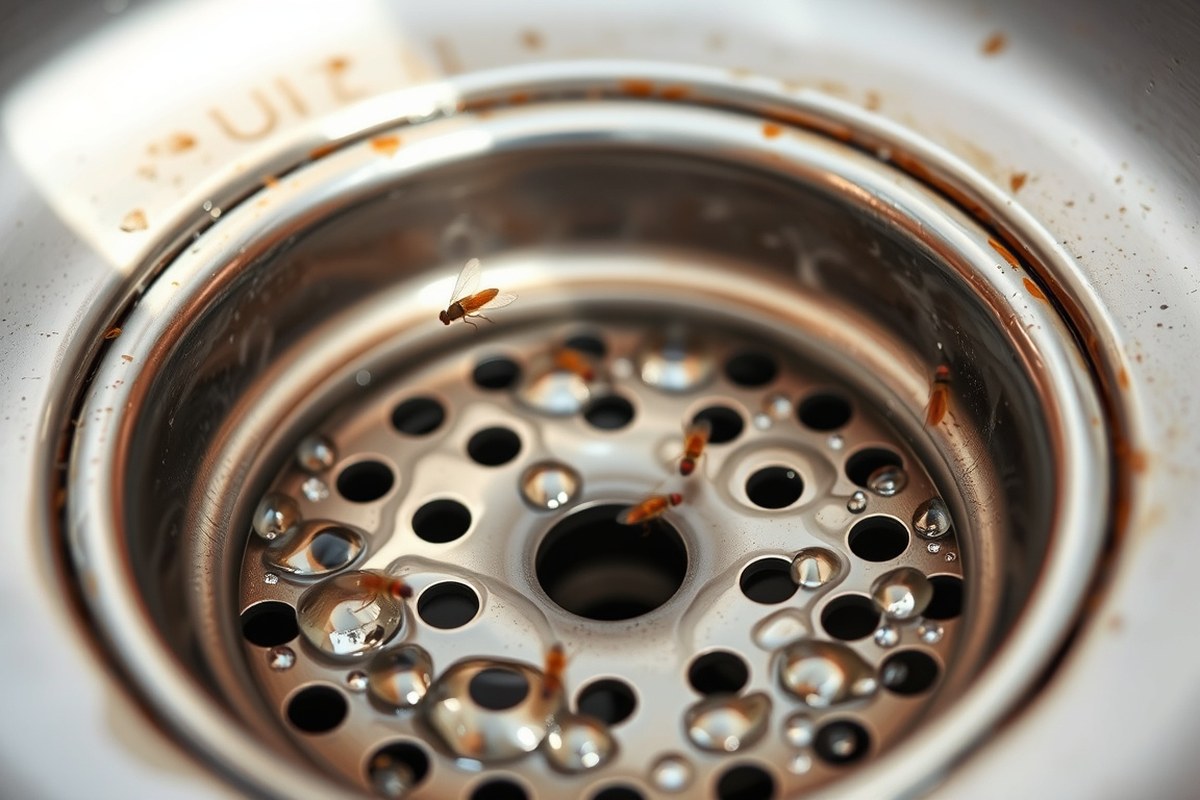
How to Get Rid of Fruit Flies in Drain: 8 Proven Steps for Fast Results
To get rid of fruit flies in drain quickly, focus on cleaning the organic buildup where they breed. Remove slime and debris inside your kitchen sink drain, use homemade traps to catch adults, and apply safe remedies or enzymatic cleaners to kill larvae. Following a clear treatment schedule helps break their life cycle and prevents return.
This advice works well for homeowners or renters dealing with fruit flies that are attracted to fermenting residue in drains. You’ll learn how to identify the flies, clean breeding sites, use effective traps, and know when to call in professional help. These steps target fruit fly infestations at the source for fast, lasting results.
Key Takeaways
- Confirm fruit flies breeding in your drain by trapping adults on tape and identifying tiny, non-fuzzy fruit flies about 1/8 inch long.
- Fruit flies breed in drains due to organic buildup; females lay up to 500 eggs that hatch within 24 to 30 hours, causing rapid infestations.
- Manually clean drains by scrubbing and removing debris to eliminate breeding sites and lower fruit fly populations effectively.
- Pour boiling water down the drain twice, 10 minutes apart, followed by hot water after 12 hours to kill larvae and flush them out.
- Use homemade traps with apple cider vinegar and dish soap, changing contents every 2 to 3 days to capture adult fruit flies.
- Apply commercial enzymatic drain cleaners when natural methods fail, targeting organic matter that supports larvae growth and infestations.
1. How to Identify and Confirm Fruit Flies Breeding in Your Drain
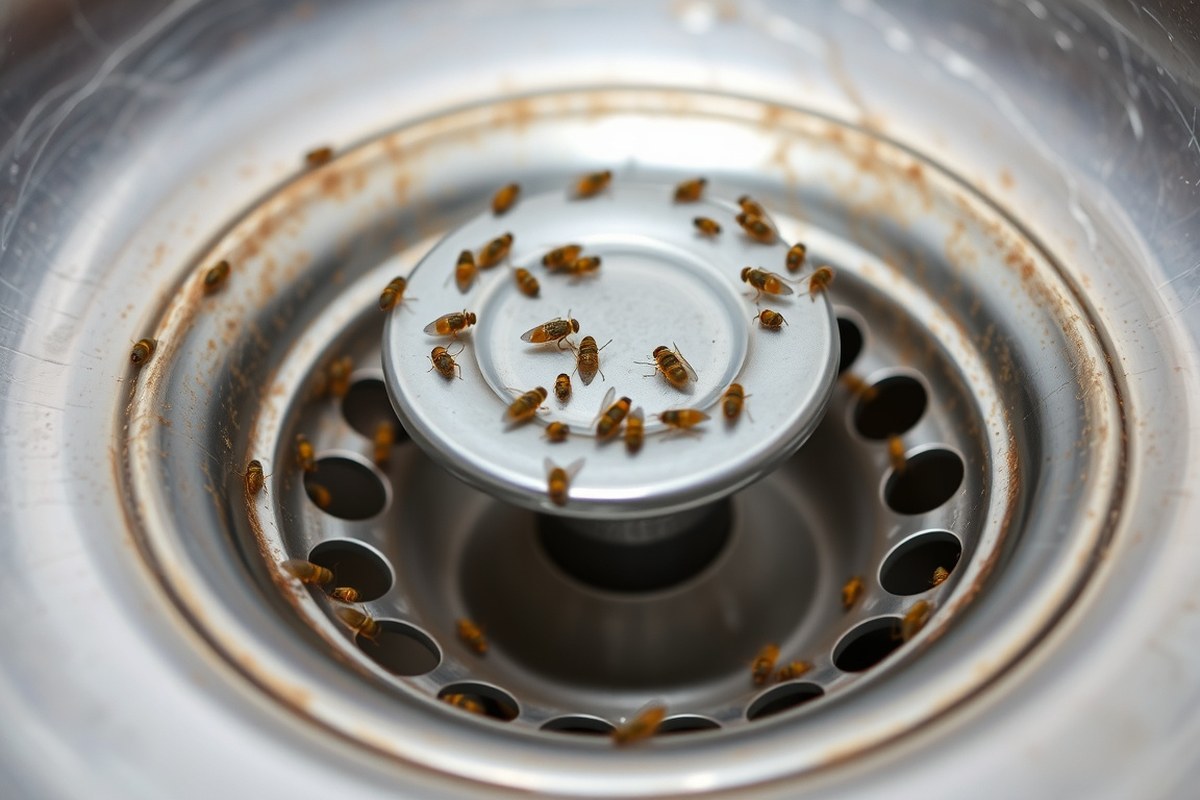
Identifying whether fruit flies or drain flies are breeding in your kitchen drain is essential for effective removal. Fruit flies are about 1/8 inch long with clear wings and a smooth body, while drain flies look similar in size but have a fuzzy, moth-like appearance and weaker flight. Fruit flies can fly longer distances and are usually seen near ripened or fermenting fruit, whereas drain flies tend to hover closely around drains or other moist areas with organic buildup.
To confirm the drain as the breeding site, a simple duct tape test can trap flies emerging from there. Visual signs of infestation include spotting adult flies resting near or on the drain and noticing damp, organic slime, called biofilm, lining the pipe surfaces. Larvae presence inside drains points to active breeding and requires closer inspection.
Checking for larvae inside the drain involves shining a flashlight down the drain opening and using a thin, flexible tool to gently scrape the inner walls to collect organic residue. Larvae look like tiny, pale worms moving slowly in the slime. Confirming their presence helps you pinpoint the exact breeding site that needs cleaning. Use the following steps to differentiate and confirm fruit fly breeding in your drain:
- Observe the fly appearance. Pick flies near the drain and use a magnifying glass if possible. Look for fuzzy wings and legs (drain flies) versus smooth, clear wings and bright eyes (fruit flies).
- Note the flying pattern. Watch how flies move. Drain flies tend to flutter in place close to the drain opening, while fruit flies fly quickly and farther away from the source.
- Apply the duct tape test. Cut a piece of clear duct tape about 4 inches long. Press the sticky side gently over the drain opening and leave it for 12 to 24 hours. If flies stick to the tape, it confirms the drain as the breeding site.
- Look for adults resting near the drain. Check the drain edges, sink bottom, and nearby surfaces for tiny, 1/8-inch flies gathering, which signals active breeding.
- Inspect larvae presence. Shine a flashlight into the drain and scrape any visible slime or residue with a thin tool like a pipe cleaner or narrow stick, then view the collected material for tiny, white larvae.
- Smell for a fermented scent. Fruit flies are attracted to sweet, vinegar-like smells typical of fermenting biofilm in drains.
- Check for standing water and organic buildup. Standing or slow-draining water with organic debris inside the drain often indicates a breeding environment.
This process typically takes under one day, costs only a few dollars for tape and a flashlight, and clearly identifies whether the infestation is linked to your drain. A negative tape test or no signs of larvae may mean the flies breed elsewhere. Repeat checks on nearby drains in multi-drain kitchens, as drain flies often live close to their breeding sites. Confirming the source helps focus your cleaning and treatment efforts effectively.
2. Why Fruit Flies Breed in Drains and How They Get There
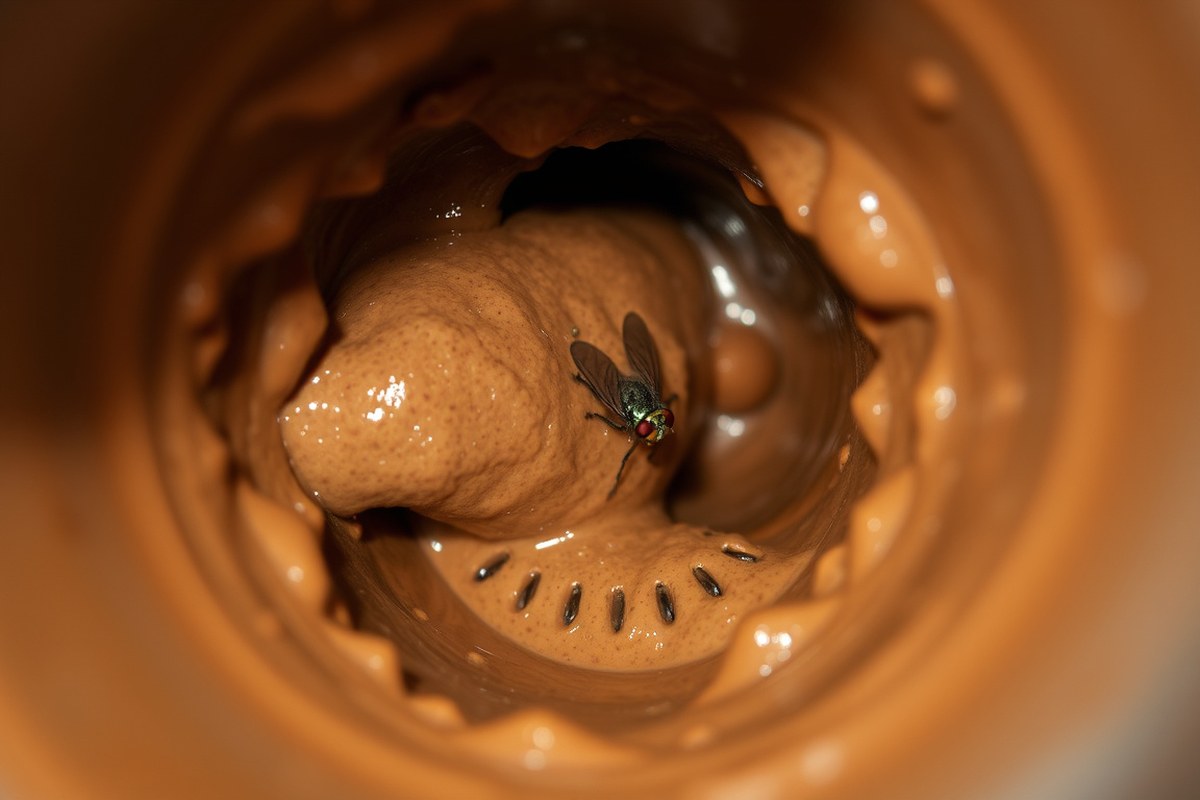
Fruit flies often end up breeding in drains because these spots provide the perfect combination of moisture and organic material. Kitchen and bathroom drains collect food residue, grease, and other decomposing matter that builds up in the pipes and forms a slippery biofilm. This organic layer fuels the growth of fruit fly larvae and offers a secure environment for females to lay eggs. Because these areas stay consistently moist, they create ideal breeding grounds where fruit flies can complete their life cycle and multiply quickly.
The way fruit flies access drains usually starts with the adults being attracted to ripened or fermenting produce nearby. They are drawn to the scent of fermentation, which also comes from the organic buildup inside drains. Once an adult fruit fly locates a drain, it lays eggs directly into the slime inside the pipes. Standing water or slow-moving water in clogged drains makes these sites even more inviting, allowing larvae to thrive in the wet conditions. Drains near garbage disposals or compost bins are especially at risk because of the continuous supply of food scraps.
Drain flies, while similar in size and appearance to fruit flies, breed mainly in the organic sludge that accumulates on pipe walls and in drain catchers. Unlike fruit flies, which prefer fermenting fruits, drain flies feed on the debris sludge itself. Any location within your plumbing system that retains moisture, like slow drains or filled garbage pails near sinks, can harbor this buildup. Both types of flies can breed in drains, but their attraction comes from slightly different sources, fruit flies seek sweet, fermenting material, while drain flies exploit decaying organic matter and trapped moisture.
It’s important to understand that just wiping down your countertops won’t stop fruit flies breeding inside drains. The organic film inside the pipes remains untouched by surface cleaning and continues to support larvae development. Regular drain cleaning is necessary to remove this buildup and break the breeding cycle. Clogged or slow drains are a common problem that encourages fruit fly infestations by holding moisture and food particles longer than clean, fast-flowing drains do. This explains why clearing drain blockages and ensuring proper drainage is essential for controlling fruit fly populations.
Regularly removing food waste from garbage disposals and cleaning drain catchers can prevent the buildup of organic matter that attracts fruit flies and drain flies.
3. Manual Cleaning and Inspection to Remove Breeding Sites
Manually cleaning your drains is essential to remove the organic buildup that fruit fly larvae thrive on. This buildup, often a combination of grease, food scraps, and biofilm, provides an ideal breeding ground. You can break the life cycle of these flies by physically scrubbing away this material using the right tools and a thorough approach.
Tools and Materials Needed for Drain Cleaning
Gathering the right tools before you start will make the cleaning process safer and more effective. You need items that can reach deep into pipes and remove sticky organic matter without damaging your plumbing.
Key tools include a stiff pipe brush or a long, flexible drain brush that can extend several inches into the pipe. A drain snake is helpful if you suspect hair or large sludge clogs. You’ll also want rubber gloves to protect your hands from dirty water and debris. Have a bucket nearby to catch any loose material and old towels or rags for cleanup. Dish soap or a mild detergent and hot water will help in loosening buildup.
Best Techniques for Scrubbing and Biofilm Removal
Removing biofilm requires a systematic, hands-on approach. The goal is to dislodge all slimy, organic layers within the drain where fruit fly larvae live.
- Clear the drain opening by removing any visible debris or food scraps around the sink.
- Pour hot water down the drain to help soften grease and buildup. Water should be as hot as your tap allows or freshly boiled and cooled slightly to avoid pipe damage.
- Insert the pipe brush or drain brush into the drain pipe and scrub firmly against the walls to remove slime and biofilm. Work the brush in circular motions and push it as deep as possible, usually 6 to 12 inches, where larvae reside.
- Use the drain snake if you encounter hair or compacted slime. Twist and pull the snake slowly to break up clogs without pushing them further in.
- Flush the drain again with hot water to wash out loosened debris and additional organic material.
- Repeat scrubbing and flushing if the drain remains slimy or if flies continue to appear.
- Dry the area around the drain with a clean towel to remove moisture that can attract flies back.
This process can take 10 to 30 minutes, depending on how clogged the drain is. It’s common to see a decrease in fruit fly activity shortly after thorough manual cleaning because you remove their breeding sites.
How to Safely Dispose of Removed Debris
Proper disposal prevents spreading fly larvae or odors elsewhere in your home. Collect all sludge, hair, and organic debris in a plastic bag or container. Seal it tightly before discarding in the trash to keep flies from escaping or laying new eggs.
Do not rinse this material down another drain, since that could spread the infestation. If you clean during a cool morning or evening, cover the drain opening with tape or a cloth overnight. This blocks flies from emerging while you complete other treatments or waiting for residual larvae to die.
4. Safe and Effective Home Remedies to Kill Fruit Fly Larvae in Drains
To kill fruit fly larvae in drains safely at home, a mixture of baking soda, salt, and vinegar works effectively without damaging pipes or posing risks to pets and children. Boiling water can help flush away debris but should be used cautiously on PVC pipes to avoid damage. Avoid relying on baking soda and vinegar alone as a larvicide; their main role is disrupting the breeding environment.
For the treatment, combine 1/2 cup of baking soda, 1/2 cup of salt, and 1 cup of white vinegar. Pour the baking soda and salt mixture directly into the drain, then slowly add the vinegar. This causes a fizzing reaction that helps break down organic matter where larvae hide. After 10 minutes, flush the drain with boiling water if your pipes are metal. For PVC pipes, use warm tap water instead to prevent warping or leaks. Repeat this process once or twice a week during infestations and as maintenance to keep larvae at bay.
| Remedy | Ingredients and Amounts | Application | Effectiveness for Larvae | Pet & Child Safety | Pipe Type Concerns |
|---|---|---|---|---|---|
| Baking Soda + Salt + Vinegar | ½ cup baking soda + ½ cup salt + 1 cup vinegar | Pour baking soda and salt, then vinegar; wait 10 min; rinse | Disrupts larvae environment; kills some larvae | Safe if rinsed well; no toxic residues | Safe for all, no damage |
| Boiling Water | Just boiling water, about 2 cups | Pour slowly into drain; may repeat 1-2 times/week | Helps flush larvae and debris; less effective alone | Safe if handled carefully; risk of burns | Safe for metal pipes; risks damage to PVC pipes |
| Vinegar Alone | 1 cup white vinegar | Pour directly into drain; optional rinse | Limited effect on larvae, disrupts adults mostly | Safe; non-toxic | No concerns |
Boiling water alone can remove larvae by physically flushing them and cleaning buildup but won’t kill all larvae or prevent eggs from hatching deeper in the pipes. Boiling water should not be used on susceptible PVC pipes more than once or twice a week, as excessive heat can cause damage. Instead, use warm tap water after applying baking soda and vinegar to protect these pipes.
It’s important to keep pets and children away from the drain during and shortly after treatment to avoid accidental burns from boiling water or ingestion of cleaning mixtures. The baking soda, salt, and vinegar mixture is safe if fully flushed with water and leaves no harmful chemical residues. Avoid chemical drain cleaners around children and pets, as they can be toxic.
Use these home remedies as part of a regular cleaning routine combined with physical removal of debris for the best results. The fizzing caused by the vinegar and baking soda combined with salt helps break down organic matter where larvae develop, stopping their growth cycle safely and effectively.
5. How to Set Up Homemade Traps to Capture Adult Fruit Flies
Effective homemade traps lure adult fruit flies using attractive scents like apple cider vinegar, wine, or fermented fruit. Apple cider vinegar generally works best because it has the right combination of fermentation aromas that attract fruit flies more than white vinegar. Setting up these traps correctly can quickly reduce the number of flies buzzing around your kitchen.
Apple Cider Vinegar Trap Recipe
Apple cider vinegar traps use the vinegar’s sweet, fermented smell to draw fruit flies in. Adding a few drops of dish soap breaks the surface tension, causing flies to sink and drown. Covering the trap with plastic wrap and poking small holes lets flies enter but not escape, increasing the trap’s effectiveness.
- Pour ½ cup of apple cider vinegar into a small bowl or glass.
- Add 2 to 3 drops of liquid dish soap and stir gently.
- Cover the bowl with plastic wrap, stretching it tightly over the top.
- Use a toothpick or pin to poke several small holes in the plastic wrap.
- Place the trap near where fruit flies gather, such as close to the drain or fruit bowls.
- Check the trap daily and refresh the vinegar and soap mixture every 2 to 3 days.
Do not skip adding dish soap; it breaks the water’s surface tension so flies can’t escape once trapped.
Wine and Fermented Fruit Traps
Wine, especially red or stale varieties, and chunks of overripe fruit attract fruit flies by mimicking natural fermentation. These traps can be as effective as apple cider vinegar but may attract more flies if your kitchen has accessible fruit or fermenting leftovers. Combining wine or fruit with dish soap can improve trapping by drowning flies quickly.
To make a wine trap, pour about ½ cup of wine or stale beer into a small container. For added attraction, place a small piece of overripe fruit inside. Add 2 to 3 drops of dish soap, then cover with plastic wrap, poking tiny holes as with the vinegar trap.
Choosing the Best Location for Your Traps
Position traps where fruit flies are most active, such as near your kitchen sink drain, trash cans, fruit bowls, or compost bins. These areas provide easy access and higher fly traffic, improving trap success.
Keep traps off direct sunlight, as heat may evaporate liquids quickly and reduce effectiveness. In smaller kitchens or apartments, placing multiple smaller traps around the room can catch more flies.
Replace traps every few days to keep the bait fresh and maintain high attraction levels, especially in warmer kitchens.
6. When to Use Commercial Enzymatic Drain Cleaners and Professional Help
Natural remedies often work well to control minor fruit fly infestations in drains, especially when you catch the problem early. Using homemade enzyme cleaners or simple manual cleaning can disrupt the flies’ breeding cycles without harsh chemicals. However, these methods might not be enough for a severe or persistent infestation. When fruit flies keep returning despite repeated efforts or the drain buildup is thick and stubborn, commercial enzymatic drain cleaners can be more effective. They use specific enzymes to break down organic matter deep inside the pipes, stopping both larvae and adults at the source. Here is a comparison of natural remedies, commercial enzymatic drain cleaners, and professional intervention to help you decide the best approach:
| Treatment Type | How It Works | Cost Estimate | Time to See Results | Best Use Case | Potential Drawbacks |
|---|---|---|---|---|---|
| Natural Remedies (Vinegar, Manual Cleaning) | Physically removes larvae and organic buildup, traps adults | Under $10 (mostly household items) | Several nights to 1 week | Light infestations, early stage | May require frequent repetition; incomplete clearing |
| Commercial Enzymatic Drain Cleaner (Gel) | Enzymes digest organic matter inside pipes | ~$33 per 128 fl oz | 3, 7 days | Moderate to heavy buildup, ongoing infestations | Must avoid mixing with other chemicals; slow action |
| Professional Plumber or Pest Control | Plumbing cleaning or targeted insect treatments | $100 to $300+ depending on service | 1, 2 visits to resolve | Severe or persistent infestations, structural issues | Costly; requires scheduling and access |
Commercial enzymatic drain cleaners are a solid next step if natural methods fail after several attempts. These enzyme gels coat your pipes with natural agents that fully eradicate drain and fruit flies by breaking down the organic matter where they breed. For effective use, follow the product instructions carefully, and avoid mixing with bleach or ammonia, which can reduce enzyme effectiveness or create hazardous fumes.
If the infestation grows beyond moderate levels or you notice repeated fruit fly presence despite chemical and natural treatments, reaching out to a professional plumber or pest control expert is the safest choice. Professionals can clear severe blockages, treat areas inaccessible to DIY methods, and apply insect growth regulators or sprays that work better on adult flies. When contacting a professional, provide details such as how long you’ve seen the flies, any previous treatments you tried, and the scope of the problem. This information helps them recommend the right solution and price estimate upfront.
Store-bought traps and sprays can support your efforts but vary in effectiveness. Choose products designed specifically for drain or fruit flies and use them alongside cleaning rather than as the sole treatment. Applying traps several nights in a row during fly peak activity times, typically after dark, improves capture rates. Avoid relying exclusively on chemical sprays, as they may only kill adults temporarily without addressing larvae deep in drains.
7. Timing and Treatment Protocols to Break Fruit Fly Life Cycles
Fruit flies reproduce very quickly, completing their life cycle in about 8 to 10 days under ideal conditions. Their eggs hatch into larvae within 24 to 30 hours, then progress to pupae before becoming adults. Because of this rapid turnover, acting quickly to disrupt their life cycle is critical. Treating your drain infestation only once will not eliminate the problem, since new adults can emerge within a week or less after initial cleaning.
Start by thoroughly cleaning and flushing your drains to remove organic matter and larvae. Follow this with a second treatment about five to seven days later, targeting newly hatched flies before they mature and reproduce. A third treatment seven days after the second flush helps catch any stragglers and ensures all life stages are addressed. This stepwise approach covers the typical 8 to 10 day life cycle of fruit flies, maximizing the chance for complete eradication.
You should expect to see a noticeable drop in adult fruit fly numbers within three to five days after the first cleaning. However, reductions may not be apparent right away because eggs and larvae hidden in biofilms can continue developing. If adult flies persist beyond two weeks after your last treatment, review your cleaning methods or consider professional help because persistent infestations often mean some breeding sites were missed or require more intense treatment. Regular inspection of drains and routine flushing every one to two weeks for a few weeks after eliminating visible flies can prevent reinfestation.
For effective treatment, flush your drain with hot water, at least 140°F (60°C), to help kill larvae and dissolve organic buildup. Then scrub with a drain brush or use an enzymatic cleaner according to the product instructions. Enzymatic treatments work over several days but must be reapplied in repeated cycles to fully break down organic material and larvae. Keep a treatment log with dates to ensure you follow the timing protocol: initial cleaning, second treatment at one week, and third at two weeks.
Costs generally remain low if you use home remedies like hot water and brush scrubbing, ranging from a few dollars for enzymatic cleaners to zero for simple flushing. More severe cases requiring commercial drain cleaners or professional pest control can cost between $50 to $150 or more, depending on service scope and location. Early action minimizes expense and hassle because infestations will grow quickly and require more effort. Prompt, repeated treatment based on the fruit fly’s life cycle is the most reliable way to stop their reproduction and permanently remove them from your drains.
8. Prevention Strategies to Stop Fruit Flies Returning to Your Drains
Preventing fruit flies from returning to your drains requires consistent cleaning, drying, and maintenance tailored to each drain type and your local climate. Adjusting prevention steps for kitchen, bathroom, and floor drains, combined with seasonal awareness and natural repellents, helps keep these pests away long term.
Regular Cleaning and Drying Practices
Keeping drains clean and dry eliminates the moist organic matter fruit flies need for breeding. Focus on scrubbing drain openings and pipes to remove sludge and biofilm buildup every one to two weeks, especially in humid climates where fly activity increases. Promptly fixing plumbing leaks prevents stagnant water pockets attract flies. Here’s a maintenance checklist for drain care:
- Scrub drains with a stiff brush and mild soap weekly
- Flush drains with boiling water monthly to kill larvae
- Fix dripping faucets and leaking drain pipes immediately
- Run sinks and floor drains frequently to avoid water stagnation
- Dry sinks and wipe surrounding areas after use
- Use drain covers to block flies from entering or exiting
Consistent drying is important since fruit flies thrive in moisture. After cleaning, air drying or wiping dry can significantly reduce breeding sites.
Using Essential Oils and Natural Repellents
Essential oils such as peppermint, eucalyptus, citronella, or lemongrass can help deter fruit flies near drains. Applying a few drops diluted in water around drain openings or using natural oil diffusers in kitchens and bathrooms acts as a mild repellent. These natural solutions are generally safe and can be repeated weekly for best results.
Natural repellents do not replace cleaning but support efforts to keep adult flies away. Avoid strong fragrances in small bathrooms if anyone is sensitive or allergic.
Do not pour essential oils directly down the drain; dilute and apply around the drain edges instead.
Adjusting Prevention for Different Drain Locations
Different drains need slightly varied approaches. Kitchen sinks benefit from daily cleaning and avoiding food scraps down the drain. Bathroom sink and tub drains require weekly attention to remove soap scum and hair buildup that provide breeding sites. Floor drains, often found in basements or laundry rooms, tend to hold standing water longer and need regular flushing and drying at least twice a week.
In dry climates, water stagnation in floor drains is less common but still possible in shaded basement areas where humidity collects. In humid regions, increased drying efforts are essential.
- Kitchen drains: Dispose of food waste properly and clean traps weekly
- Bathroom drains: Remove hair and soap residue regularly
- Floor drains: Flush with water 2, 3 times weekly and keep covers on
- Leaks: Repair any leaks near all drain types promptly
Seasonal Factors Influencing Fruit Fly Activity
Fruit flies thrive in warm, humid conditions, so infestations tend to spike in spring through fall, especially in southern or coastal areas. You may notice fewer flies in winter as temperatures drop and humidity decreases indoors. This seasonal cycle requires adjusting cleaning frequency from weekly during high season to biweekly or monthly in cooler months.
During rainy seasons or when indoor humidity rises above 60%, insects breed faster and more aggressively. Running ventilation fans, using dehumidifiers, and keeping drains dry become even more important to prevent rapid infestations. Seasonal changes also affect how often you should replace natural repellents like essential oils, with higher usage recommended in warm months.
Step-by-Step Action Plan to Get Rid of Fruit Flies in Your Drain
Follow these steps in order to identify, eliminate, and prevent fruit flies breeding in your drains. This plan uses safe and effective methods to stop infestations and keep your kitchen pest-free.
- Day 1: Confirm the Problem, Inspect your drains for small flying insects and check the drain surface and trap for slimy residue or larvae. Use a flashlight to look deep down. You know it worked if you spot fruit fly larvae or adults near the drain.
- Day 2: Manual Cleaning, Remove any visible gunk and debris from your drain using a stiff brush and hot soapy water. Rinse thoroughly. Success means no more slimy buildup, which removes breeding sites.
- Day 3: Apply Home Remedies, Pour a mixture of hot water and white vinegar or baking soda followed by boiling water down the drain to kill remaining larvae. Repeat every 2-3 days for 1 week. You’ll see fewer flies after these treatments.
- Day 4: Set Up Homemade Traps, Make a vinegar or wine trap near the drain to catch adult fruit flies. Check and empty the trap daily. A drop in flying adults confirms the traps are working.
- Day 7: Use Enzymatic Drain Cleaner, If flies persist, apply a commercial enzymatic drain cleaner according to the label to break down organic matter deeply lodged in the pipes. Fewer flies and less odor indicate success.
- Weeks 2 to 4: Maintain Cleanliness and Monitor, Keep drains clean by wiping around sink areas and avoid leaving food scraps or standing water. Continue traps until you stop seeing flies. No new flies for two weeks means the infestation is controlled.
- Ongoing: Prevention, Run hot water through drains daily, regularly clean trap baskets, and store fruit properly to prevent recurrence. Your kitchen stays fruit fly-free when these habits become routine.
Frequently Asked Questions
Can Fruit Flies Lay Eggs Only Inside Kitchen Drains?
Fruit flies mainly lay eggs on fermenting fruits, not inside drains. Their larvae develop in moist organic material near food, so cleaning drains helps but won’t stop eggs laid on exposed fruit.
How Do I Know If Fruit Flies in My Kitchen Are Actually Coming from the Drain?
Sticky traps over drains can confirm if flies breed there. Catching flies on tape right over the drain reveals their breeding site, differentiating drain flies from fruit flies elsewhere.
What’s the Best Way to Clean Fruit Fly Larvae from a Kitchen Drain?
Removing organic buildup with a scrub brush and baking soda plus vinegar flush is effective. This clears the slimy layer where larvae survive.
Can Fruit Fly Infestations Come Back After Cleaning Kitchen Drains?
Yes, infestations return if organic matter debris is left behind. Consistent cleaning and drying of the drain prevent reestablishment of breeding grounds.
Are Natural Fruit Fly Repellents Effective Near Drains?
Some plant oils deter fruit flies temporarily, but full prevention requires removing breeding sites. Repellents do not kill larvae inside drains.
Is Vinegar Alone Enough to Kill Fruit Fly Larvae in Drains?
Vinegar flushes attract adult flies to traps but do not kill larvae. Mechanical cleaning is necessary to remove larvae and slime buildup.
Wrapping Up
Getting rid of fruit flies in your drain starts with a thorough cleaning and consistent maintenance to disrupt their breeding cycle. Today, start by scrubbing your sink drain with a stiff brush and a mix of baking soda and vinegar to remove slime and larvae hiding inside. Keeping this routine up every few days will greatly reduce the chances of fruit flies coming back.


