
Can Pest Control Get Rid of Flies? A Complete Guide to Effective Fly Removal
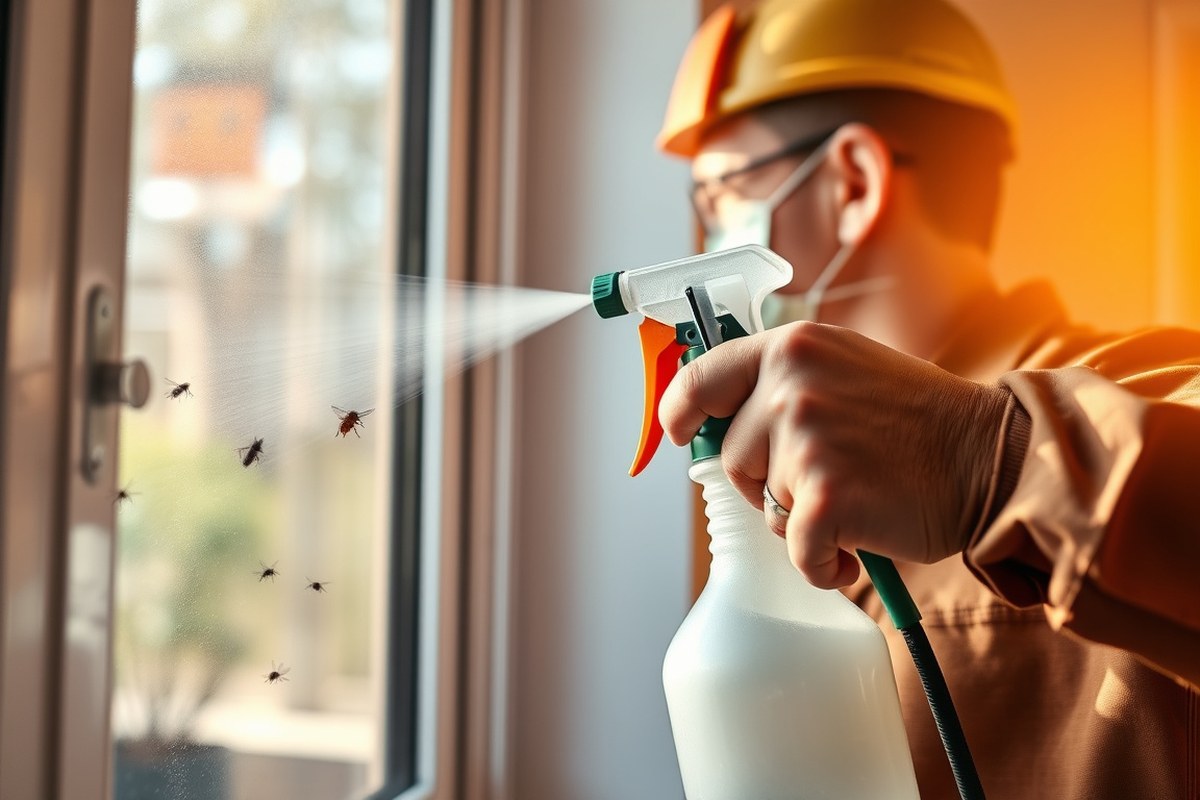
Pest control can get rid of flies effectively, especially when handled by professionals who identify the species and apply targeted treatments. Companies like All-American Pest Control in Brentwood offer inspections and tailored plans that tackle flies at their source, combining sanitation, exclusion, and proven products. This approach works better than DIY methods that often miss breeding sites and fail to stop reinfestation.
This information is for homeowners, renters, and foodservice operators facing persistent fly problems indoors or outdoors. You will learn about common fly species, how professional treatments compare to home remedies, expected timelines for fly removal, and essential steps like sanitation and exclusion that prevent flies from returning. Understanding when to seek expert help and how businesses can protect sensitive environments is also covered to help you manage fly control confidently.
Key Takeaways
- Professional pest control identifies the fly species to tailor effective treatments based on specific breeding habits and vulnerabilities.
- Common house flies develop rapidly in as little as 7 days under warm conditions, requiring persistent treatment for control.
- Professional fly control uses targeted residual sprays and inspections, offering more lasting results than DIY methods alone.
- Sanitation and exclusion, such as sealing entry points and removing breeding sites, form the foundation for preventing fly infestations.
- Signs to call professionals include persistent infestations, multiple fly species, or infestations in commercial foodservice areas.
- Post-treatment fly prevention involves maintaining clean environments and routine monitoring to reduce the risk of fly return.
Can Pest Control Really Eliminate All Types of Flies?
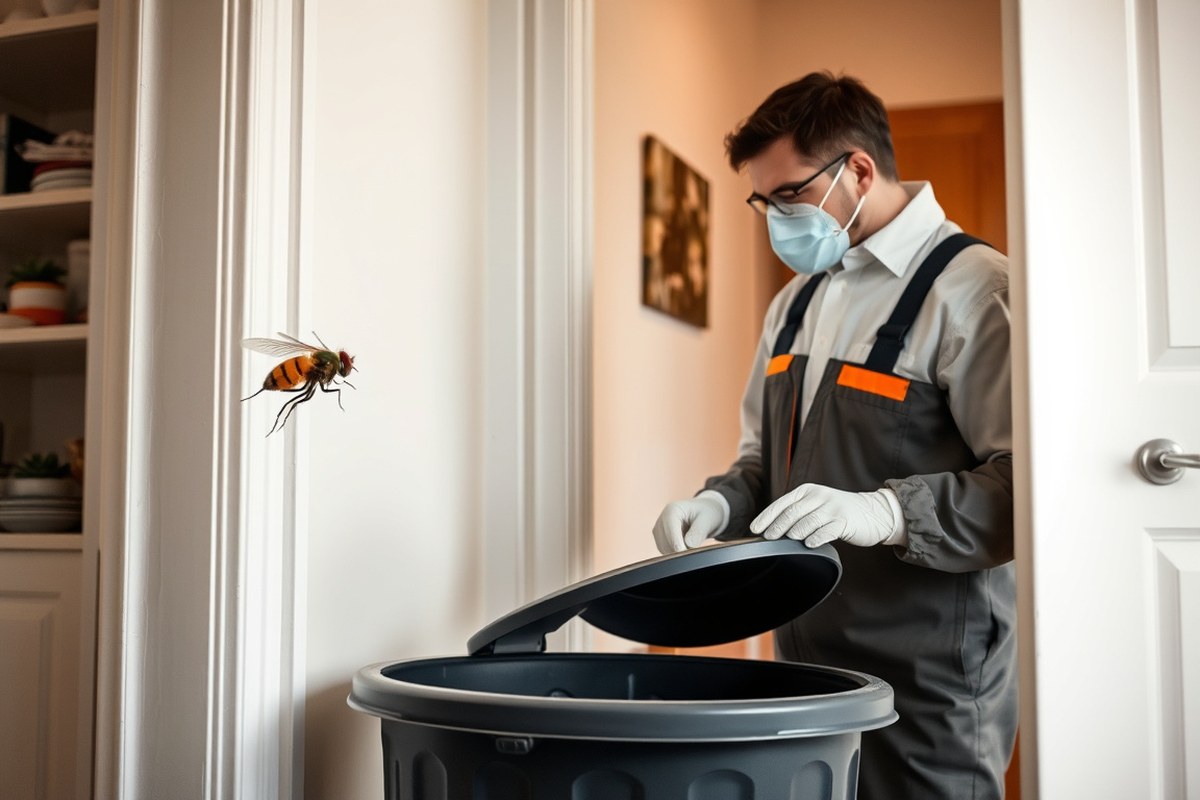
Pest control can effectively reduce or eliminate many common types of flies, including house flies, fruit flies, and cluster flies, but success depends on identifying the species and targeting their specific habits. Different flies breed and feed in different environments, so an expert inspection is necessary to confirm which flies you’re dealing with. Professionals tailor treatments based on whether the infestation involves house flies that thrive near garbage, fruit flies attracted to fermenting produce, or cluster flies that overwinter in attics and walls.
House flies, typically light gray with four black stripes on the thorax, often breed in decomposing waste or manure. Pest control providers focus on removing breeding sites alongside applying insecticides to reduce adult populations quickly. Fruit flies, smaller and attracted to overripe fruit or fermenting liquids, require treatment that includes eliminating food sources and using baited traps or targeted sprays to control larvae and adults. Cluster flies, which look a bit larger and darker, hide in cool indoor spaces during fall and winter; pest control involves sealing entry points and spraying treated zones where they congregate.
The effectiveness of pest control depends largely on sanitation and exclusion measures combined with treatment. Simply spraying insecticide without addressing the underlying breeding sites will lead to short-lived results. Professionals conduct thorough inspections to find breeding grounds such as drains, garbage areas, or attic voids and recommend cleaning schedules and sealing gaps to keep flies out. For example, fruit fly control in a kitchen demands daily removal of ripe fruit and regular drain cleaning to break their lifecycle.
Costs and time vary by the type of fly and level of infestation. Treating a moderate house fly problem might involve a single service visit costing a couple hundred dollars, including inspection and spraying with residual insecticides. Fruit fly infestations can require repeated treatments and ongoing sanitation advice, which might make professional help more of an investment over several weeks. Cluster fly control often requires sealing and treatment to prevent return each season, which could take multiple visits during fall or early spring.
Most pest control companies can handle all common flies if they confirm the species first. For example, licensed companies in the Northeast states offer services tailored to the 50-plus fly species found across NJ, PA, MD, and DE. They identify invasive ones like blow flies, which breed in decaying meat and require more intensive care, versus low-risk drain flies that need simple drain management. Professional pest management providers in food service locations emphasize foodsafe products and strict sanitation to meet regulatory requirements.
Failures in fly control often stem from missed breeding sites, insufficient exclusion steps, or continued availability of organic matter that attracts flies. Even after treatment, flies can reappear if doors and windows remain unsealed or garbage management lapses. Consistent monitoring and follow-up treatments help ensure sustained control, especially in commercial environments where fly pressures remain high year-round.
Common Fly Species and Their Breeding Habits

Common fly species like house flies, fruit flies, cluster flies, drain flies, and blow flies infest homes and businesses by breeding in specific locations. Each species has distinct breeding habits, making it necessary to treat both adult flies and their larvae to break their life cycle and control infestations effectively.
House Flies: Behavior and Breeding Sites
House flies are among the most prevalent flies around homes and commercial properties. They have stout bodies with short legs and breed mainly in filth such as garbage, manure, and decomposing organic matter. Their life cycle can complete in as little as 7 to 10 days under warm conditions, allowing populations to grow quickly.
Inside or outside, house flies lay eggs on moist, decaying organic material. Trash bins, animal feces, and compost piles are the most common breeding hotspots. Eliminating these breeding sites is critical for controlling house fly populations because treatments targeting only adults leave larvae to develop and restart infestations.
- Remove garbage regularly, at least once weekly
- Keep trash cans tightly covered
- Clean animal waste promptly in yards or kennels
- Avoid leaving food scraps exposed
- Inspect compost piles for fly larvae
To prevent house fly breeding, clear any moist organic waste promptly and maintain clean trash containment to disrupt the fly life cycle.
Fruit Flies and Their Attraction to Fermenting Food
Fruit flies are much smaller than house flies, around 1/8 inch long, and target fermenting fruits and vegetables. They commonly infest kitchens, grocery stores, and food warehouses where overripe or decaying produce is available.
Fruit flies breed in the moist, fermenting matter of overripe fruits, vegetable peelings, and drains with organic residue. Simply covering fresh produce is not enough; removing or discarding spoiled produce and cleaning drains regularly are necessary to eliminate breeding sites and reduce adult fly numbers.
- Dispose of overripe fruit daily
- Store fresh produce in sealed containers or refrigerators
- Clean kitchen drains with enzymatic cleaners weekly
- Avoid leaving fermenting liquids exposed
- Inspect trash for food residue and clean bins
Cluster and Drain Flies: Unique Life Cycles
Cluster flies are larger flies that do not breed indoors but become a nuisance by overwintering inside buildings. They gather around windows in spring before leaving to breed outdoors in soil rich with earthworm castings. Controlling cluster flies indoors mainly involves exclusion methods like sealing entry points rather than larval treatment.
Drain flies, roughly the size of small filth flies, breed in the organic sludge found inside floor drains, septic tanks, and other wet, stagnant water sources. Their larvae feed on the organic film in these wet areas. Eliminating these breeding spots involves scraping or using bio-digesters to remove the organic buildup regularly to disrupt larval development.
- Seal cracks and openings around windows and doors for cluster flies
- Inspect drains and use drain cleaners monthly for drain flies
- Remove standing water and moist debris around buildings
- Apply larvicides in drains if organic buildup persists
Blow Flies and Filth Flies Overview
Blow flies, a type of filth fly with a metallic sheen, are attracted to carrion, garbage, and animal waste. They differ from house flies by rarely resting on vertical sticky surfaces, which means typical fly ribbons may not control them effectively. Blow flies are significant because their larvae develop in decomposing material, releasing new adults that continue the infestation.
Filth flies, including blow flies and house flies, share similar breeding in decaying organic material like manure and garbage. Removing these materials regularly, at least weekly outdoors, is necessary to break the fly life cycle. Targeting only adults with bait or sprays is usually short-term because larvae remain unaffected within breeding sites.
- Dispose of carrion and animal carcasses immediately
- Remove garbage and organic waste weekly outdoors
- Use covered containers for waste
- Target breeding sites with larvicides when necessary
- Consider different attractants for blow fly traps compared to house flies
How Professional Fly Control Works Compared to DIY Methods
Professional fly control typically involves a detailed inspection, targeted treatments using specialized chemicals and traps, and follow-up to ensure lasting results. DIY methods rely on household traps, sprays, and essential oils to reduce flies but usually provide only temporary relief. Understanding the differences in effectiveness, safety, and cost will help you decide the best approach for your situation.
Inspection and Fly Species Identification
Professional pest control starts with a thorough inspection to identify the fly species infesting your property. This step is essential because different flies require different control strategies. For example, fruit flies breed in fermenting fruit, while garbage flies are linked to decaying organic matter in waste areas.
Experts also assess the severity of the infestation and locate breeding sites, entry points, and fly resting areas. This complete assessment helps tailor treatments effectively rather than relying on generic solutions.
Residual Sprays, Baits, and Insect Growth Regulators
Pros use residual insecticides applied to walls and shaded outdoor surfaces where flies rest. These sprays kill adult flies on contact and can provide a lasting barrier that reduces reinfestation. Fly baits placed near waste storage areas attract and kill adult flies but only work if sanitation practices prevent larval development in the waste itself.
Insect growth regulators (IGRs) are another tool professionals may use. IGRs interrupt the development of larval flies, reducing future generations without directly harming adult flies. Application of these treatments requires knowledge of fly behavior, safe chemical use, and proper equipment.
| Method | Used By | Main Purpose | Effectiveness | Considerations |
|---|---|---|---|---|
| Inspection & Identification | Professionals | Determine fly type & infestation extent | High | Essential first step for targeted treatment |
| Residual Sprays | Professionals | Kill adult flies on contact and on resting surfaces | Long-term | Requires safe handling of chemicals |
| Fly Baits | Professionals, some DIY | Attract and kill adult flies | Moderate, depends on sanitation | Works best with waste management |
| Insect Growth Regulators (IGRs) | Professionals | Prevent larval development | Long-term population control | Needs expertise to apply |
| DIY Traps (Vinegar, Wine, Rotten Food) | Homeowners | Catch and reduce flies inside | Temporary | Limited scope and duration |
| Essential Oil Sprays | Homeowners | Repel flies | Short-term | Less effective for heavy infestations |
The table outlines common methods used by professionals and DIYers, highlighting that professional treatments generally offer long-term effectiveness based on proper identification and targeted application. DIY methods mostly provide short-term relief and require combining with sanitation for better results.
DIY Fly Traps, Essential Oils, and Sanitation
Homeowners often use traps made with apple cider vinegar and dish soap, or baits using rotten food or wine to catch flies indoors. These traps exploit flies’ attraction to fermenting materials but do not address breeding sites, which limits their impact on long-term control. Essential oils such as clove, eucalyptus, and citronella can repel flies when applied to cloth strips or as sprays on patios or deck areas.
Sanitation is important with any DIY approach. Cleaning up food spills, sealing garbage tightly, and removing standing water reduces fly breeding opportunities. Without these steps, traps and sprays will only reduce the visible flies temporarily. Avoid relying on unproven remedies like dryer sheets, as they are not effective fly repellents based on research.
Effectiveness and Safety of Natural Remedies
Natural remedies offer a chemical-free option that some prefer for safety reasons but tend to work best alongside other control measures. Essential oil sprays can temporarily repel flies but do not eliminate them or their larvae. DIY traps might reduce adult fly numbers but often require daily maintenance and replacement of bait or liquid.
Professional treatments use chemicals under controlled conditions with training to minimize risks to people and pets. DIY chemical sprays can be risky if used improperly and may not reach hidden breeding sites. Choosing natural options makes sense for light infestations or preventive use where health concerns about pesticides exist. For persistent or heavy infestations, professional intervention is safer and more effective.
How Long Does Professional Fly Treatment Take and What to Expect
Professional fly control treatments usually take a few hours for the initial visit, with noticeable reductions in fly numbers occurring within 24 to 48 hours after application. The full elimination process often requires follow-up visits over several weeks to tackle emerging flies and ensure breeding sites are addressed effectively.
Initial Inspection and Treatment Steps
A licensed pest control operator will begin by thoroughly inspecting your property to identify the type of flies present and locate breeding sites. This inspection is critical because different fly species require tailored treatment approaches targeting their specific habitats and life cycles. The technician then applies targeted pesticide treatments, which may include space sprays for adults and residual treatments near breeding areas.
The initial treatment usually focuses on killing adult flies with contact or non-residual pesticides, such as fogging inside enclosed spaces or spraying around doors and windows. At the same time, larval habitats like damp organic matter, garbage, or drains are identified for removal or treatment, which is important to prevent new fly generations from developing. This first visit typically lasts between one to three hours depending on the size of the property and infestation severity.
Treatment Duration Indoors vs Outdoors
Indoor fly treatments can take less time because they concentrate on enclosed spaces where adult flies gather and breed, often requiring only one application initially. You will likely see a significant drop in fly numbers the day after treatment as adult flies are killed directly. However, indoor environments with hidden breeding sites, such as kitchen drains or fruit storage areas, may need additional follow-up to address residual larvae.
Outdoor treatments tend to require more time and multiple visits due to larger and less confined breeding sites like compost piles, manure, or standing water. Treating outdoor areas effectively involves identifying all potential larval habitats and applying residual pesticides or larvicides that remain active for days or weeks. The initial outdoor treatment may take three or more hours, and repeated visits spaced over two to four weeks help reduce emerging flies from untreated eggs and larvae.
Follow-Up Visits and Monitoring
Follow-up visits are essential for professional fly control, as they allow the technician to monitor the effectiveness of the initial treatment and treat newly hatched flies. Terminix and similar service providers often schedule these visits about one to two weeks after the first application. At each follow-up, technicians inspect previously treated areas, applying additional pesticides or adjusting treatment methods as needed.
These visits help maintain control over the entire fly life cycle, especially since fly eggs hatch quickly and larvae develop over several days. Follow-ups decrease the chance of resurgence by addressing any remaining breeding sites that might have been missed or become active again. Depending on the infestation, several follow-ups over a month or more might be necessary to achieve long-term control.
Expected Effectiveness and Limitations
Professional fly treatments can significantly reduce fly populations in a short period, often by more than 70% within a day or two. The lasting control depends on proper identification, thorough treatment of breeding sites, and effective follow-ups. Eliminating larval habitats is the most critical part, as adult fly sprays alone only provide temporary relief.
Limitations arise when sanitation and environmental factors are not addressed. For example, ongoing organic waste accumulation or moisture problems can offset treatment effects by creating new breeding grounds. Successful fly control requires collaboration between you and the pest control professional, including maintaining cleanliness and exclusion measures to prevent fly return after treatment.
Sanitation and Exclusion: The Foundation of Lasting Fly Control
Sanitation, waste removal, and exclusion form the foundation of any lasting fly control effort. Spraying or traps only address flies already present, while preventing access to food and breeding sites stops new populations from developing. Cleaning and sealing your space limits the conditions flies rely on, making chemical treatments or traps more effective and long-term.
Sanitation Checklist for Kitchens and Foodservice Areas
Thorough cleaning in kitchens and foodservice zones reduces fly-attracting odors and breeding material. Focus on removing crumbs, spills, and food residues from counters, floors, and appliances daily. Keep food covered or stored in sealed containers to deny flies easy access to feeding sites.
Regularly clean drains and garbage disposals, as organic buildup here can breed flies. Sanitize trash cans inside and out at least twice weekly and replace liners frequently to avoid odors. Wiping down walls and behind appliances helps remove sticky residues that attract flies.
- Clean spills immediately, especially sugary or greasy ones
- Store all food in airtight containers or refrigerated
- Empty and sanitize trash bins daily in busy kitchens
- Scrub drains with drain cleaners or baking soda and vinegar weekly
- Wipe down hard-to-reach areas monthly
These hygiene steps drastically decrease fly attraction and are significantly more important than only relying on traps. A clean kitchen forces flies to move elsewhere and limits reproduction, reducing infestations over time.
Exclusion Measures: Screens, Doors, and Seals
Excluding flies from entering your building is key to reducing indoor populations. Install tight-fitting window and door screens without holes to block fly entry. Check these screens seasonally and repair rips or gaps right away.
Keep doors and windows closed or use self-closing features where possible. Seal cracks and gaps around door frames, vents, and pipes with weatherstripping, caulk, or foam filler to eliminate entry points. Special attention is needed around service doors in food establishments.
In colder months, cluster flies often enter buildings to overwinter. Here, exclusion through sealing cracks and screening vents is the main control method since sprays and traps work poorly. This highlights exclusion’s role across fly species.
Waste Management and Organic Matter Removal
Proper waste handling stops flies from breeding and feeding on decaying matter. Use covered trash containers and empty them regularly, ideally daily for commercial sites. Keep outdoor dumpsters on concrete pads and clean them weekly with detergent and water.
Compost piles and pet waste can attract flies if not managed well. Turn compost frequently to speed decomposition and cover it if possible. Dispose of pet feces promptly in sealed bags. Organic debris like fallen fruit should be removed from yards to eliminate breeding spots.
- Use garbage bins with tight-fitting lids
- Schedule trash pickup at least twice weekly for busy locations
- Clean bins and recycling containers regularly
- Monitor and contain compost areas properly
- Remove organic debris from around the property
Waste and organic matter can override other controls if neglected. Reducing these attractants directly impacts fly numbers by cutting off breeding sources.
Avoiding Common Sanitation Mistakes
Ignoring small food residues on floors or tables invites flies to multiply even after spraying or traps are placed. Many people focus on visible garbage but overlook hidden organic matter in drains, under appliances, or inside recycling bins. Poorly sealed food containers allow flies easy access even in clean kitchens.
Trash bins without liners or with cracked lids release odors and breeding material. Infrequent cleaning of these containers lets fly larvae develop unnoticed. Leaving doors or windows open without screens also negates exclusion efforts. Using sprays alone without addressing sanitation only kills some adults, allowing larvae to emerge later.
Always combine sanitation and exclusion first before relying on any chemical or sticky traps to avoid recurring fly infestations.
Consistent cleaning habits and keeping flies out through physical barriers provides the best chance for lasting fly control and minimizes the need for ongoing pesticide use.
When to Call Professional Pest Control: A Decision Guide
Call a professional pest control service when your fly problem is large, persistent, or linked to breeding sites inside or near your property. DIY methods suit small, occasional fly presence but fall short when infestations grow or involve species resistant to common treatments. Knowing the infestation size, fly species, and problem location helps decide whether expert help is needed.
Assessing Infestation Size and Severity
You should consider professional intervention when fly numbers exceed a handful or return quickly despite your DIY efforts. A small number of flies around a garbage area or door can often be managed with traps and sanitation. However, if you notice dozens or hundreds of flies inside living or food preparation areas or if flies keep reappearing within days, the problem likely goes beyond surface control.
Persistent fly infestations often point to nearby breeding sites you can’t easily reach, such as hidden drains, compost piles, or animal waste. Professionals can locate and treat these sources directly. Most homeowners find treatment costs reasonable compared to the ongoing nuisance and health risks of an active infestation. Calling early can prevent an infestation from worsening.
Fly Species and Treatment Challenges
Different fly species may respond differently to various treatments, but most common household flies share enough biology that general control methods work similarly. That said, some species like cluster flies or drain flies indicate specific breeding sites that require targeted treatment. If you can identify the fly as a species that breeds outdoors in manure or garbage (like house flies) versus one breeding inside drains, your approach changes.
Professionals use their knowledge of fly biology to recommend treatments tailored to the species present. This reduces trial and error, helps avoid applying ineffective products, and better prevents re-infestations. They also recognize when resistant populations might require stronger or repeated applications that go beyond consumer-grade products.
Indoor vs Outdoor Fly Problems
Flies outdoors around your yard or property may annoy you but usually don’t require professional pest control unless they interfere with business operations or breeding sites threaten to move inside. DIY steps such as reducing standing water and cleaning up animal feces often suffice outside.
Indoor fly problems are more urgent. Flies inside kitchens, dining areas, or living rooms signal breaches in exclusion or nearby breeding spots. These conditions create health risks from contamination. Professionals can find and treat hidden indoor breeding areas and recommend sealing gaps or installing screens to block future entry. This combination of inspection and treatment is typically beyond what DIY solves for indoor infestations.
Benefit of Professional Fly Identification
Your local pest control provider can perform a species inspection before treating. They bring tools and training to identify the fly type and find larval habitats that might escape notice. This step allows them to customize a treatment plan that addresses the root cause rather than just killing adult flies visible to you.
Some companies even use diagnostic forms or flowcharts to guide their inspection and decision-making. For example, they assess fly activity timing (day or night), proximity to waste or moisture, and fly size to pinpoint species. This targeted approach improves treatment success and can reduce overall costs compared to repeated generic applications.
You can request this kind of inspection and plan upfront. Knowing the species and infestation factors before treatments begin lets you understand the process, costs, and expected outcomes better. It also prevents unnecessary pesticide use, improving safety for your family or customers.
Preventing Fly Return After Treatment: Best Practices
Stopping flies from returning after treatment depends on continuous effort to remove their food, breeding spots, and access points. Focus on sanitation, repair of barriers, and modifying the environment around your property. Those three approaches combined reduce the chance of a new infestation by making the area unattractive and inaccessible to flies.
Routine Sanitation and Waste Management
Sanitation is critical because flies are attracted to garbage, pet waste, food scraps, and organic debris where they feed and breed. Maintain a strict cleaning schedule to remove these attractants daily or more often depending on your situation.
Waste containers should have tight-fitting lids and be emptied frequently. For example, trash bins kept onsite in a commercial or foodservice setting must be cleaned and emptied at least every 24 hours to prevent fly breeding. In residential settings, clearing garbage at least twice a week helps reduce fly presence.
- Dispose of food waste immediately, especially fruit and vegetables, as they attract fruit flies.
- Clean trash bins weekly using disinfectants to remove residues and odors.
- Remove pet waste from yards daily, focusing on play areas and near doors.
- Keep compost bins properly managed and covered to avoid attracting flies.
- Clean up spills and food residues inside and outside regularly.
These steps lower fly food sources, making your property less hospitable. Missing these can cause treatment efforts to fail since flies quickly return when attractants persist.
Maintaining Physical Barriers and Screens
Flies enter buildings primarily through open doors and windows or damaged screens. Ensuring all physical barriers are in good repair is your first line of defense after treatment. Check and fix tears, holes, and gaps in screens or weather-stripping promptly.
Install or maintain self-closing doors, air curtains, or fans at entrances to reduce fly entry. Running fans on patios creates wind currents that flies struggle to fly through. Screens must be mesh sized tight enough to block common flies, typically 16×14 mesh per inch or finer for smaller flies like fruit flies.
- Inspect all window and door screens monthly during peak fly seasons.
- Replace torn or worn-out screens using materials designed for insect control.
- Use air curtains or entryway fans in commercial areas where doors open frequently.
- Seal cracks and gaps around doors and windows with caulk or weather stripping.
- Keep doors closed or use barriers rather than propping them open.
Damage or improper seals let flies enter freely even after treatment, so ongoing maintenance is necessary to maintain fly-free spaces.
Seasonal Considerations in Fly Prevention
Fly activity and breeding increase during warmer months. Take steps like increasing monitoring and sanitation frequency as temperatures rise, usually from late spring through early fall. Adjust your approach based on seasonal fly pressure in your region.
In cooler months, flies slow down or disappear, but breeding sites may still be active indoors. Continue sanitation inside all year to prevent indoor fly problems in winter.
- Increase trash removal frequency to daily during fly season (spring-fall).
- Increase inspection of outdoor breeding sites (e.g., drains, compost) weekly in warm months.
- Maintain indoor moisture control year-round to reduce breeding in drains or wet organic matter.
- Plan professional treatment appointments ahead of peak fly season for ongoing management.
- Store outdoor garbage and compost away from building entrances during fly season.
Being proactive with seasonal changes helps prevent sudden outbreaks and reduces reliance on chemical treatments.
Environmental Modifications to Reduce Fly Harborage
Environmental changes around your property limit fly resting or breeding areas. This includes landscaping choices and waste placement that make the surroundings less attractive.
For commercial and residential properties, make sure garbage cans are at least 25 feet from entrances to reduce fly traffic inside. Remove or reduce standing water where flies can breed, such as clogged gutters, overwatered lawns, or unused containers.
- Trim vegetation close to buildings where flies rest during hot daytime hours.
- Level uneven soil or areas that hold water after rain or irrigation.
- Store firewood, mulch, and organic debris away from doors or windows.
- Use tight-fitting lids on outdoor waste or compost containers placed away from high-traffic entrances.
- Fix drain leaks and regularly flush drains where organic matter can accumulate.
These modifications reduce fly habitats and the chance they enter buildings after treatment. Overgrown or damp areas near entrances undermine control efforts by hosting nearby fly populations.
Special Considerations for Commercial and Foodservice Fly Control
Pest control in commercial and foodservice environments must address strict health regulations and serious disease risks posed by flies. Professional pest control specialists use targeted inspections, safe treatment methods, and ongoing monitoring tailored to kitchens and food handling areas to manage infestations effectively.
Health Risks and Regulatory Requirements
Flies can carry harmful bacteria and pathogens, like Salmonella and E. Coli, which contaminate surfaces and food. This contamination creates a significant health hazard in places where food is prepared or served. Regulatory agencies such as the Food and Drug Administration (FDA) and local health departments enforce standards requiring businesses to maintain fly-free environments to ensure public safety.
Noncompliance with health codes can lead to failed inspections, fines, or even closure of a foodservice operation. These requirements make professional fly control not just necessary but mandatory for commercial kitchens. Professionals understand which local regulations apply and how to document pest control measures to meet health inspections.
Tailored Inspection and Treatment in Foodservice Settings
Professionals start with a thorough inspection focused on food preparation, storage, and waste disposal areas. They look for fly breeding sites such as drains, garbage bins, and standing water. Drain flies are common in commercial kitchens and require specific treatments like enzyme-based drain cleaners combined with insecticides targeted at the pest’s life cycle.
Treatments in foodservice facilities are customized to minimize disruption and avoid chemical contamination. Common approaches include installing ultraviolet fly light traps to capture adults without residue, applying residual insecticides in non-food-contact areas, and using larvicides in drains. Timing treatments during off-hours reduces exposure to staff and customers. A professional often schedules routine visits every few weeks to address any reinfestation quickly.
Safe Use of Treatments Near Food and Staff
Pesticide use in kitchens must prioritize indoor air quality and safety for workers and diners. Professionals rely on materials registered for use in sensitive environments, following label instructions strictly to avoid airborne risks or residue on food surfaces. Application methods like bait stations and fly traps reduce the need for widespread sprays.
Many pest control operators choose products classified as low toxicity or use integrated pest management (IPM) strategies that combine chemical and non-chemical controls. They also ensure no treatments occur during food preparation times or in direct contact zones. Safety protocols include notifying staff beforehand and ventilating treated areas before reopening.
Warning: Always confirm that pest control treatments meet local health code standards and avoid DIY pesticides in food areas to prevent contamination or regulatory violations.
Ongoing Monitoring and Compliance Practices
Fly control in foodservice establishments requires more than one-time treatment. Professionals set up continuous monitoring tools such as sticky traps placed strategically around entrances, waste zones, and near windows. These traps help identify fly activity promptly and document trends for health inspectors.
Keeping detailed logs of pest sightings, treatment dates, and corrective actions supports compliance and helps prevent future infestations. Staff training on sanitation and exclusion methods complements pest control efforts by removing breeding sources and blocking entry points. Monthly or quarterly inspections by pest professionals are common to maintain a fly-free environment as part of an ongoing food safety plan.
Step-by-Step Action Plan to Control and Eliminate Flies
Effective fly control requires a combined approach of professional treatment, improved sanitation, and ongoing prevention. This plan guides you through each phase to reduce fly populations, understand when to seek help, and keep flies from returning.
- Before You Start: Identify the type of flies present by noting size, color, and behavior because different species like house flies or fruit flies breed differently and may need tailored treatment.
- Day 1, 3: Implement immediate sanitation measures, remove decaying organic matter, cover trash containers tightly, and clean up spills, because flies breed quickly in such environments and cutting off their food sources reduces reproduction.
- Day 2, 4: Apply non-chemical DIY controls such as fly traps and sticky ribbons in problem areas to catch adult flies; success shows as a noticeable drop in fly activity after several days.
- Week 1: Schedule professional pest control treatment if fly numbers remain high or if you deal with large infestations common in commercial and foodservice settings; professionals use targeted insecticides and monitoring to reach larval sites you might miss.
- Immediately After Treatment: Follow exclusion strategies like sealing entry points and installing screens around doors and windows to prevent reinfestation; watch for fewer flies indoors in the week following treatment as a sign of effectiveness.
- Week 2 and Ongoing: Continue sanitation practices daily, especially in kitchens or waste areas, because professional treatment alone won’t keep flies away without a clean environment.
- After 2 Weeks: Monitor fly activity to determine if further professional follow-up treatments are needed; persistent fly presence often means breeding sites were missed or sanitation isn’t sufficient.
- Long-Term Maintenance: For commercial or foodservice locations, implement a fly control program including regular inspections and sanitation audits every month, which helps prevent costly fly problems and comply with health codes.
Frequently Asked Questions
Can Pest Control Get Rid of Flies?
Yes, professional pest control can effectively get rid of flies by identifying the species, applying targeted treatments, and addressing breeding sites that allow the infestation to persist. They use specialized products and techniques that homeowners often can’t apply safely or thoroughly. What gets rid of flies permanently? | Permanent fly removal depends on thorough sanitation, exclusion of entry points, and ongoing monitoring after treatments. Professional pest control can help ensure all breeding sites are eliminated, which is important since flies breed quickly and can return if conditions remain favorable. How much does it cost for an exterminator to get rid of flies? | Costs vary based on the fly species, infestation severity, and treatment methods but typically range from $150 to $400 for a home treatment. Commercial services or severe infestations can cost more. Prices depend also on follow-up visits and if ongoing maintenance is required. Why do I suddenly have 100 flies in my house? | A sudden surge of flies usually means a nearby breeding site or food source, like garbage, pet waste, or decaying organic matter. Flies reproduce rapidly so even a small breeding spot can cause a large infestation in days if not removed. How long will a fly infestation last? | A fly infestation can last several weeks if left untreated because flies reproduce rapidly. Effective pest control combined with sanitation and exclusion is necessary to stop the cycle and prevent new flies from emerging. What attracts flies indoors the most? | Flies are primarily attracted to food residues, garbage, pet waste, and decaying organic matter inside the home, which provide breeding and feeding sites that support rapid population growth.
Final Thoughts
Pest control can significantly reduce and often eliminate fly problems, but lasting results depend on identifying the species and targeting their breeding sites accurately. You can start today by inspecting your property for moist organic debris, garbage, or drains that attract flies, then remove or clean these areas thoroughly to cut off their breeding grounds. If you notice heavy infestations or ongoing issues despite your efforts, scheduling a professional evaluation can ensure the right treatments and exclusion steps are applied for your specific situation. Taking these steps promptly helps prevent fly populations from reestablishing and reduces the need for repeated chemical treatments.




One Comment