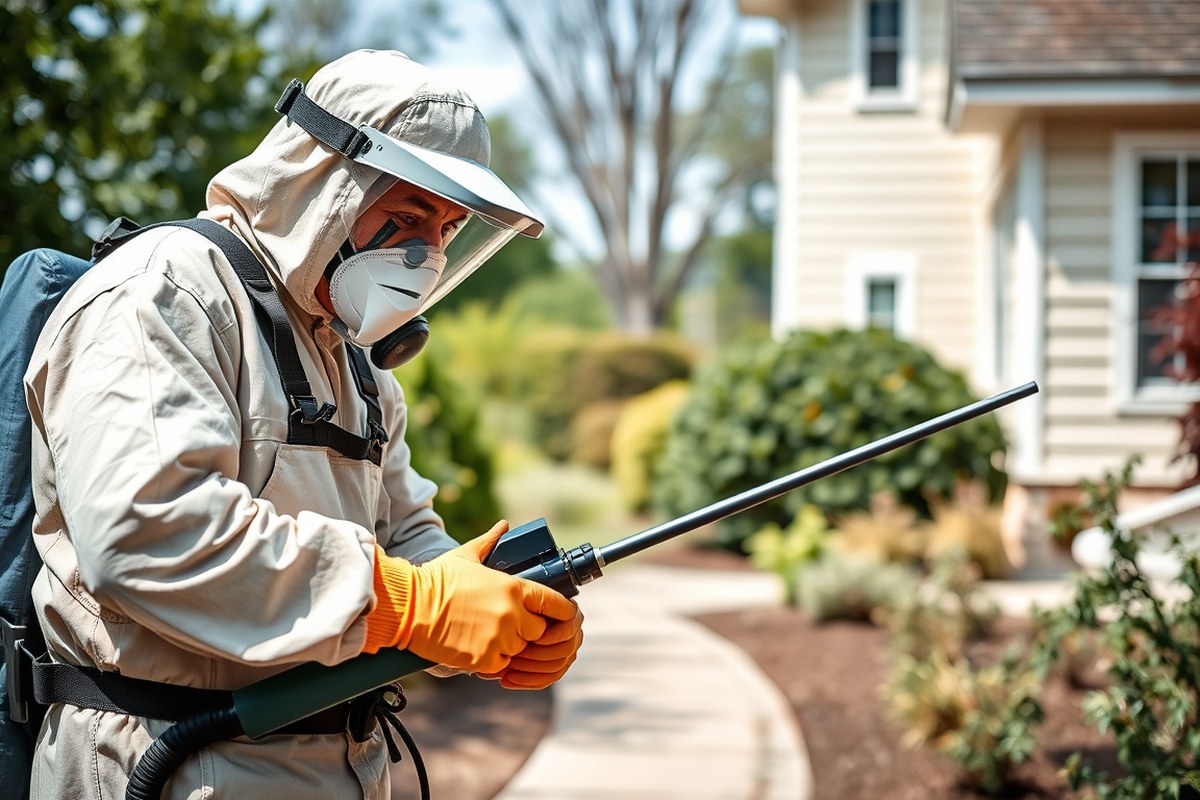
Is Pest Control a Trade? Complete Guide to Career, Licensing & Salaries
Pest control is officially classified as a trade under the Occupation Standard Classification for Australia (OSCA), where pest control technicians are listed as Technicians and Trade Workers in Group 3. The Bureau of Labor Statistics in the US also groups all pest control specialties under the occupation code Pest Control Workers (37-2021), recognizing it as a licensing-driven trade with distinct technical roles. This classification reflects the skills, training, and licensing requirements common in pest control professions.
You’ll find detailed insights here about what pest control work involves, the necessary education and licensing paths, expected salaries, and how the trade compares with landscaping or HVAC. Whether you’re starting a career, managing hiring, or verifying industry standards, this covers practical info on job duties, licensing variations by region, career progression, safety considerations, and common pitfalls new technicians face.
Key Takeaways
- Pest control is officially classified as a trade under Australia’s new Occupation Standard Classification in Group 3 Technicians and Trade Workers.
- Pest control technicians require skills in chemical application, inspection, exclusion methods, and safety protocols for effective pest management.
- Training and licensing in pest control vary regionally but typically include formal education, on-the-job experience, and passing certification exams.
- The average U.S. Salary for pest control technicians is around $37,950 annually, with top earners making over $60,000 and steady job growth projected.
- Careers in pest control offer advancement into supervisory roles and specialization in areas like fumigation, termite inspection, and wildlife exclusion.
- Pest control work involves physical labor, exposure to chemicals, and safety risks, requiring adherence to strict safety standards and protective gear use.
Is Pest Control Officially Classified as a Trade?
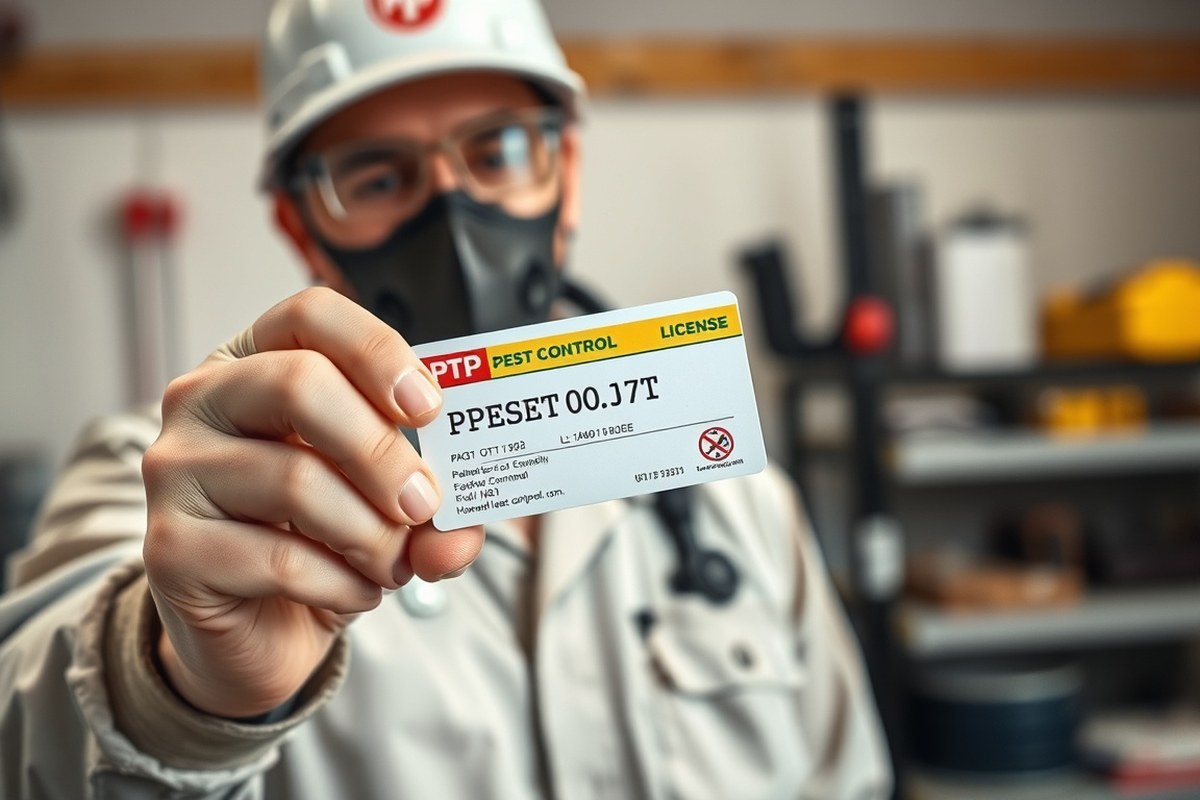
Pest control is officially recognized as a trade. The latest occupational classification systems designate pest control technicians as technicians and trade workers rather than laborers, reflecting the technical skills and licensing requirements involved in the profession. This re-classification aligns pest control with other skilled trades and changes how employers, regulators, and workers view the role.
Definition of a Trade in Occupational Terms
A trade typically refers to a skilled occupation requiring specialized training, technical knowledge, and often licensing or certification. Trades usually involve hands-on work in areas like construction, electrical, plumbing, or mechanical services. Classification systems used by governments and labor statistics agencies categorize jobs to track employment, wages, and trends. A trade classification indicates that the work demands technical competencies beyond basic labor.
For pest control, the defining factors include the use of chemical treatments, knowledge of pest biology, adherence to health and safety regulations, and state-mandated licenses. These elements differentiate pest control work from unskilled tasks, marking it as a profession that requires specific skills and ongoing education to ensure effectiveness and safety.
Historical Classification of Pest Control Roles
Pest control technicians were once classified as laborers. The Australian and New Zealand Standard Classification of Occupations (ANZSCO) placed pest management technicians in a laborer category, indicating the job was seen as basic manual labor. This grouping overlooked the technical skills and necessary certifications involved in the profession.
This laborer classification has also influenced employment data collection and wage tracking, often grouping pest control work alongside other manual labor, which may obscure the specialized skills involved. This classification impacted how job seekers and employers viewed pest control, potentially undervaluing the expertise and training necessary.
Recent Re-Classification and Its Impact
The re-classification of pest control technicians now places them within the Technician and Trade Workers group, specifically as Group 3991 under the new Occupation Standard Classification for Australia (OSCA). This change moves pest control technicians out of the laborer category and recognizes the position as a skilled trade that requires technical ability and formal licensing. The shift reflects the complexity of tasks, the regulatory environment, and the need for technical knowledge.
This re-classification has practical effects on labor statistics and hiring approaches. For example, the U.S. Bureau of Labor Statistics tracks pest control under one occupation code (37-2021) but distinguishes the field’s various specialties, such as termite inspection and wildlife exclusion, indicating recognition of its trade nature. The classification impacts wage benchmarks, with median salaries for licensed pest control technicians around $45,000 annually, which aligns with other technical trades.
Understanding pest control as a trade influences career development, training programs, and public perception. Licensing boards, employers, and workers benefit from this clarity, as it supports the idea that pest control requires professional skills. Recruiting in this technical trade means prioritizing candidates with verified expertise and certification, not just physical labor capability. This approach helps improve service quality and compliance with safety standards across the industry.
Core Job Duties and Skills Required in Pest Control

Pest control technicians perform a range of tasks aimed at identifying, treating, and preventing pest infestations in homes and businesses. Their work demands a blend of technical knowledge about pests and pesticides, plus practical skills to apply treatments safely. Understanding these duties and skills clarifies what it takes to work effectively in the pest control industry.
Typical Duties of a Pest Control Technician
The main responsibilities begin with inspecting the property to identify the type and source of the pest infestation. This step is important because accurate identification determines the right treatment plan. Next, technicians develop and implement strategies to eliminate pests, which usually involve applying pesticides according to the product label and environmental conditions. Technicians also perform cleanup of contaminated areas to reduce health risks and prevent re-infestation. Part of their role includes educating clients on proper prevention techniques to maintain a pest-free environment, like sealing entry points or removing food sources.
In commercial settings, technicians may need to tailor treatment methods to comply with industry regulations, such as in food service or healthcare facilities. They often use monitoring tools like traps and sensors to track pest activity over time, allowing for adjustments in treatment plans. Documentation is another key duty, as detailed records of inspections, treatments, and follow-ups support safety compliance and client communication.
Technical and Soft Skills Needed
A strong understanding of pest biology, pesticide chemistry, and local regulations is essential. Technicians must be competent at diagnosing various pest problems efficiently, which requires on-the-job experience combined with formal training. They need to apply pesticides precisely, balancing effectiveness with safety by following label instructions and using the correct dosage. Competence with new technology, such as digital mapping tools or automated monitoring systems, can improve effectiveness and efficiency.
Good communication skills are equally important. You will need to explain treatment methods clearly to clients, answer their questions, and provide instructions for ongoing prevention. Writing accurate reports and documenting treatment details also requires clarity and attention to detail. Being able to adapt explanations to different audiences, residential customers, property managers, or industrial inspectors, improves client trust and compliance.
Common Hazards and Safety Practices
Working with pesticides presents risks such as chemical exposure, which can cause skin irritation, respiratory problems, or more severe health issues. Technicians must wear personal protective equipment (PPE), including gloves, masks, and eye protection, to minimize these risks. They should also stay updated with safety training and be knowledgeable about first aid procedures in case of accidental exposure.
Environmental hazards vary from working in confined spaces to handling rodents or insects that may carry diseases. Technicians need to assess each site for unique dangers and follow protocols to protect themselves and occupants. Careful adherence to pesticide label restrictions, like not applying treatments in windy conditions or near water sources, helps prevent environmental damage and legal penalties.
Always review the pesticide label thoroughly before application; misuse is a common cause of accidents and regulatory violations.
Training, Education, and Licensing Pathways in Pest Control
To become a licensed pest control technician, you must complete specific training, pass certification exams, and adhere to state licensing requirements. These steps ensure you understand safe pesticide use, pest biology, and compliance with regulations. The exact process varies by state, so knowing your local rules is critical to legally work in pest control.
Education and Training Options
A high school diploma or GED is usually required before entering pest control training. Many states and employers offer formal training programs that cover pest biology, pesticide application, safety protocols, and equipment handling. These programs may be available at community colleges, vocational schools, or through pest control companies that provide classroom instruction combined with on-the-job training. Apprenticeships under licensed technicians offer practical experience, which is essential before sitting for the licensing exam.
Employers often support trainees by covering the cost of training and licensing. Some programs focus on general pest control, while others specialize in termites, fumigation, or other categories. Since pesticide regulations are strict, hands-on training must emphasize proper chemical handling to minimize risks and ensure compliance with EPA and state standards.
Typical Duration of Training Programs
Training duration typically ranges from a few weeks up to eight weeks depending on the state and program structure. Many programs are designed to be completed in 40 to 80 hours, balancing classroom teaching with fieldwork. States may require a minimum number of training hours before candidates can qualify for the licensing exam.
On-the-job training continues beyond the classroom. Once licensed, new technicians often undergo several months of supervised work to develop skills in identifying pest signs, selecting treatments, and managing customer interactions. The length and intensity of this phase vary by employer and region.
Understanding Licensing Exams and Certification
Most states require pest control technicians to hold a pesticide applicator license. This involves passing an exam that tests knowledge of pest biology, pesticide laws, application techniques, and safety measures. The exam format and passing score vary by state. You may need separate certifications for general pests, termites, fumigation, or other specific treatments.
Before taking the exam, you usually must meet eligibility criteria such as completing prescribed training hours. After passing, you receive a license or certification that permits you to apply restricted-use pesticides legally. Some states also require federal EPA certification for handling certain chemicals, which you must keep current along with your state license.
State and Regional Licensing Differences
Licensing requirements and categories vary widely between states. Some states separate licenses by pest type, geographic area, or application method. Others combine requirements but still enforce strict regulations on pesticide use and recordkeeping. Your state’s department of agriculture or similar regulatory body typically manages licensing and standards.
State licenses do not automatically transfer to other states. Technicians moving or working across state lines must check both states’ rules and often take additional exams or fulfill other criteria. Some states may recognize training from others but still require local certification. Failure to comply with local licensing laws can result in fines or loss of certification.
License Application and Renewal Process
You apply for your pest control license by submitting proof of training, passing your exam, and completing any other paperwork your state requires. There is usually an application fee ranging from $50 to several hundred dollars depending on the state and license type. Providing fingerprints or background checks might be required in some jurisdictions.
Maintaining your license involves renewing it every 1 to 3 years, depending on state rules. Renewal typically requires proof of continuing education or refresher courses, which keep you updated on new pest control methods, chemical regulations, and safety standards. Missing renewal deadlines or failing to complete continuing education can suspend or cancel your license.
Salary Range, Job Market Outlook, and Career Stability
The average salary of pest control technicians typically ranges from about $34,000 to $62,000 annually, with potential for higher earnings in some cases. The job market shows strong growth and stability, supported by licensing requirements and steady demand. Pest control roles tend to hold up well even during economic downturns.
Typical Salary Ranges for Technicians
The typical annual pay for pest control technicians falls between $34,680 and $61,890 according to national data. The average salary is around $45,250 per year, which is slightly above some related trades like landscaping. This range reflects entry-level starting wages at about $35,000 and experienced technicians or those in specialized roles earning closer to $60,000. Some pest control technicians who transition into sales or management may exceed this top range.
To reach the higher end of the salary spectrum, additional certifications, specialized training, or supervisory roles commonly come into play. Working in regions with higher living costs or for large commercial pest services can also push earnings above average. While six-figure salaries are not standard for most technicians, leading technicians or those running their own businesses occasionally achieve earnings over $100,000, especially through contracts or expansions.
Comparison with Related Trades
Compared with landscaping and groundskeeping, pest control technicians earn a bit more on average. Landscapers have an average salary around $42,290 annually, less than the pest control average. Pest control carries a stronger licensing barrier, which limits competition and helps stabilize wages. The labor involved in landscaping is more physically demanding, which slightly improve risks but does not guarantee higher pay.
The automation risk score also differs. Landscapers face a higher risk of automation at 94 out of 100, meaning much of their work could be replaced by machines over time. Pest control ranks lower on automation risk at 71, partly because the job requires knowledge, judgment, and state-level licensing that are hard to automate. This difference contributes to a stronger growth outlook and higher stability for pest control careers over the long term.
Industry Growth and Job Stability
According to the U.S. Bureau of Labor Statistics, employment in pest control is expected to grow around 10 percent between 2020 and 2030. This increase equates to roughly 13,000 new positions annually. The growth rate surpasses the overall average for all jobs, driven by consistent demand across residential, commercial, and agricultural pest control services.
Job stability in pest control stems from consistent customer need and mandatory pesticide licensing. These factors create a controlled environment with fewer new entrants than in some other home service trades. While landscaping jobs also have steady demand, pest control’s licensing requirements and more technical skill requirements offer improve stability over time.
Economic Resilience of Pest Control Jobs
Pest control jobs are generally considered recession-resistant. People and businesses maintain a need to control pests regardless of economic conditions because infestations can pose health risks and property damage. This demand keeps pest control work moving steadily through economic cycles, unlike some trades more sensitive to construction or landscaping budgets.
The pest control market is projected to exceed $22 billion by 2026, reflecting high ongoing demand. Professionals working in this field can expect fairly consistent work opportunities, even in downturns. Maintaining state licenses and staying current with new industry regulations and products helps ensure continued employability during changing economic conditions.
Career Advancement and Specialization Opportunities
Career advancement in pest control extends well beyond entry-level technician roles. You can specialize in areas like termite control or wildlife exclusion or move into supervisory and management positions. These paths require additional training, certification, and experience but open up opportunities to increase responsibility and income.
Common Specialization Areas in Pest Control
Technicians can focus on specific types of pests or treatment methods to become experts in niches like termite control, rodent management, or wildlife exclusion. Termite control is a common specialization that involves detailed inspections and targeted treatments to protect structures from damage. Wildlife exclusion focuses on humane removal and prevention techniques for animals such as raccoons or squirrels that invade buildings. Other areas include fumigation, which requires special certification due to the use of restricted pesticides, and integrated pest management, which emphasizes environmentally sensitive approaches.
Specializing often involves pursuing additional state licenses or certifications. For instance, California licenses applicators separately for general pests, fumigation, and termite work. Taking these steps costs money and time: expect to invest several hundred dollars and complete extra hours of instruction and field experience. These credentials build your credibility and allow you to handle more complex or profitable jobs, improving your career prospects.
Progression from Technician to Supervisor or Manager
After gaining experience in the field, technicians can advance to supervisory roles, managing teams of technicians and scheduling service routes. Supervisors typically need a strong understanding of technical procedures and skills in people management and communication. From there, moving into operations management or branch leadership involves overseeing business functions, budgeting, and client relations.
Advancement requires demonstrated competence, often combined with formal management training or certifications offered by trade organizations. Employers may promote from within or require candidates to complete courses in leadership or business management. These roles tend to come with higher pay but also greater accountability for meeting client needs and regulatory compliance.
Opportunities in Commercial vs Residential Fields
Career opportunities differ significantly between commercial and residential pest control. Commercial pest control often involves contracts with businesses, handling large-scale or ongoing service agreements for properties like restaurants, warehouses, and hospitals. This field demands familiarity with industry regulations, such as food safety standards, and may require specialization in pests relevant to business environments.
Residential pest control focuses on homes and smaller properties, dealing mostly with common pests such as ants, rodents, or bed bugs. The work may be more reactive and varied day to day. Commercial work tends to offer steadier employment and higher pay due to contract sizes, but it can also involve stricter scheduling and documentation requirements. Understanding the demands and workflows of each sector helps you choose a path that fits your skills and goals.
Alternative Roles Beyond Field Technician
You can pursue careers beyond fieldwork, such as becoming a pest control salesperson or account manager, where the focus is on consulting clients, generating new business, and maintaining customer relationships. These roles often pay by commission and require strong communication and sales skills. Other alternatives include becoming a pesticide safety trainer or licensing instructor, helping others meet legal and safety requirements in the trade.
Some experienced professionals move into regulatory or inspection roles, working for government agencies to enforce pest control laws and standards. These positions usually require additional qualifications and provide a different career experience outside of direct pest management. Transitioning into office or training roles can extend your career while reducing physical demands.
Advancing in pest control typically requires more than just on-the-job experience; plan to invest in certifications that align with your chosen specialty or leadership path to increase your earning potential and job security.
Work Conditions, Safety Risks, and Physical Demands
Pest control work involves exposure to chemicals, pests, and challenging environments, which makes safety precautions and physical fitness essential. Technicians face hazards such as chemical exposure, slippery surfaces, and awkward postures. Work hours can vary, especially during peak seasons, and the job requires physical activity like climbing, bending, and lifting.
Common Safety Hazards in Pest Control
Pest control technicians regularly handle pesticides that present chemical hazards if not managed correctly. Exposure to these chemicals can cause skin irritation, respiratory issues, and other health problems. Professionals must also be wary of bite or sting risks from pests such as wasps, spiders, or rodents. Working in confined spaces or outdoors in uneven terrain adds risks of slips, trips, and falls. For example, climbing ladders to treat termite infestations increases the chance of injury without proper technique or equipment. Proper training in pesticide application laws and safety practices is important to reduce these hazards effectively.
Other hazards include repetitive motions and awkward postures required when crawling under houses or working in tight areas. This can lead to strains and musculoskeletal injuries over time if physical conditioning and ergonomic practices are ignored. Weather conditions also affect safety; heat stress during summer or cold exposure in winter require strategies like hydration breaks or appropriate clothing to maintain worker health. Following company safety protocols and federal guidelines helps mitigate these risks consistently.
Recommended Personal Protective Equipment (PPE)
Pest control workers need specialized PPE to protect against chemical exposure and physical injuries. This usually includes gloves made of materials resistant to pesticides, respirators or masks to prevent inhalation of harmful substances, and eye protection such as goggles. Wearing long sleeves, long pants, and sturdy boots provides an extra layer against chemical spills and pest bites. For example, a technician handling termite treatments must wear a respirator approved for pesticide fumes, gloves that resist solvents, and goggles to prevent splashes.
Proper PPE use involves inspecting equipment before each job, replacing disposable items regularly, and cleaning reusable gear after use. Neglecting these steps increases risk of contamination or equipment failure. Employers should provide adequate PPE and training on how to wear and maintain it properly. Transporting chemicals safely and following product label instructions are also essential for personal and environmental safety. Adherence to these practices lowers chances of acute poisoning and chronic health problems.
Physical Fitness and Job Demands
The physical demands of pest control require a reasonable level of fitness. Tasks like crawling in attics, climbing ladders to reach high areas, and carrying spray equipment weighing 10 to 40 pounds test strength and endurance. Bending, kneeling, twisting, and working in cramped or dirty spaces occur frequently. These demands mean candidates should prepare with exercises that build core strength and flexibility to avoid injury.
Being physically prepared helps technicians work effectively and reduces downtime from strains or fatigue. For example, technicians might do stretches or strength training focusing on the back, shoulders, and legs before starting the workday. Regular breaks during physically intense tasks also prevent overexertion. Some companies require a physical agility test before hiring, like the CPAT for pest control candidates, to ensure the worker can handle these demands safely and efficiently.
Typical Work Schedules and Seasonal Fluctuations
Work hours in pest control usually follow standard business schedules, but workload can increase during peak pest seasons such as spring and summer. These periods may require additional hours to meet service demand. Technicians often begin early in the day to treat customer’s homes or businesses before occupants arrive or to complete multiple service calls efficiently.
Employers often balance this by offering flexible schedules or family-friendly hours outside peak times. Planned breaks during the day accommodate physical recovery and reduce stress. Working outdoors or inside buildings can mean varied working conditions, so planning for weather and site specifics optimizes productivity and safety. Understanding when busy seasons hit locally helps technicians prepare both physically and mentally for heavier workloads while maintaining safety practices.
How Pest Control Compares to Similar Trades Like Landscaping and HVAC
Pest control compares with trades like landscaping and HVAC in several ways, especially in training duration, pay levels, job security, and exposure to automation. Pest control offers shorter training than HVAC and moderate pay, with steady demand that is somewhat insulated from automation compared to landscaping. It qualifies as a blue-collar trade focused on manual and technical work.
Training and Licensing Differences
Pest control training typically takes about 4 to 8 weeks through programs like TAFE, which is shorter than most HVAC programs requiring 6 months to 2 years of combined classroom and practical training. Landscaping often relies more on on-the-job training, with no formal licensing, while pest control requires licensing and continuous education due to strict regulations. Many pest control companies also provide on-the-job training, allowing technicians to start work within a few months after initial certification, compared to years-long apprenticeships common in HVAC. This means pest control can be a faster entry point into a skilled trade because of its combination of formal short-term training and follow-up practical experience.
Salary and Career Stability Comparison
Average pay for pest control technicians tends to be lower than HVAC workers but comparable or slightly higher than landscaping and groundskeeping jobs. The Bureau of Labor Statistics reports median pest control technician salaries in the range of $35,000 to $45,000 annually, whereas HVAC technicians average closer to $50,000 or more depending on location and experience. Landscaping salaries vary widely and generally fall below pest control pay. Job stability in pest control is supported by consistent demand for pest management in residential, commercial, and agricultural sectors, plus regulatory requirements that sustain customer contracts. HVAC may offer higher pay but faces cyclical construction market fluctuations. Landscaping is often seasonal and less consistent in steady income, especially in colder regions.
Automation and Future Job Risk
Pest control has a lower automation risk compared to landscaping, where robotic mowers and irrigation systems increasingly perform routine tasks. Pest management involves inspection, chemical handling, and problem-solving that currently require human judgment and licenses, limiting full automation. HVAC faces moderate automation risk mainly from diagnostics and smart systems, but installation and repair still demand skilled technicians. Pest control companies also rely on customer relationships and tailored solutions, which reduce the chance of quick automation replacement. However, some tools and software can assist pest technicians with tracking treatments and compliance. Overall, pest control jobs currently have more security against automation than groundskeeping and remain a hands-on trade.
Classification Within Blue-Collar Occupations
Pest control is definitively classified as a blue-collar trade, grouping it with other hands-on occupations in construction, installation, and maintenance. Its work involves physical labor, technical skills, and specialized knowledge of chemicals and equipment, fitting the traditional criteria for blue-collar status rather than white-collar or purely service roles. This classification matters for licensing, labor statistics, and training program eligibility. Trades like landscaping are also blue-collar but are less regulated, while HVAC is a more technical blue-collar trade often requiring formal certifications and apprenticeships. Pest control technicians blend technical training with physical work, keeping the trade firmly in the blue-collar category.
Common Early-Career Mistakes and Regional Licensing Variations
New pest control technicians often face challenges that stem from lack of experience and regional differences in licensing. Avoiding common errors and understanding local certification requirements can improve your career start. Seasonal demand also varies with location, affecting workload and specialization chances.
Frequent Entry-Level Errors and Solutions
Entry-level technicians frequently underestimate the importance of thorough property inspections, which leads to ineffective treatments and dissatisfied customers. To avoid this, always follow a checklist that covers visible signs of infestation, entry points, and environmental factors. This structured approach reduces missed details and increases treatment success.
Another common mistake is neglecting to communicate clearly with clients about safety precautions and follow-up steps. Make it a habit to explain what you are doing, why you use specific pesticides, and how customers should prepare or maintain treated areas. Clear communication builds trust and reduces liability risks.
Entry-level workers often overlook the precise calibration and application rates of pesticides. Pesticide over-application causes waste and regulatory issues, while under-application can leave pests untreated. Always use manufacturer guidelines and, if supplied, digital dosing tools to apply the correct amount every time.
Maintain a detailed inspection checklist to ensure no area or pest sign gets overlooked; this prevents treatment failures and repeat visits.
Seasonal Demand Differences by Region
Demand for pest control services changes with seasons and varies widely by region, influenced by climate and local pest populations. For example, southern states often see consistent demand year-round due to warm weather allowing pests like termites and mosquitoes to thrive. Northern states may have peak seasons in spring and summer only.
Recognizing these seasonal patterns helps technicians and employers plan staffing and specialize effectively. In areas with winter slowdowns, use the off-season for additional training or certification to improve future job prospects. Conversely, high-demand zones may require readiness for heavy workloads and longer hours in peak months.
Seasonal shifts also influence the types of pests encountered, requiring technicians to adapt methods and products. In colder regions, rodent control spikes in colder months as rodents seek shelter indoors. Ant and flea problems increase in warmer months, suggesting a need to understand local pest biology for effective treatment.
Regional Licensing and Certification Variations
Licensing rules and specialization requirements differ significantly from state to state and even between counties. The Environmental Protection Agency oversees basic certification standards but allows states to enforce stricter or additional tests. Check with your state’s pesticide regulatory agency to confirm exact exam content and licensing fees, which typically range from $50 to $150 depending on the jurisdiction.
Some regions require separate licenses for commercial and residential applications or for specific pest groups like wood-damaging insects or fumigation. These distinctions mean you may need to pass multiple exams to work fully in your chosen market segment. Employers often prefer technicians with multiple certifications for broader deployment flexibility.
Several states also mandate continuing education to renew licenses, which may involve 6 to 12 hours of approved courses annually. Staying up to date ensures compliance with the latest safety practices and product regulations, directly affecting client safety and your legal standing.
| Region | Licensing Requirement | Typical Fees | Renewal |
|---|---|---|---|
| California | State-certified applicator; separate municipal requirements | $150 initial | Every 3 years, 12 hours CE |
| Texas | General and category certifications (e.g., termite, fumigation) | $70, $100 per exam | Every year, 10 hours CE |
| New York | Commercial applicator license; separate fees and tests per category | $110 initial | Every 3 years, 6 hours CE |
Always verify the exact licensing requirements for your specific work area well before starting, as overlooking regional rules can cause costly fines or job interruptions.
Evaluating If Pest Control Is Right for You
Consider your comfort level with handling pesticides and working in varied conditions, since pest control often requires entering tight or unsanitary spaces. The physical demands include frequent lifting and long hours during peak season. Weighing these factors realistically up front avoids burnout or dissatisfaction later.
Assess your willingness to keep learning and comply with evolving licensing demands. The need for continuous education, safety updates, and adaptation to new pests and regulations is part of the job. Technicians who take certification seriously open more career doors and reduce legal risks.
Finally, professional pest control work involves customer interaction and service planning beyond spraying. Strong communication and problem-solving skills matter as much as technical ability. If you enjoy applying practical knowledge and helping clients solve pest problems, pest control can be a stable and satisfying trade.
Step-by-Step Action Plan to Understand and Enter Pest Control as a Trade
Recognize pest control as a skilled trade that requires specific training, licensing, and practical skills. Follow these steps to grasp the trade’s classification, prepare for entry, and start building a career in pest control.
- Day 1: Confirm Pest Control’s Trade Status, Check your state’s licensing board or labor department websites to verify that pest control is officially classified as a trade. Knowing this clarifies licensing needs and industry standards.
- Week 1: Review Core Duties and Skills, Study common job tasks like inspection, treatment application, and pest identification. This helps you understand daily responsibilities and the technical skills employers expect.
- Week 2: Research Licensing and Training Requirements, Find out the required education, such as a high school diploma plus state-approved training programs, and minimum license exams needed in your region. This ensures you follow the proper legal pathway.
- Weeks 3-4: Enroll in a Recognized Training Program, Sign up for an accredited pest control training course. Completion and passing state exams are your proof that you’re qualified and legally allowed to work.
- Month 2: Understand Salary and Job Market, Use local job listings and labor statistics to compare salaries, which typically range from $30,000 to $50,000 annually, and assess job openings. This indicates career stability and growth potential in your area.
- Month 3: Explore Advancement Options, Identify certifications for specializations like termite control or fumigation. Planning specialization steps shows you how to increase your skills and potential earnings.
- Ongoing: Prepare for Physical and Safety Demands, Learn about the physical tasks and safety precautions, including handling chemicals and protective gear use. Staying safe on the job minimizes risks and meets regulatory standards.
- After 3 Months: Avoid Early Career Mistakes, Join pest control forums or connect with experienced technicians to learn common pitfalls, such as skipping training steps or misunderstanding license scopes. Applying their advice improves your professional start.
Frequently Asked Questions
Is Pest Control Officially a Trade Occupation?
Pest control is officially classified as a trade occupation under the latest Australian Occupation Standard Classification, shifting pest control technicians into the Technicians and Trade Workers group, reflecting its technical skill requirements and licensing norms. This classification aligns pest control with similar skilled trades.
What Industry Sector Does Pest Control Belong To?
Pest control is part of the technician and trade services industry, covering pest management across residential, commercial, fumigation, and wildlife exclusion services, tracked under a single occupation code by the U.S. Bureau of Labor Statistics. It operates within a licensing-driven trade framework.
Is Pest Control a Worthwhile Career Path?
Pest control offers a stable career with moderate training requirements and good job growth, making it appealing for veterans, students, and career changers. The industry expects about 10% job growth in the next decade, offering opportunities for specialization and advancement.
Can Pest Control Professionals Earn $100,000 Annually?
Making $100,000 in pest control is possible but typically requires years of experience, specialization, or moving into management or sales roles within the field. Entry-level technicians usually earn less, so career growth is essential for higher earnings.
What Employment Category Does Pest Control Fall Under?
Pest control falls under the job category of Technicians and Trade Workers, specifically within pest control technician roles, which include various specializations managed by licensing boards and tracked by labor statistics agencies.
Are Pest Control Technicians Required to Have State Licensing?
Yes, most states require pest control technicians to hold a valid pesticide applicator license or certification to perform treatments legally, ensuring safety and compliance with state regulations. Licensing is essential for working in this trade.
Before You Go
Pest control is officially recognized as a skilled trade because it requires specialized training, licensing, and proficiency with specific tools and chemicals. You can start today by contacting your state’s pesticide control board to learn the exact licensing requirements and available training programs, this ensures you meet the necessary legal and safety standards. Knowing the variations in licensing and the importance of hands-on experience helps you avoid common early-career pitfalls and positions you for steady employment in a regulated profession. Taking this step will clarify whether pest control fits your career goals and outline the path to gain the credentials employers expect.