Is Pest Control Blue Collar? A Complete Guide to the Job and Career
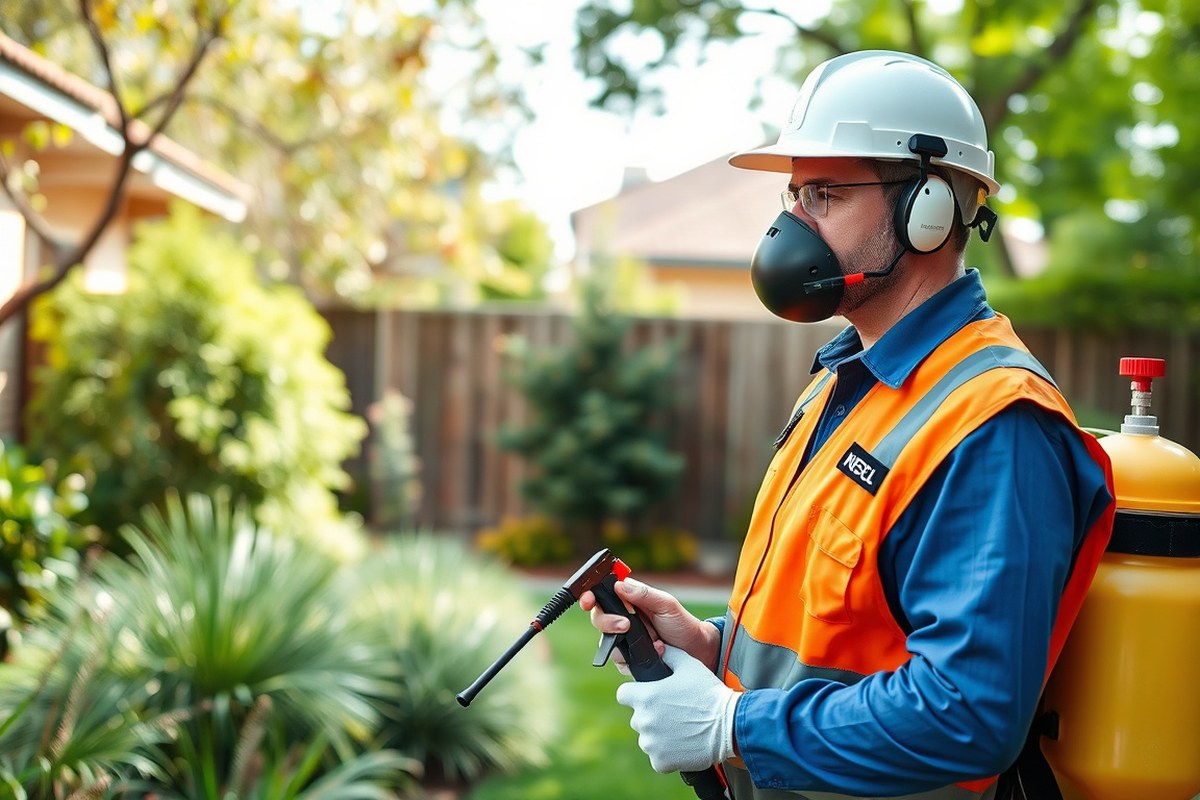
Pest control is considered a blue collar job because it involves manual labor, technical skills, and trade-specific knowledge. Technicians handle physical tasks like inspecting properties, applying treatments, and operating specialized equipment such as sprayers, bait stations, and chemical applicators. You can expect daily work that combines indoor and outdoor environments, often dealing with pests like rodents, insects, and termites.
This information is useful if you’re exploring pest control as a career, trying to understand its work conditions, tools, or training requirements. You’ll also learn about licensing rules, typical hazards, pay scales, and how pest control stacks up against other blue collar trades. Understanding these details helps you decide if pest control fits your skills and career goals before committing to training or a job offer.
Key Takeaways
- Pest control is classified as a blue collar job because it involves manual labor, technical skills, and on-site service work.
- Pest control workers inspect properties, apply pesticides, and monitor pest activity daily to protect homes and businesses.
- Technicians rely on tools like sprayers, bait stations, protective gear, and detection devices to effectively manage pests.
- Licensing and certifications vary by state, requiring formal training and passing exams for pest control operators and applicators.
- Work environments include indoor and outdoor sites, often exposing workers to chemicals, pests, and physical hazards safely managed by protocols.
- Average salaries depend on experience and location, with job opportunities across residential, commercial, and government sectors.
Is Pest Control Considered a Blue Collar Job?
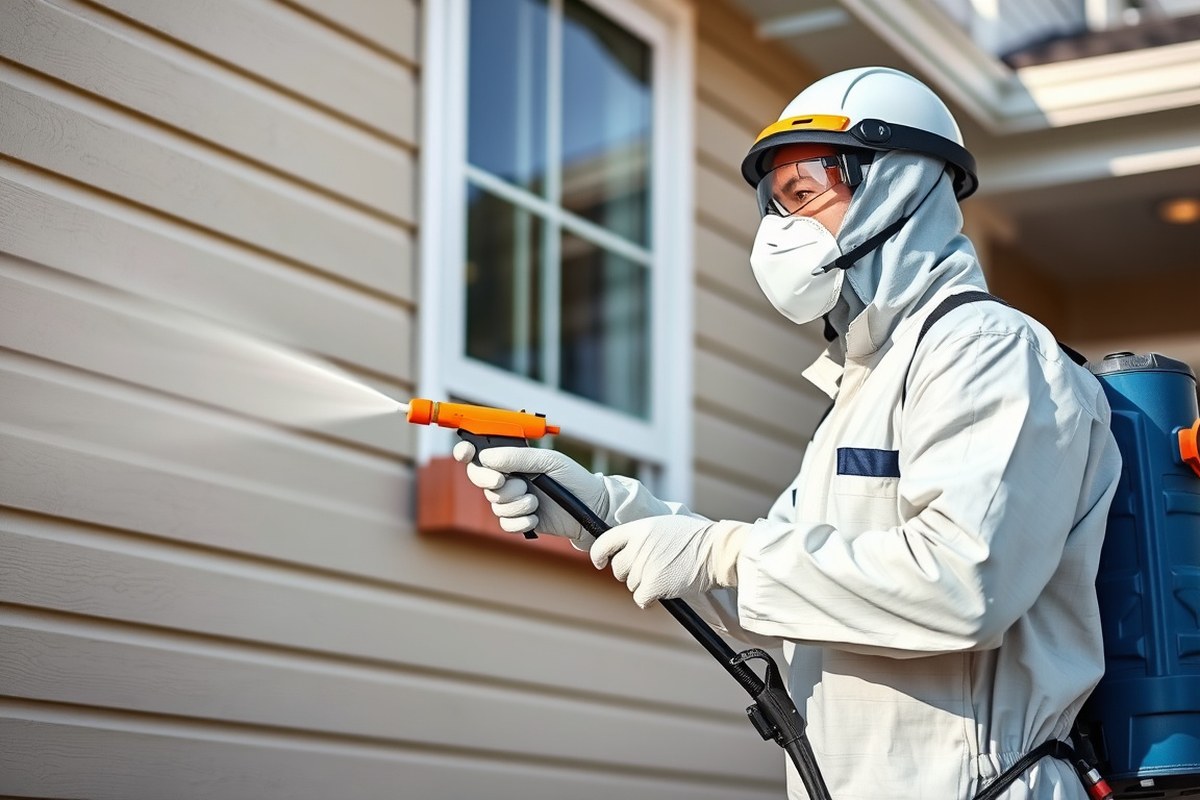
Pest control is generally considered a blue collar job because it involves manual labor, technical skills, and on-site work with physical demands. This classification helps clarify the type of work you’ll perform and the skills you’ll need. Evaluating pest control against the traits of blue collar jobs shows why it fits within this category.
What Is Blue Collar Work?
Blue collar work typically refers to jobs requiring physical effort, skilled trades, or manual labor. These roles involve operating tools or equipment, performing hands-on tasks, and often working in outdoor or industrial environments. The term originally described workers who wore durable clothing suited for manual activities. Blue collar jobs are distinct from white collar roles, which generally focus on office or administrative work.
Understanding blue collar work matters because it influences training requirements, job expectations, and career paths. Jobs labeled blue collar often emphasize practical skills over formal education, although specialized knowledge can be essential. Pay structures, union representation, and workplace hazards tend to differ between blue and white collar roles, which impacts how you prepare for and experience the job.
How Pest Control Matches Blue Collar Criteria
Pest control fits the definition of blue collar jobs because it requires physical labor and technical know-how. Workers apply pesticides, inspect properties, identify pest infestation points, and repair entry sites, all involving hands-on tasks. Pest control technicians spend time crawling under buildings, climbing ladders, and handling chemicals that require safety protocols, which demands both skill and physical endurance.
Here is a practical checklist to recognize why pest control is blue collar: it involves physical activity, use of specialized equipment like sprayers and traps, technical skills from training or certification, on-the-job duties away from a desk, and direct interaction with physical environments. The costs of becoming a pest control technician often include training courses and licensing fees, but no traditional college degree. Training focuses on practical skills, chemical safety, and pest biology rather than theoretical study.
Good results in pest control mean effective pest elimination, client safety, and adherence to environmental regulations. Failing to follow safety rules or apply chemicals properly can cause harm to people, pets, or property, which highlights the importance of technical competence combined with physical work. Seasonal variations may affect workload but do not change the fundamentally manual nature of the job.
Distinguishing Blue Collar from White Collar and Others
Blue collar jobs differ from white collar by the type of work and work environment. White collar roles are typically office-based, involve managerial or clerical tasks, and depend on mental or administrative skills rather than physical effort. For example, pest control managers do more office work and planning, which can be white collar, while technicians doing field work are blue collar.
Service workers, another category, also perform manual labor but often focus on customer interactions or hospitality without using tools or technical skills typical of blue collar trades. Pest control technicians combine customer service with hands-on pest management, placing them firmly in blue collar. Skilled trades like electricians or plumbers share many characteristics with pest control, such as licensing, physical work, and technical training.
You can tell if a job qualifies as blue collar by examining the work setting, required skills, physicality, and tools used. For pest control, the daily mix of hands-on pest removal, equipment use, safety protocols, and site visits clearly defines it as blue collar work. This classification affects how employers hire, how pay structures are designed, and how workers plan their career progression.
What Do Pest Control Workers Do Daily?
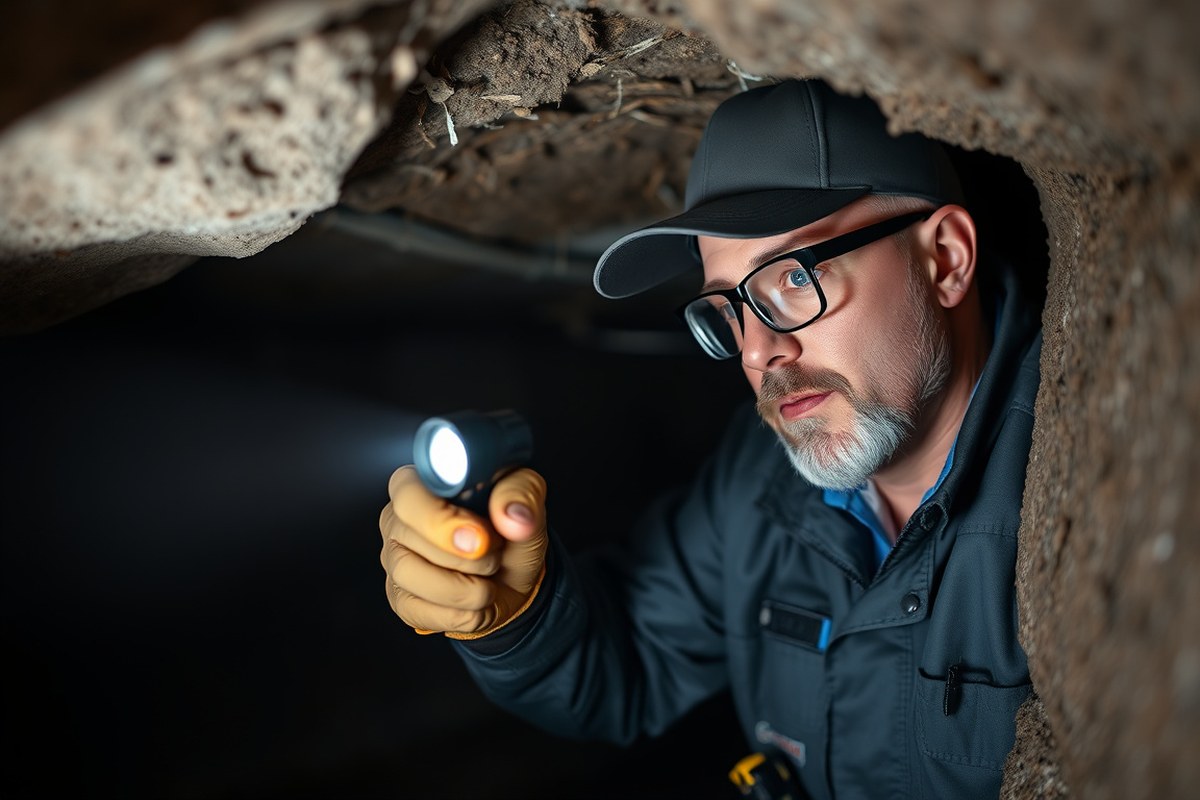
Pest control workers spend much of their day performing a mixture of manual labor and technical tasks aimed at managing and eliminating pest problems. Their routine involves inspecting properties, applying treatments, and communicating with customers, all while handling physically demanding activities such as lifting equipment and crawling into tight spaces.
Inspection and Identification of Pests
One of the first things pest control workers do daily is inspect homes, businesses, or outdoor sites to find signs of pest activity. This involves checking common entry points, looking for droppings, nests, or damage to materials like wood or insulation. The inspection step is critical because accurately identifying the pest species guides what treatment to apply and where.
During inspections, technicians often use flashlights, moisture meters, and sometimes flexible cameras to access hard-to-see places like inside walls or crawl spaces. The process can take anywhere from 20 minutes to a few hours, depending on the size and complexity of the property. Failure to thoroughly inspect leads to incomplete treatment and recurring pest problems.
Treatment Application and Techniques
After identifying the pest and infestation level, the worker applies targeted control measures. Treatments may include spraying insecticides, setting traps, installing bait stations, or sealing cracks and openings to block pest access. Each treatment technique requires careful handling of chemicals or equipment according to safety guidelines and product instructions.
The physical demands come from carrying heavy tanks or toolboxes, bending, kneeling, or crawling in confined spaces, and sometimes climbing ladders. For example, spraying pesticides can involve carrying a tank weighing up to 30 pounds while using a hose to reach under eaves or into gaps. Proper application affects both the effectiveness of the pest control and the safety of people and pets in the treated area.
Wear protective clothing and follow label instructions exactly to avoid chemical exposure during treatment application.
Customer Communication and Reporting
Pest control workers also spend time explaining findings and treatments to customers. This communication can happen before, during, or after the inspection and treatment processes. Technicians need to clearly describe what pests were found, what methods were used, and any follow-up actions required.
They often prepare written reports or fill out service forms detailing the work done, pests observed, and any recommendations for prevention. Effective communication helps build trust and ensures the customer understands why certain precautions or repeat visits might be necessary. Handling customer questions often requires both technical knowledge and good interpersonal skills.
What Tools and Equipment Do Pest Control Technicians Use?
Pest control technicians rely on a range of tools and equipment to identify, treat, and prevent infestations effectively. Standard gear includes sprayers, dusters, bait stations, protective clothing, and diagnostic devices that help spot pest activity even in hidden places. Handling chemicals safely requires the right protective equipment and careful application methods.
Sprayers are essential for applying liquid pesticides. They come in handheld models for small spaces and larger, backpack or truck-mounted versions for bigger jobs. Choosing the correct sprayer depends on the site size and chemical used. For example, a backpack sprayer allows better control indoors, while a truck-mounted sprayer covers outdoor areas faster.
Dusters apply powdered pesticides into cracks and crevices where pests often hide. Using a duster requires a steady hand and knowledge of where pests nest. Over-application can harm non-target areas, while under-application may leave pests untreated.
Bait stations attract pests with poison-laced food or traps. Technicians place them strategically near suspected pest entry points or travel paths. Regular inspection and replacement ensure the baits remain effective. Baits are especially useful against rodents and certain insects like ants and cockroaches.
Protective gear is critical when handling pesticides. Technicians wear gloves, respirators, goggles, and sometimes full-body suits depending on the chemical’s toxicity and application method. This gear prevents inhalation, skin contact, and eye exposure to harmful substances. Training on using and maintaining this equipment reduces exposure risks.
Technicians use several diagnostic tools to detect infestations accurately. Flashlights, moisture meters, and borescopes help uncover pest activity in dark, damp, or concealed spots. For instance, moisture meters detect dampness that attracts termites, while a borescope inserts into walls or vents for visual inspection without destruction. Technicians follow a safety checklist for tools and gear before each service:
- Inspect sprayers and dusters for leaks or clogs before use
- Check expiration dates and proper storage of chemical containers
- Wear chemical-resistant gloves and masks at all times during application
- Use moisture meters and flashlights to locate suspect areas accurately
- Place bait stations based on pest type and behavior patterns
- Follow label instructions strictly for chemical dosage and application method
- Decontaminate tools and protective gear after each service to avoid cross-contamination
Costs for basic pest control equipment vary. Handheld sprayers start around $50 to $150, while backpack sprayers can range from $200 to $400. Protective gear sets average between $100 and $300 depending on quality and type. Diagnostic tools like moisture meters cost $100 to $250. Investing in durable, well-maintained equipment ensures better results and worker safety.
Proper use of tools and chemicals leads to efficient pest elimination and reduces risks to people and property. Mistakes like overusing chemicals or neglecting protective gear increase hazards and damage customer trust. Skilled pest control work depends on choosing the right tools, applying pesticides carefully, and using diagnostic devices to target pest problems precisely.
Licenses, Certifications, and Training Required for Pest Control
Pest control technicians must have the right state and federal licenses to work legally, and these licenses ensure they understand pesticide use rules and safety precautions. Certifications are usually optional but can improve job prospects and show expertise. Most technicians get trained through a mix of classroom instruction and on-the-job experience before getting licensed and continuing education is often required to maintain those credentials.
State and Federal Licensing Requirements
Every state requires pest control technicians to hold a license before applying pesticides commercially or in many residential cases, with specific license categories based on the type of pest control work performed. This licensing guarantees that the technician knows how to use chemicals safely and complies with environmental regulations. The typical process starts by completing a set number of study hours or classroom training on pesticide laws and application techniques, which might be offered by vocational schools, community colleges, or state programs.
After training, candidates must pass a written exam that covers pest identification, pesticide safety, application methods, and local regulations. Passing this exam leads to a license that must be renewed every one to three years depending on the state. Renewal usually requires completing continuing education credits focused on safety updates and new pest control methods. Federal licenses are less common but exist for professionals handling restricted-use pesticides, mandating even stricter rules. Costs vary by state but licensing fees often range from $100 to $300 annually, plus the time investment for training and exams.
Common Certification Programs
Certifications beyond licensing can increase a technician’s credentials but are generally optional. The National Pest Management Association (NPMA) offers well-known certifications such as the Certified Pest Control Operator (CPCO) that demonstrate higher knowledge standards and commitment to best practices. These certifications often require passing a separate exam and maintaining ongoing education, helping technicians gain trust with clients and stand out in a competitive market.
Some certifications focus on particular pests or service types, such as termite control or green pest management, allowing technicians to specialize. These certificates can be earned by completing specific training modules from professional organizations or manufacturers. While certifications don’t replace state licenses, many employers prefer or require them, especially for senior technicians or roles involving customer disputes or inspections. The cost of certification exams usually ranges from $100 to $250, and renewal depends on completing designated hours of industry education.
On-the-Job Training and Continuing Education
On-the-job training makes up a critical part of becoming a qualified pest control technician. New hires often start as assistants working with experienced technicians to learn how to identify pests in real situations, operate equipment safely, and observe environmental precautions. This hands-on experience typically lasts several months before a technician applies for licensing or independently handles pest control tasks.
Continuing education is essential in pest control due to evolving pest species, pesticide regulations, and safety technology. Most states require licensed technicians to take refresher courses or attend workshops yearly or biannually to keep their licenses current. These courses might involve updates on chemical formulations, integrated pest management strategies, or legal changes. Skipping ongoing education can result in license suspension or inability to renew, which disrupts employment. Training options vary from online modules to in-person seminars offered by state agencies or professional groups.
Work Environment and Hazards in Pest Control Jobs
Pest control technicians face specific risks in their work environment, including chemical exposure, physical strain, and variable outdoor conditions. Understanding these risks and taking proper precautions helps reduce injuries and health problems while maintaining effective pest management.
Chemical Exposure Risks
Handling pesticides and other chemical treatments is the most obvious hazard in pest control. These substances can irritate skin, eyes, and respiratory systems or cause more serious long-term health effects if safety guidelines are ignored. Chemicals must be applied according to label instructions, which specify dilution ratios, application methods, and re-entry times to minimize exposure.
Wearing personal protective equipment (PPE) like gloves, respirators, and protective clothing is essential. PPE reduces direct contact and inhalation of hazardous substances. Proper mixing and storage of chemicals away from heat and moisture prevent accidental spills and reactions. Technicians must also wash hands and exposed skin thoroughly after treatments to remove residues.
Always read and follow the pesticide label instructions and wear the recommended protective gear to reduce chemical exposure risks.
Physical Strain and Injury Hazards
Lifting heavy equipment, bending into tight spaces, climbing ladders, and repetitive motions put pest control workers at risk of strains, sprains, and falls. Technicians often carry 20 to 40 pounds of equipment and must maneuver in cramped or uneven places, increasing injury chances. Using proper lifting techniques and taking breaks during physically demanding tasks lowers injury risks.
Slip-resistant footwear and helmets can prevent falls and head injuries, especially on outdoor or industrial sites. Workers should inspect tools and ladders regularly for damage and use supports or harnesses when working at heights. Training in safe work practices further reduces accidents related to the physical nature of pest control jobs.
Environmental and Weather Challenges
Technicians frequently work outside or in poorly ventilated indoor areas, exposing them to heat, cold, and humidity. These environmental factors can cause heat exhaustion, dehydration, or hypothermia. Monitoring weather conditions and dressing appropriately for temperature changes improves comfort and safety during service calls.
Rain or snow makes surfaces slippery and can wash away applied treatments prematurely, so scheduling treatments during dry weather is preferable. Insect activity also varies seasonally, affecting when and how treatments can be done safely and effectively. Technicians must adapt work plans to environmental conditions to avoid avoidable risks and ensure treatment success.
Salary, Employment Types, and Career Advancement in Pest Control
Pest control workers earn wages that vary based on location, experience, and company size, with many working hourly rather than salaried roles. Career advancement is possible through gaining experience, certifications, and moving into supervisory or specialized positions.
Average Pay and Wage Types
Most pest control technicians earn an hourly wage, typically ranging from $12 to $25 per hour. Entry-level positions in smaller markets or companies tend toward the lower end, around $12 to $15 per hour, while experienced technicians in larger metropolitan areas or those with specialized pest control skills can make $20 to $25 per hour or more. Some companies offer salaried roles for supervisors or sales-focused positions, but the majority of field technicians remain hourly due to the nature of on-call and part-time schedules.
The wage structure influences how companies schedule and compensate workers. Hourly pay allows more flexibility for overtime during busy seasons, such as summer. Salaried roles often come with added responsibilities, like managing teams or handling customer accounts. Federal and state laws also shape hourly wages by applying overtime rules, which salaried employees might not always earn.
| Position | Typical Hourly Pay | Typical Salaried Pay |
|---|---|---|
| Entry-Level Technician | $12 – $15 | Rarely salaried |
| Experienced Technician | $18 – $25 | Sometimes salaried (around $40,000 – $55,000 annually) |
| Supervisor / Manager | Hourly rates less common | $50,000 – $70,000 annually |
| Sales / Account Manager | Usually salaried plus commission | $45,000 – $75,000 plus commission |
Employment Status: Employee vs Independent Contractor
Pest control technicians are predominantly hired as employees, which means their wages are hourly or salaried with tax withholding and benefits depending on the employer. This status means companies control their schedules, provide equipment, and mandate safety training. Employee status also typically includes workers’ compensation coverage, which is important given the chemical exposure risk in the job.
Some pest control providers engage technicians as independent contractors, especially for sales roles or specialized services. Independent contractors usually earn pay through commission or fee-for-service agreements, without the protections that come with employee status. This arrangement can reduce costs for the company but increases risk for the worker, since they must handle their own insurance and tax obligations. If you consider work as a contractor, carefully review the terms and local labor laws to understand the risks.
Career Ladders and Specialized Roles
You can advance in pest control by gaining certifications, experience, and demonstrating leadership skills. Common career paths begin as a field technician, then move into roles like senior technician or team lead. These roles may include mentoring new hires or handling more complex pest control treatments, such as termite or bed bug eradication, which require additional licensing.
With further development, advancement to supervisory or management positions becomes possible. These roles involve overseeing teams, managing customer relations, developing treatment plans, or handling business operations. Some technicians transition into sales or account management, which offers higher earning potential through commissions combined with a base salary. A suggested progression timeline might look like this: 0-2 years as technician, 2-5 years as senior technician or lead, 5+ years moving into supervisory or specialized treatment roles.
Specialization in fumigation, termite control, or commercial pest management can also open doors to higher pay and job stability. Each specialization requires state-specific licenses and ongoing training, but it can set you apart and extend your career options well beyond routine residential pest control.
How Pest Control Compares to Other Blue Collar Trades
Pest control is a skilled trade but differs from plumbing and electrical work in terms of required education, physical demands, and the nature of the skills involved. Pest control technicians need training on chemical handling, pest biology, and safety protocols. Their work is physically active but generally less intensive than plumbing, which often requires heavy lifting, confined spaces, and complex pipe fitting. Electrical work demands a strong understanding of electrical systems and codes, with a higher emphasis on math and technical knowledge.
The practical skill level in pest control involves identification of pests, proper use of pesticides, and the ability to assess infestations. It demands attention to detail and adherence to regulations but typically involves less technical complexity than electrical work or plumbing. Education often includes on-the-job training and a license, while electricians and plumbers usually complete multi-year apprenticeships and formal schooling.
| Trade | Skill Level | Education/Training | Physical Demand | Common Tasks |
|---|---|---|---|---|
| Pest Control | Moderate: chemical handling, pest ID | State-required licensing, short courses | Moderate: lifting equipment, crawling | Applying pesticides, inspection, monitoring |
| Plumbing | High: pipe fitting, system repair | Apprenticeship + technical school | High: heavy lifting, awkward spaces | Installing pipes, fixing leaks, maintenance |
| Electrical | High: wiring, code compliance | Apprenticeship + technical school | Moderate to high: climbing, precision work | Installing wiring, troubleshooting circuits |
The differences in training and physical demands matter because they impact how you prepare for each trade and what your workday looks like. Pest control training lasts a few weeks to months depending on the state and focuses on safe chemical use and pest knowledge. Plumbing and electrical trades require several years of apprenticeship plus classroom hours due to the complexity and safety risks involved.
Expect pest control work to require moderate physical fitness, carrying tanks, bending under houses, or climbing ladders. Plumbing demands more muscular strength and endurance for handling heavy pipes and working in confined spaces. Electrical work often involves standing or crouching while performing fine motor tasks in potentially risky environments, so good hand-eye coordination and technical skill are critical.
Seasonal and Regional Variations in Pest Control Work
Pest control work changes throughout the year depending on which pests are active and the climate in a given area. Urban and rural settings demand different approaches because the pests, environments, and client needs vary. Regional pests also affect what methods and timing pest control technicians use, so understanding these differences is key to effective service.
Seasonal Pest Activity Cycles
Many pests follow seasonal patterns that shape when pest control services are most needed. For example, rodents often seek shelter indoors during cooler months, raising demand for exclusion and trapping in fall and winter. In spring and summer, insects like ants, termites, mosquitoes, and ticks become more active, requiring different treatments such as perimeter sprays, baiting, and habitat modification. Scheduling treatments around pest life cycles can improve results and reduce the need for repeated visits.
A typical calendar starts with termite inspections and pre-treatment in early spring before the swarm season. Mosquito control often begins in late spring and peaks through summer. Rodent prevention usually intensifies in fall, while winter demands focus on sealing entry points. Seasonal work means technicians must switch gear and techniques regularly, keeping supplies and training aligned with upcoming pests.
Plan your yearly route and inventory at the end of each season to prepare for key pests in the next period and avoid costly last-minute adjustments.
Urban Versus Rural Job Differences
Urban pest control often deals with cockroaches, bed bugs, rodents, and ants in dense residential or commercial buildings. Access is usually limited to interiors or immediate surroundings, and treatments focus on targeted applications, sanitation advice, and occupant education. Urban clients expect fast, discreet work, which means techniques like bait stations or localized sprays are common.
Rural pest control is broader, frequently addressing agricultural pests, wildlife exclusion, and large structures such as barns or warehouses. Technicians might apply broader perimeter treatments and work outdoors more often, using equipment like foggers or granular insecticides. Wildlife control can involve trapping and relocation, requiring licenses and different skills. Clients in rural areas depend on pest control not only for comfort but also to protect crops or livestock. The difference in travel time, equipment needs, and client expectations means pest control workers must adapt their daily workflow and transportation plans to the setting.
Regional Pest Species and Challenges
Each region in the US has its unique set of pests that influence pest control jobs. The southeastern states have high termite activity that requires year-round vigilance and regular pre-treatment for new construction. The Midwest might see seasonal increases in mosquitoes and ticks, demanding extra mosquito control services in summer months. The southwest faces challenges with scorpions and certain ants that need specialized knowledge and tailored insecticides.
Understanding local pests determines what treatments and safety precautions are necessary. For example, in humid areas, mold and fungus problems may connect to pest issues, while dry regions require more focus on desert-dwelling insects. Staying updated with state regulations on pesticide use is important because laws can limit what products or practices are allowed depending on local environmental concerns.
Technicians should continually research regional pest reports and attend training to handle local species effectively. Offering region-specific advice to clients can improve long-term control and customer trust.
Regularly review your state’s pesticide restrictions and pest activity reports to adjust your pest control plan and avoid legal problems or ineffective treatments.
Common Mistakes New Pest Control Workers Make and How to Avoid Them
New pest control workers often struggle with properly identifying pest types and understanding their habits, which leads to ineffective treatments. Spending extra time learning local pest species and their behaviors helps ensure you choose the right methods and products. Avoid rushing through inspections; detailed visual and environmental checks reduce missed problem areas.
Incorrect chemical application is another frequent mistake. Overusing pesticides damages client property and wastes materials, while underusing them fails to eliminate pests. Always measure products according to label directions and use calibrated equipment to maintain consistent application rates. Following safety guidelines protects both you and the customers’ families from exposure.
Documentation errors frequently undercut service quality and legal compliance. Missing notes on treatment locations or renewal dates make follow-ups difficult and harm company reputation. Develop a habit of recording service details immediately after visits using digital forms or notebooks. This practice improves communication and ensures accurate billing.
- Skipping initial thorough inspections, fix by allocating at least 30 minutes per site on first visit
- Applying pesticides without checking weather or surface conditions, avoid by scheduling treatments during dry weather and cleaning application areas
- Neglecting personal protective equipment, always wear gloves, respirators, and goggles per product instructions
- Failing to communicate treatment plans and preventive advice to customers, improve by preparing clear, brief explanations during or after service
- Not calibrating spray equipment regularly, establish monthly maintenance routines to ensure correct dosing
- Relying solely on chemical controls, diversify with mechanical or exclusion tactics to reduce resistance
Time management plays a key role in balancing thoroughness with productivity. New technicians should plan routes and prepare materials before arriving onsite. Reviewing product labels and safety data sheets during downtime will build familiarity and reduce errors. Taking notes on unusual pest behavior or client concerns improve problem-solving skills over time.
Building trust with customers requires clear communication and transparency about treatment limitations. Explain that some infestations need multiple visits or integrated strategies to resolve fully. Providing clients with written instructions for pre- and post-treatment care improves outcomes. This approach minimizes complaints and encourages repeat business.
Are Pest Control Technicians Employees or Independent Contractors?
Most pest control technicians work as employees rather than independent contractors. Employers generally prefer this because it allows them to control schedules, training, and the use of company equipment. Employees usually get a steady paycheck, benefits like health insurance and paid time off, and legal protections such as workers’ compensation. On the downside, employees often have less flexibility in setting their hours and must follow strict company policies on how the work is performed.
Independent contractors in pest control handle their own schedules, pay their own taxes, and provide their own equipment. Contractors can earn more on a per-job basis because they set their rates and can work for multiple companies. However, they don’t receive benefits or job security, and the company doesn’t cover expenses like vehicle maintenance or license fees. Contractors must maintain pest control licenses personally and handle liability insurance, which can cost several hundred dollars annually. This trade-off means contractors need to be good at managing business tasks alongside pest control work.
Understanding your status matters because it influences how you get paid and what job-related costs you must cover. Employees often receive hourly or salaried pay and typically report income through W-2 forms. Contractors invoice the company and file 1099 forms, so they must save money for quarterly tax payments. Benefits like health insurance and retirement plans are generally available only to employees, which affects long-term financial security. Regular income and fewer risks usually make employee status more suitable. Greater control and the chance to raise earnings by working independently fit contractor status, but it comes with extra responsibilities.
To decide whether to pursue work as an employee or contractor, start by listing your priorities. Steady income, employer-covered training, and minimal administrative duties point toward employee positions with established pest control companies. Check if the company offers benefits and confirm how they classify workers before accepting an offer. For example, some small firms label workers as contractors but impose employee-like restrictions, which can cause legal issues or limit your autonomy.
Those who prefer independence and feel comfortable running their own business side-by-side should explore contractor roles. Ensure you hold all required licenses in your state, plan for insurance costs, and set a price list that covers expenses plus profit. Keep detailed records of jobs and payments, and prepare for fluctuating income, especially during slow seasons. Contractors might benefit by using accounting software tailored for small service businesses to track expenses and tax obligations precisely.
One common problem for workers misclassified as contractors is losing protections against unfair termination and workplace injury benefits. Ask potential employers directly about your classification and get the terms in writing. Document hours worked and the level of control they exert over your tasks, as these factors affect classification under labor law. The wrong classification can lead to disputes or unexpected tax bills.
Quick-Start Plan to Understand Pest Control as a Blue Collar Job
Pest control fits within blue collar work because it involves hands-on labor with specific tools and training. This plan guides you through confirming its classification and what to expect if you pursue pest control as a career or service.
- Day 1: Review the typical daily tasks of pest control technicians such as inspecting sites, applying treatments, and using spray equipment or traps. Confirm these are manual, technical duties typical of blue collar roles.
- Day 3: Check state requirements for licenses and certifications since most pest control work requires formal training and passing exams. This step confirms the professional standards that categorize the job.
- Day 5: Assess the work environment and hazards involved, including chemical exposure and physical risks. These factors often define the blue collar nature due to the need for safety gear and hands-on caution.
- Week 2: Compare salary and employment types in pest control with other blue collar trades like electricians or HVAC technicians. This will help you place pest control in the broader labor market context.
- Week 3: Explore seasonal and regional variations in work volume and how they affect job stability. Understanding these fluctuations helps clarify pest control’s labor characteristics over time.
- Week 4: Identify common mistakes new technicians make, such as neglecting proper equipment use or misapplying chemicals. Learning these helps clarify skill development typical in blue collar jobs.
- Month 2: Determine if pest control technicians in your area usually work as employees or independent contractors. Labor classification depends partly on work arrangements and supervision levels.
- After 2 months: Decide whether pest control suits your skills and career goals by weighing physical demands, training requirements, and job outlook. This final step confirms the practical fit within blue collar work.
Frequently Asked Questions
Is Pest Control a Blue Collar Job?
Yes, pest control is considered a blue collar job because it involves manual labor and technical skills rather than office work. Technicians perform hands-on tasks, such as inspection, treatment, and maintenance, which fit the definition of blue collar roles.
Can Pest Control Workers Advance Their Careers into Management?
Yes, pest control workers can move up to supervisory or management roles by gaining experience and additional certifications. This progression often involves overseeing teams, managing schedules, and taking on administrative responsibilities.
Do Pest Control Technicians Work Indoors or Outdoors More?
Pest control technicians work both indoors and outdoors, depending on the job. Outdoor work includes treating lawns or gardens, while indoor work involves inspecting basements, kitchens, and attics, offering a varied work environment throughout the day.
Is Pest Control Physically Demanding Work?
Pest control requires moderate physical effort, such as lifting equipment, climbing ladders, and moving through tight spaces. This physical activity suits those who prefer active jobs, but good physical condition helps prevent injuries over time.
Do Pest Control Jobs Require Handling Hazardous Chemicals?
Yes, pest control jobs involve using chemicals that can be hazardous if mishandled. Proper training and protective gear reduce health risks, and technicians must follow safety rules and local regulations strictly.
Are Pest Control Jobs More Common in Urban or Rural Areas?
Pest control jobs are found in both areas, but urban regions often offer more positions due to higher property density and demand. Rural jobs may involve different pest types and seasonal variations related to agriculture.
Final Thoughts
Pest control is definitely a blue collar job because it involves hands-on daily tasks using specialized tools and chemicals, with specific licensing and safety training. You can start exploring this career path today by contacting your state’s pesticide regulatory agency or a local pest control company to learn about entry-level training programs or apprenticeship opportunities. Getting a clear understanding of license requirements early helps you avoid common mistakes like working without proper certification or handling hazardous materials incorrectly. That practical step sets you on a safer, more stable track in a job that combines physical work with technical skills.