

How to Get Rid of Tartar Buildup: Effective Home and Professional Solutions
To get rid of tartar buildup effectively, maintain a daily routine of brushing your teeth for at least two minutes twice a day, flossing, and using mouthwash to remove plaque before it hardens. Once tartar forms, professional cleaning by a dentist every six months is necessary to fully eliminate it and protect your oral health. Tartar not only looks unpleasant but can also lead to serious health issues if left untreated.
This information is for those concerned about tartar buildup or wanting to prevent it. You will learn how tartar forms, why it’s harmful, practical home care tips, when to seek dental help, and how professionals remove tartar safely. The article also covers avoiding common mistakes and special care for sensitive gums and orthodontic devices.
Key Takeaways
- Brush your teeth twice daily for at least 2 minutes using fluoride toothpaste to remove plaque before it hardens into tartar.
- Wait about 30 minutes after eating before brushing to protect tooth enamel from softening and avoid damage.
- Floss daily and use an antimicrobial mouthwash to prevent up to 90% of tartar buildup effectively.
- Home remedies like oil pulling with coconut oil for 10, 15 minutes may help reduce plaque but won’t fully remove tartar.
- Professional tartar removal every six months is necessary because tartar cannot be completely removed with home care alone.
- Expect professional cleaning to take 30, 60 minutes and cost $75 to $200, often covered by dental insurance.
What Is Tartar and How Does It Develop on Teeth?

Tartar, also called dental calculus, is a hard, mineralized deposit that forms on your teeth when plaque builds up and hardens over time. Plaque itself is a sticky, colorless film of bacteria and food particles that constantly forms on your teeth throughout the day. If you don’t remove plaque by brushing and flossing regularly, minerals in your saliva bind to the plaque, causing it to calcify into tartar. This hardened layer firmly attaches to the enamel and can develop both above and below your gumline.
The key difference between plaque and tartar is their texture and how easily they can be removed. Plaque is soft and can be easily removed through daily brushing and flossing. Tartar, on the other hand, is a crusty substance that can only be removed by a professional dental cleaning using specialized tools. Having tartar makes it harder to clean your teeth effectively, which can lead to more plaque buildup and worsen oral health problems.
You can often tell if tartar has formed on your teeth by looking for yellow or brown deposits, especially near the gumline or between teeth. Tartar feels rough or hard if you gently run your tongue over the buildup. Unlike plaque, which feels soft and slippery, tartar is firmly attached and can make teeth feel uneven or sharp in spots. Sometimes, tartar buildup irritates the gums, causing redness or swelling.
Because tartar forms when plaque remains on teeth for about 24 to 72 hours without removal, brushing your teeth for at least two minutes twice a day is critical to keep plaque from hardening. Waiting about 30 minutes after eating before brushing helps prevent enamel wear, since acid from food temporarily softens it. Flossing daily is also essential, as plaque tends to accumulate in hard-to-reach areas between teeth where tartar often begins. Using tartar-control toothpaste and rinsing with an antiseptic mouthwash can reduce the bacteria that cause plaque and tartar formation, although they cannot remove tartar once it forms.
Regular dental visits every six months give your dentist a chance to check for plaque and tartar buildup that you can’t see or reach yourself. Professional cleanings usually take 30 to 60 minutes depending on how much tartar has formed. Removing tartar professionally helps prevent gum disease, enamel loss, and tooth decay that result from plaque and tartar buildup. Without removal, tartar will continue to build and affect your oral health over time.
Why Is Tartar Dangerous for Your Oral Health?
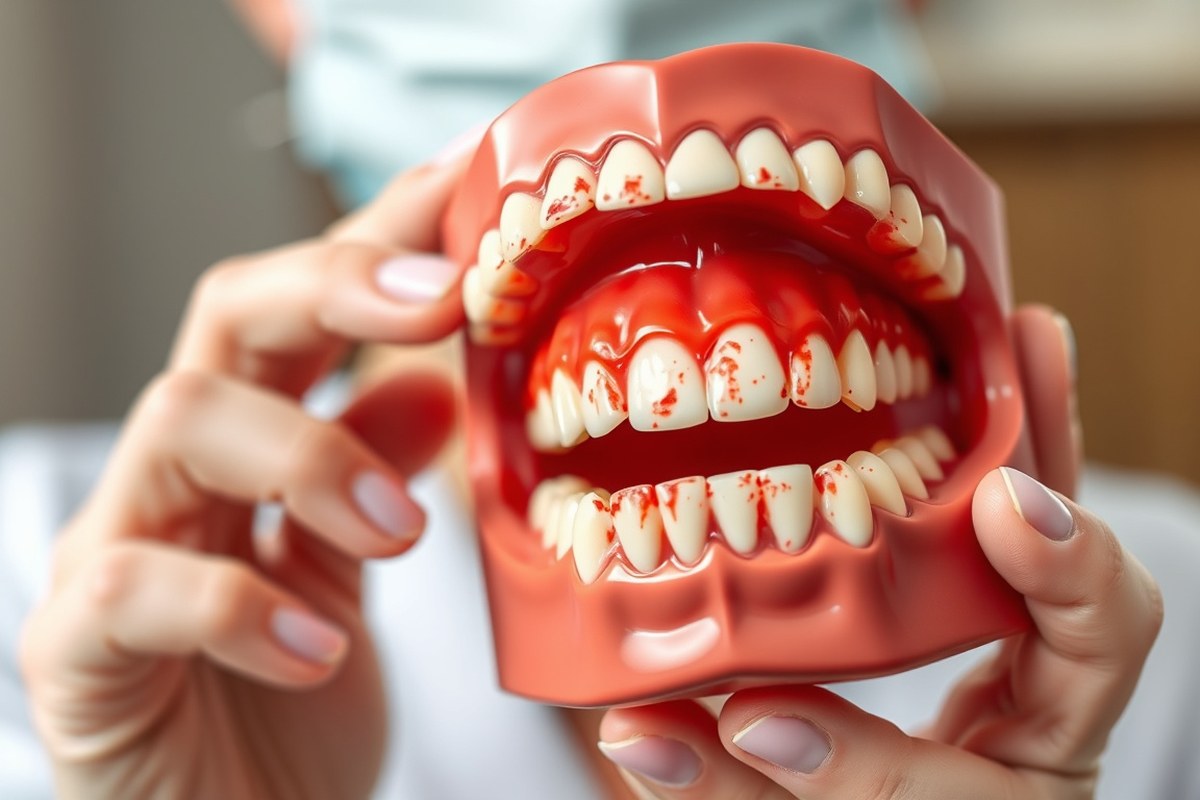
Tartar poses a serious threat to your oral health because it forms a hard, rough surface on your teeth that traps bacteria. This buildup accelerates gum disease, tooth decay, and bad breath. When plaque hardens into tartar, usually within 24 to 72 hours, your usual brushing and flossing won’t remove it. The bacteria on tartar can irritate your gums, leading to inflammation known as gingivitis. Left untreated, this can progress below the gumline, causing more severe gum disease and even tooth loss.
Tartar that forms under the gumline damages the tissue and bone supporting your teeth. Signs of subgingival tartar include bleeding and swollen gums, persistent bad breath, tooth sensitivity, and gum recession. These symptoms can worsen with time, making it important to detect and address tartar early. If you notice bleeding during brushing or flossing or your gums appear red or puffy, this could indicate tartar accumulation below the gumline.
The risks of ignoring tartar buildup go beyond just your mouth. Over time, tartar can contribute to cavities by providing a breeding ground for decay-causing bacteria. It can also cause gum recession, which exposes the sensitive roots of your teeth, increasing sensitivity and risk of infection. Advanced gum disease linked to tartar buildup can lead to jawbone deterioration, eventually resulting in loose or lost teeth. The Department of Health and Human Services highlights that gum disease can raise your risk for systemic health issues, including stroke, heart disease, and diabetes.
Removing tartar requires professional dental cleanings, as home care alone won’t break down its hardened surface. Regular visits to the dentist are essential, especially if you have a tendency toward cavities or gum problems. Without timely treatment, tartar causes a cascade of oral health problems that typically demand more invasive, costly procedures like deep cleanings or even tooth extraction. Preventing tartar formation through good oral hygiene and professional care reduces financial burdens and preserves your smile and overall health.
Bleeding gums or persistent bad breath may signal tartar below the gumline; don’t delay dental care, as early removal prevents serious damage and costly treatments.
Daily Oral Hygiene Habits to Prevent Tartar Buildup
Keeping tartar buildup at bay depends mostly on your daily oral care habits. Brushing your teeth twice a day with the right technique and flossing once daily are key to removing plaque before it hardens into tartar. Choosing the correct toothbrush and toothpaste also plays a important role in prevention.
Optimal Brushing Frequency and Technique
Brushing your teeth twice a day, ideally once in the morning and once before bedtime, helps remove plaque and food debris that contribute to tartar. Avoid brushing immediately after eating acidic or sugary foods since enamel might be temporarily softened, raising the risk for damage. Instead, wait 30 to 60 minutes before brushing.
Use gentle, circular motions rather than harsh scrubbing to clean all surfaces, front, back, and chewing surfaces, of your teeth. Spend about 2 minutes brushing, making sure you reach the gumline where plaque tends to collect. Effective brushing reduces plaque buildup, limiting how much tartar can form over time.
Choosing the Right Toothbrush and Toothpaste
Electric toothbrushes tend to remove plaque more effectively than manual ones due to consistent motion and coverage. According to a 2016 review, electric brushes can remove up to 100% more plaque, especially in hard-to-reach spots. Consider a model with a timer and pressure sensor to avoid brushing too hard.
Pick a toothpaste designed for tartar control that contains active ingredients like pyrophosphates or zinc citrate. These ingredients help prevent plaque from mineralizing into tartar. Always use toothpaste with fluoride, which strengthens enamel and lowers the risk of decay.
Flossing and Additional Preventative Tools
Flossing once daily is critical to removing plaque between teeth where brushes can’t reach. A water flosser can be just as effective, or more so, for many people compared to string floss, some studies show up to 29% better plaque removal when combined with manual brushing. Choose the flossing style that works best for you, but be consistent.
Using an antimicrobial mouthwash approved by your dentist can reduce bacteria in your mouth and further control plaque levels. Regular dental checkups every six months allow professionals to remove tartar buildup you can’t reach yourself and provide tailored advice based on your oral health.
- Brush your teeth twice daily using gentle, circular motions for at least 2 minutes each time.
- Wait at least 30 minutes after eating before brushing if you consumed acidic or sugary foods.
- Use an electric toothbrush with a timer and pressure sensor for more effective cleaning.
- Select a fluoride toothpaste with tartar-fighting ingredients like pyrophosphates or zinc citrate.
- Floss at least once a day, choosing string floss or a water flosser based on your preference.
- Rinse with an antimicrobial mouthwash daily to lower oral bacteria.
- Schedule professional dental cleanings every six months to remove hardened tartar.
Practical Home Remedies: What Really Helps Reduce Tartar?
Many home remedies claim to reduce tartar, but only a few offer measurable benefits and remain safe for daily use. Actual tartar removal requires professional dental tools, but certain practices help control plaque, which leads to tartar buildup. Here’s a comparison of common methods, focusing on their effectiveness, safety, and clear usage instructions.
| Home Remedy | Effectiveness Against Tartar | Safety | How to Use | Notes |
|---|---|---|---|---|
| Baking Soda Brushing | Moderate; helps remove plaque and whitening | Safe if used 2, 3 times a week; avoid daily use to prevent enamel wear | Brush gently with baking soda toothpaste or dip toothbrush in baking soda; 2, 3 times weekly | Good for controlling early buildup; do not mix with salt often due to abrasiveness |
| Coconut Oil Pulling | Low to moderate plaque reduction (about 50% plaque decrease reported) | Safe, but time-consuming and no tartar removal proven | Swish 1 tablespoon coconut oil in mouth for 15, 20 minutes daily | Helps reduce harmful bacteria but won’t dissolve hardened tartar |
| Water Flosser | High; up to 74% plaque reduction combined with brushing | Safe for daily use | Use once daily after brushing; aim nozzle along gumline and between teeth | Some studies show better plaque removal than string floss, especially at gumline |
| String Floss | Moderate; standard plaque removal | Safe; avoid aggressive flossing that damages gums | Floss daily to remove plaque between teeth | Less effective than water flossers in some cases |
| Aloe Vera Gel | Low; limited evidence for tartar control | Generally safe | Mix 1 tablespoon aloe vera gel with ½ cup water and baking soda for mouth rinse | May have antibacterial properties but no proven tartar reduction |
| Clove Oil | Low; may reduce inflammation and bacteria | Use diluted to avoid irritation | Apply diluted clove oil on gums with cotton swab; do not swallow | Helps with gum health but doesn’t remove tartar |
Using baking soda on your teeth carefully a few times a week reduces plaque without damaging enamel. Avoid mixing with salt regularly, since that can scratch teeth. Coconut oil pulling might reduce plaque bacteria if done daily for 20 minutes, but it won’t remove hardened tartar. Aloe vera and clove oil may support gum health by fighting bacteria and inflammation but will not dissolve tartar buildup.
The best home tool to prevent tartar formation is a water flosser combined with regular brushing. Studies show a 74% reduction in plaque when using a water flosser daily versus 58% with string floss. It reaches below the gumline and between tight spaces better than regular floss, making it a safer choice for preventing tartar.
When Can Tartar Be Removed at Home and When to See a Dentist
Tartar, once hardened on your teeth, cannot be removed at home through brushing or flossing alone. This hardened plaque firmly attaches to your teeth and demands professional tools and skills for removal. Seeing a dentist or dental hygienist is the only reliable way to eliminate tartar safely and protect your gums and teeth from further harm.
Home care can help manage plaque and prevent tartar from forming in the first place. You may try improved brushing techniques, flossing, and some home remedies to slow buildup. However, if you already notice hard yellow or brown deposits near your gum line that don’t come off with normal brushing, it’s time to book a dental cleaning. Regular dental visits every six months are the standard recommendation, but those prone to heavy tartar buildup might need visits every 3-4 months. To decide when to rely on home care and when to see a dentist, use this checklist:
- Plaque is soft and can be removed with thorough brushing and flossing.
- Tartar is hard, yellow or brown, and firmly attached to teeth.
- Home remedies and improved hygiene have not reduced visible tartar after 2-4 weeks.
- You experience gum redness, swelling, or bleeding around tartar deposits.
- It has been more than six months since your last professional cleaning.
- You feel rough deposits when you run your tongue over your teeth.
Tartar cannot break off naturally. It requires dental scaling, which involves scraping with specialized instruments. Attempting to remove tartar yourself with sharp tools or aggressive brushing can damage enamel and gums. Dental cleanings usually cost between $75 and $200, often covered by insurance every six months, making professional care affordable compared to potential treatments for advanced dental disease.
Never try to scrape tartar off your teeth at home; only a dental professional has the right tools and training to do it safely.
Track your oral health improvements by checking if your gums feel less inflamed and if dental plaque is reduced after adopting home care habits. Persistent tartar buildup or gum problems means professional intervention is necessary. Prioritize dental visits if you notice any signs of gum disease or whenever you have solid tartar deposits that resist home cleaning efforts.
What to Expect During Professional Tartar Removal and Its Costs
Professional tartar removal typically takes 30 to 60 minutes and costs between $75 and $200 per visit, depending on the treatment complexity. Most dental insurance plans cover routine cleanings twice a year at no cost to you. Some individuals with faster tartar buildup may need visits every three to four months, which can affect scheduling and expenses.
Typical Procedure and Duration
A professional tartar removal begins with a standard cleaning called prophylaxis, lasting about 30 to 60 minutes. The dental hygienist uses special tools to scrape hardened tartar off your teeth, focusing extra time on areas where buildup is heaviest. This cleaning is generally not painful and involves scaling the tooth surfaces above the gumline. In more severe cases, especially if gum disease is present, a deeper cleaning known as scaling and root planing may be necessary.
Scaling and root planing targets tartar below the gumline and can take multiple sessions, each focused on a quadrant of your mouth. These procedures can require more time to heal and may cause some discomfort, but they effectively reduce plaque and tartar in hard-to-reach areas. Scheduling and length depend on your tartar severity and gum health.
Cost Factors and Insurance Coverage
Routine professional cleanings typically cost between $75 and $150 per visit, while the price can rise to $200 for more thorough treatments. Insurance plans usually cover standard cleanings twice a year at 100 percent, recognizing their importance in prevention. Deeper cleanings, required for gum disease or extensive tartar buildup, cost much more, ranging from $200 to $800 per section of the mouth.
Insurance may cover 50 to 80 percent of these advanced treatments, although pre-authorization is often necessary. Annual maximum caps on dental plans might limit how much coverage you receive for costly procedures, and new insurance policies can have waiting periods before certain services are covered. Staying on schedule with routine cleanings maximizes your insurance benefits and reduces the odds of expensive treatments.
Recommended Cleaning Frequency by Situation
Most people benefit from professional cleanings every six months, which helps prevent tartar buildup and maintain gum health. If you tend to develop tartar quickly or have risk factors like sensitive gums or orthodontic appliances, your dentist may suggest cleaning every three to four months. More frequent visits help keep tartar from accumulating in problem areas, reducing the risk of gum disease.
Season, age, and region typically have less impact on how often you need cleanings compared to your individual oral health and lifestyle. However, colder months can sometimes lead to less consistent oral care routines for some people, making regular appointments and daily hygiene extra important. Your dentist will tailor their advice based on your specific tartar risk factors and oral condition during visits.
Common Mistakes That Worsen Tartar and How to Avoid Them
One common mistake worsening tartar buildup is skipping or rushing daily oral hygiene. Plaque turns into tartar within 24 to 72 hours without proper removal. Using a toothbrush incorrectly, such as brushing too hard or with a worn-out brush, can damage gums and leave plaque behind, creating ideal conditions for tartar growth. Selecting a soft-bristled toothbrush and brushing gently in circular motions for two minutes twice a day provides better plaque control while protecting delicate gum tissue.
Many people also neglect flossing or use it improperly. Floss should slide gently between teeth without snapping or forcing it, which can cut gums and promote inflammation. Damaged gums become more prone to plaque accumulation. Daily flossing or using interdental brushes designed for tight spaces ensures better reach to clean below the gum line, where tartar often forms first.
Attempting to scrape tartar off at home with sharp or metal tools risks enamel damage and gum injury. Dental scrapers designed for professional use require training to prevent harm. Scraping tartar yourself can create rough tooth surfaces where more plaque accumulates rapidly, worsening the problem. If you want to use any at-home dental tools, follow all instructions carefully and consult your dentist before trying them to avoid injury or ineffective results.
Some habits indirectly contribute to tartar buildup. Tobacco use increases plaque adhesion and changes saliva composition, intensifying tartar formation. Managing stress levels helps maintain healthy saliva flow and immune response, limiting tartar risks. Avoiding sugary foods and beverages reduces plaque formation, which prevents tartar from developing.
- Brush teeth gently with a soft-bristled brush for at least two minutes twice daily
- Floss or use interdental brushes daily, sliding floss gently without forcing
- Replace your toothbrush every three to four months or sooner if bristles fray
- Avoid attempting to remove tartar yourself with metal tools or sharp objects
- Quit smoking and minimize tobacco products
- Limit sugary snacks and drinks between meals
- Manage stress to support saliva flow and oral health
Using electric toothbrushes with timers can improve brushing effectiveness, providing consistent pressure and coverage. Always follow the manufacturer’s directions about toothbrush angle and duration. When flossing, take about 18 inches of floss, winding most around each middle finger and holding it taut between thumbs and index fingers for control. Move the floss in a C-shape around each tooth and curve gently beneath the gumline. These detailed techniques reduce missed plaque spots that harden into tartar.
Safe tartar control depends on combining proper tool use with good habits. Professional removal remains necessary for existing hardened tartar, but avoiding these common oral care mistakes slows new buildup. Approaching oral hygiene with care and attention prevents damage to your teeth and gums while keeping your smile healthier.
Special Considerations: Tartar Care for Sensitive Gums and Orthodontics
Preventing and managing tartar requires extra care if you have sensitive gums, wear braces, or live in varying climates. These factors influence how plaque hardens and how gentle or thorough your cleaning routine should be. A tailored approach helps you avoid damage and supports healthy teeth and gums despite these challenges.
Tartar Buildup Risks for Special Groups
People with a family history of tartar buildup tend to develop it more easily due to genetics affecting saliva composition and gum health. Poor oral hygiene combined with unhealthy eating habits increases the risk for everyone, but sensitive gums can also make thorough cleaning painful, leading to skipped steps and more plaque build-up. For sensitive gums, aggressive brushing or using harsh tools can cause irritation and bleeding, which worsens oral health and encourages tartar formation.
Maintaining gentle but consistent oral care, including brushing twice daily with a soft-bristled toothbrush and using a fluoride toothpaste, can reduce tartar risk. Avoiding acidic or sugary snacks helps keep plaque levels down. If you notice red or swollen gums, this means your oral care routine might need modifying to prevent tartar and gum disease progression.
Braces and Orthodontic Tartar Management
Braces create many small spaces where plaque collects, increasing the chance of tartar buildup quickly. Regular brushing without special techniques misses these spots. Using orthodontic-specific toothbrushes or electric brushes with small heads helps clean around brackets and wires more effectively. Flossing becomes important; threadable floss or interdental brushes can reach areas blocked by braces.
Rinsing with an antibacterial mouthwash daily can further reduce plaque that might harden into tartar. Scheduling professional cleanings more frequently, every 3 to 4 months instead of 6 months, ensures stubborn tartar is professionally removed before it causes damage. Patience and a detailed routine are key because improper care with braces can lead to permanent enamel staining beneath the brackets and gum irritation.
Use interdental brushes to clean between braces wires after every meal to stop plaque from turning into tartar.
Adjusting Oral Care by Climate and Sensitivity
Dry or hot climates can decrease saliva, a natural defense against plaque. Reduced saliva flow lets plaque accumulate faster and harden into tartar. You should increase water intake to stay hydrated and stimulate saliva flow. Chewing sugar-free gum after meals can also boost saliva production and reduce plaque buildup. Consider using toothpaste designed to protect sensitive gums, especially if dry air worsens gum tenderness.
Cold climates may cause people to reduce drinking water or mouth-breathe more, drying tissues and gums. Using a humidifier indoors prevents dryness that irritates gums and triggers plaque formation. Sensitive gums respond best to gentle brushing, limit brushing time to about two minutes twice a day using light pressure. Avoid whitening toothpastes or abrasive powders that might exacerbate sensitivity and cause microscratches where tartar can cling.
Step-by-Step Action Plan to Remove and Prevent Tartar Buildup
Follow these clear steps to reduce tartar buildup safely and keep your teeth clean and healthy. Track your progress by how your mouth feels and looks after each phase.
- Before You Start: Gather a soft-bristled toothbrush, fluoride toothpaste, dental floss, and an antiseptic mouthwash. Begin brushing twice a day and flossing once daily. You’ll know this is working when your teeth start feeling cleaner and less coated after brushing.
- Day 3: Add a daily rinse with an antiseptic mouthwash after brushing to reduce plaque buildup that leads to tartar. You’ll notice fresher breath and a cleaner sensation in your mouth as signs it’s effective.
- Week 1: Incorporate a tartar-control toothpaste containing ingredients like pyrophosphates or zinc citrate to help prevent new tartar formation. When the yellowish buildup decreases or doesn’t worsen, this step is helping.
- Week 2: Try a gentle home remedy such as brushing with a baking soda paste twice a week to help break down existing tartar. Avoid aggressive scrubbing to protect sensitive gums. A reduction in the roughness or discoloration around your gumline shows it’s working.
- After 2 Weeks: Evaluate your progress. Should tartar remain thick or cause gum irritation, schedule a professional dental cleaning. Dentists use special tools to safely remove hard tartar you can’t address at home.
- Post-Professional Cleaning: Maintain improved habits by brushing and flossing as before, and avoid foods high in sugar or acid that speed up tartar buildup. Keep regular dental checkups every six months to stay on top of tartar accumulation.
- Ongoing: If you have sensitive gums or wear braces, use products designed for your needs and follow your orthodontist’s advice. Monitor any gum discomfort or bleeding and mention these at your dental visits.
Frequently Asked Questions
Can Tartar Buildup Cause Bad Breath?
Yes, tartar buildup traps bacteria that produce odors leading to bad breath. Maintaining proper oral hygiene reduces this risk effectively.
Is Mouthwash Enough to Remove Tartar?
Mouthwash can reduce plaque but can’t remove hardened tartar. Brushing and professional cleanings are needed for tartar.
How Does Diet Affect Tartar Formation?
Sugary and starchy foods increase plaque, leading to tartar. Cutting these reduces bacterial growth on teeth.
Can Using a Dental Scraper at Home Damage My Teeth?
Yes, improper use of scrapers can harm enamel or gums. It’s safer to use floss or visit a dentist.
Does Smoking Increase Tartar Buildup?
Yes, tobacco products promote tartar accumulation and stain teeth. Quitting smoking improves oral health significantly.
Is Tartar Removal Painful?
Professional removal may cause mild discomfort but is generally not painful. Numbing options are available if needed.
Final Thoughts
Removing tartar buildup takes consistent care and the right approach. Focus on improving your daily brushing technique, especially making sure to reach your gum line where tartar tends to accumulate. Schedule a professional cleaning if you notice hardened deposits, since only a dentist can safely remove stubborn tartar and protect your gums from damage.


