How to Get Rid of Cat Spray Smell: A Complete Guide for Lasting Results
To get rid of cat spray smell, start by locating all spray spots, then clean them promptly using an enzymatic cleaner designed to break down the urine compounds. Tackling the odor on different surfaces requires specific techniques, and addressing the cause of your cat’s spraying is key to preventing it from coming back. Thorough cleaning paired with behavior and environment adjustments offers the most lasting results.
This advice is for cat owners dealing with persistent spray odors in their homes. You will learn how to find hidden spray areas with a blacklight, the best cleaning methods for various surfaces, safe home remedies, and ways to prevent repeat spraying. Plus, tips for airing out your home and when to seek professional help are included to ensure you can fully eliminate cat spray smell.
Key Takeaways
- Use a portable black light to locate hidden cat spray spots by spotting yellow stains on furniture, walls, and carpets.
- Enzymatic cleaners work best by breaking down odor-causing compounds; apply thoroughly and let dry for 24 to 48 hours.
- Clean cat spray promptly from specific surfaces using appropriate methods: baking soda for carpets, gentle cleaners for hardwood and upholstery.
- Avoid harsh chemicals like ammonia that can worsen odors or encourage more spraying; use safe homemade remedies like baking soda instead.
- Spay or neuter your cat to reduce spraying urges by up to 90%, but monitor as some altered cats still spray.
- Keep your home well-ventilated and spray areas you’ve cleaned every day to help your cat stay calm and discourage further marking.
What Is Cat Spray and Why Does It Smell so Bad?

Cat spray is a type of urine used by cats to mark their territory and communicate with other cats. It differs from regular cat urine because it contains a higher concentration of proteins, including uric acid and pheromones. These compounds are responsible for the strong and persistent smell unique to cat spray. Unlike normal urine that is usually deposited while a cat is squatting, spraying is typically a quick burst of urine aimed at vertical surfaces like walls or furniture.
The key to the notorious odor lies in the uric acid crystals found in the spray. These crystals do not dissolve easily in water, which is why typical cleaning methods often fail to remove the smell completely. The pheromones added in the spray serve a behavioral purpose, signaling territory to other cats but also making the odor particularly hard for humans to ignore. The combination of these chemicals creates a pungent, strong smell that can linger for months or years if not treated correctly.
Spraying is different from normal urination in both purpose and chemical makeup. Regular urine primarily contains water, urea, and some salts, which evaporate or wash away more easily. In contrast, cat spray is especially sticky and chemical-heavy, requiring enzymatic cleaners designed to break down uric acid and protein compounds. Using conventional cleaners with ammonia or bleach can worsen the problem because these substances smell similar to urine to cats and might even trigger further spraying.
Understanding this composition explains why the odor is so difficult to eliminate. When cat spray soaks into porous materials like carpet, upholstery, or wood, the uric acid crystals remain trapped and slowly release their smell over time. Thorough cleaning must break down these crystals to stop the odor at its source. This is why quick action is essential. Cleaning the spray spot as soon as you notice it helps prevent the uric acid from crystallizing and embedding deeply into surfaces.
Finally, the presence of pheromones in the spray also means the smell can influence a cat’s behavior, causing repeat marking in the same area. That’s why just masking the odor won’t work. Proper removal involves eliminating every trace of the spray’s chemical components through targeted cleaning methods. Understanding the difference between cat spray and regular urine helps you choose the right cleaning approach and reduce the chance of the smell coming back.
How to Locate Hidden Cat Spray Spots Using a Blacklight
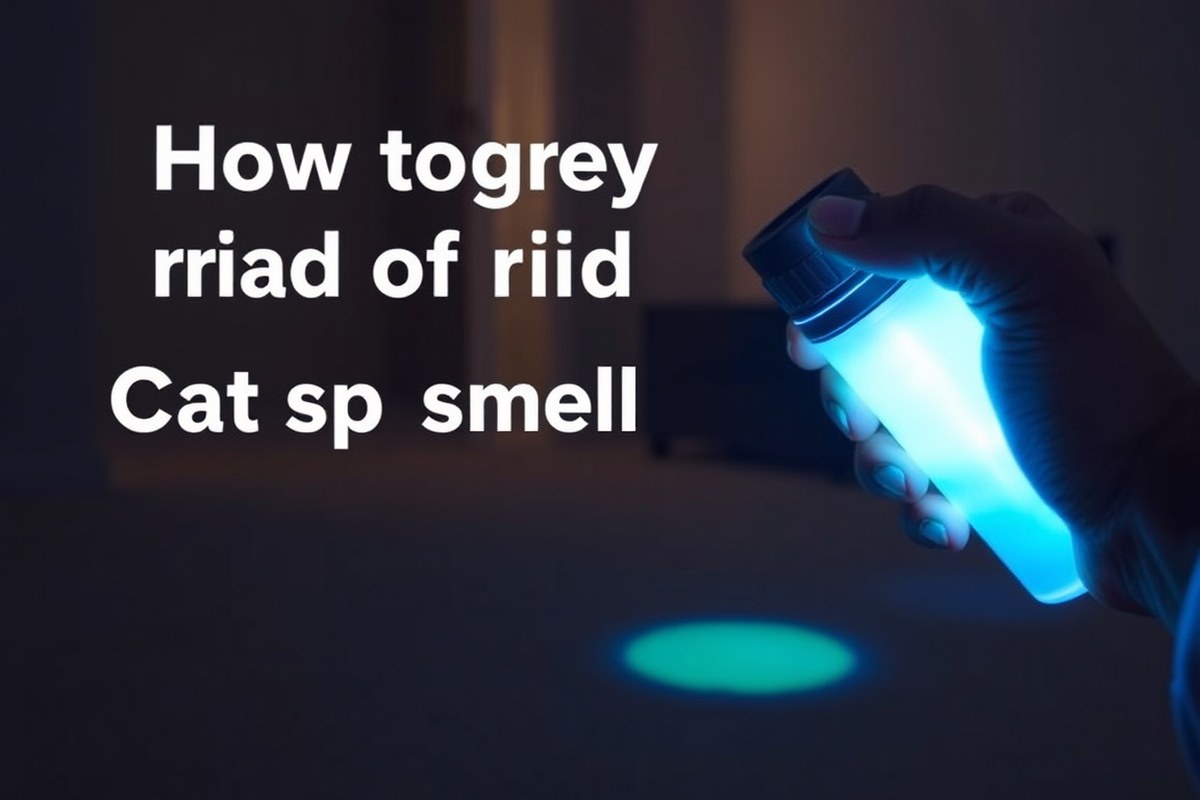
You can locate all the areas where your cat has sprayed, including hidden spots, by using a blacklight. Cat urine glows under ultraviolet (UV) light, making stains visible as yellow or greenish spots even if they are not obvious in normal lighting. This method helps ensure you clean every affected area thoroughly to prevent repeat spraying.
Why Use a Blacklight for Detection
Blacklights help visualize cat urine by causing the compounds in the spray, like uric acid, to fluoresce. This reveals stains that are invisible to the naked eye, often found on carpets, furniture, walls, or baseboards. Identifying all these spots is critical because lingering urine scent can encourage your cat to mark the same places repeatedly.
Using a blacklight is a non-invasive way to pinpoint all sprayed areas so you can target your cleaning efforts effectively. Without this tool, you might miss hidden stains, prolonging odor problems and frustration.
Preparing the Room for Inspection
Make sure the room is as dark as possible before using the blacklight to maximize visibility. Close curtains or blinds and turn off all lights including lamps and electronic devices with indicator lights. This will help urine stains glow brightly.
Clear clutter from floors, furniture, and corners to access all possible spray spots. Removing rugs or cushions can expose hidden areas. Carries a blacklight with fresh batteries or a fully charged unit for consistent brightness across your scan.
How to Conduct a Thorough Blacklight Scan
Follow these steps to inspect your home carefully with a blacklight:
- Turn off all room lights. Ensure the space is as dark as possible for better detection.
- Switch on the blacklight. Hold it close (a few inches) to surfaces you want to inspect.
- Scan systematically. Move the light slowly over walls, floors, furniture, baseboards, and corners, paying extra attention to hidden or hard-to-reach places.
- Mark any glowing spots. Use painter’s tape or sticky notes near each stain for later cleaning.
- Inspect soft surfaces carefully. Cat spray can soak into upholstery, cushions, or carpets, so check these thoroughly.
- Examine areas behind and under furniture. Cats often spray there to mark territory with less risk of interruption.
- Repeat scans if needed. After cleaning as you go, scan again the next day to find any spots you initially missed.
Use gloves and avoid bright light exposure before or during scanning, as it can reduce urine fluorescence and make stains harder to find.
Other Tools to Help Find Spray Sites
Besides blacklights, odor-detecting spray products can help locate hidden spots. Some enzyme-based cleaners include a spray that highlights urine by odor, guiding your search. Portable sniffing devices designed for pet urine detection are available but tend to be pricier.
Pay attention to your cat’s behavior as well. They often revisit preferred spots, so observe areas your cat lingers around, scratches near, or approaches cautiously. Combining behavioral clues with blacklight scanning helps you find all affected spots more easily.
Why Enzymatic Cleaners Are Best and How to Use Them Effectively
Enzymatic cleaners are the best choice for removing cat spray odor because they target the source of the smell, not just the surface mess. These cleaners contain enzymes that break down the uric acid crystals and organic compounds in cat urine, which cause the strong, lingering odor. Unlike regular cleaners that mask smells with fragrances, enzymatic cleaners eliminate the odor at its root, preventing it from returning, even on hot or humid days.
To use an enzymatic cleaner effectively, start by blotting up any fresh spray with paper towels or cloth, avoiding rubbing or spreading the area. Apply the cleaner generously to the entire affected spot, ensuring deep penetration into porous or textured surfaces like carpet fibers or wood grain. The product label usually recommends leaving it damp for at least 10 to 15 minutes so the enzymes can work. For deep stains, you may need to let the solution soak for up to 30 minutes or follow specific instructions provided.
Applying enzymatic cleaner within 24 to 48 hours of the spray event gives the best results since the urine crystals are fresher and easier to break down. If you address old or dried-on spray spots, repeated applications are often necessary. Wait 24 hours between treatments to allow the cleaner to fully process the compounds and the area to dry. You might need two to three treatments for stubborn odors or heavy saturation. For example, a carpet stain may require more frequent or longer soak times than a non-porous surface like tile or sealed hardwood.
Different surfaces call for slight adjustments. On carpets and upholstery, saturate the area deeply and use a clean cloth or soft brush to help the enzymatic cleaner reach below the fibers. Avoid steam cleaners or heat on any surfaces with urine, as heat can set the odor permanently and hinder enzyme effectiveness. Hardwood floors or tiles should be cleaned with the enzymatic solution and then wiped off after the recommended soaking time to prevent residue buildup. For walls, spray with the solution and let it air dry completely.
Repeated use of high-quality enzymatic cleaners tends to cost between $10 and $20 per bottle, with the amount needed depending on the size and number of affected areas. Proper application over a few days will stop the smell from returning and decrease the chances your cat will spray the same spot again, helping you maintain a fresher home environment free of that unwelcome cat spray odor.
Cleaning Cat Spray from Different Surfaces: Carpet, Upholstery, Hardwood, Walls, and Clothes
Cleaning cat spray requires different approaches depending on the surface to avoid damage and maximize odor removal. Tailoring your cleaning method ensures you get rid of the smell while protecting materials like carpet fibers or hardwood finishes. Follow specific steps for each surface to handle the problem effectively.
Carpet and Rugs
Carpet and rugs tend to trap cat spray deep within fibers, making odor removal a challenge. Act quickly to blot up any fresh spray with paper towels or a clean cloth. Avoid rubbing, as this pushes the urine deeper.
Start by spraying an enzymatic cleaner designed for pet odors evenly over the affected area. Let it sit for 10 to 15 minutes to break down the urine compounds. Afterward, blot the area with a clean towel and rinse lightly with water. For larger or older stains, use a wet-dry vacuum or carpet cleaner to extract moisture and residue.
Allow the carpet to air dry completely to prevent mold or mildew. A fan or open window helps speed this up. Avoid steam cleaning on urine spots as heat can set the odor permanently.
Upholstery and Fabric Furniture
Spray on upholstery or fabric furniture can be tricky because excess liquid can damage cushions or frames. Start by blotting up any wet spray as soon as possible.
To remove cat hair and prepare for cleaning, mist the area lightly with a mixture of one part fabric softener to four parts water, then wipe with a cloth. This loosens hair and helps with cleaning. Apply an enzymatic cleaner following the product instructions, usually letting it sit for 10 minutes before blotting with a clean towel.
For delicate fabrics or older stains, test the cleaner on an unseen spot first to check for colorfastness. Repeat if necessary, but avoid soaking the upholstery to prevent water stains or mildew.
Hardwood and Tile Floors
Hardwood and tile floors require gentle but thorough cleaning to avoid damage while removing spray odor. Start by wiping up any fresh spots with paper towels.
For hardwood, use a small amount of enzymatic cleaner or a mixture of mild dish soap and water on a damp cloth. Wipe the area carefully, then dry promptly with a soft towel to prevent wood warping or finish damage. Avoid flooding hardwood with water.
Tile floors tolerate more moisture, so you can mop the area with a pet-safe enzymatic cleaner diluted according to label directions. Rinse with clean water and dry after cleaning to avoid slippery surfaces.
- Use minimal water on hardwood to avoid swelling or warping
- Test cleaners on a small area before full use
- Dry hardwood floors immediately after cleaning
- For tile, mop with diluted enzymatic cleaner and rinse well
- Avoid harsh chemicals that can damage finishes or grout
Cleaning tile grout might require a specialized cleaner if the spray has penetrated deeply.
Walls and Baseboards
Cat spray on walls and baseboards usually sits on the surface but can seep into porous paint or wallpaper, causing persistent odor. Start cleaning by wiping the spot with a damp cloth and mild detergent.
Apply an enzymatic cleaner suited for vertical surfaces, spraying lightly and wiping gently. For stubborn odors, a second application may be needed after the first dries. Avoid excessive moisture that can damage paint or drywall. Stains on textured walls or wallpaper may need spot treatment with specialized cleaners or repainting if the smell or marks persist.
Clothing and Washable Fabrics
Clothes and fabrics with cat spray need prompt treatment to prevent permanent odor setting. Rinse the fabric under cold water to flush out urine. Soak the item in a solution of enzymatic cleaner and cold water for 15 to 30 minutes before washing.
Wash the fabrics separately using the hottest water safe for the material and add a pet-specific detergent or enzymatic cleaner to the cycle. Avoid using fabric softeners or bleach, which can worsen odors or damage fibers.
- Rinse fabric with cold water before soaking
- Soak in enzymatic cleaner solution for at least 15 minutes
- Use hottest water safe for fabric in washing machine
- Wash separately from other laundry to prevent odor transfer
- Air dry or tumble dry on low heat, avoiding high temperatures that set odors
Repeat washing if the smell remains. Dry cleaning may be necessary for non-washable fabrics but check with the cleaner about handling pet odors.
Safe Homemade Remedies and What Cleaners to Avoid for Cat Spray
Homemade cleaners can reduce cat spray smells but usually need several treatments to fully remove the odor. A common solution is mixing equal parts water and white vinegar in a spray bottle. Though vinegar can neutralize some odors, it does not completely break down uric acid crystals, so the smell might come back in humid conditions. Baking soda is also widely used because it absorbs odors in carpets and fabrics but doesn’t clean urine stains alone. Making a paste by mixing baking soda with a liquid cleaner can improve its odor-fighting effectiveness.
Warm soapy water is a safe and gentle alternative to harsh chemicals. It effectively removes some urine smells without risking your cat’s health or encouraging repeat spraying. When using homemade solutions, expect to repeat the cleaning several times for best results. Always allow the area to dry completely between treatments to prevent moisture buildup, which can worsen odors.
| Cleaner | Effectiveness | Cost & Accessibility | Limitations or Warnings |
|---|---|---|---|
| Water + White Vinegar (1:1) | Moderate odor neutralization | Very low cost; common household items | May need multiple treatments; odor can return on humid days |
| Baking Soda | Absorbs odors but doesn’t remove stains | Very low cost; easy to find | Not effective alone on deep or old stains |
| Baking Soda + Activating Liquid Paste | Better odor removal than baking soda alone | Low cost; homemade | Requires time to apply and dry; multiple treatments needed |
| Warm Soapy Water | Good for surface odor removal | Very low cost | Less effective on deep stains; must dry thoroughly |
| Hydrogen Peroxide | Temporary odor neutralization | Low cost; household item | Can bleach fabrics; odor may return |
Avoid cleaners with ammonia or bleach, as they can worsen spray odors or even encourage your cat to spray again. Ammonia smells similar to cat urine and might mark the area as suitable for spraying. Bleach fumes can stress your cat, leading to more spraying and making it harder for you to eliminate the problem. Also, never use heat or steam cleaners on urine stains. Heat causes uric acid crystals to set permanently into fabrics and carpets, making the odor impossible to remove later.
Use only cool or lukewarm water and avoid scrubbing heated or steamed stains to prevent locking in cat urine odors.
For stubborn or deep-set spray spots, repeated cleaning sessions with homemade remedies may be necessary before you see real improvement. Patience and thorough drying between treatments improve outcomes. While homemade solutions can help reduce odor, they generally don’t break down urine components as effectively as enzymatic cleaners, which are designed specifically for pet stains.
How to Air Out Your Home and Handle Persistent or Widespread Odor
Airing out your home by opening windows and doors is a useful first step to reduce cat spray odor. Fresh air and proper ventilation help remove the ammonia and other compounds in the urine that cause the smell. To do this effectively, open as many windows and doors as possible, then turn on fans or ceiling fans to create airflow that pushes stale air out. Depending on the weather, aim to air out your rooms for at least 30 minutes to an hour daily during and after cleaning. This process can significantly lower the intensity of the odor, especially in rooms with hard surfaces or good ventilation.
The smell of cat spray can last for weeks or even months if left untreated because the urine penetrates porous materials like carpet fibers, wood, and upholstery. In poorly ventilated spaces, the scent lingers and becomes stale and harder to remove. Regular airing out slows down this buildup but usually won’t fully eliminate odors deeply embedded in fabrics or flooring.
Repeated cleaning combined with ventilation usually makes a difference for persistent odors. After opening windows and using fans, apply enzymatic cleaners to the affected areas according to the label instructions. Cleaners break down urine molecules, while airflow dilutes and removes airborne smells. Clean the same spots multiple times over several days if the odor persists. Living in a dry climate, occasional misting with water before airing out can help the urine residues surface, making cleaning more effective.
In severe cases where the smell permeates carpet padding or furniture, more drastic measures may be necessary. Lifting or peeling back carpet after thoroughly cleaning the top layer can reveal urine-soaked padding that continues to emit odor. Replacing the padding or carpet might be required if enzymatic treatments fail. Similarly, upholstered furniture can absorb urine deeply; sometimes, professional cleaning or replacing cushions or the whole piece is the only way to remove the smell. Consider these options when persistent odors remain after several rounds of cleaning and airing out, especially if the smell affects multiple rooms or is strong enough to cause discomfort.
A practical decision rule is to start with airing out rooms daily for 30 to 60 minutes combined with enzyme cleaner applications. When the odor fades gradually over one to two weeks, you can avoid expensive replacements. Noticing no improvement or a quick return of the smell means you should inspect beneath carpets and inside furniture. At that stage, consulting a professional cleaner will help assess whether replacement or deep cleaning services are necessary. The investment in these steps depends on your tolerance for the smell and how extensive the spray damage is. Ventilation alone rarely solves widespread odors but is essential as part of a complete cleaning plan.
Preventing Repeat Cat Spraying: Behavioral, Medical, and Environmental Tips
Preventing repeat cat spraying involves a combination of medical checks, environmental adjustments, and behavior management. Neutering your cat reduces spraying but doesn’t guarantee it will stop. Stress reduction, proper litter box care, and pheromone products can help create a pleasant environment that discourages spraying. A vet visit may be necessary to check for medical issues causing this behavior.
Neutering and Medical Causes to Rule Out
Neutering helps lower spraying by reducing hormone-driven territorial marking, but about 10% of neutered male cats and 5% of spayed females may continue to spray. It’s not a complete cure but is a cost-effective step; a typical neutering surgery costs between $50 to $200 depending on where you live. Your veterinarian can help you decide the best timing for the procedure.
Medical issues like urinary tract infections or bladder problems can cause cats to spray. These conditions can be painful and lead to frequent or inappropriate urination. A vet can perform urine tests, blood work, or physical exams to rule out such causes. This helps avoid treating a behavioral symptom when the root cause is health-related.
Environmental Enrichment and Stress Reduction
Stress and anxiety are major triggers for spraying behavior since cats use spray to mark their territory when feeling threatened. Creating a stable, calm environment with plenty of hiding places, perches, and playtime can reduce your cat’s stress. Regular interaction and scheduled play sessions can keep your cat mentally engaged and less prone to anxiety-based spraying.
If your cat smells other cats nearby, especially ones from outside your home, this can increase territorial behavior. Provide your cat with a safe haven and limit exposure to outside cats through window screens or by closing curtains. Consider extra vertical space or cat trees where your cat can observe from a secure location.
Using Pheromone Diffusers and Products
Pheromone products like FELIWAY Optimum release synthetic versions of natural cat facial pheromones that promote calmness and reduce territorial marking. Using a plug-in diffuser in areas where your cat sprays can help create a sense of security. These products usually cost $30 to $50 for a diffuser plus refills that last about 30 days.
Consistency is key; keep the diffuser plugged in continuously for at least four weeks. You may also use pheromone sprays on bedding or carriers for travel stress. These products don’t replace other measures like litter box management but support an overall stress-free environment.
Litter Box Management and Routine
Cats are particular about litter boxes, and a dirty or poorly located box can trigger spraying. Keep the litter box scooped daily and changed thoroughly every 1 to 2 weeks. Use unscented, clumping litter and provide one more box than the number of cats in the household to reduce stress and territorial disputes.
Place litter boxes in quiet, easily accessible spots away from noisy appliances and high-traffic areas. For cats currently spraying, placing a high-sided litter box in the previously sprayed location lets your cat urinate there without damaging floors, gradually encouraging proper use. This setup costs around $20 to $40 for suitable litter boxes.
When to Talk to Your Veterinarian
Persistent or sudden spraying behaviors require a vet consultation to rule out health problems or behavior disorders. Mention any other symptoms like loss of appetite, vomiting, or weight change during your visit. Your vet can offer medical treatments or refer you to a certified animal behaviorist.
Working with your vet also helps tailor environmental changes and monitor your cat’s progress. Regular vet check-ups prevent medical issues that may increase urinary problems and therefore cause spraying. Your vet may suggest dietary changes to assist urinary health, reducing the chance of accidents.
When to Call Professionals and How to Handle Persistent Spray Odor
Call a professional cleaner when enzyme cleaners and thorough ventilation fail to remove the cat spray smell after two attempts. Persistent odor usually means the urine has soaked into materials that are hard to reach, such as subflooring or deep inside furniture padding. Professionals use specialized treatments like ozone machines, industrial enzyme sprays, and thermal fogging, which penetrate and neutralize stubborn odors more effectively than consumer products. These services typically cost between $200 and $600, depending on the size of the affected area and the severity, but they can save you from repeated ineffective efforts.
Replacing carpets, padding, or upholstered furniture becomes necessary when urine has deeply penetrated and the odor persists despite cleaning. For carpet, peeling back the carpet to inspect the padding below helps determine if the smell extends into the subfloor. When the padding is soaked, replacement is required. Hardwood floors may need sanding or refinishing, and sometimes boards must be replaced if urine has soaked into the wood and aged. Furniture should be replaced if foam or stuffing remains permanently odorous after cleaning, as deep urine in furniture foam rarely responds to DIY cleaning methods. People often make these mistakes that reduce their chances of removing cat spray smell:
- Not allowing enzymatic cleaner to dry undisturbed for at least 24 hours or repeating treatments prematurely.
- Using ammonia or bleach-based cleaners, which can worsen odor or damage surfaces.
- Cleaning only surfaces without checking beneath carpets or furniture padding.
- Trying to mask odor with air fresheners before fully cleaning the source.
- Skipping blacklight inspection to locate hidden spray spots.
- Using fans or heat to speed drying, which may lock in the odor.
- Cleaning obvious spots but missing multiple hidden spray locations.
Professional treatment is often the only reliable method to remove odor from porous or layered materials that DIY methods cannot reach.
To decide when to call a professional, allow enzyme treatments the full time to work by soaking the area twice with 24-hour drying in between. When the odor remains and no clear spray spots are visible, or when multiple rooms smell, contact an expert. A carpet inspection and possibly lifting the carpet can reveal damage needing repair or replacement. Assess furniture carefully; when the odor is inside the padding, professional extraction or replacement is the best option. Knowing these limits helps avoid wasted time and money.
Step-by-Step Action Plan to Remove Cat Spray Smell
Follow these steps to locate, clean, and prevent cat spray odor effectively. Check your progress at each phase to ensure the smell is gone and your home stays fresh.
- Before You Start: Use a blacklight in a dark room to find all hidden spray spots. Mark each area so you don’t miss any while cleaning.
- Day 1: Clean all marked spots with an enzymatic cleaner designed for pet urine. After cleaning, the smell should noticeably reduce or disappear in those areas.
- Day 2: Air out your home by opening windows and using fans for several hours. You should notice fresher air and less lingering odor.
- Day 3: Wash any clothes or removable fabrics that have spray on them using safe detergents recommended for pet odors. The fabrics should no longer smell when dry.
- Week 1: Inspect all cleaned areas again with the blacklight to confirm no new spots are visible. Re-clean if any odor or stains persist.
- Week 2: Implement behavioral and environmental changes, such as providing more litter boxes or consulting your vet about medical causes. Monitor your cat’s behavior for spraying signs.
- After 2 Weeks: Evaluate your home’s odor and your cat’s habits. If the smell remains or spraying continues, consider calling a professional cleaner or vet for further help.
Frequently Asked Questions
How Do I Know If the Smell Is from Cat Spray or Regular Urine?
Cat spray usually has a stronger, more pungent odor than regular urine. It often comes from vertical surfaces and has a distinct musky scent caused by specific pheromones in the spray.
Can Washing Clothes Once Remove Cat Spray Smell Completely?
Washing once may not fully remove the smell. Using an enzymatic cleaner before washing helps break down the odor-causing compounds more effectively.
Why Does Cat Spray Smell Linger Even After Cleaning?
Cat spray contains pheromones and ammonia compounds that penetrate fabrics and surfaces deeply. Without thorough enzymatic cleaning, the molecules remain and cause lasting odor.
Is It Safe to Use Vinegar on Walls to Remove Cat Spray Smell?
Vinegar can mask the smell temporarily but doesn’t break down odor molecules like enzymatic cleaners. Avoid using it on delicate paint or wallpaper to prevent damage.
Can Air Fresheners or Candles Eliminate Cat Spray Odor?
Air fresheners and candles only mask odors temporarily and don’t remove the source of the smell. Proper cleaning and ventilation are necessary to truly eliminate the odor.
How Soon Should I Clean Cat Spray to Prevent Odor Setting In?
Cleaning within minutes of spraying reduces odor penetration and staining significantly. The longer the urine soaks, the harder it is to remove the smell.
Wrapping Up
The quickest way to eliminate cat spray odor is to use an enzymatic cleaner that breaks down the compounds causing the smell. Begin by checking your home with a blacklight in a dark room to locate hidden spray spots. Treat these areas promptly to reduce odors sharply and discourage your cat from marking again.