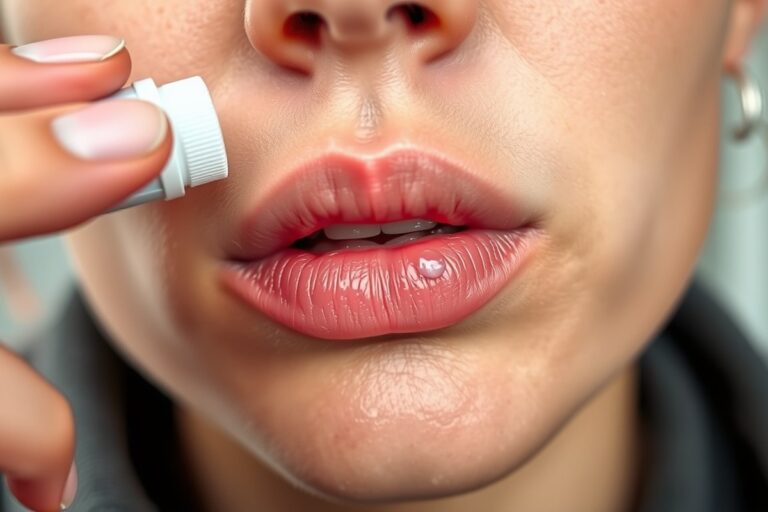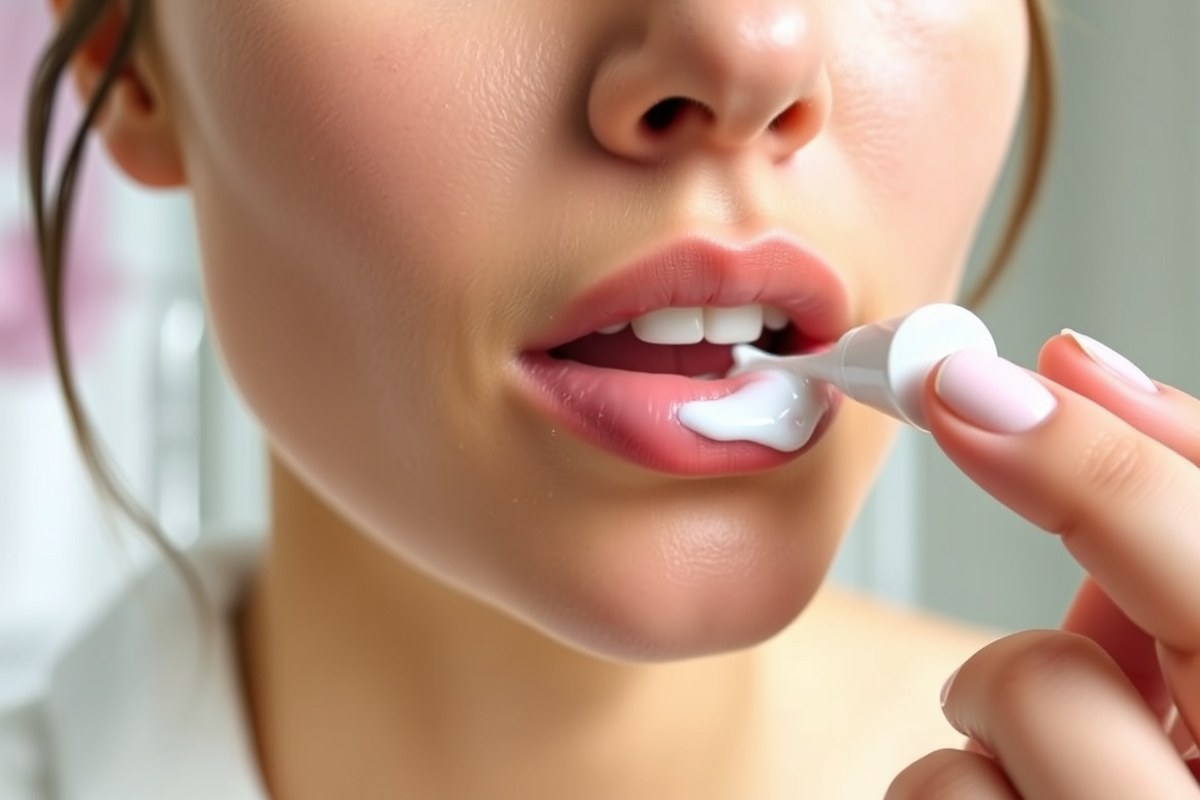
How to Get Rid of Cold Sores Fast at Home: 8 Proven Steps for Quick Relief
To get rid of cold sores fast at home, start treatment as soon as you notice the first signs. Using proven methods like over-the-counter creams, cool compresses, and antiviral ointments can help speed healing and reduce discomfort. Early action, combined with proper care and avoiding common mistakes, provides the best chance for quick relief.
This information is for adults dealing with painful cold sores who want clear, practical steps for faster healing and prevention. You’ll find straightforward advice on causes, treatment options, safe home remedies, and when to seek medical help to manage cold sores effectively. Understanding these factors can help you control outbreaks and protect others from spreading the infection.
Key Takeaways
- Start treatment at the first sign of tingling or itching using zinc oxide and glycine cream to reduce cold sore duration by about 1.5 days.
- Cold sores, caused by HSV-1, are contagious before and for over 24 hours after they appear; avoid close contact and wash hands frequently.
- Use prescription antiviral creams like penciclovir or acyclovir for faster healing compared to over-the-counter options or natural remedies.
- Prevent spreading by not touching sores, avoiding sharing personal items, and keeping the area clean and dry.
- Maintain a balanced diet, reduce stress, and avoid triggers like excessive sun exposure to help cold sores heal and reduce recurrence.
- Avoid picking or irritating cold sores and refrain from using harsh products improperly to prevent prolonged healing times.
1. How to Treat Cold Sores Fast at Home Starting at First Signs

Start treating cold sores the moment you feel the first tingle or notice a blister forming. Early treatment matters because antiviral medications or remedies work best within the first 24 to 48 hours to reduce healing time and ease pain. Applying treatments carefully and combining therapies when appropriate can help you heal faster without spreading the virus. Follow these steps in order to manage your cold sore effectively at home while protecting yourself and others from contagion.
- Wash your hands carefully. Before you touch a cold sore or use any medication, clean your hands with warm water and soap for no less than 20 seconds. This helps prevent the virus from spreading to other parts of your body or to others around you.
- Apply antiviral cream immediately. Use a prescription or over-the-counter cream containing acyclovir or penciclovir as soon as you notice tingling or blister formation. Apply a thin layer to the affected area 4 to 5 times daily, following the package instructions. Starting treatment this early can shorten healing by a day or more.
- Use adjunct natural remedies if desired. After applying antiviral cream, you may lightly apply natural remedies like lemon balm oil or a zinc oxide and glycine cream. These have been found to reduce cold sore duration when started within 24 hours of symptoms. Avoid mixing creams directly, apply one, let it absorb, then apply the next after several minutes.
- Avoid touching or picking the sore. Let the cold sore heal naturally without irritation. Touching can increase pain, delay healing, and spread the virus to other areas. If you must touch it, wash your hands immediately afterward.
- Repeat treatments as recommended. Continue applying the antiviral cream and any approved natural remedies 4 to 5 times daily until the sore fully heals, which usually takes about a week with treatment. Regular application helps reduce symptoms and prevents worsening.
- Keep the sore clean and dry. Gently pat the area with a clean towel after washing your face. Avoid applying heavy or oily cosmetics over the sore. Keeping it dry supports faster healing and prevents irritation.
- Practice good hygiene to limit spread. Avoid sharing utensils, lip balm, towels, or anything that comes into contact with your mouth. Wash pillowcases and towels frequently during an outbreak to reduce risk of passing the virus.
2. Understanding Cold Sores: Causes, Symptoms, and Contagiousness
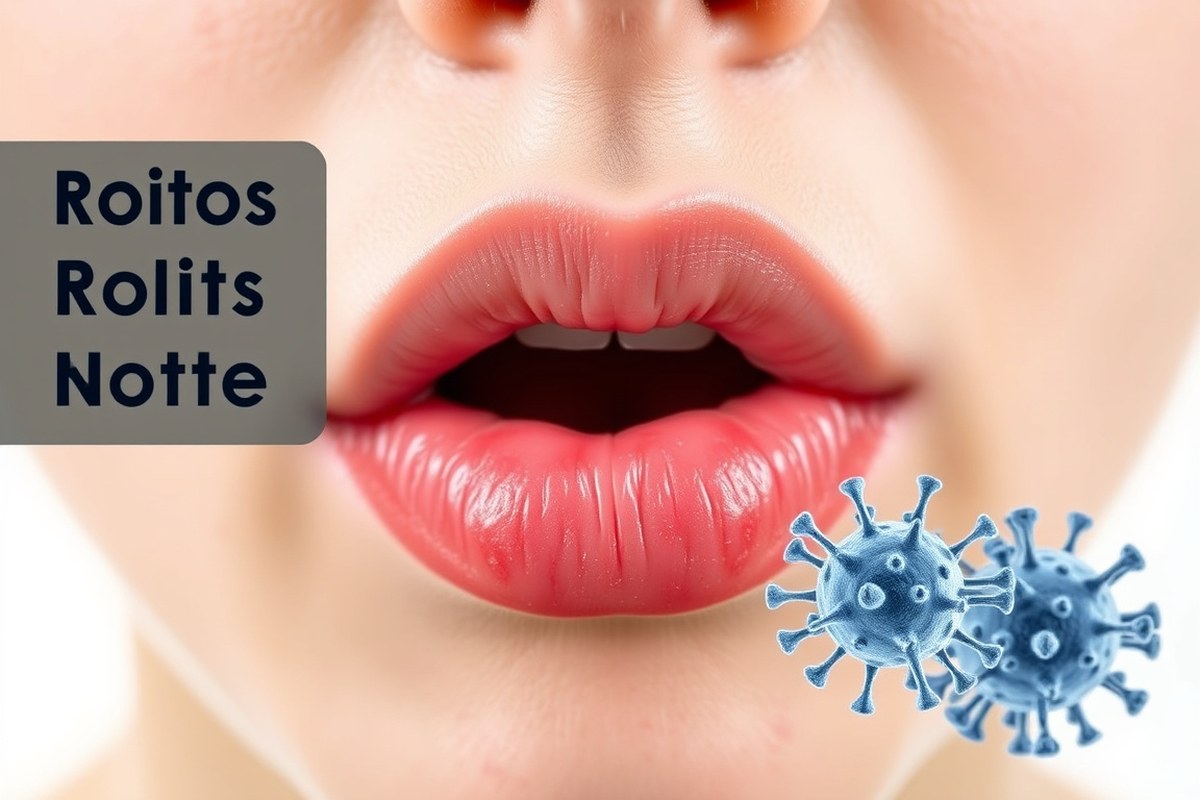
Cold sores appear suddenly because they are caused by the herpes simplex virus type 1 (HSV-1), which lies dormant in your nerve cells until triggered. Early symptoms often include a burning or tingling feeling on your lips or face before visible sores develop. Cold sores are highly contagious, especially during the early stages, and can spread even before you see sores and for at least 24 hours after they appear.
Primary Causes of Cold Sores
Cold sores result from the herpes simplex virus type 1 (HSV-1), an infection found in over half of adults in the United States. This virus remains in your system for life, mostly dormant in nerve cells. Various factors like stress, sickness, sun exposure, or hormonal shifts can activate the virus, causing cold sores to appear suddenly around your lips.
The virus enters through tiny skin breaks or mucous membranes and causes painful, fluid-filled blisters. These blisters develop when the virus replicates and your immune system responds, leading to inflammation. HSV-1 is highly contagious, which explains why cold sores can spread quickly through close contact or shared items.
Stages of Cold Sore Development
Cold sores usually develop in a series of stages over about 7 to 14 days. It starts with an early sensation of burning, itching, or tingling around the lips or face, often 12 to 24 hours before sores appear. Then, small fluid-filled blisters form, typically grouped together on the edge of the lip or nearby skin.
These blisters eventually rupture and ooze before crusting over and healing without scarring. The full healing process usually takes about 10 days in people with healthy immune systems. The virus remains in your body even after the cold sore heals, ready to reactivate in the future.
Recognizing Early Warning Signs
The earliest sign of a cold sore is often a burning or tingling feeling on your lips or around your mouth. This symptom can start up to a day before the blister appears, giving you a chance to begin treatment early. Early treatment helps reduce swelling and speeds healing.
Other early symptoms include redness and mild swelling before blisters become visible. Some people also experience pain or sensitivity in the affected area. Recognizing these early warning signs lets you act quickly to limit the sore’s severity and contagiousness.
Transmission and Contagion Risks
Cold sores are extremely contagious because the herpes simplex virus spreads through direct contact with the sores, saliva, or sometimes even skin that looks normal but carries the virus. The highest risk of transmission occurs from the moment you feel tingling or see blisters until about 24 hours after the sores appear, when the virus is most active.
The virus can be contagious even before cold sores show up, making it important to avoid touching your lips or sharing items such as utensils, lip balm, or toothbrushes. Touching the sore might spread the virus to other body parts or other people. Keeping good hygiene and being careful lowers the risk of passing on the infection.
Avoid touching cold sores and sharing personal items during an outbreak to protect others and prevent spreading the virus further.
3. Comparing Treatment Options: OTC Creams, Prescription Meds, and Natural Remedies
Over-the-counter (OTC) creams offer a fast and accessible way to treat cold sores at home, with products like Abreva being widely recommended. These treatments contain antiviral ingredients that work best when applied at the very first sign of a cold sore, such as tingling or itching. OTC creams typically cost between $15 and $25 and require application five times daily for several days. They help shorten healing time but may not be as effective for frequent or severe outbreaks.
Prescription antiviral medications like acyclovir, valacyclovir, or famciclovir usually come in topical or oral forms. These drugs target the herpes simplex virus that causes cold sores and work by stopping the virus from multiplying. Doctors prescribe them when cold sores occur frequently, persist beyond 10 days, or cause significant pain. Prescription medications may hasten healing by a day or two and reduce outbreak severity, but they require a healthcare visit and a prescription, which often adds to the cost and time involved.
Natural remedies are popular for those who want at-home options without pharmaceutical drugs. Ingredients such as lemon balm (Melissa officinalis) extract, medical-grade manuka honey, and some essential oils show some promise in easing pain, reducing swelling, and possibly accelerating healing. For example, a meta-analysis found that honey or propolis applied to cold sores sometimes led to faster recovery than acyclovir cream. Lemon balm contains terpenes that might have antiviral properties and can be applied as a balm or cream. While these remedies are generally safe when used topically, effectiveness varies, and they may not work as well for severe cases.
| Treatment Type | What It Is | How It Works | How to Use | Cost Range | Effectiveness | Safety Notes |
|---|---|---|---|---|---|---|
| OTC Creams (e.g., Abreva) | Antiviral cream that inhibits viral replication | Apply at first signs; shortens healing time | Apply 5 times daily until healed (about 10 days) | $15-$25 | Moderate; best if started early | Safe; avoid if allergic to ingredients |
| Prescription Antivirals | Oral or topical antiviral medications | Stops virus from multiplying; reduces symptom severity | Take as prescribed; oral pills multiple times daily or apply cream | Varies; insurance may cover | High; especially for frequent/severe outbreaks | Requires doctor visit; possible side effects |
| Lemon Balm | Herbal extract with potential antiviral properties | May reduce pain, swelling, and lesion size | Apply balm or cream containing lemon balm regularly | Low; usually under $20 | Limited but promising evidence | Generally safe topically; avoid ingestion without advice |
| Medical-Grade Manuka Honey | Topical honey with antimicrobial effects | May speed healing and ease discomfort | Apply directly to cold sore several times daily | Varies; ~$20-$40 | Some evidence supports faster healing than standard creams | Safe topically; watch for allergies |
| Essential Oils (e.g., Tea Tree) | Plant oils with antiviral potential | May reduce viral activity and soothe symptoms | Dilute before applying to skin; use cautiously | Low; ~ $10-$20 | Limited evidence; mostly anecdotal | Can cause irritation; avoid undiluted use |
Safety considerations depend on the treatment type. OTC creams have minimal side effects but should not be used if you have allergies to the ingredients. Prescription antivirals may cause headaches, nausea, or allergic reactions, so discussing risks with a healthcare provider is important. Natural remedies are generally safe when applied topically, but some essential oils can irritate sensitive skin or cause allergic reactions. Always test a small skin area first and avoid oral ingestion unless advised professionally.
Starting treatment as soon as you notice the first signs greatly improves results, especially with antiviral creams or prescription meds. Natural remedies may offer relief or assist healing but generally work best as complementary options rather than sole treatments. People experiencing frequent or severe cold sores should seek medical advice to explore prescription options tailored to their needs.
4. How to Prevent Cold Sores from Spreading to Others or Other Body Parts
The highest risk of spreading cold sores happens during the blister and scab phases, but HSV-1 can still be transmitted even when sores aren’t visible. This means you might pass the virus before symptoms arise or after healing. It spreads through close contact like kissing or sharing personal belongings, so you should take precautions throughout the entire outbreak to avoid infecting others or spreading the virus to new areas on your own body.
The virus can easily spread to other parts of your body if you touch a sore and then touch your eyes, genitals, or any broken skin. Popping or picking at cold sores increases this risk and can cause reinfection or new lesions. It’s also possible for the virus to transfer through oral sex, so avoid intimate contact involving your mouth while you have an active cold sore.
To reduce spreading the virus, avoid kissing anyone, especially babies and young children, during an outbreak. Sharing towels, utensils, lip balm, or makeup that may have contacted the sore can also transmit HSV-1. When using a cloth compress or towel to manage the sore, wash it immediately in hot water.
- Refrain from kissing or skin contact near the sore while it is active and until it fully heals.
- Do not share personal items such as lip balm, utensils, or towels during an outbreak.
- Discard or avoid using lip balms or makeup applied over the cold sore after healing to prevent reinfection.
- Wash your hands thoroughly with soap and water after touching the sore, especially before touching other body parts.
- Avoid picking, scratching, or popping the cold sore to reduce spreading the virus to other areas.
- Skip oral sex during an active outbreak to prevent transmission to the genitals.
- Discuss suppressive antiviral therapy with your doctor if you have frequent outbreaks to lower contagious periods.
Wearing makeup or lip balm over a cold sore is not recommended because the virus can contaminate these products. Using these items may make the sore less noticeable but carries a high risk of spreading the virus to yourself or others. Choosing disposable applicators and avoiding sharing them is the safest approach when applying makeup. Once the cold sore has fully healed, throw away any lip balms or lipsticks used during the outbreak to avoid reinfection.
Following these practical steps helps limit the virus spread, protect your loved ones, and prevent new cold sores from developing on other parts of your body. Maintaining good hygiene, avoiding contact with the sore, and discarding contaminated items are the most effective ways to stop HSV-1 transmission during an outbreak.
5. Diet, Lifestyle, and Habits That Affect Cold Sore Healing and Recurrence
Cold sores often flare up or worsen due to certain lifestyle factors and dietary choices. Stress, sunlight, and specific foods can trigger outbreaks or delay healing. Managing these elements helps reduce how often cold sores appear and speeds recovery.
Stress is a common trigger for cold sore outbreaks. It weakens the immune system, allowing the dormant herpes simplex virus to reactivate. To lower stress, engage in mindfulness practices like meditation, deep breathing, or yoga for at least 10-20 minutes daily. Avoiding high-stress periods when possible can help prevent new outbreaks. Regular, moderate exercise and sufficient sleep (7-9 hours per night) also support immune function and healing.
Sun exposure can prompt cold sores too. Applying a broad-spectrum sunscreen with at least SPF 30 to lips and surrounding skin before going outdoors reduces this risk. Wearing a wide-brimmed hat offers additional protection. This is especially important if you notice outbreaks after being in direct sunlight.
Food choices affect cold sore sensitivity during outbreaks. Acidic foods such as citrus fruits and tomatoes may sting your sore and slow healing. Avoid these until the cold sore fully heals. Strong alcoholic drinks can irritate sores and weaken your immune defenses, so limiting alcohol intake during outbreaks is a good idea.
Some suggest supplements like lysine may help, but recent studies show lysine’s role in preventing or treating cold sores is limited. Instead, focusing on a balanced diet rich in vitamins and antioxidants supports skin repair. Green tea, which contains soothing antioxidants, can be applied topically or enjoyed as a drink to promote healing.
- Eat cool or room-temperature foods to avoid stinging cold sores
- Apply moisturizing lip balm once the sore crusts to speed healing
- Use a cold compress or ice wrapped in cloth briefly at first signs to reduce pain and swelling
- Avoid arginine-heavy foods like nuts and chocolate if you frequently get outbreaks, especially under stress
- Try gentle cleansing with hydrogen peroxide-soaked cotton ball to reduce inflammation
- Practice daily stress-reduction techniques to lower outbreak frequency
Do not pick at or try to peel cold sore scabs: this delays healing and increases infection risk.
Implementing these habits might not instantly clear a cold sore but helps it heal faster and lowers the chance of future outbreaks. If you suffer frequent or severe cold sores, consult a healthcare provider about prescription options tailored to your needs.
6. Mistakes That Prolong Cold Sore Healing and How to Fix Them
Cold sores can stick around longer when you make certain common mistakes. Picking at blisters spreads the virus to surrounding skin and slows healing by causing reopening wounds and possible infection. Touching a sore with unwashed hands also risks introducing bacteria that delay recovery. Avoid any direct contact with the sore as much as possible. Also, exposing the affected skin to direct sunlight without protection can worsen the sore and make it last longer, so apply sunscreen with at least SPF 30 whenever you go outdoors, even in colder or cloudy weather.
Some topical treatments actually do more harm than good. Toothpaste and alcohol are popular home remedies that can irritate the sore and damage tissue needing repair. Look for creams made specifically for cold sores with antiviral ingredients like docosanol or prescription options your doctor may recommend. Stacking many treatments simultaneously may irritate your skin further and lead to longer healing times. Use only one antiviral cream or ointment at a time and apply it as directed, usually five times daily starting at first signs.
Monitor your cold sore carefully after starting treatment. Effective antiviral creams should reduce redness and swelling within two to three days and speed up healing. If the sore gets more painful, grows larger, or new blisters appear, stop the treatment and consult your healthcare provider. Avoid switching products too quickly, but don’t continue a cream that seems to worsen symptoms.
- Keep your preferred cold sore treatment handy to start quickly at first sign
- Wash hands before and after applying treatments to avoid contamination
- Stop using toothpaste or alcohol on sores to prevent irritation
- Limit sun exposure and apply broad-spectrum sunscreen daily
- Avoid mixing multiple creams or home remedies at once
- Watch for signs of infection or allergic reaction like increased pain or swelling
- Do not pick or rub the cold sore to prevent scarring and longer healing
People prone to frequent cold sores often learn to keep their treatment within easy reach so they can start it immediately at the first tingling or discomfort. This early intervention is key to reduce duration and severity. For persistent or severe cold sores lasting more than two weeks, see a healthcare professional for proper diagnosis and treatment options. Remember that even with the best care, cold sores take several days to weeks to fully heal.
7. When to See a Doctor: Clear Signs You Need Medical Attention
Seek medical advice if your cold sore worsens, lasts longer than two weeks, or causes severe pain and swelling. Contact a healthcare professional if you notice unusual symptoms, suspect your sore might not be a typical cold sore, or experience frequent outbreaks. Early treatment with prescription antivirals can shorten the healing time and reduce discomfort, especially in severe or recurring cases.
Key Symptoms Requiring Professional Care
Cold sores usually heal on their own, but seeing a doctor is important when the blister lasts more than two weeks without improvement. Severe pain, fever over 101°F (38.3°C), swollen glands, or sores spreading beyond the lip area indicate the need for medical attention. Experiencing a sore throat or frequent, intense cold sores suggests your immune system might be compromised or the infection is worsening. Unusual sores that differ from common cold sore symptoms could point to other skin conditions or infections needing professional diagnosis.
Also, seek immediate medical care if your cold sore causes difficulty eating, drinking, or breathing. People with weakened immune systems or using immunosuppressive medications, such as steroids or nasal sprays like Fluticasone and Nasonex, should take extra precautions. These groups may face more severe or prolonged cold sore outbreaks and require specialized medical advice.
How to Communicate Your Symptoms and Treatment Needs
When visiting your healthcare provider, clearly state when you first noticed the cold sore and describe any pain, swelling, or accompanying symptoms such as fever or sore throat. Tell how long the sore has lasted and what home treatments you have tried. Sharing information about frequent outbreaks helps your doctor decide whether prescription antivirals might be necessary.
Use simple, specific language for clear communication. For example, say, “My cold sore started 10 days ago and hasn’t improved. The pain has increased, and I have a mild fever.” This helps the doctor assess severity and urgency more accurately. Also mention any medications you currently take or recent vaccinations, as these factors can influence treatment choices.
When and How to Ask for Prescription Antivirals
Prescription antiviral medications are advised when cold sores recur frequently or cause significant pain and swelling. When over-the-counter treatments don’t improve your cold sores within a few days or outbreaks happen more than four times a year, talk to your doctor about antivirals. Starting these medications early during an outbreak generally leads to faster healing and less discomfort.
Request a prescription using a clear, direct approach. You can say, “I’ve had several painful cold sore outbreaks this year, and over-the-counter creams haven’t helped much. Could antiviral medication speed up healing and reduce the frequency?” Be prepared to discuss your medical history, including past cold sores and current health. Antiviral medications typically cost between $30 and $150 without insurance, depending on the drug and pharmacy. Your healthcare provider can advise you on generic options or insurance coverage.
8. Safe Use of Home Remedies and Over-the-Counter Products
Using natural remedies and over-the-counter (OTC) products to treat cold sores requires care to avoid irritation, allergic reactions, or skin damage. Proper dilution of essential oils, awareness of product ingredients, and cautious combination of treatments help you support healing safely. Applying products the right way and at suitable concentrations will reduce risks and improve results.
Safe Essential Oil Usage and Concentrations
Essential oils like tea tree or lavender can have antibacterial or soothing effects but must be diluted before use. Undiluted essential oils can burn sensitive skin, especially the fragile skin around cold sores. A common dilution is 1 to 2 drops of essential oil per teaspoon (5 ml) of carrier oil, such as coconut, olive, or jojoba oil.
Apply essential oil mixtures only to the sore’s edges, not directly on open blisters. Use a clean cotton swab to gently dab the oil blend once or twice a day. Overuse or high concentrations risk chemical burns, worsening the sore’s condition.
Avoiding Allergic Reactions and Skin Damage
Patch testing any new topical product helps identify potential allergies. Apply a small amount of the diluted essential oil or cream to an unaffected skin area like your inner wrist. Wait 24 hours to see if redness, itching, or swelling occurs before using on your cold sore.
Some topical treatments can irritate or worsen cold sores. Avoid products with harsh ingredients such as menthol, phenol, or strong astringents that dry or crack the skin. Also, steer clear of home remedies like undiluted vinegar or lemon juice, which can damage already irritated skin.
- Always dilute essential oils with a carrier oil before use.
- Test new products on a small skin patch first.
- Avoid products with strong irritants or drying agents.
- Apply treatments gently to the sore’s edges, not on blisters.
- Limit topical applications to 1 or 2 times daily.
- Stop use immediately if skin worsens or burns.
- Keep your hands and applicators clean to prevent infection.
Never apply undiluted essential oils or acidic home remedies directly on cold sores; they can cause burns and delay healing.
Recommended Natural Remedies and Safe Application Methods
Natural options with mild soothing effects include diluted tea tree oil, aloe vera gel, and honey. These can reduce discomfort without harsh chemicals. For example, mix 1 drop of tea tree oil with 1 teaspoon of coconut oil and apply gently once a day. Aloe vera gel can be dabbed directly if pure and free of additives.
Apple cider vinegar is popular for cold sores due to its antimicrobial qualities, but it must be heavily diluted (1 part vinegar to 3 parts water) and applied carefully with a cotton swab to avoid skin damage. Use this method only once daily and watch for irritation.
Combining Remedies Without Risks
Combining natural remedies with FDA-approved OTC products like docosanol (Abreva) is generally safe if used as directed. Apply the OTC cream first to clean skin, let it absorb fully, then follow with a diluted natural remedy if desired. Avoid layering multiple strong topical agents at once to prevent irritation.
Be cautious when mixing treatments that have similar effects, such as multiple drying agents or essential oils. Overlapping applications can increase skin sensitivity and delay healing. Prioritize gentle, minimal use and observe how your skin responds each day.
Step-by-Step Action Plan to Get Rid of Cold Sores Fast at Home
Start treatment at the first sign of a cold sore and follow these steps to reduce healing time, prevent spreading, and avoid future outbreaks.
- At the First Sign (tingling or itching): Apply an over-the-counter antiviral cream promptly, such as docosanol, and keep the area clean and dry. You’ll know it’s working if the sore does not progress to a full blister within a day or two.
- Within 24 Hours: Take an oral antiviral medication if you have a prescription or consult a doctor for one. This can shorten healing by several days.
- Daily During the Outbreak: Avoid touching the sore and wash your hands frequently to prevent spreading to others or other body parts. Reduced new sores or infection nearby shows success.
- Throughout Healing: Maintain a balanced diet rich in vitamins C and E and stay hydrated. Avoid triggers like stress and excessive sun exposure to help speed recovery and reduce recurrence.
- After Blisters Form: Use a cold compress for 10 to 15 minutes multiple times a day to ease pain and swelling. Relief of discomfort and less redness means this step is effective.
- When Sores Start to Crust Over: Continue moisturizing with a gentle, fragrance-free lip balm to prevent cracking and further irritation. Smoother, less cracked skin indicates progress.
- After the Cold Sore Heals: Avoid sharing utensils, towels, or lip products for at least 48 hours after healing to prevent spread. No new sores or spread means your prevention worked.
- If Symptoms Worsen or Do Not Improve in 10 Days: See a healthcare provider promptly to check for complications or other conditions. Improvement stalls or new symptoms suggest you need medical care.
Frequently Asked Questions
Can Applying Ice Help Reduce Cold Sore Healing Time?
Applying ice can help reduce pain and swelling but does not speed healing. Use a cold, damp cloth to soothe discomfort while other treatments work.
Does Stress Management Speed Up Cold Sore Recovery?
Managing stress may help by preventing flare-ups but won’t directly speed healing. Keeping stress low can reduce how often cold sores appear.
Can Wearing Sunscreen Prevent Cold Sore Outbreaks?
Yes, sunscreen on lips can protect skin and reduce cold sore triggers from sun exposure. Use a lip balm with SPF daily to help prevent outbreaks.
Is It Safe to Use Toothpaste on a Cold Sore?
Toothpaste isn’t recommended as it can irritate and worsen sores. Stick to treatments labeled safe for cold sores to avoid irritation.
Does Drinking More Water Affect Cold Sore Healing?
Staying hydrated supports your immune system, but extra water alone won’t speed healing. Proper hydration helps your body fight the virus more effectively.
Can Cold Sores Spread Through Sharing Drinks or Utensils?
Yes, cold sores can spread through saliva contact like sharing drinks or utensils. Avoid sharing during outbreaks to prevent transmission.
Key Points to Remember
Getting rid of cold sores quickly at home depends on starting treatment at the very first sign and avoiding actions that delay healing. You can take immediate steps by applying an over-the-counter antiviral cream as soon as you notice tingling or itching. Pay attention to your habits today by avoiding touching the sore and practicing good hygiene to stop spreading the infection.