How to Get into Pest Control: A Complete Guide for Beginners
How to get into pest control starts with understanding the basics: identifying common pests and learning the safe, legal methods to treat them. You need proper training, state licensing, and certification before handling pesticides or joining a pest control company. Entry-level positions usually require passing a state exam and getting familiar with essential tools and safety gear to protect yourself and clients.
This is for anyone planning to start a career or business in pest control, including training options and costs. You’ll find clear steps for certification, trade-offs in starting your own company, pay expectations, and practical advice on avoiding common beginner mistakes. The focus is on real-world requirements and strategies, including how technology and marketing play roles in pest control today.
Key Takeaways
- Pest control targets insects, rodents, and other pests using chemical and non-chemical methods to protect health and property.
- State licensing and certifications typically require passing exams and meeting experience or education criteria specific to local regulations.
- Training often involves enrolling in state-approved programs, apprenticeships, or vocational schools that cover pest biology, safety, and application techniques.
- Technicians need protective gear like respirators, gloves, and goggles, plus application tools such as sprayers and traps to ensure safety and effectiveness.
- Applying pesticides safely requires following label instructions, abiding by legal limits, and using integrated pest management alternatives when possible.
- Entry-level pest control jobs usually pay $12 to $18 per hour, with career growth possible through specialization or starting your own business.
What Is Pest Control and Which Pests Are Treated?

Pest control involves identifying, managing, and eliminating pests that affect human environments. The work focuses on controlling harmful or nuisance organisms in homes, businesses, and outdoor areas. This helps prevent damage to structures, contamination of food or water, and health risks such as allergic reactions or disease transmission.
You will commonly treat a wide range of pests depending on the setting. In residential environments, pests like ants, cockroaches, spiders, rodents, termites, and bed bugs are frequent targets. Controlling these usually requires inspection to locate nests or entry points, followed by targeted treatments such as baiting, trapping, or chemical applications designed for indoor use. Treatment plans vary by pest type because, for example, ants need bait stations placed near trails, while rodents require traps or exclusion work on openings.
Commercial pest control often addresses similar pests but includes insects like flies, stored product pests, and occasional wildlife that threaten food safety or operational continuity. Establishments like restaurants, warehouses, and offices need pest control focused on strict sanitation and frequent monitoring. Inspecting food storage areas and waste disposal is critical because pests like cockroaches and stored product beetles thrive in these zones. In such cases, treatments must meet health codes and avoid contamination, so usually pest control professionals use approved sprays, dusts, or non-chemical methods that align with regulatory standards.
Pest problems often differ by climate, building structure, and season. For example, termites require identification of moisture sources as they prefer damp wood, so controlling leaks or drainage issues is part of an effective approach. Bed bug control will often involve thorough inspection of mattresses, furniture, and cracks, followed by heat treatments or pesticides labeled for indoor use. Rodent control not only uses traps or rodenticides but often involves sealing entry points to prevent reinfestation.
Successful pest control depends on combining proper identification, choosing the right treatment, and ongoing prevention measures. Good results include the absence of visible pests, reduced signs like droppings or damage, and client satisfaction with fewer return visits. Problems occur if treatments do not target the pest correctly or if surrounding conditions encourage pests to return quickly. For example, improper placement of bait may lead to ineffective control, or a customer neglecting sanitation can cause reinfestation regardless of treatment quality.
Qualifications, Certifications, and State Licensing Explained

You need specific certifications and state licenses to work legally as a pest control technician. Certification confirms you understand safe pesticide use and pest management. Licensing requirements differ by state, typically involving exams and application fees. Meeting these rules protects you, your customers, and the environment from misuse or accidents.
Types of Certifications Available
Certification proves you have the industry knowledge needed to apply pesticides safely and comply with regulations. The most recognized certification is federal, overseen by the EPA, but states often require additional permits. Certifications vary by pest type, pesticide use, or specialty methods. Entry-level certifications take less than a year, while advanced or commercial pesticide applicator certifications require more training and passing exams. The following table compares common certification types, including their typical cost and how long training and testing take:
| Certification Type | Scope | Training Duration | Cost Range | Common States Requiring |
|---|---|---|---|---|
| Private Applicator License | Apply restricted-use pesticides on own land | 1 day (workshop + exam) | $25 to $150 | Agricultural states like Iowa, Nebraska |
| Commercial Applicator Certification | Pesticide application for hire | Weeks to months of prep + exam | $50 to $300 | Most states require |
| Noncommercial Applicator Certification | Government or public agency pesticide use | Varies; similar to commercial | $50 to $200 | States with public pest control programs |
| Registered Technician | Works under licensed applicator supervision | Ongoing in-house or state training | Often no fee or nominal fee | Most states allow with restrictions |
| Structural Pest Control License | Focus on buildings and indoor pests | 1-3 months training + exam | $100 to $400 | Common in California, Florida, Texas |
Costs include course fees, exam charges, and sometimes annual renewal payments. Training combines classroom study, hands-on practice, and passing written exams. Many states require continuing education credits to renew certification and keep skills current.
Check each state’s pesticide control board website for exact certification steps and deadlines before enrolling in classes.
State Licensing Requirements Overview
States set their licensing rules based on federal pesticide laws but can add restrictions or additional steps. Licensing ensures you pass exams on pest biology, chemical handling, and safety. Most states require commercial applicators to hold a license, while private applicators often need a simpler permit.
Licensing usually means submitting an application, paying fees between $50 and $300, and passing one or more exams. Some states require fingerprinting or background checks. Renewals often happen every 1 to 3 years and demand continuing education hours, typically 6 to 12 hours.
Keeping your license active means tracking expiration dates and renewing before they lapse to avoid fines or suspension. Working without a required license can lead to penalties, including fines up to thousands of dollars and loss of job opportunities.
Specializations Within Pest Control
Many pest control technicians specialize in particular pest types or methods. Common focuses are structural pests (termites, roaches), agricultural pests (insects on crops), lawn and ornamental pests, or fumigation experts. Each requires specific knowledge and certifications.
Certified technicians often add endorsements for termite control, fumigation, or greenhouse pests, which involve separate exams or training. Specializing allows technicians to command higher pay, work on complex jobs, and reduce risks associated with unfamiliar pest types or chemicals.
Employers typically prefer hired technicians to have specializations before they handle high-risk jobs. Building your certification portfolio over time helps you qualify for advanced roles like pest control supervisor or technical sales representative.
Where and How to Get Trained for Pest Control Careers
You can get trained for a pest control career through vocational schools, online courses, or state-approved training programs designed to meet licensing requirements. Training costs usually range from $300 to $1,200 depending on the program’s format and depth. Certification takes about a few weeks to a couple of months, allowing you to start working shortly after completing state exams.
Popular Training Programs and Providers
Community colleges and technical schools offer pest control training as part of their continuing education or agricultural science departments. These programs may include classroom lessons combined with hands-on practice. You can also find online training courses from providers like the National Pest Management Association (NPMA) or state pest control boards that prepare you specifically for certification exams.
State regulatory agencies often provide lists of approved training providers on their websites. Programs by organizations such as the NPMA focus on pest identification, pesticide safety, and application techniques required for licensing. Larger pest control companies sometimes offer in-house training for new employees that meets state requirements but still expects candidates to take official exams separately.
- Community college courses with in-person labs
- State-certified private training schools
- Online exam prep classes by industry associations
- On-the-job training through pest control companies
- State pest control board workshops and seminars
Choosing a provider approved by your state makes sure the training covers the laws, safety practices, and pesticide handling you need. Confirm the program includes preparation for the state licensing exam since certificate validity depends on passing this test.
Typical Duration and Cost Estimates
Most pest control training programs last between 1 and 8 weeks, depending on their intensity and format. A self-paced online course might take a few days to a couple of weeks, while in-person classes with practical sessions are often spread over several weeks to allow for hands-on experience and review.
Costs vary widely. Budget programs might charge about $300 to $600 covering only exam prep materials. More complete courses that include live instruction, field training, and study guides can range from $800 to $1,200 or more. Your total expenses can also include state exam fees, which may be $50 to $150, plus application fees.
The quicker you complete your training, the sooner you can sit for the certification exam and start working. However, accelerated courses might cost more or provide less hands-on learning, which can be a disadvantage if you aim for skill development. Balancing cost, duration, and quality depends on your experience level and learning style.
Tips for Choosing a Training Course
Look for programs that are fully accredited or state-approved, so the certification you earn will be recognized by licensing authorities. Check the curriculum to ensure it includes both theory and practical pesticide application skills. Verifying course reviews or asking for recommendations from local pest control companies can help avoid low-quality training that may leave you underprepared.
Understand what is included in the price. Some courses bundle the state exam fee, textbooks, and access to instructors, while others charge these separately. Consider your schedule and learning preferences, if you need flexible hours, an online or hybrid course might fit better, but for hands-on experience, an in-person program is usually more effective. Follow a clear step-by-step checklist for the training and certification process:
- Research state licensing requirements and approved training providers.
- Contact chosen programs to confirm schedules, costs, and materials provided.
- Enroll and complete required coursework and any hands-on training.
- Register for and pass the state certification exam.
- Apply for your license based on the state’s procedures.
- Start working under any required supervision or probationary period.
Some states require continuing education to maintain a license. Being prepared to participate in refresher courses can keep your skills current and ensure compliance with evolving regulations.
Essential Tools, Equipment, and Safety Gear for Pest Control
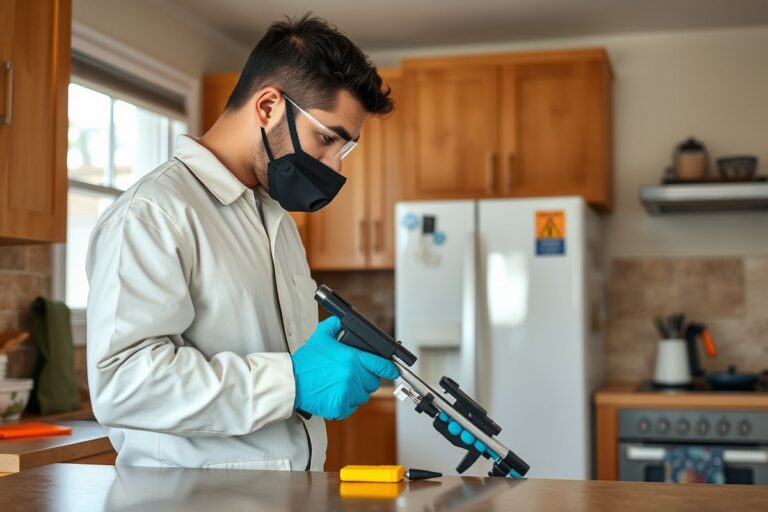
On the personal protective equipment (PPE) front, you need gear that protects you from chemical exposure and physical injury. A typical PPE checklist includes chemical-resistant gloves, such as nitrile or neoprene, which prevent skin contact with pesticides. Long-sleeved shirts and pants made from durable, tightly woven fabrics protect your skin from splashes and insect bites during outdoor work. Safety goggles or face shields keep your eyes safe from sprays and dust. Respirators or masks that fit properly protect your lungs when handling sprays or powders, especially indoors or in confined areas. Proper footwear often includes sturdy boots with slip-resistant soles to prevent falls on wet or uneven surfaces. Following safety protocols means you put on your PPE before mixing or applying pesticides, avoid eating or drinking around treated areas, and wash your hands thoroughly after work. Always follow the pesticide label instructions, since they specify what PPE is required for that product and task. Neglecting PPE or safety steps can result in chemical burns, respiratory problems, or contamination of your clothes and vehicle, which spreads pesticides unintentionally. For example, carrying pesticide residues on a regular shirt instead of a designated work uniform increases exposure risk for you and your family. Prices for essential tools vary but expect to spend around $50 to $150 for a hand sprayer and $200 to $400 for a reliable backpack sprayer. PPE costs depend on quality and type; disposable gloves are inexpensive (a box of 100 for about $15), but a good respirator might cost $50 to $100 initially. Budgeting for replacements and cleaning supplies is necessary since some PPE, like gloves and masks, wear out with use. Investing in quality equipment and gear pays off by ensuring your safety and improving treatment effectiveness with fewer errors or repeat visits. Adjust your equipment choices based on the pests you treat and the environments you work in. Rodent control will lean heavily on traps and bait stations, while termite or bed bug work might require specialized injectors or heat treatment tools. Rural or agricultural settings could require larger sprayers or protective suits designed for more hazardous chemicals. Staying familiar with the tools, maintaining them carefully, and following PPE protocols directly affect your ability to work safely and efficiently in pest control.
Safe and Legal Application of Pesticides and Alternative Methods
Applying pesticides safely and legally requires following specific regulations and safety protocols to protect yourself, others, and the environment. Start by reading the label on the pesticide product thoroughly; it contains legal instructions on how to use, where to apply, and protective equipment you must wear. Use gloves, goggles, long sleeves, and respiratory protection if recommended. Avoid applying pesticides outdoors on windy days or before rain to minimize drift and runoff.
Begin by carefully measuring and mixing pesticides according to label directions, never mixing different pesticides unless approved. Apply pesticides only to targeted pests and approved areas to reduce risks. Wash hands and any exposed skin immediately after application, and clean all equipment to prevent contamination. Keep pesticides in locked storage away from children and pets, and dispose of containers following local regulations.
Health risks from pesticide exposure include skin irritation, respiratory problems, and long-term effects like nerve damage. Environmental risks involve contamination of soil, water, and harm to non-target species including beneficial insects, birds, and aquatic life. This is why you must strictly adhere to safety training and label instructions. Be mindful of the surrounding habitat and avoid overapplication.
Alternative pest management methods reduce reliance on pesticides and lower health and environmental risks. Integrated Pest Management (IPM) combines practices like regular monitoring of pest levels, using physical barriers such as screens and traps, maintaining cleanliness to remove food sources, and promoting natural predators. Mechanical controls, like vacuuming or manual removal, work well for small infestations. Biological controls use organisms like ladybugs to consume pests naturally.
Eco-friendly pest control also includes the use of less toxic substances like insecticidal soaps or oils, applied precisely to affected areas. Rotating pest control methods can prevent pest resistance. Combining several approaches minimizes pesticide use and protects ecosystems.
Always wear the personal protective equipment specified on the pesticide label and never eat, drink, or smoke while handling chemicals to avoid accidental ingestion.
Entry-Level Jobs, Pay Rates, and Career Pathways in Pest Control
You can enter pest control without prior experience or formal education by starting in basic technician roles. Entry-level jobs typically have straightforward duties and allow you to gain hands-on experience while on the job. Pay rates vary by location and employer but generally start in a range that supports training and growth.
Entry-Level Job Titles and Duties
Common entry-level positions in pest control include Pest Control Technician, Pest Management Assistant, and Service Technician Trainee. These roles usually involve inspecting homes or businesses for pests, applying treatments according to company procedures, and maintaining equipment. You’ll need to learn to identify common pests and understand safety protocols for handling pesticides. The duties focus on routine service calls, customer communication, and reporting observations to supervisors.
Most companies hire new technicians with no previous pest control experience, providing on-the-job training and guidance toward state licensing. This practical training is essential for learning pest identification, treatment application, and safety measures. Starting as a trainee or assistant helps you develop the basic skills before managing more complex pest problems independently.
Average Salary and Pay Factors
Entry-level pest control technicians typically earn between $28,000 and $38,000 annually, depending on the region and company size. Some operators pay an hourly wage ranging from $13 to $18 per hour at the start. Pay tends to be higher in urban areas or where pest issues are more common, such as southern states with warmer climates. Employers may provide performance bonuses based on the number of service calls completed or customer feedback.
Factors influencing your salary include your certifications, state licensing status, and the level of experience you gain on the job. In states requiring licensing, pay can increase once you pass certification exams and work independently. Companies may also offer raises or commissions based on sales of additional services, such as termite treatments or wildlife control.
Advancement and Specialization Options
Your career can progress from entry-level technician to certified applicator, supervisor, or branch manager with experience and continuing education. Gaining state certification not only increases your pay but also opens doors to specialized roles in termite control, fumigation, or agricultural pest management. Many technicians take additional courses or workshops to master integrated pest management (IPM) strategies or advanced pesticide chemistry.
Advancement often involves combining on-the-job experience with formal training programs that prepare you for licensing exams. Supervisory roles require skills in team management, safety compliance, and customer relations. Some seasoned professionals move into sales, training, or technical support positions within pest control companies. With enough experience, you can also consider starting your own business, though this requires understanding regulatory compliance, marketing, and financial management.
Steps and Costs to Start Your Own Pest Control Business
Starting your own pest control business requires several key steps: securing the right licenses and permits, obtaining proper insurance and bonding, and preparing a detailed startup budget. Assessing your readiness to run a business or gaining experience working for an established company first can influence your success and reduce initial risks.
Licenses and Permits Required
Pest control operators need specific licenses to legally apply pesticides and offer pest services. These vary by state but usually include a general pest control license and possibly additional certifications for specialized pest types such as termites or fumigation. You must pass state exams and submit proof of training before licensing agencies issue permits. Applying for a business license and registering your pest control company with the state may also be mandatory.
Engaging local city or county agencies helps ensure compliance with zoning laws and environmental regulations. Some municipalities require a pesticide use permit for certain chemicals. Renewing these licenses typically happens annually or biannually and requires continuing education. Starting without appropriate licensing can lead to fines or business closure, so prioritize verifying all regulations with your state’s department of agriculture or pest management division.
Insurance and Bonding Essentials
Insurance protects your business and clients from liability related to pest control work. General liability insurance covers property damage or injuries your activities might cause. Since pesticide application carries risks, consider pollution liability coverage if handling toxic products. Workers’ compensation insurance is required if you hire employees. For self-employed operators, it’s optional but recommended.
Many states require pest control businesses to be bonded. A surety bond guarantees that you’ll fulfill contracts and comply with laws, protecting clients from fraud or incomplete work. The bonding amount depends on the state and company size but can range from $10,000 to $50,000. Talk to insurance brokers who specialize in pest control businesses to identify an insurance package that matches your risk profile and local rules.
Initial Startup Cost Breakdown
Launching a pest control business involves upfront investments in licenses, insurance, equipment, and marketing. A typical startup budget starts around $15,000 and can exceed $40,000 depending on location and services offered. Licensing exams and fees often cost between $300 and $1,000. Insurance premiums vary but expect about $1,200 annually for general liability coverage and bonding fees of roughly $100 to $500 per year.
Essential equipment includes sprayers (which cost $200 to $600), protective gear, traps, insecticides, and a reliable vehicle to transport tools. Vehicle expenses, including purchase and decals, may add $5,000 or more. Set aside funds for marketing materials like business cards and a basic website, which can run $500 to $2,000. Including unforeseen expenses, plan a cash cushion that covers at least three months of operating costs to avoid cash flow problems early on.
Choosing Employment or Entrepreneurship
Working for an established pest control company first helps you gain hands-on experience with pest identification, safety protocols, customer management, and state-specific regulations. This step reduces the chance of costly mistakes in your own business and builds confidence. You can observe how schedules, billing, and marketing operate before handling them yourself. Several months to a few years of work experience usually clarifies if entrepreneurship suits you.
Starting your own business without prior experience demands strong business skills and willingness to learn. If you decide to launch independently, ensure you have legal, financial, and operational plans in place. Consider a decision rule: if you have pest control experience plus business knowledge and some startup capital (at least $20,000), pursuing your own company is reasonable. Otherwise, working first and then moving into ownership can mitigate risks and increase success chances.
Common Challenges and Mistakes by New Pest Control Technicians
New pest control technicians often face avoidable challenges that can slow progress or damage reputation. Common mistakes include improper inspection methods and misapplication of pesticides, both of which can result in ineffective treatments or customer complaints. Handling tough infestations demands careful diagnosis and sometimes multiple treatment approaches to succeed.
Top Beginner Errors
One frequent error is rushing through inspections without locating all pest entry points or nesting areas. Thorough inspection often takes longer than expected, but missing key spots leads to incomplete treatment. You can avoid this by developing a systematic inspection routine, checking common hiding places like cracks, wall voids, crawl spaces, and attics.
Using pesticides incorrectly is another common problem. Applying too much product wastes materials and can cause safety issues, while too little fails to eliminate pests. Carefully following label instructions on dosage and spray patterns prevents these issues. Beginners should also calibrate sprayers regularly to apply consistent amounts.
- Failing to wear proper safety gear, increasing exposure risk
- Ignoring environmental conditions such as temperature and humidity that affect pesticide effectiveness
- Not documenting treatments clearly, leading to poor follow-up and accountability
- Overpromising results to customers, which can harm trust if pests persist
- Neglecting to confirm pest identification before treatment, wasting time and resources
- Failing to communicate next steps or prevention tips to clients
Double-check safety practices before each job, including gloves, respirators, and eye protection. Properly identifying the pest can often require tools like a magnifier or sending samples to a lab. Accurate notes on what treatment was applied and where help with future troubleshooting and legal compliance.
Troubleshooting Resistant Pests
Some infestations resist initial treatment because pests develop tolerance or hiding conditions limit pesticide reach. To overcome this, rotate active ingredients between visits. For example, switching from a pyrethroid-based insecticide to a neonicotinoid-based one can reduce chances of resistance.
Inspect for untreated sites such as hidden nests or food sources that allow pests to survive treatments. Use sticky traps or bait stations to monitor pest activity over time. Monitoring helps detect whether pest numbers decline and informs whether treatments need adjustment.
In severe cases, combining chemical treatments with non-chemical methods improves outcomes. For instance, integrating sanitation improvements, sealing entry points, and physical removal alongside pesticides addresses multiple pest survival factors. Be patient; some pests require a series of treatments spaced 7 to 14 days apart to break life cycles.
Constantly evaluate pest behavior and treatment effectiveness; don’t hesitate to escalate to specialized products or techniques when lower-strength options fail.
Customer Communication Tips
Explaining treatment plans and realistic timelines to customers upfront reduces misunderstandings. Clearly advise that multiple visits may be necessary, especially for established or resistant infestations. Provide written instructions on how clients can assist, such as reducing clutter or locking away food sources before service.
Inform clients about safety precautions they should observe during and after pesticide application. For example, mention when it’s safe to re-enter treated rooms or whether pets need to be temporarily removed. Transparent communication builds trust and can lead to more positive reviews and referrals.
Follow up after service to check on pest activity and satisfaction. Address any concerns promptly and schedule re-inspections if problems persist. Keeping good communication records also helps if disputes arise or if the pest returns later.
Using Technology and Tools to Improve Pest Control Efficiency
GPS mapping and digital route optimization also help if you cover large service areas. Mapping software plans the quickest travel paths between appointments, lowering fuel costs and increasing the number of daily visits. This technology often integrates with dispatching apps so you can update routes as needed. You might pay extra for this integrated tech, but the saved drive time translates directly into more efficient schedules and faster service for clients. Electronic traps and monitoring stations with sensors provide real-time alerts when pests enter baited zones. These devices notify you via phone or computer about rodent or insect activity without the need for constant manual checks. The upfront cost ranges from $100 to $300 per trap or station, but monitoring multiple locations remotely saves labor and allows earlier intervention. One common mistake is neglecting to regularly maintain or replace sensors, causing false alerts or missed detections. Incorporating cloud-based data systems helps you manage client records, pest activity trends, and chemical usage logs securely. This approach increases regulatory compliance by ensuring accurate documentation, which inspectors often review. Such platforms may cost $20 to $100 monthly and require regular data backups. Without using cloud systems, you risk losing client information or failing to provide proof of proper pesticide application if disputes arise. Technology also supports safer pesticide application. Digital sprayers with adjustable pressure controls let you apply chemicals in precise dosages to target areas rather than wide spraying. They reduce operator exposure and chemical waste while maintaining effectiveness. These sprayers cost between $300 and $700. Taking time to calibrate these devices before each use avoids uneven distribution or overdosing, which can cause pest resistance or environmental harm.
Marketing Strategies and Building Client Relationships in Pest Control
Marketing your pest control services depends on targeting the right audience in your service area and maintaining clear communication with clients. Building a solid client base requires consistent follow-up, quality service, and trust. Recognizing seasonal changes and regulations will help you tailor your approach for maximum effectiveness and compliance.
Effective Local Marketing Approaches
Focusing on local marketing helps you reach customers who need pest control immediately in your area. Start by creating a simple website with your contact information, services, and service area clearly displayed. Include customer reviews or testimonials to build credibility. Use Google My Business to get listed in local searches at no cost, which substantially improves online visibility for residential and commercial customers.
Direct mail can still be effective in neighborhoods prone to specific pests, like termites in humid climates. Send postcards with an introductory offer, such as 10% off your first treatment or a free inspection, to encourage calls. Partnering with local hardware stores or landscaping services to leave flyers or referral cards extends your reach to homeowners investing in property care.
The cost of local advertising varies by channel. A basic Google My Business listing is free, but targeted Facebook ads can run from $5 to $20 per day depending on your budget. If you do mail campaigns, expect costs between 30 cents to 60 cents per piece including printing and postage. Choose methods that fit your budget and allow you to track response rates easily.
Managing Customer Expectations
Clear communication from the start builds trust and helps avoid misunderstandings. Explain what your service covers, how many treatments are usually necessary, and any guarantees you provide. Let customers know about follow-up visits or preventive tips they should expect. This reduces calls asking why pests still appear shortly after treatment.
Use a simple script when closing each service call: “Today, I treated for [specific pest], you may see some activity for a few days. Please contact me if it continues beyond one week, and I’ll schedule a follow-up at no extra charge.” This sets expectations and signals your commitment to results.
Keep client information organized with a customer relationship management (CRM) tool or a spreadsheet. Track appointment dates, pest issues, customer feedback, and payment status. Follow up with a reminder email or call before scheduled treatments to reduce no-shows and maintain business relationships. Regular communication helps clients feel valued and encourages repeat business.
Seasonal and Regional Demand Factors
Pest control needs vary widely by season and region. In colder climates, termite treatments often ramp up in spring and early summer when termites become active. Mosquito control peaks in late spring through early fall in most parts of the US. Knowing these cycles helps you plan marketing campaigns and inventory accordingly.
In southern states, year-round pest control may be necessary due to milder winters, especially for rodents and ants. Offering service contracts that include multiple visits throughout the year can secure steady income and help clients avoid pest problems before they start. Tailor your messaging to emphasize prevention during the off-season when pest activity is lower.
Adjust your outreach by region. Urban customers may face different pests like cockroaches or bed bugs, while rural customers often deal with wildlife intrusions or agricultural pests. Specialized services for commercial vs residential clients might also require separate marketing tactics, emphasizing compliance and safety for commercial buildings.
Key Regulatory Differences
Pest control regulations differ depending on whether you serve residential or commercial customers. Residential treatments usually face stricter rules on pesticide use to protect families, especially children and pets. Familiarize yourself with local laws that limit chemicals allowed for home use and required notification procedures.
Commercial pest control often involves higher pesticide concentration or specialized chemicals, regulated by state agencies and the EPA. You may need additional certifications or permits to apply certain products in food processing or healthcare facilities. Compliance ensures you avoid fines, protects your reputation, and keeps customers confident in your professionalism.
Keep copies of all licenses, certifications, and customer notifications to demonstrate compliance during inspections. Train your technicians on application rules and safety protocols tied to the type of pest and location. Having clear safety data sheets available at every job site supports transparency and builds trust with clients and regulators alike.
Step-by-Step Action Plan for Starting Your Pest Control Career
Follow these steps to get trained, certified, and working in pest control efficiently. Each phase focuses on concrete actions and how to confirm you’re ready to move forward.
- Before You Start, Research Licensing and Certification Requirements. Check your state’s pest control licensing board website for specific requirements, including exams and qualifications. Confirm you understand the types of pest control licenses offered and the pests covered. You’ll know you’re ready for the next step when you have a clear checklist of required certifications, study materials, and deadlines.
- Week 1, Enroll in a State-Approved Training Program. Sign up for a pest control training course approved by your state, such as those offered by community colleges or trade schools. These courses cover pesticide safety, application methods, and pest biology. You’ll know training is effective when you complete the coursework and have practical experience with equipment and safety protocols.
- Weeks 2 to 4, Prepare for and Pass the Licensing Exam. Use study guides and practice tests focused on state laws, pesticide regulations, and safe application techniques. Schedule your exam through the state’s licensing board. Passing the exam confirms your legal ability to work as a pest control technician and ensures you understand important safety standards.
- After Licensing, Obtain Your Essential Tools and Safety Gear. Purchase or secure basic equipment like sprayers, bait stations, protective clothing, gloves, and respirators. Choose gear that meets OSHA standards to ensure safety on the job. You’ll know your setup is right when you can safely perform pest control applications during supervised practice or entry-level work.
- Month 2, Apply for Entry-Level Pest Control Jobs. Look for technician roles within established companies where you can gain on-the-job experience. Check pay rates, which vary by region but typically start around $13 to $18 per hour. You’ll recognize good opportunities by clearly defined training support and a focus on safe, effective pest control methods.
- Months 3 to 6, Build Skills and Network with Customers. Focus on learning pest identification, treatment plans, and customer communication. Use basic scheduling and CRM tools to track treatments and client follow-ups. Positive customer feedback and repeat service requests signal growing professional competence.
- After 6 Months, Evaluate Starting Your Own Pest Control Business. Consider licensing costs ($200 to $1,000 depending on state), insurance, equipment investments, and marketing plans. Create a business plan with expenses, pricing, and client acquisition strategies such as local advertising and online reviews. You’ll know you’re ready to launch when you have permits, insurance, a client base, and sufficient capital for initial expenses.
- Ongoing, Stay Updated on Pest Control Technology and Regulations. Regularly attend refresher courses and check state updates on pesticide laws and safety. Use technology like digital inspection apps and GPS mapping to improve efficiency. Staying current helps avoid legal issues and keeps your methods effective and competitive.
Frequently Asked Questions
What Background Do I Need Before Entering Pest Control?
Basic knowledge of biology and chemistry helps, but formal training covers all essentials for pest control. Previous experience with outdoor work or customer service can also improve your chances of getting hired and succeeding.
How Long Does It Take to Get Certified in Pest Control?
Certification programs typically take a few weeks to a few months, depending on state requirements. Some states require passing exams after training, so you need to factor in study and testing time.
Can I Work in Pest Control Without a License?
You can do some tasks under supervision, but most states require a license to apply pesticides independently. Licensing ensures you apply products safely and legally, protecting you and your customers.
What Are the Most Common Entry-Level Jobs in Pest Control?
Technician assistant or trainee roles are common entry points and involve learning pest identification and safe pesticide use. These jobs let you gain hands-on experience while working toward certification.
How Do I Choose a Pest Control Training Program?
Opt for programs certified by state or national pest control organizations for recognized credentials. Check if they offer practical training, cover relevant pests, and prepare you for your state’s licensing exam.
Is Owning a Pest Control Business Expensive to Start?
Startup costs vary but often range from $5,000 to $20,000, including licensing, equipment, and insurance. It’s wise to budget for ongoing marketing and vehicle expenses as well.
Key Points to Remember
Starting a career in pest control requires you to get the proper state licensing and certification, since this ensures you can apply pesticides safely and legally. You can take the next step today by contacting your state’s Department of Agriculture or Pest Control Licensing Board to find approved training providers and understand specific exam requirements. Focusing on meeting these official steps first sets a solid foundation and prevents costly mistakes that can come from working without the right credentials. This approach also helps you avoid common licensing delays and positions you for entry-level jobs or to start your own business confidently.