How to Get Rid of Green Nail Fungus: 8 Proven Steps for Fast Recovery
To get rid of green nail fungus, start by identifying the cause, usually a bacterial infection that discolors the nail green. Treatment involves keeping the nail clean and dry, using appropriate topical ointments regularly, and practicing good hygiene to prevent recurrence. Consistent care can promote healthy nail regrowth and clear the infection over several weeks to months.
This information is for adults noticing green discoloration under their nails who want safe, effective ways to clear the infection. You’ll learn how to spot green nail fungus, different treatment options from home remedies to professional care, daily habits for faster recovery, and mistakes to avoid during treatment.
Key Takeaways
- Green nail fungus results from bacteria producing pigment, fading as the nail grows out over 6 to 12 weeks.
- Soak nails in Listerine twice daily for 20 minutes to help clear green nail fungus safely at home.
- Prescription anti-pseudomonal treatments clear over 80% of green nail cases, even if bacterial cultures are negative.
- See a doctor if the infection is painful, persistent, or shows no improvement after three weeks of home treatment.
- Keep nails 100% clean and dry before applying treatments or repairing lifted nail parts to prevent fungus spread.
- Complete healing can take several months; toenail fungus may require treatment for 12 weeks or longer to fully clear.
1. What Causes Green Nail Fungus and How to Identify It
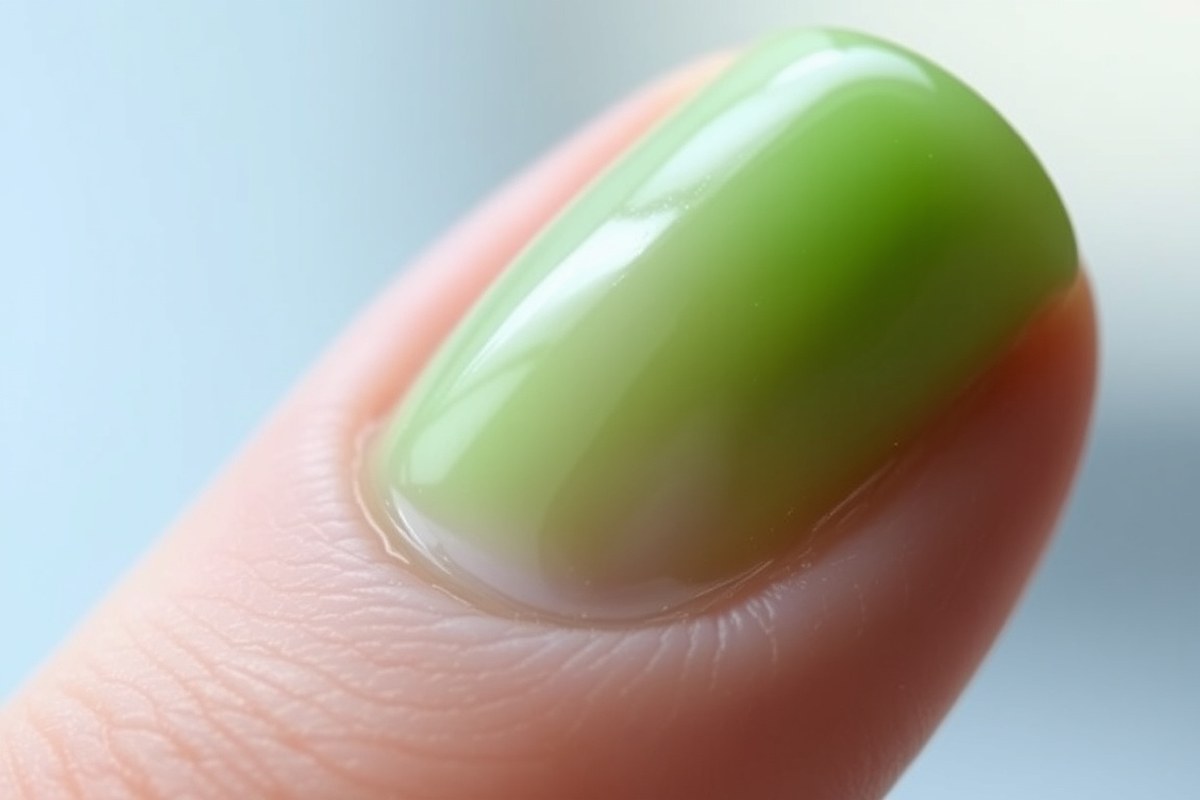
Green nail fungus, often called green nail syndrome, is actually a bacterial infection caused primarily by Pseudomonas aeruginosa, not a fungal one. This bacterium thrives under nails that are already compromised, usually due to an existing fungal infection or physical damage to the nail bed. Such damage creates a moist environment that allows Pseudomonas bacteria to grow, producing a greenish discoloration on the nail plate.
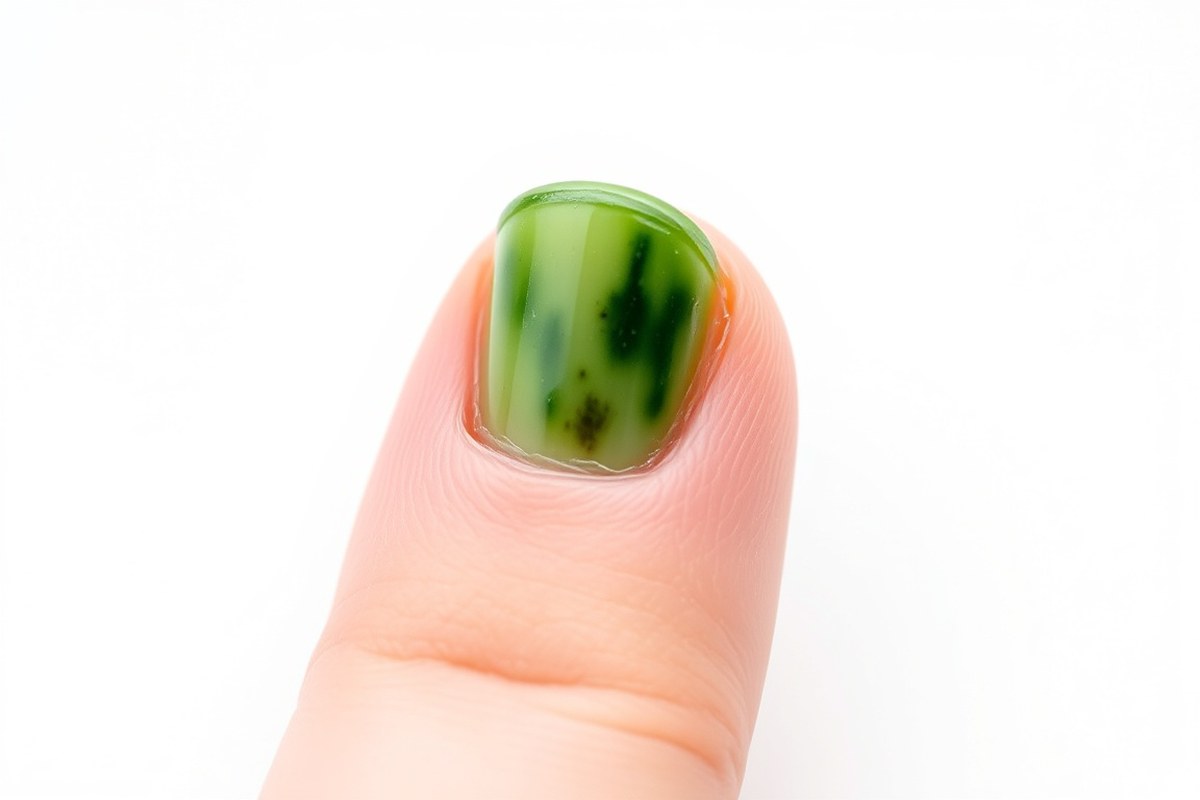
You can identify green nail syndrome by its distinctive green to greenish-black hue on the surface or underneath the nail. Sometimes, the affected nail may also thicken, separate from the nail bed, or look unhealthy overall. Typical fungal infections usually cause yellow, brown, or white nail discoloration, along with brittleness or crumbling. Green nail syndrome lacks these classic fungal signs, which helps distinguish it from fungal nail infections. Using a dermoscope, a handheld magnifier often used by dermatologists, can reveal a “green aurora sign”, a hazy green glow unique to this bacterial infection.
Recognizing green nail syndrome matters because treating it as a fungal infection alone will not clear the bacteria. The right approach targets the bacterial growth specifically. If you have a green discoloration but no thickened, brittle nail or other fungal symptoms, it’s likely the bacteria are the main problem. A mild infection may respond well to topical antibiotic ointments like Neosporin, which reduce bacterial proliferation. Drying the nail thoroughly and avoiding artificial nails can prevent the bacteria from thriving, since moisture and trapped environments fuel Pseudomonas growth.
One common mistake is to assume all discolored nails are fungal, leading to wasted time on antifungal treatments that won’t stop the bacteria. Green nail syndrome is often mixed with underlying fungal infections, so managing both aspects carefully is important. In cases where the nail has separated or thickened significantly, trimming away the damaged nail material can help treatments reach the infection more effectively. However, if you’re unsure about the cause or if symptoms worsen, consulting a healthcare professional for accurate diagnosis and targeted treatment is recommended.
2. Home Remedies to Clear Green Nail Fungus Safely and Effectively

You can treat green nail fungus at home using natural remedies, but it requires consistent care and patience. Effective options include vinegar soaks, essential oils like tea tree and oregano, and snakeroot extract, each with specific application steps and precautions to prevent irritation and promote healing.
Vinegar and Listerine Nail Soaks
Vinegar is a simple, affordable home remedy for green nail fungus because its acidity creates an environment that hinders many kinds of bacteria. Apple cider vinegar or white vinegar is most commonly used. Listerine is another soak option due to its antiseptic ingredients. Soaking can help reduce fungus but won’t reach deeply under thick nails, so trimming first is essential.
Before soaking, trim your infected nails carefully to allow better access to the fungus. Soak your affected nails for 10 to 20 minutes once or twice daily. Overdoing it might cause skin dryness or irritation, so limit the soak duration and frequency accordingly.
- Trim your nails using clean nail clippers, cutting as short as comfortably possible.
- Mix equal parts of apple cider vinegar and warm water (around 100°F) in a small bowl or basin.
- Alternatively, fill a bowl with undiluted Listerine if preferred.
- Soak your nails in the solution for 10 to 20 minutes once or twice a day.
- Dry your feet or hands thoroughly after soaking to avoid excess moisture.
- Repeat daily for several weeks, observing nail improvement over time.
Avoid soaking nails longer than 20 minutes at a time to prevent skin irritation or dryness.
Using Tea Tree and Other Essential Oils
Tea tree oil has antibacterial and antiseptic properties that make it a strong natural option against green nail fungus. Oregano and thyme oils also have antifungal benefits. These oils penetrate the nail surface better than vinegar and can be used directly on the affected area.
For best results, dilute essential oils with a carrier oil like coconut or olive oil to reduce the risk of skin irritation. Apply the mixture twice daily for at least a few weeks, ensuring your nails are clean and dry before each application.
- Mix equal parts tea tree oil, oregano oil, and thyme oil or choose tea tree oil on its own, diluted 3:1 with carrier oil.
- Clean and dry your affected nails thoroughly.
- Use a cotton swab to apply the oil mixture directly onto the green discolored areas and surrounding skin.
- Allow the oil to absorb fully without rinsing for several hours.
- Repeat the application twice daily, morning and evening.
Conduct a patch test first to check for allergic reactions before applying essential oils regularly.
How to Apply Snakeroot Extract and Natural Remedies
Snakeroot extract is a botanical antifungal that can kill fungi causing green nail infection. It works well as a natural treatment with minimal side effects. Application frequency is lower compared to essential oils, making it easier for some to maintain.
Direct application every three days allows the compound to work on fungal cells gradually. Keeping nails trimmed and clean improve effectiveness.
- Clean and dry the infected nail area thoroughly before application.
- Apply snakeroot extract directly onto the green discoloration and surrounding nail skin.
- Do not rinse off; allow the extract to dry and absorb naturally.
- Repeat the application once every three days.
- Keep the nail trimmed and practice good hygiene during treatment.
Do not apply snakeroot extract more frequently than recommended, as overdosing does not speed healing and may irritate skin.
Home Remedy Frequency and Safety Tips
Consistency is key to clearing green nail fungus with home remedies. Expect to continue treatment for several weeks or even months. Avoid skipping applications, as fungi take time to die and nails grow slowly. Monitor your skin for redness, swelling, or stinging sensations, which may signal irritation.
Do not use home remedies if your skin is broken or very sensitive without consulting a healthcare provider first. Removing acrylic or artificial nails before starting home treatments improves remedy penetration and results.
- Set a daily or every-other-day schedule for your chosen remedy based on the instructions.
- Inspect nails and surrounding skin regularly for signs of irritation or allergic reaction.
- Maintain nail hygiene by washing and drying nails thoroughly after each treatment.
- Remove any nail polish, acrylics, or artificial nails before treatment.
- Stop the remedy immediately if you experience significant discomfort or worsening symptoms and seek medical advice.
Continuing treatment for at least 4 to 6 weeks is necessary since nail fungus takes time to clear and nails to regrow healthily.
3. Comparing Treatments: Home Remedies, OTC, Prescription, and Nail Removal
Effectively treating green nail fungus requires understanding the differences between home remedies, over-the-counter (OTC) products, prescribed medications, and nail removal. Green nail syndrome is caused by bacteria, which means that typical antifungal treatments alone often aren’t enough. Using antibacterial treatments, sometimes paired with antifungal agents when mixed infections are present, usually works best.
Home remedies, like applying tea tree oil or Vicks VapoRub and using hydrogen peroxide, can help manage mild to moderate infections. OTC products mainly include antifungal creams, gels, and nail polishes. These may work if there’s also a fungal element but are less effective against the bacterial cause. Prescription treatments include topical or oral antibiotics to specifically target the bacteria. For severe or persistent infections, doctors may recommend nail removal to fully eliminate the infected tissue.
| Treatment Type | What It Is | How to Use | Cost Range | Duration | Pros | Cons |
|---|---|---|---|---|---|---|
| Home Remedies | Natural or household products such as tea tree oil, Vicks VapoRub, hydrogen peroxide | Apply once or twice daily to clean, dry nails until improvement (weeks to months) | Free to $20 | Several weeks to months | Easy to use, low cost, fewer side effects | May not fully clear infection; works best on mild cases |
| OTC Antifungal/Antibacterial | Antifungal creams, gels, nail polishes available without prescription | Apply as directed, usually daily; clean nail thoroughly before use | $10 to $50 | Several weeks to a few months | Convenient, accessible | Limited effectiveness on bacterial cause; may only control symptoms |
| Prescription Medications | Topical or oral antibiotics; sometimes combined with antifungals | Topical: applied daily; Oral: taken daily for weeks (often 6-12 weeks) | $30 to several hundred dollars, depending on medication and insurance | Weeks to months | Most effective at curing infection; specifically targets bacteria | Side effects possible; oral meds require doctor’s supervision |
| Nail Removal | Partial or complete removal of infected nail by a healthcare professional | Performed in clinic under local anesthesia; follow-up care essential | $200 to $500 or more | Healing over several weeks; nail regrowth can take months | Removes infection source; effective for severe cases | Pain, risk of complications; longer recovery; does not prevent reinfection |
Prescription treatments tend to provide the most reliable cure, but they require consistent use for weeks or even months. Oral antibiotics offer the highest cure rates, especially in severe bacterial infections. Topical medications help control the spread and support healing but alone may not cure the infection completely. Over-the-counter products are easier to access but less reliable against the bacterial cause.
Nail removal becomes necessary if the infection is severe, widespread, or unresponsive to other treatments. A healthcare provider removes part or all of the nail under local anesthesia to eliminate infected tissue. This procedure demands follow-up care to prevent reinfection and promote healthy nail regrowth.
4. When to See a Doctor and How Professional Treatment Works
Professional care becomes necessary when green nail fungus does not improve after a few weeks of home treatment, causes pain, or spreads to other nails or surrounding skin. Medical professionals can offer stronger topical or oral antibiotics to clear the infection. For severe or persistent cases, nail removal may be advised to allow new healthy nail growth. Special caution is needed for infections under artificial nails due to risk of complication.
Signs That Require Medical Attention
Seek medical advice when your green nail infection worsens despite consistent home care for 2 to 3 weeks. Signs include pain, swelling, spreading of discoloration to multiple nails, or if the nail crumbles or thickens irregularly. Persistent foul odor or drainage and skin irritation around the nail also require evaluation. Notice complications such as eye irritation, especially when handling contact lenses with infected fingers, and see a doctor promptly. Professional treatment is important to prevent nail damage and avoid serious infections.
Medical Treatments: Topicals and Oral Antibiotics
Doctors usually begin treatment by applying prescription topical antibiotics directly onto the nail and nearby skin. This method generally requires daily application for a period of 6 to 12 weeks, depending on how quickly your nail grows and the extent of discoloration. If the infection is severe, affects several nails, or doesn’t improve after a few weeks of topical treatment, a doctor may recommend oral antibiotics to treat the infection from within.
Oral treatment demands adherence to the full course, often lasting several weeks, and entails monitoring for side effects by your healthcare provider. Expect gradual improvement as new, healthy nail grows in, which can take months depending on nail growth rate. Always discuss with your doctor if you experience persistent symptoms or fail to see progress after a full course of medication.
Nail Removal Procedures and Aftercare
In rare, severe infections that resist medication, partial or complete nail removal may be necessary. This procedure allows direct treatment of the infected nail bed and supports healthy nail regrowth. It is performed by a licensed healthcare professional under local anesthesia. Nail removal can help clear infection faster but requires careful aftercare to avoid further complications.
After removal, keep the area clean and dry, follow wound care instructions, and use prescribed topical antibiotics as directed. Avoid wet environments and protect the nail bed until the new nail grows back, which may take months. Promptly report increasing pain, redness, or discharge to your doctor.
Handling Infections Under Artificial Nails
Artificial nails can trap moisture and worsen green nail infections. Removing the artificial nail is important to access and treat the area properly when infection occurs beneath acrylic or gel nails. Continuing to wear artificial nails over an infected nail can delay healing and increase the risk of spreading infection, including rare but serious complications such as eye infections.
After removal, clean and treat the natural nail as directed by your healthcare provider. Avoid applying artificial nails or nail polish until the infection completely clears and healthy nail grows back. Following professional advice will help prevent recurrence and protect your overall nail health.
- Monitor your nail for 2 to 3 weeks while using safe home treatments.
- Check for signs like pain, spreading discoloration, thickening, or foul smell.
- Consult a healthcare professional if symptoms worsen or don’t improve in that time.
- Follow prescribed topical or oral antibiotic treatments fully as directed by your doctor.
- Attend follow-up visits to track nail healing progress over several weeks to months.
- When infection persists or worsens, discuss nail removal options with your healthcare provider.
- Avoid artificial nails and nail polish during and after treatment until nails are healthy.
- Practice rigorous hygiene and sanitize tools used on infected nails to prevent spread.
5. Daily Care and Hygiene Checklist for Fighting Green Nail Fungus
Keeping your nails clean and dry is essential to fight green nail fungus effectively. Fungi thrive in moist environments, so wash your hands and nails daily with soap and water, and dry them completely, especially around the nail edges. Avoid wearing nail polish or artificial nails until the infection clears, as these block antifungal treatments from reaching the fungus beneath the nail.
Cleaning and disinfecting nail tools after each use helps prevent reinfection. Soak metal tools like clippers and cuticle pushers in 70% isopropyl alcohol for at least 10 minutes or use an EPA-registered disinfectant. This kills fungal spores and bacteria that may linger. Avoid sharing nail tools with others to reduce risk of spreading the fungus.
Applying medication as directed is more effective when nails are well-prepared. Before applying antifungal treatment, gently trim your nails without cutting too short, cutting too close can create breaks that allow fungi to enter deeper skin layers. Use a cotton swab or ball to apply medication not only on the nail surface but also underneath and around the nail edges for full coverage.
- Wash and dry nails thoroughly every day, especially after exposure to water.
- Remove nail polish and artificial nails until infection is gone.
- Disinfect nail tools after each use by soaking in 70% isopropyl alcohol for 10 minutes.
- Do not share nail clippers, files, or scissors with others.
- Trim nails carefully without cutting too short to avoid skin breaks.
- Apply medication to the nail surface and surrounding skin with a cotton swab.
- Avoid picking or biting nails to prevent fungal spread.
Wearing artificial nails or polish during treatment can trap moisture and block medication, making the infection worse.
Maintaining a dry environment for your nails might mean limiting time in swimming pools or wet conditions, especially since Pseudomonas aeruginosa bacteria often grow around water and can worsen green nail fungus. If prolonged exposure to water is unavoidable, dry your hands immediately and use antifungal cream afterwards. Prompt and consistent hygiene combined with careful medication application maximizes your chance of clearing the infection and prevents it from returning.
6. How Long Does It Take for Green Nails to Return to Normal?
The green discoloration in nails caused by green nail fungus gradually fades as the nail grows out. This green pigment comes from bacteria, not the fungus itself, and typically fades within 6 to 12 weeks as the nail pushes the stained portion forward. Because fingernails grow about 2 to 3 millimeters per month and toenails grow slower at about 1 millimeter per month, full normalization of nail appearance depends on the length of the affected nail and the growth rate.
Complete clearing of green nail fungus can take much longer, anywhere from 6 to 18 months, because the fungal infection often involves the nail matrix and bed underneath the nail. Treatment aims to kill the fungus and prevent reinfection while the nail grows out. For topical treatments like mentholated ointments, it may take several months before the fungus is fully eradicated. Prescription antifungal creams or oral medications might speed this process but still require patience, since nails regrow slowly and the damaged nail needs time to be replaced by healthy nail tissue.
After starting treatment, watch for healthy nail growth at the base of your nail, which is a good sign the fungus is clearing. The green color will fade as new, unstained nail material emerges. However, discoloration alone does not tell the whole story: your nail might still show signs of thickening, crumbling, or other abnormalities even after the green fades, indicating ongoing fungal infection or nail damage. Treatment continues during this time to keep fungus away as new nail supplant the infected areas.
The infection doesn’t clear instantly once you notice the nail returning to a normal color. The pigment left by bacterial activity can persist even after the fungus dies, because fungal spores tucked under the nail plate can linger. It’s essential to continue following your treatment protocol until your healthcare provider confirms the infection is gone, which often involves nail clippings tested in a lab to ensure accuracy.
Some factors affect the timeline for returning nails to a healthy appearance. Nails damaged by repeated exposure to moisture or trauma, such as from false nails or tight shoes, may take longer to fully recover. Because green nail fungus can spread if untreated, maintaining dry, clean nails speeds healing. For persistent or severe infections, professional treatment and monitoring are recommended to avoid complications and prolonged recovery.
7. Common Treatment Mistakes and How to Avoid Them
Treating green nail fungus requires careful attention to avoid common mistakes that can slow healing or cause reinfection. One frequent error is using nail polish or artificial nails during treatment. Although covering damaged nails might seem like a good way to hide discoloration, polish traps moisture against the nail. This creates a warm, damp environment where the bacteria Pseudomonas aeruginosa thrives, prolonging fungus growth and delaying recovery.
Another mistake involves not drying your nails properly after washing or exposure to water. Since this type of fungus prefers moist conditions, any leftover dampness provides an ideal breeding ground. Proper nail drying means patting them completely dry with a clean towel and allowing extra air drying before putting on socks or shoes. Using fans or keeping feet uncovered indoors can help speed up drying.
Sanitation of nail tools is often overlooked. Shared or improperly cleaned clippers, files, and buffers can transfer bacteria and worsen the infection. Always disinfect your tools with rubbing alcohol or a bleach solution before and after use. Avoid sharing these items with others to prevent cross-contamination.
- Avoid nail polish and artificial nails: they trap moisture and slow healing.
- Thoroughly dry nails after washing by patting and air drying for at least 10 minutes.
- Disinfect nail care tools with 70% isopropyl alcohol or diluted bleach before use.
- Do not share nail tools with others to reduce infection risk.
- Limit exposure to sweaty or wet environments, especially pools and hot tubs, which harbor bacteria.
- Apply treatments consistently as directed, without skipping days.
- Avoid trimming or pushing back cuticles too aggressively to prevent skin damage and bacteria entry.
Consistency in following these practical steps supports faster improvement. Inadequate drying or continued use of polish can keep the fungus alive for months or longer. Sanitizing tools usually costs little, store-bought isopropyl alcohol runs around $3 to $5, and takes just a few minutes but helps stop reinfection cycles. Overall, paying close attention to moisture control, cleanliness, and treatment application increases your chances of clearing green nail fungus efficiently.
8. Supporting Healthy Nail Regrowth and Preventing Recurrence
Supporting healthy nail regrowth after treating green nail fungus requires both internal and external care to ensure your nails regain strength and to keep infections from coming back. Supplements may help speed recovery by improving your immune system and providing essential nutrients your nails need. Establishing consistent nail care and hygiene routines will protect your nails from future fungal infections and support long-term health.
Diet and Supplements to Boost Nail Health
A diet rich in vitamins and minerals helps your nails grow strong and resist future fungal attacks. Biotin, zinc, and vitamins A, C, and E support nail structure and immune response. You can find these nutrients in foods like eggs, nuts, leafy greens, and citrus fruits. For quicker recovery, consider supplements designed for nail health that combine these key nutrients.
Specialized toenail fungus supplements often include ingredients aimed at boosting internal defenses, which conventional topical treatments don’t address. These supplements can work alongside antifungal creams to help your body fight infection more effectively. It’s important to follow dosing instructions carefully, as excessive intake of certain vitamins can cause side effects, such as nausea or skin irritation.
Taking biotin supplements of 2.5 mg daily may improve nail strength over several months, but consult your healthcare provider before starting any supplement regimen.
Proper Nail Care During Regrowth
After the infection clears up, maintain your nails by trimming and filing them to remove thick or damaged areas where fungi can grow. Always use clean, sterilized nail tools to prevent reintroducing the infection. Avoid using nail polish or artificial nails until your natural nails have fully recovered, since these can hold moisture and encourage fungal growth.
Keeps your feet dry and clean, as moisture encourages fungal growth. Dry your nails thoroughly after bathing or sweating, using a separate towel for your feet. Apply a moisturizing lotion to your feet but avoid getting it on your nails. If you notice brittle or peeling nails during regrowth, gently buff the surface to smooth rough patches without causing damage.
Ongoing Hygiene and Prevention Practices
Maintaining proper hygiene is essential to prevent the return of green nail fungus. Wear breathable socks and shoes made from materials that wick moisture away, like cotton or leather. Change socks daily and alternate shoes to allow them to dry fully between uses. Avoid walking barefoot in communal areas like gyms or pools where fungi are common.
Regularly disinfect footwear and nail care instruments with antifungal sprays or alcohol wipes. Monitor your nails for early signs of infection, such as discoloration or thickening, and treat promptly if symptoms appear. Protect your nails from repeated trauma or moisture buildup by wearing gloves during wet tasks or gardening, especially if you had a fungal infection before.
Using separate towels and avoiding sharing nail care items reduce the risk of spreading fungal infections to yourself and others.
Step-by-Step Action Plan to Get Rid of Green Nail Fungus
Use this plan to identify, treat, and prevent green nail fungus effectively. Follow each step and track your progress to see clear results.
- Day 1: Identify the Infection – Confirm green discoloration under your nail and any thickening or odor. Knowing you have chloronychia helps you start the right treatment.
- Days 1-7: Begin Home Remedies – Apply diluted tea tree oil or vinegar soaks daily to affected nails. Improvement shows as fading green color and reduced swelling.
- Week 2: Assess Progress and Consider OTC Options – If home remedies don’t improve the nail, try an over-the-counter antifungal nail lacquer. Success looks like less green discoloration and pain relief.
- Week 4: Visit a Doctor If No Improvement – See a dermatologist if the infection persists or worsens. Professional treatment, like prescription antifungals, can stop fungus growth.
- Week 6: Follow Daily Hygiene Checklist – Keep nails dry, clean, trimmed, and wear breathable footwear to prevent reinfection. Healthy nails start to regrow and look normal here.
- Weeks 6-12: Monitor Nail Regrowth – Expect gradual return to normal color. Continue treatments if advised and avoid common mistakes like skipping applications or using harsh chemicals.
- Ongoing: Support Long-Term Nail Health – Apply moisturizing lotion and nourish nails with gentle care. Prevention reduces risk of another green nail fungus episode.
Frequently Asked Questions
Can Green Nail Fungus Spread to Other Nails or People?
Yes, green nail fungus can spread through direct contact or shared tools. Avoid sharing nail clippers and practice good hygiene to reduce the risk.
Is Green Nail Fungus the Same as Fungal Nail Infection?
No, green nail fungus is caused by bacteria, not fungus, though both affect nail appearance and may need different treatments.
Can Wearing Nail Polish Worsen Green Nail Fungus?
Yes, nail polish can trap moisture and bacteria, making green nail fungus worse. Avoid polish until the infection clears.
Does Soaking Nails in Vinegar Cure Green Nail Fungus Entirely?
Vinegar can help reduce bacteria but may not fully cure severe infections without additional treatment. Use it as part of a broader care routine.
Is Green Nail Fungus Painful or Just Cosmetic?
It’s usually more of a cosmetic issue but can cause discomfort if infection worsens or the nail thickens. Monitor symptoms closely.
Can You Reuse Nail Tools After Green Nail Fungus Treatment?
No, sterilize or replace nail tools to avoid reinfection. Proper cleaning prevents spreading bacteria to healthy nails.
Wrapping Up
Getting rid of green nail fungus requires patience and consistent care. Start by cleaning and drying your nails thoroughly every day to reduce moisture that encourages fungal growth. Taking this step puts you on the right path to clearer, healthier nails.