How to Get Rid of Breast Calcifications Naturally: 8 Proven Steps That Work
Breast calcifications cannot be completely eliminated or prevented naturally, but certain lifestyle and dietary changes may support overall breast health and potentially influence their development. Understanding how to get rid of breast calcifications naturally involves more than quick fixes, it requires knowledge about their types, causes, and risks, along with informed decisions about when to seek medical advice.
This information is for women diagnosed with breast calcifications or those wanting to minimize risks without surgery or drugs. You will find practical steps covering diet, supplements, exercise, and hormonal factors, plus guidance on medical follow-up and common pitfalls when managing breast calcifications naturally.
Key Takeaways
- Natural methods cannot reliably eliminate breast calcifications, but lifestyle changes can reduce associated breast cancer risk.
- Distinguish between benign and suspicious calcifications, as around 98% are noncancerous, but follow up as recommended by your doctor.
- Maintain a healthy weight and limit alcohol to lower breast cancer risk related to calcifications.
- Regular exercise can reduce breast cancer risk by about 20%, supporting overall breast health.
- Discuss natural management approaches and necessary medical follow-ups openly with your healthcare provider.
- Avoid relying solely on supplements or diet changes without medical advice, as some may delay essential diagnosis or treatment.
1. Can Breast Calcifications Be Reduced or Eliminated Naturally?

Breast calcifications are small calcium deposits that naturally form in breast tissue. They often appear on mammograms and are common, especially as women age. About half of women over 50 have some form of breast calcifications, which generally do not cause symptoms or pain. Due to their prevalence and nature, these calcifications are usually benign and may result from normal aging changes in breast cells.
Natural reduction or elimination of breast calcifications is not documented to be reliably achievable. Current medical knowledge indicates that you cannot prevent or fully get rid of them on your own. Calcifications tend to remain stable over time, though some may change slightly. They rarely disappear completely without medical intervention. Since calcifications represent deposits of calcium, they are not like inflammation or lumps that can shrink with lifestyle changes.
Natural approaches focus on supporting overall breast health rather than directly dissolving calcifications. For example, maintaining a healthy weight and avoiding excess body fat can reduce breast cancer risk, which is slightly related to calcification concerns. Losing as little as 22 pounds may reduce breast cancer risk by about 18%, according to research. Adopting a balanced diet rich in antioxidants and regular exercise can promote tissue health and inflammatory balance, which might help limit new calcification formation.
When your mammogram shows calcifications and further testing is advised, it’s important to follow up with your healthcare provider. Some calcifications are linked to early signs of breast cancer, such as ductal carcinoma in situ (stage 0 cancer). However, most biopsies for calcifications return non-cancerous results. Natural methods can be complementary but will not replace clinical monitoring and biopsy when indicated.
Monitoring changes in breast calcifications through regular screening is a practical approach. Your radiologist might recommend returning for mammograms every 6 to 12 months to watch for any increase or alteration in calcifications. Stability over time usually means a low risk. Sudden changes would prompt further evaluation.
In rare cases, calcifications may reduce if underlying breast tissue conditions improve, but this is not assured and generally takes months or years. Natural strategies can help keep your breast tissue healthier overall but expect only modest effects on existing calcifications. Accepting that calcifications might not go away allows you to focus on regular screening and healthy lifestyle habits that support your breast health and reduce cancer risk.
2. Understanding Types and Risks of Breast Calcifications
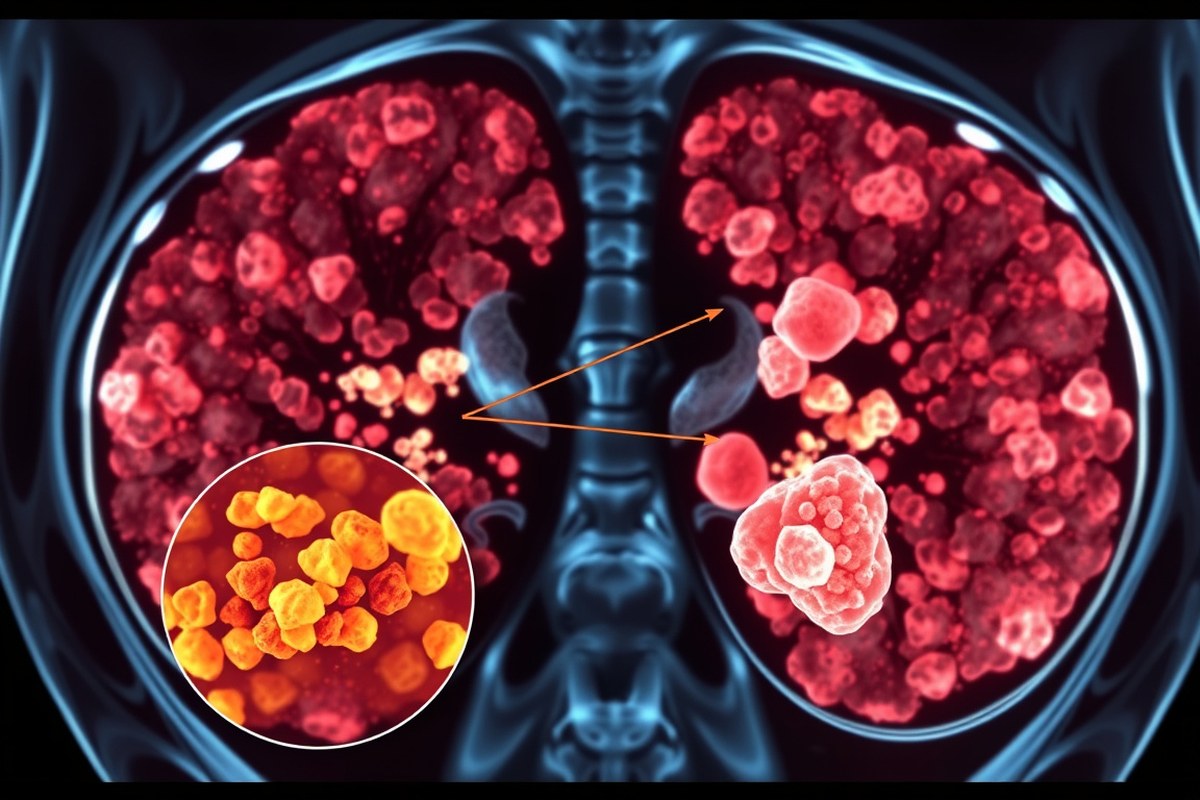
Breast calcifications appear as tiny calcium deposits within breast tissue and usually show up on mammograms. They come in two main types: macrocalcifications and microcalcifications. While most calcifications are benign, certain patterns can signal precancerous changes or breast cancer, making it important to distinguish between types and characteristics.
Microcalcifications Versus Macrocalcifications
Microcalcifications are minute calcium deposits typically less than 0.5 millimeters in size. They often cluster in groups and may require close evaluation because specific patterns can indicate early breast cancer or precancerous changes. Macrocalcifications are larger calcium deposits, usually over 0.5 millimeters, and are common in women over 50. They generally result from benign processes such as aging or past injuries to breast tissue.
Microcalcifications tend to appear as fine white specks on mammograms and may show irregular shapes or tight clusters, which raises suspicion. Macrocalcifications look larger and coarser and usually scatter throughout the breast without any suspicious grouping, often considered harmless.
Benign Calcifications: Features and Management
Most breast calcifications fall into the benign category and do not increase cancer risk. Benign microcalcifications tend to be round, smooth, or “popcorn-like” in appearance and may be related to noncancerous conditions like fibrocystic changes or old trauma. Macrocalcifications almost always indicate benign causes such as aging blood vessels or scar tissue.
Management of benign calcifications typically involves routine monitoring with regular mammograms. No special treatment is needed unless the calcifications change over time or new symptoms arise. Staying informed about your mammogram results and follow-up schedule is key.
Suspicious Calcifications: Signs and Next Steps
Suspicious breast calcifications usually appear as clusters of tiny, irregularly shaped microcalcifications that are unevenly distributed. These may be signs of ductal carcinoma in situ (DCIS) or early invasive breast cancer. When a mammogram detects suspicious patterns, doctors often recommend additional imaging, such as magnification views or ultrasound, and sometimes a biopsy to determine if the calcifications are malignant.
If cancer or precancerous conditions are confirmed, surgical consultation and further treatment options will be discussed. Early detection through careful differentiation between benign and suspicious calcifications improves treatment outcomes.
Calcification Risk Statistics
Nearly 98% of breast calcifications are harmless and not linked to cancer, according to various authorities. Still, about 1 to 2% of these cases involve calcifications that relate to cancerous or precancerous conditions. Studies found that more than half of cancer-related calcifications might have been identified sooner with proper follow-up care.
Regular screening and monitoring of calcifications are critical because the presence of suspicious microcalcifications can slightly increase the risk of breast cancer. Women with a history of breast cancer or higher baseline risk require closer attention and sometimes more frequent imaging. The table below summarizes how to differentiate the types of breast calcifications and their associated risks.
| Feature | Macrocalcifications | Benign Microcalcifications | Suspicious Microcalcifications |
|---|---|---|---|
| Size | Typically >0.5 mm | <0.5 mm | <0.5 mm |
| Appearance on Mammogram | Large, coarse, scattered | Round, smooth, well-defined | Irregular shape, clustered tightly |
| Associated Risk | Benign, no increased cancer risk | Usually benign, no increased risk | Potential sign of precancer or cancer |
| Recommended Follow-Up | Routine mammogram screening | Routine monitoring with mammograms | Additional tests, possible biopsy |
Always report any new breast changes or discomfort to your healthcare provider promptly, even if your calcifications have been previously classified as benign.
3. Diet and Supplements That Influence Breast Calcifications
Diet can influence the progression of breast calcifications by affecting overall breast health and inflammation levels. Eating a balanced diet rich in certain nutrients may help reduce the risk or slow the progression of calcifications. Supplements like vitamin D, vitamin K2, and omega-3 fatty acids can also play supportive roles, but calcium from food does not cause calcifications and is safe to consume.
Beneficial Foods to Include
Foods rich in anti-inflammatory nutrients and antioxidants support healthy breast tissue and may influence calcification outcomes. Focus on incorporating omega-3 fatty acids, plant-based foods, and calcium-rich items while maintaining good hydration to help cells function optimally. Including these foods regularly can contribute to better breast health over time.
- Fatty fish such as salmon, mackerel, and sardines (high in omega-3s)
- Leafy greens like kale, spinach, and collard greens (rich in vitamin K and antioxidants)
- Nuts and seeds, including walnuts and flaxseeds (for healthy fats)
- Dairy or fortified plant-based alternatives that provide calcium and vitamin D
- Fresh fruits and vegetables with diverse colors to maximize antioxidants
- Whole grains such as quinoa, barley, and brown rice to support overall health
Try to eat a variety of these foods daily or at least 5 times per week. Regular consumption supports nutrient levels necessary for tissue repair and inflammation control. Staying well-hydrated, aiming for about 2.7 liters (91 ounces) of water per day, also helps promote healthy cell function and may reduce cancer risk factors.
Foods and Substances to Limit or Avoid
Some foods and drinks may increase inflammation or contribute to breast tissue changes linked with denser or less healthy tissue, potentially impacting calcification progression. Limit intake of these items to support breast health and reduce associated risks.
- High-fat dairy products and fatty cuts of red meat
- Processed foods containing preservatives and additives
- High-sugar foods and beverages
- Alcoholic beverages, limiting to no more than one drink per day or less
- Excessive caffeine, which may affect hormone balance in some women
Reducing these foods can help moderate breast tissue density and inflammation. Aiming for dietary fat to make up no more than 20 percent of total daily calories helps minimize unhealthy fats. If you drink alcohol, keep consumption low to avoid increasing breast cancer-related risks. Cut down processed foods gradually over several weeks for better compliance and lasting change.
Effective Supplements and Recommended Dosages
Certain supplements can support breast health and possibly influence breast calcifications through their roles in calcium metabolism, inflammation reduction, and hormone regulation. Always consult a healthcare provider before starting supplements, especially if you have existing health conditions or take medications.
- Vitamin D3: 1000 to 2000 IU daily, especially important for women in menopause
- Vitamin K2 (MK-7 form): 100 to 180 mcg daily to support calcium regulation in tissues
- Omega-3 fatty acids (EPA and DHA): 500 to 1000 mg daily to help reduce inflammation
Vitamin D deficiency can increase breast cancer risk and bone weakness, making supplementation particularly important for older women. Vitamin K2 helps direct calcium deposition to bones rather than soft tissues, which might reduce unwanted calcifications. Omega-3s support overall tissue health by lowering inflammation levels.
Plan to take these supplements consistently for at least 3 to 6 months to observe potential benefits. Monitor blood levels of vitamin D and calcium with your healthcare provider every 6 months to adjust doses safely. Calcium from food does not worsen calcifications, so it is generally safe and recommended to maintain adequate dietary calcium alongside supplementation.
4. Lifestyle Changes: Exercise, Stress, Alcohol, and Caffeine
Managing stress through techniques like meditation, deep breathing, or yoga may support breast health by reducing oxidative stress and inflammation, both linked to tissue changes including calcifications. Though stress alone does not cause calcifications, chronic stress can affect your body’s immune function and hormone balance, which might influence breast tissue conditions. Aim for at least 10, 20 minutes daily of a preferred stress reduction method. Consistency matters, so select a manageable routine to fit your daily schedule. Avoid relying solely on stress relief as a way to reduce existing calcifications; instead, consider it one part of a broader healthy lifestyle.
Engaging in regular physical activity is associated with lower breast cancer risk and may help maintain overall breast tissue health, potentially limiting new calcifications. Moderate aerobic exercise like brisk walking, cycling, or swimming for 150 minutes per week is recommended by health authorities. Exercise improves circulation, which helps clear metabolic waste, including substances that could contribute to calcifications. Start with 20, 30 minutes per session, three to five times a week, adjusting for your fitness level and medical advice. Sedentary behavior is linked to higher breast density, a known risk factor for abnormal tissue changes.
Alcohol consumption can increase breast cancer risk and may relate indirectly to calcifications by promoting hormonal fluctuations and breast density. Limiting alcohol to no more than one drink per day for women or reducing intake further if you have breast health concerns is prudent. For premenopausal women, higher alcohol intake correlates with higher breast density, which can make calcifications more noticeable and possibly more common. Consider substituting alcoholic drinks with water, herbal teas, or other nonalcoholic options, especially if you have a history of breast calcifications or cancer.
Caffeine does not show a direct connection to the development or increase of breast calcifications, but some women experience breast tenderness linked to caffeine intake. You might observe symptom improvement by reducing caffeine to less than 200 mg per day (about two cups of coffee), especially if you notice any breast discomfort. Keeping caffeine moderate supports general breast comfort without drastically altering breast calcifications. Avoid abrupt caffeine withdrawal to prevent headaches or irritability; instead, reduce intake gradually over one to two weeks.
Lifestyle changes that include consistent exercise, stress management techniques, and sensible moderation of alcohol and caffeine can promote overall breast health. For example, start a daily 15-minute walk and add seven minutes of guided meditation each evening. Replace two alcoholic drinks per week with sparkling water and cut coffee intake from three to one cup daily. These small, sustainable modifications may help maintain breast tissue integrity and reduce the likelihood of worsening calcifications over time. Always discuss plans with your healthcare provider before making significant changes, especially if you have existing breast health issues or other medical conditions.
5. When to Seek Medical Evaluation and How to Discuss Natural Management
How often you should monitor breast calcifications depends on your unique risk level and the type of calcifications detected. For those at average risk, the American College of Radiology and Society of Breast Imaging suggest yearly mammograms starting at age 40. People with a personal history of breast cancer or higher risk may need screenings more often or at an earlier age. Consult your doctor to create a screening plan tailored to your specific situation.
Urgent medical evaluation is necessary if you notice symptoms such as itchiness of the breast, changes in the shape or color of the nipple, or any nipple discharge. These signs could indicate an infection, changes in breast tissue, or, in some cases, breast cancer. Since breast calcifications typically cause no symptoms and cannot be felt during self-exams, spotting these warning signs is critical for timely care.
Communicating your preference for natural management of breast calcifications can feel challenging, but being clear and informed will help your healthcare provider understand your approach. Here is a straightforward script you can use: “I understand that breast calcifications are often benign and related to aging, but I would like to explore natural methods to manage them. Could we discuss a plan for regular monitoring and lifestyle adjustments that supports breast health while avoiding unnecessary procedures?”
This script opens a dialogue about combining medical oversight with natural strategies, emphasizing your commitment to follow-up. Your doctor may suggest imaging tests or biopsies only if calcifications look suspicious. For benign calcifications, no immediate treatment is needed, but maintaining regular mammograms remains important to catch any changes early.
Follow-up frequencies vary with the type of calcifications and your overall risk profile. Calcifications related to benign conditions might not require additional follow-up beyond routine screening. Those with atypical changes could need more frequent exams or ultrasound monitoring. Your doctor will provide specific recommendations after assessing your mammogram results and risk level.
Seek medical advice promptly if you notice nipple discharge, persistent itching, or changes in breast appearance, even if your calcifications have previously been determined benign.
6. Common Mistakes in Natural Management of Breast Calcifications
Stopping supplements abruptly or altering your diet suddenly can disrupt progress and lead to misleading results in managing breast calcifications. Some natural supplements, such as black cohosh used by breast cancer patients during therapy, may interact with medications or appear as calcifications on mammograms, complicating diagnosis. Continuing regular medical screenings is critical; skipping mammograms means missing timely detection of changes, including new or worsening calcifications that might require medical attention.
Failing to combine natural approaches with recommended medical evaluations is another common mistake. Breast calcifications often appear first on mammograms, especially after age 50, so relying solely on lifestyle changes without monitoring can delay early intervention. Proper integration means notifying your doctor about all supplements and dietary changes. This way, imaging can be interpreted accurately, and your care will consider potential interactions or false readings.
- Don’t stop supplements or herbal remedies without consulting a healthcare provider.
- Avoid skipping routine mammograms or follow-up imaging recommended by your doctor.
- Inform your radiologist or doctor about any natural products you use that might affect imaging.
- Don’t expect immediate reduction in calcifications; lifestyle changes typically show gradual results.
- Be cautious about supplements that may mimic calcifications on scans or interact with treatments.
- Maintain a balanced diet rich in antioxidants and low in processed fats to support breast health.
- Combine natural measures with regular medical evaluations for the safest, most effective management.
Some natural management efforts worsen breast calcifications when people rely on unproven remedies or omit essential dietary elements. For example, high intake of processed foods or excess caffeine without balance could increase inflammation and affect tissue health. Good results emerge from steady, moderate changes, not sudden extremes, coupled with consistent medical monitoring. The cost lies mainly in time for appointments and possibly supplements, which vary widely. If you experience new symptoms or imaging changes, promptly seek medical advice rather than assuming natural methods alone suffice.
7. Causes and Hormonal Factors Behind Breast Calcifications
Breast calcifications form when calcium deposits build up in the breast tissue. Several factors contribute to their development, including natural aging, hormonal fluctuations, fibrocystic breast conditions, and family history of breast cancer. Understanding these causes helps manage your risk and guides appropriate care.
Aging is one of the most common causes of breast calcifications. As women get older, breast cells gradually undergo degeneration, and calcium deposits typically accumulate. This process often happens without any symptoms or health risks. Regular mammograms can detect these calcifications, which usually pose no threat but require monitoring to rule out malignancy.
Hormonal changes also play a role in the formation of breast calcifications. Fluctuations in estrogen and progesterone throughout a woman’s life, during adolescence, pregnancy, menopause, or hormone replacement therapy, affect breast tissue structure. For example, breast density and cyst formation can vary with hormonal cycles, increasing the chances of calcifications forming in fibrocystic breasts. The age at which you had your first pregnancy matters as well; having a first pregnancy after age 30 to 35 lowers breast cancer risk, which can indirectly influence calcification development.
Fibrocystic breast changes refer to benign, non-cancerous conditions where the breast tissue feels lumpy or rope-like. These changes can cause inflammation, cysts, or fibroadenomas, all of which may lead to calcium deposits. Despite common beliefs, fibrocystic breasts do not increase breast cancer risk unless atypical cells are present. However, they can make self-exams and mammogram readings more challenging, which is why consistent screening becomes even more important.
Your family history has a significant impact on breast calcifications and cancer risk. If close relatives developed breast tumors before age 50 or had cancer in both breasts, your chance of having abnormal calcifications and breast cancer increases. Genetic factors also matter, and consulting a genetic counselor for testing can clarify your risk. Most breast cancers, about 80%, occur in women without a family history, so routine screening for all women starting at age 40 is recommended. Women with higher risk may need earlier and more frequent screenings.
Benign causes such as past breast injuries, infections, or radiation therapy also contribute to calcification formation. While these calcifications usually are not harmful, distinguishing them from cancer-related deposits requires professional evaluation. Staying informed about your breast health, knowing your family history, hormone patterns, and maintaining regular clinical breast exams provide the best approach to managing calcifications naturally and monitoring any changes.
8. Diagnostic Methods and Typical Medical Follow-Up Protocols
Breast calcifications are typically detected through diagnostic imaging, most often a mammogram, since they cannot be felt during physical exams. To understand if these calcium deposits indicate a benign condition or something requiring medical intervention, further imaging and sometimes a biopsy help clarify the diagnosis. Medical follow-up protocols depend on the appearance of the calcifications and any biopsy results, guiding the need for observation or treatment.
Mammogram Detection
A mammogram is an X-ray image of the breast used to spot abnormalities like calcifications. These show up as small white spots or flecks and are usually found during routine screening or investigation of other breast issues. The detailed images help doctors categorize calcifications based on shape, size, and distribution to assess if they appear harmless or suspicious.
Mammography is painless and takes about 10 to 15 minutes. Typical costs vary but usually range between $100 and $250 without insurance. Radiologists look for patterns: tightly clustered or irregular calcifications often raise concern and prompt further testing, while scattered, uniform deposits are generally benign.
Ultrasound and Further Imaging
If calcifications appear unclear or suspicious on a mammogram, your doctor may order a breast ultrasound. This imaging method uses sound waves to provide a closer view of breast tissues and can help distinguish cysts from solid masses. Ultrasound does not use radiation and usually takes 15 to 30 minutes.
In some cases, additional imaging such as a magnification mammogram may be recommended to focus on the calcifications more precisely and assess their pattern. These steps help determine whether a biopsy is necessary.
Biopsy and Diagnostic Procedures
A biopsy involves removing a small sample of breast tissue to examine cells under a microscope. It is usually recommended when mammogram or ultrasound findings suggest the calcifications might be malignant or precancerous. A biopsy can identify conditions like atypia or ductal carcinoma in situ (DCIS), which may require treatment.
There are several types of biopsies: core needle biopsy, which uses a hollow needle to extract tissue; stereotactic biopsy, guided by mammogram images; and surgical biopsy, which removes a larger tissue area. Biopsies typically take 15 to 60 minutes and may cost from $1,000 to $3,000 depending on the method and location. Risks include bruising, infection, and discomfort, but biopsies are important for accurate diagnosis.
Schedule a biopsy promptly if recommended because early detection of cancerous changes improves treatment outcomes.
- Schedule a diagnostic mammogram to identify breast calcifications.
- Review mammogram results with a radiologist to determine calcification characteristics.
- Undergo a breast ultrasound if calcifications are unclear or suspicious.
- Consider additional imaging such as magnification mammogram if advised.
- Consult your doctor about the need for a biopsy when imaging raises concern.
- Complete the biopsy procedure to obtain tissue for microscopic analysis.
- Review biopsy results to confirm if calcifications are benign or require treatment.
- Follow your healthcare provider’s recommended monitoring plan based on findings.
Follow-Up and Monitoring Schedule
Monitoring depends on the type and appearance of the calcifications and biopsy results if obtained. For benign calcifications, doctors often recommend routine mammograms annually or every two years. Suspicious calcifications that do not warrant immediate biopsy may be followed with a short-term mammogram in six months to watch for changes.
If biopsy reveals atypia or early cancer such as DCIS, your healthcare provider will discuss treatment options and a more intensive follow-up schedule. Follow-up appointments typically include clinical breast exams and imaging every six to 12 months to ensure no progression. Your doctor will tailor the plan to your risk factors and preferences, balancing careful observation with minimizing unnecessary interventions.
Step-by-Step Action Plan for Managing Breast Calcifications Naturally
Use this plan to understand your breast calcifications, adopt natural strategies, and know when to consult a healthcare professional. Track your progress through changes in symptoms, lifestyle habits, and medical follow-up.
- Before You Start: Learn the type and risk level of your breast calcifications by reviewing your mammogram results and discussing them with your doctor. Knowing if they are benign or require closer monitoring guides your natural management decisions.
- Day 1-7: Begin a balanced diet rich in antioxidants, leafy greens, and omega-3 fatty acids while reducing processed foods, alcohol, and caffeine. Notice if you feel more energetic and observe any breast tenderness changes over this first week.
- Week 2: Introduce moderate regular exercise, such as brisk walking 30 minutes daily, to improve overall circulation and hormone regulation. Track your physical activity and note improvements in mood and stress levels.
- Week 3: Incorporate stress reduction techniques like meditation or deep-breathing exercises for 10 minutes daily. Monitor your stress and sleep quality to assess improvements that can influence hormonal balance.
- Week 4: Evaluate the need for supplements such as vitamin D or magnesium only after consulting your healthcare provider. Look for signs of improved well-being and any changes in breast comfort.
- After 6 Weeks: Schedule a follow-up with your healthcare provider to discuss changes in your symptoms and consider repeat imaging if recommended. Use this to confirm if non-invasive steps are effective and safe for you.
- Ongoing: Avoid common mistakes like self-diagnosing or stopping medical follow-up. Maintain your healthy habits and stay informed about any new breast changes. Seek medical advice promptly if you notice new lumps, nipple discharge, or pain.
Frequently Asked Questions
What Type of Breast Cancer Starts with Calcifications?
Ductal carcinoma in situ (DCIS), considered stage 0 cancer, often shows calcifications as an early sign. This type is typically detected through mammograms before symptoms appear, making screening important for early diagnosis.
Do Breast Calcifications Ever Go Away?
Breast calcifications usually do not go away as they are deposits of calcium in breast tissue. They often remain stable or change very slowly, reflecting normal tissue changes rather than something that can be reversed naturally.
Can Breast Calcifications Be Caused by Stress?
Stress is not a direct cause of breast calcifications, but chronic stress can affect hormone balance and the lymphatic system, potentially influencing breast tissue health over time. Managing stress supports overall health but won’t eliminate calcifications.
Can Vitamin D Cause Breast Calcifications?
Vitamin D does not cause breast calcifications; these deposits are unrelated to dietary calcium or vitamin D intake. Maintaining sufficient vitamin D supports bone and immune health without increasing the risk of calcifications.
Does Breastfeeding Affect Breast Calcifications?
Breastfeeding does not cause or prevent breast calcifications. These deposits result from aging or tissue changes and are unrelated to lactation history.
Can Herbal Supplements Remove Breast Calcifications Naturally?
No herbal supplements have proven ability to remove breast calcifications. While some herbs may support general breast health, medical evaluation remains necessary to monitor calcifications properly.
Key Points to Remember
Natural approaches may help you manage breast calcifications but rarely eliminate them completely, especially without medical monitoring. Taking the step to schedule a thorough breast evaluation can keep you informed and ensure any changes stay safe. Start today by noting down your questions and concerns so you can discuss natural management options confidently with your healthcare provider.