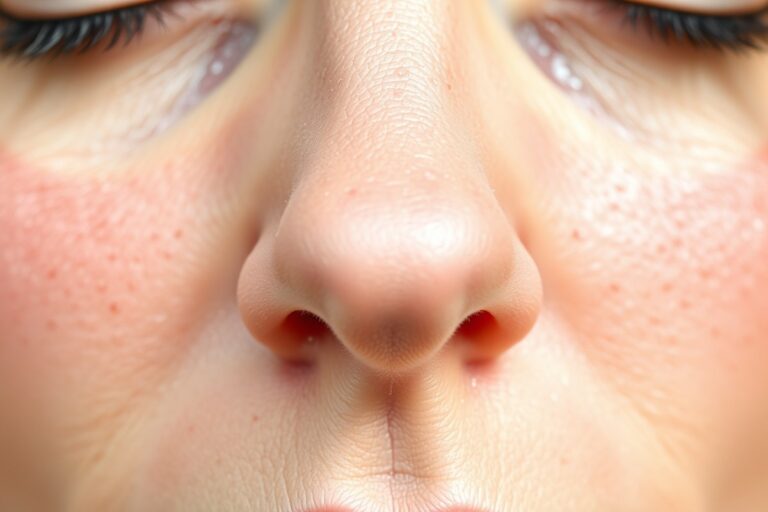
How to Get Rid of Large Pores: 8 Proven Steps for Visible Improvement
Getting rid of large pores completely isn’t possible, but you can minimize their appearance with the right methods. How to get rid of large pores involves cleansing properly, using targeted ingredients, and adopting both daily and weekly skincare habits. These steps help reduce excess oil, tighten pores temporarily, and prevent clogged pores that lead to acne and blackheads.
This advice suits anyone dealing with oily or combination skin, enlarged pores from aging or sun damage, or genetics. You’ll find proven strategies, including product choices, active ingredients, lifestyle tips, and when professional treatments might help. Following these steps can improve your skin’s texture and pore visibility effectively.
Key Takeaways
- Enlarged pores result from excess oil, loss of skin elasticity, sun damage, aging, and genetics, according to a 2022 review.
- You can reduce pore appearance with exfoliation and skincare but cannot permanently close pores, as their size is genetic.
- Select gentle cleansers like Bioelements Pore Thing Daily Cleansing Gel containing salicylic and azelaic acids to target pores without irritation.
- Use active ingredients such as 2% BHA, vitamin C, and natural acids to exfoliate, tighten, and improve pore appearance effectively.
- Build routines with daily cleansing, exfoliating 2 to 3 times weekly, applying masks, and always using sunscreen 15 minutes before sun exposure.
- Clay masks left on 10, 15 minutes can tighten pores and brighten skin, while lifestyle habits like avoiding skin picking prevent pore damage.
1. Why Large Pores Appear and What Causes Them

Large pores become more noticeable primarily because of genetics, oil production, aging, and sun damage. Your genes play a significant role in determining the size and visibility of pores. If close family members have large pores, you’re more likely to have them as well. Genetics can influence skin thickness and oiliness, both of which affect pore size. Oily skin types tend to have more visible pores, as excess sebum causes the pore lining to stretch to accommodate the increased oil output.
The amount of natural oil your skin produces can fluctuate due to genetics, hormone levels, diet, medications, and environmental factors like humidity and temperature. For example, higher testosterone levels in men often lead to larger pores because of increased oil production. When oil glands generate excess sebum, pores expand and become more prominent, especially in oily or combination skin types. These larger openings can gather dirt, dead skin cells, and bacteria, which further stretch the pores and make them more visible.
Aging also contributes to pore size becoming more noticeable. Over time, the skin loses firmness and elasticity, particularly around the pores. This loss of collagen and elastin, the proteins that keep skin tight and supportive, means the tissue surrounding the pores no longer holds them as snugly. Without this structural support, pores appear to sag and enlarge. Sun damage accelerates this process by breaking down collagen and elastin faster, causing premature skin aging and more visible pores. Unprotected exposure to UV rays not only causes wrinkles and uneven skin tone but also increases the prominence of pores.
Dehydration may seem less obvious but also affects pore appearance. When skin is dry or dehydrated, it can cause pores to look smaller at first, but long-term dryness damages skin texture and elasticity, eventually making pores stand out more. Washing your face twice a day is a good practice to keep pores clear, but over-washing can strip moisture and irritate skin, worsening the appearance of pores.
Finally, clogged pores are physically stretched when filled with oil, dirt, or dead skin cells, which also enlarges them. Keeping pores clean prevents this stretch and reduces their visibility. Despite these factors, pores cannot be permanently shrunk since their size is largely genetic and structural. However, understanding these causes helps you manage and reduce their appearance through proper skincare and sun protection.
2. How Pore Size Can Be Minimized but Not Permanently Closed

Your pores are tiny openings on your skin that release sweat and oil, important for skin health. They are connected to your hair follicles and surrounded by oil-producing glands. The size of these pores is mainly determined by genetics, so they can’t be permanently shrunk or closed. When pores appear large, it is usually because they are filled with excess oil, dead skin, or debris, making them more visible.
Since you cannot change the actual size of pores, controlling their appearance is key. Products and treatments help reduce pore visibility by managing oil production, exfoliating dead skin cells, and improving skin texture. For example, deep cleansing combined with gentle exfoliation keeps pores free from buildup, which prevents them from stretching out and appearing larger.
One effective method to temporarily minimize pore appearance is steam treatment. The warmth opens pores, allowing deep cleansing and removal of trapped impurities. After steaming, using a toner or product containing ingredients like salicylic acid can close the pores back down, making them look smaller for a time. This process usually lasts a few hours, so regular maintenance is necessary for ongoing effects.
Incorporating water-based skincare products suits oily and combination skin types better because they hydrate without adding excess oil, helping pores stay clear. Avoid heavy creams that can clog pores. Identifying your skin type guides you to select the right cleansers and moisturizers that support minimizing visible pore size.
More intense options like laser treatments offer longer-lasting improvement. These professional procedures stimulate collagen production and skin tightening, which reduce pore visibility more effectively than topical products alone. Laser treatments typically cost several hundred to over a thousand dollars depending on the clinic and number of sessions. Results may last months but do not permanently alter pore size.
Maintaining a consistent skin care routine focusing on oil control and gentle exfoliation is the best everyday approach. Removing surface debris and excess sebum prevents pores from appearing enlarged. Trying to physically squeeze or “shrink” pores can cause irritation or scarring, which worsens their appearance over time.
Regular cleansing combined with steam and appropriate exfoliation can visibly reduce pore size, but remember that permanent shrinking isn’t possible; focus on managing oil and skin texture instead.
3. Choosing the Right Cleansers and Exfoliants for Large Pores
Choosing the right cleansers and exfoliants is essential to manage oily or combination skin with large pores effectively. You want gentle but effective products that remove excess oil and dead skin cells to prevent clogged, enlarged pores without over-drying or irritating your skin. Using the right combination and frequency will help reduce pore visibility and maintain healthy skin.
Cleansers Best for Enlarged Pores
Gel-based cleansers designed for oily or combination skin are usually the best choice for large pores. They help remove excess oil while cleansing without stripping your skin’s natural moisture barrier. Look for cleansers that contain gentle surfactants and ingredients like salicylic acid or azelaic acid, which target pore congestion and reduce inflammation.
Products like Bioelements Pore Thing Daily Cleansing Gel include 1.5% salicylic acid and azelaic acid in a hydrating base, which balances deep cleaning with moisture retention. Avoid cleansers with heavy oils or thick creams, as they may clog pores further. Cleansing twice daily, in the morning and evening, helps remove debris and excess sebum that contribute to larger pores.
Differences Between Physical and Chemical Exfoliants
Exfoliation removes dead skin cells, preventing them from clogging pores and making pores appear larger. Physical exfoliants use small abrasive particles or tools to manually scrub away dead cells, while chemical exfoliants apply acids to dissolve the bonds between skin cells for easier removal.
Physical exfoliants should be used cautiously if you have sensitive or acne-prone skin, as harsh scrubbing can cause irritation or microtears, worsening pore appearance. Chemical exfoliants offer a gentler and more consistent approach and can penetrate deeper into pores.
- Physical exfoliants: gentle scrubs or brushes, best for normal, non-sensitive skin
- Chemical exfoliants: acids like salicylic acid (BHA) and glycolic or lactic acid (AHAs)
- Exfoliate 1-3 times per week depending on skin sensitivity and oiliness
- Use chemical exfoliants daily or every other day if tolerated
- Avoid over-exfoliating to prevent skin barrier damage and increased pore visibility
For oily or combination skin with large pores, chemical exfoliants are generally preferred for better pore penetration and less risk of irritation.
How Salicylic Acid vs Glycolic Acid Works
Salicylic acid, a beta hydroxy acid (BHA), penetrates deep into pores to dissolve excess oil and dead skin cells, making it very effective for unclogging large pores and reducing acne. It’s oil-soluble, so it works inside the pore lining to clear debris, which can decrease the pore size appearance.
Glycolic acid and lactic acid, alpha hydroxy acids (AHAs), exfoliate the skin surface by loosening the bonds between dead cells. This encourages surface cell turnover and can improve skin texture and pore appearance over time. AHAs also promote collagen remodeling, which can tighten skin around pores, especially helpful in aging or sun-damaged skin.
| Aspect | Salicylic Acid (BHA) | Glycolic/Lactic Acid (AHA) |
|---|---|---|
| Solubility | Oil-soluble, penetrates pores | Water-soluble, works on the skin surface |
| Main Benefits | Unclogs pores, reduces oil, fights acne bacteria | Removes dead skin cells, stimulates collagen, improves texture |
| Best For | Oily, combination, acne-prone skin | Aging, dry, sensitive, or sun-damaged skin |
| Usage Frequency | Daily to every other day if tolerated | 1-3 times per week or daily for milder formulas |
For large pores on oily skin, salicylic acid is often more effective at immediate pore clearing. AHAs complement this by improving skin surface tone and firmness, which can tighten pores over time. Combining both types in a skincare routine can yield better results but start slowly to avoid irritation.
4. Active Ingredients That Effectively Reduce the Appearance of Large Pores
Choosing the right skincare ingredients can significantly reduce the appearance of large pores by tightening skin, clearing buildup, and stimulating collagen. Popular actives like niacinamide, retinol, and various acids each offer benefits, but their suitability depends on your skin type and tolerance. Understanding how often to use them and what side effects to expect helps you apply them safely and get the best results.
| Ingredient | Benefits | Usage Frequency | Suitable Skin Types | Safety and Side Effects |
|---|---|---|---|---|
| Niacinamide | Reduces pore appearance, boosts barrier function, improves skin luminosity | Daily, in moisturizers or serums | All skin types, including oily and sensitive | Generally safe, rare irritation |
| Retinol | Stimulates collagen, refines skin texture, reduces enlarged pores | Start 2-3 times a week, increase as tolerated | Normal to oily, avoid if very sensitive | Can cause dryness, redness, peeling; use sunscreen |
| Salicylic Acid | Exfoliates pores, removes buildup, reduces inflammation | 2-3 times per week | Oily, acne-prone, combination | May dry skin; avoid overuse |
| Glycolic Acid | Exfoliates, improves skin texture, reduces pore visibility | 1-3 times per week | Normal to dry, avoid very sensitive skin | Possible irritation and sun sensitivity |
| Vitamin C (Topical) | Improves skin brightness, supports collagen, firms pores | Daily, morning preferred | All skin types | Can cause mild irritation in sensitive skin |
| Bakuchiol | Plant-based retinol alternative, improves texture and pore size | Daily or as tolerated | Sensitive and normal skin | Fewer side effects than retinol |
Niacinamide effectively reduces pore size and strengthens the skin’s barrier, making it suitable for almost all skin types, including sensitive skin. You can apply niacinamide-containing products daily, often in the form of serums or moisturizers. It’s particularly helpful if your skin is oily, as it regulates sebum production and tightens pores without causing irritation.
Retinol, known for stimulating collagen, is a widely recommended active for pore appearance reduction. Start by applying it two to three times a week to allow your skin to adjust. Common side effects include dryness, redness, or peeling, so use a broad-spectrum sunscreen daily to protect your skin. People with sensitive skin might consider starting with lower concentrations or alternatives like bakuchiol, which delivers similar benefits with fewer side effects.
Exfoliating acids such as salicylic and glycolic acid help clear out pores and improve texture through gentle exfoliation. Salicylic acid, in particular, dissolves pore buildup and reduces inflammation, so applying it two to three times weekly suits oily or acne-prone skin well. Glycolic acid is better suited for normal to dry skin but can increase sun sensitivity, so apply sunscreen daily and adjust usage based on skin reaction.
Vitamin C serums support collagen production, improving skin firmness and pore visibility. Use them in the morning for antioxidant protection, but watch for mild irritation if your skin is sensitive. For those who cannot tolerate retinol, bakuchiol offers a plant-based option with fewer side effects, allowing daily use to firm skin and minimize pores.
Consistently integrating these ingredients delivers results typically visible after several weeks, with a noticeable reduction in pore visibility and smoother texture. Always avoid harsh products with alcohol, which can dry out skin and make pores look larger. Tailoring your routine to your skin type and gradually introducing these actives maximizes benefits and limits irritation.
5. Building a Daily and Weekly Skincare Routine to Minimize Pores
Maintaining a consistent morning and evening skincare routine with targeted steps can significantly reduce the appearance of large pores. Cleansing, exfoliating with care, moisturizing properly, and daily sun protection together keep pores clear, skin hydrated, and protect collagen and elastin that support skin firmness.
Daily Morning Routine for Large Pores
Start your day by cleansing your skin to remove oil and impurities that can enlarge pores. Use a gentle, non-comedogenic cleanser suited for your skin type. After rinsing with warm water, apply a toner with pore-minimizing ingredients to tighten pores and prep your skin for moisturizing.
Next, apply a lightweight moisturizer to hydrate and plump the skin around pores, making them less visible. Hydration controls excess oil production that can clog pores. Finish by applying a broad-spectrum sunscreen with at least SPF 30 to shield skin from UV damage that breaks down collagen and elastin, which can worsen pore appearance.
- Cleanse with a gentle face wash
- Use a pore-tightening toner
- Apply a lightweight moisturizer
- Use broad-spectrum SPF 30+ sunscreen
- Optional: apply a serum targeting pores or texture
Applying sunscreen daily reduces sun damage that can expand pores over time. Avoid heavy creams in the morning to prevent clogging pores especially if you have oily or combination skin.
Evening Routine and Exfoliation Schedule
Cleansing your face before bed removes dirt, oil, and makeup so pores remain clear overnight. Use a gentle cleanser and rinse with lukewarm water to avoid irritation. After cleansing, apply an exfoliating treatment 2 to 3 times per week to slough off dead skin cells and prevent clogged pores. Products with chemical exfoliants like salicylic acid work well to penetrate pores without over-stripping.
Follow exfoliation with a nourishing, hydrating moisturizer to soothe skin and maintain hydration while you sleep. Skin repairs best at night, so products with ingredients that promote collagen support, such as peptides or retinoids, can help minimize pores in the long term.
Do not exfoliate more than three times a week to prevent irritation and worsening pore size.
An example evening routine:
- Cleansing with gentle wash
- Exfoliate 2, 3 times weekly (chemical exfoliants preferred)
- Apply hydrating moisturizer
- Use treatments with collagen-supporting ingredients as needed
Adjustments for Dry or Sensitive Skin Types
Dry or sensitive skin needs a more delicate approach. Avoid harsh cleansers and abrasive scrubs that can dry out or irritate skin and make pores more noticeable. Instead, use creamy, hydrating cleansers and reduce exfoliation frequency to once or twice a week. Focus on moisturizing at least twice daily with products containing ceramides, hyaluronic acid, or glycerin to maintain a healthy moisture barrier and prevent excess oil production.
For sensitive skin, choose fragrance-free and hypoallergenic products to reduce redness or inflammation that can enlarge pores. Always patch test new products and introduce them slowly to monitor your skin’s tolerance.
6. Using Masks, Sunscreen, and Lifestyle Habits to Support Pore Care
Clay masks help lessen the look of large pores by absorbing extra oil, dirt, and dead skin lodged deep inside. They work like a gentle vacuum that clears out pores, making them appear smaller and less obvious. Applying a clay mask once or twice a week typically suits most skin types, particularly oily or combination skin. Using clay masks too often can dry out your skin too much, triggering more oil and wider pores. Fuller’s earth, or multani mitti, is a commonly used clay that absorbs oils and cleanses skin, which helps control pore size.
Protecting your skin from sun damage is important in maintaining smaller-looking pores. Wear a broad-spectrum sunscreen with an SPF of 30 or higher daily, even on cloudy days. Ingredients such as zinc oxide or titanium dioxide provide effective barriers against harmful UV rays that can weaken skin elasticity and cause pores to appear larger over time. Sunscreen forms a protective layer that helps prevent pores from stretching due to sun damage. Reapply sunscreen every two hours if you are outdoors, and consider using moisturizers with built-in SPF for convenient everyday use.
Daily habits significantly impact pore appearance. Sleeping in makeup can worsen clogged pores by trapping dirt and bacteria, leading to dryness and excess sebum production. This cycle can make pores appear larger and increase the risk of whiteheads and blackheads. Always remove makeup thoroughly before bed using a gentle cleanser suitable for your skin type. Avoid picking or squeezing your skin as this irritates pores and can cause scarring, which makes pores more noticeable. Instead, adopt a gentle skincare routine that includes cleansing, moisturizing, and targeted treatments.
For oily or acne-prone skin, clay masks combined with a consistent sunscreen routine better support pore maintenance. People with dry or sensitive skin should limit clay mask use to once a week and avoid harsh ingredients in masks that could cause irritation. If your pores appear large due to acne, a dermatologist might recommend prescription treatments like retinoids or antibiotics. Incorporating nourishing oils, such as certain Middle Eastern oils known to reduce open pores, can also benefit skin texture. These oils must be non-comedogenic to avoid clogging your pores further.
Small changes in how you care for your skin day to day, like protecting it from the sun, avoiding makeup overnight, and using clay masks strategically, help prevent pore enlargement and maintain overall skin health. This approach stops excess dirt and sebum buildup inside pores, reducing the chance of clogged, stretched pores that appear enlarged. Following these steps consistently supports a smoother, more refined skin surface with less visible pores over time.
7. When to Consider Professional Treatments for Large Pores
Professional treatments can significantly reduce large pores when daily skincare changes don’t deliver enough improvement. Options include chemical peels, laser therapy, and microneedling, each varying in cost, required sessions, downtime, and effectiveness. At-home devices for microneedling or chemical peels exist but usually offer less dramatic results than professional procedures.
Chemical Peels: Types and Benefits
Chemical peels use acids to exfoliate the skin, clearing oil plugs and dead cells that enlarge pores. A professional applies these peels in-office, focusing on specific areas, especially around the nose where pores often appear largest. Chemical peels stimulate cell renewal and tighten pores, acting like a natural astringent.
You will likely need two to three sessions spaced several weeks apart, with each session costing around $500. The downtime varies by peel strength; mild peels may cause redness for a few days, while deeper peels require up to a week of healing. Results include smoother skin texture and visibly smaller pores, although overuse or aggressive peeling risks irritation and sensitivity.
Laser and Light-Based Treatments
Laser therapies target the skin’s deeper layers and promote collagen growth, leading to tighter skin and smaller pores. Non-ablative lasers such as Medlite, Genesis, and Fraxel are popular for this purpose. These methods usually require less downtime than ablative lasers but still may cause redness or swelling for a few days.
Laser treatments tend to be the most effective professional option against enlarged pores but are more invasive. Typically, you will schedule one or two sessions annually for your main treatment, plus yearly maintenance. Each session can cost $500 or more. The recovery period usually lasts several days, depending on the treatment intensity, so plan accordingly.
Microneedling: At-Home vs Professional
Microneedling works by creating controlled micro-injuries in the skin to trigger collagen production and improve skin texture. Professional microneedling devices penetrate deeper and provide more precise outcomes than at-home rollers or pens. For large pores, professionals often combine microneedling with serums or platelet-rich plasma to boost effects.
At-home microneedling can slightly reduce pore size, but results are generally subtle and require regular, careful use to avoid skin damage. Professional treatment usually involves three to six sessions spaced about a month apart with minimal downtime, mainly redness for a day or two. Costs range from $200 to $700 per session depending on the provider and device used.
- Chemical Peels: 2-3 sessions, ~$500 each, downtime 3, 7 days
- Laser Therapy: 1-2 sessions/year plus maintenance, $500+ per session, downtime 3, 5 days
- Professional Microneedling: 3-6 sessions, $200-$700 per session, downtime 1-2 days
- At-Home Microneedling/Chemical Peels: less effective, no professional supervision, risk of injury or irritation
- Best for worsening pore size not improved by skincare routine
- Professional assessment recommended before starting treatments
| Treatment | Cost per Session | Number of Sessions | Downtime | Effectiveness |
|---|---|---|---|---|
| Chemical Peels | $500 | 2-3 | 3-7 days | Moderate, exfoliates and tightens pores |
| Laser Therapy | $500+ | 1-2 per year + maintenance | 3-5 days | High, stimulates collagen, tightens skin deeply |
| Professional Microneedling | $200-$700 | 3-6 | 1-2 days | Moderate-High, improves skin texture and pore size |
| At-Home Devices | $20-$200 | Varies, frequent | Minimal | Low to Moderate, requires care |
Choosing between these treatments depends on your budget, time for recovery, and desired effect. Laser therapy offers the strongest improvement but needs longer recovery and higher cost. Chemical peels provide good results with moderate downtime, ideal if you seek combined exfoliation and pore tightening. Microneedling balances effectiveness and downtime with moderate costs. At-home devices are best for maintenance after professional treatment or mild pore concerns but not for significant pore reduction.
8. Common Mistakes in Pore Care and How to Avoid Them
Over-exfoliating and harsh scrubbing can actually make large pores look worse rather than better. When you scrub your skin too hard or exfoliate more than two to three times per week, you risk irritating and damaging your pores. This irritation can cause your pores to stretch out more and make them more noticeable. Instead of scrubbing rough, stick to gentle exfoliation with products containing salicylic acid or mild chemical exfoliants, applied no more than twice weekly. Avoid physical scrubs with large, abrasive particles, especially if you have sensitive or oily skin prone to enlarged pores.
Skipping sunscreen is another common mistake that contributes to larger pores. Sun damage breaks down collagen and elastin, two proteins that keep skin firm and pores tight. Wearing a broad-spectrum sunscreen with at least SPF 30 daily helps protect your skin’s structure and prevents pores from becoming even more pronounced. Make sure to apply sunscreen every morning and reapply every two hours if you’re outdoors for extended periods.
Picking or squeezing blackheads and clogged pores can cause permanent damage and swelling, leading to bigger pores and scarring. Always resist the urge to manually extract pore blockages at home. Instead, use pore-unclogging treatments with ingredients like niacinamide or benzoyl peroxide that reduce oil production and calm inflammation without trauma.
Knowing whether your skincare routine is working takes patience and observation. Give products at least 4 to 6 weeks to show improvement. Look for signs like less visible oiliness, fewer blackheads, smoother skin texture, and overall pore refinement. If your pores appear inflamed or you’re breaking out more, reassess your products for harsh ingredients or overuse. Sometimes simplifying your routine improves results.
- Limit exfoliation to 2-3 times a week using gentle chemical exfoliants.
- Never scrub your skin hard; use light, circular motions only.
- Apply broad-spectrum sunscreen with SPF 30 or higher every day.
- Avoid picking or squeezing pores to prevent damage and enlargement.
- Choose non-comedogenic skincare and makeup products to prevent clogging.
- Be patient; expect to see pore improvement after 4-6 weeks of consistent care.
- Stop using any product that causes irritation or worsens your pore appearance.
Use a gentle touch in your skincare routine and protect your skin from sun exposure to keep pores less visible and healthy.
Step-by-Step Action Plan to Reduce Large Pores
Follow these practical steps to start improving the appearance of your pores. Track your progress by noting smoother texture and less visible pores over time.
- Before You Start: Choose a gentle, non-comedogenic cleanser and an exfoliant with salicylic acid or glycolic acid. Effective products will cleanse deeply without irritation or dryness.
- Day 1: Begin a daily skincare routine that includes cleansing twice a day and applying a lightweight moisturizer. Pores should feel less clogged and skin will look fresher within a few days.
- Week 1: Introduce a topical product with niacinamide or retinoids in your evening routine. Look for reduced oiliness and a noticeable tightening effect after 1 to 2 weeks.
- Weekly: Use a clay or charcoal mask once a week to absorb excess oil and clear out pores. You should see a cleaner, clearer complexion after each use.
- Daily: Apply broad-spectrum sunscreen every morning to protect skin from sun damage that enlarges pores. Preventing new damage helps maintain improvement.
- After 3 to 4 Weeks: Review your progress. If pores remain highly visible despite consistent care, consider consulting a dermatologist about professional treatments like chemical peels or laser therapy.
- Ongoing: Avoid common mistakes like scrubbing harshly or skipping sunscreen. Healthy habits like managing oil and gentle care will support long-term pore appearance.
Frequently Asked Questions
Can Large Pores Be Completely Eliminated?
No, you cannot completely eliminate large pores, but you can reduce their appearance with proper skincare and treatments. Maintaining a good routine helps manage oil and dead skin buildup that makes pores more visible.
Does Ice Really Help in Shrinking Large Pores?
Yes, rubbing an ice cube on your face for 10 to 15 seconds tightens pores temporarily and reduces their appearance. It can calm skin and make pores look smaller before applying makeup or sunscreen.
Are Natural Remedies Effective for Reducing Large Pores?
Some natural remedies, like tomato juice, can balance skin oils and tighten pores slightly. These work as mild astringents but don’t provide permanent pore reduction.
Can Dehydration Cause Pores to Look Bigger?
Dehydrated skin can make pores appear larger because dry skin loses elasticity and firmness. Drinking water and using moisturizers keeps skin plump and pores less noticeable.
Is It Necessary to Avoid Oils If You Have Large Pores?
You should avoid heavy oils that can clog pores, but lightweight, non-comedogenic oils might be safe. Choosing water-based moisturizers is generally better for large pores and oily skin.
Do Genetics Mostly Determine Pore Size?
Genetics play a large role in pore size, so if your parents have large pores, you’re more likely to have them too. Skin type and environment also influence pore appearance over time.
Key Points to Remember
Large pores can’t be permanently closed, but their appearance can be significantly reduced with consistent care. Start today by choosing a gentle exfoliant containing salicylic acid to clear out debris and minimize pore visibility. Sticking to this small step helps your skin look smoother and sets the foundation for better pore management.