
How to Get Rid of Candida Overgrowth: A Complete Guide That Actually Works
How to get rid of candida overgrowth involves a multi-step approach: reduce sugar and fat intake to starve the fungus, use natural or prescription antifungals to kill it, restore healthy gut bacteria with probiotics, and address biofilms that protect the yeast. Managing die-off reactions and maintaining a balanced diet are key to preventing return infections.
This information is aimed at anyone struggling with recurring yeast infections or symptoms linked to Candida overgrowth. You’ll learn to recognize signs by body area, use effective natural antifungals, understand when medication is necessary, and adopt lifestyle changes that keep Candida under control long term.
Key Takeaways
- Candida overgrowth causes distinct symptoms by body area, including digestive issues, skin rashes, and oral thrush requiring targeted treatment.
- Use a diet focused on whole foods, combined with daily probiotics and natural antifungals like coconut oil, for 6, 12 weeks to reduce Candida levels.
- Prescription antifungal medicines work well but require medical guidance due to possible side effects such as rashes and dosing limits.
- Expect possible die-off reactions during treatment and manage them by adjusting antifungal use and supporting hydration and rest.
- Candida forms protective biofilms that make eradication challenging, so consistent, multi-pronged treatment over several weeks is essential.
- Prevent recurrence by maintaining a balanced diet, proper hygiene, and continued probiotic use after antifungal therapy ends.
What Is Candida Overgrowth and How Does It Differ from Normal Yeast?
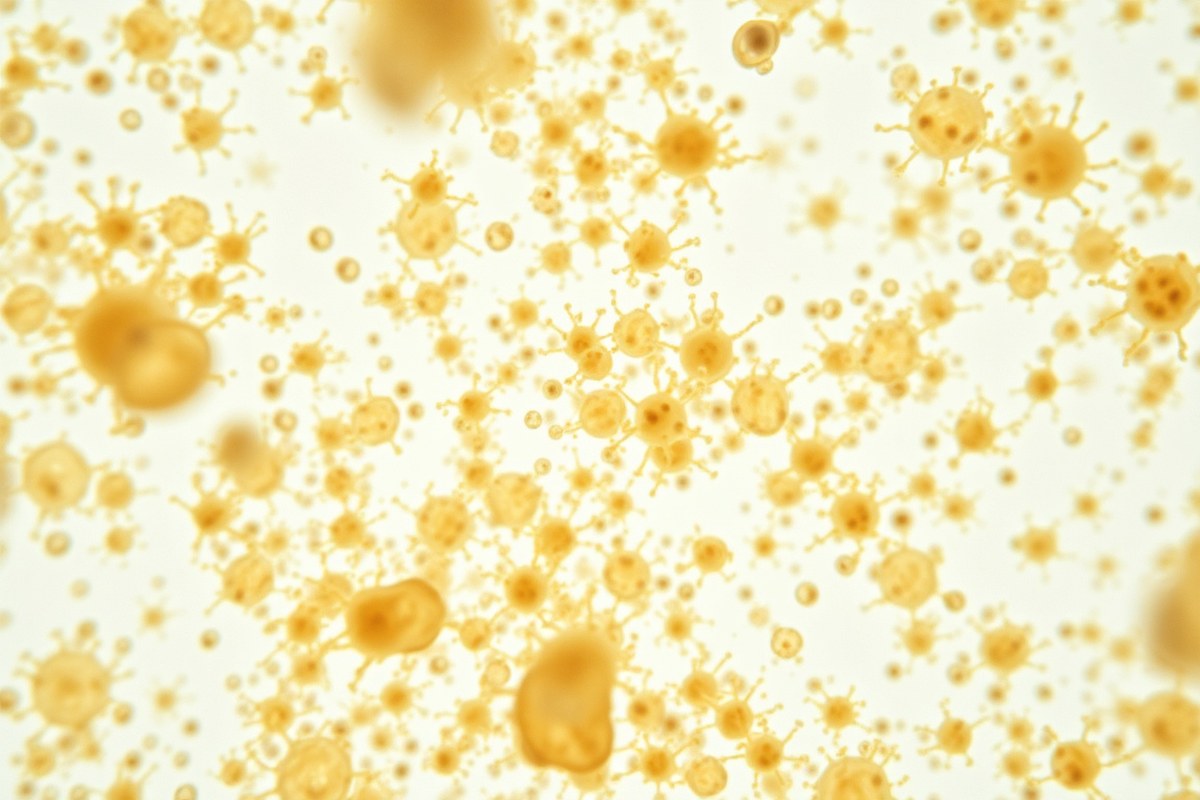
Candida overgrowth refers to an excessive multiplication of Candida yeast in the body, surpassing its usual low-level presence. Normally, Candida species live harmlessly in places like the mouth, gut, and skin without causing issues. The difference lies in balance: a healthy immune system and beneficial bacteria keep Candida controlled, but when that balance tips, Candida can multiply rapidly and lead to symptoms or infections.
Overgrowth often results from factors that disrupt your body’s natural defenses and the microbial environment. These include prolonged use of antibiotics, which can kill beneficial bacteria, low stomach acid that fails to limit yeast growth, high sugar or refined carbohydrate diets that feed the yeast, and immune system weaknesses. Hormonal changes, such as during pregnancy or from birth control, may also encourage Candida to flourish. Stress and illnesses like diabetes contribute as well by weakening your immune response.
The key distinction between normal yeast presence and overgrowth is the scale and impact. Candida normally coexists without harm, but overgrowth means Candida’s numbers increase enough to cause issues such as digestive discomfort, fatigue, skin irritations, vaginal yeast infections, or thrush. This imbalance can trigger inflammation and sometimes damage surrounding tissues, leading to more noticeable symptoms.
Addressing candida overgrowth requires removing conditions that support its excessive growth. This involves reducing sugar intake to starve the fungus, using natural or prescribed antifungal agents to kill excess yeast, and restoring healthy bacteria with probiotics. Also important is breaking down biofilms, the protective layers Candida builds to survive harsh conditions, which allows treatment to be more effective. Without tackling all these factors, Candida can protect itself and quickly return.
Understanding how Candida behaves helps guide treatment choices. For example, low stomach acid makes it easier for Candida to thrive in the gut, so strategies that improve digestion and acidity may support healing. Dietary changes must be consistent and may require weeks to months for meaningful reduction of Candida load. Natural antifungals like garlic extract and caprylic acid have demonstrated abilities to inhibit Candida growth while supporting your immune system.
Your body’s ongoing fight against Candida balances eliminating excess yeast and maintaining normal microbial communities. Overgrowth should not be mistaken for the yeast that naturally supports healthy digestion and skin barriers. When Candida multiplies abnormally, symptoms become apparent and intervention is needed to restore equilibrium and prevent complications.
Which Symptoms Indicate Candida Overgrowth by Body Area?

Candida overgrowth triggers symptoms that vary by body area. The digestive tract often shows bloating and irregular bowel movements. Skin reactions, particularly in warm, moist zones, include rashes and itching. Oral candida usually appears as white patches, while genital infections cause redness and discomfort. Nail candidiasis features swelling and nail damage.
Digestive Symptoms Signaling Candida Infection
Digestive symptoms often signal candida overgrowth in the intestines, where Candida albicans commonly resides. People with this overgrowth might experience persistent bloating, gas, constipation, or diarrhea. These symptoms can mimic or worsen irritable bowel syndrome (IBS).
Sometimes, candida aggravates digestive diseases like ulcerative colitis or Crohn’s disease, increasing discomfort and digestive irregularities. Fatigue and joint pain may also occur as indirect effects of intestinal candida overgrowth.
Skin Reactions Linked to Candida Overgrowth
Skin candidiasis affects areas that stay warm and moist such as armpits, groin, and under the breasts. This type of infection leads to red, itchy rashes, blister-like bumps, or scaly skin patches. It occurs more frequently in skinfolds where moisture is trapped. Other skin issues such as eczema, acne, or unexplained rashes might get worse with candida overgrowth, although these are less direct indicators. The infection may also present with symptoms like:
- Redness and inflammation
- Small pustules or white patches
- Foul odor from affected areas
- Cracking or peeling skin near the infection site
- Itching intensified by sweat or heat
Keep affected skin clean and dry to reduce fungal growth and speed healing.
Oral Indicators of Candida Presence
Oral thrush, or candidiasis, shows as creamy white patches on the tongue, inner cheeks, gums, or roof of the mouth. These patches can be painful or bleed when wiped. People may experience difficulty swallowing or a burning sensation in the mouth.
Persistent oral thrush often signals an imbalance of natural oral flora or weakened immune defenses. Sometimes, it arises after antibiotic use or in conditions causing dry mouth or poor oral hygiene.
Genital Discomfort and Candida
Genital yeast infections commonly affect women but can occur in men as well. Symptoms include itching, burning, soreness, and redness around the vulva, vagina, or penis. Discharge may be thick, white, and odorless in vaginal infections.
Recurrent or prolonged infections might require medical evaluation to rule out other causes. Urinary tract infections caused by candida are less common but can cause burning during urination or frequent urges to urinate.
Nail Changes Caused by Candida
Fungal nail infections involving candida, known as candidal paronychia, cause redness, swelling, and tenderness around the nail folds. The nails may become thickened, brittle, or discoloured. In severe cases, pus formation or nail loss can occur.
Nail candidiasis prefers damp conditions, so frequent hand washing or exposure to water without drying properly increases risk. Early treatment with topical antifungals or prescription medication helps prevent worsening.
How to Use Diet, Natural Antifungals, and Probiotics to Eliminate Candida
To combat candida overgrowth effectively, limit sugar and refined carbs while focusing on non-starchy vegetables, quality proteins, and healthy fats. Combining this diet with natural antifungal agents and targeted probiotics provides the best results, usually within 6 to 12 weeks. Consistency and patience are key, as disrupting candida and its biofilms takes time and ongoing care.
Foods to Avoid and Include
Reducing foods that feed candida is essential. Eliminate added sugars, refined carbohydrates, starches, grains, alcohol, and most fruits for at least three to five days initially. These foods can fuel candida growth and worsen symptoms over time.
On the other hand, include plenty of non-starchy vegetables such as leafy greens, broccoli, and zucchini. Incorporate quality proteins from sources like chicken, fish, and eggs. Healthy fats from avocados, olive oil, and nuts also support gut health. Seeds like flaxseeds and chia seeds contain polyphenols which may help eliminate candida and promote probiotic growth.
Top Natural Antifungals Comparison
Several natural substances offer antifungal effects, helping to break down candida and disrupt its protective biofilms. Oregano oil stands out for its potency, effective even against resistant strains. It can kill 90% of Candida albicans strains at a 0.25% concentration. Using a standardized oregano extract at recommended doses can be a powerful tool but must be taken carefully to avoid irritation.
Other natural antifungals with supportive research include garlic, caprylic acid, grapefruit seed extract, and coconut oil. These vary in strength and cost. A consistent daily dose aligned with product instructions and professional advice is important to avoid side effects and ensure safety.
| Natural Antifungal | Effectiveness | Typical Dosage | Safety Notes |
|---|---|---|---|
| Oregano Oil | Kills 90% of C. Albicans at 0.25% | 100-200 mg standardized extract, 1-3 times daily | May cause gastrointestinal irritation; dilute well |
| Garlic | Antifungal properties documented | 500 mg garlic extract, twice daily | May interact with blood thinners |
| Caprylic Acid | Disrupts candida cell membranes | 500-1000 mg, 2-3 times daily | Possible digestive upset |
| Grapefruit Seed Extract | Shown antifungal activity | 100-200 mg, twice daily | Potential interactions with medications |
| Coconut Oil | Contains antifungal medium-chain fatty acids | 2-3 tablespoons daily | High calorie; use in moderation |
Natural antifungals work best alongside diet changes and probiotics. These agents support the reduction of candida but rarely eradicate it alone. If you experience side effects, reduce the dose or consult a healthcare provider.
Effective Probiotic Strains and Usage Tips
Probiotics help restore a balanced gut microbiome and prevent candida from recolonizing. Strains like Lactobacillus rhamnosus, Lactobacillus acidophilus, and Bifidobacterium bifidum have shown promise in preventing candida colonization and supporting immune defenses.
Take a daily probiotic supplement containing multiple strains at doses of at least 10 billion CFU. Choose products with documented strain efficacy and storage stability. Probiotics can be started at the same time as dietary changes and antifungal agents for complete support.
To maximize benefits, take probiotics on an empty stomach or as directed by the label. Maintain consistent daily use for 6 to 12 weeks. In some cases, adding prebiotic fiber from foods like asparagus or garlic (if tolerated) can also support probiotic growth and gut balance.
When and How to Use Prescription Antifungal Medications Safely
Prescription antifungal medications become necessary when candida overgrowth causes persistent or severe symptoms that do not improve with dietary changes alone. While cutting sugar and following an anti-candida diet can support your body’s balance, these approaches have limited clinical proof as sole treatments. Medical antifungals directly target the yeast cells and are often essential for confirmed infections, especially in cases involving nails, severe oral thrush, or vaginal yeast infections.
Common prescription antifungals include clotrimazole and miconazole, which are often available as topical creams, oral lozenges, or vaginal tablets. Fluconazole is another widely used oral antifungal that treats systemic and more stubborn Candida infections. These medications inhibit fungal cell growth but can have side effects like nausea, headache, or skin rash. Some people may also experience liver enzyme changes, so doctors typically recommend monitoring liver function during prolonged treatment.
It is important to use these medications exactly as prescribed and avoid self-medicating. Your healthcare provider will decide the best drug and dosage based on the infection’s location, severity, and your overall health. If your Candida overgrowth follows antibiotic, corticosteroid, or immunosuppressant use, your provider might first explore adjusting or switching those medications before starting antifungals. Combining prescription drugs with plant-derived compounds such as thymol may improve effectiveness; however, this should only happen under medical supervision, as dosing and interactions can be complex.
You should seek medical advice if you notice symptoms worsening, if an infection recurs frequently, or if symptoms involve deep tissue or systemic signs like fever or fatigue. Persistent nail infections, vaginal yeast infections not responding to over-the-counter treatments within a week, or oral thrush that disrupts eating or swallowing also call for professional care. Getting a confirmed diagnosis through labs helps avoid mistreatment, which can cause unnecessary side effects and antibiotic resistance.
Effective management of candida overgrowth with prescription antifungals typically spans one to four weeks, depending on the infection severity and medication type. During treatment, symptoms may temporarily worsen due to toxin release from dying yeast, known as a die-off reaction. Supporting detox through hydration and balanced nutrition helps your body process these toxins more comfortably. Follow-up with your healthcare provider ensures the infection clears completely and reduces risks of recurrence or complications.
How to Identify and Manage Die-Off Reactions During Treatment
Die-off reactions, also known as Herxheimer reactions, happen when large numbers of Candida cells die quickly, releasing toxins that your body needs to process. These reactions usually cause temporary symptoms like fatigue, headache, and digestive upset. Managing these reactions carefully can help you continue treatment comfortably and avoid setbacks.
Understanding Die-Off Symptoms
Die-off symptoms occur because the liver and kidneys become overwhelmed by the sudden release of toxic byproducts from dying Candida cells. Common symptoms include headache, chills, muscle aches, brain fog, fatigue, nausea, and worsening digestive issues. These symptoms often appear within hours to days after starting antifungal treatment and typically last a few days to two weeks.
Even though symptoms feel unpleasant, they usually indicate that the treatment is working rather than failing. The reaction is more common in people with a heavy Candida overgrowth or weakened detox systems. Symptoms tend to lessen over time as your body clears toxins and the fungal load drops.
Practical Tips to Minimize Discomfort
Feeling better during die-off reactions requires proactive self-care. Staying hydrated helps your liver and kidneys flush out toxins efficiently. Aim to drink at least 64 ounces (about 2 liters) of water daily, more if you are experiencing sweating or diarrhea. Prioritizing good sleep supports your body’s immune response and toxin clearance.
A steady, gradual approach to treatment often reduces die-off severity. Avoid abruptly increasing antifungal doses and consider a multi-ingredient protocol to disrupt Candida biofilms effectively. Adjusting your diet to limit sugars and processed fats while adding fiber can also support gut microbiome balance and decrease symptoms.
- Increase water intake to flush toxins.
- Reduce antifungal dose temporarily if symptoms worsen.
- Focus on sleep by setting consistent bedtime routines.
- Include gentle exercise like walking to improve circulation.
- Eat a balanced diet rich in fiber, lean protein, and low in sugar.
- Use natural antifungals gradually to avoid overwhelming your system.
- Consult your healthcare provider if symptoms are severe or prolonged beyond two weeks.
Do not ignore severe or prolonged symptoms; consult a healthcare provider to safely adjust treatment.
Using a Symptom Diary to Track Progress
Keeping a detailed symptom diary for 6 to 12 weeks can help you identify patterns and manage die-off reactions effectively. Recording your daily symptoms such as headache, fatigue, digestion, and mood lets you see if symptoms correlate with changes in treatment or diet. You can also note energy levels and any medication or supplement adjustments.
This diary acts as a valuable communication tool with your healthcare team, enabling informed decisions about slowing down or intensifying treatment based on your response. Tracking progress helps prevent prematurely stopping therapy due to discomfort that signals treatment working. Use the following simple template to get started:
| Date | Symptoms (describe severity 1-10) | Energy Level (1-10) | Diet Notes | Treatment Adjustments |
|---|---|---|---|---|
| MM/DD | Headache (3), Fatigue (5) | 4 | Low sugar, high fiber | Started natural antifungal |
Why Candida Is Hard to Eliminate: The Role of Biofilms
Candida yeast can form biofilms, which are slimy layers that stick tightly to surfaces like your vaginal lining, skin, or gut walls. These biofilms contain communities of candida cells embedded in a sticky matrix of proteins and sugars. This structure acts as a shield, making it very difficult for your immune system to reach and kill the yeast. Biofilms also block antifungal drugs from penetrating deeply, which can let the infection linger even after treatment.
Biofilms contribute to persistent candida infections by protecting the yeast during treatment. They slow down the response to antifungal medications, which need to break through the biofilm barrier first. This can lead to recurrent symptoms or infections that don’t fully clear. Persistent biofilms basically provide a safe spot where candida can survive harsh conditions and bounce back once the treatment stops.
Breaking down candida biofilms is key to successful treatment. Removing or disrupting biofilms lets antifungal agents and your immune system attack the yeast directly. Dietary changes help weaken biofilms by cutting off candida’s sugar supply, as sugar encourages biofilm growth. For example, reducing refined sugars and grains lowers the fuel candida needs to maintain its protective layer.
Topical treatments like boric acid capsules have been shown to inhibit many forms of candida and can disrupt biofilms, especially in vaginal infections resistant to standard antifungals. These should be used under a healthcare provider’s guidance due to safety considerations. Natural antifungals such as coconut oil, rich in lauric acid, may help inhibit candida and its biofilms when applied to the skin or mucous membranes.
Probiotics containing Lactobacillus and Saccharomyces boulardii support biofilm disruption by balancing the healthy microbes in your gut and vagina. They produce substances that inhibit biofilm formation and compete with candida for space and nutrients. Using probiotics alongside antifungal treatment improves the chances of fully clearing biofilms.
Research also points to enzymes that break down the structural components of biofilms, but these treatments are mostly available in clinical or experimental settings. Avoid antibiotics or corticosteroids unless prescribed because they can disrupt your normal flora and worsen biofilm formation by candida. If infections persist or recur frequently, a healthcare provider can recommend targeted therapies that address biofilms specifically.
Steps to Prevent Candida Overgrowth from Returning Permanently
Keeping candida overgrowth under control long-term requires consistent attention to diet, lifestyle, stress management, and gut health. Candida thrives when beneficial gut bacteria are depleted, so fostering a healthy microbiome is key. Eating a fiber-rich, plant-heavy diet encourages the growth of bacterial species like bifidobacteria, which inhibit candida growth. Avoid added sugars and consider cranberry juice without sugar, as it helps maintain urine pH levels unfavorable to fungal overgrowth.
Chronic stress suppresses your immune system, particularly in the gut, allowing candida to multiply unchecked. Managing stress through regular practices like mindfulness meditation, gentle exercise, or deep breathing can reduce this effect. Minimizing frequent antibiotic use and limiting alcohol intake are equally important since antibiotics kill beneficial bacteria, and alcohol damages the gut lining, both of which promote candida proliferation.
Good hygiene also helps prevent candida from recurring on skin and mucous membranes. Keeping skin dry and maintaining oral hygiene reduces the chance of yeast infections outside the gut. Probiotics can replenish good bacteria that control candida, particularly strains that support gut integrity and immune defense.
- Follow a fiber-rich diet with plenty of leafy greens, legumes, and whole grains to feed beneficial gut bacteria
- Drink unsweetened cranberry juice to support urinary tract pH balance
- Practice daily stress reduction techniques like meditation or yoga for 10-20 minutes
- Limit alcohol intake to decrease gut lining damage
- Avoid unnecessary antibiotic use; consult a doctor about alternatives when possible
- Take probiotics containing bifidobacteria and lactobacillus strains after finishing antifungal treatments
- Keep skin clean and dry; follow routine oral care including brushing and flossing
Results from these steps usually become clear over several weeks to months. You should notice fewer symptoms such as bloating, constipation, or oral thrush during this period. Some people might still experience flare-ups if stress spikes or dietary lapses occur, so consistent adherence is important. If digestive issues persist, consulting with a healthcare provider about personalized gut health strategies can help maintain control over candida in the long run.
How Long Does Treatment Take and How to Know It’s Working?
Treating candida overgrowth successfully typically takes about 90 days when combining diet changes and antifungal supplements. This timeline aligns with programs like the Candida Kit, which is designed for three months to allow steady progress and proper pacing. Some improvement may appear within a few weeks, especially if the diet eliminates major fungal food sources, but full resolution often requires sustained effort because the yeast lives deep in your gut and forms protective biofilms.
You should notice several positive signs if your treatment is working. Common improvements include less bloating, reduced fatigue, fewer sugar cravings, disappearance of oral thrush or skin rashes, and normalized digestive function. These symptoms tend to clear up gradually rather than suddenly. Tracking what feels better each week can help you evaluate the effectiveness of your approach.
Adjusting or escalating treatment becomes necessary if you see little to no improvement after 4 to 6 weeks, or if symptoms worsen over time. Persistent issues may indicate that natural antifungals alone are not enough and you might need prescription medications under a doctor’s guidance. Also, if you experience strong die-off reactions lasting more than a few days, scaling back supplements or switching products might reduce discomfort. Reassessing your diet during this time ensures hidden sugars or yeast-promoting foods aren’t slipping through.
Combining multiple natural antifungals is key to overcoming yeast defenses. Ingredients like allicin, which was shown in mouse studies to extend survival times even if less potent than fluconazole, can disrupt fungal growth and biofilms. Using such compounds together can work synergistically during your 90-day regimen. Remember, success usually requires maintaining strict dietary changes alongside supplements, as diet alone can take several months to yield full benefits.
Track symptom changes weekly and consult your healthcare provider if you don’t see steady progress by week 6 or if side effects become severe.
Step-by-Step Action Plan to Address Candida Overgrowth
Follow this practical timeline to recognize, treat, and prevent candida overgrowth effectively. Each step highlights what to do and how to track your progress.
- Before You Start: Identify symptoms you experience in affected areas like the mouth, skin, or digestive system. Knowing your symptoms helps tailor your approach and confirms later progress.
- Day 1: Adjust your diet to reduce sugar, refined carbs, and alcohol intake. Introduce natural antifungal foods such as garlic and coconut oil while adding probiotics. You’ll notice less craving for sweets and possible initial symptom relief within days.
- Week 1: Begin taking a high-quality probiotic supplement daily to restore healthy gut flora. Monitor digestion and skin condition for improvement or any die-off symptoms like fatigue or headaches.
- Week 2: If symptoms persist or worsen, consult a healthcare professional about prescription antifungal options. Use medications as directed to avoid resistance and side effects. Effective treatment often shows symptom reduction within 1 to 2 weeks.
- Week 3: Manage any die-off reactions by staying hydrated and resting. Track symptom patterns to distinguish between healing responses and worsening infection.
- After 4 Weeks: Continue diet and probiotic regimen while slowly reintroducing other foods. Verify improvement in symptoms, such as reduced itching, better digestion, and clear skin.
- Ongoing: Prevent recurrence by maintaining a balanced diet low in sugar, limiting antibiotic use, and keeping up probiotics. Regularly assess your body for any return of symptoms to act promptly.
Frequently Asked Questions
Can Candida Overgrowth Cause Long-Term Gut Issues?
Yes, Candida overgrowth is linked to chronic conditions like ulcerative colitis and Crohn’s disease, which can lead to lasting gut problems. Managing Candida promptly helps reduce the risk of these complications.
Is It Necessary to Get Tested Before Starting Candida Treatment?
Testing is helpful but not always required; symptoms often guide treatment. Urine or stool tests can confirm overgrowth if infections recur frequently.
Can Antifungal Resistance Occur with Candida Treatments?
Yes, Candida can develop resistance especially if treatment is incomplete or misused, making it harder to eradicate. Following a doctor’s guidance ensures proper use.
Should You Continue Probiotics After Finishing Candida Treatment?
Continuing probiotics after treatment supports healthy bacteria balance and reduces relapse risk. Maintaining gut flora is key for long-term success.
Does Candida Overgrowth Affect the Immune System?
Candida can weaken immune responses by disrupting gut health, leading to increased infection risk. Restoring gut balance supports immunity.
Can Stress Influence Candida Overgrowth?
Stress can worsen candida by altering your gut environment and immune function, increasing susceptibility to overgrowth. Managing stress helps treatment outcomes.
The Bottom Line
Getting rid of candida overgrowth requires a consistent approach combining diet changes, natural and medical treatments, and prevention strategies. Start today by examining your current diet and removing high-sugar and processed foods that feed candida. This initial step can reduce symptoms and create a foundation for more effective antifungal treatments and lasting recovery.