How to Get Rid of Stinky Feet: A Complete Guide with Proven Tips
To get rid of stinky feet, focus on keeping your feet and shoes clean and dry. Sweat and bacteria cause the odor, so daily washing, properly drying your feet, and choosing the right socks and shoes are essential steps. Using foot soaks, powders, and sprays can also help reduce smell effectively.
This advice is for anyone dealing with foot odor, from athletes to people with excessive sweating or kids with smelly feet. You’ll learn why feet smell, how to prevent odor buildup, maintain good foot hygiene, and when to seek medical help for persistent issues.
Key Takeaways
- Wash and dry your feet daily, paying special attention to nail care to reduce bacteria and sweat that cause odor.
- Soak feet 15, 20 minutes in warm water with two black tea bags boiled 15 minutes, or use baking soda solution a few times weekly.
- Choose moisture-wicking socks like merino wool and avoid nylon or 100% cotton to keep feet dry and reduce odor.
- Use antimicrobial silver-based sprays or antiperspirants safely to target odor-causing bacteria on feet.
- Disinfect and deodorize shoes regularly with sprays or by airing them out to prevent odor buildup.
- Consult a podiatrist if foot odor lasts more than 10 days, especially with pain, wounds, or other symptoms.
Why Do Feet Smell and How Sweat Causes Odor
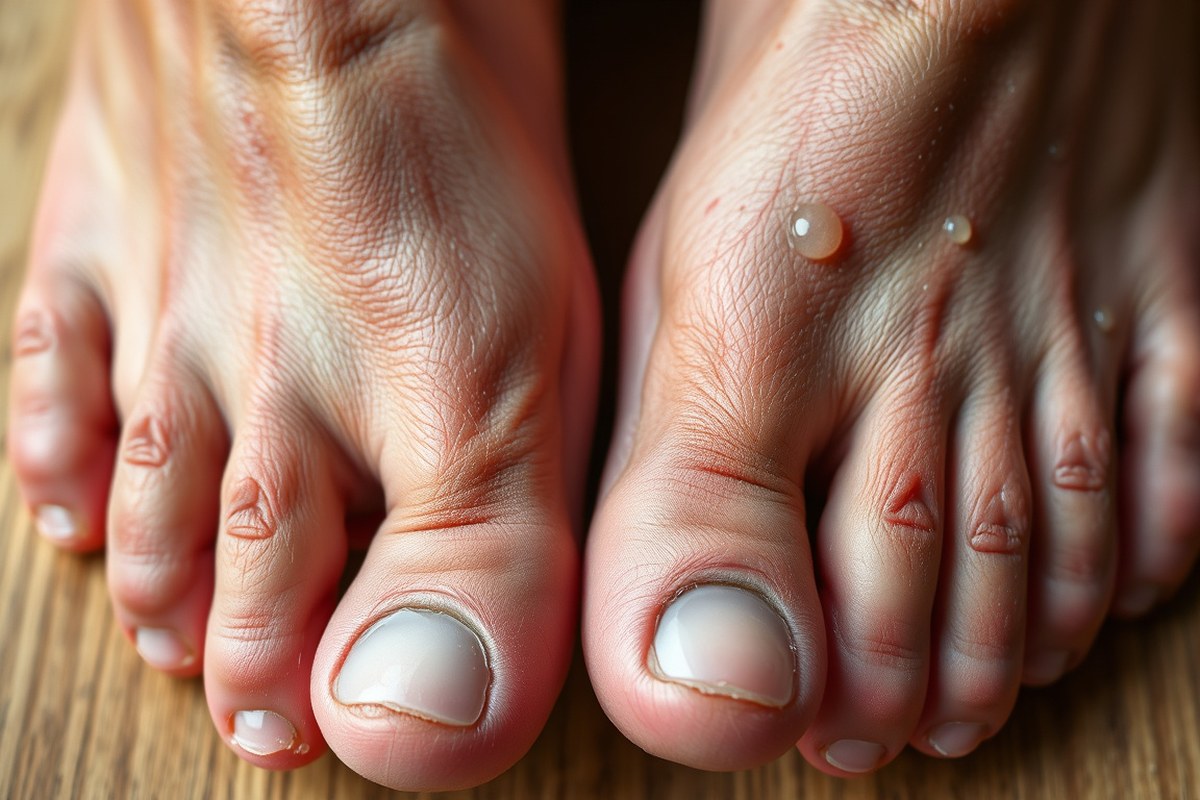
Feet smell bad mainly because of a mix of sweat, bacteria, and sometimes fungal infections. Your feet have over 250,000 sweat glands, which produce moisture to help regulate temperature. Sweat itself doesn’t have a strong smell. The problem begins when bacteria on your skin break down the sweat. These bacteria feed on dead skin cells combined with the moisture from sweat, producing acids that cause the unpleasant odor. This interaction is the primary source of foot odor.
Wearing shoes and socks that trap sweat creates a perfect environment for bacteria to thrive. Shoes without ventilation, especially if worn for long hours or multiple days, cause sweat to build up and keep your feet moist. This sealed, damp space encourages rapid bacteria growth, resulting in a stronger and more noticeable smell. Keeping your feet dry and allowing air circulation reduces this buildup and slows bacteria activity.
Fungal infections also play a role in foot odor. Athlete’s foot, caused by a common fungus called tinea pedis, can lead to a bad smell along with itching, dryness, or scaling. Nail fungus may contribute to odor and often requires a medical diagnosis for effective treatment. Unpleasant foot smell despite regular hygiene may indicate a fungal infection.
Not everyone experiences foot odor to the same degree. Genetics, sweat gland activity, and daily habits all affect how strong foot odor can become. Some people naturally produce more sweat or have a skin environment that encourages bacterial growth. Other factors include how often you change socks and shoes, hygiene routine, and how much time your feet spend enclosed in footwear. Reducing moisture and bacteria is key for everyone, but understanding your personal sweat patterns helps tailor prevention efforts effectively.
Reducing foot odor starts by controlling sweat and bacteria contact. Keeping feet clean and dry limits the food supply for bacteria that produce stinky acids. Managing shoes and socks to allow breathability supports this too. Prompt treatment of fungal infections prevents worsening odor and skin problems. Awareness of these causes helps you take precise actions to eliminate foot odor and improve comfort.
Daily Foot Hygiene: Washing, Drying, and Nail Care
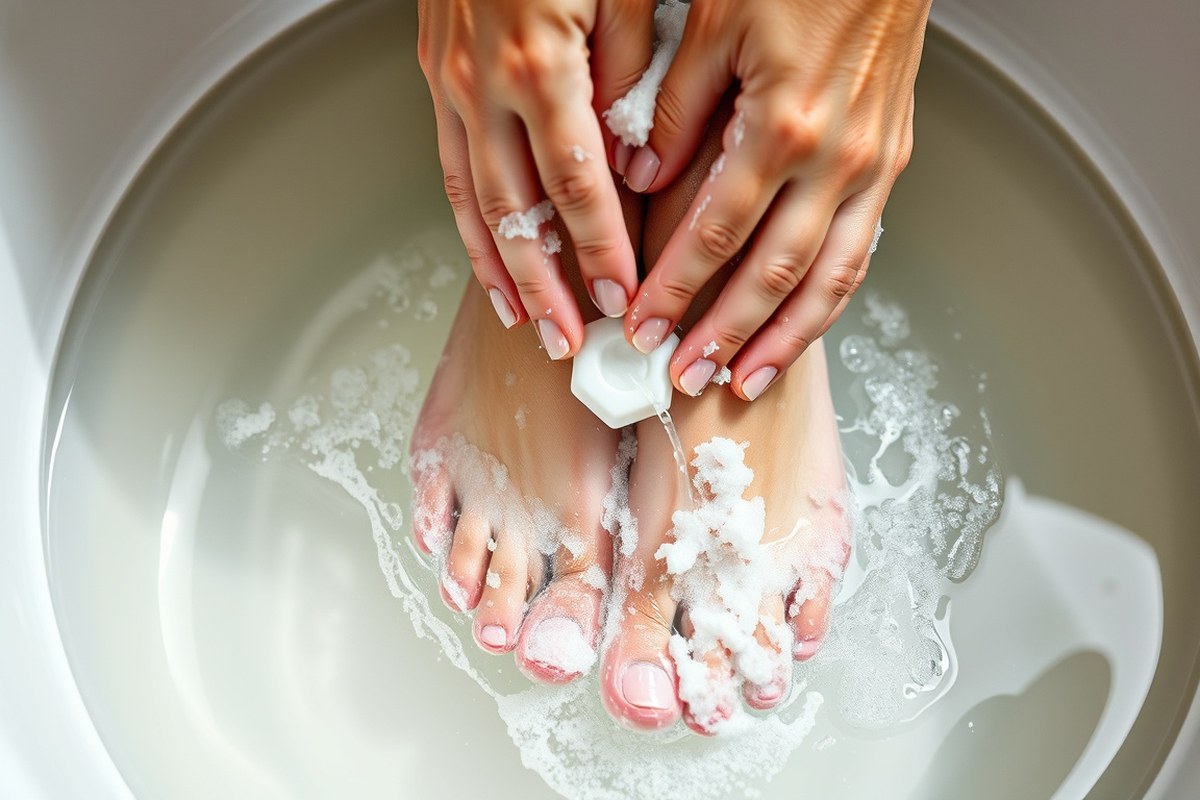
Wash your feet daily with soap and warm water to remove odor-causing bacteria. Focus on thorough drying, especially between your toes, to prevent moisture buildup that encourages bacterial growth. Keep toenails trimmed and clean to avoid trapping dirt and germs that worsen foot odor.
Choosing the Right Soap and Cleanser
Select an antibacterial soap designed to kill odor-causing bacteria effectively. Regular or moisturizing soaps do not always eliminate the germs that contribute to foot odor. Antibacterial cleansers help reduce bacteria present on your skin and nails, lowering odor risk.
Avoid harsh soaps with strong fragrances since they can irritate the skin and increase sweating, potentially making odor worse. Mild, antibacterial soaps are widely available, often costing under $10 for a standard bottle.
Proper Washing Techniques and Timing
Wash your feet once a day using warm water. Warm water helps loosen dirt, sweat, and oils while encouraging better penetration of the soap to kill bacteria. Cold water baths do not have the same antibacterial benefit and may leave residues that harbor bacteria. Follow these steps for effective foot washing:
- Fill a basin or use the shower with warm water around 90°F to 105°F (32°C, 40°C).
- Apply antibacterial soap to your hands or a soft washcloth.
- Gently clean all foot surfaces, including the soles, tops, sides, and heel.
- Scrub between the toes carefully to remove trapped sweat and debris.
- Wash under each toenail to clear dirt, dead skin, and germs.
- Rinse thoroughly with warm water to remove all soap and residues.
- Pat dry with a clean towel, paying special attention to spaces between toes.
Avoid scrubbing aggressively as it can irritate skin and increase sweat production, which may worsen foot odor.
Effective Drying to Prevent Moisture Buildup
Dry your feet completely every time after washing. Moisture between toes provides an ideal environment for bacteria and fungi to grow, leading to more odor and possible infections. Use a soft, absorbent towel and dry carefully between all toes.
Consider using a cotton ball or a clean soft cloth to dry hard-to-reach spaces between the toes. Let your feet air dry for a few extra minutes if possible before putting on socks or shoes. This extra step reduces moisture trapped in footwear during the day.
Toenail Trimming and Care Tips
Trim your toenails regularly every 1 to 2 weeks to prevent buildup of dirt and bacteria beneath them. Toenails hold sweat, dirt, and dead skin that create a breeding ground for odor-causing germs if neglected. Keeping nails short helps minimize this problem. When trimming:
- Use clean, sharp nail clippers dedicated only to toenails.
- Cut straight across to avoid ingrown nails.
- File any sharp edges gently.
- Clean under your nails with a nail brush or a damp cloth.
- Consider using a cotton swab dipped in isopropyl alcohol around the nail edges before bed to kill lingering bacteria and dry the skin.
Maintaining clean, trimmed toenails reduces the surface area where odor-causing bacteria can thrive, helping keep feet fresher longer.
Effective Foot Soaks: Recipes and Usage Guidelines
Foot soaks can effectively reduce foot odor by killing bacteria and drying excess moisture. Using simple ingredients like black tea, baking soda, vinegar, and Epsom salt makes these soaks affordable and easy to do at home. Following correct recipes and soaking times ensures you get the best results without harming your skin.
Black Tea Foot Soak Recipe and Benefits
Soaking your feet in black tea helps neutralize odor-causing bacteria and tightens your skin to reduce sweating. Black tea contains tannins, natural compounds that dry out the skin and fight bacteria. Using this soak regularly can help control sweaty, smelly feet.
For best results, steep two black tea bags in hot water until it cools to a comfortable temperature, then soak your feet for 15 to 20 minutes. This soak is gentle enough for daily use over about a week to see noticeable odor reduction.
- Boil about 4 cups of water and pour it into a heatproof basin.
- Steep two black tea bags in the hot water for 10 minutes.
- Allow the water to cool to a warm but comfortable temperature, around 95°F to 105°F.
- Place your feet in the tea soak, fully submerging them.
- Soak for 15 to 20 minutes.
- Remove your feet and dry thoroughly, especially between the toes.
- Repeat once daily for 5 to 7 days for best odor control.
Baking Soda and Vinegar Soak Instructions
Baking soda helps neutralize foot odor by balancing pH and absorbing sweat, while vinegar creates an acidic environment that discourages bacterial growth. Combining these two creates a highly effective foot soak to fight tough odors.
Use lukewarm water to dissolve the ingredients, making it comfortable for a 15-minute soak. This soak is best done a few times a week, as vinegar’s acidity can be drying if overused.
- Fill a basin or tub with about 2 quarts of lukewarm water (90°F to 100°F).
- Add 3 tablespoons of baking soda and ½ cup of white vinegar to the water.
- Stir the solution gently to dissolve the baking soda.
- Place your feet in the soak, fully submerged.
- Soak your feet for 15 minutes.
- Remove your feet and rinse with clean water.
- Dry your feet completely before putting on socks or shoes.
- Repeat this soak 2 to 3 times per week.
Epsom Salt Foot Soak and Precautions
Epsom salt draws moisture out of the feet and can soothe irritation from excessive sweating, reducing odor. Adding essential oils like tea tree or eucalyptus increases antibacterial effects. However, frequent soaking or using hot water can lead to dry, cracked skin which worsens odor issues.
Limit Epsom salt soaks to 10 to 20 minutes in warm water to avoid skin dryness. After soaking, rinse and dry well. Avoid soaking if you have open sores or fungal infections without medical advice.
- Fill a basin or tub with warm water, around 90°F to 105°F.
- Add ½ cup of Epsom salt and stir until fully dissolved.
- Optionally, add 10 drops of tea tree or eucalyptus oil for added antibacterial benefits.
- Submerge your feet and soak for 10 to 20 minutes.
- Remove feet and rinse gently with clean water.
- Dry feet thoroughly, paying attention to areas between toes.
- Use this soak no more than 3 times a week to protect skin health.
Recommended Timings and Frequency
Foot soaks offer the best odor control when done regularly but not excessively. Daily soaks can be safe using gentle ingredients like black tea, especially for sweaty feet. More intense soaks with vinegar or Epsom salt should be limited to 2 or 3 times a week to prevent skin drying or irritation.
Each soak session should last between 10 to 20 minutes, long enough to kill bacteria and absorb moisture but short enough to protect your skin. Watch for signs of redness, dryness, or discomfort and reduce soaking times or frequency accordingly.
Combine foot soaks with thorough drying and clean socks for the best results. Persistent odor despite regular soaks may require extra treatments or professional advice.
Choosing Socks and Shoes to Prevent and Reduce Odor
Choosing the right socks and shoes plays a key role in preventing and reducing foot odor. Wearing socks that wick moisture away from the skin and shoes that allow air circulation keeps your feet drier and less prone to smell. Changing socks frequently and selecting shoes made for ventilation helps keep odors under control, especially if you sweat heavily.
Sock Materials: Cotton vs Synthetic Fibers
Although cotton socks feel soft and breathable, they tend to hold moisture against your skin. This trapped sweat creates a breeding ground for odor-causing bacteria. Synthetic fibers like polyester, nylon, or acrylic are usually better because many are designed to wick moisture away from your feet. Moisture-wicking socks pull sweat off your skin and help it evaporate, reducing dampness and odor.
Look for socks marketed as “moisture-wicking,” “breathable,” or “anti-odor.” Some sports socks blend synthetic fibers with natural ones to combine durability and comfort while managing moisture. Avoid purely cotton socks if foot odor is a problem, especially when wearing closed shoes for many hours. For everyday use, synthetic or blended socks cost about $5 to $15 per pair and last several months with proper care.
Ideal Sock Changing Schedules
You should never wear the same pair of socks for more than a day. Change your socks daily at minimum. For people with excessive sweating (hyperhidrosis) or active lifestyles, change socks two or three times a day to keep feet dry and fresh. This reduces moisture and odor buildup throughout the day.
Remove your socks soon after taking off shoes, and consider packing an extra pair if you expect long hours or strenuous activity. Clean socks absorb sweat and prevent direct contact between sweat and shoe lining, lowering odor risk.
Shoe Features That Reduce Odor
Shoes made from natural materials like leather or canvas generally breathe better than synthetic or plastic ones. Shoes with mesh panels or ventilation holes allow air flow, helping sweat evaporate instead of soaking the inside. Poorly ventilated synthetic shoes tend to trap heat and moisture, contributing to stronger foot odor.
Shoe design also matters. Avoid fully enclosed boots or heavy shoes without breathable uppers if you struggle with foot smell. Open-toed shoes or sandals allow maximum airflow but only wear them in appropriate settings.
- Shoes with leather or mesh uppers
- Well-ventilated soles or perforations
- Lightweight designs to reduce heat buildup
- Odor-fighting insoles available for extra protection
- Closed-toed shoes paired with moisture-wicking socks
- Proper fit to avoid excessive friction and moisture
- Easy-to-clean materials for regular hygiene
Investing roughly $50 to $100 on quality breathable shoes can lower odor significantly and improve overall foot health.
Shoe Rotation and Airing Strategies
Using the same shoes on back-to-back days holds in moisture, increasing foot odor. Switch between at least two pairs so each can dry completely for 24 to 48 hours before wearing again. This helps reduce bacterial buildup inside your shoes.
After taking shoes off, leave them in a dry, ventilated area rather than closed inside a locker or closet. Use shoe trees or stuff shoes with newspaper to absorb moisture faster. If possible, place shoes near a fan or air vent overnight.
For heavily sweaty feet, sprinkle foot powder or cornstarch into shoes before wearing, and remove any insoles daily to air them separately. Regular airing and rotation coupled with good sock habits can keep both your feet and shoes smelling fresh.
Using Powders, Sprays, and Antiperspirants Safely and Effectively
To reduce foot sweat and odor effectively, using powders, sprays, and antiperspirants designed for feet can be a practical solution. Antiperspirants with aluminum salts temporarily block sweat glands, which reduces moisture and helps prevent the bacteria that cause odor from thriving. Foot powders and deodorant sprays work by absorbing sweat and neutralizing smell. For those with excessive sweating due to overactive sweat glands, such as with hyperhidrosis, these treatments can significantly improve comfort and reduce smell, although managing foot odor can remain challenging.
Applying these products after washing and thoroughly drying your feet improves their effectiveness. Use powders daily or as needed, focusing on areas between toes and the soles where sweating is most intense. Sprays and antiperspirants work best when applied at night before bed, allowing the product to absorb overnight, then rinsed off in the morning. Avoid applying antiperspirants to broken or irritated skin to prevent irritation. Choose products specifically labeled for foot use for safety and efficacy.
| Product Type | How It Works | When to Use | Pros | Cons |
|---|---|---|---|---|
| Foot Powders | Absorb sweat and reduce moisture | Daily after feet are dry | Easy to apply, controls moisture | Needs frequent reapplication if sweating heavily |
| Deodorant Sprays | Neutralize odor-causing bacteria | After washing, as needed for odor | Quick odor relief | Temporary effect, may irritate sensitive skin |
| Foot Antiperspirants | Blocks sweat glands using aluminum salts | Apply at night, rinse in the morning | Reduces sweat and odor at source | Not for broken skin, potential irritation |
Many people make mistakes like applying these products on wet feet, which can reduce their effect, or overusing sprays causing skin irritation. Another common error is relying only on deodorants that mask odor but do not address sweating, which often worsens smell over time. Consistency is key; using antiperspirants regularly can help control sweat, which is the root cause of foot odor.
Tip: Apply antiperspirant to dry, clean feet at night and wash it off in the morning for best results in controlling excessive foot sweating.
Choosing the right product depends on your specific needs. For mild odor, powders or deodorant sprays may suffice. For heavy sweating, an antiperspirant is more effective. Some products cost between $5 and $15 and are widely available in pharmacies. Monitoring your skin for irritation and adjusting frequency of application ensures safe use. If these products don’t work or cause discomfort, consulting a healthcare professional is the next step to explore stronger treatments or underlying causes.
How to Disinfect and Deodorize Shoes to Prevent Odor Build-Up
Shoes can harbor the bacteria and fungi that cause foot odor, so disinfecting and deodorizing them is essential to prevent smells from returning. Keeping your shoes dry and clean stops these microbes from growing inside. Proper shoe care reduces the chance of recurring foot odor and helps your feet stay fresh.
Cleaning your shoes regularly and using specific products designed to kill bacteria and fungus are effective ways to keep odors at bay. Avoid common mistakes such as wearing the same pair every day without airing them out or neglecting to dry damp shoes thoroughly; both encourage microbial growth and worsen smell. Follow these steps to disinfect and deodorize your shoes safely and effectively:
- Remove insoles and laces. Take out insoles and laces so you can clean all shoe parts separately and let everything dry thoroughly.
- Clean surfaces with a mild detergent. Use a mixture of warm water and mild soap to scrub inside and outside of shoes gently. Avoid soaking shoes that may get damaged from excess water, such as leather.
- Apply an antibacterial and antifungal shoe spray. Use sprays designed to kill odor-causing germs. Spray the interior of your shoes evenly, following label instructions for best results.
- Let shoes air dry completely. Place shoes in a well-ventilated area out of direct harsh sunlight to avoid damage. Sunlight helps reduce odors but extended exposure can ruin certain materials like leather. Drying shoes thoroughly may take 24 to 48 hours.
- Use odor-absorbing inserts or powders. Adding charcoal or baking soda inserts helps absorb moisture and odors during storage. Replace or refresh these products regularly, about once a month or when they lose effectiveness.
- Alternate your footwear daily. Rotate shoes to give each pair at least a day to dry and air out completely before wearing again.
- Check insoles for damage. Replace worn or damaged insoles that can trap sweat and bacteria even after cleaning.
Hand washing and spraying your shoes can be very affordable; mild detergent costs just a few dollars, and shoe disinfectant sprays range roughly from $8 to $15 per bottle. Regular upkeep prevents stronger odors that may require professional cleaning or even replacing the shoes prematurely.
When to Seek Medical Help for Persistent Foot Odor
Persistent foot odor might signal more than just everyday sweat and bacteria. Recognizing when to see a doctor can prevent complications and lead to effective treatment. Foot odor that won’t improve despite good hygiene, regular sock changes, and airing out shoes should raise concern. If you notice swelling, redness, itching, or skin peeling, an infection like athlete’s foot or fungal toenail could be the cause. These conditions often require prescription antifungal medication, which your healthcare provider can prescribe after examination.
You should also seek medical attention if foot odor is accompanied by pain, sores that don’t heal, or if the skin appears cracked and inflamed. These signs might indicate a more severe bacterial infection or circulatory issues affecting foot health. Poor blood flow to the feet can cause tissue decay, leading to a strong, unpleasant odor and potential complications that need timely intervention.
Medical treatment options go beyond topical remedies. Those with hyperhidrosis, a condition causing excessive sweating, may benefit from prescription antiperspirants, oral medications, or other interventions recommended by a podiatrist. Specialist treatments might include iontophoresis, Botox injections, or even surgery in rare cases, all aimed at reducing sweat production and managing odor effectively.
Determining whether the odor comes from a bacterial or fungal cause usually requires a healthcare professional’s assessment. A doctor may take a skin scraping or nail clipping to identify the specific infection. Fungal infections often produce a musty smell with visible signs like scaling or blisters. Bacterial infections can cause more pungent, sour odors and may be linked to skin breakdown.
Here’s a clear rule to follow: if your foot odor lasts longer than two weeks despite daily washing, changing socks, and shoe rotation, schedule a medical evaluation. Add to that any unusual symptoms such as redness, swelling, pain, or open wounds, and seek care promptly. Early diagnosis and treatment reduce the risk of complications, including the spread of infection and permanent tissue damage.
Costs for medical treatment vary widely depending on location and insurance. Visiting a general practitioner or podiatrist often ranges between $100 and $300 without insurance, and prescription antifungal or antiperspirant medications typically cost between $20 and $80 out of pocket. Prompt treatment often yields noticeable improvement within two to four weeks. Ignoring persistent odor linked to infection or medical conditions may lead to worsening symptoms and the need for more intensive care.
Daily, Weekly, and Monthly Foot Care Checklist for Odor Control
Reducing and preventing foot odor happens most effectively when you follow a consistent care routine tailored to daily, weekly, and monthly needs. Daily habits clear away sweat and bacteria that cause smell. Make it a point to wash your feet with warm water and mild soap every day, paying attention to the areas between toes. Dry your feet thoroughly after washing because dampness allows odor-causing bacteria to thrive. Applying foot powder or an antiperspirant suitable for feet right after drying can control moisture and odor throughout the day.
Weekly care should dive deeper into foot cleanliness and footwear maintenance. You can soak your feet in warm water mixed with a small amount of antibacterial soap, Epsom salt, or apple cider vinegar for 15 to 20 minutes. This soak helps reduce bacteria and soften skin to avoid cracks or calluses that trap sweat and dirt. Rotate your shoes to give them at least 24 hours to air out completely, and sprinkle baking soda or specialized shoe powder inside to control odor. Washing or replacing socks at least every two days, or daily if you sweat heavily, also makes a big difference. With this routine, you reduce the buildup that daily cleaning might miss and keep footwear fresh between uses.
- Wash and dry feet thoroughly every day, especially between toes.
- Apply foot powder or antiperspirant on clean, dry feet before putting on socks.
- Soak feet once or twice a week for 15, 20 minutes with antibacterial additives.
- Rotate shoes daily and deodorize insoles with baking soda or shoe powder weekly.
- Change socks at least every two days or daily for heavy sweating.
- Trim nails regularly and inspect skin to prevent infections or fungal growth.
- Allow shoes to dry completely for 24 hours before wearing again.
Monthly foot care involves checking for persistent skin problems and deep-cleaning or replacing anything that contributes to odor. Inspect shoes for wear and lingering smells after repeated use; some shoe inserts can be washed or replaced to help. Use antifungal powders or sprays if you notice any signs of athlete’s foot or persistent itching. Consider investing in moisture-wicking socks designed for heavier sweating if basic cotton socks aren’t enough. Keeping nails clipped and skin smooth helps prevent sweat and debris buildup in crevices where odor develops.
Failing to dry feet thoroughly after washing lets bacteria multiply, often making foot odor worse despite good cleaning.
Common mistakes include skipping drying or skipping regular sock changes, which undo your cleaning efforts. Wearing the same shoes two days in a row without airing them out encourages ongoing odor problems. Some people overuse harsh soaps or antifungal products, irritating the skin and making odors stinkier. Keep your routine balanced and consistent, and expect noticeable improvement within a week if you stick with these care steps.
Step-by-Step Action Plan to Stop Stinky Feet
Follow these steps to tackle foot odor effectively and keep your feet fresh from day one. Track your progress with simple checks after each phase.
- Day 1: Wash your feet thoroughly with soap and water, then dry completely, especially between toes. You’ll know it worked if your feet feel clean without dampness.
- Day 2: Start wearing clean, moisture-wicking socks and alternate shoes daily. Notice less sweat buildup and reduced wetness inside your shoes by the end of the day.
- Day 3: Apply an over-the-counter foot powder or antiperspirant to dry feet. You’ll see improvement if your feet stay drier and odor decreases.
- Week 1: Soak your feet 2, 3 times this week in a recommended solution like diluted apple cider vinegar or Epsom salt, 10, 15 minutes each time. Your feet should feel refreshed, and odor should lessen after each soak.
- Week 2: Disinfect and deodorize your shoes using sprays or by airing them out in sunlight regularly. Shoes that smell fresher indicate success.
- Weekly: Trim and clean toenails carefully, and inspect feet for any signs of infection or irritation. Healthy nails without discoloration show good foot care.
- After 3 Weeks: Assess overall foot odor; if it has improved significantly, continue this routine. If odor persists despite these efforts, schedule a visit with a healthcare professional for possible medical treatment.
Frequently Asked Questions
What Kills Bacteria in the Feet?
Antibacterial soaps, foot soaks with ingredients like vinegar or tea tree oil, and specialized foot sprays can kill bacteria on the feet. Keeping your feet clean and dry limits bacteria growth and helps stop foot odor.
What Is the Strongest Foot Odor Remover?
Strongest odor removers combine antibacterial ingredients and moisture control, such as powerful foot sprays or powders with aluminum compounds. Removing bacteria and sweat together is key to reducing the strongest foot smells effectively.
Are Stinky Feet Unhealthy?
Stinky feet are usually not harmful but signal bacteria or fungus overgrowth. Proper hygiene prevents infections, but persistent bad odor might need medical attention to rule out conditions like fungal infections.
Why Do My Feet Absolutely Stink?
Your feet stink mainly due to bacteria breaking down sweat on your skin, producing odor. Excess sweat keeps bacteria active, so drying feet and wearing breathable shoes reduces the smell significantly.
Can Diet Affect Foot Odor?
Yes, foods like garlic and onions can increase foot odor, while staying hydrated helps reduce it. Avoiding strong-smelling foods may improve your overall body odor, including your feet.
Does Sweating More Mean Smellier Feet?
Not always, but more sweat provides moisture that bacteria thrive on, often leading to stronger odor. Managing sweat with antiperspirants and moisture-wicking socks can help control foot smell.
Final Thoughts
Controlling foot odor centers on consistent care and smart choices with hygiene, footwear, and treatments. Start today by thoroughly washing and drying your feet every day before putting on clean, moisture-wicking socks. This small step helps minimize sweat and odor-causing bacteria, laying the foundation for fresher feet throughout the day.