How to Get Rid of Hormonal Belly: 8 Proven Steps for Lasting Fat Loss
To get rid of hormonal belly, focus on balancing key hormones through targeted exercise, improved nutrition, better sleep, and stress management. Simple lifestyle changes like strength training and modest calorie adjustments can help shift stubborn belly fat linked to hormonal changes, especially during midlife. Dieting alone often fails to address the root causes of this type of fat.
This information suits women aged 35 to 60 who notice increased belly fat due to perimenopause or menopause. You’ll find eight proven steps covering hormone effects, exercise, diet, sleep, stress, supplements, and tracking progress to support lasting fat loss and control of hormonal belly.
Key Takeaways
- Hormonal belly fat mainly involves increased visceral fat around organs, differing from subcutaneous fat by posing higher health risks like heart disease.
- Declining estrogen and rising cortisol during menopause shift fat storage to the belly, increasing visceral fat from 5-8% to 15-20% of body fat.
- Exercise combining 150+ minutes of moderate aerobic activity and strength training weekly can significantly reduce hormonal belly fat.
- A balanced diet focusing on whole foods and reduced carbs supports fat loss and lowers belly fat linked to hormonal changes.
- Prioritize 7 to 9 hours of quality sleep and manage stress to reduce cortisol levels and avoid excess fat gain around the midsection.
- Supplement use or medical guidance may be necessary if lifestyle changes alone don’t improve hormonal imbalance and belly fat.
1. What Is Hormonal Belly Fat and How Is It Different?

Hormonal belly fat refers to the accumulation of fat around your midsection caused by changes or imbalances in hormones. Unlike general belly fat that often results from overeating, lack of exercise, or aging, hormonal belly fat stems from shifts in hormone levels related to factors like menopause, chronic stress, or medical conditions affecting your endocrine system. This type of fat tends to be more stubborn and may not respond as well to traditional dieting or exercise routines alone.
The term “cortisol belly” is popular on social media but is not a formal medical diagnosis. Cortisol, known as the stress hormone, can influence where your body stores fat, often promoting fat gain around the abdomen. However, most people with belly fat do not have abnormally high cortisol levels. Chronic stress may raise cortisol modestly, potentially contributing to increased belly fat over time, but it’s just one part of a complex hormonal picture. Medical conditions like Cushing syndrome can cause significant cortisol elevation and related fat gain, but these require professional diagnosis and treatment.
In practical terms, identifying hormonal belly fat involves recognizing that standard weight gain caused by lifestyle factors differs from belly fat influenced by hormones. You might notice that changing your diet or exercise doesn’t reduce your belly fat as expected, especially if you’re in midlife or undergoing hormonal changes like perimenopause or menopause. Hormonal imbalances may cause your body to hold on to visceral fat, the deeper fat around organs, making the belly feel firm or bloated.
To address hormonal belly fat, start by understanding your body’s hormonal status. Discuss symptoms such as sudden or unexplained abdominal fat gain, difficulty losing weight despite healthy habits, or signs of hormonal imbalance with your healthcare provider. Confirming hormone levels through blood tests can clarify whether factors like estrogen, progesterone, or cortisol are out of balance.
It’s important to recognize that hormonal belly fat usually requires a multi-faceted approach beyond calorie cutting. Effective management often includes improving sleep, reducing stress, and engaging in targeted exercise. Hormones respond slowly to lifestyle changes, so expect gradual progress over months rather than weeks. If a medical condition is diagnosed, following prescribed treatment is essential. Here’s a quick checklist to help distinguish hormonal belly fat from general belly fat: monitor your weight trends in relation to life milestones like perimenopause; note if belly fat resists standard diet or exercise changes; assess stress levels and sleep patterns; review medical history for hormone-related issues; and consult your healthcare professional for hormone testing when needed.
2. Which Hormones Influence Belly Fat and How?
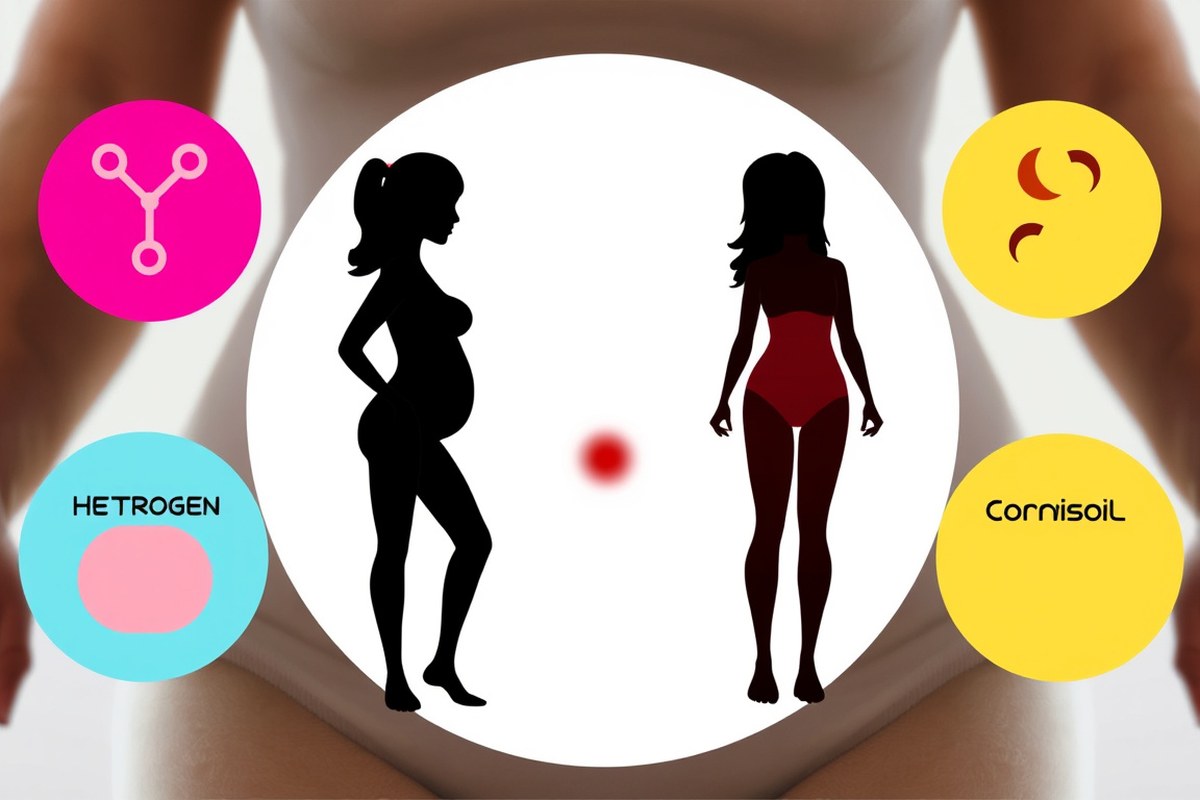
Several key hormones influence the buildup of hormonal belly fat by affecting how your body stores fat and regulates appetite. Cortisol, insulin, estrogen, and leptin all play significant roles in fat distribution and cravings, especially around midlife hormonal changes like perimenopause and menopause.
Cortisol, known as the stress hormone, increases belly fat by stimulating your appetite and triggering cravings for calorie-dense foods. Improve cortisol levels promote fat storage mainly in the abdominal area. Insulin regulates blood sugar, but when your body develops insulin resistance, often from high carb intake or inactivity, it results in more fat accumulation around your belly. Estrogen affects fat distribution directly; lower estrogen levels during menopause shift fat storage from hips and thighs to the belly, making it harder to lose weight.
Leptin, the hormone that signals fullness, becomes less effective when you have decreased sensitivity to it, causing increased hunger and cravings for sugar. This contributes to overeating and more belly fat.
Testing cortisol at home is possible through saliva kits found online or at pharmacies, but results vary widely and aren’t always conclusive. Blood tests done through a healthcare provider give more accurate cortisol levels throughout the day. Monitoring insulin and estrogen usually requires blood work under medical supervision.
| Hormone | Effect on Belly Fat | How It Changes Fat Distribution | Common Symptoms Related to Hormonal Belly |
|---|---|---|---|
| Cortisol | Raises appetite and cravings; increases belly fat | Stores fat mainly in the abdominal area | Stress, bloating, increased waist circumference |
| Insulin | Leads to fat storage when resistance develops | Promotes fat gain around the belly | Cravings for sugar, fatigue, bloated belly |
| Estrogen | Lower levels cause fat redistribution | Shifts fat storage from hips/thighs to belly | Increased abdominal fat, weight gain in midsection |
| Leptin | Decreased sensitivity increases hunger | Indirectly promotes excessive eating, belly fat gain | Persistent cravings, difficulty feeling full |
Managing your cortisol is often the first practical step to reducing hormonal belly fat. Since stress drives cortisol production, techniques like deep breathing, meditation, and better sleep routines can help. Reducing foods that spike insulin, like refined carbs, supports blood sugar control and lowers cortisol indirectly.
Track your stress levels and sleep quality as part of hormone management; small daily improvements can reduce cortisol-driven belly fat over weeks.
3. How Menopause and Hormonal Changes Affect Belly Fat
Menopause and the hormonal shifts that occur in perimenopause can cause fat to settle more around your midsection, rather than on hips or thighs. This happens primarily because estrogen levels decline, altering how your body stores fat. The reduction in estrogen encourages your body to store fat abdominally, which can appear as what many call “menopause belly.” Although aging contributes to slower metabolism and muscle loss, the change in hormone balance plays a significant role in redirecting fat storage patterns.
Not everyone experiences a large increase in belly fat at menopause, but it is common. Your genetic makeup, current weight, diet, and activity level also influence how much extra abdominal fat you gain. For some, menopause belly fat develops gradually over several years starting in the late 40s or early 50s, while others notice a more sudden change. Lifestyle habits built during this phase determine how pronounced and persistent that fat will be.
After menopause, the tendency to store fat around the belly becomes more permanent, so the fat often does not disappear on its own. Reducing it requires tailored lifestyle adjustments because your metabolism and hormone profile have shifted. Resistance training is especially helpful as it builds or maintains muscle mass, which can counteract the metabolic slow-down. Cutting about 200 calories per day from your diet, focusing on whole foods, and avoiding excess sugar, refined carbs, alcohol, and high-sodium processed foods support hormone balance and fat loss.
Sleep quality also impacts belly fat during menopause. Your body uses good sleep to regulate hormones that affect appetite and fat storage. Manage sleep disturbances by keeping caffeine moderate, always with food, and establishing a calming nightly routine. Stress management is equally important since stress hormones can worsen abdominal fat.
Different stages of menopause call for tailored adjustments. In perimenopause, when hormone fluctuations are more frequent, flexible eating with balanced meals and regular physical activity helps keep weight stable. After menopause, sustained focus on building muscle and eating a nutrient-rich, lower-calorie diet is key. Your effort to align lifestyle with your hormonal phase can improve not only the appearance of your belly but also reduce long-term risks like cardiovascular disease linked to excess abdominal fat.
4. Exercise Strategies That Target Hormonal Belly Fat
Exercise that combines cardio, strength training, and high-intensity interval training (HIIT) works best to reduce hormonal belly fat. Aim for 150 minutes of moderate cardio weekly along with two strength training sessions. Adding HIIT can speed up belly fat loss by targeting visceral fat effectively.
Aerobic Cardio Benefits and Options
Aerobic cardio burns calories and reduces overall body fat, including the belly area where hormonal changes often cause fat buildup. The CDC recommends at least 150 minutes of moderate-intensity aerobic exercise per week, such as brisk walking, cycling, or swimming, to manage weight and decrease visceral fat.
To maximize fat loss, you can increase cardio duration beyond 300 minutes weekly. This helps waistlines respond better, especially during midlife hormonal shifts. Choose activities you enjoy to stay consistent and lower injury risk.
Incorporating Strength Training Safely
Strength training is important for hormonal belly fat because it builds muscle and reduces cortisol-related belly fat. Aim for two sessions per week focused on major muscle groups. Strength training supports metabolic rate, making it easier to lose fat and maintain lean body mass as hormones change.
Start with manageable weights or resistance bands and increase intensity gradually to prevent injury. Women in midlife should consider working with a trainer initially to ensure safe form and effective routines.
High-Intensity Interval Training (HIIT) Guide
HIIT involves short bursts of intense effort followed by rest or light activity, making it an efficient way to reduce visceral fat. Research shows HIIT is particularly good at targeting stubborn belly fat linked to hormones.
You can add one or two HIIT sessions weekly to your routine alongside cardio and strength training. Each session only takes about 20 to 30 minutes but provides significant fat-burning benefits. Here’s a weekly workout template combining these elements for hormonal belly fat:
- Plan 3 cardio sessions: Aim for 30-50 minutes of brisk walking, cycling, or swimming on Monday, Wednesday, and Friday.
- Add 2 strength training sessions: Perform full-body resistance workouts on Tuesday and Thursday with exercises like squats, push-ups, and dumbbell rows.
- Include 1-2 HIIT sessions: Choose Tuesday and/or Thursday after strength training or Saturday for a 20-minute interval session.
- Rest and recover: Use Sunday for active recovery with gentle stretching or yoga to support flexibility.
- Warm up and cool down: Spend 5 minutes warming up and cooling down before and after each session to reduce injury risk.
5. Dietary Changes Proven to Reduce Hormonal Belly Fat
Adjusting your diet can significantly reduce hormonal belly fat by balancing insulin and cortisol levels, promoting fat loss, and improving appetite control. Low-carb and keto diets limit insulin spikes, while intermittent fasting helps regulate hormones related to hunger and fat storage. Focusing on fiber-rich and anti-inflammatory foods further supports your hormonal health.
Foods That Support Hormonal Balance
Incorporate high-fiber foods like oats, beans, and leafy greens, as soluble fiber helps reduce belly fat by slowing digestion and improving insulin sensitivity. Healthy fats from avocados, nuts, and olive oil support hormone production without causing weight gain. Protein-rich foods such as eggs, lean poultry, and plant-based proteins help regulate appetite hormones, keeping you full longer.
Cruciferous vegetables like broccoli and Brussels sprouts assist in metabolizing excess estrogen, which can contribute to belly fat accumulation during menopause. Including fermented foods such as yogurt or sauerkraut can promote gut health, which is closely linked to hormonal balance.
Foods and Habits to Avoid
Sugary drinks and snacks cause insulin spikes that lead to fat storage, especially around the belly. Cutting back on added sugars in beverages helps you save calories for nutrient-dense meals. Processed foods often contain unhealthy fats and excess sodium, which can increase inflammation and worsen hormonal imbalances.
Limit refined carbohydrates such as white bread, pastries, and pasta because they quickly raise blood sugar and insulin levels, promoting fat storage. Also, avoid large alcohol consumption; it disrupts liver function, which is important for hormone detoxification, and may increase belly fat.
Be wary of “low-fat” packaged foods; they often contain added sugars that can spike insulin and worsen belly fat.
Meal Timing and Its Impact on Hormones
Intermittent fasting, where you eat within a 6-8 hour window and fast for 16-18 hours, has shown significant benefits in reducing belly fat by lowering insulin levels and increasing fat burning hormones like norepinephrine. For example, delaying breakfast until late morning and finishing dinner by early evening creates a fasting period that supports hormone regulation.
Try to avoid late-night eating, which can disrupt your circadian rhythm and cortisol levels, making it harder to lose belly fat. Consistent meal times encourage stable blood sugar and hormone levels throughout the day. Be mindful of portion sizes and focus on balanced meals to avoid constant hunger and sugar cravings, common signs of hormonal imbalance in women during perimenopause and menopause. Try this weekly sample meal plan focused on hormonal belly fat reduction:
| Day | Breakfast | Lunch | Dinner |
|---|---|---|---|
| Monday | Greek yogurt with mixed berries & chia seeds | Grilled chicken salad with avocado and mixed greens | Salmon with roasted Brussels sprouts and quinoa |
| Tuesday | Oatmeal with walnuts and cinnamon | Vegetable stir-fry with tofu and brown rice | Zucchini noodles with turkey meatballs and tomato sauce |
| Wednesday | Green smoothie with spinach, protein powder, and banana | Lentil soup and whole-grain bread | Baked cod with steamed broccoli and sweet potato |
| Thursday | Scrambled eggs with sautéed kale and mushrooms | Quinoa salad with chickpeas, cucumber, and feta cheese | Grilled shrimp with mixed vegetable kebabs |
| Friday | Chia pudding with almond milk and blueberries | Turkey and avocado wrap in a whole-grain tortilla | Eggplant parmesan with side salad |
| Saturday | Whole-grain toast with almond butter and apple slices | Roasted vegetable and hummus bowl | Grass-fed beef stir-fry with bok choy and brown rice |
| Sunday | Protein pancakes made with almond flour and fresh fruit | Spinach and goat cheese salad with grilled chicken | Baked trout with asparagus and wild rice |
Follow these steps for sustainable dietary changes that reduce hormonal belly fat:
- Track your daily food and beverage intake for at least one week to identify triggers.
- Gradually reduce sugary and processed foods, replacing them with whole foods high in fiber and healthy fats.
- Incorporate intermittent fasting by shortening your eating window, aiming for 8 hours or less.
- Cook meals at home using fresh ingredients to control portions and reduce hidden sugars.
- Plan balanced meals including lean protein, fiber-rich vegetables, and healthy fats.
- Monitor your hunger cues and avoid eating late at night to maintain stable hormone levels.
- Stay hydrated and replace sugary drinks with water, herbal tea, or black coffee.
- Adjust your plan as needed based on your energy levels, cravings, and progress over 4 to 6 weeks.
6. Managing Sleep and Stress to Control Hormonal Belly
Quality sleep and effective stress management are essential for reducing hormonal belly fat. Sleep impacts hormone balance, particularly cortisol, a stress hormone linked to abdominal fat storage. Aim for 7 to 9 hours of uninterrupted, restful sleep each night to help lower cortisol levels. Poor sleep can increase cravings for high-carb foods and disrupt hunger hormones, which makes managing weight more difficult. Establishing a consistent bedtime routine and creating a dark, cool, and quiet sleeping environment are practical steps to improve sleep quality.
Stress triggers cortisol release, and chronic high cortisol encourages fat to accumulate around the abdomen. Techniques to reduce stress quickly include mindfulness practices like deep breathing, progressive muscle relaxation, and short meditation sessions. For example, spending 5 to 10 minutes daily practicing focused breathing or guided meditation can lower cortisol levels. Physical activity, such as walking or gentle yoga, also helps by reducing stress hormones while promoting relaxation.
The impact of stress reduction on belly fat can be seen in weeks to months, though it depends on individual variation and consistency. A 2022 study showed mindfulness can both reduce stress and improve sleep quality, indirectly lowering cortisol and aiding belly fat reduction. Begin by adding stress management practices to your daily routine, especially during moments of heightened stress. Consistency, like practicing relaxation techniques twice daily, improves the likelihood of noticeable changes.
It helps to track sleep hours and stress levels side by side to see how improvements affect your belly fat over time. Avoiding alcohol close to bedtime is important since it disrupts sleep quality and can raise cortisol. When sleep and stress are better managed, hunger regulation improves, reducing calorie intake and carb cravings, which supports fat loss around the midsection.
For different situations, adapt your approach: if busy schedules interfere with sleep, prioritize short naps and wind-down time before bed. For high-stress moments, use quick breathing exercises or a brief walk outside. Stress management costs mainly time and commitment, but some may benefit from professional support or structured programs designed to reduce cortisol effectively. If belly fat persists despite these changes, consult a healthcare professional for tailored advice.
7. When Supplements or Medical Support May Be Needed
Supplements can support hormonal balance and ease factors contributing to hormonal belly fat, but they are rarely a standalone solution. Consider supplements if lifestyle changes like diet, exercise, sleep, and stress management have not improved your belly fat after at least 3 months. For safe options, targeted supplements like The Stress Bundle from Midi, which includes Daily Omega-3+, Daily Cortisol Support, and Daily Fiber+, are formulated to help reduce cortisol and support hormonal health. Always check with your healthcare provider before starting any new supplement, especially if you have underlying health conditions or take other medications.
Supplements that focus on lowering cortisol may aid in managing stress-related belly fat. Cortisol support formulas often include adaptogens and nutrients such as magnesium or ashwagandha. Omega-3 fatty acids support overall hormonal function and inflammation reduction. Fiber helps regulate digestion, which is important for maintaining healthy weight and hormonal balance. However, supplements alone won’t address the root causes of hormonal belly fat and should complement lifestyle adjustments.
Knowing when to seek medical advice is important. Consult a healthcare professional if you notice sudden, severe increases in belly fat, unexplained weight gain despite lifestyle efforts, irregular or missed menstrual cycles, or symptoms suggesting hormonal imbalances such as fatigue, sleep disruption, or mood swings. A hormonal panel or metabolic tests ordered by an endocrinologist or your primary care provider can identify specific imbalances or conditions like thyroid disorders or insulin resistance.
Medical and surgical treatments may be options in select cases after lifestyle and supplements have been addressed. Procedures such as liposuction are cosmetic and best discussed with a board-certified plastic surgeon. Non-invasive treatments like CoolSculpting Elite or Emsculpt NEO offer fat reduction and muscle toning. Studies show an average 30% fat reduction and a 25% muscle increase after four weekly treatments. These treatments usually cost several thousand dollars and require commitment to maintenance through lifestyle.
Deciding whether to try supplements or medical treatments depends on your goals, health status, and response to initial interventions. Start with a 3- to 6-month trial of focused lifestyle changes plus support supplements if needed. If insufficient progress or more severe symptoms persist, seek professional evaluation to rule out serious hormonal disorders and discuss options. For cosmetic concerns, consult experienced surgeons or clinicians offering body contouring technologies rather than turning immediately to invasive solutions.
8. Measuring Progress and Avoiding Common Mistakes
Measuring progress in reducing hormonal belly fat goes beyond just watching the scale. Using waist measurements and understanding body composition offers a clearer picture of fat loss, especially since hormonal changes can shift how and where your body stores fat. Avoid common mistakes like relying solely on weight, ignoring eating patterns, or mismanaging caffeine and alcohol intake to see meaningful results.
Tracking Waist Circumference and Body Composition
Measuring waist size is a straightforward and effective method to keep an eye on belly fat changes. For women, a waist circumference over 35 inches (89 centimeters) indicates unhealthy abdominal fat levels and a higher chance of heart disease and type 2 diabetes, says the Mayo Clinic. Tracking your waist every two weeks with a tape measure provides concrete evidence of progress, even if your weight remains the same.
Body composition analysis, such as bioelectrical impedance scales or professional DEXA scans, can reveal changes in fat versus muscle mass. Muscle loss naturally occurs with age, which can slow metabolism and hide fat loss on a standard scale. Tracking both waist size and muscle mass can motivate you and guide adjustments in diet and exercise.
Spot-Reduction Myths Debunked
Trying to reduce belly fat by targeting abdominal exercises alone is a common mistake. Spot reduction is largely a myth; your body decides where it loses fat based on genetics, hormones, and overall calorie balance. Hormonal belly fat often relates to visceral fat, which responds better to lifestyle shifts rather than crunches or sit-ups.
Complete strategies combining full-body exercise, dietary changes, stress management, and quality sleep are more effective. Consistent strength training can help rebuild muscle lost with age, boosting resting metabolism and supporting fat loss from all areas, including the belly.
Top Mistakes and How to Correct Them
Several errors can prevent hormonal belly fat loss or cause weight regain:
- Relying solely on weight scales and ignoring waist measurements
- Skipping strength training and focusing only on cardio
- Eating late at night or irregularly disrupting metabolism
- Consuming excess caffeine or alcohol, which raise cortisol and promote belly fat
- Not managing stress, leading to improve cortisol levels
- Unrealistic dieting causing muscle loss and slower metabolism
Fix these by tracking your waist regularly, including resistance exercise twice a week, avoiding eating within 2-3 hours of bedtime, limiting caffeine to moderate daily amounts (up to 200 mg), and reducing alcohol to a few drinks per week at most. Incorporate stress management techniques, such as mindfulness or walking, to lower cortisol.
Avoid late-night eating; it disrupts your metabolism and encourages fat storage, especially as hormones shift with age.
Impact of Meal Timing and Beverage Choices
Meal timing influences hormonal belly fat because eating late can interfere with your body’s natural circadian rhythms. After menopause, slower metabolism makes late eating more likely to lead to fat gain, particularly in the belly area. Aim to finish your last meal or snack at least three hours before bedtime to support hormone balance and fat metabolism.
Caffeine, when consumed moderately, may improve energy and mood, but too much caffeine can increase cortisol, a stress hormone linked to belly fat accumulation. Similarly, alcohol negatively affects various body systems, including those regulating fat storage. Regular alcohol intake tends to promote weight gain and worsen belly fat, not just through calories but hormonal effects too.
Your Step-by-Step Plan to Reduce Hormonal Belly Fat
Use this plan to take clear, practical steps toward reducing hormonal belly fat by focusing on diet, exercise, stress, sleep, and monitoring your progress. Start now and adjust as you learn what works best for your body.
- Day 1: Begin tracking your meals and sleep with a journal or app to identify patterns affecting your hormones. You’ll know it’s working when you find connections between what you eat, rest, and your energy levels.
- Week 1: Implement a daily 20-minute moderate-intensity exercise routine combining walking and light resistance training. Assess success by increased energy and mild muscle fatigue without excessive soreness.
- Week 2: Adjust your diet by adding more fiber-rich vegetables, lean protein, and healthy fats while reducing refined carbs and added sugars. You’ll notice steadier hunger and less bloating as signs of progress.
- Week 3: Introduce a consistent bedtime routine aiming for 7-8 hours of quality sleep nightly. Track sleep quality improvements and mood stabilization as positive feedback.
- Week 4: Practice a daily 5-minute stress-reduction technique such as deep breathing or mindfulness meditation. Positive results include reduced irritability and better focus.
- After 6 Weeks: Evaluate belly measurement changes and energy levels to measure progress. If little improvement occurs despite your efforts, consider consulting a healthcare provider about hormonal testing or supplement options.
Frequently Asked Questions
How Can I Flatten My Hormonal Belly?
Flattening hormonal belly involves managing stress, improving sleep, and adjusting your diet to lower blood sugar spikes. Regular strength training also helps by building muscle and boosting metabolism to counter hormonal shifts that promote fat storage.
Does Hormonal Belly Ever Go Away?
Hormonal belly can decrease with consistent lifestyle changes like diet, exercise, and stress management, but it may not completely disappear. Patience and ongoing care are essential since hormonal changes, especially during menopause, often continue to affect fat distribution.
How to Cure Hormonal Belly Fat?
There’s no quick cure, but balancing hormones through a low-carb diet, stress reduction, and strength training can reduce belly fat over time. Avoiding crash diets is key because they don’t address hormonal causes behind stubborn fat.
How Do I Flatten My Cortisol Belly?
Lowering cortisol belly means reducing chronic stress and improving sleep quality. Techniques like mindfulness and regular exercise help control cortisol levels, which can prevent fat accumulation around the midsection linked to stress.
Can Hormonal Imbalances Cause Sudden Belly Fat Gain?
Yes, hormonal imbalances like low estrogen or insulin resistance can lead to quick increases in belly fat, especially during midlife transitions. Addressing these imbalances with lifestyle changes can slow or reverse gain.
Are Hormonal Belly Fat and Normal Belly Fat Different to Lose?
Hormonal belly fat responds better to hormone-friendly lifestyle habits, such as stress management and tailored nutrition, whereas traditional belly fat often improves with general calorie reduction and exercise.
Final Thoughts
Reducing hormonal belly fat takes a balanced approach that includes diet, exercise, stress management, and sometimes medical guidance. You can start today by choosing a whole-food meal rich in fiber and lean protein to support your hormones and metabolism. This small step helps you build healthier habits that target the root causes of hormonal belly fat over time.