
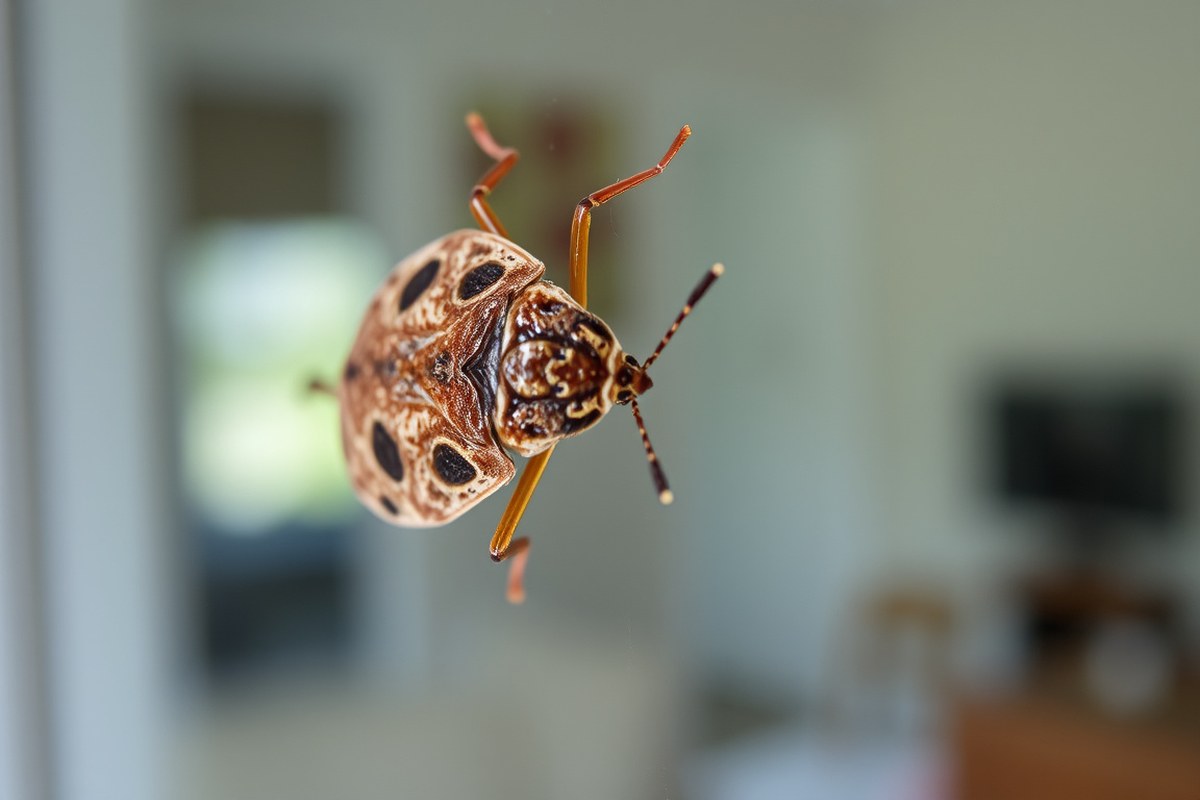
How to Get Rid of Stink Bugs: 8 Effective Strategies for Complete Removal
To get rid of stink bugs effectively, start by sealing any entry points around your home and remove existing bugs using a vacuum cleaner or a dustpan and brush. Natural sprays made from garlic powder or a mix of dish soap and vinegar can also help eliminate these pests without harsh chemicals. For larger infestations, traps and targeted insecticides provide practical solutions. Consistent outdoor maintenance reduces the chance of reinfestation.
This advice suits homeowners and renters facing stink bug problems and looking for practical steps to remove these pests safely. You will find clear identification tips, seasonal treatment checklists, and expert advice on when to manage the issue yourself or call in professionals, along with expected costs.
Key Takeaways
- Use soapy water or undiluted 91% rubbing alcohol spray to safely kill stink bugs without triggering their odor release.
- Identify stink bugs by their six legs, shield-like bodies, and straight antennae to confirm infestation signs indoors.
- Seal cracks and gaps around foundations, windows, doors, soffits, and eaves to block stink bug entry year-round.
- Sweep or vacuum stink bugs gently to avoid crushing and odor; sprays with dish soap and vinegar mixtures also work well.
- Apply a perimeter treatment in late summer and seal entry points to cut stink bug invasions by up to 90%.
- Reduce outdoor attraction by maintaining landscaping, minimizing bright lights near your home, and clearing debris regularly.
1. How to Get Rid of Stink Bugs Safely and Effectively

Removing stink bugs from your home can be done effectively without toxic chemicals, protecting both your health and living space. Use physical removal and safe sprays like soapy water or rubbing alcohol to kill or catch the bugs while avoiding the strong odor they emit when crushed. Vacuuming is a helpful tool, but it comes with precautions to prevent your vacuum from smelling up your home or getting damaged. Proper disposal of the bugs after capture stops lingering odors.
Spraying with a mild soapy water solution or undiluted 91% rubbing alcohol directly kills stink bugs by breaking down their protective coating. Use a spray bottle to mist the bugs individually, avoid soaking large areas to prevent damage to surfaces. These sprays work quickly but must contact the bug to be effective.
Vacuuming can remove multiple stink bugs swiftly. Experts note that vacuuming quickly removes stink bugs without releasing their odor, as long as the bugs are not crushed inside the machine. Use a vacuum with a bag or a canister you can empty immediately and thoroughly clean afterward.
Immediately dispose of the vacuum bag after use by sealing it in a plastic bag and placing it in an outdoor trash bin to prevent odors from spreading indoors. For bagless vacuums, empty the canister outside and wipe it out carefully. This prevents dead bugs from rotting inside and causing a bad smell.
For captured stink bugs, flushing them down the toilet is a safe method to kill and remove them without odor. Alternatively, flick bugs into a bucket of soapy water to drown them; wait at least 12 hours to ensure they die before disposal.
- Prepare a spray solution: Mix 2 cups of water with 1 tablespoon of dish soap or use undiluted 91% rubbing alcohol in a spray bottle.
- Spray stink bugs directly: Apply the spray to visible bugs on walls, windows, or furniture, taking care to avoid sensitive surfaces.
- Use a vacuum with care: Vacuum stink bugs gently to avoid crushing; prefer vacuums with disposable bags or canisters you can empty outdoors.
- Dispose of vacuum contents immediately: Seal vacuum bags in plastic and throw away outdoors; for bagless vacuums, empty and clean the canister outside promptly.
- Manually remove remaining bugs: Use a dustpan and broom to sweep bugs into a bucket of soapy water or flush them into the toilet.
- Set up soapy water traps outdoors: Place trays of soapy water near entry points overnight to catch bugs before they enter your home.
- Repeat as needed: Continue spraying and removing bugs daily until they no longer appear.
This method typically involves using common household items costing under $10. Good results show a clear reduction in indoor stink bugs within days. Avoid spraying insecticides indoors or crushing bugs, since both risk unpleasant odors and further problems.
2. How to Identify Stink Bugs and Signs of Infestation
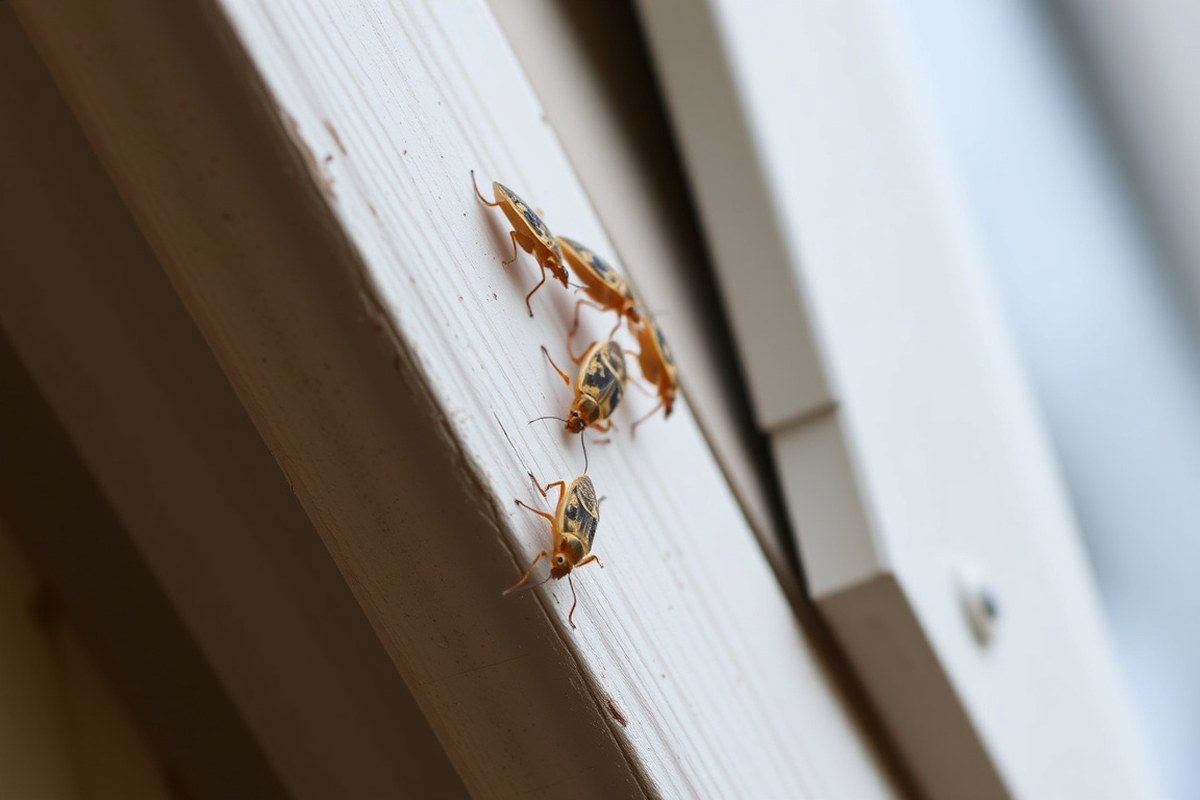
Stink bugs are shield-shaped insects that commonly invade homes in search of warmth, especially in early fall. Recognizing their physical features, common hiding spots, and signs of their presence helps you act quickly to avoid a growing infestation inside your home.
Physical Characteristics of Common Stink Bugs
Most indoor stink bugs in the U.S. Belong to the brown marmorated stink bug species. They measure about 3/4 inch long and have a broad, shield-shaped body with mottled brown and gray coloring. The edges of their bodies have alternating light and dark bands. Their antennae are banded as well, which is a distinctive feature. Stink bugs emit a strong, unpleasant odor when disturbed or crushed, often described as cilantro-like or musty. This smell is a natural defense mechanism and can linger on surfaces.
These bugs are slow-moving and not aggressive, but their presence indoors can become a nuisance quickly because they tend to gather in groups. The cooling temperatures in September and October signal stink bugs to seek shelter inside buildings, making fall the peak time to spot them inside homes.
Common Indoor Hiding Places for Stink Bugs
Stink bugs enter homes through small cracks and openings near windows, doors, vents, and utility pipes. Once inside, they prefer quiet, undisturbed areas where they can hide during the day. Typical hiding spots include wall voids, attics, behind curtains, inside cabinets, and underneath furniture or appliances. They are attracted to dark, warm, and sheltered spaces, so closets and unused rooms often harbor these bugs.
Stink bugs are also drawn to indoor lights and may gather near porch lights, lamps, or windows at night. Checking these areas regularly during fall can help you catch infestations early. Keep in mind that these insects do not breed indoors but seek shelter to survive the winter, so their numbers tend to peak in cooler months.
Visual Indicators of Stink Bug Presence
One clear sign of stink bugs in your home is spotting the bugs themselves, often clustered in groups on walls, ceilings, or near windows. You might also notice their distinctive smell, especially if you accidentally squish one. Another visual clue is dried brownish spots on walls or furniture, caused by the bugs’ secretions or crushed bodies.
Look for small holes or gaps around window and door frames where they may enter, often with tiny trails of excrement nearby. Stink bugs sometimes leave behind smudges or oily stains on surfaces after they have been crushed or disturbed. Noticing a sudden increase in these signs during September through November usually means stink bugs are actively trying to overwinter in your home.
Regularly inspect inside closets, corners, and near windows for live bugs or fresh stains during the fall to catch infestations early.
Damage Patterns Caused by Stink Bug Activity
While stink bugs do not bite or cause structural damage, they can harm plants and fruits near your home if you have an outdoor garden. Indoors, their main issue is the unpleasant odor they release when crushed or threatened, which can stain walls and fabrics. This odor is difficult to remove and can linger for weeks.
Large gatherings of stink bugs inside walls or attics can also cause problems by attracting other pests and creating an uncomfortable living environment. You’ll rarely see physical damage inside the home beyond minor staining. Paying close attention to odor and presence around potential entry points will help you take early action against infestations.
3. Sealing Entry Points to Keep Stink Bugs Out Year-Round
To keep stink bugs out year-round, thoroughly inspect your home’s exterior for small cracks, gaps, and openings, then seal them using caulk, weather stripping, or appropriate materials. Testing for remaining entry points after sealing ensures no gaps remain for stink bugs to enter.
Common Entry Points to Inspect
Stink bugs enter homes through tiny spaces, often where outdoor and indoor areas meet. Check around windows and door frames, especially at corners and where the frame meets the walls. Gaps around utility pipes, vents, and cables that enter the house are prime entry points. Also scan foundation cracks, gaps in siding, attic vents, and areas where weather stripping is damaged or missing on doors.
Focus inspections on places where stink bugs have been seen. Pay special attention during late summer to fall when they seek indoor shelter. Insects can slip through openings as narrow as 1/8 inch, so look closely for even small cracks or holes.
Step-by-Step Sealing Process
Seal all identified entry points with appropriate materials to block stink bugs effectively. Use silicone or latex caulk for small cracks, and replace worn weather stripping on doors and windows to ensure tight seals. For larger gaps around pipes or vents, use expanding foam or backer rod with caulk to fill the space completely. Clean surfaces before applying sealants to improve adhesion. Follow this step-by-step script for sealing:
- Inspect all exterior walls, window frames, door frames, vents, utility line entries, and foundation cracks for gaps or damage.
- Clean the areas around entry points with a brush or cloth to remove dirt and debris.
- Apply silicone or latex caulk to fill small cracks and gaps up to 1/4 inch wide.
- Replace deteriorated weather stripping around doors and windows with new strips designed for outdoor use.
- For gaps larger than 1/4 inch, insert backer rod before applying caulk or use expanding foam if needed, allowing it to cure fully.
- Seal gaps around utility pipes, cables, and vents with a combination of foam sealant and caulk for a tight fit.
- Check attic and crawlspace vents and seal any openings not covered by insect screens.
- Dispose of used materials and clean tools properly after finishing work.
The cost of caulk typically ranges from $5 to $10 per tube, and weather stripping runs $2 to $5 per linear foot. These materials are affordable, and the effort significantly reduces stink bug infiltration.
Techniques to Test for Remaining Gaps
After sealing, confirm that no openings remain where stink bugs can enter. One simple method is to perform a visual inspection with a bright flashlight at night, looking for light shining through cracks. You can also use a smoke pencil or incense stick near suspected gaps; smoke drifting inside indicates an opening. Another effective test involves having a helper hold a screen or mesh over potential entry points while you spray soapy water outside, if bubbles form, air is escaping through a gap.
Place sticky traps inside the home around windows and doors to track any newly entering stink bugs after sealing. If bugs still appear, revisit sealing efforts in those areas. Conduct these tests yearly before the late summer season to maintain a sealed barrier.
4. Comparing Removal Methods: Vacuums, Sprays, Traps, and Insecticides
Choosing the right stink bug removal method depends on your immediate needs, the size of the infestation, and safety considerations. Physical removal methods like vacuuming and traps give quick results without harsh chemicals inside your home. Sprays and insecticides work better as outdoor barriers to reduce stink bugs before they enter.
| Method | Best Use | Effectiveness | Cost | Safety | Speed |
|---|---|---|---|---|---|
| Shop Vacuum with Bag | Individual bugs indoors | High (immediate removal) | $ (Use existing vacuum or $20, 50 for bag) | Very safe, no chemicals | Immediate |
| RESCUE! Stink Bug Trap | Indoor/outdoor monitoring | Moderate, high | $$ (Approx. $30, 50 each) | Safe, non-toxic | Days to weeks |
| Soapy Water Light Trap | Indoor capture during active periods | Moderate (Virginia Tech study: 14× more caught than some commercial traps) | Free, $ (minimal supplies) | Very safe, odorless | Over several nights |
| Perimeter Spray (Bifenthrin) | Fall barrier around home | High (8, 12 weeks protection) | $ (Product cost ~$10, 30 for DIY) | Moderate; follow label instructions, avoid indoor use | Hours to apply; weeks-long effect |
| Demand CS Concentrate | Large properties, professional use | Very high (30, 90 days) | $$ (Higher due to quantity and equipment) | Professional use recommended | Hours to apply; long-lasting |
Vacuuming with a bagged shop vac removes stink bugs quickly without risk of the bug releasing its smell inside your home. Use a vacuum specifically with a disposable bag to avoid odor buildup. Spray methods like bifenthrin perimeter sprays work best outdoors and only when applied according to label instructions. Indoor insecticide sprays often irritate indoor air and may not reach bugs hiding in cracks.
Traps like the RESCUE! Brand or DIY soapy water light traps attract bugs over several days, offering a non-toxic way to reduce indoor populations. Making a simple soapy water trap is easy: fill a shallow pan with water and a few drops of liquid dish soap, then shine a desk lamp over it at night where stink bugs gather. This kills them without chemicals and prevents odors.
5. Seasonal Checklist for Stink Bug Treatment and Prevention
Stink bug season peaks in late fall when these insects seek warm places like your home to overwinter. Treating the exterior of your house in late summer and fall is key to stopping their entry. Inside treatments should focus on winter months if bugs have already settled indoors, while sealing and monitoring throughout the year help prevent reinfestation. Expect full control to take several weeks to months, depending on infestation size and how thorough the treatments are.
Early Spring Exterior Inspection Tips
Check your home’s exterior as temperatures rise above 50°F, signaling stink bugs are becoming active after winter. Inspect for cracks, gaps, and screens that may have worsened over winter. Spring is also a good time to identify any surviving overwintering colonies in wall voids or siding areas. Spotting stink bugs outdoors early helps evaluate whether your home is likely to face heavy invasion in the coming months.
Look around window frames, eaves, and door thresholds where stink bugs hide or enter. Clean away debris and spider webs to reduce bug hiding spots. Repair any damaged seals or screens promptly to maintain your home’s protective barrier.
Summer Interior Monitoring Techniques
During summer months, stink bugs spend most time outdoors feeding and mating, but they can sometimes move indoors early. Keep vigilant by monitoring entry points and catching any bugs indoors to prevent population buildup. Check around windows, inside closets, and near light fixtures.
Use a flashlight at night to spot stink bugs attracted to indoor lights. Remove bugs promptly using a dry paper towel or vacuum with a bag you can discard afterward. Avoid crushing bugs indoors to prevent odor.
Autumn Sealing and Exclusion Methods
Late summer to early fall is the best time to seal entry points, as stink bugs start aggregating and searching for overwintering sites. Focus on cracks around windows, doors, utility pipes, siding joints, and foundation gaps. Use high-quality silicone or polyurethane caulk for small gaps and weatherstripping for doors and windows.
Install door sweeps if missing or worn, and repair torn window screens. Clear vegetation and leaf litter near your foundation to reduce outdoor stink bug habitat that encourages aggregation.
- Inspect all potential entry points, measuring gaps larger than 1/8 inch.
- Apply silicone or polyurethane caulk to seal small cracks and crevices.
- Replace or repair damaged screens and install door sweeps on exterior doors.
- Add weatherstripping around windows and doors to improve seals.
- Trim plants and remove debris within 12 inches of your foundation.
- Consider professional exterior perimeter insecticide treatment in late summer.
Sealing is the most effective exclusion step; even small gaps can let large numbers of stink bugs inside.
Winter Indoor Control Strategies
Stink bugs inside your home during winter are usually overwintering in wall voids, attics, or behind baseboards. Use vacuuming methods to remove visible bugs and dispose of vacuum bags outdoors. Applying indoor insecticides should be done cautiously, following label instructions, and ideally by a professional to reach hidden colonies safely.
Maintain low indoor humidity and keep indoor temperatures moderate to discourage stink bug activity. Continue sealing any new cracks that appear and remove bugs promptly to prevent reproduction.
Best Timing for Preventive Treatments
Apply outdoor perimeter insecticide treatments in late summer, ideally August through early September, before stink bugs start congregating on your home. This timing creates a chemical barrier preventing them from entering during fall aggregation.
Inside treatments are most effective from late fall through early winter when bugs are already seeking shelter indoors. Follow up with spring inspections to catch any early survivors or new invaders. Professional pest control services often offer seasonal plans that include these timed treatments, costing between $100 and $300 depending on property size.
- Schedule exterior perimeter treatments in late summer (August to early September).
- Perform fall sealing tasks in September and October.
- Monitor indoors for stink bugs starting in fall and continue through winter.
- Vacuum and safely remove bugs found indoors during winter months.
- Inspect exterior and reapply treatments the following late summer as needed.
Late summer perimeter spraying helps kill stink bugs before they enter and is the single most effective preventive measure.
6. Landscaping, Lighting, and Outdoor Maintenance to Deter Stink Bugs
Landscaping choices can significantly influence how likely stink bugs are to invade your home. Planting herbs like mint and basil, along with marigolds, around your garden and near house foundations helps deter these pests. These plants emit scents that stink bugs dislike, making your home less inviting. To maximize effectiveness, place these herbs and flowers close to entry points such as doorways and windows. Maintaining these plants requires regular watering and occasional pruning, which usually costs under $50 for starter plants and supplies, depending on your garden size.
Reducing outdoor lighting near your home can lower stink bug attraction. Stink bugs are drawn to bright lights, especially white and blue spectrum bulbs. Switching to yellow bulbs for exterior lighting reduces attraction because stink bugs find them less appealing. Using timers to limit lighting hours to only when necessary, such as from dusk until a few hours before bedtime, also helps. This change often costs $10 to $30 per bulb or less if you buy in bulk. Limiting outdoor light near entryways like windows and doors makes your home a less noticeable target for stink bugs.
Yard maintenance plays an essential role in keeping stink bugs away. Stink bugs thrive in unmaintained vegetation and debris, so regularly mowing your lawn and keeping bushes trimmed denies them easy hiding spots. Removing leaf piles, fallen fruit, grass clippings, and other yard debris prevents stink bugs from using these areas to shelter or lay eggs. Clear yard debris at least once a month during stink bug active seasons, such as late summer and early fall. This maintenance requires 15 to 30 minutes of work per session and, in some cases, may call for a small investment in lawn tools, typically under $100.
In yards with larger outdoor spaces, focus on keeping vegetation away from the house foundation by at least 12 to 18 inches. This buffer zone limits stink bugs’ access paths and reduces the chance they’ll find weak spots to enter your home. If your property has areas with dense shrubs or tall grass, consider thinning them out or replacing susceptible plants with less attractive species such as lavender or chrysanthemums. Both are also known to repel stink bugs.
For homeowners dealing with screens on windows and doors, treating mesh with the scent of dryer sheets or essential oils can improve protection. Attach two dryer sheets evenly over large screens, changing them every few weeks to keep the repellent effect fresh. The lingering scent deters stink bugs without chemicals, offering a safe and affordable method under $5 per package of dryer sheets.
Avoid letting outdoor lights burn all night, and keep screens in good repair since even small tears provide entry points. Combine proper landscaping, lighting adjustments, and thorough yard cleanup to create an environment hostile to stink bugs and reduce the chances they find their way inside.
7. Common Mistakes to Avoid When Removing Stink Bugs
Crushing stink bugs indoors should be avoided because it releases a strong, unpleasant odor that can linger for days and stain surfaces. To remove them without causing this problem, use a vacuum cleaner with a bag. This traps the bugs and their smell inside the bag, which you can then dispose of promptly outside. Using the vacuum’s smaller attachments helps reach bugs hiding in corners or cracks without damaging walls or furniture.
Incomplete sealing of entry points allows stink bugs to return or keep getting inside. Check all doors, windows, vents, and foundation cracks thoroughly. Use weatherproof caulk or door sweeps designed for pest control. For gaps larger than ¼ inch, install fine mesh screens or use expanding foam sealant. Inspect your work during different times, especially at dusk, when stink bugs are most active, to spot overlooked openings.
Poor removal techniques like trying to pick bugs off surfaces with bare hands can spread their odor and increase the chance of accidental crushing. Instead, use tweezers or a piece of stiff paper to gently lift bugs into containers if you prefer a manual method. This keeps the smell contained and prevents damage to surfaces.
- Do not crush stink bugs indoors; use a vacuum with a bag to avoid odor and stains.
- Seal all entry points fully using caulk, door sweeps, and mesh screens for gaps over ¼ inch.
- Use small vacuum attachments to reach bugs in cracks and corners.
- Dispose of vacuum bags outside immediately to prevent odor inside.
- Avoid barehanded removal to reduce risk of crushing or spreading smell.
- Inspect seals at dusk and after weather changes to catch new openings.
Following these steps will reduce stink bug odor problems and ensure bugs do not remain or reenter your home after removal. Proper sealing and gentle removal methods also protect your walls and plants from damage. Keep your vacuum cleaner dedicated to stink bug removal or clean it well after use, as the smell can transfer to other household areas. These simple corrections improve removal efficiency and prevent repeat infestations.
8. When to Call Professionals and How Much It Costs
Call a professional pest control service when your stink bug problem feels too large to manage on your own or you notice bugs coming indoors repeatedly despite your efforts. A good rule of thumb is if you find more than a handful of bugs daily inside your home, or the infestation seems to cover a wide area including your yard and building exterior, expert help can save time and reduce damage. Professionals can assess the extent of the infestation, identify all potential entry points, and apply targeted treatments that are safer and more effective than most DIY options.
The cost of professional stink bug treatments varies based on your home’s size, infestation severity, and treatment type. Expect to pay roughly $100 to $300 per application for a standard home perimeter treatment, which usually includes spraying around doors, windows, siding, and foundation cracks. Some companies may charge more if your home has many hard-to-reach spots or if infestations extend deep into attics or crawl spaces. Multiple treatments might be required throughout the season, especially in areas prone to repeat infestations.
Treatment methods from licensed pest control providers typically focus on targeted perimeter sprays using low-toxicity insecticides approved for residential use. These products create a chemical barrier that deters stink bugs from entering your home. Professionals often combine this with sealing entry points and recommending ongoing exterior maintenance to reduce hiding spots. In some cases, treatment includes vacuuming or physical removal, but chemical application remains the most effective part of a deep infestation cleanup.
Results usually become evident within days after treatment, with fewer stink bugs appearing inside and around your home. However, no professional can guarantee complete eradication with a single visit. Stink bugs can be persistent, so plan for follow-up visits and maintain sealing and landscaping practices recommended by your service provider. Poor results often result from inadequate sealing of entry points or untreated surrounding properties where bugs can return.
Before scheduling a service, ask the company what products they use and how many visits they recommend for your situation. Confirm they are licensed and insured, and read reviews to ensure they respect your home and pets. If your infestation involves sensitive areas such as food preparation zones, mention that upfront for specialized handling.
Use a professional when you consistently spot more than a dozen stink bugs inside daily or your DIY efforts aren’t reducing their numbers.
Step-by-Step Action Plan to Get Rid of Stink Bugs
Follow these clear steps to remove stink bugs from your home and keep them from coming back. Track your progress by checking for fewer bugs inside and no new sightings on your property.
- Day 1: Identify stink bugs and inspect your home for signs of infestation, like clusters on walls or windows. Confirm you’re dealing with stink bugs by their shield shape and brownish color.
- Day 2: Seal all entry points such as cracks, gaps around windows, doors, and vents using caulk or weatherstripping. Test effectiveness by monitoring new bugs trying to enter over the next few days.
- Week 1: Use a vacuum with a disposable bag to remove visible bugs safely without spraying indoors. Empty the bag outside immediately to avoid odor or re-infestation.
- Week 2: Apply indoor sprays labeled for stink bugs only on cracks or crevices if vacuuming missed some. Avoid sprays on open surfaces to reduce chemical exposure. Check if bug numbers continue to drop.
- Week 3: Set up outdoor traps near doors and windows to catch bugs before they enter. Reduce outdoor lighting at night to limit attraction. Note fewer bugs around your home.
- Month 1: Maintain landscaping by trimming plants away from the house and clearing debris. Regularly inspect and quick-seal any new openings. Fewer stink bugs indoors and fewer landing outside means this works.
- Ongoing (seasonal): Follow a seasonal checklist to repeat sealing, vacuuming, and outdoor maintenance before bugs appear each fall. Contact a licensed pest professional if infestations persist or spread despite your efforts.
Frequently Asked Questions
Can Vinegar Kill Stink Bugs?
Vinegar with water can repel stink bugs but won’t kill them outright. Use it as a spray to discourage bugs from settling on surfaces.
Are Stink Bugs Harmful to Pets?
Stink bugs are not toxic to pets but can cause mild irritation if ingested. Keep pets away from bugs to avoid discomfort.
What Scents Repel Stink Bugs Naturally?
Garlic and mint scents help repel stink bugs effectively. Use garlic powder mixed with water or plant mint near entry points.
How Long Do Stink Bugs Live Indoors?
Stink bugs can survive indoors for several months, especially in cool, dry areas. Prompt removal reduces their lifespan inside your home.
Does Turning Off Outdoor Lights Reduce Stink Bug Attraction?
Yes, turning off outdoor lights at night can reduce stink bug attraction since they are drawn to light sources.
Can Stink Bugs Damage Houseplants?
Stink bugs may feed on houseplants but usually cause minimal damage. Regular monitoring keeps plants safe from infestations.
The Bottom Line
Getting rid of stink bugs starts with sealing entry points and using a vacuum to remove those already inside without spreading their odor. Today, inspect your home’s exterior for cracks or gaps and seal any you find with a high-quality silicone or foam caulk. This simple step can significantly reduce the number of stink bugs entering your home as the weather changes.






2 Comments