

How to Get Rid of Tooth Pain Fast: 8 Effective Remedies and When to See a Dentist
To get rid of tooth pain fast, apply a cold compress to your cheek for 20 minutes, use over-the-counter pain relievers safely, and try natural remedies like a 3% hydrogen peroxide rinse. These methods can ease discomfort until you see a dentist, who is the only way to truly fix the problem. Avoid harmful remedies and manage pain carefully, especially at night when it tends to worsen.
This advice is for anyone needing quick toothache relief and clear steps on what to do next. You’ll learn safe home treatments, how to identify serious pain that needs dental care, tips to prevent future issues, and how to handle pain caused by gums or sinus problems.
Key Takeaways
- Apply a cold compress to your cheek for 15 to 20 minutes to reduce tooth pain and swelling safely and effectively.
- Rinse your mouth with a 3% hydrogen peroxide solution or salt water to relieve toothaches, holding it for 15 minutes each time.
- Use over-the-counter pain relievers like ibuprofen or naproxen following package instructions, and avoid benzocaine gels for children under 2 years old.
- Seek dental care if tooth pain lasts more than 2 to 3 days or worsens, signaling possible infection or decay.
- Manage nighttime tooth pain by avoiding trigger foods and keeping your head improve to prevent pressure on the affected tooth.
- Avoid harmful remedies like applying aspirin directly on the tooth and do not overuse topical anesthetics beyond recommended times.
1. Fast and Safe Home Remedies to Stop Tooth Pain
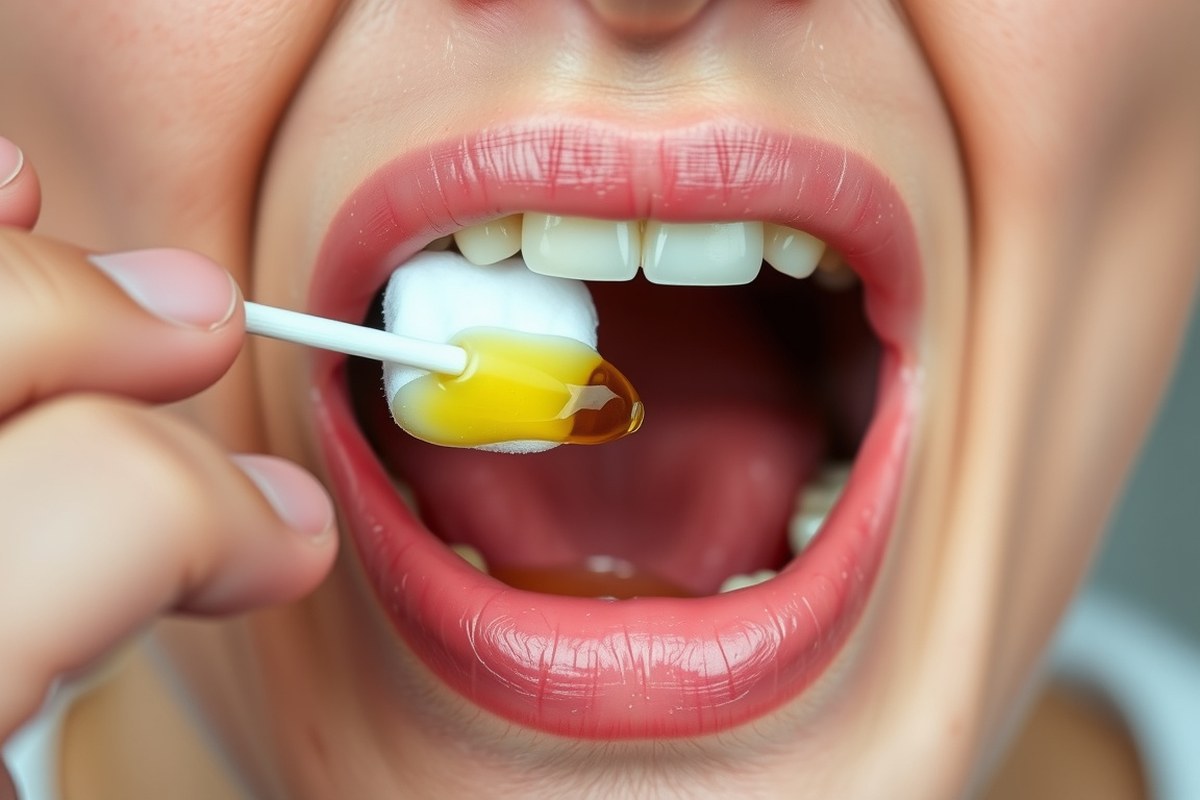
You can reduce tooth pain quickly and safely at home by using remedies like clove oil, salt water rinses, and cold compresses. These methods help numb the pain, reduce swelling, and clean the affected area, giving temporary relief until professional care is available. Relief typically begins within minutes to an hour after applying these remedies.
Using Clove Oil Safely and Effectively
Clove oil contains eugenol, a natural compound that numbs pain and reduces inflammation around the tooth nerve. It is one of the fastest home remedies for calming tooth nerve pain instantly when applied properly.
Before applying clove oil, rinse your mouth thoroughly with warm salt water to remove any food particles that could interfere with the oil’s effect. Use a cotton swab or clean finger to apply the oil directly to the painful tooth and gum area.
- Rinse your mouth with warm salt water to clean the area.
- Dip a cotton swab or small piece of cotton in clove oil (use 100% pure clove oil).
- Apply the oil directly to the tooth and surrounding gums where you feel pain.
- Hold the oil in place for 10 to 15 minutes if possible.
- Remove the cotton and avoid swallowing clove oil.
- Repeat the application up to 3 times a day if needed.
Use clove oil sparingly, as excessive use may irritate the gums or cause sensitivity. This remedy provides relief within 5 to 10 minutes and lasts for about an hour.
Preparing and Using Salt Water Rinse
A salt water rinse helps reduce tooth pain by acting as a natural disinfectant and loosening debris caught between teeth. It can also soothe inflamed gums, which often accompany toothaches.
Prepare a salt water rinse with the right concentration to avoid drying out your mouth or worsening irritation. Use warm, not hot, water to protect sensitive tissues.
- Heat 8 ounces (1 cup) of water until it is warm but not hot (around 100°F to 110°F).
- Add 1/2 teaspoon of salt to the warm water.
- Stir until the salt fully dissolves.
- Take a small sip and swish the solution around your mouth for 30 seconds.
- Spit out the rinse, do not swallow it.
- Repeat every 2 to 3 hours as needed.
You should notice some pain relief and reduced gum swelling within 15 to 30 minutes after rinsing. Limit the frequency to avoid drying out your mouth or disrupting the natural oral balance.
Cold Compress Application Guidelines
A cold compress reduces pain and swelling by constricting blood vessels near the painful tooth. It is especially useful when tooth pain comes with swelling on the cheek or jaw. Applying a cold pack externally is safer and more effective than placing ice directly on the tooth or gums, which can damage tissues or worsen sensitivity.
- Wrap ice cubes or a cold pack in a thin towel or cloth.
- Place the compress against the cheek over the painful tooth.
- Hold it there for 15 to 20 minutes.
- Remove the compress and wait at least 20 minutes before reapplying.
- Repeat as needed, up to 3 or 4 times daily.
Relief from the cold compress usually starts within 5 to 10 minutes and can last for several hours. Avoid prolonged exposure to prevent skin irritation or frostbite. Use this method only as a temporary measure alongside other pain relief steps.
2. How to Use Natural Remedies Correctly for Toothache Relief

Natural remedies like clove oil, hydrogen peroxide rinse, vanilla extract, and peppermint can provide temporary relief from tooth pain. Using them properly ensures safety and maximizes their pain-relieving effects while reducing inflammation and bacteria in the mouth.
Clove Oil Application Script and Safety
Clove oil contains eugenol, a natural antiseptic that numbs pain and reduces swelling. To use clove oil safely, dilution is important to avoid irritation or burns to the gum and oral tissues. It can be applied a few times a day directly to the aching tooth or gum for effective relief.
- Dilute 15 drops of clove oil with 1 tablespoon of a carrier oil such as olive or coconut oil.
- Soak a small cotton ball in the diluted clove oil mixture.
- Place the cotton ball directly onto the painful tooth or gum area.
- Hold it in place for about 5 minutes, avoiding swallowing the oil.
- Remove the cotton ball and rinse your mouth gently with water.
- Repeat up to 3 times daily, allowing at least 3 hours between applications.
Avoid using undiluted clove oil as it can cause irritation or damage to oral tissues.
Hydrogen Peroxide Rinse Preparation and Use
A 3% hydrogen peroxide solution diluted with water makes an effective antibacterial rinse that reduces plaque and inflammation. This rinse can help ease toothache pain by killing bacteria that worsen infection and swelling. Proper dilution is necessary to ensure safety and prevent tissue irritation.
- Mix one part 3% hydrogen peroxide with two parts water (for example, 1 tablespoon hydrogen peroxide with 2 tablespoons water).
- Swish the mixture gently around your mouth for 30 seconds, focusing on the sore area.
- Spit out the solution; do not swallow it.
- Rinse your mouth thoroughly with plain water to remove any residue and unpleasant taste.
- Repeat this rinse up to twice a day, but avoid using it more frequently to prevent drying or irritation.
Do not swallow hydrogen peroxide; only use it as a mouth rinse and always dilute to reduce risk of irritation.
Using Vanilla Extract and Peppermint Extract
Vanilla extract can offer short-term tooth pain relief due to its alcohol content that numbs the area and provides soothing properties. Peppermint extract provides a cooling sensation that may ease pain and inflammation. Both should be used sparingly and correctly to avoid irritation.
- Dip a clean cotton ball into pure vanilla extract or peppermint extract.
- Apply the cotton ball gently to the affected tooth or gum for 1 to 2 minutes.
- Remove the cotton ball and allow the area to air dry; avoid rinsing immediately to let the extract work.
- Repeat up to 3 times daily as needed for temporary relief.
- If you experience a burning or worsening sensation, discontinue use immediately.
Use pure extracts only; alcohol-free or synthetic versions may not provide relief and could irritate your gums.
3. Over-the-Counter Pain Relievers and Safety Tips
Over-the-counter (OTC) pain relievers like acetaminophen and ibuprofen can help reduce toothache pain temporarily while you arrange dental care. Avoid benzocaine-containing products, especially for young children, due to serious health risks.
Common OTC Pain Relievers
Acetaminophen (Tylenol) and nonsteroidal anti-inflammatory drugs (NSAIDs) such as ibuprofen (Advil) and naproxen (Aleve) are the most recommended OTC options for tooth pain relief. These medications reduce inflammation and numb the pain, making it easier to manage discomfort until you can see your dentist.
Each comes with specific dosing guidelines that vary by age and weight. Always follow the label instructions carefully to avoid side effects like stomach upset or liver damage. When unclear about the correct dose, consult a pharmacist. The table below compares some common OTC pain relievers for toothache:
| Medication | Typical Dose | Onset of Relief | Limitations/Warnings |
|---|---|---|---|
| Acetaminophen (Tylenol) | 500, 1000 mg every 4, 6 hrs (max 3000 mg/day) | 30, 60 minutes | Avoid if liver disease or heavy alcohol use |
| Ibuprofen (Advil, Motrin) | 200, 400 mg every 4, 6 hrs (max 1200 mg/day OTC) | 20, 30 minutes | Not for those with stomach ulcers or kidney issues |
| Naproxen (Aleve) | 220 mg every 8, 12 hrs (max 660 mg/day OTC) | 30, 60 minutes | May increase cardiovascular risk; avoid if heart conditions |
Costs for these medications typically range from $5 to $15 for standard packages. They provide temporary relief, and continued pain indicates a need for professional dental care.
Risks of Benzocaine and Warnings
Benzocaine is an ingredient in many topical gels marketed for tooth and gum pain relief. The U.S. Food and Drug Administration warns that benzocaine products can cause methemoglobinemia, a rare but potentially fatal blood disorder. This risk is especially significant for children under 2 years old.
Applying benzocaine directly to the gums or tooth may reduce pain quickly, but the FDA advises against using these products in young children at all. Adults should use benzocaine gels sparingly and only as a short-term solution while waiting to see a dentist.
Because of its risks, benzocaine gels like Orajel and Anbesol should not replace systemic OTC pain relievers. Instead, rely on approved oral medications for safer toothache management.
Special Considerations for Children and Pregnant Women
Children younger than 2 years old should never use benzocaine-containing products, including teething gels. For older children, use bodyweight-appropriate doses of acetaminophen or ibuprofen to manage pain. Consult a pediatrician when symptoms persist or worsen.
Pregnant women should avoid NSAIDs such as ibuprofen and naproxen, especially in the third trimester, because they can affect the developing baby. Acetaminophen is generally considered safer during pregnancy but should only be taken as directed on the label, and your healthcare provider should be informed.
Always check with your doctor before using any OTC pain relievers during pregnancy or for a child’s tooth pain. Professional dental evaluation is needed if the toothache does not improve within 1 to 2 days or if other symptoms like fever or swelling develop.
4. Identifying Tooth Pain Causes and When to See a Dentist
To figure out what’s causing your tooth pain, pay attention to where and how intense the pain is. Pain from a cavity or tooth decay often feels like a sharp or throbbing sensation when you eat hot, cold, or sweet foods. When the pain happens only when biting down, it could be a cracked tooth or damaged filling. Constant, dull pain that grows worse over time often signals an infection inside the tooth or in the surrounding gums.
Knowing when to see a dentist quickly is important. Severe, nonstop pain combined with swelling or a fever means you need emergency dental care as soon as possible. These signs may indicate an abscess or serious infection that can spread. Even when the pain is less intense but lasts more than two days or gets worse, schedule a dental appointment to identify the cause. Persistent pain usually won’t go away without professional treatment.
Use this checklist to decide when to seek dental help: When your tooth pain interferes with your ability to sleep or eat, is accompanied by swelling or fever, lasts beyond 48 hours, or follows any trauma like a fall or hit to the mouth, contact your dentist immediately. For less urgent but ongoing pain, call your dental office within a few days to get evaluated. Temporary home remedies and over-the-counter pain relievers can ease discomfort but won’t treat the root problem.
Dentists use exams and X-rays to pinpoint the exact source of pain, whether decay, infection, crack, or gum disease. Treatment varies from fillings and root canals to antibiotics or tooth extraction depending on diagnosis. This professional care stops the pain at its source and prevents complications. Waiting too long can lead to more extensive and expensive dental work.
Some tooth pain might not be from dental issues. Sinus infections, gum problems, or nerve conditions can cause similar symptoms. When you notice no visible cavities or dental cause, your dentist may refer you for further medical evaluation. Keeping a cold compress ready in your freezer helps control swelling and dull sharp pain before professional care.
Costs vary based on treatment but routine dental visits for diagnosis generally range from $50 to $200 without insurance. Emergency visits may cost more upfront but prevent costly complications down the line. Acting promptly when you experience tooth pain helps you avoid pain, limit damage, and reduce overall expense.
5. Managing Tooth Pain at Night and Preventing Worsening
To reduce tooth pain that worsens at night, start by adjusting your sleeping position. Improve your head with an extra pillow to decrease blood flow to the affected tooth, which can help lessen throbbing pain. Lying flat increases blood flow to your head and can intensify the discomfort.
Applying a cold compress to the cheek near the painful tooth in 15-minute intervals may also ease swelling and dull the pain. Avoid hot compresses, as heat can increase inflammation and worsen pain. Using a cold pack wrapped in a thin cloth costs very little or can be improvised with frozen vegetables.
At bedtime, rinse your mouth with a saltwater solution made by dissolving half a teaspoon of salt in 8 ounces of warm water. This helps reduce bacteria and swelling, providing mild relief without drying your mouth. Dry mouth can make pain worse overnight, so stay hydrated by sipping water throughout the evening, but avoid sugary or acidic drinks that can aggravate tooth sensitivity.
- Improve your head when lying down
- Use cold compresses on the cheek for 15 minutes
- Rinse with warm saltwater before bed
- Drink plain water to stay hydrated but avoid sugary drinks
- Apply a small amount of clove oil with a cotton swab for its mild numbing effect, avoiding swallowing
- Use over-the-counter pain relievers like ibuprofen as directed for temporary relief
Avoid applying heat, pressing or poking at the sore tooth or gums, which can worsen inflammation. Do not use extremely cold items directly on the tooth, as this can trigger sharp pain, especially if the tooth is sensitive. Overusing topical remedies or applying them excessively may irritate the gums rather than soothe them.
Never ignore persistent tooth pain at night; worsening symptoms often mean you need prompt dental care instead of just home remedies.
For those who experience increased pain with cold drinks or foods, avoid these at least a few hours before bedtime to prevent triggering sharp pain. Turmeric paste or raw potato slices pressed gently against the painful area have shown anecdotal use to reduce swelling and absorb moisture but should not replace professional treatment. Paying attention to how your body reacts to these remedies helps you find what works best to ease night-time pain while preparing to see a dentist. Temporary relief through home care costs little but depends on gentle application and avoiding actions that could increase sensitivity or infection risk.
6. Avoiding Common Mistakes and Harmful Remedies
Using home remedies to relieve tooth pain requires caution because some treatments can cause harm or worsen symptoms, especially in children and pregnant women. Overusing hydrogen peroxide, for example, can irritate or burn the soft tissues inside your mouth if not diluted properly. You should never use it more than twice a day, and always dilute it to around 3% concentration or less. Applying undiluted hydrogen peroxide repeatedly can damage gums and delay healing.
Benzocaine gels or liquids, common in over-the-counter oral pain products, can temporarily numb the area but have potential risks. The FDA warns against using benzocaine on children under two years old due to the risk of a rare but serious condition called methemoglobinemia, which affects oxygen levels in the blood. Pregnant women should also consult their healthcare provider before using benzocaine products to avoid unknown risks to the fetus.
People often make several mistakes when trying to ease tooth pain at home. Using remedies that are meant for external use only inside the mouth, applying too high a concentration of chemicals, or ignoring worsening symptoms can all lead to complications. Excessive heat treatment, like warm saltwater rinses at temperatures above 110°F (43°C), may burn delicate tissues. Using aspirin directly on the gums can cause chemical burns rather than relieve pain.
- Avoid applying undiluted hydrogen peroxide more than twice daily
- Do not use benzocaine products on children under two or without doctor approval if pregnant
- Never place aspirin directly on the gum or tooth for pain relief
- Keep warm rinses under 110°F (43°C) to prevent tissue damage
- Do not overuse home remedies for more than two to three days without professional advice
- Avoid inserting sharp objects or cotton balls deep in the tooth or gum
- Do not ignore pain that quickly intensifies or is accompanied by fever or swelling
Careful use of home treatments ensures relief without unintended effects. These remedies should only temporarily mask pain while you arrange for a dental evaluation. Children and pregnant women benefit from avoiding risky remedies and seeking safe alternatives advised by health professionals. Watch for any signs that pain or swelling is increasing, such as difficulty swallowing or breathing, and seek immediate medical care if they occur. Safe, measured use of medications and simple warm or cold compresses often helps control symptoms without harm.
7. How to Prevent Future Tooth Pain with Good Oral Hygiene
Keeping your teeth and gums healthy plays a critical role in reducing the risk of future tooth pain. Brushing twice a day with a fluoride toothpaste helps remove plaque, a sticky film of bacteria that causes tooth decay and gum disease. Flossing daily removes plaque and food particles from between your teeth and below the gumline where a toothbrush can’t reach. These steps prevent cavities and gum infections, which are common causes of toothaches.
Drinking plenty of water throughout the day supports saliva production, which naturally cleanses your mouth and helps neutralize acids from foods and bacteria. Avoiding sugary and acidic foods lowers the chance of enamel erosion and tooth decay. Instead, focus on a balanced diet rich in fruits, vegetables, lean proteins, and dairy products to strengthen your teeth.
- Brush your teeth for two minutes twice daily, using a soft-bristled brush and fluoride toothpaste.
- Floss once a day to clean between teeth and prevent gum inflammation.
- Limit sugary snacks and drinks, eating sweets only occasionally.
- Drink water frequently, especially after meals, to rinse away food debris.
- Visit your dentist regularly for check-ups and professional cleanings, the frequency depends on your risk but usually every six months.
- Wear a mouthguard if you grind your teeth during sleep to prevent tooth damage and sensitivity.
- Quit smoking to improve gum health and reduce infection risk.
Regular dental visits are important because dentists can spot early signs of tooth decay or gum disease before you experience pain. They may recommend treatments or lifestyle changes tailored to your situation. For example, people prone to cavities might need fluoride treatments or sealants. Those with teeth grinding issues could benefit from custom night guards.
Consistent care costs little beyond a toothbrush, toothpaste, and floss, which together usually cost less than $10 to $20 per month. More important are the benefits: fewer dental emergencies, less pain, and better overall health. Skipping oral hygiene or ignoring dental visits can allow minor problems to worsen, resulting in painful infections, costly treatments, or even tooth loss. Taking these steps helps you avoid future toothaches and maintain a healthy smile.
8. Relieving Tooth Pain from Gum Infection and Sinus Issues
To distinguish if your tooth pain comes from a gum infection or sinus problems, observe the location and type of pain, as well as accompanying symptoms. Pain from a gum infection often feels localized around the affected tooth and gums. It may worsen when you bite down or touch the area, accompanied by swollen, red gums that may bleed or discharge a foul taste. Sinus-related tooth pain usually affects the upper back teeth and comes with sinus symptoms like nasal congestion, pressure around the cheeks or forehead, and sometimes a headache. It often feels like a deep, aching pressure rather than sharp tooth pain. The comparison table below outlines key differences:
| Feature | Gum Infection | Sinus Infection |
|---|---|---|
| Pain Location | Localized to tooth and gums | Upper back teeth, cheekbones |
| Pain Type | Sharp, throbbing, worsens on biting | Dull, pressure-like, worsens when bending over |
| Other Symptoms | Swollen red gums, possible discharge, bad taste | Nasal congestion, facial pressure, headache |
| Onset | May progress over days with gum swelling | Often follows or accompanies cold or sinus issues |
For swollen gums with tooth pain linked to infection, salt water rinses are a natural and widely recommended remedy. Dissolve half a teaspoon of salt in 8 ounces (about 240 milliliters) of warm water and gently swish the solution around your mouth for 30 seconds, then spit it out. Repeat up to three times daily, especially after meals, to reduce bacteria and soothe inflammation. Avoid swallowing the salt water. Performing this routine consistently for several days can reduce swelling and ease pain temporarily, though it is not a cure for infection.
Applying a cold compress externally to your cheek near the swollen gums can also reduce swelling and numb pain. Hold the compress in 10-minute intervals with 10-minute breaks to avoid skin irritation. Drinking plenty of water and avoiding irritants like tobacco, very hot or cold foods, or alcohol also helps control gum inflammation.
Herbal rinses with chamomile or neem, known for anti-inflammatory properties, can complement salt water rinses. Steep one chamomile tea bag in hot water for 5 minutes, let it cool to lukewarm, then use as a gentle mouth rinse. Neem products designed for oral care are another option but may not be widely available and should be used as directed.
Recognizing whether tooth pain comes from gum infection or sinus pressure matters because treatment differs. Gum infections need dental care, including possible antibiotics, while sinus pain benefits from remedies like nasal irrigation or decongestants. Persistent or worsening tooth pain, intense swelling, fever, or discharge requires urgent dental or medical attention.
Consistently rinse your mouth with warm salt water up to three times daily to reduce gum swelling and soothe tooth pain, but seek professional care if symptoms persist beyond a few days or worsen.
Step-by-Step Action Plan to Ease Tooth Pain Quickly and Safely
Follow this practical plan to relieve tooth pain at home, identify its cause, and know when to seek professional care. This approach also helps you prevent future toothaches with everyday habits.
- Right away: Rinse your mouth with warm salt water for 30 seconds to reduce inflammation and clean the area. You’ll know it works if you feel less soreness or swelling afterward.
- Within 30 minutes: Take an over-the-counter pain reliever such as ibuprofen, following the label directions carefully. The pain should start easing within an hour if the medication is effective.
- Next hour: Apply a cold compress outside your cheek near the painful area for 15 minutes on and 15 minutes off. This helps reduce swelling and numbs the pain. Notice less throbbing or tenderness during or after use.
- Today: Avoid hot, cold, sugary, or hard foods and drinks that may trigger or worsen pain. Stick to soft, room-temperature foods and drink plenty of water. Pain that stays under control during this helps prevent worsening.
- Within 24 hours: Observe your symptoms closely. Swelling, fever, persistent sharp pain, or pus around the tooth require a dentist visit immediately, as these signs may indicate infection or a cavity needing treatment.
- Daily going forward: Practice thorough but gentle oral hygiene twice a day with fluoride toothpaste, floss daily, and use an antiseptic mouthwash if recommended. This reduces plaque buildup and lowers future pain risk.
- Before bed tonight: Manage nighttime tooth pain by avoiding lying flat; improve your head with pillows. Use recommended home remedies and take pain relief as needed to improve sleep quality and reduce pain flare-ups.
- Ongoing: Track any recurring tooth pain that may relate to sinus issues or gum infection. Regular return of tooth pain or pain that spreads beyond the mouth should prompt a consultation with your dentist to check for underlying health problems.
Frequently Asked Questions
How to Stop Tooth Pain Fast?
Hold a cold compress against your cheek for 20 minutes to reduce pain and swelling. Taking an over-the-counter pain reliever can also help ease discomfort quickly.
How Can I Stop a Toothache at Night?
Use a cold compress and keep your head improve to reduce blood flow and lessen pain. Avoid eating or drinking cold items that can worsen sensitivity before bedtime.
What Is the 3-3-3 Rule for Toothache?
The 3-3-3 rule means swishing a 3% hydrogen peroxide solution for 30 seconds, three times a day to help reduce inflammation and pain. This should be done carefully to avoid irritation.
How Can I Stop Nerve Pain in My Tooth?
Nerve pain usually requires professional dental treatment but using pain-relief gels or oral anesthetics can provide temporary relief. Avoid extreme temperatures and sugary foods to prevent irritation.
What to Do When Tooth Pain Strikes at the Worst Time?
Try home remedies like cold compresses, over-the-counter painkillers, and saltwater rinses until you can see a dentist. Avoid ignoring the pain, as it may signal a serious issue.
Can Eating Certain Foods Help Ease Tooth Pain?
Soft, bland foods at room temperature can reduce pain by avoiding irritation to sensitive teeth. Avoid hot, cold, or acidic foods that worsen discomfort.
Wrapping Up
Addressing tooth pain quickly and safely starts with gentle home care and knowing when professional help is necessary. Take a moment today to check your oral hygiene routine and adjust it to reduce irritation and prevent future pain. Scheduling a dental exam can catch problems early before the discomfort worsens.




One Comment