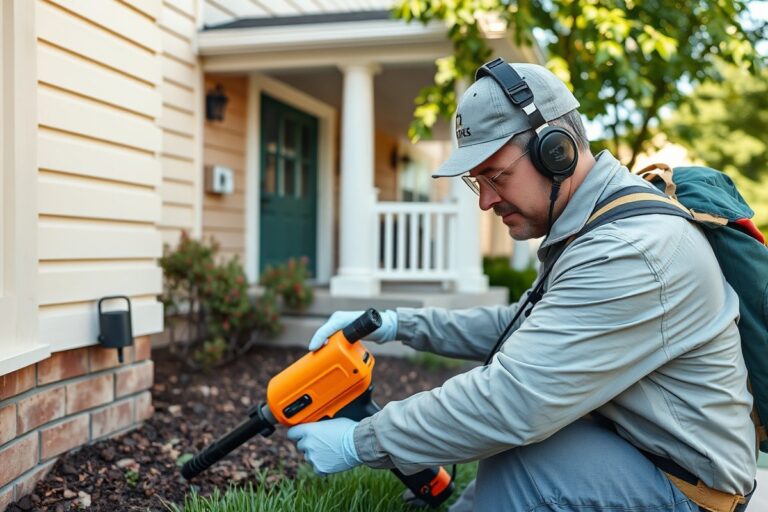
How Much Does Aptive Pest Control Cost? Complete Pricing Breakdown & Tips
How much does Aptive Pest Control cost depends on treatment type, pest targeted, and service frequency. Typical one-time home treatments often start around $150 to $300, while recurring plans running monthly or quarterly may range from $40 to $70 per visit. Pest specifics like termites, bed bugs, or rodents require higher fees due to more extensive work.
This information suits homeowners and renters evaluating Aptive’s pest control options. You’ll find a breakdown of factors affecting pricing, comparisons between one-time and ongoing plans, fees for specific pests, what’s included at various price points, and available discounts. Also covered: scheduling a free inspection, possible extra charges, and advice on judging Aptive’s value versus DIY or competitors before committing.
Key Takeaways
- Aptive’s typical home pest control treatment usually ranges from $50 to $150, varying by region and home size.
- Pricing depends on infestation severity, pest type, property size, and chosen service frequency or plan level.
- One-time treatments cost less upfront but recurring plans, starting around $40 per month, offer continuous protection and savings long-term.
- Specific pests like termites, bed bugs, and rodents incur higher fees, often $500 or more due to complex treatment requirements.
- Service plans include inspection, spraying, and follow-ups, with premium tiers adding specialized treatments and pest-proofing advice.
- Discounts, promotions, and flexible payments reduce costs; scheduling a free inspection helps identify exact needs and pricing.
How Much Does Aptive Pest Control Cost for a Typical Home Treatment?

Aptive Pest Control standard home treatments typically cost between $40 and $70 per visit, with prices influenced by home size and the type of service chosen. The company bases its charges primarily on property size and whether a one-time or recurring service plan is selected, which affects the overall cost.
Base Pricing Models Aptive Uses
Aptive offers both one-time treatments and recurring service plans. One-time treatments target specific pest problems and cost more upfront per visit. Recurring plans involve regular visits, usually quarterly, at a lower cost per treatment. This pricing model benefits customers dealing with ongoing pest issues, spreading out costs while maintaining consistent pest control.
Prices in these models are generally flat-rate per visit rather than only charging by pest type. However, specialized pests or severe infestations may incur additional fees beyond the base price.
Price Differences by Home Size
Home size plays a significant role in the pricing Aptive offers. Larger homes require more product and labor, increasing the price. Below is a common pricing range based on typical home sizes and the type of treatment selected.
| Home Size (Sq. Ft.) | One-Time Treatment | Quarterly Recurring Plan (per visit) |
|---|---|---|
| Up to 1,000 | $40 – $55 | $40 – $50 |
| 1,001 – 2,000 | $50 – $65 | $45 – $55 |
| 2,001 – 3,000 | $60 – $75 | $50 – $65 |
| Above 3,000 | $70 – $90 | $60 – $70 |
This table reflects standard pricing but could vary based on the local market and specific service features. Aptive generally provides a free inspection to offer a precise quote based on your home’s dimensions and pest situation.
Common Pests Covered in Standard Treatments
Standard Aptive treatments usually cover common household pests such as ants, spiders, roaches, and silverfish. These pests are the most frequently reported and treated in routine residential pest control visits. Aptive’s regular service plans often include preventive measures for these pests to reduce infestations before they start.
For pests needing more intensive treatment like termites, bed bugs, or rodents, Aptive typically charges separately due to the specialized methods and materials required. These treatments may increase the total cost significantly versus a standard pest control plan.
What Factors Affect Aptive Pest Control Pricing?
Aptive Pest Control pricing depends on several key factors including your home’s size, the kind and severity of pests present, how often treatments are applied, and where you live. Each of these influences the total cost you’ll pay because they affect the materials, labor, and time required. Understanding these factors helps you anticipate expenses and choose the most cost-effective service plan.
Home Size and Property Type
The size of your home directly affects pricing since larger spaces require more treatment products and longer technician visits. A typical single-family home around 1,500 to 2,000 square feet usually costs less to treat than a house with 3,000 square feet or more. More square footage means more area to inspect and spray or bait, increasing labor and material costs. Properties with additional structures like detached garages or large yards also raise the price because those areas must be included to protect the entire property.
Besides size, property type matters. Apartments and condominiums often cost less per treatment because they have fewer entry points and smaller exterior areas. On the other hand, homes with complex landscaping, multiple stories, or crawl spaces may require special attention that boosts the price. Giving the technician an accurate idea of your property’s total treated perimeter and any unique features can help avoid surprises in the quote.
Type and Severity of Pests
The species of pest you need treated significantly changes the cost. Common ants, spiders, or roaches generally require standard treatments with lower-cost pesticides. In contrast, dealing with termites, bed bugs, or rodents involves specialized equipment, follow-up visits, and sometimes structural treatments, driving up costs. These pests tend to cause more damage or are harder to eradicate, so the treatment approach is more intensive and expensive.
Severity of infestation also raises cost. Small, early-stage pest problems may clear up with one or two treatments costing a few hundred dollars. Wide or established infestations need several treatments spaced out over weeks or months, increasing labor and pesticide use. Infestations that have spread inside walls or through landscaping will require more time, often involving pest removal, sealing entry points, and monitoring traps. This extra work adds up and affects the final invoice.
Service Frequency and Seasonal Variations
How often you receive pest control services influences total cost. One-time treatments usually come with a set fee that covers a single visit to inspect and treat targeted pests. Ongoing plans, such as quarterly or monthly visits, spread costs over time, typically lowering the price per treatment. Opting for regular service keeps pests from returning and may reduce expensive emergency treatments later. The exact price per visit will depend on your contract length and service frequency.
Seasonal factors also change pricing. Pest activity peaks in warm months, which can increase demand and cost especially during spring and summer. Some pests are virtually inactive in winter, meaning less frequent or lighter treatments could apply, lowering costs. Choosing a time when pest pressure is rising but before a major infestation sets in can save money with less intensive treatment.
Regional Cost Differences
Geographic location affects Aptive Pest Control prices through labor rates, regulatory requirements, and pest prevalence. Urban locations or regions with a higher cost of living will have higher service charges than rural areas. Also, pests common to specific climates can increase price. For example, termite treatments cost more in states like Florida or Texas due to frequent infestations and the need for complete barrier treatments.
Local regulations on pesticide use and licensing fees can also impact costs. Areas with strict environmental rules might require specialized products or extra application steps. You may find prices vary by state or even city, so requesting a quote tailored to your location is essential for an accurate estimate.
Always provide full details about your home and pest problem when requesting a quote to avoid unexpected costs or incomplete treatments.
How Do One-Time Treatments vs Recurring Plans Compare in Cost?
One-time pest control treatments generally cost less upfront than recurring plans, but recurring service agreements spread out visits regularly to maintain long-term pest prevention. Recurring plans typically include quarterly treatments that offer steady protection, which can be more cost-effective for ongoing pest issues. The choice depends largely on the pest severity, your tolerance for risk, and budget.
Typical Prices for One-Time Treatments
A one-time treatment covers a single visit to address a pest problem using targeted chemicals or traps. These treatments usually cost between $150 and $300 for a standard home, though this varies based on pest type and infestation level. For isolated pest problems like a single ant infestation, a one-time treatment can be sufficient.
One-time treatments do not include follow-ups unless you pay extra. This means pests may return, requiring new treatments or a switch to a recurring plan if you want ongoing prevention.
Details of Recurring Plan Visit Schedules
Aptive Pest Control’s recurring plans generally schedule technicians to visit every 3 months. These quarterly visits involve inspection, treatment, and pest-prevention measures applied continuously to keep pests from coming back. Some customers may add extra visits if they have a higher pest risk or a current infestation, but the baseline is usually four visits per year.
The recurring plans cost around $40 to $70 per month depending on home size, pest type, and local market. This means you might pay about $480 to $840 annually but gain regular service that keeps your home pest-free longer. Many plans also include free callbacks between visits if new pests appear.
Cost-Benefit Analysis of Recurring vs Seasonal Treatments
Recurring services cost more upfront on an annual basis but prevent pest problems from developing. You avoid the expense and inconvenience of emergency treatments by catching issues early on scheduled visits. For example, if untreated ants or spiders appear seasonally, recurring quarterly treatments provide consistent control at a stable price.
One-time treatments suit homeowners with infrequent or isolated pest problems because you pay less at once. However, this saves money only if pests do not return or arrive irregularly. Repeated one-time treatments can add up to more than a yearly recurring plan.
| Service Type | Typical Cost | Visit Frequency | Key Benefit |
|---|---|---|---|
| One-Time Treatment | $150 – $300 per visit | Single visit | Lower upfront cost for immediate issue |
| Recurring Plan | $40 – $70 per month | Quarterly (4 times/year) | Continuous prevention with smaller, scheduled payments |
Choosing between one-time and recurring plans depends on how often you face pest issues and your preference for ongoing protection versus handling problems as they appear. If pests tend to return seasonally or you want to avoid surprises, recurring quarterly services typically offer better value.
Decide on a one-time treatment if you have a specific, contained pest problem and feel confident it won’t recur soon. Opt for recurring plans if you want steady pest control year-round, especially in regions with frequent pest presence or if you’ve dealt with repeated infestations before. Some customers transition from one-time treatments to recurring once the immediate issue is resolved, using the ongoing plan as maintenance.
What Are Aptive’s Fees for Specific Pests Like Termites, Bed Bugs, and Rodents?
Aptive does charge extra for specialized pest problems like termites, bed bugs, and rodents. These pests require tailored inspections and treatments beyond basic service plans, resulting in distinct fees. The cost depends on the complexity of the infestation, the size of your property, and the treatment methods used.
Termite Inspection and Treatment Costs
Termite issues are one of the costliest pest problems to manage, and Aptive typically charges separately for termite inspections and treatments. A standard termite inspection may cost anywhere from $75 to $150, depending on your home’s size and accessibility. This inspection identifies active infestations, structural damage, and potential risk areas. Getting this done upfront is important since termite damage can escalate quickly if left untreated.
Treatment costs for termites vary more widely because of the methods involved. Chemical soil treatments, baiting systems, and fumigation each have different price ranges, generally starting around $800 and going up to $2,500 or more for severe infestations in larger homes. Some treatments require multiple visits to maintain effectiveness over time. Follow-up inspections are often included or come with an extra charge to ensure the colony has been eliminated. It’s important to ask if the termite treatment includes a warranty; many providers offer a limited period of re-service if termites return, which affects overall cost.
Bed Bug Treatment Pricing Details
Bed bugs are another pest not covered under most basic Aptive plans, so expect separate charges for inspection and treatment. An initial bed bug inspection typically costs around $100 to $200 based on the size and the number of rooms inspected. Bed bug inspections are detail-oriented; technicians look for live bugs, eggs, and signs of bites across bedrooms, furniture, and adjoining areas.
Treating bed bugs usually requires multiple applications and specialized products like heat treatments, insecticides, or a combination of both. The cost can run from $500 to over $1,500 depending on the severity and the size of the infested area. Treatments often include follow-up visits every one to two weeks until no bugs are detected, which can add to the overall price. Scheduling all follow-ups on time is essential since bed bugs hide in tiny spaces and may require repeated measures to fully clear.
Rodent Control Service Charges
Aptive also charges separately for rodent control services. Inspections to identify entry points and assess activity typically cost around $75 to $150. Rodents require a different approach from insects; the technician must locate and seal gaps, set traps or bait stations, and sometimes remove nests.
Treatment costs usually start near $300 but can increase depending on the extent of infestation and structural repairs needed. Repeat visits are common. Rodents reproduce quickly, so technicians check traps and re-bait to reduce the population over several weeks. Proper sealing of entry points prevents reinfestation but may require a handyman or contractor if damage is significant, adding to your total expense. Maintaining clean storage and disposing of food waste properly also helps avoid recurring rodent issues after treatment.
What Do Aptive’s Service Plans Include at Different Price Points?
Aptive Pest Control offers basic and premium service plans that differ by the range of pests treated and the level of ongoing service. Basic plans focus on common household pests and standard treatments, while premium plans add coverage for more challenging pests and provide additional service features. Understanding the specifics of each plan helps you match cost with the pest control needs of your home.
Basic Plan Coverage Details
Basic plans typically cover everyday pests like ants, spiders, roaches, silverfish, and some types of beetles. You usually get quarterly visits that include exterior barrier treatments and interior spot treatments as necessary. These plans do not include pests that require specialized handling such as termites, bed bugs, or rodents. The focus on common pests keeps the cost lower. Basic services often include these key elements:
- Exterior perimeter sprays to block pest entry
- Interior inspections and spot treatments for visible pests
- Treatment of common crawling insects
- Regularly scheduled visits every three months
- Customer support for identifying pest problems
These core services suit many homeowners without severe infestation issues. It’s important to check if any pests you notice fall outside the basic plan’s scope. Extra fees apply for pests like bed bugs and rodents, which require more complex approaches.
Premium Plan Extra Services
Premium plans add layers of protection and often cover a wider range of pests. They can include treatments for more difficult pests such as rodents, termites, and bed bugs, as well as mosquitoes and ticks in some cases. These plans offer more frequent visits, flexible scheduling, and customized treatments based on your home’s needs.
Premium services may also offer guarantees for certain pests, including re-treatment if problems recur within a specified period. Some plans incorporate monitoring devices or bait boxes for rodents and termite activity. These extras increase the price but provide better control where infestations are more severe or persistent.
- Coverage for rodents, bed bugs, termites, ticks, and mosquitoes
- Monthly or bi-monthly inspection and treatment visits
- Use of baiting systems and monitoring traps
- Termite inspection and preventative treatments included or available
- Warranty or guarantee on certain pest eliminations
The value of premium plans lies in fewer pest return visits required overall and better protection for at-risk properties like wooded or older homes.
Included Inspections, Treatments, and Guarantees
Both plan types typically include a free initial inspection to identify the pest problem and treatment needs. After that, inspections happen as part of each scheduled visit. You’ll get a full reporting of findings and an explanation of any treatment performed.
Treatments consist of chemical application, physical barriers, traps, and sanitation advice. The plan price usually covers ongoing inspections, treatments during visits, and follow-up treatments within the coverage period. Guarantees mean if the pests return within a certain time, the company will re-treat at no extra charge.
Check the fine print on guarantees and what conditions may void them, such as customer not following preparation steps or external pest sources.
Evaluating a plan’s value means comparing the pests covered, service frequency, and warranty terms against the cost and your home’s specific pest risks. For example, paying more upfront for a premium plan with termite inspection could prevent costly damage later. Conversely, a basic plan suits homes with few pest issues and budget constraints.
Are There Discounts, Promotions, and Payment Options to Lower Aptive Costs?
Aptive Pest Control often provides discounts and payment options that help lower your overall costs. Understanding first-time customer specials, bundled services, contract terms, and payment methods can save you money and make budgeting easier.
First-Time Customer Specials
New customers typically qualify for promotional offers that reduce the initial cost of service. These discounts may include a percentage off the first treatment or a fixed-price introductory package. Such offers encourage homeowners to try the service while lowering out-of-pocket expenses. Common first-time customer specials include:
- 20% discount on the first pest control visit
- Free initial inspection paired with a discount if you commit to a service plan
- Fixed-price introductory deals for common pests like ants or spiders
- Limited-time coupons available through local advertising or online portals
- Referral discounts if you mention an existing customer’s name
Before scheduling, call Aptive to ask about available promotions. Some discounts only apply when signing a recurring service contract, while others may be valid for a one-time treatment. Make sure to check the fine print on expiration dates and eligibility requirements to avoid surprises.
Bundled Service Savings
Pest problems can involve multiple types of infestations or routine maintenance needs. Bundled services combine coverage for various pests into one plan with a lower overall rate compared to purchasing treatments separately. These packages often cover common home pests such as ants, spiders, rodents, and seasonal insects in a single contract.
Bundling reduces your total cost by spreading expenses across several treatment types and visits. It also simplifies payments by consolidating them into one recurring fee. In some cases, adding termite or bed bug protection to a general pest control plan comes at a discounted rate. Bundled service plans might include:
- General pest control plus rodent proofing
- Year-round treatments for common pests throughout all seasons
- Specialty pest coverage combined with routine maintenance visits
- Annual or semi-annual termite inspections bundled with monthly pest control
- Bed bug treatment add-ons included at a reduced cost with multi-pest plans
Choosing a bundled option can cut costs by 10-30% compared to purchasing each treatment separately. Consider your specific pest issues and whether adding extra services offers real value rather than paying for unnecessary coverage.
Contract Terms and Payment Methods
Aptive offers different contract options depending on your service needs and budget. Contracts typically range from one-time treatments to recurring plans billed monthly, quarterly, or annually. Long-term contracts may include a discounted rate but require a commitment of six months to a year.
Understanding contract terms helps you control your spending and avoid hidden fees. Monthly plans allow flexibility to cancel later, while annual prepayment usually lowers the total cost. Some contracts automatically renew unless you cancel within a specified window. Common contract types and payment methods include:
- One-time service with a single payment due on service day
- Monthly recurring contract billed via credit card or electronic funds transfer (EFT)
- Quarterly or semi-annual payment plans to spread out costs
- Discounts for upfront annual payments
- Online payment portals and automatic billing options
Before signing, ask for a clear written service agreement that outlines payment schedules, contract length, and renewal policies. Using credit cards or automatic payments can simplify managing your account, but verify there are no extra processing fees.
Cancellation and Refund Policies
Knowing the cancellation and refund terms protects you if you decide to stop services. Aptive generally requires notice before the next billing cycle to cancel recurring contracts without penalties. Refunds for unused prepaid services may depend on the contract type and how much service you already received.
Cancellations during a contract period might incur early termination fees if the contract provided a discounted rate. One-time service payments are typically non-refundable after service completion, but disputes can be resolved by customer service if satisfaction is not met. To handle cancellations and refunds effectively:
- Review your contract’s cancellation policy carefully before signing
- Provide written notice (email or mail) according to the policy timeline
- Keep copies of all communications for reference
- Request a refund in writing if you paid in advance for unused services
- Contact customer support promptly if you believe charges are incorrect
Understanding these policies helps avoid unexpected charges and ensures you maintain control over your pest control budget. When anticipating early cancellation, consider monthly plans instead of long-term contracts to reduce financial risk.
How to Schedule a Free Inspection and What to Expect During Visits?
Aptive typically offers a free initial inspection to assess your pest situation before recommending treatment. During the inspection, a technician examines your property for pest signs, entry points, and conducive conditions. Costs for services arise only after you agree to a treatment plan based on the findings.
How to Book an Inspection
Booking an inspection with Aptive is straightforward and can be done online or by phone. Scheduling in advance helps ensure a convenient time and allows the technician to prepare for your specific pest concerns. The inspection itself is generally free, but always confirm this when booking. Follow these steps to schedule your inspection:
- Visit Aptive’s website or call their customer service number provided online.
- Provide your address and pest problem details to the representative or through the website form.
- Choose an available date and time that fits your schedule.
- Confirm if the inspection visit is free and ask about any preparation required beforehand.
- Note the appointment and set a reminder for the inspection day.
Typical Inspection Process Overview
The inspection typically takes 30 to 60 minutes depending on your home size and pest complexity. The technician evaluates both indoors and outdoors, searching for signs such as droppings, nests, damage, or potential entry points. They also look at moisture areas, landscaping, and building conditions that attract pests. Here is what happens during your inspection visit:
- The technician introduces themselves and reviews your pest concerns.
- They walk through your home, including basements, attics, and crawl spaces when accessible.
- Exterior areas like foundation walls, eaves, and yard perimeters are checked for infestations or vulnerabilities.
- Findings are documented, sometimes with photos, and discussed with you.
- You receive a recommended treatment plan including methods, timelines, and expected results.
- The technician explains costs only if you decide to proceed with treatment.
Follow-Up Treatment Options and Costs
You are not charged for the initial inspection itself, but treatment costs depend on the pest issue and contracted service package. One-time treatments usually have a single fee, while recurring plans charge periodically for continued pest management. Additional services or severe infestations may increase costs. To prepare, ask the technician the following when they visit:
“What treatments do you recommend based on what you found?” “Can you explain all costs associated with these treatments?” “Are there maintenance or follow-up visits included or optional?” “What warranty or guarantees come with your service?”
Most customers decide after the inspection whether to accept a treatment plan. Scheduling and payment occur after you agree. If you decline treatment, there is typically no charge. Always confirm with your technician and read the service agreement carefully to understand billing terms and any possible additional fees.
What Are Common Add-Ons, Upgrades, and Unexpected Fees in Aptive Services?
Common extra services from Aptive Pest Control include seasonal preventative treatments, special upgrades for hard-to-treat pests, and fees for severe infestations or property damage repairs. These add-ons can increase the total cost, so knowing what they are and when they apply helps avoid unexpected bills.
Seasonal Maintenance Add-Ons
Aptive often recommends seasonal treatments to prevent pest problems before they start. These services target pests more active during certain times of the year, such as mosquitoes in summer or rodents in fall. The seasonal add-ons usually come as part of a recurring plan or as stand-alone treatments you can add on as needed.
Common seasonal treatment costs range from $30 to $75 per visit, depending on the pest and property size. For example, mosquito barrier treatments typically cost around $75 for a single visit, while general pest prevention might be closer to $30 to $50. You pay extra because materials and labor increase during these times to address seasonal pest activity efficiently.
- Mosquito control treatments, typically $70, $90 per application
- Tick prevention spraying for yards, around $60, $80 per visit
- Rodent bait station inspections and treatments, $30, $60 extra per visit
- Ant barrier upgrades for crawl spaces or patios, $40, $70 per treatment
- Wildlife exclusion services for nesting seasons, which vary widely
Because these services involve more frequent visits or special products, ask when scheduling if your pest type requires seasonal coverage. Skipping this can lead to insect or rodent surges that require more intensive treatments later on.
Severe Infestation and Damage Fees
Severe infestations or pest damage often require more pesticide, extra labor, or specialized equipment that goes beyond standard service calls. Aptive may charge additional fees if technicians find a heavy infestation during inspection or treatment. This can include bed bug treatments that need multiple visits or termite damage that requires structural repairs.
These fees vary by pest and damage severity but commonly range from a few hundred dollars for extra treatments to over $1,000 for extensive termite control or repair work done by subcontractors. Being upfront during the inspection about pest problems helps you understand likely costs. Here are examples of when severe infestation fees might apply:
- Multiple bed bug treatments after initial service, $200, $500 extra
- Termite damage repairs coordinated with pest control, $500, $1,500 or more
- Rodent infestations requiring traps, cleanup, and sealing entry points, $150, $400 additional
- Heavy ant or cockroach infestations needing repeated treatments, $100, $300 more
Ask for a detailed quote if technicians mention severe infestations, and compare it to your contract terms before approving extra charges.
Knowing this upfront limits surprises. Severe infestation fees often appear after the first treatment when technicians reassess how much work is needed.
Cancellation and Rescheduling Policies
Aptive’s policies on cancellations and rescheduling can affect final costs if you change appointments frequently or late. Most pest control companies charge a small fee or require at least 24 to 48 hours’ notice to avoid penalties. These fees typically range from $25 to $50, depending on location and contract.
Rescheduling without notice can delay treatments and allow pests to multiply, possibly increasing the scope and cost of later services. Confirm cancellation terms before signing up so you know how much notice to give. Here are practical steps to avoid cancellation fees:
- Set reminders for scheduled visits on your phone or calendar
- Call customer service at least two days in advance if you need to reschedule
- Review your service contract’s cancellation and rescheduling terms
- Consolidate visits where possible to limit appointment changes
- Communicate any access issues or delays to your service provider promptly
How to Evaluate If Aptive’s Pest Control Is Worth the Cost Compared to DIY or Competitors?
Aptive Pest Control generally delivers more reliable and complete pest management than DIY efforts or some competitors due to consistent professional application, advanced tools, and service commitments. The price reflects ongoing expert monitoring and treatments tailored to your home’s specific pest challenges. To decide if Aptive’s cost fits your needs, compare their effectiveness, methods, pricing clarity, and common pitfalls against other options.
Effectiveness Compared to DIY Methods
Professional pest control like Aptive’s tends to be more effective than DIY solutions because technicians apply stronger, targeted treatments with precise timing and follow-up visits. DIY methods often rely on over-the-counter sprays and traps, which may only reduce visible pests but fail to address nests or breeding sites. Persistent pests like termites, bed bugs, or rodents require systematic treatment plans usually included in professional services.
DIY lacks ongoing monitoring and a tailored approach that professionals provide. Spot treatments rarely prevent pests from returning, especially in humid or older homes. Aptive schedules regular visits and adjusts treatments based on observed activity, improving results over time. For homeowners facing moderate to heavy infestations, professional control reduces repeat efforts, saves time, and lowers health risks from improper pesticide use.
Tools and Technology Aptive Employs
Aptive uses EPA-approved pesticides, baits, and trapping systems not available to consumers, combined with digital pest tracking software. This technology allows technicians to document pest activity patterns, treatment locations, and client history during each visit, enabling data-driven adjustments. Use of thermal imaging cameras or moisture meters can detect hidden infestations like termites or bed bugs early.
Apart from chemical treatments, Aptive incorporates exclusion methods such as sealing entry points and advising structural improvements. Technicians receive training on Integrated Pest Management (IPM) principles, focusing on reducing environmental risks while maximizing pest control. This multi-layered approach contrasts with DIY kits that offer only one-time applications without inspection or prevention advice.
Typical Pricing and Service Pitfalls
Homeowners often underestimate total pest control costs by focusing only on upfront fees or comparing to inexpensive DIY products without considering duration, coverage, and quality. Aptive’s recurring service plans, ranging from $40 to $60 per month, include routine visits and follow-ups, which can cost less over time than repeated DIY treatments that fail to fully eliminate pests.
Common mistakes include signing contracts without understanding exclusions for certain pests or extra fees for specialized treatments such as termites or bed bugs. Some competitors advertise low initial costs but add charges for inspections or require long-term commitments with unclear service conditions. Aptive discloses this upfront and offers free inspections to customize plans accurately.
Irregular pest control application can lead to resistance or pest resurgence. Selecting a company with trained technicians and regular service intervals, like Aptive, lowers this risk. Maintaining monthly or quarterly visits as scheduled preserves pest control effectiveness and protects your home investment. Below is a comparison table showing Aptive against typical competitors and DIY efforts regarding key factors affecting overall value.
| Factor | Aptive Pest Control | Typical Competitors | DIY Methods |
|---|---|---|---|
| Pricing | $40-$60/month recurring plans; upfront free inspection; clear add-on fees | Varies widely; some low initial fees but hidden extra costs; contract length varies | Upfront costs low ($10-$50 per product); may need repeated purchase and effort |
| Effectiveness | Regular professional treatments with inspection and adjustments | Varies; some use scheduled services but may lack follow-up rigor | Limited to surface application; inconsistent control; high failure with large infestations |
| Tools & Tech | EPA-approved pesticides; digital tracking; thermal/moisture devices; IPM strategies | Depends; some basic chemicals with less monitoring tech | Over-the-counter sprays, baits, and traps only |
| Guarantees | Service commitments with free re-treatments within term | May offer guarantees but with fine print or limited time | No guarantees; results depend on user skill |
| Common Consumer Mistakes | Misunderstanding contract terms; ignoring ongoing maintenance | Overlooking hidden fees; poor contract clarity; inconsistent application | Incorrect application; insufficient frequency; ignoring infestation extent |
This side-by-side comparison clarifies where Aptive can save time, effort, and repeated expenses despite a higher initial cost. To choose the best option, assess the severity of your pest problem, your willingness to maintain treatments regularly, and your comfort level with handling chemicals. Decision guide:
- For minor, occasional pest issues and a low budget, DIY may be reasonable but expect repeated treatments and mixed results.
- Pests persisting despite DIY attempts or moderate to heavy infestations (such as visible termite damage or bed bugs) require a professional service like Aptive for better results.
- Compare competitors by requesting detailed quotes, inspection findings, service frequency, and warranty conditions before committing.
- Include the cost of potential damages or health risks ignored by ineffective DIY or unclear competitor plans in your evaluation.
How to Estimate Total Aptive Pest Control Costs Before Signing Up
Estimating your total Aptive Pest Control cost involves examining the size of your home, the severity of the pest issue, the length of the service plan, and possible add-ons. You can better predict expenses by working through these factors step-by-step and considering scenarios that could raise your price after signing up.
Step-By-Step Cost Estimating Example
Start with your home’s square footage. Aptive prices often scale up for larger homes because they require more product and labor. For instance, a 1,200-square-foot home might cost around $50 per monthly treatment, while a 2,500-square-foot home could approach $90 per visit. Next, identify the pest problem. Routine pest control for ants and spiders usually falls within the base price, but severe infestations, such as extensive rodent activity or bed bugs, can trigger treatment surcharges in the hundreds of dollars. Then, decide the length of your service plan. Monthly plans multiply by the number of visits, so a 12-month contract at $60 per month totals $720 before add-ons. Finally, add any extras like termite inspections or specialized treatments, which can tack on $100 to $300 or more depending on severity and property complexity. Adding all these figures provides a realistic cost range for your circumstances.
For example, a 1,800-square-foot home with moderate pest activity enrolling in a 6-month plan at $70 per month and a $150 termite inspection will likely cost around $570 total. Adjust for your home’s size and pest level to find your expected price.
Checklist of Hidden Cost Scenarios
Hidden costs often appear when infestations are worse than initially observed. Heavy rodent problems might require extra bait stations or follow-up visits not covered by the base plan. Seasonal pest surges, like termite swarms in spring, may necessitate emergency treatments that add to your bill. Structural issues such as gaps and cracks inviting pests might need sealing or repairs to ensure the treatment’s effectiveness, and these services usually come at extra cost. Another factor is whether the property has multiple buildings or outdoor spaces needing coverage, these can increase treatment size and frequency.
Additional fees sometimes apply if you require faster scheduling or weekend appointments, which some providers charge for. Also, if you terminate a contract early, cancellation fees could be charged based on the remaining months. Always inquire about exact terms and possible charges during your initial consultation to avoid surprises.
Impact of Plan Length and Upgrades on Total
The length of your pest control plan significantly affects total cost. Short plans offer less cumulative price but may miss long-term pest prevention benefits. Longer contracts typically include more visits, reducing the average price per treatment but increasing the upfront financial commitment. For example, a 3-month plan at $80 a month totals $240, whereas a 12-month plan at $60 per month runs to $720 overall but spreads cost and maintains protection through seasonal changes.
Upgrades, such as termite control or bed bug treatments, usually require upfront payments or larger monthly fees. Choosing multi-pest coverage bundles may raise your monthly rate but often proves more cost-effective than separate treatments over time. Assess upgrade needs based on current pest issues and property risks to decide how much coverage fits your budget and pest control goals.
Knowing how each factor influences the total cost helps you balance immediate expenses with long-term pest protection. Planning carefully prevents underestimating your investment and supports better pest management outcomes.
Step-by-Step Action Plan to Evaluate Aptive Pest Control Costs
Use this plan to get a clear picture of Aptive Pest Control pricing and decide if their services match your pest needs and budget. Follow these timed steps to gather accurate cost details and make an informed choice.
- Day 1: Research Basic Pricing and Service Options, Review typical home treatment costs from Aptive’s published rates, noting one-time versus recurring plan prices. This helps you understand the price range from about $35 per month for routine services to several hundred dollars for specific pests like termites or bed bugs.
- Day 2: Identify Your Pest Problem and Required Treatments, List the pests affecting your home and check Aptive’s fees for addressing each, such as termite control that often involves inspection fees plus extra for treatment. Knowing this will clarify what specific costs to expect beyond basic plans.
- Day 3: Schedule a Free Inspection, Call or use Aptive’s website to book a no-cost home inspection. During the visit, observe carefully what the technician checks and ask for an itemized estimate including possible add-ons or upgrades. The inspection report will give you a personalized quote.
- Day 4: Compare Payment Plans and Discounts, Ask about all payment options, including monthly billing or prepaid plans, and request information on any current promotions. Discounts can lower upfront costs but confirm whether they apply to the pests you need treated.
- Day 5: Evaluate Recurring Plans Versus One-Time Treatments, Consider how often pests return in your region and whether ongoing plans reduce long-term expenses compared to single visits. Review if continuous service contracts include monitoring and free touch-ups, which can justify higher monthly fees.
- Day 6: Review Unexpected Fees and Service Add-Ons, Confirm with Aptive which extra charges may apply, such as fees for eco-friendly treatments or treatments that need special equipment. Knowing these helps you avoid surprises and budgets realistically.
- Day 7: Compare Aptive to Competitors and DIY Costs, Look at competitor pricing for similar services and calculate what DIY options cost, including your time and product expenses. Use this to judge if Aptive’s pricing aligns with your pest control priorities and budget.
- Day 8: Estimate Your Total Cost Before Committing, Sum the initial inspection, selected treatments, ongoing plan fees, payment schedule, and any add-ons to get a complete estimate. Confirm the final quote with Aptive in writing before making a contract decision.
Frequently Asked Questions
How Much Does Aptive Pest Control Typically Charge for a Home Inspection?
Aptive usually offers free inspections to identify pest issues and recommend treatments. This allows you to understand your situation without upfront cost and helps the technician tailor service plans appropriately.
Can Aptive’s Prices Vary by Location or Region?
Yes, pricing can differ depending on your geographic area due to local pest prevalence and service competition. Regional cost variations affect fees for treatments, especially in states with specific pest challenges like termites in the Southeast.
Does Aptive Charge Extra for Emergency or Off-Hours Service?
Aptive often applies additional fees for emergency visits or services requested outside normal business hours. These surcharges cover technician availability and expedited treatments when pests pose immediate risks.
Are Aptive’s Repeated Service Visits Included in the Initial Quote or Billed Separately?
Recurring visits are typically included in the package price once you enroll in a service plan, but adding treatments for unexpected pests may cost extra. Confirm with Aptive which services the contract covers to avoid surprises.
Can You Cancel Aptive’s Pest Control Service Contract Without Penalties?
Cancellation policies vary, but most Aptive contracts allow termination with notice, possibly with fees if done early. It’s important to review contract terms before signing to understand commitment length and refund eligibility.
Does Aptive Cover Both Indoor and Outdoor Pest Control in Their Standard Service Plans?
Standard plans usually include both indoor and outdoor treatments to address common pests holistically. Some specialized services or pests may require separate treatments or upgrades beyond the basic coverage.
The Bottom Line
Aptive pest control costs vary based on your pest problem, treatment type, and frequency, but starting with a free inspection helps you get an accurate estimate before committing. Scheduling that inspection today allows you to identify specific pests, understand potential fees, and compare treatment plans tailored to your needs. This step ensures you avoid unexpected costs and choose a solution that fits your budget and pest control goals safely and effectively.