What Does Pest Control Cover? A Complete Guide to Services, Costs & Safety
Standard pest control typically covers common household pests like ants, cockroaches, spiders, rodents, and termites. Services include inspection, treatment with chemical or bait methods, and follow-up visits to ensure pests are controlled. The approach varies depending on the pest species, infestation level, and property type, which influences treatment duration and visit frequency. Knowing what does pest control cover helps you identify the right service and understand what to expect in costs, safety precautions, and preparation steps.
Homeowners, renters, property managers, and small business owners benefit from understanding service details, including average costs, safety for pets and family, and how to recognize if treatments work or require retreatment. This clarity helps avoid common mistakes like ineffective application or ignoring follow-up protocols. You’ll learn how professionals structure pest control visits, what guarantees are typical, and how to protect your home throughout the process.
Key Takeaways
- Standard pest control typically covers ants, cockroaches, spiders, rodents, termites, bed bugs, and sometimes wasps or fleas.
- Methods differ: baiting works for ants, spraying targets cockroaches, heat treatment kills bed bugs, and traps control rodents.
- A standard service includes inspection, targeted treatment, advice on prevention, and sometimes follow-up visits if needed.
- Treatment length varies from one to several hours depending on pest type, with 1-3 visits common for effective results.
- Costs range widely based on pest, property size, and treatment type; pricing models include one-time fees and monthly contracts.
- Homeowners must clear areas, remove food and pets, and follow specific prep instructions to improve treatment success.
Which Pests Are Covered by Standard Pest Control Services?

Standard pest control services usually cover a set range of common household pests, primarily insects, arachnids, and rodents, excluding specialized infestations and larger wildlife. Knowing what is included or treated separately helps you select the right service and plan for additional treatments if needed.
Common Insects and Arachnids Treated
Basic pest control packages frequently address common insects like ants, cockroaches, and flies, plus arachnids such as spiders. These pests tend to invade homes regularly and can be dealt with using general insecticides and baiting methods. Treatment often involves perimeter spraying and targeted indoor applications to control infestations effectively.
Standard services usually exclude pests that require more focused or complex treatments, including certain stinging insects (like wasps) or pests with specific nesting behaviors. These may need follow-up or specialized handling to fully resolve.
Rodents and Their Treatment Status
Rodent control is usually part of standard pest services, focusing on rats and mice common in residential and commercial settings. The service typically includes inspection, bait station placement, trapping, and exclusion advice to prevent re-entry. Rodent control costs and treatment duration vary based on infestation severity and property layout.
Some companies may charge separately for advanced rodent infestations or large-scale exclusion work, such as sealing entry points in older buildings. Knowing this upfront helps you budget for potential extra steps needed beyond routine baiting and trapping.
Specialized Infestations: Termites and Bed Bugs
Termite control and inspections are generally not part of standard pest control packages due to the complexity of detection and treatment. Professionals use wood damage assessments, moisture meters, and sometimes baiting systems for these pests. Treatment can be costly and involve multiple visits. Most pest control companies offer termite services as a separate specialized contract.
Bed bug treatments are also outside standard coverage since they require detailed inspections and localized treatments like heat or chemical application in sleeping areas. These infestations demand thorough follow-up visits and monitoring that go beyond routine pest control.
Wildlife and Exclusion Cases
Standard pest control does not cover wildlife such as raccoons, squirrels, bats, or birds. These animals often require licensed wildlife control specialists due to legal protections and the complexity of removal and habitat exclusion. Services for wildlife may also include damage repair and cleanup, which are not part of typical pest control contracts.
If you suspect wildlife presence, contacting a professional wildlife removal service is advised to ensure humane and legal handling. Pest control providers usually focus on smaller pests and offer advice on preventing wildlife issues but do not physically remove animals. Below is a comparison table to clarify which pests fall under standard pest control and which require specialized or separate services.
| Pest Type | Included in Standard Service | Treatment Notes |
|---|---|---|
| Ants | Yes | Indoor/outdoor baiting and spraying; recurring visits may be needed for mound nests |
| Cockroaches | Yes | Treated with baits and insecticides in kitchens and bathrooms |
| Spiders | Yes | Generally addressed by perimeter sprays and indoor insecticides |
| Rodents (rats, mice) | Yes | Bait stations and traps; exclusion advice sometimes additional cost |
| Termites | No | Separate inspection and treatment required; bait systems or chemical barriers |
| Bed Bugs | No | Specialized inspection and localized treatment necessary; multiple visits likely |
| Wildlife (raccoons, squirrels, bats) | No | Handled by wildlife specialists; exclusion and removal require permits |
Reviewing this list before hiring a service ensures clear expectations on what is covered in your pest control package. You can avoid unexpected charges or delays by discussing specific pests upfront. For pests needing specialized treatment, ask for referrals or bundled service options to manage your pest problems comprehensively.
How Do Pest Control Methods Vary for Different Pests?

Pest control treatments use a range of methods tailored to the pest type, infestation severity, and setting. These include chemical applications, baiting, trapping, heat treatments, and natural options. Each has a specific purpose and ideal use situation based on safety, effectiveness, and pest behavior.
Chemical Sprays and Residual Treatments
Chemical sprays apply insecticides or pesticides directly to affected areas or on pest pathways. These treatments are effective for insects like ants, cockroaches, and spiders, especially around baseboards, cracks, and entry points. Residual treatments leave a thin protective film that kills or repels pests for weeks after application.
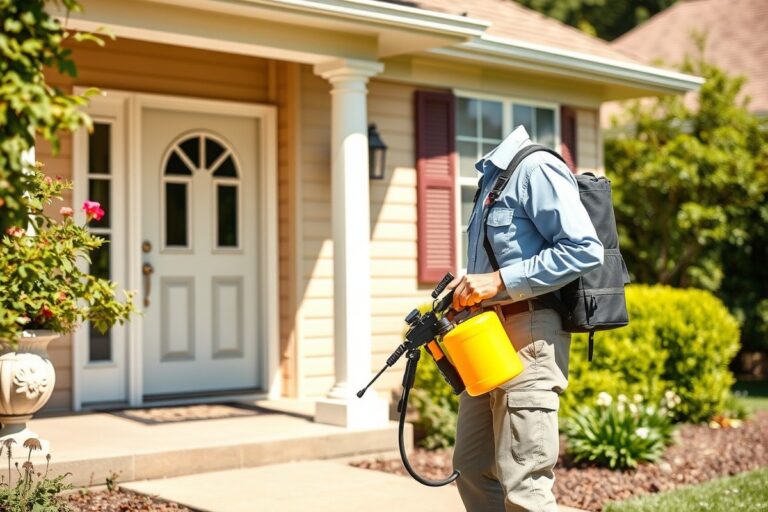
This method matters because it provides quick knockdown and lasting protection. Licensed professionals use sprays designed for indoor or outdoor use, selecting chemicals based on the pest species and location. It requires careful handling and proper ventilation during and after treatment. Spraying typically takes 30 minutes to an hour for a standard home but varies with size.
Follow label instructions strictly and keep pets and children away until treated areas dry to reduce chemical exposure risks.
Improper application or overuse can lead to pest resistance or health hazards. Sprays are not ideal for bed bugs or wood-destroying pests, where other methods work better.
Baiting and Trapping Techniques
Baiting uses attractants combined with poison to lure pests like ants, cockroaches, or rodents to consume a lethal dose. Trapping involves devices designed to physically capture pests for removal. These methods focus on pest elimination without wide chemical spread.
Bait stations are common for ants and rodents indoors because they discreetly target nests or hiding spots. Traps vary from sticky boards for insects to mechanical snap traps for rodents. Baiting takes days to weeks for results as poison spreads within pest populations.
- Placement in pest travel areas or near nests
- Regular inspection and replacement of baits and traps
- Choosing pest-specific baits to improve effectiveness
- Using tamper-resistant bait stations for child and pet safety
- Combining with sanitation to reduce food access for pests
Trapping is preferred when pesticide use is restricted or unwanted, such as in kitchens or around pets. However, this takes more maintenance and may not eliminate large infestations rapidly.
Heat Treatment and Fumigation Options
Heat treatments raise indoor temperatures to above 120°F sustained for several hours to kill bed bugs, termites, and other heat-sensitive pests. Fumigation uses gases that penetrate all areas of a structure to reach hidden pests, such as wood-boring insects or severe infestations of termites and bed bugs.
These are intensive, costly methods reserved for heavy infestations where chemical controls fail or are impractical. Heat treatments require sealing the house and specialized equipment to ensure uniform temperature. Fumigation needs vacating the premises for several days and must be done by licensed specialists due to toxic gas use.
Heat effectiveness depends on reaching all hiding spots and maintaining lethal temperatures long enough. Mistakes often happen from temperature inconsistency or rushing the process. Fumigation is thorough but more disruptive and expensive, typically several thousands of dollars.
Natural and Eco-Friendly Alternatives
Natural treatments include essential oil sprays, diatomaceous earth, biological control agents, and exclusion techniques. These reduce pesticide exposure, appealing to sensitive households and environmentally conscious owners. However, natural options often act slower and may require frequent application or combination with other methods.
Essential oils like peppermint or neem oil deter insects on contact or act as repellents. Diatomaceous earth abrades insect exoskeletons, causing dehydration but works only in dry, undisturbed areas. Biological controls use beneficial insects or nematodes to attack pest populations naturally.
Homeowners can implement measures like sealing cracks, improving sanitation, and reducing moisture which complement natural treatments. Expect these approaches to require patience and consistent effort over time rather than immediate elimination.
What Does a Typical Pest Control Service Include?
Pest control services typically include a thorough inspection, treatment of existing infestations, steps to prevent future issues, and ongoing monitoring to ensure effectiveness. The exact scope varies depending on contract type, but most companies follow a clear process that starts with identifying the problem and ends with prevention and follow-up.
Initial Inspection and Pest Identification
The first step of any pest control service is a detailed inspection. This involves examining your property for signs of pests, such as droppings, damage, nests, or live insects and rodents. Technicians look at both indoor and outdoor areas, paying attention to common entry points like doors, windows, and cracks in the foundation. Accurate identification of the pest species is critical because treatment strategies differ for ants, rodents, termites, or bed bugs.
The inspection usually takes 30 to 60 minutes depending on property size and infestation severity. Some companies include this in the initial service cost, while others charge a separate fee. You should expect a clear report or verbal explanation of what was found and recommendations for treatment or prevention.
Treatment Application Process
After inspection, the technician applies treatment tailored to the pest and infestation level. Treatment methods range from sprays and baits to traps and dusts. The choice depends on the pest biology and location; for example, rodent baits are placed in tamper-resistant stations, while insecticides might be applied around baseboards or outdoor landscaping.
The application process often involves preparing the site, such as removing food items or sealing cracks before chemical use. Treatments usually focus on affected areas but may extend to likely pest pathways. Follow all preparation instructions given by the technician, as ignoring them can reduce treatment effectiveness.
- Use targeted insecticide sprays or baits according to pest type
- Seal entry points to block pest access
- Set traps or bait stations in key locations
- Remove debris and food sources that attract pests
- Apply dusts in wall voids or crawl spaces if needed
Costs vary with the pest type, property size, and treatment complexity. Single-visit treatments might be enough for minor issues, but severe infestations often require multiple visits and combinations of methods.
Prevention and Habitat Modification
Pest control doesn’t stop with killing current pests. Preventing future infestations is part of the scope in most service contracts. Prevention involves modifying the environment to make it less attractive or accessible to pests, often referred to as habitat modification. This could include repairing leaks, improving drainage, trimming vegetation away from structures, and recommending sanitation practices.
Technicians typically provide specific advice or perform physical exclusion work during a visit, such as sealing cracks, installing door sweeps, or fixing vent screens. Some plans include scheduled preventive treatments, such as quarterly perimeter sprays, which cost more but reduce chances of reinfestation.
Follow-Up and Monitoring Visits
Monitoring after treatment is essential to confirm that the pest problem is resolving. Many pest control contracts include follow-up visits where the technician re-inspects, checks traps or bait stations, and may apply additional treatment. These visits typically occur every 30 to 90 days, depending on the pest and severity. For example, termite treatments require longer monitoring periods than ants.
Follow-ups help catch new infestations early and adjust treatment strategies. Without follow-up, pest problems can return unnoticed. Some companies offer contracts with ongoing monitoring and maintenance for recurring pests. Such plans often provide better long-term control but cost more than one-time services.
How Long Does Treatment Take and How Many Visits Are Needed?
Typical pest control treatments usually take between 30 minutes to 2 hours per visit, depending on the size of the property and severity of the infestation. The first treatment often lasts longer since technicians apply initial sprays, set baits, or install traps throughout the affected areas. Follow-up visits tend to be shorter and focus on monitoring progress and retreating spots where pests persist.
Most pest control plans require multiple visits to achieve full elimination. A standard schedule involves an initial treatment followed by 2 to 4 follow-up visits spaced 2 to 4 weeks apart. This timeline helps ensure that newly hatched pests or those missed in the first round get removed during subsequent treatments. Total elimination often takes around 6 to 12 weeks, though some pests, like termites or bed bugs, may need longer and more specialized approaches.
Several factors influence the number of treatments needed and their spacing. The type of pest plays a big role; for example, ants often require fewer visits than rodents or termites. The extent of the infestation matters too, larger problems call for more frequent and longer treatments. Environmental conditions such as humidity or temperature can speed up pest breeding cycles, requiring tighter follow-up intervals. Finally, your property’s layout, like multi-level homes or cluttered storage areas, impacts how thoroughly technicians can treat all areas in each visit. Here’s a simple timeline chart that shows a typical treatment flow:
Week 0: Initial treatment covering all infested and vulnerable zones.
Week 2: First follow-up visit to inspect results, apply additional treatments if needed.
Week 4: Second follow-up, focusing on persistent pest activity or re-infestations.
Week 6-8: Final check and possible retreatment. At this point, pest activity should be significantly reduced or eliminated.
Each visit involves inspection and targeted application of pesticides or traps, depending on the pest. Technicians adjust their approach based on what remains active. If pests are still visible after about 3 visits, your service provider might recommend specialized treatment or increasing treatment frequency.
Some pests require ongoing maintenance to prevent re-infestation. For instance, rodents and ants may return seasonally, demanding quarterly or biannual visits even after the main elimination phase. This preventive schedule helps avoid large infestations from developing again and keeps your property pest-free long-term.
Costs and time investment increase with treatment frequency and infestation severity. A heavier infestation might mean spending more upfront for multiple visits over 2 to 3 months. By contrast, light or early-stage problems often resolve with just one primary treatment and one follow-up. Choosing the right schedule depends largely on pest type, infestation size, and your tolerance for risk of recurrence.
What Are the Average Costs and Pricing Models for Pest Control?
The average cost for pest control services typically ranges from $150 to $300 for initial treatment of a single-family home. Pricing depends on factors like property size, pest type, and infestation severity. One-time jobs generally cost more per visit than ongoing contracts, which spread charges across multiple visits to manage pests over time.
Cost Factors Explained
Property size influences the volume of materials and labor needed, so larger homes usually face higher costs. For example, a 2,000-square-foot house will typically cost more than a 1,000-square-foot place because of the increased treatment area. Pest type matters because some pests require specialized treatments or more extensive intervention. Bed bugs and termites often demand higher prices than ants or spiders, since they are harder to eradicate. The severity of the infestation also impacts costs; heavy infestations take longer to treat and might call for multiple visits or stronger chemicals.
Season and local regulations can affect prices as well. Some regions require licensed applicators or strict chemical use limits, which increase operating costs and might reflect in your bill. Homes with hard-to-reach spots, like hollow walls or crawl spaces, require technicians to spend extra time, adding to the total cost.
One-Time vs. Recurring Contracts
One-time pest control treatments aim at immediate removal but usually cost more per visit, often $200 to $400 depending on the pest and property size. These visits might be necessary for acute infestations or when you want a quick fix before selling or moving. Recurring contracts offer scheduled visits, monthly, quarterly, or biannually, to prevent pests from returning and keep populations under control. These contracts average $40 to $75 per month for a typical single-family home under routine conditions.
Recurring services reduce the risk of reinfestation by continuously treating problem areas and adjusting methods as needed. They often come with guarantees or retreatments included at no extra cost, unlike one-time services which may charge additional fees for follow-up visits. For long-term pest management and fewer surprise expenses, regular contracts tend to offer better value.
Example Price Calculations
Consider a one-time service for ants in a 1,500-square-foot home. The initial visit could cost around $150, covering inspection and treatment. An additional follow-up visit may be required after two weeks for moderate infestations, costing about $75 more.
For a termite treatment in the same house, prices typically start at $1,000 due to the complexity of termiticide applications and possible baiting systems. This may involve an inspection fee, treatment, and a one-year warranty or monitoring plan included in that price.
Recurring pest control on a 2,000-square-foot home for common household pests like ants, spiders, and rodents usually costs about $50 per month with quarterly visits. Over one year, this adds up to $600, which covers continuous monitoring and treatments as needed without surprise fees.
| Service Type | Property Size | Pest Type | Typical Cost Range | Notes |
|---|---|---|---|---|
| One-time treatment | 1,500 sq ft | Ants | $150 to $225 | Follow-up visits extra |
| One-time treatment | 1,500 sq ft | Termites | $1,000 to $2,500 | Includes inspection, treatment, and warranty |
| Recurring service | 2,000 sq ft | General pests | $40 to $75 per month | Quarterly visits, prevention focus |
| One-time treatment | 2,000 sq ft | Bed bugs | $500 to $1,500 | Depends on infestation level |
Prices vary by region and company, so getting several quotes helps you compare included services and guarantees. Some companies offer discounts for recurring services or combined pest types.
Hidden or Additional Fees
Some pest control offers charge separately for inspections, especially for termites or rodents, where thorough assessment is critical. Follow-up visits after a one-time treatment often involve extra fees, which can double the initial cost if multiple follow-ups are needed. Be sure to ask about these before booking.
Additional fees may apply for difficult access areas, emergency appointments, or intensive use of specialty chemicals. Lawn treatment for outdoor pests can also incur separate charges. Clarifying exactly what is covered in your contract avoids surprises and ensures you understand what the quoted price includes.
Always read your pest control contract carefully to identify extra fees for follow-ups or specialized treatments before committing to a service.
How Should Homeowners Prepare Before a Pest Control Visit?
Food and Pet Safety Measures
Remove all uncovered food from the treatment area to prevent contamination. Pest control chemicals can leave residues that may be harmful if ingested, so clear counters, pet bowls, and shelves of food items. Store food in sealed containers or move it to a room that won’t be treated.
Pets should be secured in a safe location outside the treatment zone, such as a separate room closed off from access or temporarily taken offsite during and immediately after service. Aquariums require special care, turn off filtration systems as instructed by your technician to avoid harming aquatic life.
- Clear all countertops, tables, and floors of food and dishes.
- Place pet food bowls in the refrigerator or sealed containers.
- Secure small pets in a different room or kennel.
- Turn off aquarium filters if advised.
- Remove or cover any bird cages or small animal habitats.
These steps reduce the risk of animals or people coming into contact with pesticides, improving treatment safety. Missing any can lead to accidental exposure, which might cause health problems or require follow-up cleaning.
Clearing and Access Instructions
Make sure technicians can reach all areas where pests are suspected. This includes moving furniture away from walls, pulling out appliances where possible, and removing clutter from floors. Providing clear access allows thorough inspection and treatment, ensuring pesticides reach pest hiding spots.
Some treatments require access to closets, cabinets, attics, or crawl spaces. Unlock or open these areas ahead of time. Notify your technician if there are any sensitive items or breakables nearby to avoid accidents.
- Push furniture at least 12 inches from walls.
- Pull out appliances like refrigerators and stoves if you can safely do so.
- Remove floor clutter including shoes, boxes, and toys.
- Open cabinets and closets, and provide access to basement or attic entrances.
- Secure or temporarily relocate valuables or fragile items near treatment zones.
Inadequate access can lead to incomplete treatment, requiring additional visits and increasing overall cost. Focus on high-risk areas based on pest type and reported activity.
Ventilation and Timing Considerations
Plan to ventilate treated areas after the visit by opening windows and doors as recommended by your pest control provider. Proper airflow helps reduce chemical residues and the buildup of odors. Follow specific timing instructions carefully, since each product requires a different reentry period for safety.
Scheduling the treatment when you can leave the premises for the required period helps improve safety for your household. Typical reentry times range from four hours for some sprays to 24 hours or more for fumigation or heavy termite treatments.
- Open windows and doors after treatment to ventilate rooms.
- Arrange to leave the home as instructed, sometimes overnight.
- Follow label directions for when you can safely enter treated areas.
- Turn off HVAC systems if advised to avoid spreading chemicals.
- Inform neighbors if treatments affect shared spaces or walls.
Ignoring timing instructions can expose you and your family to residues that may cause irritation or allergic reactions. Professional applicators customize these instructions based on the product and pest targeted.
Special Instructions for Bed Bug or Termite Treatments
Bed bug treatments often require laundering all bedding, clothing, and fabric items at high heat before service to remove eggs and reduce re-infestation risk. You may also need to unplug electronics and disassemble bed frames to allow thorough inspection and pesticide application.
Termite treatments sometimes necessitate drilling into walls or digging around foundations for soil treatment. Clear outdoor landscaping and remove personal items from basements or crawl spaces for technician access. Homeowners should discuss specifics with their pest control provider well in advance.
- Wash and dry bedding and clothes at 120°F or higher before treatment.
- Vacuum mattresses, box springs, and furniture thoroughly.
- Disassemble bed frames as instructed to expose infestation areas.
- Clear mulch, plants, and debris from foundations before termite treatment.
- Remove stored items from crawl spaces and basements.
Failing to complete these steps can reduce treatment effectiveness, causing persistent infestations. Some services may incur additional fees for preparation beyond standard plans, so clarify requirements ahead of the visit.
Are Pest Control Treatments Safe for Pets and Family?
Pest control treatments typically use chemicals that can pose risks to pets and family members if proper precautions are not followed. You should expect to vacate your home during and for several hours after treatment, depending on the product used. Most companies recommend staying out for at least 2 to 4 hours, but some treatments might require 24 hours or more to ensure the chemicals settle and dry enough to reduce exposure risks to humans and animals.
Pets are usually more sensitive to pesticides than adults, especially small animals like cats or birds. To keep pets safe, you should remove them from the home before the treatment begins and avoid letting them back inside until the technician confirms it is safe. It is also a good practice to clean pet bedding, toys, and food dishes after re-entry to avoid residue ingestion.
Many pest control companies now offer environmentally responsible options, such as low-toxicity solutions, baits, or traps that minimize chemical exposure. You can ask your provider specifically about these choices and whether they use integrated pest management (IPM) techniques that focus on prevention and targeted treatment rather than broad chemical spraying. Eco-friendly methods might cost more upfront but reduce health risks and environmental impact.
For families concerned about exposure, informing the pest control technician about any allergies, respiratory issues, or sensitive pets helps tailor the treatment plan. You can also request to receive the product labels and safety data sheets in advance to read about measures like ventilation requirements, cleanup procedures, and any re-entry times specific to the chemicals used. These documents provide clear guidance on handling treated surfaces and what to avoid after treatment.
It’s important to follow all instructions given by the pest control provider to avoid accidental poisoning or irritation. This includes not washing floors or walls for at least 24 to 48 hours post-treatment to allow the pesticide to work effectively. Rushing to clean too soon can reduce results and increase the chance of contact with active chemicals.
In some cases, especially with children under the age of 2 or immune-compromised family members, you may need to consider alternatives like bait stations placed outside or localized treatments rather than whole-room sprays. Discuss these options with your pest control professional to balance safety with effectiveness.
Good communication and honesty about your household’s needs and concerns allow the pest control service to adjust timing, methods, and chemicals used. This approach helps protect everyone in the home while achieving effective pest management.
How Can You Tell If Pest Control Is Working or If Retreatment Is Needed?
You can tell if pest control is working by monitoring pest activity shortly after treatment. Most pests should decline within 3 to 7 days as the chemicals take effect and insects die off or leave treated areas. Continue checking for signs such as droppings, bites, nests, or live insects around entry points and hot spots. Signs persisting beyond two weeks or appearing to increase may indicate the treatment is not fully successful.
Common signs pests might be returning include seeing live insects at unusual times (like cockroaches during the day), fresh damage to plants or structures, or new droppings near homes, food storage, or pet areas. These could indicate the pests either survived the treatment or reinvaded the property. Factors like pest resistance, inadequate chemical coverage, or untreated breeding sites often cause this.
A clear step-by-step approach helps decide if retreatment is necessary. First, inspect key pest activity zones every 3 to 5 days after treatment. Evidence found continuing after 10 to 14 days means you should contact your pest control service. They can reassess and apply additional treatment targeted at resistant colonies or new pest entries. For persistent infestations, follow-up visits might be scheduled 2 to 4 weeks apart. Timing varies by pest species, for example, bed bug treatments often require two or three visits a week apart.
Keep detailed notes or photos of pest activity during and after treatment to communicate clearly with your pest control provider about effectiveness and needs for retreatment.
Checking effectiveness also depends on pest type. For ants, watch for new trail formations. For rodents, listen for scratching or gnawing sounds and look for fresh droppings. For termites, untreated galleries or mud tubes inside walls need immediate attention. In some cases, pests like fleas might temporarily increase after treatment due to disturbed adults before numbers drop.
Costs for retreatment vary but typically range from 25% to 50% of the original service price if scheduled within a warranty period. Outside that period, companies may charge full price. Regular monitoring after treatment reduces long-term costs by catching reinfestation early. Scheduling follow-up inspections is especially important for multi-family units or commercial buildings where pest pressure is high.
Testing results yourself involves consistent visual inspections at least twice a week for the first two weeks, then weekly for a month. Document where pests are still active. Contact your provider with this information rather than waiting for a scheduled follow-up. Quick intervention minimizes damage and health risks. For some treatments, like termite bait stations, effectiveness may take several months, requiring ongoing monitoring.
What Guarantees and Follow-Up Services Do Companies Typically Offer?
Pest control companies often provide guarantees or warranties to assure you that their treatment will effectively manage the pest problem. Typically, these guarantees cover a specific time frame, often 30 to 90 days after service, during which the company promises to return and retreat the property at no additional charge if the targeted pests reappear. This warranty period and the conditions for retreatment vary by company and pest type, so reviewing the contract carefully is essential.
Free retreatment guarantees usually apply only if you follow the company’s preparation instructions and maintain conditions that prevent reinfestation. For example, if a rodent issue returns because your home has new openings allowing entry, the company may not honor the warranty. Always clarify what actions affect coverage before signing the agreement to avoid surprises.
Many companies offer ongoing maintenance agreements as an alternative or supplement to one-time treatments. These contracts typically involve scheduled visits, often monthly, quarterly, or biannually, with regular inspections and treatments tailored to seasonal pest activity. Maintenance plans can cost anywhere from $30 to $75 per visit depending on location, service scope, and pest types. You may pay upfront annually or monthly, and the plan usually includes unlimited retreatments during the contract term.
Maintenance agreements matter because pests like termites or ants can return without routine control. Consistent monitoring catches problems early, reducing damage and need for intensive treatments. However, these contracts require commitment and can cost several hundred dollars a year. If pests only appear occasionally or the property is vacant for part of the year, occasional services may be more cost-effective than a maintenance plan. A good warranty and follow-up service checklist helps you compare offers. This checklist looks like:
Warranty Terms: Duration of coverage (e.g., 60 days), pests covered, conditions needed to keep warranty valid.
Retreatment Policy: Whether retreatment is free, how quickly the technician will return, limits on the number of free visits.
Maintenance Agreement Details: Number and frequency of visits, pest species covered, costs per visit or contract length, cancellation terms.
Customer Responsibilities: Prep and cleanup required, reporting pest sightings timeline.
Exclusions: What is not covered, such as damage repair or infestations caused by external factors.
When comparing warranties, avoid companies that do not specify retreatment timelines or limit free services to only one follow-up. A reputable provider commits to returning within a week or less when pests return under warranty, ensuring the treatment was correctly applied. For long-term protection, a maintenance agreement can make sense if your property is prone to frequent pest problems or you manage multiple units.
Practically, request your service agreement in writing before the first treatment, so the warranty and follow-up service terms are clear. Pay attention to the small print, especially whether retreatment requires the customer to notify the company within a certain time frame. Document any pest sightings or evidence before retreatment visits, which helps resolve disputes.
Not all companies include free retreatment or warranties for every pest or every service type. For instance, treatments targeting wildlife removal or extensive termite remediation may require separate contracts or warranties. Ask for specific service guarantees and avoid signing agreements that rely heavily on “best effort” language without defined terms.
Common Mistakes That Reduce Pest Control Effectiveness and How to Avoid Them
Pest control treatments lose effectiveness when homeowners make key mistakes during and after service. Not following specific post-treatment instructions often leads to recurring pests. One frequent error is failing to seal entry points like cracks, gaps, and vents. Sealing these spots prevents new pests from entering after the treatment eliminates current ones.
Another common slip-up is neglecting cleanliness and ongoing maintenance. Residual food crumbs, standing water, or clutter provide pests with shelter and food. Keeping an area clean supports the pest control efforts and reduces the chance of reinfestation. Also, ignoring regular inspections can allow small pest issues to grow unnoticed.
- Seal gaps with weatherproof caulk or metal mesh, focusing on around windows, doors, and foundation cracks.
- Remove debris and trim plants away from building edges to reduce pest harborages.
- Clean floors and counters daily to eliminate food sources in kitchens and dining areas.
- Fix leaks and remove standing water within 24 hours to cut off water supplies for pests.
- Follow the pest control provider’s advice on when to ventilate treated spaces, usually after 2 to 4 hours.
- Schedule follow-up inspections every 3 to 6 months based on pest type and local conditions.
- Store firewood and compost piles at least 20 feet away from the building to prevent attracting pests.
Sealing entry points is critical because it cuts off access for common pests such as ants, rodents, and cockroaches. Use durable materials such as silicone-based caulk for small cracks and metal hardware cloth for larger gaps or vents. Sealing can cost $50 to $150 for typical home repairs, a relatively low price compared to repeated pest treatments.
Maintaining pest-free conditions depends on consistent practice. For example, pest control for rodents differs from ants, as rodents require securing garbage and food storage, while ant prevention focuses on removing sweet residues. The best results come from combining treatment with these ongoing preventive steps. If you skip these, the same pests can return within weeks, making the initial investment less valuable.
Step-by-Step Action Plan for Managing Your Pest Control Service
Start by understanding what to expect from pest control services so you can prepare properly, monitor progress, and avoid common pitfalls that reduce effectiveness.
- Before the Service: Clear clutter and clean surfaces so technicians can access common pest hiding spots. Remove pet food and cover aquariums to protect pets and ensure safety of treatments.
- Day of First Treatment: Follow the technician’s instructions on staying off treated areas, typically for a few hours. This prevents premature disturbance and lets pesticides work as intended.
- Within One Week: Observe whether pest activity decreases, noting pest type and location. Different pests react on different schedules, rodent activity may drop faster, while termites need longer monitoring.
- After Initial Visits (Usually 2-3 Visits Total): Confirm with your provider if pest levels remain noticeable, indicating retreatment might be needed. Most services include follow-ups that target remaining pests, especially for termites or bed bugs.
- Monitoring Over the Next Month: Check for any signs of pests returning or new infestations. Traps or visual inspections help here and clarify if further treatment or sanitation steps are necessary.
- Within 30 Days of Completion: Review warranties or guarantees your pest control company offers. Many provide free retreatment within a specific time frame for recurring pests.
- Ongoing Maintenance: Consider regular quarterly or biannual treatments if you live in a high-risk area or have a history of recurring infestations. This approach balances cost with prevention effectiveness.
- Avoid Throughout the Process: Don’t clean treated areas too soon or apply over-the-counter pesticides without consulting your technician, since that can interfere with professional treatments and safety protocols.
Frequently Asked Questions
Which Types of Pests Do Standard Pest Control Plans Miss?
Standard plans often exclude rodents or termite infestations, which require specialized treatment. Knowing this helps you anticipate extra costs for those services if you spot signs of those pests.
Can Pest Control Services Protect Against Future Infestations, or Just Remove Current Pests?
Pest control aims to remove current pests and provide ongoing prevention through regular treatments. Preventive measures may include sealing entry points and ongoing monitoring, which reduces the chance of a new infestation.
Does Pest Control Cover Damage Repair Caused by Pests?
Pest control services focus on pest removal and prevention, not damage repair. You’ll need a contractor or specialist to fix property damage caused by pests like termites or rodents.
Are Outdoor Pest Issues Like Mosquitoes and Ticks Covered in Standard Services?
Many standard pest control services target indoor pests and perimeter treatment, but full mosquito or tick control often requires separate plans or specialized treatments. Check provider details before booking.
How Do Pest Control Companies Handle Pest Infestations in Commercial Versus Residential Properties?
Commercial clients often receive customized integrated pest management plans meeting health codes, which differ from residential pest control. This includes more extensive inspections and documentation for compliance.
Can Pest Control Services Help with Pest-Related Allergies and Health Symptoms?
Pest control reduces exposure to allergens by controlling pests like cockroaches and rodents. However, direct allergy treatment requires medical care; pest control complements by lowering allergen sources in your environment.
Wrapping Up
Standard pest control covers common invaders like ants, cockroaches, rodents, and spiders, using treatment methods tailored to each pest’s habits and biology. You should schedule an initial inspection to identify the specific pest and damage, which guides how many visits and treatments you’ll need. Preparing your space as advised, such as clearing clutter and securing food, helps the treatment work more efficiently and reduces the chance of retreatment. Contact a reputable local provider for a detailed estimate including follow-up guarantees, so you understand the full scope and you’re ready to act based on your particular pest situation.