Do Any Pest Control Companies Only Do Ants? A Complete Guide to Specialized Ant Services
Yes, some pest control companies specialize exclusively in ants, focusing their services and expertise on effectively managing and eliminating ant infestations. These ant-only pest control services use targeted treatments designed specifically for different ant species, offering a more focused approach than general pest control providers. You’ll find these specialists are helpful if ants are your primary pest concern and you want precise solutions tailored to stubborn or recurring ant problems.
This information is for homeowners, renters, property managers, or businesses dealing with ant infestations who want to understand how ant-only pest control companies differ from broader services. You will learn the advantages and disadvantages of hiring specialized ant services, common treatment methods, cost and timeline expectations, and tips for finding a reliable ant control provider without common customer mistakes.
Key Takeaways
- Few pest control companies focus exclusively on ants; most offer broader pest management alongside specialized ant treatments.
- Ant-only services provide targeted treatment but may miss other pest issues, requiring additional general pest control later.
- Specialist ant companies use focused methods like baiting and colony disruption versus broad insecticide applications used by generalists.
- Ant-specific treatments typically cost less upfront but might need follow-up visits to fully eliminate large infestations.
- Research local pest firms carefully, check reviews, certifications, and pest focus before choosing an ant-only service.
- Choose ant-only services for serious, persistent infestations but opt for general pest control if multiple pest problems exist.
Do Pest Control Companies Truly Specialize Only in Ants?
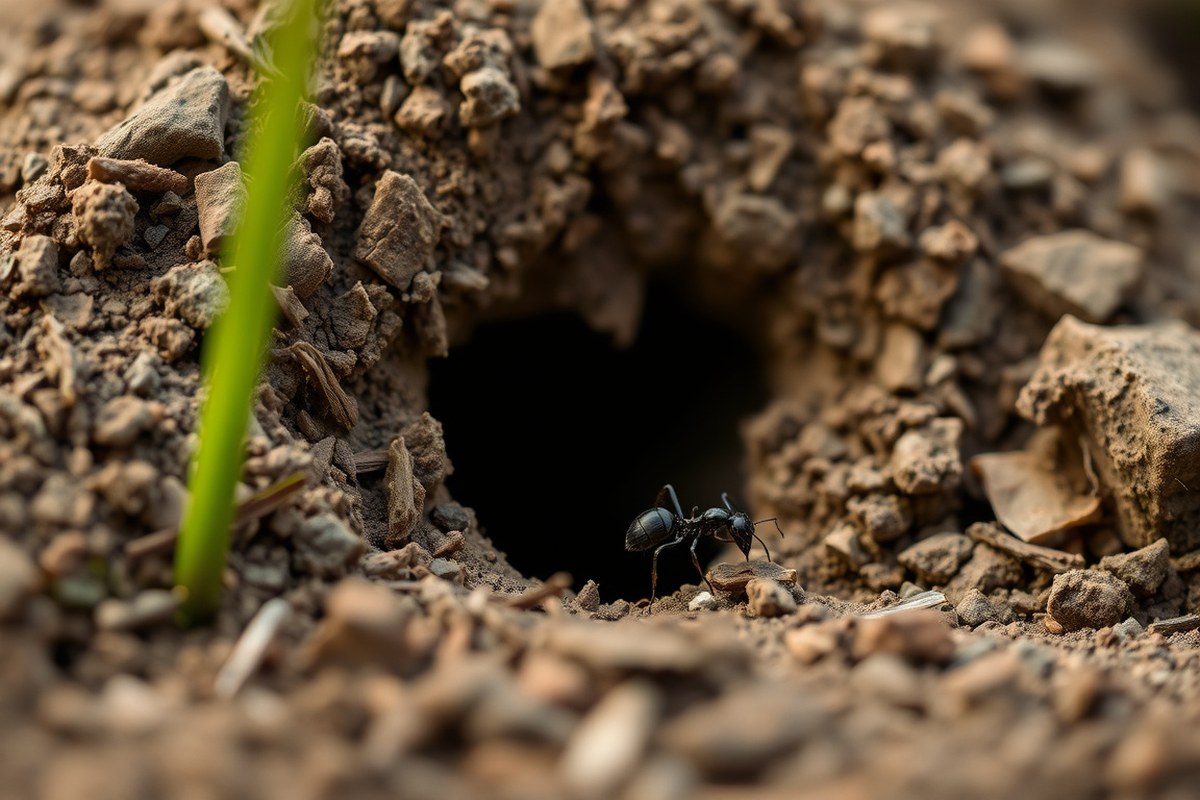
Yes, there are pest control companies that focus exclusively on ants, but they are relatively uncommon compared to general pest control providers. Specializing only in ant infestations means a company devotes its resources and expertise to understanding ant behavior, identification, and specific treatment techniques. This narrow focus allows for tailored solutions that can be more effective for persistent or difficult ant problems, especially for property managers or businesses facing repeated ant issues.
Companies might choose to specialize solely in ants for a few reasons. Ants are one of the most frequent and challenging pests in both residential and commercial settings, with dozens of species that require different control methods. Concentrating on ants allows these companies to develop advanced knowledge of ant colony structures and their preferred environments, leading to more targeted eradication tactics and prevention strategies. It can also position the company as a specialist in a competitive market segment, appealing to clients who want a focused approach rather than broad pest control.
Despite these advantages, most pest control companies remain generalists because it is more cost-effective and better meets customer needs. Offering services against a range of pests like rodents, cockroaches, spiders, and termites helps companies attract a wider client base. Ant-only companies tend to be smaller or regionally localized and may charge higher fees reflecting their niche expertise. As a result, general pest control providers are far more common, and many include ant treatments as part of their standard service package.
For homeowners or property managers considering an ant-only specialist, it is important to evaluate the complexity of the infestation. If ants are a recurring problem resistant to regular treatments, seeking a specialist might provide better long-term control. In contrast, a general pest control company could be sufficient for one-time or minor ant issues and will likely cost less. Checking whether local providers advertise exclusive ant control services and asking about their experience with the specific ant species present can clarify what level of specialization you are getting.
Costs for ant-only treatment vary based on infestation size, species involved, and region, but expect prices to run higher than general pest control visits. The specialized focus often involves more detailed inspections, baiting strategies, and follow-ups to monitor colony elimination. Good results show up as sustained absence of ant activity with minimal need for repeat treatments. What can go wrong is choosing an ant-only provider without verified knowledge of the local ant types or overlooking other pest issues that could undermine the overall control effort.
Advantages and Drawbacks of Hiring Ant-Only Pest Control Services
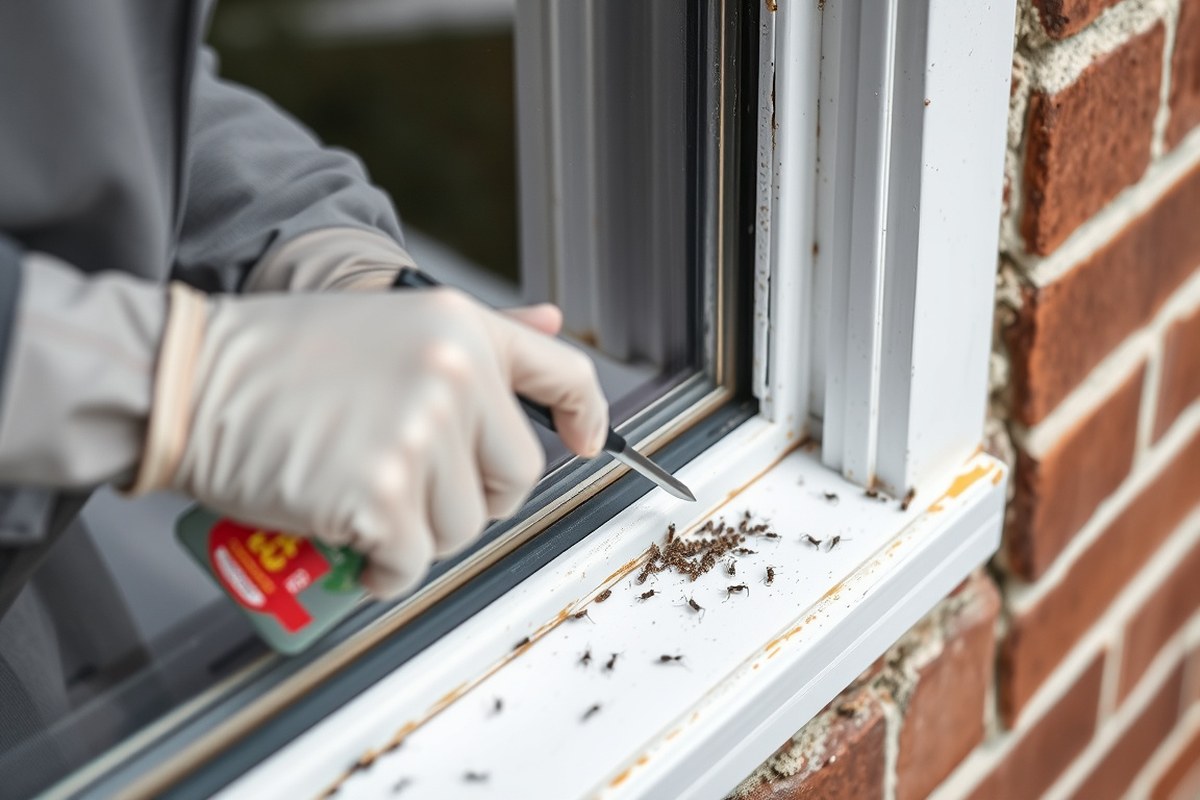
Choosing a pest control company that specializes only in ants offers several advantages, including more precise treatment methods tailored for ant species common in your area. Specialized companies often have deeper knowledge of ant behavior, which can lead to more effective eradication and prevention. Their products and techniques tend to target ants specifically, reducing the risk of harming beneficial insects or causing unnecessary chemical exposure around your property.
Targeted ant control services usually apply baits and treatments designed to disrupt ant colonies without broad-spectrum pesticides. This focused approach can be more environmentally responsible because it limits chemical usage to necessary areas and minimizes residual effects in your home or on your landscaping. Specialists may also provide education about how ants enter and nest around your property, offering steps to prevent future infestations.
- Use species-specific baits and treatments rather than general insecticides
- Apply treatments directly to nests and ant trails for quicker results
- Educate homeowners on exclusion techniques and habitat disruption
- Offer monthly or quarterly monitoring specifically for ant activity
- Minimize chemical application to reduce environmental impact
- Provide guarantees focused on ant colony elimination
Despite these benefits, there are potential drawbacks to consider. An ant-only service might overlook other pests that coexist with ants, leading to recurring issues that a broader pest control provider might address in one complete visit. Also, specialized companies can sometimes charge more due to their niche expertise and focused services. You might need to pay extra for additional pest control if other infestations arise.
Another limitation is that not all ant infestations are alike. Some species may require different treatment methods, and an ant specialist lacking experience with your particular ant could struggle to control it effectively. General pest control providers might have more experience tackling a variety of infestations simultaneously and might offer bundled services that save time and money.
Make sure the pest control company confirms the ant species before treatment to ensure the approach matches your infestation; misidentification can waste time and money.
Homeowners should evaluate the trade-offs between targeted effectiveness and complete pest coverage when selecting ant-only services. If your main concern is a severe ant problem affecting your property or business operations, a specialist may be the best option. For multiple pest issues or broader protection, a general pest control plan might be more practical and cost-effective. Consider your property’s needs, budget, and environmental concerns to make the right decision.
How Ant-Only Companies Differ from General Pest Control Providers
Ant-only pest control companies focus exclusively on ant infestations, which shapes their service scope, treatment approach, and pricing compared to general pest control firms. They typically offer more specialized expertise and target treatment methods designed specifically for ants, while general providers cover a wider range of pests with broader methods that may not be as targeted. This specialization often affects guarantees, with ant specialists offering warranties tightly linked to ant population control rather than more general pest exclusion.
Geographic availability differs notably. Ant-only companies are often regional, concentrated in areas with specific ant species problems, while general pest control companies usually operate nationwide or across multiple states. Specialized providers often include recurring maintenance plans but focused solely on ant monitoring and prevention, whereas general companies bundle ant treatment with other pest services under ongoing contracts. The table below compares several key aspects between ant-only pest control companies and general pest control providers to clarify how these differences impact your options and expectations.
| Aspect | Ant-Only Pest Control | General Pest Control |
|---|---|---|
| Service Scope | Exclusive focus on ants, including different species and nesting habits | Broad coverage of multiple pests including ants, rodents, spiders, and more |
| Treatment Methods | Targeted baits, ant-specific insecticides, habitat disruption tailored to ant biology | General insecticides, traps, and integrated pest management approaches |
| Guarantees | Often offer satisfaction guarantees or re-treatment policies specifically for ants | Warranties cover various pests, may require bundled service contracts |
| Pricing | Pricing based on ant species, infestation severity; may be lower if exclusively treating ants | Typically higher due to multi-pest coverage and broader service scope |
| Geographic Reach | Primarily regional or local, aligned with prevalent ant problems in that area | Often national or multi-state with franchise networks or corporate branches |
| Recurring Services | Available, focused on ongoing ant monitoring and prevention | Common, covering regular inspection and control of various pest types |
The focused nature of ant-only companies means you get specialized knowledge and treatments tailored for ants’ behavior and nesting patterns. This sometimes results in more effective control when ants are the sole concern. The tradeoff includes often limited availability outside affected regions and narrower service packages. You might pay less upfront for just ant treatment, but if other pests become a problem, you’ll likely need to hire additional services.
General pest control companies offer convenience through broader service offerings and wider geographic coverage. Their ongoing maintenance contracts typically cover many pests, making them better suited if you want a complete solution. These firms usually apply a standard set of interventions designed to handle multiple common pests, which may not be as finely tuned for ants alone but can address a variety of infestation issues as they arise.
Common Treatment Methods Used by Specialist Ant Control Companies
Specialist ant control companies primarily use baiting and targeted treatments designed to interrupt ant colonies rather than only killing visible ants. They often apply eco-friendly products and focus on finding and treating nests even in hard-to-reach spots like inside walls or underground. Their methods vary based on the species of ant, with customized approaches for common pests like carpenter ants, fire ants, and odorous house ants.
Ant Baiting and Monitoring Techniques
Baiting is the most common treatment method used by companies specializing in ants because it directly targets the colony’s food chain. Technicians place slow-acting baits containing insecticides mixed with attractants in areas where ants are active. These baits work as a delivery system, allowing worker ants to carry poisoned food back to the nest, ultimately killing the queen and other colony members. Installing bait stations inside and outside the property helps monitor ant activity and effectiveness over time. Baiting typically takes several days to weeks to show results, depending on the colony’s size and accessibility.
Monitoring involves inspecting bait stations regularly to check bait consumption and adjusting placement if ants aren’t feeding. Poor results often occur if baits are placed incorrectly or if competing food sources are available nearby. To improve success, homeowners should remove food debris and seal entry points along with professional bait placement.
Use of Eco-Friendly and Low-Toxicity Treatments
Eco-conscious ant control companies offer low-toxicity products such as gels, baits with natural ingredients, and microbial insecticides. These treatments reduce environmental impact and health risks to children, pets, and sensitive individuals. For example, boric acid-based baits are effective and have relatively low toxicity compared to broad-spectrum sprays.
Using eco-friendly sprays and dusts is also common, often applied as spot treatments around ant trails or nest entrances. These options work by disrupting ant communication and movement while minimizing residue and odours inside homes. Costs vary, with eco-friendly treatments sometimes priced higher due to specialized formulations, but they often align with customers prioritizing safer pest control.
Treating Nests in Walls, Soil, and Inaccessible Areas
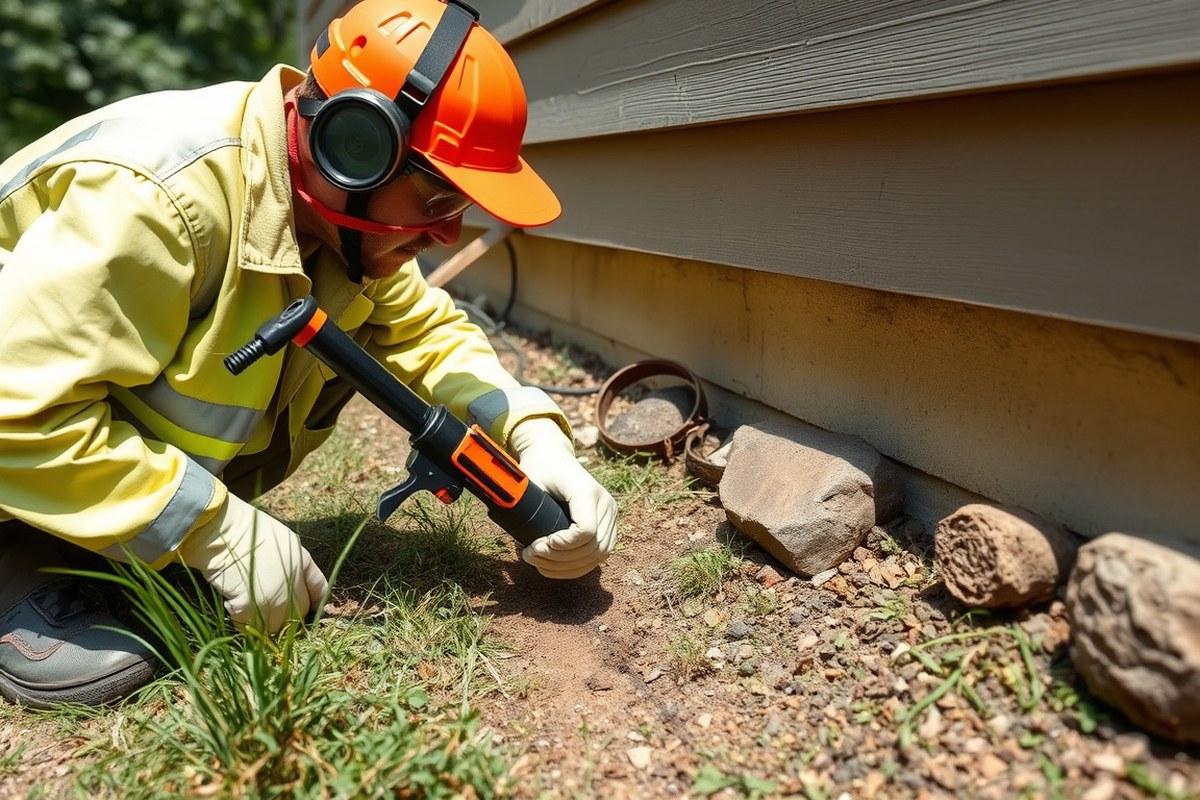
Locating and treating ant nests in tough spots like wall voids, electrical outlets, or deep soil can be challenging but important for complete eradication. Pest specialists use tools like moisture meters, borescopes, or infrared cameras to find colonies inside walls without invasive demolition. Once located, technicians inject slow-release insecticides or place targeted bait stations directly into voids. This approach kills ants at their source rather than only on visible trails.
For underground nests, professional soil treatments involve pouring liquid insecticides or granular baits around and into nest openings. The product must penetrate nest tunnels to be effective. Repeat applications may be needed if the nest is large or hidden deep. Treating interior wall nests usually requires experience to avoid structural damage while ensuring full insecticide coverage.
Species-Specific Tactics for Carpenter, Fire, and Odorous House Ants
Ant species differ in nesting habits and behavior, so specialist companies adapt treatments to target the most problematic species effectively. Carpenter ants, which damage wood, require locating and treating satellite nests often inside structural timber. Control may involve applying dust insecticides into wall voids and combining baiting with wood-treating sprays.
Fire ants, known for aggressive stings, are treated primarily through mound injections or granular baits directly applied to colonies outdoors. Their nests can be spotted in soil, requiring careful treatment to prevent reinfestation. Odorous house ants commonly nest in moist areas inside homes. Technicians focus on bait placement along ant trails and eliminating moisture sources to interrupt their food supply.
Cost, Timeline, and Service Expectations for Ant-Only Treatment
Ant-only pest control services usually cost less than general pest control because they focus on a single pest rather than multiple species. Typical pricing ranges from $100 to $250 per service, depending on property size and infestation severity. General pest control often starts around $150 and can exceed $300 for complete treatments covering ants, spiders, rodents, and other insects. Choosing an ant-only service makes financial sense when ants are your main concern and no other pests require attention.
Ant treatments often involve baiting, spraying, or a combination applied indoors and around building perimeters. Treatment duration typically spans 30 minutes to an hour per visit. Most users see noticeable reductions in ant activity within 3 to 7 days after the initial application. However, complete elimination can take up to 14 days, depending on colony size and species. Ant-only companies usually schedule maintenance visits every 3 to 6 months to monitor reinfestation and refresh treatments as needed.
Warranties or guarantees vary by company but frequently include a 30- to 90-day period for free re-treatment if ants return. That said, these guarantees often require that customers follow recommended prevention measures such as food storage and moisture control. Maintenance plans extend these guarantees by providing continuous monitoring and timely reapplications. The timeline below outlines a typical ant-only treatment process, helping you understand what to expect and when.
| Activity | Duration or Timing | Purpose |
|---|---|---|
| Initial Inspection and Treatment | 30, 60 minutes per property | Identify infestation scope and apply bait/spray |
| Initial Results Observation | 3, 7 days | Monitor ant activity reduction |
| Follow-up Treatment | 7, 14 days after initial | Target remaining colonies and reinforce baiting |
| Warranty Period | 30, 90 days | Free re-treatments if ants reappear |
| Maintenance Visits | Every 3, 6 months | Ongoing monitoring and treatment to prevent reinfestation |
Maintaining clear communication with your pest control provider ensures you know when to expect results and how to help prevent ants from returning. If you see continuous ant activity beyond two weeks without advice from your service, contact them promptly for re-treatment.
Clear visibility of problems and timely action are key; do not delay calling your professional if ants persist past the expected treatment timeline.
How to Find, Vet, and Choose a Reliable Ant-Only Pest Control Company
Verifying a pest control company that focuses only on ants requires checking their legitimacy, confirming proper certifications, and assessing their reputation through customer feedback. Validating these details ensures you hire a reliable service that both specializes in ants and meets legal and safety standards.
Checking Licenses, Insurance, and Certifications
Start by confirming that the company holds a valid pest control license from your state’s regulatory agency, such as the Department of Agriculture or a similar authority. This license proves they meet state requirements to apply pesticides safely. Confirm the license specifically covers ant control treatments, as some companies may have limited scopes.
Insurance is another key factor. The company should carry general liability insurance to protect you from potential property damage during treatment. Workers’ compensation insurance protects you from liability if a technician is injured on your property. Request these documents and verify their validity and coverage limits with the insurer.
Look for certifications from reputable bodies like the National Pest Management Association (NPMA), which indicate professional training and adherence to industry standards. Certifications related to Integrated Pest Management (IPM) also show commitment to environmentally responsible ant control.
Questions to Ask During an Initial Consultation
Asking focused questions helps identify a true ant-only pest control service and understand their expertise:
- Do you specialize exclusively in ants, or do you handle other pests as well?
- What specific ant species do you treat, and what methods do you use?
- How long have you been providing ant-only services in this area?
- Can you provide references or case studies of previous ant infestations you’ve handled?
- Do you offer assurances on the effectiveness and duration of your ant treatment?
- How often will follow-up visits take place, and are they included in the initial cost?
- Are the products you use EPA-approved and safe for children and pets?
Responses should show clear specialization, transparent treatment plans, and customer-oriented service terms.
Red Flags to Avoid When Selecting a Company
Beware of companies that make overly broad claims like “one-time eradication” without inspection or ongoing monitoring. Lack of a proper license or refusal to show insurance certificates is a warning sign. Companies that push aggressive chemical use without explaining safety or alternatives may not specialize in careful ant control.
A company unable to provide referrals or detailed treatment protocols specific to ants may also lack real expertise. Poor reviews citing ineffective treatments, hidden fees, or unprofessional conduct are additional red flags. Lastly, avoid services with vague contracts or no clear mention of follow-up visits, as ant control typically requires multiple steps over several weeks for lasting results.
How Leases or Insurance Policies Can Affect Hiring Decisions
Rental leases often include clauses restricting which pest control services tenants can hire, typically requiring licensed professionals with insurance. As a renter, confirm your lease allows for independent ant pest control and check if the landlord prefers or requires certain companies.
Homeowners’ insurance policies sometimes require using licensed and insured pest services to maintain coverage in case of property damage related to treatment. Verify your insurance policy calls for these credentials and keep documentation from the ant-only company used.
For both rental and owned properties, maintaining clear communication with your landlord or insurance agent before hiring an ant-only pest control company helps avoid contractual or coverage issues. Always get contracts and receipts that include licensing and insurance verification.
- Verify the company’s pest control license through your state’s regulatory website.
- Request and confirm current general liability and workers’ compensation insurance certificates.
- Look for professional certifications related to pest control and verify their authenticity.
- Ask about the company’s ant-only specialization, treatment methods, and experience during your consultation.
- Check customer reviews across multiple platforms for consistent feedback about service quality.
- Review company contracts for clear treatment plans, assurances, and follow-up schedules.
- Confirm your lease or insurance policies allow hiring a licensed, insured ant-only pest control service.
- Obtain documentation from the company showing licensure, insurance, and treatments performed.
When to Use Ant-Only Services Versus General Pest Control
You should use an ant-only pest control service when the infestation is limited to ants, and no other pests are present or expected. When other pests or the potential for wider infestations appear, a general pest control provider can offer broader protection. Combining both services makes sense when ants are the primary problem but other pests appear later or coexist.
Identifying Infestation Severity and Species
To choose between an ant specialist and a general pest control service, first assess how severe the ant infestation is and identify the species involved. Some ant species, like carpenter ants, cause structural damage and require targeted treatments, while others mainly annoy. The severity depends on colony size, nesting locations, and how widespread the ants are within a property.
Severe infestations concentrated indoors or near sensitive areas usually call for specialist services. Mild or outdoor-only infestations may not require an ant-only provider.
Assessing Presence of Multiple Pests
Check for signs of other pests like cockroaches, spiders, or rodents, which often occur alongside ants, especially in older buildings or commercial properties. When multiple pests coexist, a general pest control company providing multi-pest treatments is usually more efficient and cost-effective.
Ant-only companies typically do not handle other pests. Solving the ant problem but ignoring others risks recurring issues or damage. Combining services works best when ants are the main issue but occasional other pests require attention.
Signs Indicating Need for Specialist Ant Treatment
Look for early signs that mean a specialist is necessary. These include seeing large numbers of ants indoors daily, finding multiple nest entrances inside or around the property, and noticing damage linked to specific ant species such as wood shavings or rustling sounds within walls.
When baits and basic treatments fail or ants reappear quickly, general treatments might not be enough. A specialist can provide targeted inspections and treatments designed for the particular ant species.
Integrating Ant Control with Broader Pest Management
Combining specialist ant control with general pest management involves clear coordination. Use a step-by-step approach to decide and act effectively:
- Inspect the property to identify pest types and infestation levels, noting ants specifically.
- Determine the primary pest concern based on severity, damage risk, and nuisance level.
- Decide if ants alone require focused treatment or if other pests need simultaneous control.
- Consult with an ant control specialist for treatment strategies targeting the ant species found.
- Engage a general pest control provider to manage co-occurring pests if necessary.
- Coordinate treatment timing to avoid overlapping pesticide applications and allow for effective monitoring.
- Monitor post-treatment for re-infestation or new pest appearances, adjusting the approach as needed.
- Schedule regular inspections to maintain control over ants and other pests long term.
Combining an ant-only company with a general service can increase costs and require scheduling coordination, but it also maximizes effectiveness when dealing with mixed infestations. Ant-only companies may decline to treat other pests, highlighting the importance of planning based on your property’s pest profile.
Common Customer Mistakes and How to Avoid Them in Ant Pest Control
Choosing the wrong approach to ant pest control often leads to frustration, wasted money, and persistent infestations. One major mistake is ignoring follow-up treatments recommended by pest control professionals. Ant colonies can be complex, and a single treatment may not eliminate the entire colony or new queens that emerge later. Skipping follow-ups reduces the chance of complete eradication and allows ants to regroup.
Misdiagnosing the insect is another common error. Many bugs resemble ants but require different treatments. Attempting to treat the wrong pest not only wastes time but also delays the proper solution. Professionals use their expertise to identify ant species and tailor treatments accordingly, which affects how successful the treatment will be.
Many homeowners and renters also jump too quickly to DIY ant control. While some over-the-counter baits and sprays can reduce minor infestations, they rarely eliminate large or hidden colonies. DIY efforts often miss the nest locations or fail to disrupt the colony’s life cycle. This can lead to ongoing problems that require costly professional intervention down the line.
Environmental factors such as weather, season, and region impact how well treatments work. For example, bait treatments perform better during warmer months when ants forage actively. Cold or wet weather can reduce ant activity and make treatments less effective. In more humid regions, ants may nest indoors or underground, affecting treatment choice and timing. Adapting treatment plans to these conditions helps increase success rates.
- Follow all recommended follow-up treatments and inspections to ensure complete colony removal.
- Have the pest professionally identified before choosing a treatment plan.
- Use DIY treatments only for very small, localized ant problems.
- Schedule treatments during seasons with high ant activity, typically spring through fall.
- Consider regional climate and weather patterns when planning pest control.
- Keep food sources sealed and clean to reduce ant attraction during and after treatments.
Ignoring professional follow-ups or misidentifying ants often prolongs infestations and increases overall control costs.
Following a clear treatment schedule, adjusting for seasonal ant behavior, and limiting DIY attempts to minor cases can save time and expenses. Investing in targeted and timed professional services provides the best chance at eliminating ant colonies permanently. You can improve outcomes by preparing your property according to the technician’s instructions, removing food attractants, and maintaining cleanliness throughout the process.
Step-by-Step Action Plan for Hiring Ant-Only Pest Control Services
Follow these steps to decide if an ant-only pest control company fits your needs and to secure the right service with clear expectations.
- Before you start: Research local pest control companies to identify any that focus exclusively on ants. Verify their licensing and read recent customer reviews to check reliability and effectiveness.
- Day 1: Contact at least two specialized ant control companies. Ask about their treatment methods, success rates, and typical timelines. A good sign is if they provide detailed explanations and tailored plans.
- Day 3: Compare quotes and service guarantees from the companies you contacted. Consider the tradeoffs between specialization and broader pest control coverage depending on your property’s needs.
- Week 1: Schedule a professional inspection to get an accurate assessment of your ant problem. A thorough initial inspection indicates a company that understands the specific species and infestation level.
- Week 2: Approve the treatment plan and ask for a written contract detailing the number of visits, estimated timeline, and any follow-up services. Clear communication here helps avoid confusion later.
- During treatment: Follow company recommendations such as cleaning or sealing entry points. Observe ant activity before and after treatments; a visible decrease indicates the service is working.
- After 4 weeks: Evaluate overall effectiveness. If ant activity persists, contact the company for a follow-up or consider consulting a general pest control provider if other pests are an issue.
Frequently Asked Questions
Are There Companies That Only Do Ant Pest Control?
Yes, some companies specialize exclusively in ant control to provide focused, effective treatments specifically for ants, unlike general pest control firms that handle multiple pests. This specialization may suit properties with persistent or severe ant infestations.
Can Ant-Only Pest Control Companies Handle All Ant Species?
Typically, yes, ant specialists deal with most common ant species but may refer cases with rare or invasive ants to experts. Confirm their experience with your specific ant type for best results.
Do Ant-Only Companies Use Different Chemicals Than General Pest Control?
Yes, they often use baiting systems and targeted insecticides designed for ant behavior, improving effectiveness and reducing chemicals elsewhere. This method reduces broader pesticide exposure in your home or business.
Will Hiring an Ant-Only Service Save Money Compared to General Pest Control?
It can, but savings depend on infestation size and treatment frequency. Specialized services may be more efficient but could cost more upfront due to targeted methods.
How Long Does an Ant-Only Treatment Usually Take?
Treatments often require multiple visits over a few weeks to fully eradicate the colony. Specialist companies monitor and adjust to ensure nest elimination, reducing return visits later.
Can I Switch to an Ant-Only Service After General Pest Control Fails?
Yes, switching to a specialist can resolve persistent ant problems as they apply precise strategies tailored for ants. Inform previous providers of past treatments for best cooperation.
Before You Go
Specialist pest control companies that focus solely on ants do exist, but they are less common than general pest control providers. Choosing a dedicated ant control service can offer more targeted treatments, though it’s important to weigh the pros and cons based on your specific infestation. Start today by researching local pest control reviews and asking each company directly about their experience and success with ant-only treatments before scheduling service.