

How to Get Rid of Algae in Pool: A Complete Guide for Fast, Long-Lasting Results
To get rid of algae in your pool fast and effectively, start by testing and balancing the water chemistry, scrub the surfaces vigorously, shock the pool at night, run your filter continuously, and vacuum the dead algae afterward. Consistent maintenance and proper use of algaecide will help prevent algae from returning. This straightforward approach works especially well in warmer climates where algae growth accelerates.
This advice is for homeowners dealing with stubborn algae outbreaks who want clear, blue water again without draining the pool. You’ll learn how to identify different algae types, treat them properly, avoid common mistakes, and understand seasonal or regional factors affecting treatment. Plus, you’ll find safety tips and know when to consult a professional for persistent problems.
Key Takeaways
- Maintain pool water pH between 7.2 and 7.4 before shocking to ensure chlorine and algae treatments work effectively.
- Brush all pool surfaces thoroughly before and during treatment to physically remove algae and expose it to chemicals.
- Shock your pool with double to quadruple the normal chlorine dose based on algae type: green, mustard, or black algae.
- Run your pool pump and filtration system for 8 to 12 hours daily, or continuously when water temperature exceeds 27 °C.
- Vacuum dead algae after treatment and clean your filter to prevent clogging and recontamination.
- Identify algae type first, as black algae requires more aggressive treatment and professional help if persistent.
How to Eliminate Algae from Your Pool Step-by-Step
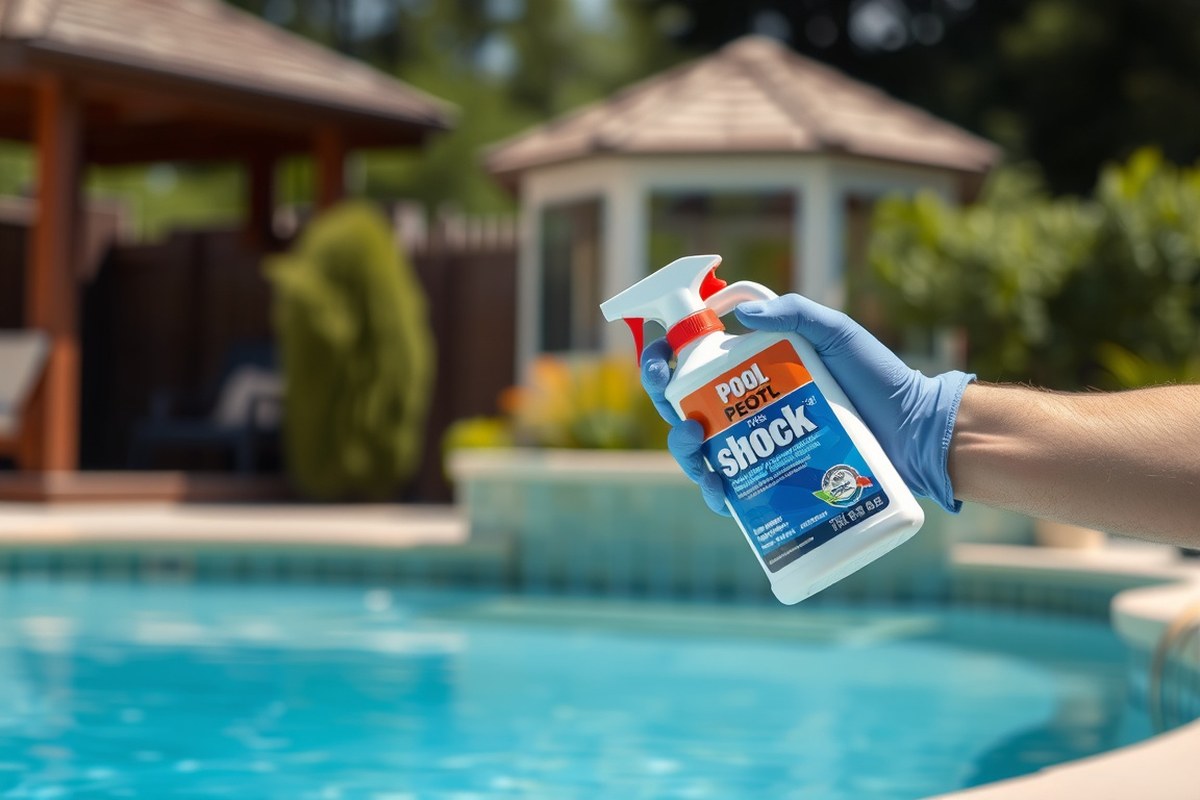
Clearing algae from your pool requires a careful, step-by-step approach using both chemical treatments and mechanical cleaning. Start by ensuring your pool’s water chemistry is balanced, which helps chemicals work effectively. Different types of algae, green, mustard, and black, need varying chlorine shock doses, so identify the algae type before treatment. Consistent circulation by running your pump and filter keeps the water moving and helps remove dead algae after treatment. Brushing and vacuuming are essential to remove algae from surfaces and the pool floor thoroughly.
- Balance your pool water. Test and adjust pH, alkalinity, and calcium hardness to recommended levels before treating algae. Balanced water ensures chlorine shocks work optimally. Ideally, keep pH between 7.4 and 7.6 to combat algae effectively.
- Brush all pool surfaces thoroughly. Use a stiff-bristle brush for green and mustard algae or a wire brush for black algae on plaster pools. This mechanical action breaks up algae layers and exposes them to the chlorine shock.
- Shock the pool with chlorine. Apply calcium hypochlorite (cal-hypo) shock at a dose appropriate for the algae type: 2 pounds per 10,000 gallons for green algae, 3 pounds for mustard algae, and 4 pounds for black algae. Add the shock in the evening to avoid rapid chlorine breakdown from sunlight.
- Run the pump and filter continuously for at least 24 hours. Continuous filtering circulates the chlorinated water, allowing it to contact all algae and debris and trapping dead algae in the filter. Some situations may require up to 48 hours of pump operation for stubborn algae.
- Vacuum dead algae from the pool. After filtering for 24 hours, use a vacuum to remove the detached algae from the pool floor. For green algae, vacuum normally; for mustard or black algae, be gentle to avoid spreading spores.
- Clean or backwash your filter. Dead algae can clog your filter media. Clean cartridges, backwash sand filters, or replace DE grids to maintain filter efficiency.
- Repeat brushing and vacuuming as needed. If algae persists, repeat brushing and shocking steps until the pool water clears. Be prepared to use additional shock treatments, especially with black algae, which can take up to two weeks to eliminate fully.
- Maintain regular pump run time and water care. After algae removal, run your pump 8 to 12 hours daily to prevent algae return. Monitor phosphate levels and keep them below 100 ppb using a phosphate remover, and maintain proper water balance.
Identifying Algae Types and How Treatment Differs
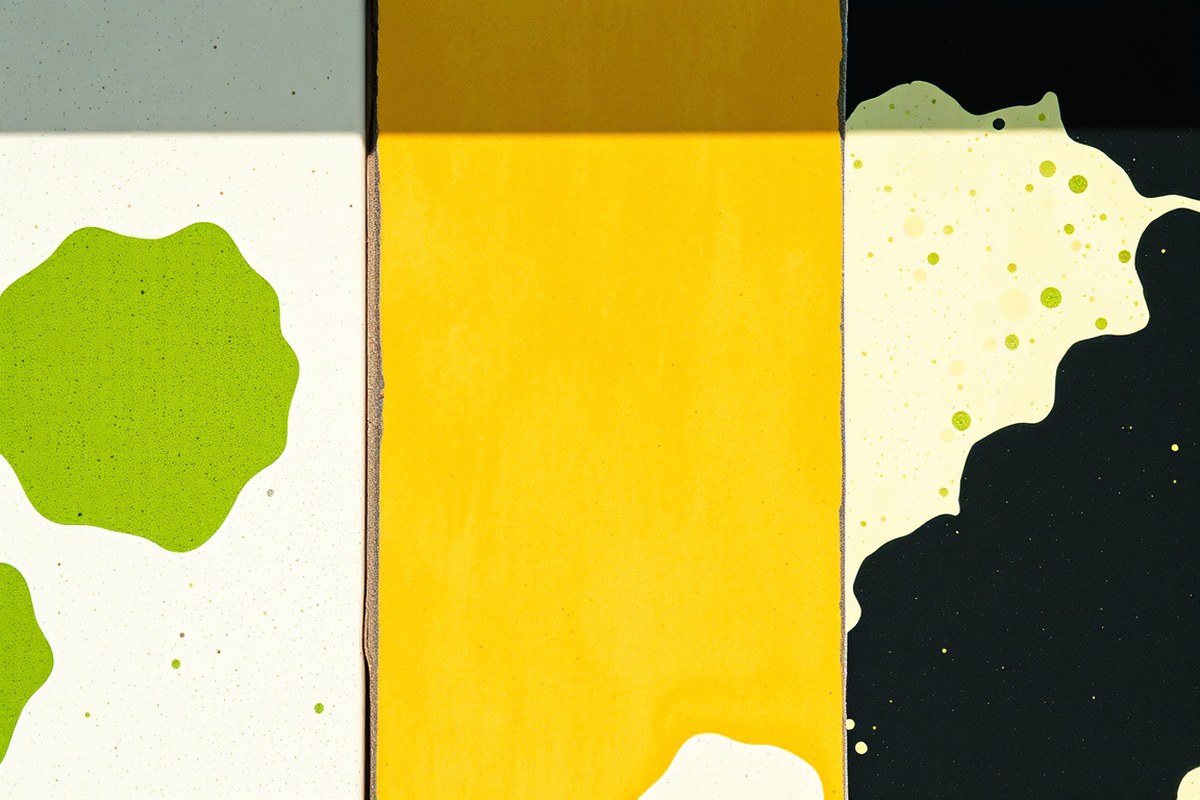
Pools often develop three main types of algae: green, yellow (also known as mustard), and black. Identifying the type you’re dealing with helps determine how long treatment will take and what methods to use. Green algae clears quickly with one shock cycle, while mustard algae requires multiple shocks and more time. Black algae is the toughest, demanding persistent treatment over one to two weeks.
Green Algae Characteristics and Treatment
Green algae is the most common and easiest type to treat. It appears as a green tint or slimy film covering pool surfaces. This algae can grow quickly when chlorine levels drop. You’ll notice cloudy water and slick walls when green algae start to bloom.
Treating green algae usually involves a single shock cycle for mild cases and up to two for heavier infestations. With proper brushing and filtration, the pool can clear within one to three days. The main goal is restoring chlorine levels to a high enough concentration to kill the algae.
Mustard (Yellow) Algae Insights
Mustard algae looks like a yellow or yellow-green dust settled mainly on pool floors and shaded areas. It’s more common in warm, humid climates. Mustard algae tends to stick more stubbornly to surfaces than green algae, making it slower to remove.
Treatment usually requires two to three shock cycles spread over three to seven days. Brushing must be thorough to loosen the algae from the surfaces. This type of algae resists standard chlorine levels, so maintaining a high chlorine concentration is important during treatment.
Black Algae Identification and Challenges
Black algae is recognizable by its dark green to black spots that appear on plaster or rough pool surfaces. It forms deep roots by penetrating porous materials, making it resistant to normal chlorine treatments. It’s most commonly found in plaster pools rather than vinyl or fiberglass.
Tackling black algae needs persistent effort, often three or more shock treatments over one to two weeks. Brushing must be aggressive and consistent to break up the protective coating it forms. Without thorough removal, black algae will quickly return in the same spots.
| Algae Type | Typical Clearance Time | Number of Shock Cycles |
|---|---|---|
| Green Algae (mild) | 1 to 2 days | 1 |
| Green Algae (severe) | 2 to 3 days | 1 to 2 |
| Yellow / Mustard Algae | 3 to 7 days | 2 to 3 |
| Black Algae | 1 to 2 weeks | 3 or more |
This table clearly outlines treatment timelines and shock cycle needs for each algae type. You can expect faster improvement with green algae, while mustard and black algae require longer and more intense treatments. Following the right schedule reduces the chance of algae returning after treatment.
Black algae resists chlorine and embeds deeply into pool surfaces, so aggressive brushing and multiple shock treatments are essential to prevent quick recurrence.
Testing and Balancing Pool Chemistry Before Treatment
Before starting algae removal, test your pool water for pH, chlorine, alkalinity, and cyanuric acid (CYA) levels. Proper balance of these chemicals improve chlorine’s effectiveness and prevents algae from returning. Adjust the chemicals so pH stays between 7.2 and 7.6, free chlorine matches at least 40% of your CYA level, and alkalinity ranges from 80 to 120 ppm.
Testing pH, Chlorine, and Alkalinity
Use a reliable pool water testing kit, either liquid drop-based or digital, to measure these key parameters. PH indicates the acidity or alkalinity of your water; if too high or low, chlorine loses its killing power. Alkalinity acts as a buffer, helping keep pH stable. Free chlorine shows how much sanitizer is available to kill algae and bacteria.
For example, test your pool early in the day before much sun exposure, as UV rays lower chlorine and raise pH. Record the results carefully to guide adjustments. Ideal ranges are:
- PH: 7.2 to 7.6
- Free chlorine: 1 to 3 ppm under normal conditions; for algae treatment, free chlorine should be around 40% of your CYA value
- Total alkalinity: 80 to 120 ppm
Results outside these ranges need correction before adding algaecides or shock treatments. Proper testing upfront ensures your treatment works effectively and prevents algae re-growth.
Managing Cyanuric Acid Levels
Cyanuric acid stabilizes chlorine by protecting it from rapid breakdown caused by sunlight. However, if CYA is too high, it reduces chlorine’s effectiveness against algae. Maintain CYA levels between 30 and 50 ppm for best results, especially in sunny regions or saltwater pools.
Testing for CYA usually requires a specific kit. If your CYA level is above 50 ppm, dilute the pool water by partially draining and refilling or use a commercial CYA reducer, which is less common. Avoid adding more CYA during algae treatment, as this can hinder chlorine’s ability to kill algae cells.
Correcting Chemical Imbalances Quickly
Adjust chemicals carefully based on your test results. Lower pH with muriatic acid or sodium bisulfate if above 7.6; raise it with soda ash if below 7.2. For alkalinity below 80 ppm, add baking soda; for high alkalinity, muriatic acid also lowers it. Increase chlorine levels with liquid chlorine or granular shock for quick action.
Here’s an example calculation: Suppose your pool holds 20,000 gallons with a free chlorine level of 1 ppm, and CYA is 50 ppm. The treatment target is 40% of CYA, which is 0.40 × 50 = 20 ppm free chlorine. To raise free chlorine by 19 ppm (from 1 to 20), add about 19 ounces (1.2 pounds) of granular calcium hypochlorite shock (calculated based on product label dosing, typically 1 ounce per 1,000 gallons raises chlorine by 1 ppm).
- Add chemicals in small doses, retest after 1-2 hours
- Run pool pump continuously during treatment to circulate chemicals
- Avoid adding multiple chemicals at once to prevent reactions
- Maintain recommended ranges steadily during algae treatment
- Use chlorine stabilizers only if CYA drops below 30 ppm
Following these steps cuts treatment time and prevents chemical wastage. Keep test kits handy to monitor progress daily until algae clears and water chemistry remains balanced.
The Role of Algaecide and How to Use It Effectively
Algaecides are chemical treatments designed to prevent and control algae growth but are not a standalone solution for heavy algae blooms. They work best in combination with shock treatments, which rapidly raise chlorine levels to kill algae cells. Shock treatments attack algae directly, while algaecides provide ongoing protection by inhibiting future growth, especially for green algae. You will still need to shock your pool to eliminate existing algae; algaecides alone rarely clear established blooms.
There are several types of algaecides, each effective against different algae strains. Quaternary ammonium compounds or “quats” are common and work well against green algae but are less effective on stubborn mustard and black algae. Copper-based algaecides can control green and mustard algae but may stain some pool surfaces if overused. Polyquat algaecides offer broad-spectrum control, including some resistant types, and tend to be less likely to cause staining. For black algae, only products labeled specifically for resistant algae types should be used, often in combination with scrubbing the affected areas to break up protective layers.
| Algaecide Type | Effective Against | Notes |
|---|---|---|
| Quaternary Ammonium (Quats) | Green Algae | Best for prevention, may not clear severe blooms |
| Copper-Based | Green, Mustard Algae | Can stain surfaces if overdosed |
| Polyquaternary (Polyquat) | Green, Mustard, Some Black Algae | Lower staining risk, versatile use |
| Specialty Algaecides | Black Algae | Use with scrubbing, follow product timing |
For effective dosing, always adjust your pool’s pH to between 7.2 and 7.4 before treatment. This pH range ensures algaecides and shock chlorine work optimally. After shocking your pool at the recommended dose, or two to three times the normal rate for severe green algae, wait until chlorine levels drop back below 5 ppm before adding algaecide to avoid chemical interactions that reduce efficacy. For mustard and black algae, doses often need repeating weekly for two to four weeks, alongside thorough brushing to expose algae colonies.
Using algaecide regularly during the swimming season can prevent green algae from returning but will not replace proper shock treatment or water chemistry balance. Avoid relying solely on algaecides if your pool has high algae concentrations. Black algae requires a more aggressive approach, combining specialized algaecides with physical scrubbing and sometimes multiple shock treatments to fully penetrate its protective filaments.
Costs for algaecides vary by type and brand but generally range from $20 to $50 for quantities sufficient to treat a 10,000-gallon pool once. Because treatment often requires multiple doses, expect total costs toward the higher end if battling black or mustard algae. Following label instructions closely for dosing and timing helps avoid unnecessary expense and staining risks.
Effective Brushing and Vacuuming Techniques During Treatment
To physically remove algae from your pool during treatment, use the proper brushes based on pool surface, brush consistently to loosen algae, and vacuum the dead algae at the right time. Brushing prevents algae from clinging to walls and floors, while vacuuming clears out settled debris without overwhelming your filter system.
Choosing the Right Brush for Your Pool
Selecting the correct brush helps remove algae effectively without damaging your pool surface. For concrete or plaster pools, a stiff nylon-bristle brush works best because it scrubs deeply to dislodge stubborn algae. Vinyl or fiberglass pools require a softer-bristle brush to avoid scratching delicate surfaces.
For tile pools, use a brush with stainless-steel or nylon bristles specifically designed for tiles to clean grout lines and surfaces thoroughly. Mesh brushes are great for gentle cleaning on delicate finishes but won’t be as effective on heavy algae buildup.
Brushing Frequency and Techniques
During algae treatment, brush your pool at least once daily to prevent algae from reattaching. Start brushing the waterline where algae often first forms, then move to walls, steps, and finally the floor. Brushing after adding algaecide or chlorine helps dislodge dead algae stuck to surfaces.
Apply strong, consistent brushing with overlapping movements to ensure every part of the pool is reached. Pay special attention to often missed spots such as corners and under ladders where algae may be present. Following the first shock treatment and filtration, repeat brushing within several hours to remove residual dead algae effectively.
- Brush waterline, walls, stairs, floor systematically
- Use consistent overlapping strokes for full coverage
- Brush daily during treatment for best results
- Do not reuse dirty brushes between treatments to prevent spreading spores
- Empty skimmer baskets regularly to maintain circulation
Reusing dirty brushes or vacuum heads can reintroduce algae spores, so clean your tools thoroughly after each use.
Vacuuming Without Clogging Filters
Once algae is dead and has settled to the bottom, vacuum your pool carefully to remove it without clogging the filter. Use a fine-mesh or specialized vacuum head designed for algae cleanup to capture small particles ranging from 1 to 5 microns.
Vacuum the entire floor systematically, moving slowly to maximize debris pickup. Vacuuming after a few hours post-treatment lets algae settle, making it easier to remove. Backwash or clean your filter frequently during vacuuming to avoid pressure buildup and filter clogging. Robotic cleaners with turbo mode and large debris baskets can speed up cleanup, but manual vacuuming with proper filter maintenance remains effective and affordable for most pool owners.
Common Algae Treatment Mistakes and How to Fix Them
Incorrect pH levels are a common reason that algae treatments fail. Algae thrive when pool pH drifts outside the ideal range of 7.2 to 7.6. When pH is too high or too low, chlorine and algaecides become less effective. To fix this, test your water with a reliable kit before starting treatment. Adjust pH using muriatic acid or soda ash as needed to bring it within the target range. Only apply shock or algaecide after balancing pH;
Underdosing shock is another frequent mistake. Shock treatment requires a strong enough dose to kill algae effectively. For typical green algae blooms, use at least 1 pound of pool shock per 10,000 gallons of water. Smaller doses might weaken algae but won’t fully eradicate it, allowing it to regrow. Follow label instructions carefully and consider repeating shock treatment after 24 to 48 hours if algae persists. Larger or heavily contaminated pools may need proportionally higher doses or multiple treatments over several days.
Insufficient filtration slows the cleanup after killing the algae. Dead algae particles remain suspended in the water and can make the pool appear cloudy. Keep your pool filter running continuously throughout treatment and for at least 24 to 48 hours afterward. Check and clean the filter regularly as it may clog more quickly during algae removal. Sand and DE filters typically need backwashing daily, while cartridge filters should be rinsed and inspected frequently. Proper filtration removes dead algae and restores water clarity faster.
Persistent algae issues sometimes occur due to leaving algae spores attached to pool surfaces. Brushing pool walls, steps, and floors vigorously before chemical treatment removes these spores and exposes them to the shock and algaecide. Skipping this brushing step makes chemical efforts less effective and prolongs the problem. Use a pool brush suitable for your pool type and cover every surface area, including corners and any visibly green patches, before adding chemicals.
Monitoring water temperature can also help. Algae grow faster in water above 70°F (21°C), so extra vigilance during warmer months improves success rates. Treat algae early to avoid major blooms that require extensive chemical use and filtration. When pooling algae problems continue despite correct chemical dosing and filtration, test chlorine residual levels, and consider consulting a pool professional to examine equipment function and water chemistry.
Consistently correcting pH, dosing shock precisely, running filters continuously, and aggressively brushing pool surfaces create a reliable method to avoid treatment failure. It takes consistent effort, attention to chemical balance, and proactive cleaning. These steps typically help homeowners overcome common pitfalls and restore clear, algae-free water more quickly.
Seasonal, Regional, and Pool Type Factors Affecting Treatment
Temperature and seasonal shifts strongly affect algae growth and the timing of your treatment. Warmer weather, especially water temperatures above 70°F, accelerates algae development. During summer, pool water heats quickly, encouraging faster algae blooms. This means you’ll often need to boost chlorine levels more frequently and monitor your pool daily to prevent outbreaks. Cooler seasons slow algae growth, giving you more time between treatments, though colder water can reduce chlorine effectiveness, so maintaining proper sanitizer levels remains critical.
Your pool’s water source also plays a role. Pools connected to well water or hard water supplies often have higher mineral content. Minerals like calcium can encourage algae to take hold and make treatment more challenging. Saltwater pools treat algae somewhat differently than traditional chlorine pools. Since saltwater systems generate chlorine through salt electrolysis, you’ll still need to maintain free chlorine levels around 1 to 3 ppm, but keep in mind that saltwater chlorine can degrade faster in hot, sunny conditions. You may need to adjust chlorine output on your salt chlorine generator during peak sunlight hours or after heavy pool use.
Pool construction materials impact algae removal and treatment speed. Fiberglass pools, with their smooth, non-porous surfaces, resist algae growth better and are easier to clean. Concrete, plaster, and gunite pools are porous, allowing algae roots to embed deeply, especially for stubborn black algae. Vinyl pools fall somewhere in between, with surfaces less porous than concrete but more vulnerable than fiberglass.
- In summer, increase chlorine doses and brush pool surfaces at least twice a week to manage faster algae growth.
- During spring and fall, test sanitizer levels weekly and perform shock treatments as needed to keep algae at bay.
- For saltwater pools, adjust chlorine output daily during hot, sunny periods and after heavy use.
- Fiberglass pools typically require less frequent brushing and lower chlorine levels.
- Concrete pools benefit from aggressive brushing and occasional use of specialty algaecides targeting black algae.
- Maintain pH between 7.2 and 7.6 regardless of pool type to maximize chlorine effectiveness.
- After heavy rain or debris storms, shock the pool promptly to prevent algae from seizing the opportunity to grow.
Black algae’s root-like structures penetrate porous surfaces, making them tough to kill. Concrete pools often demand repeated scrubbing combined with superchlorination, raising free chlorine to about 10 ppm for 24 hours, to clear this algae. Fiberglass pools rarely suffer from black algae and respond well to standard treatments. Vinyl pools may need moderate treatment intensity, with brushing and chlorine adjustments tailored to water temperature and algae severity. Adjusting treatment plans to fit seasonal, regional, and pool construction factors improves your chances of clearing algae quickly and keeping the water clear longer.
Safety Tips and When to Call a Professional for Algae
Handling pool chemicals safely protects you and everyone around the pool from injury and contamination. Always wear gloves and protective eyewear when adding or measuring chlorine or algaecide to your pool. Store chemicals in a cool, dry place away from direct sunlight and moisture, ideally in a locked cabinet separate from other household products. Keep containers tightly sealed to avoid spills or fumes that could be harmful indoors or outside. Never mix different chemicals as this can cause dangerous reactions, and only use chemicals designed specifically for pools.
Swimming should be avoided during algae treatment to prevent skin and eye irritation or accidental exposure to concentrated chemicals. Wait at least 24 hours after applying algaecide or shock treatments before swimming. You should also test your pool water to confirm chlorine levels are within the safe range of 1 to 3 parts per million, and the pH is balanced between 7.2 and 7.8. This step ensures that the water is safe and comfortable for swimmers.
Hiring a professional becomes necessary if your algae problem persists after multiple treatment attempts or if the pool water remains discolored or cloudy. Professional pool services can offer expert water testing and tailored treatments that may include specialized algaecides or equipment cleaning not available to most homeowners. They also help identify underlying causes such as filtration issues or poor circulation. In cases where algae spread extensively or you operate a commercial pool, professional intervention ensures your pool meets health and safety standards efficiently. Costs for professional algae removal can vary but expect to pay between $100 and $300 for complete service depending on pool size and algae severity.
A professional can also advise on maintaining pool chemistry to prevent future outbreaks. If you find yourself repeatedly cleaning algae or spending excessive time and chemicals without success, consider reaching out to a local pool expert. Pinch A Penny stores, for example, provide both product recommendations and professional pool care services, making it easier to keep your pool in good shape year-round.
Always wear protective gear and never mix pool chemicals to avoid dangerous reactions and ensure safe handling.
Step-by-Step Action Plan to Eliminate Algae from Your Pool
Follow these steps in order to clear algae from your pool and keep your water clean and safe. Each step builds on the previous to ensure effective treatment and prevention.
- Before You Start: Test and balance your pool chemistry, focusing on pH, alkalinity, and sanitizer levels. Proper balance helps treatments work efficiently and prevents algae from returning.
- Day 1: Identify the algae type by color and texture, green, yellow, or black, then apply the specific algaecide recommended for that type. Follow label instructions to ensure effective application.
- Day 1-2: Brush all pool surfaces thoroughly to loosen algae from walls and floors. Clear debris with vacuuming to remove algae particles and prevent spread.
- Day 2-3: Run your pump and filter continuously to circulate water and remove dead algae. Check filter pressure and backwash or clean filters as needed to maintain flow.
- Day 3-5: Retest pool chemistry and adjust sanitizer levels to maintain a safe chlorine range (usually 1-3 ppm). Continue shock treatments if algae persists, following product instructions closely.
- Day 7: Perform another round of brushing and vacuuming to clear any remaining algae. Confirm water clarity improves and no slime or discoloration remains.
- Ongoing Maintenance: Maintain proper chemical balance weekly, clean filters regularly, and use algaecide as a preventive measure according to seasonal and regional needs. This keeps algae growth at bay and preserves water quality.
- Call a Professional If: After a full week of treatment, algae remains stubborn or returns quickly. A pool specialist can assess underlying issues and offer targeted solutions for persistent problems.
Frequently Asked Questions
What Kills Algae Besides Chlorine?
Copper- or silver-based algaecides can kill algae besides chlorine. They work as long as pool chemistry is balanced and algae isn’t heavily established. Use them as a supplement, not a replacement for regular chlorine treatments to keep algae at bay.
Will Shock Get Rid of Algae?
Yes, shocking the pool with a high dose of chlorine kills algae. For heavy algae like black or mustard, use double or more the normal chlorine dose, run the filter nonstop, then vacuum dead algae once it’s clear.
Does Chlorine Kill Algae in a Pool?
Chlorine kills algae by sanitizing the water and breaking down algae cells. Keeping chlorine levels balanced prevents new algae growth and helps maintain safe swimming conditions.
How Long Does It Take for Algae to Go Away in a Pool?
Algae can take 24 to 48 hours or more to clear after treatment. It depends on the algae type, water balance, how strong the shock treatment was, and thorough brushing and vacuuming.
Can’t Get Rid of Dead Pool Algae?
Dead algae particles are tiny and can clog filters if not cleaned properly. Backwash or clean your filter regularly, vacuum the pool carefully, and ensure dead algae is fully removed to avoid cloudiness.
What Is the Best Brush Type to Remove Black Algae?
A stiff nylon brush is best for black algae since it scrapes through the protective layers. Regular brushing helps chlorine treatments penetrate and kill the algae effectively.
Before You Go
Getting rid of algae in your pool requires a clear plan and consistent care, starting with balanced water chemistry and the right treatments. Today, check your pool’s pH and chlorine levels to make sure they are in the proper range before applying any algaecide. Keeping these basics under control will help you avoid algae growth and save time on more intensive cleaning later.


One Comment