
How to Get Rid of High Blood Pressure: 8 Proven Lifestyle and Medical Strategies
Lowering high blood pressure involves a combination of lifestyle changes and, when needed, medication. You can reduce your blood pressure safely by improving your diet, exercising regularly, managing stress, getting better sleep, quitting smoking, and following prescribed treatments. These strategies work together to bring your numbers down and protect your heart and kidneys.
This information is for adults diagnosed with or concerned about hypertension, especially those over 65 or with risk factors like obesity or poor sleep. You’ll learn how to measure blood pressure, identify causes, adjust your lifestyle, understand medical options, and recognize emergency signs. This approach supports safer, more effective blood pressure control over time.
Key Takeaways
- Check your blood pressure regularly if you’re 40 or older or haven’t tested in over 5 years to catch hypertension early.
- Cut dietary sodium to under 1,500 mg daily and increase whole grains by 30 grams to reduce hypertension risk effectively.
- Aim for at least 150 minutes of cardiovascular exercise weekly and maintain a healthy weight to lower blood pressure naturally.
- To lower your chances of developing high blood pressure, aim to keep your waist measurement under 40 inches if you’re a man and under 34 inches if you’re a woman.
- Prioritize 7+ hours of quality sleep nightly since poor sleep is linked to higher blood pressure levels.
- Manage stress, quit smoking, and monitor mental health to support healthy blood pressure and prevent complications.
Effective Ways to Lower High Blood Pressure Safely

High blood pressure can sometimes improve naturally with lifestyle changes, especially if it is mild or stage 1 hypertension. However, not everyone can avoid medication. Continuing prescribed medication without skipping doses and consulting your doctor before stopping any treatment is important. Lifestyle adjustments support medication and may reduce the need for higher doses or additional drugs.
You can begin to see positive changes within weeks by adopting healthy habits, but significant lowering of blood pressure typically takes several months. For example, reducing sodium intake and increasing physical activity consistently over 4 to 12 weeks can lower systolic pressure by 5 to 15 mm Hg, according to health experts. These changes also reduce your risk of heart disease and stroke over time.
In emergency situations where blood pressure rises above 180 systolic, immediate medical attention is required. There are no safe home methods to instantly lower dangerously high readings, and attempting to do so can be risky. Call emergency services if symptoms like chest pain, severe headache, or shortness of breath accompany a hypertensive crisis. For daily management, focus on measurable and realistic actions that contribute steadily to blood pressure reduction:
- Eat a low-sodium diet, limiting salt to less than 1,500 mg per day
- Engage in at least 150 minutes of moderate aerobic exercise weekly
- Maintain a healthy weight, aiming for a body mass index between 18.5 and 24.9
- Limit alcohol intake to one drink per day for women, two for men
- Quit smoking and avoid exposure to tobacco smoke
- Manage stress through relaxation techniques like deep breathing or meditation
- Monitor your blood pressure regularly at home and keep records for your doctor
Expect small reductions in blood pressure within a few weeks if you follow the checklist daily. Continuing these habits is key because blood pressure control is a long-term effort. In cases where lifestyle changes are insufficient after 3 months, doctors often recommend medication addition or adjustment to achieve safe blood pressure levels.
Understanding High Blood Pressure and Its Measurement

Hypertension, or high blood pressure, happens when the pressure of blood against your artery walls stays improve over time. This condition raises your risk for heart attacks, strokes, and kidney damage. Since it often has no noticeable symptoms, it is known as a “silent killer.” Monitoring your blood pressure accurately and knowing what the readings mean helps you take control of your health.
Blood pressure is recorded as two numbers in millimeters of mercury (mm Hg). The first, systolic pressure, measures the force when your heart beats. The second, diastolic pressure, measures the force when your heart rests between beats. According to current guidelines, blood pressure readings fall into these categories: Normal is less than 120/80 mm Hg; improve is systolic between 120-129 and diastolic less than 80; Stage 1 Hypertension is systolic 130-139 or diastolic 80-89; Stage 2 Hypertension is systolic 140 or higher or diastolic 90 or higher. A reading consistently at or above 140/90 mm Hg defines high blood pressure and requires medical attention.
| Blood Pressure Stage | Systolic (Upper Number) | Diastolic (Lower Number) |
|---|---|---|
| Normal | Less than 120 | Less than 80 |
| Improve | 120, 129 | Less than 80 |
| Stage 1 Hypertension | 130, 139 | 80, 89 |
| Stage 2 Hypertension | 140 or higher | 90 or higher |
There are no early signs to rely on. Symptoms such as headaches, shortness of breath, or nosebleeds usually occur only when blood pressure is extremely high, systolic levels above 160 or 190. By then, damage to your arteries and heart could already be underway. That is why regular blood pressure checks are essential.
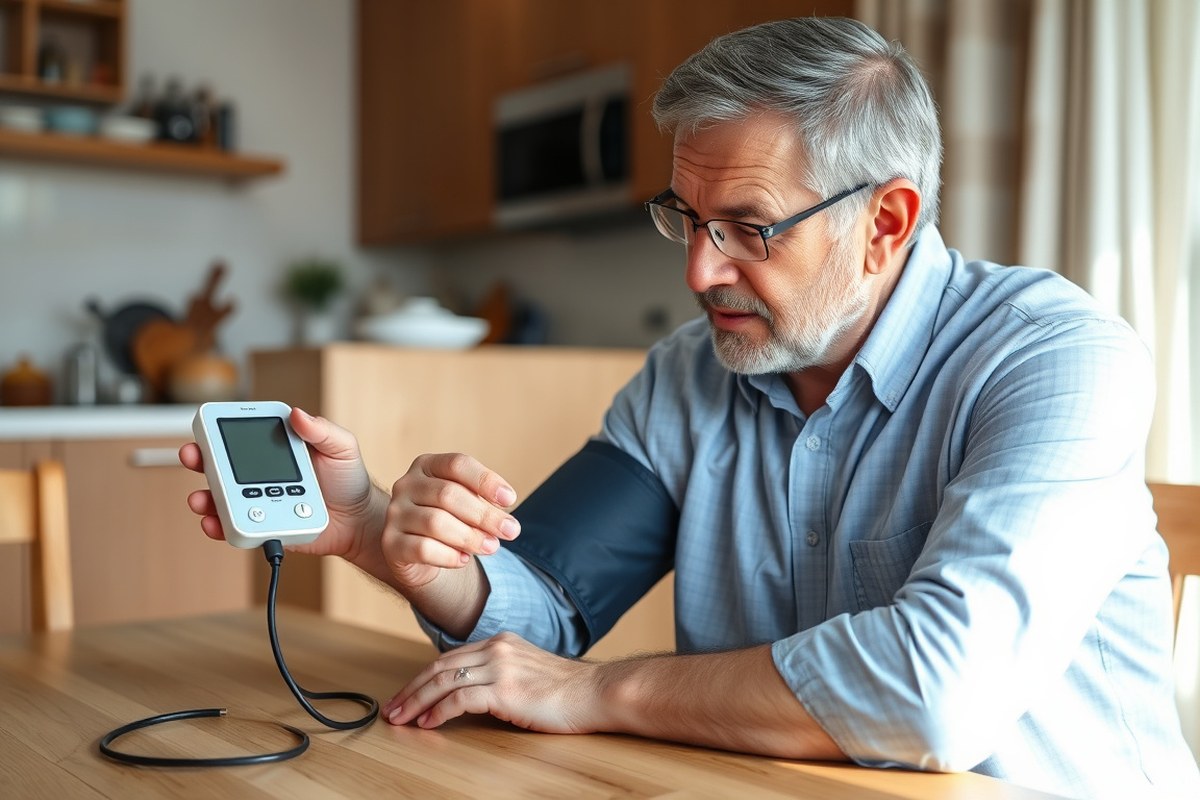
To get an accurate measurement, sit quietly for at least five minutes first, with your feet flat on the floor and your back supported. Rest your arm at heart level on a table. Avoid caffeine, smoking, and exercise 30 minutes before measuring. Use a properly calibrated automatic cuff and measure at the same time each day. Take two or three readings one minute apart and record the average. Home blood pressure monitors typically cost between $30 to $70, offering convenience for regular monitoring.
Consistent measurement technique is important: improper cuff placement or body position can cause readings to be falsely high or low, misleading your health decisions.
Key Causes and Risk Factors of High Blood Pressure
High blood pressure often develops due to a mix of genetics, age, lifestyle, and other health problems. Age and family history are the two top risk factors, as blood pressure tends to rise with age and often runs in families. This means that even if you have a healthy lifestyle, your risk will still be higher if close relatives have hypertension. Many adults begin to see increased blood pressure in their late 30s or early 40s, and the chance of developing hypertension grows with every decade.
Lifestyle choices strongly influence blood pressure levels. Diets high in salt contribute to improve blood pressure because excessive sodium causes the body to retain water, which increases blood volume and pressure inside blood vessels. Following a DASH diet, which recommends limiting sodium to 2,300 milligrams per day and even down to 1,500 milligrams for people with high blood pressure, can help reduce risk. High intake of processed and fast foods often leads to too much sodium. Besides sodium, excess body weight, especially fat around the stomach, raises blood pressure by increasing the strain on your heart and blood vessels.
Being overweight also raises the risk of developing obstructive sleep apnea, a condition that disrupts breathing during sleep and leads to blood pressure spikes. Health experts highlight the benefits of maintaining a healthy weight to reduce this risk along with improving overall heart health. Smokers face added risk because nicotine tightens blood vessels, forcing the heart to work harder. Long-term stress and mental health conditions such as anxiety, depression, or PTSD may also contribute by keeping your body in a constant state of heightened alert, which affects heart rate and blood vessel tension.
Other medical conditions can increase pressure in your arteries. For example, nearly three out of four people with diabetes also have high blood pressure, likely because of related damage to blood vessels and the kidney’s role in fluid balance. Chronic kidney disease, certain hormonal disorders, and some medications can raise blood pressure, requiring careful management. Older adults should pay special attention as the risk factors can overlap and complicate each other, and age-related changes make blood vessels less flexible, which increases pressure.
To manage risk factors, focus on keeping your weight in a healthy range, eating a diet low in sodium and rich in nuts and omega-3 fatty acids, quitting smoking, and addressing stress or mental health issues through professional support when needed. People with existing medical conditions must coordinate with their healthcare providers to control those underlying issues while monitoring their blood pressure regularly. This combined approach helps reduce the chance of long-term damage from uncontrolled hypertension.
Dietary Changes: What to Eat and Avoid for Blood Pressure Control
Keeping sodium intake low is key to managing high blood pressure. For most adults with hypertension, the daily limit is 1,500 milligrams of sodium, according to the American Heart Association. Many Americans consume up to three times this amount, often because processed and restaurant foods contain large amounts of hidden salt. Reducing sodium helps relax blood vessels and lowers blood pressure.
Foods that raise blood pressure often include those high in sodium, saturated fats, and added sugars. These can cause fluid retention and damage arteries, making the heart work harder. Common offenders are salty snacks, canned soups, deli meats, fast food, and certain cheeses. Avoiding or cutting back on these can make a significant difference.
On the other hand, some foods naturally help reduce blood pressure, thanks to their levels of potassium, calcium, and magnesium. Potassium-rich options like beans, tomatoes, mushrooms, and avocados help balance sodium’s effects. Dairy products, dark leafy greens, nuts such as pumpkin seeds, and fruits are all part of a heart-healthy diet that supports blood pressure control.
- Eat plenty of fruits, vegetables, whole grains, and low-fat dairy products.
- Include sources of potassium such as beans and avocados in your meals.
- Choose lean protein like fish, poultry, and plant-based proteins over red and processed meats.
- Limit canned, processed, and fast foods that tend to be high in sodium.
- Avoid sugary drinks and sweets to reduce excess calorie and fat intake.
The DASH diet (Dietary Approaches to Stop Hypertension) offers a practical approach to eating that lowers blood pressure naturally. This diet emphasizes foods rich in potassium, calcium, and magnesium, while keeping sodium low. Following DASH typically means consuming about 2,000 calories a day, with 1,500 mg or less of sodium, plenty of fruits and vegetables, whole grains, and lean proteins. It allows flexibility so you can still enjoy your favorite foods within a heart-healthy framework.
| Diet Component | Daily Servings | Main Food Examples |
|---|---|---|
| Fruits | 4, 5 servings | Apples, berries, oranges |
| Vegetables | 4, 5 servings | Leafy greens, carrots, tomatoes |
| Whole Grains | 6, 8 servings | Brown rice, whole wheat bread, oatmeal |
| Low-Fat Dairy | 2, 3 servings | Milk, yogurt, cheese |
| Lean Protein | 2 or fewer servings | Fish, poultry, beans, nuts |
| Fats and Oils | 2, 3 servings | Olive oil, vegetable oils, nuts |
| Sodium | Less than 1,500 mg | Limit salt and processed foods |
Adjusting to a lower sodium diet and following the DASH plan requires planning and reading labels carefully. It may cost slightly more due to fresh produce and whole foods, but benefits include lowered blood pressure and reduced risk of heart disease and stroke. Stay consistent, avoid hidden salt by checking nutrition labels, cook at home when possible, and replace salty snacks with fruits or nuts. This approach supports healthier blood pressure and overall cardiovascular health.
Exercise, Weight Loss, and Lifestyle Habits That Lower Blood Pressure
Exercise, weight loss, and lifestyle habits play a important role in lowering high blood pressure. Aim for at least 150 minutes of moderate aerobic exercise each week, focus on losing 5% to 10% of your body weight if you’re overweight, and keep your waist circumference in a healthy range. Limit caffeine to about 200 mg per day and reduce or avoid alcohol depending on your doctor’s advice.
Best Exercises for Blood Pressure Control
Regular aerobic exercise is one of the most effective ways to lower blood pressure, reducing it by about 5 to 8 mm Hg. Activities like brisk walking, cycling, swimming, or jogging offer consistent benefits. The American Heart Association recommends aiming for at least 150 minutes of moderate-intensity exercise weekly, which can be broken down into 30 minutes a day, five days a week. Incorporating strength training two days a week can also improve overall cardiovascular health but should be combined with aerobic workouts.
Your weekly routine could look like brisk walking for 30 minutes on weekdays plus two strength training sessions on non-consecutive days. Always start slowly, especially if you’re new to exercise, and increase intensity gradually to avoid injury. Consistency matters more than intensity, so choose activities you enjoy and can maintain.
Setting Realistic Weight Loss and Waist Size Goals
Losing just 5% to 10% of your current body weight can significantly lower your blood pressure, sometimes by 10 to 20 mm Hg under ideal conditions. For someone who weighs 200 pounds, that means aiming to lose 10 to 20 pounds over several months. A gradual weight loss of 1 to 2 pounds per week is generally safe and sustainable.
Waist circumference is also an important indicator of risk. For men, a waist size greater than 40 inches and for women greater than 35 inches is associated with higher blood pressure risk. Reducing waist size can directly improve blood pressure, so tracking your measurement monthly can help you stay focused. Combining healthy eating with exercise usually yields the best results for controlling abdominal fat and blood pressure.
Start small: losing even 5 pounds can bring noticeable blood pressure improvements.
Balancing Caffeine and Alcohol Safely
Caffeine can raise blood pressure temporarily, so it’s recommended to limit your intake to no more than 200 mg per day, roughly equal to two cups of coffee. However, some people with high blood pressure are more sensitive and might need to consume less or avoid caffeine entirely based on medical advice. Pay attention to how your body reacts and discuss your caffeine habits with your doctor.
Alcohol intake should be either limited or avoided if you have high blood pressure. Drinking more than moderate amounts can increase your readings and interfere with medications. Moderate drinking means up to one drink per day for women and up to two drinks per day for men. If your doctor advises avoiding alcohol, it’s important to follow that guidance to reduce your blood pressure and health risks.
Stress, Sleep, Smoking Cessation, and Mental Health Impact
Lowering high blood pressure involves more than just diet and exercise. Managing stress, improving sleep quality, and quitting smoking all significantly contribute to heart health and blood pressure control. Addressing these areas helps reduce strain on the cardiovascular system and supports overall well-being.
Effective Stress Management Strategies
Chronic stress can raise blood pressure by triggering the body’s fight-or-flight response, which increases heart rate and narrows blood vessels. Managing stress can help keep blood pressure within a healthier range and reduce the risk of heart disease. Practical techniques include regular meditation sessions, deep-breathing exercises, and mindfulness practices that calm the nervous system. For example, spending 10 to 20 minutes a day on focused breathing or guided meditation can lower your stress hormones and help relax your blood vessels.
Other helpful strategies are setting aside time for enjoyable activities, maintaining a social support network, and limiting exposure to stressful situations when possible. Establishing a routine that incorporates stress reduction can make these practices more natural and sustainable. Tracking your stress levels and blood pressure using a home monitor can give you insight into how well these techniques work for you.
Improving Sleep for Blood Pressure Benefits
Consistently sleeping fewer than seven hours per night over several weeks can contribute to higher blood pressure. Good sleep quality helps the body regulate hormones that control blood pressure, supports blood vessel health, and reduces inflammation. Improving sleep hygiene has a direct impact by lowering both systolic and diastolic blood pressure levels.
Simple sleep hygiene tips include setting a regular bedtime and wake-up time, creating a dark and quiet bedroom environment, and avoiding electronics before sleeping. Limiting caffeine and heavy meals close to bedtime also helps. A comfortable room temperature around 65 to 70°F supports deeper sleep. Avoiding naps late in the day and engaging in relaxing activities before bed can improve your ability to fall asleep fast and stay asleep.
Addressing sleep issues may require lifestyle changes or consulting a healthcare provider if conditions like sleep apnea or insomnia are present. Improving your sleep not only lowers blood pressure but improve your energy and mood throughout the day, making it easier to sustain other heart-healthy habits.
Benefits and Timeline of Quitting Smoking
Quitting smoking has immediate and long-term benefits for blood pressure and heart health. Just 20 minutes after your last cigarette, your blood pressure and heart rate begin to drop. Within 24 hours, your risk of heart attack starts to decrease because the chemicals that harm your blood vessels start clearing from your body.
In the weeks to months after quitting, your circulation improves and your lung function increases. This reduces the workload on your heart, leading to more stable blood pressure levels. Over the long term, your risk of heart disease, stroke, and hypertension-related complications goes down significantly. The American Heart Association highlights that this reduction in risk makes quitting one of the most powerful steps you can take for your cardiovascular system.
Quitting takes commitment and support, and resources like counseling, nicotine replacement therapy, or prescription medications can increase success rates. Stress management techniques also help manage withdrawal-related anxiety, making it easier to stick with quitting. Tracking your progress and celebrating milestones, such as one week or one month smoke-free, keeps motivation high and supports lasting changes.
Medications for High Blood Pressure: Choices, Use, and Side Effects
Blood pressure medications play a critical role in managing hypertension, especially when lifestyle changes alone are not enough. These medicines help lower your blood pressure to reduce the risk of heart attack, stroke, and kidney damage. You should take them as prescribed by your healthcare provider without skipping doses, even if you feel fine, since high blood pressure often has no symptoms but still causes damage.
Deciding when to start medication depends on your blood pressure severity and other health risks. For stage 1 hypertension (130, 139/80, 89 mmHg), your doctor may recommend lifestyle changes first. Medication is typically added if you have other conditions like diabetes or heart disease. Stage 2 hypertension (140/90 mmHg or higher) often requires medication along with lifestyle measures.
Several classes of blood pressure medications work in different ways. Below is a comparison of common types, their benefits, and side effects to help you understand your options. Keep in mind that most people do not have side effects, but some experience dizziness, cough, or fatigue. Risks vary by medicine and personal health conditions.
| Medication Class | How It Works | Pros | Cons / Side Effects |
|---|---|---|---|
| ACE Inhibitors | Relax blood vessels by blocking hormone production that narrows vessels | Effective for heart and kidney protection; often first choice | May cause cough, improve potassium, kidney function changes |
| Diuretics | Help kidneys remove excess salt and water to lower blood volume | Inexpensive; effective as initial treatment | Can cause frequent urination, low potassium, dehydration |
| Calcium Channel Blockers | Relax and widen blood vessels by blocking calcium in muscle cells | Good for older adults and certain ethnic groups | Swelling, headache, dizziness |
| Beta Blockers | Reduce heart rate and output of blood | Useful after heart attack or heart failure | Fatigue, cold hands, may affect asthma or diabetes |
| ARBs (Angiotensin II Receptor Blockers) | Similar to ACE inhibitors but usually with fewer side effects | Well tolerated; good for kidney protection | Possible dizziness, kidney effects, improve potassium |
Sticking to your medication schedule is important. Use daily reminders like phone alarms or pillboxes to make it easier. Talk with your doctor about any side effects, so treatments can be adjusted. Never stop or change medications without medical advice. Your doctor may adjust your regimen if blood pressure remains high despite treatment, which is known as resistant hypertension and might require multiple medications.
Deciding on treatment involves evaluating your overall health, blood pressure levels, and risk factors. Your healthcare provider will guide you based on these factors and monitor your progress regularly. Medication is a management tool, not a cure, so combining it with recommended lifestyle adjustments provides the best long-term results.
Monitoring, Emergency Signs, and Communicating with Your Doctor
Keeping track of your blood pressure at home helps you and your healthcare provider see how well your treatment is working. Recognizing emergency signs early can prevent serious complications. Clear communication with your doctor ensures your care plan fits your needs and avoids common pitfalls.
Proper Home Blood Pressure Monitoring
Monitoring your blood pressure regularly at home offers insight into your condition’s day-to-day changes. Aim to check your blood pressure twice a day, once in the morning before taking medications or eating, and once in the evening. This routine helps you spot patterns and respond to any sudden changes. Here is a step-by-step guide on how to accurately measure your blood pressure at home:
- Choose a validated automatic blood pressure monitor with an appropriately sized cuff.
- Rest quietly for five minutes before measuring, sitting with your back supported and feet flat on the floor.
- Place the cuff on bare skin around the upper arm, just above the elbow.
- Keep your arm at heart level during the measurement.
- Avoid talking, moving, or crossing your legs while taking the reading.
- Take two readings one minute apart and record both.
- Log the date, time, and readings in a dedicated blood pressure diary or app.
- Share this log with your healthcare provider during office visits or telehealth consultations.
Check your monitor against your provider’s device during appointments to ensure accuracy.
Recognizing When to Get Emergency Help
High blood pressure often shows no symptoms until it causes serious problems. Emergency symptoms can include severe headache, chest pain, shortness of breath, sudden weakness or numbness, confusion, vision changes, or difficulty speaking. These signs may indicate a hypertensive crisis, stroke, or heart attack. Use this simple decision flowchart to decide when to seek emergency care:
- If your systolic reading (top number) is 180 mm Hg or higher or diastolic (bottom number) is 120 mm Hg or higher, and you experience any emergency symptoms, call 911 or go to the emergency room immediately.
- When your blood pressure is very high but you have no symptoms, contact your healthcare provider promptly for advice instead of waiting for your next routine visit.
- When your readings improve but remain below crisis level, continue monitoring and follow your prescribed treatment plan.
Do not ignore sudden neurological symptoms even if your blood pressure seems controlled.
Tips for Collaborating with Your Healthcare Provider
Effective communication with your healthcare provider helps develop a care plan tailored to your lifestyle and health risks. Prepare for appointments by bringing your blood pressure log, questions, and notes on any side effects from medications or lifestyle changes you’ve tried. Being honest about challenges, such as diet or exercise struggles, improves your provider’s ability to support you. Here are scripted phrases you can use during your visits:
- “I’ve been tracking my blood pressure at home; here are my recent readings.”
- “I’m having some trouble following the diet/exercise plan because…”
- “Are there any safer medication options if I experience these side effects?”
- “What signs should prompt me to contact you before my next appointment?”
Avoid common mistakes like stopping medication without consulting your provider or relying solely on occasional readings taken at the pharmacy. Consistency and open dialogue ensure your treatment works safely and effectively.
Your Step-by-Step Plan to Lower High Blood Pressure
Follow this practical plan to start managing your high blood pressure safely and effectively with diet, lifestyle, monitoring, and medication.
- Day 1: Measure your blood pressure accurately at home using a validated monitor to establish your baseline. Record the reading and bring it to your next doctor’s visit to guide treatment decisions.
- Week 1: Begin the DASH diet by adding more fruits, vegetables, whole grains, and low-fat dairy while cutting back on sodium to below 1,500 mg daily. You’ll notice small improvements in your blood pressure within 1 to 2 weeks.
- Week 2: Start moderate aerobic exercise like brisk walking for at least 30 minutes on most days. Track if your blood pressure readings decrease after consistent activity over 2 weeks.
- Week 3: Implement stress management techniques such as deep breathing or meditation for 10 minutes daily. Monitor whether your resting blood pressure or feelings of anxiety lessen over time.
- Week 4: Evaluate your sleep quality, aiming for 7 to 8 hours nightly. Improving sleep can reduce blood pressure, so note changes in your readings and daytime alertness.
- After 1 Month: Schedule a follow-up with your healthcare provider to review your blood pressure trends, lifestyle changes, and discuss if medication adjustments are needed. Your provider will help confirm if your efforts are effective.
- Ongoing: Quit smoking if you smoke, and continue monitoring blood pressure at least weekly. Medication adherence and regular tracking help prevent complications and keep your numbers in a safe range.
Frequently Asked Questions
How Can I Lower My Blood Pressure Quickly?
To lower blood pressure quickly, try deep breathing exercises and sitting calmly to reduce stress in the moment. These methods can temporarily lower your blood pressure but don’t replace long-term changes or medication your doctor has prescribed.
Can Blood Pressure Go Away Naturally?
High blood pressure can improve naturally with consistent lifestyle changes like diet, exercise, and stress reduction. However, some cases require medication, so check with your doctor to see what’s best for you.
Can Drinking Water Lower Blood Pressure?
Drinking water helps maintain overall health but does not significantly lower high blood pressure on its own. Staying hydrated supports your body’s functions, including heart health, which can indirectly affect blood pressure.
How to Calm High BP Immediately?
Calming high blood pressure immediately can involve deep breathing or relaxing in a quiet, comfortable place. These techniques lower stress hormones that temporarily raise your blood pressure.
Does Caffeine Affect High Blood Pressure?
Caffeine can cause a short-term increase in blood pressure, so limit intake if you’re sensitive to its effects.
Is Salt Intake the Main Cause of High Blood Pressure?
Salt intake can raise blood pressure in some people, but it’s one of several factors including weight and stress levels.
The Bottom Line
Lowering your high blood pressure is a manageable goal with the right steps tailored to your health needs. Start by tracking your blood pressure at home daily to better understand how your daily habits affect your numbers. This simple action can guide your next conversations with your doctor and help you make informed adjustments to your lifestyle or treatment plan.





One Comment