How to Get Rid of Aphids Naturally in House: 8 Proven Methods That Work
To get rid of aphids naturally in house plants, start with manual removal and safe water sprays, then use natural sprays and introduce beneficial predators like lady beetles. Companion planting and maintaining plant health help prevent reinfestation, avoiding the need for harsh chemicals. Regular, gentle treatments and early detection keep aphid problems manageable without toxic products.
This advice is for indoor gardeners who want effective, non-toxic ways to protect their plants. You’ll find clear steps on identifying aphids, natural control methods, timing treatments, and avoiding common mistakes to keep your houseplants thriving.
Key Takeaways
- Aphids are small, soft-bodied insects under 0.25 inches, often pear-shaped, that cluster on houseplants, especially under leaves.
- Look for sticky residue, distorted leaves, and visible tiny insects to spot early indoor aphid infestations and prevent damage.
- Physically removing aphids with a cloth or spraying plants with water effectively reduces populations indoors without chemicals.
- Use natural sprays like garlic or nettle broth, applying every 2-3 days directly on aphids, focusing on leaf undersides for best results.
- Introducing safe indoor predators such as ladybugs can help control aphids but requires careful management to avoid harm to plants.
- Repeat natural treatments consistently every 2-3 days while aphids remain active to break their rapid reproductive cycles indoors.
1. What Are Aphids and How to Identify Them on Houseplants
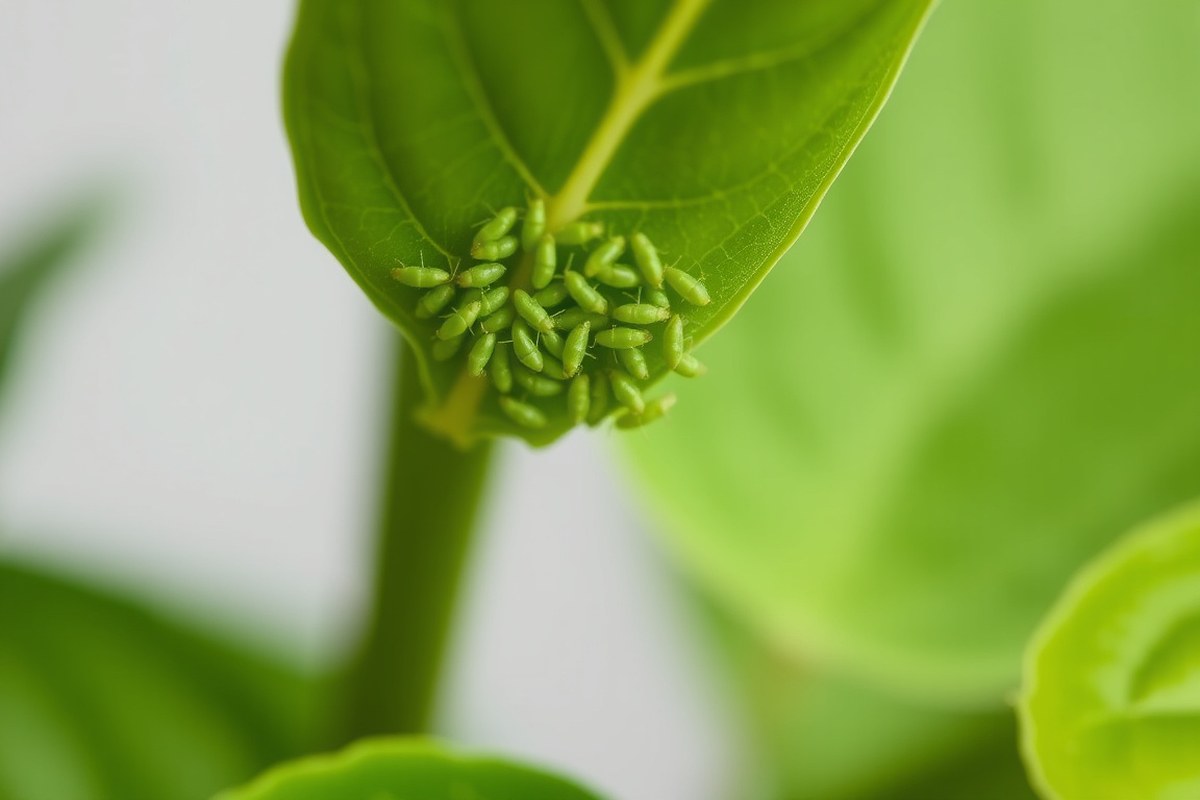
Aphids are small, soft-bodied insects usually between 1/16 and 1/8 inch long. They come in various colors such as green, yellow, black, or pink. Many species feed on a wide range of plants, but a few specialize on certain kinds. Indoor houseplants can be vulnerable to common species like green peach aphids or black bean aphids. Root aphids can also infest indoor plants, especially herbs. These insects suck sap from the plants by piercing stems, leaves, or roots, which can weaken the plant over time.
Indoor aphids can live year-round because the stable temperatures inside a home prevent them from dying off in cold weather. Most aphids outside produce eggs to survive winter, but inside your house, they often stay active and reproduce continuously. This means an infestation can develop quickly if unchecked.
To identify aphids on your houseplants, start by checking the undersides of leaves, stem tips, and new growth, as these areas are prime locations for aphids to gather. Aphids tend to cluster in groups, which means spotting several small insects that move slowly or seem stationary is a key sign. Look for tiny pear-shaped bodies with long antennae and thin legs. Your plant might also have a sticky residue called honeydew, produced by aphids, or a shiny film indicating their presence. Roots can be inspected by gently removing the plant from its pot and looking for tiny aphids or swollen root areas caused by root aphids.
Plants with soft new growth, like herbs, begonias, and some flowering houseplants, are often more susceptible to infestation. However, aphids can affect many indoor plants including tomatoes and peppers grown in containers. While you won’t usually see aphids on succulents or plants with tough, waxy leaves, plants like hoyas may occasionally get them. Checking freshly sprouted leaves and stem joints regularly can help catch aphids early.
Using a hand lens or a magnifying glass can make detection easier. Carefully move leaves and stems to observe for tiny moving dots or clusters. Aphids often stay on the underside of leaves or along tender stem sections where they are protected. Checking these parts twice a week can help you catch the problem before it spreads. Early detection often saves time and effort because it lets you start control methods when aphid numbers are still low.
2. Early Signs and Damage Caused by Indoor Aphid Infestations
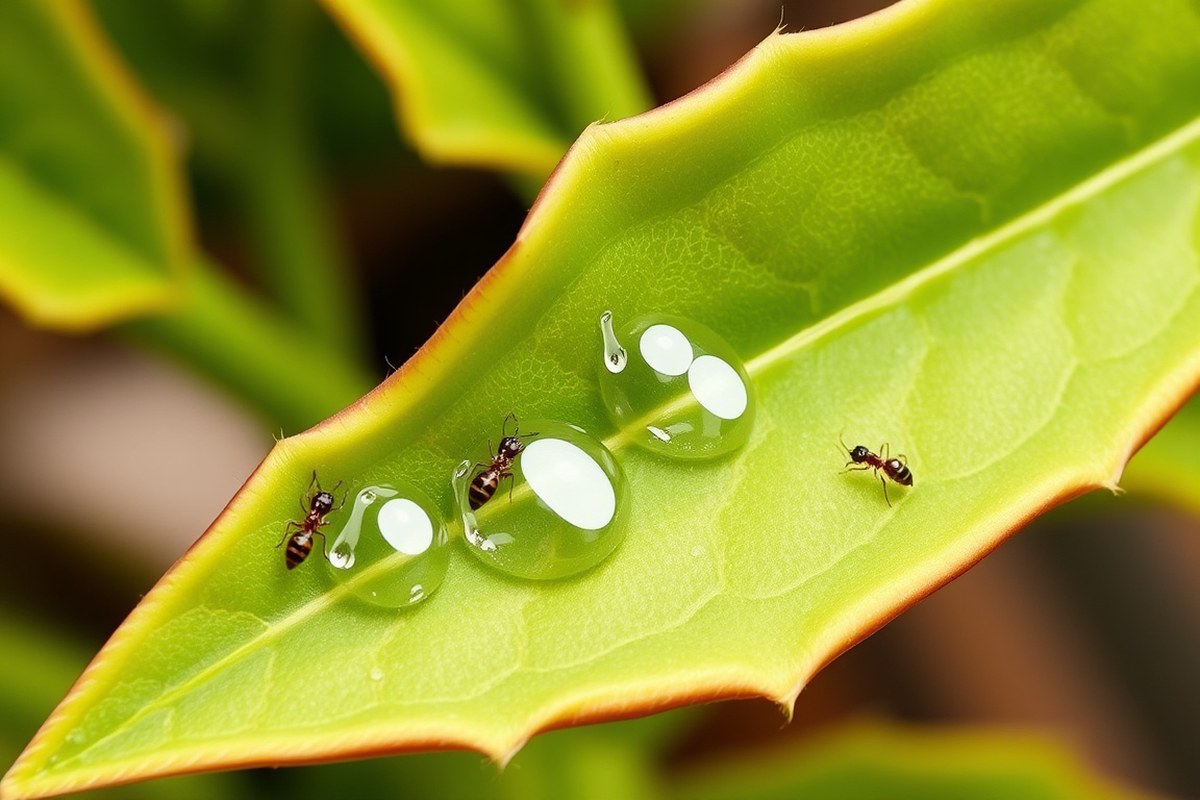
You can spot an early aphid infestation indoors by looking for specific signs like curled leaves, sticky residues, or ants on your plants. Aphids feed by sucking sap, which weakens the plant, stunts growth, and can lead to further health issues if left untreated. While aphids rarely kill houseplants outright, their presence stresses plants and opens the door to disease.
Visual Cues Indicating Aphid Presence
Look closely at the undersides of leaves, new growth tips, and stems for tiny clusters of aphids. These pests often appear as small green, black, white, or brownish insects, but spotting them early can be tricky because they are less than 1/8 inch long. Instead, focus on indirect evidence of aphids, such as shiny sticky spots from honeydew secretions, which aphids produce in large amounts.
Additional visible signs include yellow or pale patches on leaves caused by aphids feeding on plant sap. Black sooty mold may develop on these sticky areas, further hinting at an aphid problem. Ants frequently trail up and down the stems, attracted by the honeydew, so seeing ants around your houseplants can signal aphids even before you see the pests themselves.
- Yellowing or pale splotches and patches on leaves.
- Leaves curling or wilting, especially at the edges or tips.
- Sticky residue (honeydew) on leaves or nearby surfaces.
- Black soot-like mold growing on leaves and stems.
- Presence of ants clustered on stems or leaves.
- Distorted or stunted new growth with misshapen leaves.
Common Aphid Behavior on Houseplants
Aphids prefer soft new growth where they easily pierce plant tissue to suck out sap. They tend to cluster in groups rather than distributing evenly across the plant. This localized feeding causes damage that is visible at the feeding site and causes misshapen areas on the plant.
Ants have a mutualistic relationship with aphids; they protect aphids from natural predators and even move them around the plant to better feeding sites. This behavior can increase aphid populations quickly if ants are not controlled. Monitoring ant traffic on plants can therefore help detect aphids early.
Check the indoor plants at least twice a week during active growth periods to catch aphids before they multiply and cause severe damage.
Impact of Aphids on Plant Health
Aphids weaken plants by extracting sap, which contains important nutrients and water necessary for growth. This sap extraction reduces the plant’s ability to photosynthesize effectively, slowing growth and making the plant more vulnerable to stress and diseases. The honeydew they secrete can also lead to secondary infections like fungal growth and attract other pests.
While aphids rarely kill mature houseplants directly, heavy infestations cause enough stress to stunt growth, reduce flowering, and cause leaf drop. They also emit toxins via their saliva that distort new leaves, leading to curling and other deformities. These impacts reduce your plant’s overall health and aesthetic appeal.
Symptoms of Nutrient Deficiency from Aphids
Because aphids siphon off nutrient-rich sap, affected plants often show signs that resemble nutrient deficiency. Nutrient shortages cause yellowing leaves, slowed growth, and weak stems. The damage can be mistaken for other problems, so identifying aphids alongside these symptoms is essential for proper treatment. Early detection and removal of aphids help prevent nutrient deficiency symptoms from worsening. Watch for these specific signs along with aphid presence:
- Yellow or pale leaves due to chlorosis.
- Stunted or distorted new growth from toxin injection.
- Wilting despite proper watering.
- Leaf drop and general decline in vigor.
3. Manual Removal and Safe Water Sprays for Aphids Indoors
Manually removing aphids can be effective for small or beginning infestations on indoor plants. Using a strong spray of water is also a helpful way to knock aphids off sturdier plants without chemicals, but care is needed to avoid damaging delicate leaves. Both methods require repeated effort to keep aphid numbers down, and using tap or distilled water for spraying is generally safe indoors with some precautions.
When to Choose Manual Removal
Manual removal works best when aphids first appear or infest low numbers on your houseplants. It’s a hands-on way to reduce pests without introducing sprays or substances. This method is ideal for plants with fewer leaves or those easy to handle.
To remove aphids manually, use gentle but firm actions to wipe or pinch them off. This approach suits small areas of infestation and allows you to inspect the plant closely for hidden aphids, especially under leaves. However, with heavy infestations or dense foliage, manual removal can be time-consuming and less effective alone.
Repeated manual removal over several days or a week often shows good results by drastically lowering aphid numbers and preventing rapid population growth. Combining this with other natural treatments is advisable for stubborn infestations.
- Wear disposable gloves to protect your hands.
- Use a soft cloth, sponge, or cotton swab dampened with water to gently wipe aphids off the stems and undersides of leaves.
- Pinch aphids between your fingers to crush them if wiping isn’t effective.
- Dispose of removed aphids by dropping them into soapy water to prevent re-infestation.
- Inspect the entire plant thoroughly, including new growth and crevices where aphids hide.
- Repeat the process every 2 to 3 days for at least one week to catch newly hatched aphids.
Using Water Sprays Without Plant Damage
A strong spray of water can physically remove aphids from indoor plants, especially on sturdier species like succulents, snake plants, or philodendrons. The spray disrupts the aphids’ hold on the leaves and stems.
To avoid injuring your plant, aim the spray with moderate pressure, focusing on aphid-infested areas. Too powerful a stream can damage delicate leaves or branches, while too gentle will fail to dislodge aphids effectively. Adjust the spray strength according to the plant’s sturdiness.
Spraying the undersides of leaves is particularly important since aphids often gather there. Allow plants to dry after spraying to prevent diseases from excess moisture. Repeat spraying every few days to catch newly emerged aphids until the infestation is under control.
Tap Water vs Distilled Water for Spraying
Tap water is generally safe for spraying aphids on houseplants and is the usual choice due to convenience and cost. Most city water supplies have chlorine or chloramine at levels that rarely harm indoor plants when applied as sprays in small amounts.
Distilled water avoids potential issues if your tap water is very hard or contains minerals that leave deposits or irritate sensitive plants. It is especially recommended if you notice leaf spotting or buildup after regular spraying.
For routine aphid sprays, use room temperature water to avoid shocking plants. Let tap water sit for a few hours if it’s heavily chlorinated to allow chlorine to dissipate. Choose distilled water if your plant species are very sensitive or if water quality in your area is poor.
4. Natural Aphid Sprays: Recipes and Application Inside the House
Natural sprays like insecticidal soap, neem oil, and essential oil mixtures help control aphids on houseplants without harmful chemicals. Homemade recipes let you adjust concentrations for sensitive plants and ensure safety around pets. Vinegar sprays are less common indoors due to the risk of leaf damage but can work when diluted well and applied cautiously.
Soap and Water Spray Recipe and Usage
Soap sprays work by smothering aphids and disrupting their cell membranes. Use a mild, fragrance-free liquid soap or castile soap to avoid harming leaves. Most houseplants tolerate a solution made with 1 to 2% soap concentration, roughly 1 teaspoon of soap per 1 quart (4 cups) of water. Avoid soaps with degreasers or moisturizers that might damage plants.
Some plants with delicate leaves, such as ferns or African violets, may react to soap sprays and show spotting or discoloration. Test the spray on a small leaf area 24 hours before full application. When no damage appears, proceed to spray the entire plant.
Adding a few drops of peppermint or eucalyptus essential oil (no more than 5 drops per quart) can increase aphid repellency without harming most plants or indoor pets. Always test first.
- Mix 1 teaspoon of mild liquid soap into 1 quart of lukewarm water in a spray bottle.
- Add up to 5 drops of peppermint or eucalyptus essential oil for extra protection, if desired.
- Shake gently to combine ingredients.
- Spray the solution directly onto aphids, covering undersides of leaves and stems.
- Apply treatments in the early morning or late afternoon to avoid leaf burn.
- Repeat every 4 to 7 days until aphids diminish.
- Rinse plants with plain water after 2 hours to remove residue and protect leaf health.
Neem Oil Spray Preparation and Safety
Neem oil acts as both an insecticide and a mild fungicide, making it useful against aphids and fungal issues. Use cold-pressed neem oil designed for horticultural use. Concentrations typically run at 2 tablespoons per 1 quart of water (about 1%). Adding a small amount of mild liquid soap (1/2 teaspoon) helps the oil mix with water.
Nepm oil can be used safely on most houseplants but should be tested on a small leaf first. Avoid application in strong, direct sunlight to prevent leaf burn. Neem oil is safe around most pets when applied properly and allowed to dry before pets access the plants.
- Combine 2 tablespoons of cold-pressed neem oil, 1/2 teaspoon mild liquid soap, and 1 quart of warm water in a spray bottle.
- Shake or stir until well mixed.
- Spray thoroughly on leaves, stems, and undersides where aphids gather.
- Apply in shaded areas to reduce risk of plant stress.
- Repeat every 7 to 14 days as needed for control.
- Wash hands after application and store the mixture away from direct sunlight.
Essential Oils Suitable for Indoor Use
Essential oils like lavender, peppermint, eucalyptus, and rosemary have insect-repelling properties against aphids. Use them cautiously at low concentrations because strong aromas can disturb sensitive pets like cats and dogs. They work best when combined with soap sprays or water to dilute potency.
A safe indoor recipe involves adding 2 to 3 drops of an essential oil such as lavender or peppermint to each quart of soap spray. Avoid pure essential oil sprays without dilution as these can harm plant leaves or cause respiratory irritation for people and pets.
- Pick an essential oil safe for indoor pets, such as lavender or peppermint.
- Add 2 to 3 drops to 1 quart of prepared insecticidal soap spray.
- Mix gently to combine.
- Spray plants lightly, avoiding excessive saturation.
- Observe plant and pet reactions; discontinue if adverse effects occur.
- Apply every few days during aphid activity periods.
Vinegar sprays are generally not recommended inside due to acetic acid causing leaf damage. Use no more than 1 teaspoon of white vinegar in 1 quart of water and test on a single leaf first when trying vinegar. Use only as a last resort and avoid repeated application on delicate houseplants.
5. Introducing and Managing Safe Natural Predators Indoors
Introducing natural predators like ladybugs, green lacewings, and tiny parasitic wasps offers a safe and effective option for controlling aphids indoors. Ladybugs consume large numbers of aphids quickly, making them among the most efficient natural enemies you can bring into your home environment. Green lacewing larvae also feed voraciously on aphids and other soft-bodied pests. Parasitic wasps, such as Aphidius colemani and Aphidius ervi, are available commercially and deposit eggs inside aphid hosts, helping reduce pest populations over time. These predators are not naturally present indoors, so releasing them requires deliberate action.
To successfully use natural predators inside, start by confirming a moderate aphid infestation on your plants. Overly curled leaves might shelter aphids too well, limiting predator access, so release predators early once you spot aphids but before heavy leaf distortion occurs. Purchase predators from reputable suppliers that specialize in biological controls for indoor plants. Prices vary, with ladybugs typically costing around $10 to $20 for 100 individuals, while lacewing eggs or larvae may be sold similarly. Parasitic wasps often come in tubes or capsules containing parasitized aphid mummies for convenient release.
Choose a cool room between 65°F and 75°F with healthy plants as your release environment. Gently release ladybugs or lacewing larvae directly onto affected plants, ideally in the evening when they are less active. Avoid spraying insecticides while predators are active, since these products can harm beneficial insects. Maintain moderate humidity without excessive dampness to support predator survival. Releasing multiple batches at intervals of 3 to 7 days increases the chance predators establish and keep aphids in check.
Keep in mind that indoor environments often lack the variety of food and shelter natural predators find outdoors. Supplement their diet and habitat by providing small leaves and nectar sources or commercially available pollen substitutes if available. Removing ants that protect aphids is critical, as ants farm aphids for their honeydew and will aggressively defend them against predators. Applying sticky barriers on pots or surfaces can block ant movement.
Predator introduction is practical in larger indoor plant collections or greenhouses rather than single potted plants. Smaller setups may find manual removal or natural sprays more manageable. Use a decision checklist before introducing predators: confirm aphids are persistent despite manual and spray measures, absence of ant interference, availability of suitable predators from suppliers, safe room temperatures, and no recent pesticide use. Successful natural predator control leads to visibly fewer aphids within 1 to 2 weeks, increased predator activity on plants, and healthier foliage without sticky residue or curling leaves.
Do not introduce natural predators if you recently applied any chemical treatments; these can kill beneficial insects and ruin the effectiveness of your biological control efforts.
6. How Often and When to Apply Natural Treatments Indoors
Natural treatments for aphids indoors need consistent application to be effective. You should apply your chosen remedy every 2 to 3 days while aphids are active. One treatment rarely eliminates all aphids because natural methods tend to offer milder effects compared to chemical pesticides. Sticking with this schedule helps break their rapid reproduction cycle and stops small infestations from becoming large problems.
The length of time it takes to remove aphids completely depends on several factors, such as the severity of the infestation, the natural treatment used, and how early you catch the problem. In typical cases, expect treatment to continue for at least 1 to 2 weeks. For example, some people have reported success after two sprays spaced about nine days apart, seeing aphids disappear soon after. Patience and persistence will pay off, especially when you cover all plant surfaces thoroughly, including new growth and the undersides of leaves where aphids like to hide.
| Factor | Recommendation | Reason |
|---|---|---|
| Frequency of application | Every 2-3 days | Targets active aphids before they reproduce too much |
| Application duration | 1-2 weeks minimum | Ensures multiple life cycles of aphids are disrupted |
| Coverage | All plant surfaces, especially new growth and leaf undersides | Aphids hide in these areas, so full coverage prevents missed pests |
| Residue management | Spray with water after 1 hour to remove soap residue | Prevents plant damage from leftover soapy sprays |
| Starting treatment | At first signs of aphids | Stops infestation from growing and simplifies control |
| Optimal timing | When aphids are most active indoors (generally early spring and when plants show signs) | Maximizes treatment impact during pest population growth |
Avoid over-spraying natural treatments, as excessive residue can burn plants or disrupt beneficial insects. Always follow recommended spray intervals and rinse plants after about an hour if you apply soapy or oil-based sprays. Monitoring plants daily for sticky leaves, curled edges, or clusters of ants can help you decide when to resume treatment or hold off.
Aphids indoors tend to be more active when indoor temperatures rise to around 65°F to 80°F (18°C to 27°C) and plants produce fresh growth. Scheduling treatments during these active periods boosts your chances of controlling aphids before their numbers explode. Combining timely, repeated applications with good coverage and observation helps maintain healthy houseplants without harmful chemicals.
7. Preventing Aphid Reinfestation and Maintaining Healthy Indoor Plants
Preventing aphid reinfestation begins with maintaining healthy indoor plants and practicing consistent care. Aphids thrive on stressed or over-fertilized plants, especially those receiving excess nitrogen, which acts as a strong attractant. Avoid overwatering or underwatering to keep your plants vigorous; a well-watered plant resists pests better. Selecting aphid-resistant plants or mixing varieties that aphids tend to avoid helps reduce risk, as mixed plantings can interrupt aphid spread.
Quarantine new plants for at least two weeks before adding them to your collection. Place them away from existing plants and monitor closely for any aphid signs. This isolation period allows you to catch infestations before they spread. When removing aphid-infested plant parts, such as heavily affected shoots or leaves, immediately place the trimmings in a sealed plastic bag and dispose of them in outdoor trash to prevent eggs or nymphs from reentering your indoor space.
- Regularly clean leaves and stems with a damp cloth or gentle spray to remove aphid eggs and honeydew.
- Use natural fertilizer sparingly, avoiding high-nitrogen formulas that encourage aphid reproduction.
- Inspect plants weekly for early aphid detection to catch reinfestations promptly.
- Keep plant grouping well-spaced and avoid overcrowding to improve air circulation and reduce aphid stress triggers.
- Remove any ant activity indoors, as ants protect aphids and encourage their population growth.
- Introduce beneficial insects carefully if suitable and maintain them in your indoor garden ecosystem.
- Use organic plant dips or teas that can strengthen plant defenses, applied according to product instructions.
Overcrowded or undernourished indoor plants tend to develop winged aphid forms, which are capable of spreading infestations rapidly across your houseplant collection. Healthy plants, spaced to allow airflow and with balanced watering and feeding schedules, discourage this. Monitoring for ants is also critical; ants farm aphids for honeydew and actively protect them. Sticky traps around stems or plant bases can help detect or block ants.
Quarantine and safe disposal protect the rest of your plants by interrupting aphid life cycles. This quarantine effort costs little beyond space and patience but prevents costly pesticide use and repeated infestations later. Reinfestations can happen within days when prevention is neglected, so consistent hygiene and monitoring form your best defense.
8. Avoiding Common Mistakes in Natural Indoor Aphid Control
Applying natural sprays on delicate or flowering houseplants requires careful attention to concentration and timing to avoid damage. Using too strong a solution, such as over-diluted insecticidal soap or homemade sprays with garlic and onion, can cause leaf burn or flower drop. Safe sprays typically use a 2% soap solution or follow recipe instructions precisely, then test on a small leaf area before treating the entire plant. Avoid spraying during midday or when houseplants are in direct sun, as the combination of heat and moisture increases the risk of leaf scorch. Early morning or late afternoon applications under mild conditions produce the best results without harming sensitive plants.
Many indoor gardeners miss aphid clusters hidden under leaves, near stems, or in new growth. Thorough inspection is essential because aphids reproduce quickly in these spots, causing reinfestation after treatment. Use a magnifying glass to find these locations, and spray all infested areas evenly. Repeating spraying every three to five days until aphids disappear prevents missed colonies from repopulating your plants. Also, natural sprays lose effectiveness if diluted incorrectly; always measure ingredients accurately. For example, a typical insecticidal soap mix involves one tablespoon of soap per quart of water. Using too little soap reduces aphid control, while too much harms the plant.
Aphids can easily spread indoors from one houseplant to another through touch or air movement. Quarantining affected plants away from healthy ones helps contain infestations. Set up a separate space where infected pots remain isolated for at least two weeks, monitoring daily for aphids. This practice prevents cross-contamination, allowing natural treatments or manual removal to work without reinfestation. Cleaning nearby surfaces and tools after handling infested plants also lowers the risk of spreading aphids inside your home.
Common mistakes include spraying at midday, using high concentrations of sprays, overlooking hidden aphids, and failing to isolate affected plants. Fix these by timing applications for cooler parts of the day, mixing precise spray concentrations, thoroughly checking all plant parts, and quarantining infested plants. Maintaining consistent inspection and treatment routines every few days ensures aphids do not rebound. While natural methods take a little patience, they protect your houseplants and indoor environment from harsh chemicals.
Always test a small section of plant with your natural spray and wait 24 hours before full application to prevent damage to sensitive leaves or flowers.
Step-by-Step Action Plan to Naturally Control Aphids on Indoor Plants
Follow these clear steps to spot aphids early, apply safe treatments, and keep your houseplants healthy without chemicals.
- Before You Start: Inspect all your indoor plants carefully for small green, black, or yellow aphids. Look under leaves and new growth to confirm their presence.
- Day 1: Remove aphids manually by wiping or spraying affected leaves with a strong stream of water. Check the plants after rinsing; aphids should visibly decrease.
- Day 2: Prepare and apply a natural aphid spray like diluted insecticidal soap or neem oil according to the recipe. Ensure coverage on leaf undersides and stems. Successful treatment shows fewer aphids within a few days.
- Week 1: Introduce safe natural predators like ladybugs or lacewings if your home environment allows and monitor their activity. Aphids should decline steadily over this week.
- Ongoing (Every 5, 7 Days): Repeat natural spray treatments and inspections until no aphids appear for at least two treatments in a row. Healthy new plant growth indicates control.
- After 2 Weeks: Maintain plant health by proper watering, light, and air circulation to prevent reinfestation. Regularly check new leaves to catch aphids early.
- Ongoing Maintenance: Avoid over-fertilizing, remove any damaged plant parts promptly, and keep your plants clean. This limits aphid breeding sites and helps prevent future problems.
Frequently Asked Questions
How to Get Rid of Aphids Naturally in House?
Use a gentle water spray to knock aphids off your plants and then apply natural soap or vinegar sprays for effective control without chemicals. Repeating treatments and keeping plants healthy helps prevent reinfestation.
What Kills Aphids Quickly?
A strong blast of water can quickly remove aphids from your plants, followed by a natural insecticidal soap spray that kills aphids and other soft-bodied insects effectively.
Does Dawn Dish Soap and Water Kill Aphids?
Yes, a soap solution made from Dawn dish soap and water can kill aphids by breaking down their protective coatings, but make sure to use it diluted and test on a small leaf first to avoid plant damage.
How to Get Rid of Aphids Permanently Indoors?
Consistent use of natural sprays combined with manual removal and preventing re-entry or reinfestation keeps aphids away permanently without chemicals. Maintain plant health and isolate new plants before introducing them.
What Do Aphids Hate Most?
Aphids dislike certain plant extracts like vinegar or soap solutions and also avoid strong water sprays that disturb their feeding, making these natural methods effective deterrents.
Can Aphids Survive on Artificial Indoor Plants?
No, aphids need living plants to feed and cannot survive on artificial indoor plants.
Final Thoughts
Getting rid of aphids naturally in your home is doable with careful attention and consistent care. Start by inspecting your plants closely today and removing any visible aphids by hand or with a gentle water spray. This simple step helps reduce their numbers before they can cause serious harm to your indoor garden.