

How to Get Rid of Flies in Backyard: 8 Proven Strategies That Work
To get rid of flies in your backyard, start by removing what attracts them, such as food scraps, standing water, and trash. Use natural repellents like eucalyptus or set DIY vinegar traps to reduce their presence. Combining these with fly swatters, insect sprays, or commercial traps can help control larger infestations effectively.
Homeowners, renters, and gardeners can benefit from identifying common fly species and understanding their life cycle to time control efforts better. This article covers proven strategies, from using natural plants and predators to avoiding common mistakes and knowing when professional help is necessary for lasting fly control outdoors.
Key Takeaways
- Remove wet, decaying organic matter from your backyard to eliminate primary fly breeding sites and reduce fly attraction effectively.
- Recognize common backyard flies like house flies and bush flies to tailor control methods based on their life spans and habits.
- Target fly control during their 7 to 25-day life cycle to interrupt reproduction and lower overall fly populations.
- Use natural repellents such as citronella, placing plants in sunny spots with at least 6 hours of daily sun for best results.
- Position fly traps 20 to 30 feet from seating areas and near fly sources to intercept flies before they reach your space.
- Avoid placing fly traps too close to living areas to prevent attracting flies near people and reduce unpleasant odors.
1. What Attracts Flies to Your Backyard and How to Remove Sources

Flies infest backyards primarily because of accessible food and breeding sites. They are especially attracted to decaying organic matter, such as rotting food, pet waste, manure, and moist plant debris. These spots offer perfect conditions for flies to lay eggs and for larvae (maggots) to develop, often completing their life cycle in as little as 7 to 10 days. A typical example is pet waste left on the lawn, which can produce thousands of flies as the eggs hatch. Another common attractant is uncovered garbage or compost bins that allow odors and moisture to build up, drawing flies from nearby areas.
Removing these sources is a key part of fly control. Start by inspecting your yard for obvious breeding grounds and food sources, then clean or remove them promptly. This approach lowers fly numbers by cutting off their reproduction and feeding sites. You should pay attention not only to your property but also to neighboring areas if possible, as flies can migrate from there. Even a clean yard may attract flies if nearby piles of grass clippings, leaves, or pet feces exist.
- Pick up and dispose of pet waste daily using sealed bags.
- Seal garbage cans with tight-fitting lids and empty them regularly.
- Remove or compost grass clippings, leaves, and garden debris away from high-traffic outdoor areas.
- Cover compost bins securely and turn compost to aerate and speed decomposition.
- Discard overripe or rotting fruits and vegetables promptly.
- Clear away moist or decayed plant material, especially near patios or doorways.
- Store animal feed and birdseed in sealed containers to prevent attracting flies.
Cleaning these attractants takes daily effort, especially in warmer months when fly populations expand rapidly. For example, removing pet waste the same day helps prevent fly eggs from hatching. Sealing garbage cans cuts off odors that lure flies from several blocks away. Compost piles should be turned weekly to avoid buildup of wet, decomposing matter attractive to flies. Good results include fewer flies buzzing around seating areas, less nuisance near garbage, and a noticeable drop in larvae when inspecting suspect areas. Common pitfalls include inconsistent cleaning and leaving food or waste out overnight, which lets flies quickly re-establish themselves.
2. Identifying Common Backyard Fly Species and Their Impact
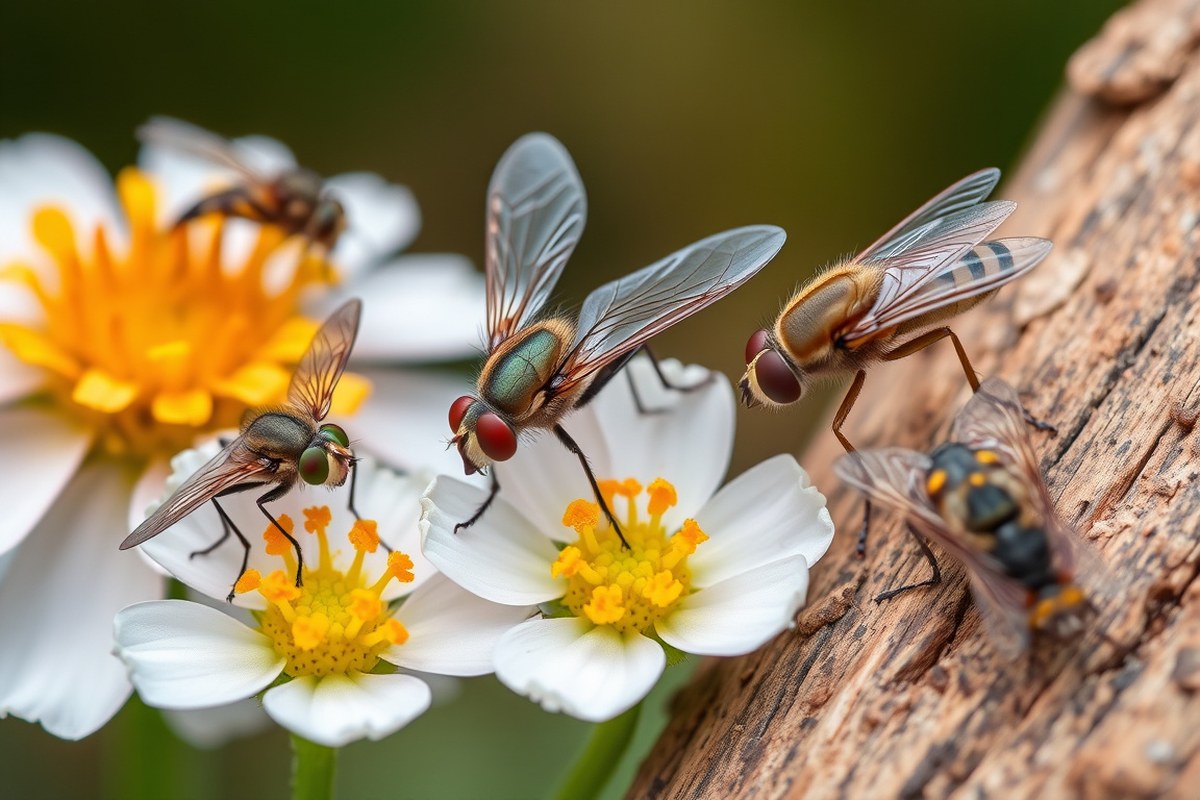
Backyard flies vary widely, with several common species that differ in appearance, behavior, and potential to bite. Identifying the type of fly in your outdoor space is key to controlling them effectively because biting flies require different measures than non-biting nuisance types. Some carry diseases that can affect your family or pets, so knowing what you’re dealing with helps you choose the right approach.
Housefly Characteristics and Behavior
Houseflies are among the most common flies found in backyards. They are typically gray with four dark stripes on their thorax, about 1/4-inch long, and have large reddish eyes. Houseflies often gather near food waste, animal feces, or decaying organic matter. They’re non-biting but can be a major nuisance because they land frequently on food and surfaces, potentially spreading germs. Houseflies can live around 15 to 30 days depending on temperature and food availability, with more activity in warm weather.
These flies are strong fliers and can travel from breeding sites to outdoor seating areas, making control difficult if sources nearby are not managed. A helpful approach is to identify and remove any decaying plant or animal material, as that attraction fuels housefly populations.
Biting vs Non-Biting Fly Types
Several backyard fly species do bite, which can pose discomfort and health risks. For example, stable flies and horse flies have biting mouthparts and feed on blood, often targeting humans or pets. Stable flies closely resemble houseflies in size but have a painful bite and usually hover around livestock or compost areas. Horse flies are larger, about 3/4 to 1 inch, and known for painful bites typically near wooded or grassy areas.
In contrast, common fruit flies and fungus gnats found outdoors do not bite; they mostly feed on fermenting fruits or fungi instead. Identifying whether flies in your yard bite or only cause a nuisance guides your control plan, biting species may require targeted traps or repellents to protect outdoor activities.
Health Risks Linked to Backyard Flies
Flies can transmit bacteria, viruses, and parasites by carrying pathogens from contaminated waste to your food, pets, or yourself. Houseflies are especially notable for spreading illnesses because they pick up germs from garbage, feces, or dead animals and transfer them mechanically on their legs and mouthparts. Diseases potentially linked to flies include food poisoning, dysentery, salmonella, and eye infections.
Biting flies pose additional risks as their bites can cause allergic reactions, irritation, and secondary infections from scratching. They may also mechanically transmit disease agents through their blood-feeding habits, although this is less common in typical backyards compared to livestock areas.
Properly disposing of pet waste and organic debris reduces fly breeding grounds and lowers disease risks to your home and family.
Fly Habitats and Life Cycles
Each fly species has preferred breeding sites that influence where you’ll find flies outdoors. Houseflies often lay eggs in moist, decomposing matter like garbage, manure, and compost piles. Larvae develop in these nutrient-rich environments for about 7 to 14 days before pupating and emerging as adults. Warm temperatures accelerate the cycle, meaning a single breeding site can produce hundreds of flies within weeks.
Biting flies like stable flies develop in damp, decaying organic matter mixed with animal waste, often near livestock or gardens with heavy mulch. Horse fly larvae grow in wet soil or aquatic habitats, making control around water features more complex. Removing or treating these habitats disrupts breeding and drastically cuts down fly populations. Understanding where flies breed in your yard helps you place traps and treatments precisely between these sources and areas where you spend time outdoors, intercepting flies before they become a nuisance.
3. Understanding Fly Life Cycle and Reproduction to Time Control Efforts
Flies reproduce rapidly, and understanding their life cycle is key to controlling their populations in your backyard. The typical house fly goes through four stages: egg, larva (maggot), pupa, and adult. This process can take anywhere from 14 to 25 days, but temperature plays a major role. At cooler temperatures around 60°F, the cycle can stretch to about 45 days, while in warmer conditions near 95°F, it speeds up dramatically to just 7 days. This means flies multiply fast during warm spells, causing population spikes.
The adult flies themselves usually live between 15 and 30 days, depending on the environment. During their short lives, females can lay hundreds of eggs on decaying organic material such as garbage, manure, or compost piles. These eggs hatch quickly, perpetuating the cycle. Since flies can complete multiple generations in a single summer, targeting them early in their development stages prevents large infestations.
Fly season generally aligns with warmer months, starting in late spring and lasting through early fall. Flies thrive when temperatures consistently exceed 70°F. Sudden warm stretches after cooler periods can cause fly populations to surge as their life cycle compresses from weeks to just a few days. Cool or rainy weather slows their development and reduces numbers naturally.
Timing your fly control strategies to the life cycle stages improves effectiveness. For example, applying control measures such as removing breeding sites only after adult flies emerge misses the chance to interrupt the egg and larva stages. Monitoring your yard from spring onward and taking action when temperatures favor fly development helps break their reproduction cycle.
To do this, inspect potential breeding spots weekly during peak months. Remove or manage organic waste where flies lay eggs to cut their food source. Installing traps soon after the first warm days targets newly emerged adults before they reproduce. You can expect noticeable reductions in fly numbers within a week if you disrupt their life cycle quickly and consistently.
Ignoring timing leads to wasted effort and persistent fly problems. Treating only adult flies or relying on sprays without controlling larvae allows the population to bounce back rapidly. Cost-wise, early intervention often saves money on repeated pesticide applications. A simple routine of sanitation and targeted trapping costing under $50 can prevent large fly outbreaks during summer.
4. Natural Plants, Herbs, and DIY Traps That Effectively Repel Flies Outdoors
Natural plants, herbs, and simple DIY traps can reduce flies in your backyard safely and effectively. Basil, mint, rosemary, and lavender repel flies with their scent, while traps made from apple cider vinegar and dish soap lure and capture them. Citronella helps keep flies away but does not kill them, and coffee grounds have limited impact on fly control.
Best Plants and Herbs to Plant Outdoors
Planting certain herbs and flowers around your outdoor living areas deters flies naturally by creating an unpleasant scent for them. Basil works well near kitchen windows or seating spaces because flies dislike its strong aroma. Lavender, rosemary, mint, and Mexican marigolds also repel flies and add beauty to your garden or containers close to patios and decks.
Some plants actually trap and eat flies, such as Venus flytraps and pitcher plants. These carnivorous plants are more of a specialty choice but can supplement your fly control efforts in smaller, controlled areas.
Citronella plants and candles can help keep flies away but won’t eliminate them. Burning citronella candles on a table or around a seating area provides a mild repelling effect, especially combined with other measures.
How to Make Effective Vinegar and Dish Soap Traps
Vinegar and dish soap traps attract flies by mimicking the smell of fermenting fruit, then trap them in a soapy liquid they cannot escape. Apple cider vinegar is the best choice as its fruity scent draws flies strongly. Mixing in dish soap breaks the surface tension, causing flies to drown. Here are simple steps to make and use these traps:
- Choose a small clear bowl or jar that can be left outdoors.
- Pour about 1 cup (240 ml) of apple cider vinegar into the container.
- Add 1 teaspoon of liquid dish soap gently, avoiding too much foam.
- Optionally, add a piece of ripe or rotting fruit to increase attraction.
- Place the trap where flies gather but away from your dining or sitting areas.
- Check the trap daily, emptying caught flies and refreshing the vinegar and soap mix every 2 to 3 days.
- Replace the fruit bait as it decomposes to maintain strong scent.
These traps usually cost under $5 to set up and use common household materials. Successful traps capture many adult flies, reducing nearby populations over time.
Placement Tips for Natural Fly Traps
Positioning natural fly traps correctly boosts their effectiveness. Place traps near fly hot spots such as trash cans, compost piles, or fruit trees but out of direct wind to prevent scent dissipation. Make sure traps are close enough to attract flies but not so near that the scent drives them toward your seating.
Hanging small pots of basil, mint, or lavender around your patio can reinforce fly repellence. You can apply citronella oil to cloth strips or spray diluted essential oils (clove, eucalyptus, citronella) on wooden decks and outdoor furniture to create barriers.
Using multiple traps spread around the backyard can handle larger fly populations. Change trap locations over weeks if you notice fewer catches, since fly hotspots can shift with weather and season. Coffee grounds do not repel flies effectively but can be combined with these methods for soil enrichment in planting beds.
5. Comparing Commercial Insecticides and Fly Traps for Backyard Use
Choosing between commercial insecticides and fly traps for backyard use depends on your specific needs like safety, cost, and how quickly you want results. Insecticides such as residual sprays and pyrethrin aerosols can kill flies on contact and provide lasting control for several hours. Meanwhile, fly traps like sticky strips, light traps, and baited container traps attract flies and physically remove them without chemicals, making them safer options around kids and pets.
Contact sprays work well for immediate reduction when flies swarm your outdoor living space, but they often need reapplication and careful use to avoid harming beneficial insects and pets. Fly baits attract and kill flies quickly but usually lose effectiveness after a short time unless refreshed regularly. Light traps use UV light to lure flies into an electrically charged grid or sticky surface, offering continuous capture without sprays. Sticky traps are simple and non-toxic but rely on proper placement near fly hotspots for best results.
| Method | How It Works | Cost and Maintenance | Effectiveness | Safety |
|---|---|---|---|---|
| Residual Insecticide Sprays | Sprayed on surfaces, kills on contact for hours | Approx. $10-20 per can; reapply every few hours | High immediate kill rate; short-term control | Use with caution; keep children & pets away during and shortly after application |
| Fly Baits | Contains attractants & toxicants; flies ingest and die | About $5-15 per bait station; refresh every few days | Rapid kill, but limited duration | Keep baits out of reach of children and pets |
| Light Traps (Zappers) | UV light attracts flies, which are then electrocuted | Initial cost $20-50; low ongoing cost | Effective for continuous outdoor capture | Safe for family areas; no chemicals used |
| Sticky Traps (Fly Paper) | Sticky surface traps flies upon landing | Low cost $5-10; replace regularly | Good for trapping moderate fly activity | Non-toxic and pet-friendly |
| Vinegar & Dish Soap Homemade Traps | Attracts flies with scent; soap traps them in liquid | Minimal cost; refill every 2-3 days | Effective for small-scale use | Safe for children and pets |
To choose the right control, assess your backyard’s fly pressure and your tolerance for chemicals. Combining sprays with traps provides immediate knockdown and ongoing reduction. Keep insecticides out of reach of children and pets and follow all label directions. Traps offer a chemical-free approach but require frequent monitoring and replacement to maintain effectiveness. Proper placement next to patios, trash bins, or livestock areas draws flies away from people.
Tip: Always wash hands after handling insecticides or trap components, and store all products in locked or high cabinets away from children and pets.
6. Strategic Placement and Maintenance of Fly Control Methods for Maximum Results
Place fly traps at least 10 to 15 feet away from your seating or dining area to draw flies away effectively. This distance ensures flies are attracted to the trap and not your guests. Position traps near trash cans, compost bins, or other fly hotspots to increase catch rates. Replace traps as soon as they become full or lose their scent, generally every 1 to 2 weeks depending on fly activity and trap type.
Using fans on outdoor patios can significantly reduce flies. Flies are weak fliers and struggle against wind speeds above 1,600 feet per minute, so a standard patio fan is often enough to keep them away. Air curtains with that velocity or higher at entrances can also prevent flies from entering outdoor spaces, ideal for covered patios or porches. Keep fans running during peak fly hours, typically mid-morning to early evening.
Pets like dogs or cats can help reduce flies, mainly by disturbing them and eating some larvae or pupae in the yard. However, they are not a reliable primary control method. Pet waste requires regular cleanup because it attracts flies, so maintaining clean areas around pets is important to avoid worsening the fly problem.
Natural remedies such as herbs, essential oils, or homemade traps need renewal every 7 to 14 days. Fresh cinnamon sticks, lavender, or basil lose potency as they dry out or weather conditions degrade them. Regularly refreshing these remedies keeps their repellent properties strong.
- Place traps 10-15 feet from seating to lure flies away from people
- Renew fly traps and natural remedies every 1, 2 weeks or when scent fades
- Run patio fans during fly-active hours to create wind barriers
- Locate traps near fly breeding areas like trash or compost for best effect
- Keep pet waste cleaned regularly to prevent attracting more flies
- Use air curtains with airflow over 1,600 feet per minute to block fly entry
- Allow pets to roam but avoid letting waste accumulate in yard
Maintaining traps involves checking for fullness, cleaning reusable traps weekly, and ensuring bait or attractants remain fresh and effective. In hot or rainy weather, replace some natural remedies more often since weather breaks down their potency. Monitor fly numbers to adjust placement and renewal schedules if flies appear near outdoor living spaces again. Effective placement combined with regular maintenance and airflow management leads to noticeable reductions in fly presence and a more enjoyable backyard experience.
7. Common DIY Fly Control Mistakes and How to Fix Them
One of the most common mistakes in DIY fly control is placing traps too close to areas where you spend time, such as patios or decks. This can actually make the problem worse by attracting more flies near you, rather than away from your living space. Instead, place traps at the edges of your yard or near known fly breeding areas, keeping them at least 10 to 15 feet from seating spots.
Relying on a single method to get rid of flies often falls short because flies reproduce quickly and spread throughout your yard. An effective approach combines sanitation, removing breeding sites like garbage and pet waste, physical barriers like screens or nets, and trapping. Skipping sanitation means flies will continue breeding despite traps or sprays, so start by regularly cleaning potential fly food sources.
Timing is another aspect many overlook. Fly control efforts work best when targeted during the warm months when fly populations surge, typically late spring through early fall. Missing this window allows populations to build and makes control more difficult. Monitor fly activity and adjust your efforts as seasons change to get the best results.
- Trap placement too close to seating areas, fix by moving traps 10 to 15 feet away
- Using only one control method, combine sanitation, exclusion, and traps
- Ignoring regular cleaning, remove trash, pet waste, and rotting vegetation weekly
- Starting control too late or only using short-term solutions, maintain efforts throughout fly season
- Using weak or ineffective homemade traps, use vinegar traps for fruit flies but employ stronger commercial traps for house flies
- Not maintaining traps, replace baits and clean traps every 7 to 10 days
- Overreliance on sprays alone, can irritate beneficial insects and lead to resistance
DIY fly control often falls short because it focuses on catching individual flies rather than reducing overall fly pressure in the yard. Flies hatch continuously, so traps catch some but not all. Setting too few traps or neglecting to remove breeding sites allows populations to rebound quickly. Properly combining sanitation, exclusion, and multiple trapping points is key to lasting control.
8. Seasonal Fly Control Checklist and When to Call a Professional
Fly populations rise and fall with the seasons, so adjusting your control methods throughout the year can keep your backyard more comfortable. Early spring sets the stage as cluster flies become active, summer brings peak fly activity, and fall leads to flies seeking shelter for winter. Recognizing when your methods aren’t working and when to call a professional ensures faster relief and prevents bigger infestations.
Fly Control Tasks for Early Spring
During early spring, flies like cluster flies start appearing on warm, sunny days. At this time, fly activity picks up as temperatures rise above 50°F. Early control prevents larger hatches later in the summer.
Focus on removing late-winter hiding spots by sealing cracks around windows and doors where cluster flies gather. Attracting birds can temporarily reduce fly numbers, but don’t rely on them alone. Begin setting up natural fly-repellent plants such as basil or lavender in containers near outdoor seating areas.
- Inspect your home’s exterior for gaps and seal any openings larger than 1/16 inch to block overwintering flies.
- Place fly traps or Astron lamps, which target the house fly vision spectrum, near entrances to catch emerging flies early.
- Plant herbs known to repel flies in high-traffic outdoor areas to start deterring them.
- Remove any leftover organic debris that might serve as breeding grounds to stop population buildup.
Mid-Season Strategies for Summer and Fall
Fly activity peaks in mid to late summer as temperatures climb above 70°F. This period demands the most frequent and varied treatments. House flies dominate in warm weather, while cluster and face flies reemerge in the late summer and fall.
During this time, prioritize maintaining cleanliness by removing pet waste, food scraps, or standing water every few days. Rotate between commercial fly traps and natural repellents to reduce resistance. Late summer also calls for repairing or upgrading outdoor screens and using light traps after sundown to capture night-active flies.
- Clean compost bins, trash areas, and pet spaces twice weekly to remove fly breeding sources.
- Set out a mixture of fly traps spread evenly around your yard for continuous fly capture.
- Spray natural repellents on plants and outdoor furniture every 7, 10 days.
- Check and reseal any damaged window or door screens before the first cool nights arrive.
- Use Astron lamps in outdoor seating zones to increase fly catch rates during summer evenings.
When to Know Professional Help Is Needed
Call a pest control professional if biting flies become a problem, as their breeding habits and control measures differ significantly from house or cluster flies. Pay attention if fly numbers stay high despite regular treatments or if you find large clusters of flies indoors.
A sign your control methods are failing includes flies being active at cooler temperatures or inside your home during fall and winter. Professionals can perform evaluations to identify fly species, locate breeding sites, and apply targeted treatments you can’t do alone. Costs for professional service vary but expect to pay roughly $150 to $300 per treatment, depending on infestation size and regional pricing.
Don’t ignore persistent fly populations; unchecked, they can spread disease and multiply rapidly.
Step-by-Step Action Plan to Get Rid of Flies in Your Backyard
Follow this plan to quickly reduce flies by removing their attractants, targeting their life cycle, and using safe control methods effectively. Check each step’s result before moving to the next phase.
- Day 1: Remove Fly Attractants, Clean up all food scraps, fallen fruit, pet waste, and standing water. You’ll know this worked when you see fewer flies congregating near trash bins and compost areas.
- Day 2: Identify Fly Species, Observe what kinds of flies are most common in your yard to decide the best control methods. Confirmation comes from noting if your traps attract specific types like house flies or fruit flies.
- Week 1: Set Up Natural Repellents and DIY Traps, Plant herbs like basil or lavender and place vinegar or sugar-water fly traps in shaded areas. Effective traps will capture flies within a few days.
- Week 2: Time Treatments to Fly Life Cycle, Repeat cleaning and trap replacement to target new flies hatched after your initial efforts. A drop in fly numbers after one generation (about 7, 10 days) shows timing success.
- Week 3: Use Commercial Fly Control If Needed, Introduce insecticides or professional fly traps outdoors, following product instructions carefully to avoid harm. You’ll see better control if fly counts decrease steadily without harming beneficial insects.
- Week 4: Maintain and Reassess, Regularly remove waste, refresh plants and traps, and monitor fly activity. A near-zero fly presence indicates your plan is working, but keep up maintenance to prevent return.
- Ongoing: Adjust Seasonally and Call Professionals, Increase control during peak fly seasons and consult pest control experts if infestations return despite efforts. Persistent problems beyond one season usually require professional help.
Frequently Asked Questions
What Can I Put in My Backyard to Keep Flies Away?
Planting herbs like rosemary, lavender, mint, and basil can help keep flies away naturally. You can also use homemade traps with apple cider vinegar and dish soap placed away from sitting areas to reduce fly numbers effectively.
Why Are the Flies so Bad in My Backyard?
Flies are attracted by decomposing matter, trash, or food sources in or near your yard. Even if you keep your yard clean, nearby decomposing organic waste can cause a fly problem.
Will Coffee Grounds Keep Flies Away?
Coffee grounds alone don’t effectively repel flies outdoors. While they may mask some odors, flies are more drawn to food and organic waste, so controlling those sources works better.
Will Dawn Dish Soap Keep Flies Away?
Dawn dish soap doesn’t repel flies but is useful in fly traps combined with vinegar to trap and kill flies. Soap breaks the water’s surface tension, so flies sink and drown.
Can I Use Outdoor Fans to Reduce Flies in My Backyard?
Yes, outdoor fans help keep flies away by creating strong airflow, which makes it hard for them to fly nearby. This is a useful addition around patios and seating areas.
Does Spraying Essential Oils Keep Flies Away Outside?
Spraying essential oils like citronella may help repel flies temporarily but won’t eliminate them. Using them alongside other control methods improves effectiveness.
Final Thoughts
Keeping flies out of your backyard takes steady effort and a mix of methods tailored to your space. Start by removing any food or waste sources that attract flies, and set up natural repellents like herbs or DIY traps in key spots. Today, you can clear trash lids securely and place a few basil plants near patios or doors to cut down fly visits quickly.


