How Long After Pest Control Do Bugs Die? A Complete Guide for Homeowners
Bugs typically start dying within hours to a few days after pest control treatment, depending on the pest type and method used. Contact sprays often kill quickly, sometimes within an hour, while baits and growth regulators can take several days to show full effects. How long after pest control do bugs die varies because some insects hide, causing delayed exposure to the treatment.
This information is essential for homeowners, renters, and small business owners who want to understand what to expect after pest control. You’ll learn how treatment type, environmental factors, and proper preparation affect bug death time, when it’s safe to re-enter your home, signs that the treatment is working, and what to do if pest problems persist beyond a week. Practical steps will help you get the best results and avoid common mistakes that can slow pest elimination.
Key Takeaways
- Bugs generally start dying within hours after treatment, but full eradication may take up to several days depending on pest type and method.
- Contact insecticides kill bugs faster than residual sprays, while fumigation may require up to 48 hours before pests show effects.
- Factors like pest species, infestation size, pesticide type, application accuracy, and environmental conditions impact bug death timing.
- Wait at least 4 to 6 hours after treatment before re-entering treated areas, following product label instructions and technician advice.
- Effective pest control shows decreasing bug activity, dead insects near treated zones, and fewer sightings over several days.
- If bugs persist more than one week post-treatment, schedule a follow-up with your pest control provider to reassess and retreat if needed.
How Long Do Bugs Take to Die After Pest Control?
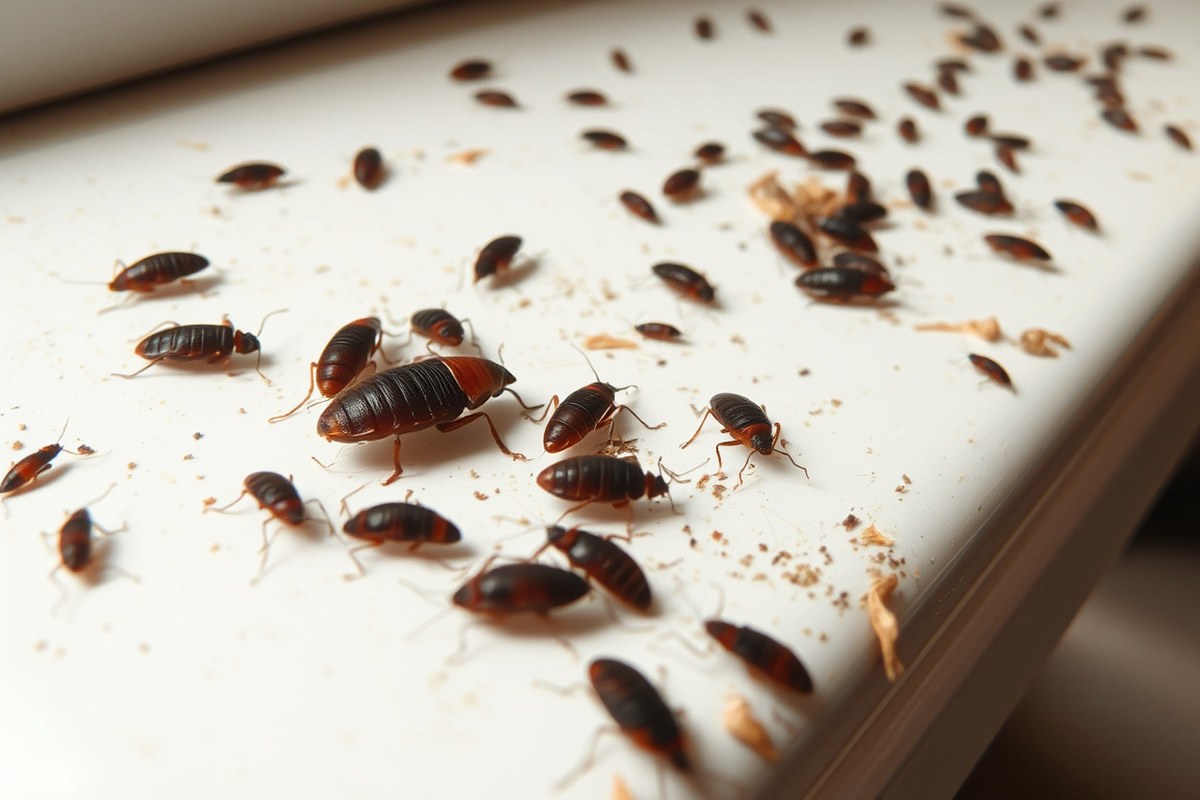
Bugs do not always die immediately after pest control treatment. The time it takes for bugs to die depends on the pesticide used and the pest species. In many cases, bugs begin to die within a few hours, but some pests may take several days to show the full impact of the treatment.
Some pesticides are designed for fast knockdown, killing bugs within minutes to a few hours after contact. These are common for flying insects like flies, mosquitoes, and some ants. Other treatments work more gradually, especially those using insect growth regulators or baits. These products disrupt behavior or development, leading to death over days or even a week. This slower process helps control pests that live inside nests or burrows, like termites or cockroaches.
A rough timeline for common pest control impacts might look like this: flying insects and exposed ants often die within 1 to 4 hours, crawling insects such as cockroaches or spiders may take 12 to 72 hours, while more hidden pests like termites or bed bugs can take up to 7 days or more. The pesticide needs time to spread through the population or disrupt life cycles in these cases.
This gradual death process matters because it affects how quickly you will see fewer bugs. Immediate death means visible results quickly, but gradual death means the bugs continue to die off even days after treatment. You may still see some activity for up to a week. Persistent bugs during that time do not necessarily mean the treatment failed.
The pesticide’s mode of action influences its speed. Contact insecticides kill on contact but may lose effectiveness if not applied directly. Residual sprays continue killing bugs for days after application as they contact treated surfaces. Baits and growth regulators rely on pest behavior to spread the poison or block development, taking longer. Choosing the right product depends on the pest and infestation level.
Applying pesticide correctly also affects the timeline. Thorough coverage of nests, cracks, and entry points ensures bugs contact the treatment quickly. Missing key areas might allow some pests to survive, lengthening how long bugs take to die. Professionals usually combine fast-acting sprays with residual products to get both immediate and ongoing control.
How Pest Type and Treatment Method Affect Bug Death Time
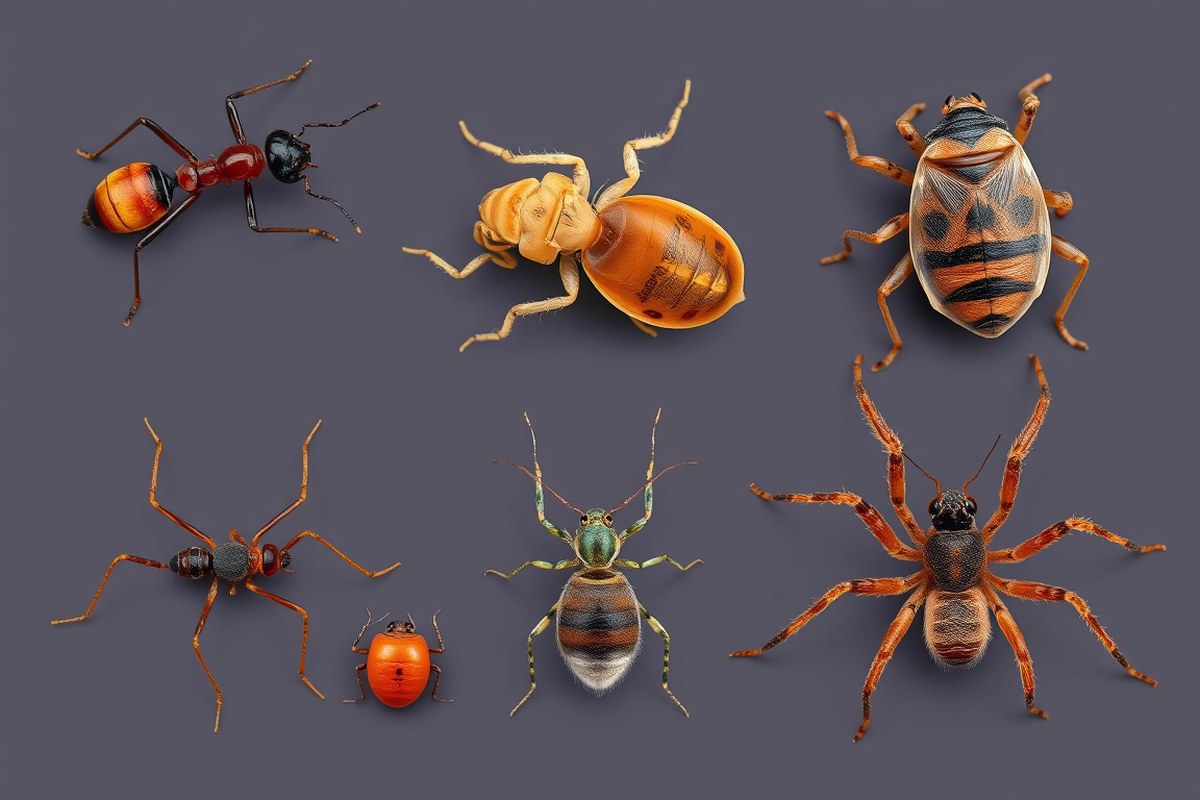
The time it takes for bugs to die after pest control depends significantly on the type of pest and the treatment method used. Different pests respond differently to treatments, and some methods act faster than others due to how they deliver the pesticide or eliminate the pest.
Common Pests and Typical Death Times
Different pests have varying lifecycles and behaviors, which affect how quickly treatments work. For example, ants and cockroaches often show results within hours to a couple of days because many treatments target their nervous systems rapidly. Bed bugs tend to take longer because they hide deeply and reproduce slowly, requiring treatments that penetrate hiding places. Termites, being hidden in wood, often need extended treatment periods or multiple applications to see results. Spiders typically die quickly after contact insecticides but can avoid treated areas, which delays death.
| Pest | Death Time with Spray | Death Time with Bait | Death Time with Heat/Fumigation |
|---|---|---|---|
| Ants | Within hours to 2 days | 2 to 7 days (due to bait feeding and colony transfer) | Not typically used |
| Cockroaches | Hours to 1 day | 3 to 10 days (colony elimination) | Not typical |
| Bed Bugs | 2 to 7 days (contact kills adults) | Limited effect as baits usually ineffective | Heat: Immediate to hours; Fumigation: 1 day |
| Termites | 1 to 3 days (contact kills exposed termites) | 7 to 14 days (baiting stations) | Fumigation: 1 to 2 days |
| Spiders | Within hours to 1 day | Rarely used | Not used |
These ranges show that fast-acting sprays often kill pests within hours or a couple of days, but baits take longer as they rely on pests consuming the poison and sharing it with others. Heat treatments and fumigation provide rapid kill rates but are reserved for certain pests like bed bugs and termites due to cost and application complexity.
How Sprays Differ from Baits in Killing Speed
Sprays kill pests on contact or shortly after exposure, leading to quicker pest death times. For instance, spraying cockroaches often results in visible effects within hours because it attacks their nervous system immediately. However, sprays may miss pests hidden deep inside cracks or colonies, allowing some survival.
Baits work slower because they depend on pests eating the poison and carrying it back to their nest or colony. This method benefits long-term control, especially for ants or termites, by affecting the entire colony over days or even weeks. The tradeoff is the slower initial kill compared to sprays.
Use sprays for immediate relief and baits for long-term colony control to balance speed and effectiveness.
Choosing between spray or bait depends on pest characteristics and infestation size. Sprays clear visible adults quickly, while baits gradually reduce reproduction by targeting the colony.
Special Cases: Heat Treatments and Fumigation
Heat treatments rapidly kill pests like bed bugs by raising room temperature to lethal levels (usually above 120°F). This kills all life stages usually within hours, often in a single treatment session. Heat treatments cost more and require professional equipment but are the fastest non-chemical option for bed bugs.
Fumigation uses gas or vapor that penetrates deep into structures targeting termites, bed bugs, and other hidden pests. Bugs typically die within a day or two after fumigation starts. Fumigation demands vacating the premises and sealing it, increasing cost and inconvenience but delivering thorough elimination. These methods are best when quick, complete eradication is essential, such as severe infestations that resist sprays and baits.
What Factors Influence How Quickly Bugs Die After Treatment?
Pest control effectiveness depends on several environmental, chemical, and application factors that influence how quickly bugs die after treatment. Temperature, humidity, chemical properties, dosage, pest species, and the way the pesticide is applied all affect kill times. Understanding these variables helps you set realistic expectations and avoid delays in pest elimination.
Role of Temperature and Humidity
Temperature significantly impacts how fast pesticides work and how quickly bugs die. Most insecticides perform best within a moderate temperature range, roughly 65°F to 85°F. Below this range, bugs’ metabolism slows down, reducing their contact with treated surfaces and limiting pesticide absorption. Above 85°F, some chemicals degrade faster, especially outdoors, reducing active time on surfaces. You should plan pest control when temperatures stay within this window or adjust expectations for slower results during colder or hotter periods.
Humidity affects both the pesticide residue and insect behavior. Low humidity speeds up evaporation of liquid pesticides, which shortens the residue’s lifespan. High humidity can increase pesticide absorption by insects but may also cause formulations to run off surfaces if applied too heavily. For indoor treatments, maintaining moderate humidity (around 40% to 60%) promotes longer-lasting residues. Outdoors, pest control during early morning or late afternoon provides balanced humidity without rapid evaporation.
Impact of Insecticide Formulation
Different pesticide formulations vary in how quickly they act and how long residues remain effective. Liquid sprays deliver immediate contact kill but may degrade within days. Dusts and granular products release active ingredients more slowly, leading to delayed but sustained pest mortality. You need to choose a formulation suitable for your pest type and treatment area. For instance, dusts work better in wall voids where liquid sprays can drip and lose potency.
Some insecticides include fast-acting neurotoxins that kill bugs within minutes to hours, while others use growth regulators that cause death over days as bugs fail to mature. Knowing the chemical’s mode of action helps you interpret the timeline of bug deaths after treatment. Always follow label instructions since they specify how long it takes for the active ingredient to work based on the formulation.
Importance of Dosage and Concentration
Applying the right dosage is important for prompt bug death. Under-dosing pesticides can slow kill time or cause bugs to develop resistance. The label will specify how much product to use per square foot or gallon of water. Accurate measurement and uniform application ensure the chemical concentration stays within effective ranges.
Over-dosing may seem better, but it increases costs and can pose risks to humans, pets, or plants without accelerating bug death meaningfully. If you’re using professional services, confirm they measure and mix pesticide concentrates properly. For DIY treatments, use measuring cups or scales that match the label recommendations exactly. A well-applied dose translates into observable bug mortality within expected timeframes, usually hours to a couple of days depending on factors already discussed.
Effect of Pest Species and Life Stage
Different bugs respond at different speeds to the same pesticide. Fast-moving insects like flies or ants may die quickly after contact. Slow-developing pests such as cockroach nymphs or bed bug eggs take longer since pesticides often target specific biological processes. Some insects have protective behaviors or body structures that delay pesticide uptake, affecting kill times.
Understanding the pest species and its life stages present at your property informs your expectations. For example, adult fleas may die within hours after treatment, but pupae or eggs might survive until they hatch days later, requiring a second treatment. Identify the pest correctly and ask your pest control provider about how their products affect various life stages to avoid surprises about delayed bug death.
Application Method Differences
The way pesticides are applied influences how soon bugs die. Direct sprays ensure immediate contact with pests but require careful targeting. Mist or fog applications distribute the chemicals in the air but are less precise, often needing longer contact time. Baits rely on bugs ingesting the toxic substance, which delays death compared to contact insecticides.
Surface treatments that cover the bugs’ hiding places deliver faster kills compared to broadcast outdoor sprays where wind or rain might reduce pesticide persistence. For success indoors, treat cracks, baseboards, and behind appliances thoroughly. Outdoors, avoiding rain within 24 hours after treatment keeps pesticides effective longer. Choose application methods based on pest behavior, area size, and environmental conditions to increase the chances of quick bug mortality.
Safety and Re-Entry: When Can I Enter My Home After Treatment?
Most pest control treatments require you to stay out of your home for a period after application because pesticides can be harmful to humans and pets if inhaled or contacted directly. The safe re-entry time depends on the type of pesticide used and its formulation. Liquid sprays or fogs usually need at least 4 to 6 hours before it’s safe to come back inside. Dust or bait treatments often require less time but still should be avoided until dried or fully set.
Following the pest control technician’s specific instructions takes priority since products vary. Some treatments use more potent chemicals needing 12 to 24 hours of ventilation before re-entry. Professionals sometimes recommend keeping windows open and running fans during and after treatment to speed pesticide drying and reduce residues in the air. Failure to observe these timeframes increases risks of irritation, allergic reactions, or poisoning, especially in children and pets.
Protecting children and pets requires extra care during the entire process. You should remove or cover toys, bedding, and food from treated areas and keep them completely away until the advised re-entry time. Pets should stay outdoors or in unaffected rooms with no pesticide exposure. It helps to plan treatments when you can arrange for prolonged absence, such as during work hours or overnight, to avoid rushing re-entry.
- Confirm re-entry time with your pest control provider before treatment starts
- Prepare your home by removing children, pets, and exposed items as advised
- Keep windows open and fans running after treatment to air out the area
- Do not enter the treated area until surfaces feel dry and odors dissipate
- Wash hands, open food containers, and clean surfaces before use
- Monitor children and pets closely when returning for any signs of irritation
- Follow up with the company if pests persist or symptoms appear after re-entry
The cost of staying out varies but should be factored into treatment plans if temporary relocation or hotel stays are needed. You can avoid extra expenses by scheduling treatment during times when you can comfortably stay away the recommended hours. Good results show as dead or disappearing bugs without health complaints from your household. Problems arise if you return too soon, risking pesticide exposure or reducing treatment effectiveness because residues have not settled properly.
How to Recognize Effective Pest Control and Signs Bugs Are Dying
You can tell pest control is working by observing a steady reduction in live bug activity over several days. Immediate bug death may not be visible everywhere because treatments like baits or growth regulators affect pests gradually. You might notice fewer bugs running around or fewer fresh signs like droppings, damage, or nests. This indicates the chemical or method is effective at reaching hidden or resistant populations.
Successful bug eradication shows through fewer sightings in treated areas and dead insects appearing near entry points or treatment sites. Keep monitoring the same spots where pests were last active; seeing less movement there is a good sign. It can take 3 to 7 days to see decline after treatment depending on the pest and method used. For example, poison baits for ants or cockroaches may take several days as workers carry the poison back to the nest before more deaths occur.
Seeing some bugs after treatment is normal, especially in the first 24 to 48 hours when the chemicals start working internally on pests. This doesn’t mean the treatment failed, but it calls for continued observation. A steady drop in numbers over about a week suggests the treatment is progressing. If bug counts remain the same or increase, or if dead bugs never appear even after several days, that may warrant a follow-up or different approach.
Use a simple decision flowchart to track pest control progress: First, inspect treated areas daily for live bugs or fresh damage. Second, record your findings in a notebook or app to notice trends. Third, if bug sightings drop at least 50% within 3 to 5 days, continue monitoring without further action. Fourth, if sightings stay steady or increase after 7 days, call a professional or apply a secondary treatment. This method keeps your response clear and prevents premature judgments.
Some pest types require longer monitoring; termites and fleas might take weeks to show treatment results compared to flies or ants. Areas with heavy infestation or hard-to-treat locations like wall voids need patience. Also, environmental factors such as humidity or temperature can slow down chemical action or bug movement, affecting how quickly you see results.
Always follow the pest control product label for safe inspection intervals and wear gloves if handling dead insects or treated surfaces during monitoring.
What to Do If Bugs Persist More Than a Week After Treatment
Bugs still visible a week after treatment require checking whether the treatment time frame provided matches the specific pest and product used. Many pesticide formulas act on contact or within hours, but some slow-acting products need several days to fully control the infestation. Persistent bugs often indicate incomplete treatment coverage, resistance, or re-infestation.
Start by inspecting the treated areas carefully. Look for untreated cracks, gaps, or moisture sources where pests may hide or breed. Remove clutter, food crumbs, or standing water that could attract new insects. Avoid applying household insecticides over treated surfaces since they can interfere with professional products.
Next, document pest activity with photos or notes that record numbers, locations, and times of sightings. This helps determine if the problem is decreasing or steady. Bugs continuing in significant numbers beyond 7 to 10 days means it’s time to contact your pest control provider for a follow-up inspection. Many services offer a warranty or free follow-up if pests persist within a specified period. Consider this structured approach to handle persistent bugs:
- Verify treatment timeframe and product details with your pest control company
- Thoroughly clean and remove pest attractants from your home
- Seal obvious entry points using caulk or weather stripping
- Keep monitoring pest activity daily and record findings
- Schedule a professional re-treatment if pest numbers remain high after 10 days
- Avoid non-recommended chemical sprays that may disrupt treatment effectiveness
- Follow any specific aftercare instructions your provider gave you
Re-infestation often occurs when the source or entry points remain unaddressed. Gaps around doors, windows, vents, and utility penetrations are common entry points. Sealing these limits ongoing pest access. Cleanliness is critical; food residue and moisture quickly support new pest populations. These steps support the treatment’s intended effect and prevent wasted effort.
Persistent bugs may indicate a resistant population requiring different treatment chemicals or methods. Some pests nest outside and migrate indoors. A professional inspection can identify new problem areas or recommend modifying your treatment plan. Costs for follow-up visits typically range from $50 to $150, depending on service scope and location.
Only professionals should decide when to retreat or switch chemicals, as overuse can increase pesticide resistance. Pest control companies that stand behind their work often provide free or discounted follow-up treatments. Clear communication about your observations helps them adjust their approach effectively.
Preparation and Aftercare Tips to Maximize Pest Control Effectiveness
Preparing your home properly before pest control treatment sets the stage for faster bug elimination and lasting results. Clear clutter from floors and counters to give the technician full access to affected areas. Remove food, dishes, and toys to prevent contamination during treatment. Follow any specific instructions the pest control company provides, such as refraining from using insecticides on your own in the days leading up to the service. These steps help maximize the treatment’s reach and effectiveness.
Once the treatment is applied, your aftercare routine directly influences how quickly pests die and how long they stay away. Avoid heavy cleaning or vacuuming of treated surfaces for at least 24 to 48 hours; doing so can remove or dilute the pesticides before they fully take effect. After that period, light cleaning to remove dead bugs is fine but avoid harsh scrubbing. Maintain normal humidity and temperature levels, as excessive moisture or heat can degrade chemical efficacy or cause pests to relocate temporarily. Homeowners can use this checklist to prepare and care for their home around pest control treatments:
- Clear all areas targeted for treatment, including baseboards, under furniture, and pantry shelves.
- Wash dishes and food containers, then store them in sealed cabinets or plastic bins.
- Put away pet food and litter; keep pets and people out during treatment as advised.
- Do not vacuum or mop treated areas for 24 to 48 hours to preserve pesticide residue.
- Keep windows and doors closed during and after treatment to keep chemicals contained.
- Follow any additional recommendations provided by your pest professional for your specific pest or product.
Costs for preparation mostly come in time and effort rather than money, expect to spend one to two hours organizing and cleaning before your appointment. Aftercare requires vigilance but little expense. Poor preparation or premature cleaning delays bug death and may require repeat visits. Adjust these steps if your home has special conditions such as infants, pets, or extensive infestations by consulting the pest control company.
How Seasonal and Environmental Changes Affect Pest Control Outcomes
Pest control effectiveness varies notably with the season, temperature, and moisture levels because these factors change both insect behavior and pesticide performance. Bugs tend to be more active in warm, humid conditions, which often makes treatments work faster as pests come into direct contact with chemicals. Cold weather slows insect metabolism and activity, so pests may take longer to die after treatment or avoid treated areas altogether.
During warmer months, insect activity peaks, meaning that bug death can occur within hours to a couple of days of treatment since bugs move through the area more rapidly, encountering poisoned surfaces or bait. In contrast, colder seasons slow bug life cycles and delay pesticide breakdown, causing death times to lengthen from days to sometimes over a week. Moisture also affects results. Higher humidity helps some chemical sprays remain active on surfaces but can reduce effectiveness of powders that rely on dryness.
Timing treatments around environmental conditions improves control outcomes. In spring and summer, apply treatments early in the day when bugs are most active, targeting their outdoor entry points and indoor hotspots. Plan for follow-up visits sooner, around 5 to 7 days, since rapid reproduction can cause reinfestation. In fall and winter, treatments might need to focus more on sealing entry points or indoor hiding spots, with longer intervals between visits as bugs are less active. You should avoid treatment on days of heavy rain or extreme heat above 90°F, both of which reduce the efficacy of most pesticides.
When planning pest control, consider the local climate and recent weather. For example, in humid southern states, repeated applications of a residual insecticide may be necessary every 30 days in summer, but quarterly treatments could be sufficient in cooler months. For dry, northern areas, focus treatments during brief humid periods when bugs emerge. This approach conserves product and reduces costs since unnecessary treatments in off-peak seasons or unfavorable weather seldom speed bug death and risk pesticide resistance.
Scheduling pest treatments in warm, dry weather maximizes pesticide contact with pests and speeds up bug death, so avoid rainy or overly hot days to ensure the products work as intended.
Common Mistakes That Delay Bug Death and How to Fix Them
One common mistake that delays bug death after pest control is improper pesticide application, such as using a solution that is too diluted. When pesticides are mixed with too much water, their concentration weakens, which reduces their ability to kill pests effectively. Always follow the label instructions for dilution ratios exactly and use a measuring tool rather than guessing. For example, if a product says to mix 2 ounces per gallon of water, measure out precisely 2 ounces and use a clean container.
Inadequate coverage of treated areas also prolongs pest survival. Bugs tend to hide in cracks, crevices, or behind appliances and baseboards, so missing these spots lets them avoid contact with the pesticide. Use a flashlight to inspect dark corners and spray thoroughly along baseboards, door frames, and behind furniture. Applying treatment evenly ensures pests can’t escape exposure. This step typically takes an extra 15 to 30 minutes but significantly improves effectiveness.
Bugs developing resistance to chemicals is another reason treatments may take longer to work. Pest populations exposed repeatedly to the same pesticide can evolve resistance, making that product less effective over time. Rotating insecticides with different modes of action every few months helps prevent resistance. Pest control professionals usually recommend alternating between chemical classes like pyrethroids and neonicotinoids rather than using just one type.
- Use measuring tools to mix pesticides accurately following label instructions.
- Inspect and treat all hiding spots, not only visible surfaces.
- Rotate chemical types if you apply treatments repeatedly over several months.
- Avoid over-diluting sprays; concentrate the product as recommended for best results.
- Consider hiring a licensed pest control technician for hard-to-reach or extensive infestations.
Not cleaning surfaces before application can also affect how well the pesticide works. Dirt, dust, and grease reduce the pesticide’s ability to stick and kill bugs on contact. Wipe down treated surfaces beforehand to improve results. This preparation usually takes 10 to 15 minutes but improve the chemical’s effectiveness, shortening the time it takes for bugs to die.
Failing to stay out of treated rooms during and shortly after treatment slows down outcomes because pests may avoid coming into contact while you move around. Follow label guidelines for re-entry times, which can range from 30 minutes to several hours depending on the product. Restrict access during this period so the pesticide remains undisturbed and effective.
Why Repeat Pest Control Treatments Are Sometimes Necessary
Multiple pest control treatments are sometimes necessary because a single application might not eliminate all pests or their eggs. Repeated treatments ensure that newly hatched pests are targeted and that surviving adults are dealt with before they reproduce. Scheduling follow-ups depends on the pest species, life cycle, and initial treatment effectiveness.
Life Cycles of Pests and Impact on Treatment Timing
Pests such as bed bugs, cockroaches, and fleas have distinct life cycles with egg, larval, nymph, and adult stages. Treatments typically kill active adult pests but often do not affect eggs that are resistant to chemicals or hidden in protected areas. Eggs hatch over days or weeks, so untreated hatchlings can quickly repopulate a space if follow-up treatments aren’t performed.
The timing of repeat treatments usually aligns with the pest’s developmental cycle. For example, if the egg stage lasts 7 to 14 days, a follow-up treatment is commonly scheduled two weeks after the first to target newly hatched pests before they mature and lay more eggs. Adjustments can be necessary based on temperature and humidity, as these factors affect development speed.
Managing Eggs and Larvae for Complete Eradication
Effective pest control plans include steps to manage eggs and larvae that survive initial treatments. Many pesticides affect only active insects and do not penetrate egg casings. Delay in follow-up treatments leaves surviving eggs time to develop and hatch, which can cause reinfestation.
Professional control often uses a combination of methods: applying insect growth regulators (IGRs), using dusts or residual sprays in cracks and crevices, or physical removal. This layered approach can prevent eggs from hatching or larvae from developing into adults. Repeating treatments every 10 to 21 days until no live pests are detected is standard practice for pests with multiple and overlapping generations, such as cockroaches or fleas.
How Professionals Schedule and Assess Follow-Ups
Pest control experts recommend scheduling a follow-up inspection and treatment about two weeks after the initial service. This interval targets newly hatched pests and assesses whether the first treatment was thorough. If the infestation is severe or the pest species reproduces quickly, additional visits may be scheduled at three-week intervals until no pest activity is detected.
Assessing treatment success involves visual inspections, monitoring traps, and customer feedback about sightings. Follow-up treatments can be reduced or ended once professional evaluation confirms the absence of live pests and signs of new egg production. Planning for follow-ups means budgeting for at least two or three visits over a six-week period, which commonly costs around 50% of the initial treatment fee for each subsequent visit. Designing this plan upfront helps avoid ineffective one-time treatments and reduces long-term control costs.
Step-by-Step Action Plan for Monitoring Pest Death After Treatment
Understanding how long it takes for pests to die after treatment helps you stay safe and decide if follow-up is needed. Use this plan to track progress and act effectively.
- Before Treatment: Prepare the space by following pest control instructions such as cleaning, removing food sources, and clearing clutter. Proper preparation ensures treatments reach pests and improves kill rate.
- Day 1 (Treatment Day): Leave the treated area as advised to avoid exposure to chemicals, typically 2 to 4 hours or longer for some fumigants. This waiting period is important for allowing pesticides to work without disturbance.
- Day 2 to 3: Check for immediate signs of dying pests, such as dead insects around treated areas or increased sightings of inactive bugs. Different pest types and treatments show effects at different speeds, ants might die in hours while cockroaches can take up to a few days.
- Week 1: Monitor pest activity closely. Reduced live bugs and more carcasses indicate effective treatment. Keep cleaning to remove dead bugs but avoid disrupting treated surfaces. If pest activity remains high, note the type and locations for reporting.
- Days 7 to 14: Assess whether pest numbers continue to drop. Persistent or returning bugs suggest treatment resistance, incomplete coverage, or nearby reinfestation. Contact your pest control provider for a potential follow-up treatment at this point.
- After 2 Weeks: Begin regular maintenance as recommended, such as sealing entry points and eliminating moisture. Seasonal and environmental conditions can affect long-term results, so ongoing prevention helps avoid reinfestation.
- Ongoing: Avoid common mistakes like using household sprays over the treated areas or skipping necessary repeat treatments. Follow all label directions and professional advice to maximize treatment success and safety for your family and pets.
Frequently Asked Questions
How Long Does It Take for Bugs to Die After a Single Pest Control Treatment?
Bugs typically begin dying within hours to a few days after treatment, depending on the pesticide and pest species. Some slow-acting insecticides can take several days, while contact killers cause quicker results but may miss hidden pests.
Can Dead Bugs Remain Visible After Treatment, and Why?
Yes, dead bugs can remain visible for days or weeks because pests do not always drop immediately. Cleaning up visible insects after treatment helps show the results and prevents attracting scavengers or other pests.
Does the Type of Insecticide Affect How Quickly Bugs Die?
Yes, insecticide type matters; fast-acting sprays kill on contact within minutes to hours, while baiting systems attract pests to ingest poison that takes days. Knowing your pest helps select the best product for a quicker knockdown.
Are All Bugs in a Treated Area Killed at the Same Time?
No, bug death timing varies based on pest behavior and life stage. Some insects hide deep or reproduce quickly, so initial kills are followed by gradual declines as exposed pests die and new ones contact treatment.
How Do Environmental Factors Influence Bug Mortality Speed After Pest Control?
Temperature, humidity, and ventilation affect pesticide effectiveness and bug death speed. Warm, dry conditions usually speed up pesticide action, while cold or wet conditions may slow insecticide drying and delay bug mortality.
Can Bug Populations Rebound After a Pest Control Treatment?
Yes, pest populations can rebound if not all individuals are killed or reinfestation occurs. Proper follow-up treatments, sealing entry points, and ongoing prevention are necessary to maintain long-term control.
Key Points to Remember
Bugs usually take from a few hours up to a week to die after pest control, depending on the pest type, treatment used, and environmental factors. To ensure the treatment is working, check for decreased activity and trapped pests within the first three days while following safety guidelines on re-entry times. You can improve results by thoroughly preparing your space before treatment and avoiding cleaning treated areas for at least 24 to 48 hours after application. If pests persist beyond a week, contact your pest control provider for a follow-up inspection and possible retreatment, as some infestations require repeated treatments to fully resolve.