
How to Price Commercial Pest Control: A Complete Guide with Real Examples
Pricing commercial pest control requires balancing costs like labor, materials, and overhead with client needs and market standards. You’ll set prices per visit, by square foot, or through contracts, adjusting rates for emergencies or recurring treatments. Knowing how to price commercial pest control accurately helps maintain your profit margins and keeps your offers competitive without undercutting your service value.
This guide serves business owners, facility managers, and pest control providers who want practical steps for setting rates. You’ll learn how to evaluate cost components, factor in geographic or seasonal changes, compare pricing models, and present your prices confidently to clients, all while avoiding common pricing mistakes that can undercut your business. This approach helps you tailor your pricing strategy with clarity and precision.
Key Takeaways
- Calculate prices using labor, materials, equipment, and overhead costs to ensure all expenses are covered in commercial pest control services.
- Choose pricing models, per visit, per square foot, or contract-based, based on client needs and service frequency for better pricing alignment.
- Adjust prices for one-time, emergency, or recurring treatments to reflect the complexity and urgency of the pest control service provided.
- Include geographic location, seasonal trends, and industry-specific factors when setting prices to match market demand and operational costs.
- Compare competitor pricing indirectly by analyzing service scope and customer expectations without disclosing specific price values.
- Use clear metrics and technology tools to monitor service costs and optimize pricing strategies for commercial pest control offerings.
How to Set Prices for Commercial Pest Control Services

Pricing commercial pest control services involves understanding and applying different methods that reflect the service scope, client needs, and business costs. Common approaches include charging per visit, per square foot, or setting contract- based fees; each suits different types of jobs and customers. Per visit pricing helps with one-time treatments or emergencies where you charge a flat fee that covers labor, materials, and equipment for that specific visit. The per square foot model matches well with larger facilities where size directly impacts the work required. Contract pricing usually combines an agreed scope, frequency, and duration, creating a stable income through recurring payments, which often attract a discounted rate compared to one-off jobs.
Calculating the cost of a commercial pest control visit starts by adding direct expenses: labor hours multiplied by the hourly wage or technician pay, the cost of pesticides and other materials used, and equipment depreciation. For example, if the technician cost is $40 per hour and the visit takes two hours, labor totals $80. Add $25 for materials and $15 representing equipment use and maintenance, the direct cost comes to $120. Overhead, such as administrative expenses, vehicles, and insurance, typically adds 20 to 40 percent on top of direct costs. Using a 30 percent overhead rate, you add $36, bringing the total estimated cost to $156.
You then apply your desired profit margin. Commercial pest control margins can range widely, but aiming for 15 to 25 percent above total costs is common. Using the example, at 20 percent margin, you add about $31, pricing the visit at approximately $187. You might adjust this price up or down based on factors like service complexity, urgency, or customer volume commitments. Avoid underpricing just to win contracts, as small margins leave no room for unexpected costs or quality service.
Choosing the right pricing model depends on your business structure and client base. Per visit rates work best for irregular or emergency clients since each job can be evaluated separately. Pricing by square foot makes more sense if you service many large facilities, since it standardizes the price and helps clients understand charges relative to their property size. Contracts benefit recurring service agreements, giving you predictable revenue while clients often prefer locking in costs for budgeting. Many providers combine these methods, offering square foot pricing within contracts and per visit fees for additional or emergency work.
Pricing calculations should factor in how often you perform treatments, the types of pests targeted, and the environment’s complexity. Complex chemical treatments or difficult infestations demand higher prices due to longer labor or expensive materials. Always document your calculation process clearly and review pricing regularly to maintain profitability as costs and market conditions change. Pricing is a critical business decision; transparent, well-grounded methods help build trust with clients while ensuring your services remain financially viable.
Key Factors That Influence Commercial Pest Control Pricing
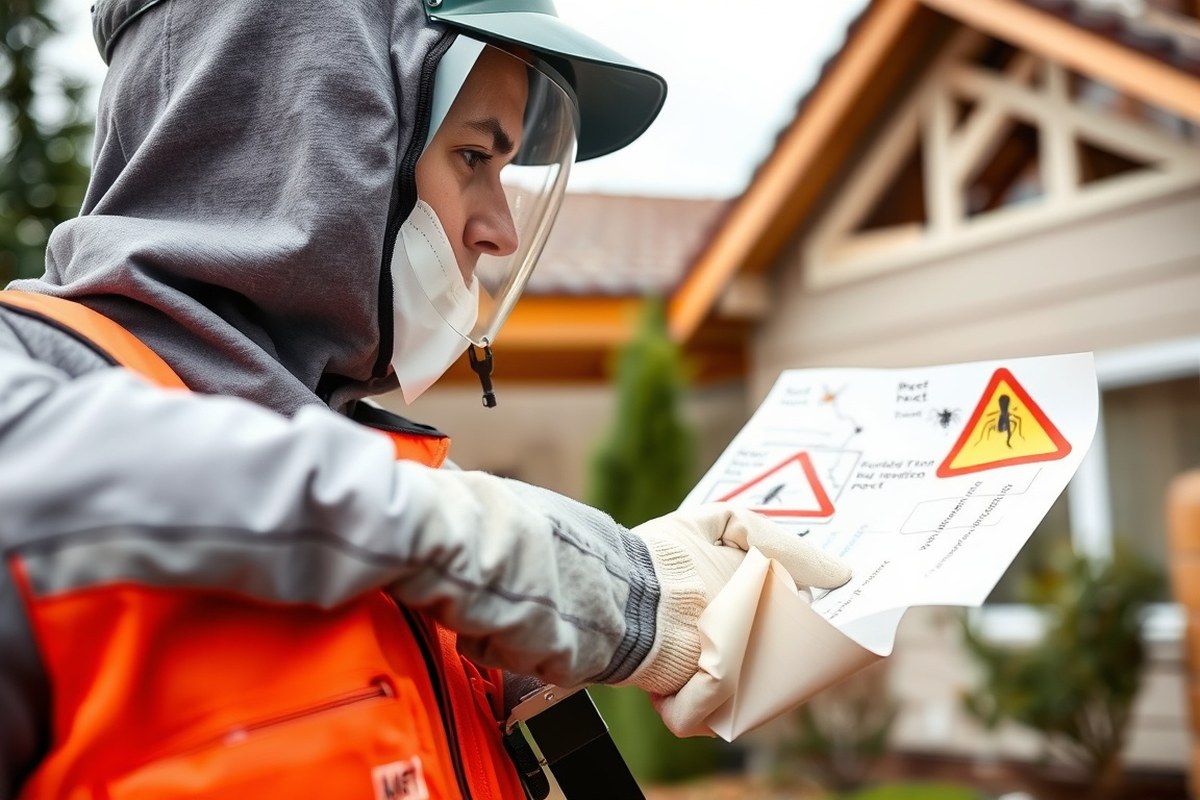
Commercial pest control pricing depends heavily on factors like property size, pest species, infestation severity, and other external variables. These elements shape the scope, duration, and materials needed for treatment, making it essential to assess them carefully for accurate pricing decisions.
Impact of Property Dimensions on Costs
The size and layout of a commercial property play a significant role in determining pest control costs. Larger spaces require more time, labor, and materials, which naturally increase the price. Complex layouts with multiple rooms, floors, or difficult-to-access areas also raise costs because of the additional effort needed to reach and treat all infestation points.
Square footage is often the first measurement used when estimating treatment costs. Properties between 1,000 and 5,000 square feet usually follow a baseline pricing model, while those exceeding 10,000 square feet often include customized quotes due to the logistics involved. Open-floor plans generally cost less per square foot than segmented spaces because fewer treatment zones reduce the application time.
Varieties of Pests and Treatment Complexity
The type of pest affects pricing due to differences in treatment methods, products, and safety precautions. Roaches and ants tend to require routine baiting and spraying, which is less expensive compared to termite treatments, which involve complex barriers or tent fumigation. Rodents need trapping and exclusion work, adding labor costs.
Harder-to-control pests such as bed bugs or rodents often demand more intensive, repeated treatments and monitoring, increasing the price significantly. Specific industry regulations, such as those for food processing facilities, may restrict pesticide use and require specialized integrated pest management (IPM) techniques, pushing prices higher.
- Simple pests (ants, flies) usually cost less per treatment.
- Termite and bed bug treatments require specialized equipment and chemicals.
- Rodent control often adds exclusion repairs and traps.
- Regulated industries need certification and possibly non-chemical methods.
- Mixed infestations can combine costs of multiple treatment types.
Choosing the right approach based on pest type will influence material costs and service time, thus affecting the final price.
Severity Levels and Their Pricing Impact
The infestation severity directly influences how many treatments are necessary and the extent of remediation required. Minor pest presence might only involve inspection and standard baiting, which costs less. Advanced infestations require more frequent visits, extensive chemical application, and sometimes structural repairs.
Severe infestations often mean higher labor hours to reach hidden nests or breeding grounds and use of more potent or higher volumes of pesticides. Pricing should account for this by estimating the number of visits and treatment complexity. Customers should understand that initial quotes might increase if severity is underestimated during inspection.
Frequency and Treatment Duration Influence
The number and frequency of treatments are notable pricing factors. One-time or emergency treatments typically cost more per visit because they respond to urgent problems and might involve after-hours work. Recurring services spread out the cost and often come with a discounted rate per visit due to contract agreements.
Longer treatments where technicians spend several hours on-site, especially for termite or bed bug eradication, increase labor charges. Pricing should reflect the expected time on site plus any follow-up inspections required. Offering clients clear options for frequency, monthly, quarterly, or annual, helps set transparent expectations.
Location and Accessibility Considerations
Geographic location influences prices through local regulations, climate, and supplier availability. Areas with stringent environmental rules or pesticide restrictions require specialized treatment plans that cost more. Seasonal variations affect pest activity and demand; higher demand during warm months can push prices upward due to technician availability.
Property accessibility impacts labor costs. Facilities difficult to access or with security protocols may require extra time for entry, coordination, or safety equipment, raising the price. Urban settings might have different pricing patterns than rural due to travel time and parking challenges.
Clarify upfront whether any permits, escorts, or facility-specific protocols will add time or costs to avoid billing disputes later.
Comparing Pricing Models: Per Visit, per Square Foot, and Contract-Based
| Pricing Model | Description | Advantages | Disadvantages |
|---|---|---|---|
| Per Visit | Charge a fixed fee each time a technician visits the site, regardless of time spent or outcomes. |
|
|
| Per Square Foot | Price based on the facility’s size; usually expressed as a rate per 1,000 or 10,000 square feet. |
|
|
| Contract-Based (Recurring Service) | A negotiated agreement covering scheduled visits and ongoing monitoring over a defined term, often 6 to 12 months. |
|
|
You should select the pricing model based on the service scope, client preferences, and business goals. Per visit pricing fits well with one-off or emergency services where quick responses are needed without long-term commitments. Pricing by square foot works best for new contracts in large facilities where the service area directly influences labor and materials.
Recurring service contracts play a significant role by providing predictable income and encouraging regular pest prevention. Such contracts are ideal for facilities with ongoing pest risks like food processing plants, warehouses, or property management companies. When setting contract prices, factor in regular service frequency, the cost to maintain equipment and materials, and the labor time spent on routine inspections and treatments.
In some cases, combining models works well, for example, using square footage pricing to set a base rate, then offering a contract discount to promote client retention. The key is to communicate clearly what the client gets with each model, including the frequency of visits, response times for emergencies, and types of pests covered.
Calculating Cost Components: Labor, Materials, Equipment, and Overhead
Calculating the right price for commercial pest control requires a detailed accounting of both direct and indirect costs. You need to list and total labor, materials, equipment, and overhead costs carefully to ensure profitability while remaining competitive. Accurate cost calculation prevents underpricing and helps justify your fees to clients.
Direct Labor Expenses Breakdown
Labor is one of the largest direct costs in commercial pest control pricing. Include wages, payroll taxes, benefits, and any overtime pay for technicians assigned to the job. For hourly employees, track the time spent on each service call or contract visit and multiply it by the fully loaded hourly wage. For example, if a technician earns $20 an hour plus $5 in payroll taxes and benefits, the labor rate is $25 per hour.
Don’t forget travel and preparatory time if you bill by the hour. Include supervisor or inspection labor if they are involved. For contract services, calculate the average labor hours needed per visit and multiply by your loaded hourly rate. Omitting any labor element leads to undercharging and compresses margins.
Material and Chemical Cost Estimation
Materials and chemicals vary by the type of treatment and pest targeted. Estimate the total amounts needed per job or per square foot and multiply by current purchase costs. Include baits, sprays, traps, emulsifiers, replacement parts, and consumables like gloves or bait stations. Always purchase from approved suppliers to ensure product quality and compliance.
Account for wastage and shelf life; expired chemicals can result in losses that affect pricing. For example, if 1 gallon of spray costs $50 and the average job uses 0.1 gallons, budget $5 material cost per visit plus a small buffer for waste. Record unit costs and update them regularly as prices fluctuate. Overlooking chemical costs often results in pricing that does not cover input expenses.
Equipment Usage and Depreciation Rates
Equipment contributes indirect costs through depreciation, maintenance, and repairs. List all tools and machines used, such as sprayers, foggers, protective gear, and vehicles. Calculate a depreciation rate based on purchase price and expected useful life, often spread over 3 to 7 years. For instance, a $3,500 sprayer expected to last five years depreciates $700 annually, or about $58 monthly.
Allocate a portion of this depreciation cost to each service based on usage frequency. Add routine maintenance expenses and fuel for vehicles used on-site. Not factoring in equipment costs can make your pricing unsustainable, especially for high-value or specialized tools.
Allocating Overhead and Administrative Fees
Overhead includes insurance, liabilities, licenses, office rent, utilities, administrative staff salaries, marketing, and licenses. Insurance is critical, general liability and workers’ compensation must be factored into the total cost. For example, if annual insurance is $12,000 and you serve 120 contracts a year, allocate about $100 per contract for insurance alone.
Calculate total monthly overhead and divide it by billable labor hours or service visits to find a per-job overhead rate. This ensures indirect costs like billing, scheduling, and compliance are covered. Tracking these costs avoids underestimating your business expenses, which can erode profits even if direct costs are well tracked.
Adjusting Prices for One-Time, Emergency, and Recurring Treatments
Emergency treatments require higher rates than regular maintenance because they involve immediate response, often outside normal business hours. You should add a 30% to 50% premium on your standard visit price to cover overtime labor, rushed scheduling, and any expedited materials needed. For instance, if your usual service visit costs $200, an emergency call should be priced between $260 and $300. This compensates for disrupting your normal workflow and the extra effort from technicians.
One-time treatments generally cost more per visit than recurring appointments because you don’t have the benefit of ongoing service income to spread fixed costs. To price these, calculate your usual visit rate and add 20% to 40%, depending on the pest type and treatment complexity. For example, a one-time rodent treatment might be 25% higher than a standard quarterly contract visit since it demands a focused, intensive approach with no follow-up guarantee.
Longer-term maintenance contracts allow you to set lower rates per visit because they provide steady cash flow and reduce customer acquisition costs. You can afford to offer a 10% to 25% discount compared to one-time treatments or emergency calls. This discount should reflect the contract length, payment terms, and service frequency. For example, a 12-month contract billed monthly might lower the typical visit price from $200 to around $160 to reward client loyalty and secure ongoing work.
Pricing decisions should also consider customer retention and operational efficiencies. Contracts with regular visits help technicians familiarize themselves with the property, reducing labor time and product waste. You may write a pricing script like this: “Our emergency visits cost 1.4 times a regular service because they require immediate attention and overtime labor. One-time treatments are 1.25 times to cover specialized work. For ongoing contracts, we reduce each visit’s price by 15% to reward commitment and improve treatment consistency.”
Different industries and pest issues influence these rates. Food processing facilities, for example, demand stricter protocols, raising baseline pricing by 15% to 30%. Urgent cockroach infestations often need emergency service pricing, while preventive rodent control fits well with contracts. Choosing when to apply these rules affects profitability and client satisfaction. Overpricing emergencies can deter calls, but underpricing risks losses on costly after-hours dispatches.
Track your time and materials carefully for emergency and one-time jobs to verify your premium covers actual costs and inefficiencies; adjust your rates accordingly after a few cases.
How to Benchmark Pricing Against Competitors Without Revealing Figures
You can benchmark your commercial pest control prices without sharing exact figures by focusing on qualitative data and indirect comparisons. This approach helps you understand where your pricing stands relative to competitors without making your numbers public, protecting your business strategy and client trust. The key is to gather information discreetly and analyze it against your internal costs and value proposition.
Start by reviewing competitor marketing materials, websites, and service descriptions. Look for hints about service frequency, types of treatments, and broad price ranges rather than specific charges. Call competitors posing as a prospective client and inquire about service packages or quotes; note how they position their pricing rather than asking for concrete numbers. Networking with other industry professionals at trade events can provide insights into pricing trends while keeping direct figures confidential.
Use your own customer feedback to understand what clients expect or find reasonable in terms of pest control pricing. Comparing your value-added services, response times, and treatment plans against competitors highlights pricing rationale without giving away exact dollar amounts. Industry reports and regional business associations sometimes publish average pricing bands by service type, which you can reference to see the general market range for your geographic area and service niche.
Effective benchmarking hinges on collecting and organizing data methodically. Use a spreadsheet or pricing software to track competitor service features alongside your own. Score offers on dimensions such as included materials, coverage area, and contract duration. Compare this score to your price tiers to identify if you are underpricing or overpricing relative to perceived value and competitors’ positioning.
- Monitor competitor websites and ads monthly to track changes in services and implied prices
- Use mystery shopping calls focusing on service details, not hard price requests
- Gather customer feedback on competitors’ pricing perceptions during sales or follow-up calls
- Use regional pest control associations for general pricing trends without specifics
- Score and compare features instead of prices to assess value positioning
- Update your internal pricing analysis quarterly to respond to market shifts
- Maintain confidentiality agreements if exchanging any sensitive data in professional networks
The costs involved mainly come from time spent on research, data entry, and analysis rather than financial expenditures. You might invest in pricing or customer relationship management software that helps organize and visualize competitor data. Good results look like a clear understanding of your competitive advantage or gaps in price and service mix, allowing you to adjust your offerings or justify your prices confidently.
Beware of relying solely on advertised prices, which may not reflect discounts, contract terms, or bundled services that affect true pricing. Avoid sharing price details with competitors or using unauthorized means to access exact bids. Keep your benchmarking practices ethical to maintain industry relationships and avoid legal issues. Tailor your benchmarking depth to your market size and competition intensity; smaller markets may require closer scrutiny of a few players, while larger markets mean tracking broader trends.
Common Pricing Mistakes and How to Avoid Them in Commercial Pest Control
Common pricing mistakes in commercial pest control include underpricing, overlooking hidden costs, and poor communication with clients. Underpricing often happens when you try to win contracts by offering low rates without fully accounting for labor, materials, equipment depreciation, and the complexity of the job. This approach reduces profitability and risks service quality. You should calculate all direct and indirect expenses before setting your price to avoid losing money on a contract.
Hidden costs matter because commercial pest control jobs often require specialized materials, state-mandated permits, or additional labor for complex infestations. Failing to factor these in results in surprise expenses that cut into your margins. Review your service contracts carefully and include clauses that allow price adjustments if unforeseen issues arise, such as discovering bedbugs after initial treatment or needing extra visits for rodent infestations.
Poor communication with clients can lead to misunderstandings about what services are included and how pricing adjusts based on infestation severity or recurring treatments. Clear, upfront discussions about pricing structure, re-treatment policies, and what triggers additional charges improve client trust and reduce disputes. Use written estimates that itemize services and explain any variables affecting cost.
- Underpricing by ignoring full labor, materials, and overhead costs
- Neglecting extra charges for complex or severe infestations
- Failing to include equipment wear and regulatory costs
- Not updating prices for emergency or after-hours services
- Delivering vague estimates without itemized services and fees
- Overlooking the time and resources needed for thorough inspections before quoting
- Skipping regular review of pricing as market conditions or costs change
Incorporate the complexity and severity of infestations into your pricing by conducting a thorough site inspection first. Note factors like pest type, infestation spread, property accessibility, and the need for special treatments (e.g., fumigation or eco-friendly products). Assign a severity level that triggers predefined price tiers or adds surcharges. For example, a light infestation might only require a basic monthly service at a lower rate, while a severe bedbug problem on a large commercial property needs multiple treatments and higher-priced service visits.
Use a script for client communication like this: “Based on our inspection, this infestation requires more extensive treatment because of [specific reasons]. Your base monthly price is $X, but due to extra labor and materials, the adjusted price is $Y per month. We will monitor progress and revise the plan as needed.” This approach clarifies why pricing varies and sets expectations accurately.
Presenting and Justifying Commercial Pest Control Prices to Clients
Presenting and justifying commercial pest control prices requires clear communication and a structured explanation. Clients respond best when you break down costs into understandable parts, acknowledge their concerns, and offer flexible options tailored to their needs. Using direct scripts helps set expectations and builds trust.
Breaking Down the Price Clearly
Start by breaking your price into basic components like labor, materials, equipment, and any specialized treatments. For example, say: “The total cost is $1,200 per month. That includes about $500 for labor, $400 for materials, and $300 for ongoing monitoring and equipment.” This shows clients exactly what they’re paying for and why the price makes sense for their situation.
Explain how factors such as facility size, pest severity, and treatment frequency affect the quote. You can say, “Because your warehouse covers 25,000 square feet and has a higher risk of rodent activity, the treatment requires more time and materials compared to a smaller office.” This approach reduces confusion and minimizes sticker shock.
Use visuals or written proposals outlining each cost if possible. Sending a clear document with the breakdown helps clients revisit your explanation and prepares you for follow-up questions without repeating everything. Keep your language simple and avoid technical jargon that might overwhelm non-expert clients.
Handling Common Client Objections
When clients question prices, first acknowledge their concern without defensiveness. For instance, start with: “I understand pricing is an important factor. Let’s look at what this service covers to see that you’re getting value for your investment.” This puts the conversation in a problem-solving frame rather than an argument.
For objections like “That’s more than another company,” respond by differentiating your service. You might say, “Our process uses eco-friendly products and includes quarterly inspections, not just treatments. Many competitors charge less upfront but don’t offer that ongoing protection.” This justifies your pricing with clear service benefits rather than vague claims.
Some clients may seek discounts. Rather than dropping price immediately, discuss the scope first: “If budget is a concern, we can adjust the service frequency or focus on key problem areas without sacrificing overall effectiveness.” This shows flexibility but reinforces that quality and certain costs remain fixed.
Always listen carefully to objections before responding; understanding the client’s real concern can help you tailor your explanation effectively.
Offering Flexible Pricing Options
Present tiered pricing packages that vary by treatment frequency, pest types covered, or service level. For example: “We have a basic package with monthly treatments for $900 and a premium option with biweekly service and emergency visits for $1,500.” This allows clients to pick what fits their budget and needs.
For custom jobs, emphasize transparency with a clear method for adjustments. Tell clients, “We provide a baseline price, but if we encounter additional challenges like unexpected infestations, we’ll inform you immediately and explain the extra cost before proceeding.” Such upfront honesty maintains trust, even when the scope changes.
Use written agreements specifying which parts of service can change and how pricing varies with those changes. This protects both parties and avoids confusion during long-term contracts or complicated treatments. Flexibility does not mean unclear or unpredictable pricing; it means structured options to suit different situations.
Incorporating Geographic, Seasonal, and Industry Variations in Pricing
Industry-specific needs often require tailored treatments that affect overall costs. Food processing plants typically demand higher sanitation standards and more thorough inspections than warehouse storage facilities. Healthcare facilities might require specialized, low-toxicity products that raise costs. Understanding client operations allows you to allocate extra labor hours and materials and reflect these in pricing. Avoid one-price-fits-all approaches to maintain profitability and client satisfaction. Use a pricing adjustment checklist that covers location, season, and industry details for each contract bid and renewal. The checklist should include: regional pest types and activity levels, local pesticide regulations and fees, seasonal demand peaks, relevant industry compliance standards, and associated labor and materials costs. Compare these factors with your base pricing model. For instance, add 10-20% for high-regulation urban areas and seasonal surcharges during active pest months. Review and update this checklist annually to adapt to regulatory changes and shifting pest patterns. Successful results show balanced pricing that covers higher expenses without scaring off clients. Watch for potential mistakes like undercharging in heavily regulated regions or failing to raise prices during peak seasons, which can erode profits. Transparency about why prices vary, sharing parts of your checklist with clients, builds trust and helps clients plan budgets. By systematically incorporating geographic, seasonal, and industry variations, you ensure your pricing reflects real costs while staying competitive in different markets.
Using Metrics and Technology to Optimize Your Pricing Strategy
Tracking pricing effectiveness starts with defining clear key performance indicators (KPIs). Customer retention rate measures how many clients continue services over time, showing if pricing matches perceived value. Analyzing profit margin per account indicates whether your pricing covers costs and yields a healthy return. Monitoring average revenue per service visit helps assess if pricing aligns with workload and service complexity. To set these up, use your accounting software or CRM tools to generate monthly reports on client renewals, income, and cost breakdowns. Regularly comparing these numbers will signal if prices need upward or downward adjustments.
Technology plays a important role in refining pricing through data collection and automation. Pest control management software, such as PestRoutes or Fieldwork, allows detailed tracking of service times, materials used, and client communication within one platform. These tools provide analytics that reveal which service types offer the best margins and identify underpriced jobs. Investing in such software typically runs $100 to $300 monthly but can pay off by reducing manual errors and improving price accuracy.
Monitoring devices like smart traps and sensors feed real-time pest activity data, enabling you to tailor service frequency and chemical use more precisely. This reduces unnecessary treatments and adds transparency for clients, justifying price adjustments based on actual pest pressure rather than fixed schedules. The cost of these devices varies, with standalone sensors ranging from $200 to $500 each, but they can lower pesticide use and optimize labor allocation over time. These savings help protect profit margins even if prices stay the same or rise moderately.
To implement these metrics and technologies, start by selecting KPIs that match your business goals, like profit per client and retention rates. Next, integrate a pest control software platform that supports detailed job costing and reporting. Train technicians to record accurate data in the system after each visit. Consider installing monitoring traps at high-activity sites to collect objective pest data. Review KPI reports quarterly to identify trends and adjust prices accordingly, for example raising rates on units with strong demand or cutting costs on low-return segments.
A common pitfall is relying solely on revenue without accounting for costs or ignoring client retention signals. Price hikes that reduce retention can lower long-term profits even if short-term revenue rises. Technology adoption without staff training often results in incomplete or inaccurate data, limiting the insights you can gain. Maintaining consistent, clean data entry and investing the time to analyze reports will deliver the most benefit. Adjusting prices based on these KPIs and monitoring tools ensures your pricing stays aligned with service value and market conditions.
Step-by-Step Action Plan to Price Commercial Pest Control Services
Set competitive and profitable prices by combining cost analysis with market factors. Follow this plan to calculate, adjust, and justify your pricing effectively.
- Before you start: Calculate your true cost components including labor hours, materials, equipment depreciation, and overhead expenses. Use detailed job records to avoid underpricing. Confirm accuracy by comparing these costs to several recent service jobs.
- Day 1: Choose your pricing model, per visit, per square foot, or contract-based, based on your typical client needs and property types. Confirm this choice fits your service offerings by reviewing client feedback or contract renewal rates.
- Week 1: Adjust your base price to account for one-time treatments, emergency calls, and recurring contracts by applying premiums or discounts reflecting urgency and service frequency. Validate adjustments by checking whether clients accept contracts without negotiation on price.
- Week 2: Research local competitors by collecting broad pricing ranges through phone inquiries or online resources without requesting exact figures. Confirm your pricing position by matching or slightly undercutting similar services in your area.
- Week 3: Incorporate geographic, seasonal, and industry-specific variables such as higher labor costs in urban areas or increased treatments in peak pest seasons. Measure impact by tracking sales during seasonal fluctuations and by region.
- Week 4: Use software tools like PestRoutes or Jobber to monitor job costs and adjust prices dynamically based on real-time data and client retention trends. Check effectiveness by observing reduced cost overruns and improved profit margins.
- After 1 month: Prepare to present and justify your prices with clear breakdowns of costs and value, focusing on prevention benefits and compliance standards your clients face. Test client reactions during proposals and adjust your communication based on questions and objections.
- Continuous: Avoid common pricing mistakes like ignoring overhead or underestimating emergency fees. Regularly review your pricing strategy quarterly to adjust for inflation, labor rate changes, or new regulations. Confirm adequacy by maintaining steady profit margins and customer satisfaction.
Frequently Asked Questions
What Is the Best Way to Factor in Business Size When Pricing Commercial Pest Control?
The best way is to evaluate the total square footage and number of separate units or buildings, as larger or multiple spaces require more labor and chemicals. This helps avoid undercharging by accounting for increased service complexity and time.
How Can Damage History Influence Commercial Pest Control Pricing?
A history of pest problems typically raises prices since it signals potential recurring issues. You may need more frequent treatments or stronger chemicals, which drive up costs and require tighter monitoring.
Should Pricing Include Pest Prevention Advice or Only Treatment Costs?
Pricing should reflect any value-added services like pest prevention advice separately or bundled. This clarifies costs and demonstrates expertise, helping clients understand what they’re paying for beyond just chemical applications.
How Does Customer Industry Type Impact Commercial Pest Control Pricing?
Certain industries like food processing or healthcare have stricter regulations requiring specialized treatments, raising costs. You adjust pricing to cover additional inspections, certifications, and more frequent visits per legal standards.
What Role Do Service Guarantees Play in Setting Commercial Pest Control Prices?
Offering a guarantee often justifies a higher price because it implies reliability and coverage of follow-up work. You should factor in possible re-treatments and customer service time within your pricing model.
Can Seasonal Pest Trends Affect the Timing of Price Changes?
Prices may increase in peak infestation seasons due to higher demand and costly materials. Adjusting prices seasonally helps manage workload and maintains margins during periods when pest activity spikes.
Before You Go
Start by calculating your full cost per service, including labor at your hourly rate plus materials, equipment depreciation, and overhead. Use this baseline to compare your prices with competitors by reviewing industry reports or public bids, adjusting only for your local market and service quality. Present your prices to clients clearly by explaining what they cover and why emergency or one-time treatments cost more, which builds trust while protecting your margins. Review your pricing regularly using software or spreadsheets to track how changes in territory, season, and client types affect your profitability and adjust accordingly.