

How to Get Rid of Folliculitis: Complete Guide with Treatment Comparison
Folliculitis often clears up fastest with the use of topical or oral antibiotics, particularly when bacteria cause the infection. Mild cases may improve safely with home treatments like witch hazel or hydrogen peroxide. To treat folliculitis effectively and prevent it from coming back, it’s important to determine its specific type and origin.
This information is for anyone dealing with folliculitis or trying to understand how to get rid of folliculitis effectively. You’ll find clear explanations of its causes, types, safe self-care options, medical treatments, and advice on when to see a doctor to manage symptoms and prevent spreading or worsening the condition.
Key Takeaways
- Most folliculitis cases improve on their own within 7 to 10 days without needing antibiotics or other treatments.
- Hot tub folliculitis appears 1-4 days after exposure and usually clears in 7 to 14 days without medication.
- Azelaic acid 15% foam can serve as an off-label treatment and maintenance option for folliculitis on any body area.
- Oral antifungals like itraconazole or fluconazole may be prescribed for fungal folliculitis but often cause rapid relapse.
- Topical hydrocortisone 1% cream can reduce itching and redness but may also worsen or trigger folliculitis in some cases.
- Obesity increases folliculitis risk, so managing weight and skin hygiene helps prevent outbreaks and recurrence.
What Is Folliculitis and How to Identify It
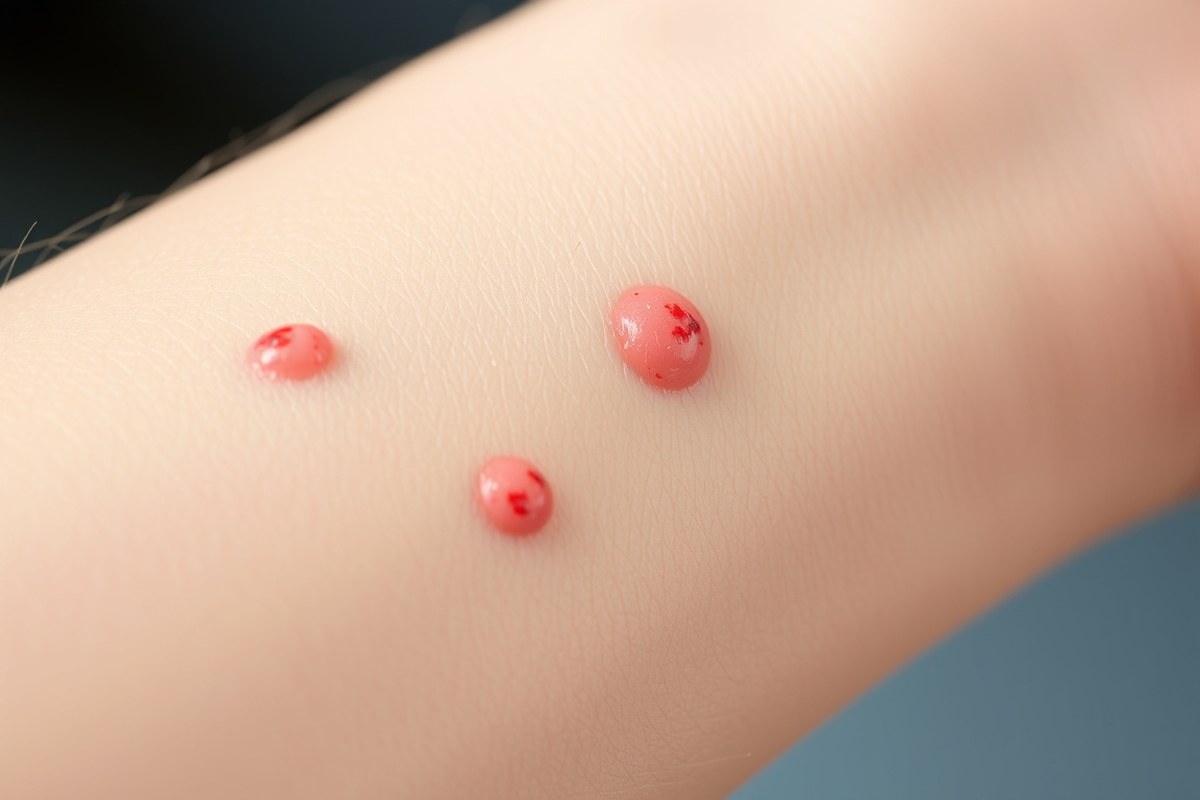
Folliculitis is an inflammation or infection of your hair follicles, the tiny pockets from which your hair grows. This common skin condition often develops when bacteria, fungi, or sometimes mites, infect these follicles. You’ll notice small, red, and sometimes itchy or tender bumps around hair follicles. These bumps may look like white-headed pimples with hair in the center.
Recognizing folliculitis requires paying attention to specific signs that set it apart from similar skin problems like acne, insect bites, or boils. Folliculitis bumps typically cluster around hair follicles and may be localized to areas such as the scalp, beard area, upper arms, thighs, or buttocks. The affected skin can feel mildly sore or itchy, but unlike boils, folliculitis lesions don’t usually form large, pus-filled lumps or deeper abscesses. Acne often features blackheads and whiteheads scattered beyond follicles and includes oilier skin zones.
Here is a simple way to identify folliculitis versus other conditions. First, check if the bumps are centered on individual hair follicles. Confirm if the bumps are small (about 1, 2 millimeters), red or white-headed, and tend to appear in clusters. Look for symptoms like mild itching or tenderness, but no large, hard lumps or widespread rash. Acne tends to have a broader distribution of lesions, some of which are not follicle-centered, and insect bites usually appear as isolated itchy welts without hair involvement. Boils develop as larger, painful, pus-filled nodules that may require medical drainage.
Folliculitis usually clears up on its own within 7 to 10 days without treatment, though good hygiene helps it resolve quicker. In mild cases, you might apply warm compresses or over-the-counter creams to soothe inflamed follicles. However, if the bumps are spreading, become very painful, or leave dark spots after healing, monitoring the condition closely becomes important. Folliculitis from specific causes, such as Demodex mites, may look similar but needs different treatment approaches. The severity and location also influence symptoms, your scalp folliculitis may feel different from beard or thigh folliculitis.
Understanding these characteristics helps you recognize folliculitis accurately. Attention to the size, location, clustering, and relation to hair follicles guides you on whether you’re dealing with folliculitis or a look-alike skin condition. This clarity is important because appropriate care depends on proper identification. Taking note of associated symptoms like itching, soreness, and the presence of hair in bumps provides a framework to distinguish folliculitis confidently.
Common Causes and Risk Factors for Folliculitis

Folliculitis occurs when hair follicles swell due to infection or irritation. Bacterial infections, mainly from Staphylococcus aureus, are the most common cause and usually follow minor skin injuries or clogged pores. Another source is Pseudomonas aeruginosa, a bacterium present in poorly maintained hot tubs and heated pools. This type, called “hot tub folliculitis,” tends to show up within 1 to 4 days after contact with contaminated water.
Fungal infections can also trigger folliculitis, especially in warm, moist environments. In addition to infections, physical irritation plays a major role. Shaving too closely or using dull razors can damage follicles, creating entry points for bacteria. Tight clothing that rubs against the skin contributes to irritation and inflammation as well.
Certain health and lifestyle factors increase your risk. Obesity can cause increased sweating and skin friction, which encourages follicle irritation and bacterial growth. Conditions like diabetes or immune system problems may reduce your body’s ability to fight infections, making folliculitis more likely or harder to clear.
- Using poorly maintained hot tubs or heated pools exposes follicles to Pseudomonas bacteria.
- Shaving with dull razors or shaving too close irritates follicles and allows infection.
- Excessive sweating, especially during exercise or hot weather, raises infection risk.
- Wearing tight or non-breathable clothing increases skin friction and follicle irritation.
- Obesity causes more sweating and skin folds, creating ideal conditions for folliculitis.
- Underlying conditions like diabetes weaken immune response to infections.
- Using contaminated water sources like poorly chlorinated pools spreads bacteria.
Good hygiene and careful shaving techniques are essential. Using a clean, sharp razor and shaving in the same direction hair grows helps prevent skin damage. Avoid shaving over irritated areas or bumps. After taking a dip in a pool or hot tub, rinse your skin thoroughly with fresh water and dry it completely to lower surface bacteria.
Limit time spent in hot tubs without regular water testing and maintenance to prevent bacterial folliculitis.
Types of Folliculitis and Their Specific Treatments
Folliculitis comes in several types, each needing specific care based on its cause and severity. Bacterial and fungal infections are common, but you may also encounter folliculitis linked to hot tubs or eosinophilic inflammation. Identifying the exact type helps pick the right treatment and avoid complications like scarring or hair loss.
Bacterial Folliculitis and Treatment Options
Bacterial folliculitis often results from staphylococcus aureus infecting hair follicles, common on the arms, legs, scalp, and beard. Mild cases usually clear up with good hygiene and topical treatments, such as over-the-counter antibiotic ointments. More stubborn infections might require prescription antibiotics taken for 7 to 14 days.
For sensitive areas like the beard or scalp, avoid shaving or irritating the skin further. Use gentle cleansing products and follow your healthcare provider’s advice on topical antibiotics or, in persistent cases, oral medications. Regularly washing your face and scalp with medicated shampoos can prevent bacterial buildup and reduce flare-ups.
Fungal Folliculitis Including Malassezia Types
Fungal folliculitis often features yeast or molds infecting hair follicles, leading to itchy bumps and possible hair loss, especially on the scalp. Treatment usually involves antifungal shampoos or body washes. In more severe cases, your doctor might prescribe oral antifungals lasting several weeks.
Malassezia folliculitis, connected to a type of yeast that naturally lives on skin, can worsen with sweating or oily skin. Regular application of antifungal creams or washes helps control symptoms. Avoid heavy moisturizers or oily products that could feed the fungus. Follow instructions carefully since antifungal treatments may need a few weeks of consistent use for best results.
Special Cases: Hot Tub and Eosinophilic Folliculitis
Hot tub folliculitis arises when Pseudomonas aeruginosa bacteria infect your hair follicles after exposure to improperly chlorinated hot tubs or pools. The rash tends to be widespread and may show in areas not reachable by bed bugs. It often resolves on its own within a week but can be eased with cool compresses and topical antiseptics.
Eosinophilic folliculitis is an inflammatory condition, sometimes seen in people with weakened immune systems. It causes itchy, pus-filled bumps mainly on the face and upper body. Treatment usually involves topical steroids or oral medications prescribed by a doctor. The following table summarizes common types of folliculitis, their causes, symptoms, and recommended treatments:
| Type of Folliculitis | Common Causes | Main Symptoms | Recommended Treatment |
|---|---|---|---|
| Bacterial | Staphylococcus aureus | Red, pus-filled bumps; often on arms, legs, beard, scalp | Topical or oral antibiotics; gentle cleansing; avoid shaving |
| Fungal (Malassezia) | Yeast overgrowth, oily skin, sweat | Itchy, raised bumps; possible hair loss, scalp or chest | Antifungal shampoos and creams; oral antifungals if severe |
| Hot Tub | Pseudomonas aeruginosa from poorly chlorinated water | Widespread rash; red bumps, often after hot tub use | Usually self-resolves; cool compresses; topical antiseptics |
| Eosinophilic | Immune response; often in immunocompromised persons | Itchy pustules on face and upper body | Topical steroids, oral medications from doctor |
Knowing the type of folliculitis helps guide treatment and care routines. Bacterial infections respond well to antibiotics and hygiene adjustments, while fungal types need antifungal agents and careful skin care. Hot tub folliculitis requires attention to pool maintenance and soothing remedies. Sensitive areas like the beard or scalp deserve gentle treatment to prevent irritation and hair loss.
Home Remedies and Safe Self-Care to Get Rid of Folliculitis
Several home remedies can help you get rid of folliculitis faster by reducing inflammation, killing bacteria, and soothing your skin. Warm compresses, antibacterial washes including vinegar solutions, aloe vera gel, and over-the-counter hydrocortisone creams are practical options for mild cases. Applying these treatments properly and maintaining good hygiene plays an important role in managing symptoms and speeding healing.
Preparing and Using Warm Compresses
Warm compresses improve blood flow to the affected follicles, helping your body fight infection and reduce pain and swelling. Regular use loosens pus-filled bumps and encourages quicker healing. Use a clean cloth soaked in warm, not hot, water to avoid burns and irritation. Follow these steps to apply warm compresses safely and effectively:
- Heat clean water to about 100°F (38°C), warm enough to be comfortable but not scalding.
- Soak a soft, clean cloth or gauze pad in the warm water.
- Wring out excess water to prevent dripping.
- Apply the compress gently over the folliculitis-affected area for 10 to 15 minutes.
- Repeat this process 3 to 4 times daily to relieve discomfort and promote drainage.
- Use a fresh cloth for each compress to avoid spreading bacteria.
- After each session, wash your hands thoroughly before and after touching the affected skin.
Mixing and Applying Vinegar Rinses Safely
Vinegar, especially raw apple cider vinegar or white vinegar, has antibacterial properties that can help reduce bacterial growth in folliculitis. Diluting vinegar with warm water lessens irritation and avoids further skin damage. Be cautious to avoid open or broken skin, which can sting. Here’s how to prepare and use a vinegar rinse safely:
- Mix 1 to 2 teaspoons of raw apple cider vinegar or white vinegar with 1 cup of warm water (around 100°F or 38°C).
- Dip a clean cotton ball or soft cloth into the diluted vinegar solution, then wring out excess liquid.
- Gently dab or wipe the affected follicles once or twice a day; avoid scrubbing hard.
- Allow the skin to air dry before covering with clothing.
- Stop use if you experience significant burning, redness, or worsening irritation.
- Do not apply vinegar rinses on deep boils or severely broken skin, seek medical advice in those cases.
Choosing Aloe Vera and Hydrocortisone Creams
Aloe vera gel offers antimicrobial and anti-inflammatory benefits that can soothe folliculitis bumps and reduce redness and discomfort. Using pure aloe vera gel on clean skin two to three times daily supports healing.
For cases involving itching or mild inflammation, over-the-counter hydrocortisone 1% cream or lotion can be applied after cleansing. Avoid prolonged use of hydrocortisone creams as they may weaken the skin or worsen infections if overused. To apply these topical treatments:
- Clean the affected area gently with mild soap and water and pat dry.
- Apply a thin layer of pure aloe vera gel directly on the folliculitis spots up to three times daily.
- Use hydrocortisone 1% cream sparingly, once or twice daily on inflamed areas, as directed on the package or by a pharmacist.
- Do not cover treated areas with tight bandages to allow air circulation unless advised by a healthcare provider.
- If no improvement occurs within 7 to 10 days, or if symptoms worsen, consult a doctor.
Medical Treatments: Antibiotics, Antifungals, and When to Use Them
Antibiotics are not always necessary to treat folliculitis. If your case is mild, self-care and over-the-counter (OTC) options often suffice. However, bacterial folliculitis that worsens, spreads, or causes significant discomfort may require medical treatment with prescription antibiotics.
Topical antibiotics like creams or ointments (for example, Neosporin) can help kill bacteria and prevent folliculitis from getting worse. These are typically used for localized infections. For more severe or widespread folliculitis, oral antibiotics may be prescribed by your doctor to clear the infection more quickly. Prescription antibiotic courses usually last about 7 to 14 days. Be sure to complete the full course even if symptoms improve sooner.
Antifungal treatments come into play when folliculitis is caused by yeast infections, commonly by Candida albicans or Pityrosporum ovale. Mild antifungal creams and washes are available OTC, but stronger antifungal medications may require a prescription. Using the correct treatment depends on identifying whether bacteria or fungi are causing the problem, which may need medical evaluation. Here’s a clear comparison of home remedies, OTC options, and prescription treatments to help decide when to escalate care:
| Treatment Type | Examples | When to Use | Effectiveness | Common Duration |
|---|---|---|---|---|
| Home Remedies | Cucumber, cool compresses | Mild cases, initial irritation | May relieve symptoms but slower resolution | Up to 7-10 days |
| OTC Antibiotic Creams | Neosporin, OTC antibacterial washes | Localized bacterial folliculitis | Helpful for mild to moderate cases | Usually 5-7 days |
| OTC Antifungal Creams | Clotrimazole, miconazole | Suspected fungal folliculitis | Effective for mild fungal infections | 7-14 days |
| Prescription Topical Antibiotics | Mupirocin, clindamycin gels | Persistent localized bacterial folliculitis | More targeted killing of bacteria | 7-14 days |
| Oral Antibiotics | Doxycycline, cephalexin | Severe, widespread, or resistant infections | Fast and effective resolution | 7-14 days |
| Prescription Antifungals | Fluconazole, ketoconazole | Confirmed fungal folliculitis not responding to OTC | Stronger, systemic treatment | 7-14 days |
Consider medical treatment if your folliculitis does not improve in 7 to 10 days with home care or OTC products or if it becomes more painful, spreads, or forms larger sores. Skipping or delaying antibiotics when they are needed may allow the infection to worsen or cause scarring. Your doctor will determine the best treatment based on the severity and cause of your folliculitis and might also check for underlying issues like medication reactions.
Do not use antibiotics for more than the prescribed duration, as prolonged use can lead to resistance or side effects.
When to See a Doctor and What to Expect During Your Visit
You should see a doctor if your folliculitis shows signs of worsening, such as spreading rash, fever, or pus that smells foul. A healthcare provider will examine your skin, ask about your symptoms and history, then suggest treatment based on your condition. Describing your symptoms clearly helps get the right care and speeds recovery.
Red Flags Indicating Urgent Medical Attention
Seek medical care immediately if your folliculitis is accompanied by a fever higher than 100.4°F (38°C), spreading redness, or painful lumps filled with pus that have a foul odor. These signs suggest an infection that could worsen without prompt treatment. Also, consult a doctor if you notice swollen lymph nodes near the affected area or if the bumps do not improve within a few days despite home remedies.
For less urgent but persistent symptoms, such as clusters of red or white bumps that continue beyond one week or cause significant discomfort, schedule a routine appointment. Mild cases often resolve on their own, but prolonged issues may require prescription medication. Immediate care matters because untreated infections risk spreading and may cause scarring.
Questions to Ask Your Doctor About Folliculitis
At your visit, you can ask, “What type of folliculitis do I have, and what caused it?” This helps you understand the source and how to prevent it. Request specific advice on the best treatment for your case, such as, “Should I use a topical antibiotic or antifungal medication, and for how long?” Inquire about care to avoid spreading the infection, especially if you share towels or gym equipment.
Clarify any concerns about medications by asking, “Are there side effects I should watch for?” or “Can I use steroid creams safely?” Knowing what to expect helps you manage symptoms effectively. Lastly, ask how long it usually takes for skin to clear, so you can set realistic expectations about healing time and follow-up care.
How to Prepare and Describe Your Symptoms Clearly
Before your appointment, note when the bumps started and if they have changed in size, color, or number. Describe any pain, itching, or discharge from the affected areas. Use a script like this: “I’ve had clusters of red and white bumps for five days on my thighs. They started small but now some are filled with pus and hurt when I touch them.” This statement provides your doctor with a clear timeline and symptom details.
Mention any home treatments you have tried, such as over-the-counter ointments or hygiene changes, and their effects. For example, say, “I applied an over-the-counter hydrocortisone cream, but the bumps seem worse and itch more.” This information helps your provider avoid treatments that may worsen folliculitis. Be ready to answer questions about your daily routines, such as shaving habits or exposure to hot tubs, since these can impact the condition.
Preventing Folliculitis and Avoiding Recurrence
Preventing folliculitis from coming back involves keeping your skin clean, dry, and free from irritation. Good hygiene lowers the chance of bacteria or fungi infecting your hair follicles. Washing regularly with a mild soap and patting your skin dry helps maintain a healthy barrier. Avoid harsh scrubbing or overwashing, which can cause more irritation.
Shaving or removing hair safely is key to avoiding folliculitis flare-ups. Using unsanitary or aggressive shaving methods can damage follicles and invite infection. The best practice is to shave with clean, sharp razors, shaving in the direction of hair growth to reduce irritation. You should also soften your skin with warm water and use a gentle, fragrance-free shaving cream or gel. After shaving, rinse with cool water and apply a soothing, alcohol-free moisturizer. If folliculitis affects your beard or other shaved areas, take breaks between shaves to allow healing.
- Use a fresh, sharp razor and avoid shared razors
- Shave after warm showers when skin and hair are soft
- Apply a gentle shaving cream or gel without oils or fragrances
- Shave in the direction of hair growth without pressing hard
- Rinse skin with cool water and apply a mild moisturizer afterwards
- Consider electric razors or hair removal creams designed for sensitive skin
- Take breaks from shaving if you notice irritation or folliculitis developing
Choosing the right clothing can help prevent friction and sweating that worsen folliculitis. Wear loose-fitting, soft fabrics that allow your skin to breathe, such as cotton. Avoid tight clothes and synthetic materials that trap heat and moisture, especially around areas prone to folliculitis. Keeping these areas dry throughout the day lowers the chance of flare-ups.
Steer clear of heavy oils, greasy lotions, and fragranced skincare products that clog pores and trap bacteria. Opt for non-comedogenic, gentle products designed for sensitive or acne-prone skin. Limiting oily skin products, especially near affected areas, reduces further irritation and infection risk. Lifestyle habits like showering promptly after sweating and avoiding sharing personal items also contribute to prevention.
Contagiousness, Spread, and Potential Risks of Untreated Folliculitis
Folliculitis can be contagious since some forms are caused by bacteria such as staphylococcus (staph), which can spread between people through direct contact or shared personal items. Sharing towels, razors, or clothing increases the risk of passing the infection from one area of your body to another or to others. To prevent spreading folliculitis, avoid sharing these items and maintain good personal hygiene. Washing clothing and towels in hot water of at least 140°F (60°C) can help kill bacteria.
Avoid swimming in poorly maintained pools, hot tubs, or natural bodies of water that may harbor bacteria like Pseudomonas aeruginosa, known to cause specific folliculitis outbreaks, especially when you are prone to folliculitis. Contact with contaminated water, particularly stagnant or untreated sources, can also transmit these bacteria.
Folliculitis caused by friction or skin damage, such as shaving, wearing tight clothing, or cycling, can worsen if the skin barrier breaks down, allowing bacteria to invade. Some cases may appear similar to herpes simplex lesions; distinguishing between the two is important because herpes requires different treatment and is spread primarily through sexual contact.
Folliculitis that remains untreated can lead to serious complications. Bacterial infections might spread, creating widespread outbreaks or deeper skin infections. This can result in scarring, hair loss, painful abscesses, and long-term damage to the hair follicles. The timeline for worsening varies but untreated folliculitis can escalate within days to weeks. People with diabetes or weakened immune systems face higher risks of severe infection.
Taking precautions to reduce spread involves more than avoiding shared items. Shower promptly after activities that promote sweating, wear loose-fitting clothing to reduce friction, and use antibacterial cleansers if recommended by your healthcare provider. These steps help clear the infection and lower the chance of reinfection or transmission to others.
Do not share towels, razors, or tight-fitting clothes until folliculitis has fully cleared to prevent spreading the infection.
Step-by-Step Action Plan to Get Rid of Folliculitis
Follow this plan to identify, treat, and prevent folliculitis effectively. Track your progress at every step to make sure the condition improves.
- Day 1: Identify the Symptoms. Check your skin for small red bumps or pustules around hair follicles, often itchy or tender. You’ll know you’re on the right track if these signs match what’s described in the article’s identification section.
- Day 1, 3: Start Basic Care. Cleanse the affected area gently twice daily with mild soap and water. Avoid shaving or wearing tight clothing to reduce irritation. Improvement will show if itching or redness lessens slightly.
- Day 4, 7: Apply Home Remedies. Use warm compresses for 15 minutes twice a day and consider over-the-counter antiseptic ointments as explained. Notice reduced swelling and discomfort as indicators the treatment is effective.
- Week 2: Assess Progress. Monitor the folliculitis for fewer new bumps and less pain. If the condition worsens or does not improve, prepare to see a healthcare provider.
- Week 2: Consult a Doctor if Needed. Schedule a visit if symptoms persist beyond two weeks or spread. Expect your doctor to evaluate the folliculitis and possibly prescribe antibiotics or antifungals targeted to your type.
- After Treatment: Follow Medical Advice. Complete the full course of any prescribed medications to avoid recurrence. Successful treatment means the skin clears without new outbreaks.
- Ongoing: Prevent Recurrence. Maintain good hygiene, avoid shaving irritated areas, and keep skin dry. You’ll know prevention is working by fewer future flare-ups.
Frequently Asked Questions
What Is the Fastest Way to Get Rid of Folliculitis?
The fastest way to get rid of folliculitis is to use topical or oral antibiotics. These treatments quickly target the bacterial infection causing the condition, speeding up recovery compared to home remedies alone.
Can Witch Hazel Help Get Rid of Folliculitis?
Witch hazel is a great home remedy for folliculitis because of its natural antiseptic properties. Applying it can soothe inflammation and reduce bacteria on the skin, helping clear up mild cases safely at home.
How Do Topical Antibiotics Work for Folliculitis?
Topical antibiotics treat folliculitis by killing or stopping the growth of bacteria in hair follicles. They are effective for mild to moderate infections and usually require a prescription for proper use.
When Are Oral Antibiotics Necessary for Folliculitis?
Oral antibiotics are needed when folliculitis is widespread, severe, or not responding to topical treatment. They help by controlling more serious infections that affect larger areas or deeper skin layers.
Can Warm Compresses Help Get Rid of Folliculitis?
Yes, warm compresses can help by opening hair follicles and draining pus or fluid. They soothe discomfort and promote healing, especially when combined with other treatments like antibiotics or antiseptics.
Are There Natural Treatments to Get Rid of Folliculitis at Home?
Natural treatments like cucumber, oatmeal baths, and hydrogen peroxide can help reduce symptoms and kill bacteria. These methods work best for mild folliculitis and should be used alongside good hygiene practices.
The Bottom Line
Getting rid of folliculitis involves clear steps like proper hygiene, avoiding irritants, and using targeted treatments based on the type you have. Start today by gently cleansing the affected area twice daily and avoid shaving or tight clothing that can worsen irritation. Monitoring your skin closely and reaching out to a healthcare provider if symptoms persist or worsen ensures the best chance for quick relief and prevents complications.


