
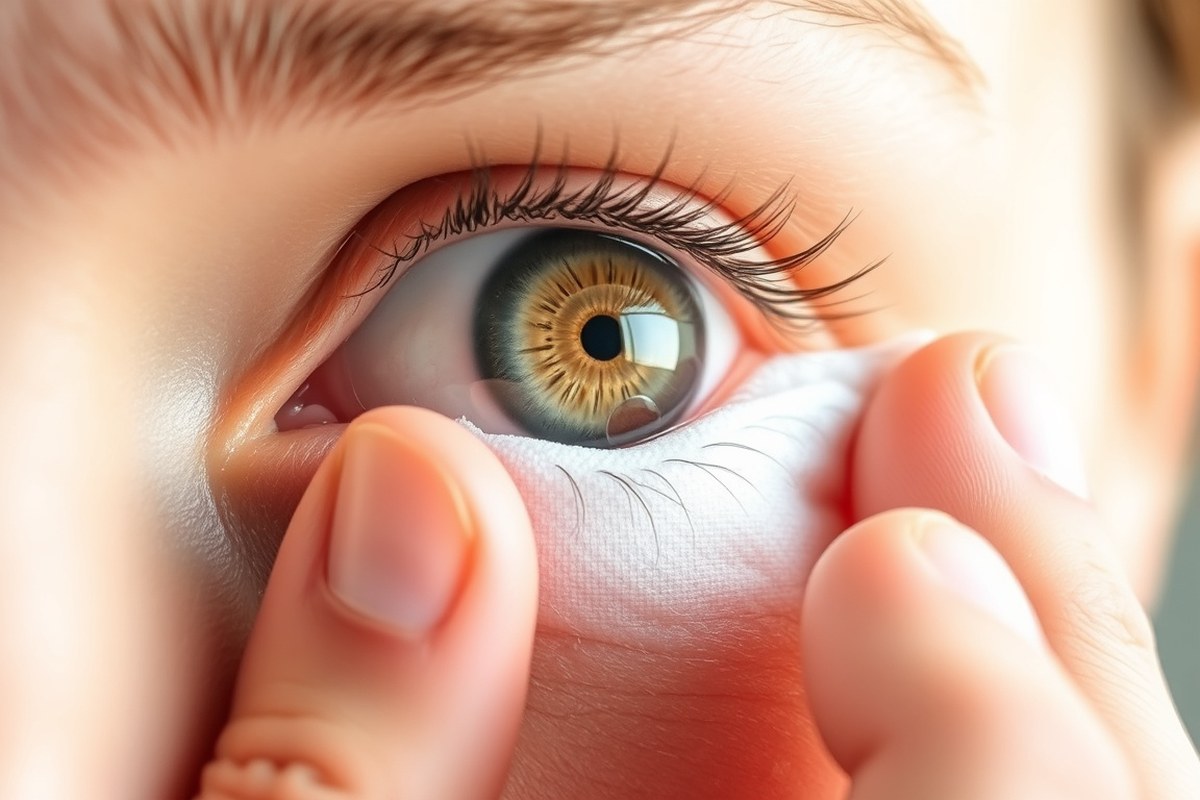
How Do You Get Rid of a Stye in 5 Minutes? Effective Relief and Safe Home Treatment
To get relief from a stye in 5 minutes, apply a warm compress to the affected eyelid for about 5 to 10 minutes. This helps reduce pain and encourages the stye to drain naturally, but completely getting rid of it overnight is unlikely. Using a clean washcloth soaked in warm water and repeating the process several times a day improves results and speeds recovery.
This guide is for those dealing with the discomfort of a stye and seeking safe ways to get relief in about 5 minutes at home. You’ll find tips to quickly reduce discomfort, care for your eyelids properly during recovery, know when to avoid wearing makeup and contact lenses, and identify signs that require professional medical care.
Key Takeaways
- You cannot fully get rid of a stye in 5 minutes, but warm compresses offer quick relief and speed natural healing.
- Apply a warm (not hot) compress for 5 to 10 minutes, 3 to 5 times daily to reduce pain and promote drainage.
- Gently massage the stye after warm compresses to help open the blocked gland and encourage healing.
- Avoid eye makeup and contact lenses during a stye to prevent irritation and worsening infection.
- Maintain good eyelid hygiene by cleaning gently with mild soap or eyelid wipes throughout stye recovery.
- Seek medical care if the stye worsens, lasts beyond 1 to 2 weeks, or affects your vision significantly.
Can You Get Rid of a Stye Completely in 5 Minutes?
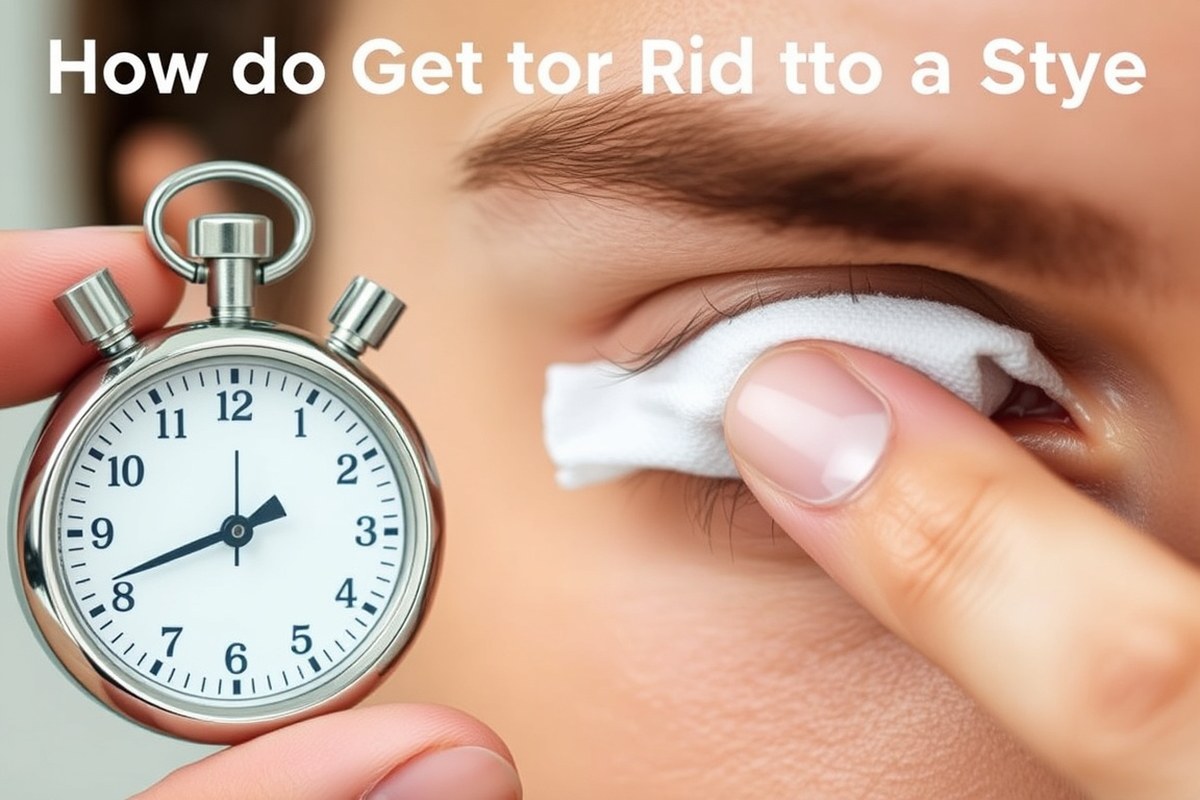
It is not possible to get rid of a stye completely in 5 minutes. A stye is a small, painful lump on the eyelid caused by an infected oil gland. This infection often takes 7 to 10 days to heal fully, with some mild styes resolving around five days. The key to quick relief lies in understanding the difference between easing symptoms and fully eliminating the stye.
Symptoms like swelling, tenderness, and irritation from a stye can ease within minutes with correct care, but the infection itself needs more time to resolve. Using a warm compress for 5 to 10 minutes helps the clogged oil inside the stye to soften and drain naturally. This reduces pressure and pain, offering quick relief. For instance, soaking a clean cloth in warm water (between 104°F and 113°F) and gently placing it on your eyelid lets heat act on the blocked gland. Repeating this three to five times daily encourages steady healing.
After using a warm compress, gently massaging the eyelid can improve oil flow, but this does not instantly clear the stye. Some symptom relief, reduced swelling and pain, occurs within that 5-minute window, especially with continued treatment. However, the lump itself and the infection remain and will fade only with consistent care over days.
Managing your expectations can help prevent frustration. Quick fixes might reduce discomfort but will not erase the lump immediately. Avoid squeezing or popping the stye, as this can worsen the infection or cause it to spread. Rather than expecting complete healing in minutes, treat 5 minutes as the time to start symptom relief techniques that need ongoing repetition.
Beyond home treatment, recognize when symptoms persist or worsen after one to two weeks. Medical evaluation may be needed if the stye does not improve or if you experience vision changes, increased redness, or swelling that spreads beyond the eyelid. Until then, regular warm compress applications and proper eyelid hygiene remain your best approach to support healing.
How to Use a Warm Compress Correctly for Fast Stye Relief
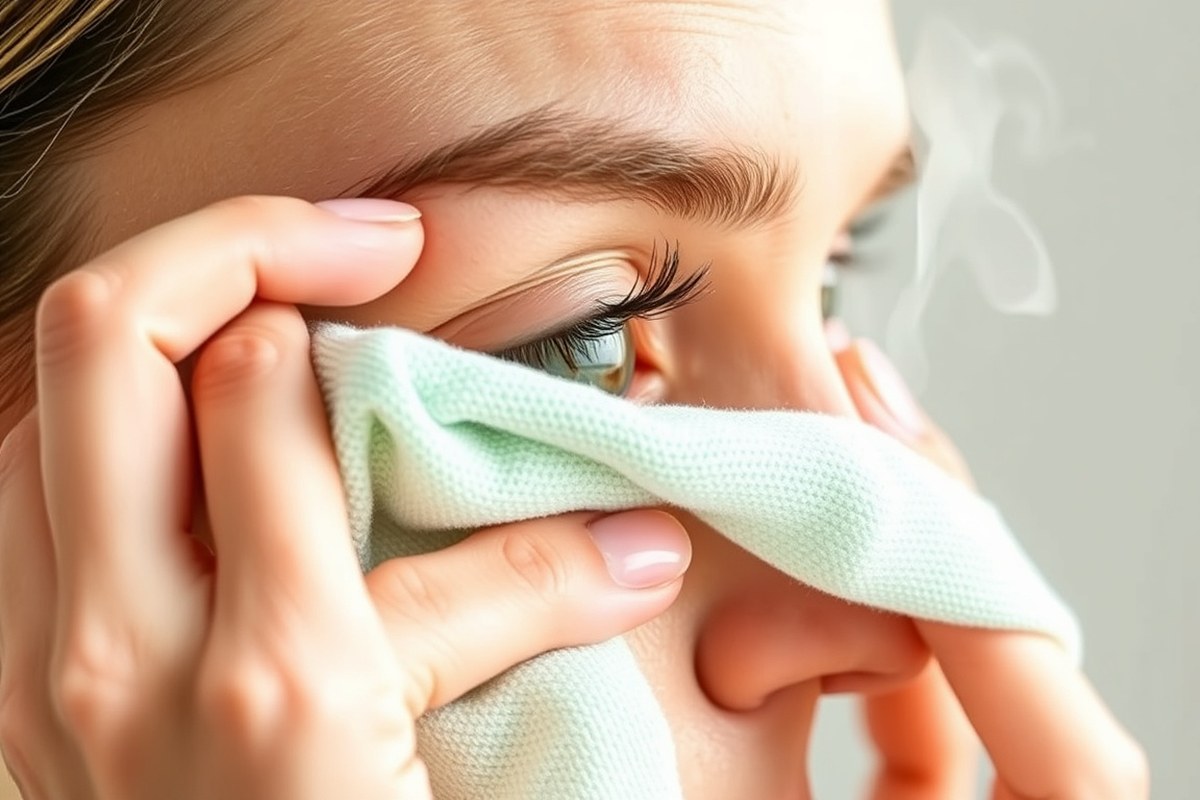
Using a warm compress is one of the fastest ways to relieve pain and swelling from a stye. To do it correctly, the compress should be comfortably warm, not hot, and applied for about 10 minutes, several times a day. This encourages drainage of the blocked gland and speeds healing.
Preparing the Warm Compress Safely
Start by ensuring the compress is clean and at the right temperature to avoid burns or irritation. Overly hot compresses can damage sensitive eyelid skin and worsen discomfort. The ideal temperature range is roughly 104°F to 113°F (40°C to 45°C), which feels warm but safe to the touch. Here is a straightforward method to prepare a warm compress:
- Wash your hands thoroughly with soap and water to prevent spreading bacteria.
- Use a clean washcloth or small towel and soak it in warm tap water.
- Allow the water to cool slightly when it feels too hot, testing it with your wrist to confirm it is comfortably warm.
- Wring out the washcloth so it’s damp but not dripping.
- Optionally, you can use a warm, moist tea bag as an alternative compress for added soothing effects.
- Ensure you have a clean, dry towel nearby for any excess moisture after application.
Never apply water above 113°F (45°C) to your eyelid; it can cause burns and damage delicate eye tissues.
Applying the Compress to Minimize Discomfort
Applying the compress gently prevents further irritation and keeps the stye from worsening. Place the warm, damp compress over your closed eyelid, covering the entire affected area. Avoid pressing hard or rubbing the stye to reduce the risk of spreading infection or damaging the skin.
Keep your eyes closed and relax while the compress does its work. The warmth helps loosen the blocked oil gland and encourages the stye to drain naturally.
Ideal Timing and Frequency for Best Results
Apply the warm compress for 10 minutes at a time, allowing it to cool and reheating as needed between sessions. Repeat this process 3 to 6 times throughout the day, spacing sessions evenly to maintain consistent relief and promote healing.
Cooldown between compresses prevents overheating and protects your skin. When the compress cools quickly, soak and wring it again to restore the optimal warm temperature. Consistency during the first 48 hours is key to reducing pain and swelling effectively. Should you not see improvement within two days or the stye worsens, consult a healthcare provider for an evaluation and possible further treatment.
Home Remedies That Provide Quick Relief for Styes
Treating a stye at home involves more than just warm compresses, though those remain the most trusted method. Other remedies like warm tea bags and certain oils can provide quick symptom relief, but it’s wise to use them carefully to avoid irritation or worsening the condition.
Using a warm tea bag is often recommended because it combines heat with mild antibacterial properties. Black tea is a good choice. To use one, steep the tea bag in hot water for 3 to 5 minutes, then let it cool down until it’s warm but comfortable (about 110°F or 43°C). Place it gently over the closed eyelid for 5 to 10 minutes. The warmth increases blood flow and may soothe discomfort, but tea bags don’t eliminate the infection any faster than plain warm compresses.
Natural oils such as coconut and tea tree oil have some antimicrobial qualities. Tea tree oil must be diluted by mixing one drop with two or three drops of coconut or olive oil to prevent irritation. Using a clean cotton swab, apply the mixture to the affected eyelid once or twice daily. Avoid putting pure tea tree oil directly near the eye. Coconut oil alone can soothe and moisturize the skin but does not replace warm compresses or medical treatments if needed.
There are no home remedies proven to provide instant relief from the pain or swelling of a stye. The goal of these remedies is to promote drainage naturally and ease discomfort. The following table compares popular home remedies for styes, covering pros, cons, and key precautions:
| Home Remedy | Pros | Cons | Precautions |
|---|---|---|---|
| Warm Compress (clean cloth with warm water) | Increases blood flow; promotes natural drainage; widely recommended | Requires frequent application (up to 4 times/day for 5 minutes) | Use clean cloths; temperature around 110°F to avoid burns; avoid pressure |
| Black Tea Bag (warm, not hot) | Combines warmth and mild antibacterial effects; easy and inexpensive | No evidence it speeds healing faster than warm compresses | Cool to warm temperature; no sugar or additives; only for up to 10 minutes |
| Tea Tree Oil (diluted with carrier oil) | Antimicrobial properties; may reduce bacteria | Can cause eye irritation if undiluted or overused | Dilute properly (1 drop oil in 2, 3 drops carrier); avoid contact with eye |
| Coconut Oil | Moisturizes skin; gentle; may provide slight antibacterial effect | No proven effect on stye drainage | Apply externally, avoid eye contact |
For all remedies, apply gently without rubbing or pressing hard on the stye. Use clean hands or tools each time to avoid introducing more bacteria. Performing warm compresses four times daily for five minutes is a good starting routine. Consistency helps many styes begin to drain in 2 to 4 days, with full healing within 1 to 2 weeks.
Home remedies help with symptom relief but don’t replace medical treatment if the stye worsens or lasts more than two weeks. Persistent pain, swelling that spreads, or vision issues require prompt assessment by an eye care professional.
Proper Eyelid Hygiene and Care During a Stye
Keeping your eyelid clean during a stye infection is key to speeding up healing and preventing the infection from spreading. Since styes result from bacterial infection of the eyelid glands, maintaining hygiene reduces bacterial buildup and lowers the chance of further irritation or secondary styes.
Cleaning your eyelid gently with a mild soap or a saline solution helps remove oils and debris that feed bacteria. Use a hypoallergenic cleanser to avoid worsening irritation. Wash your hands thoroughly before touching the eye area to avoid introducing new germs. Avoid rubbing or squeezing the stye, which can spread infection underneath your skin or cause the stye to burst prematurely.
Contact with eye makeup or contact lenses while you have a stye should be avoided until full recovery. These products can harbor bacteria and slow healing. Removing all makeup carefully before bed using a gentle cleanser ensures no residue remains that could aggravate your eye.
- Use a clean, soft washcloth and mild soap or saline to gently clean the eyelid once or twice daily.
- Wash your hands before and after touching the affected eye area.
- Avoid rubbing, squeezing, or popping the stye to prevent infection spread or lasting damage.
- Avoid using eye makeup and contact lenses until your stye has completely healed.
- Replace eye makeup after recovery to avoid reinfection from contaminated products.
- Use separate towels and washcloths to reduce risk of passing bacteria to others.
- Dispose of or sterilize any items that come into contact with the infected eye.
Styes can be mildly contagious because bacteria can transfer via direct contact or shared towels and linens. To avoid spreading the stye, avoid touching your eyes and refrain from sharing towels, pillowcases, eye makeup, or other personal items with others. Washing bed linens and towels regularly in hot water can reduce bacterial presence.
Check the stye area frequently but gently, monitoring for any changes like increasing redness, swelling, or pain that could signal a worsening infection. Clean eyelids contribute to faster clearing of the stye and help prevent complications, such as cellulitis, which might require medical care. By following a thorough hygiene routine, you support your body’s healing while minimizing risks to others around you.
Why You Should Avoid Eye Makeup and Contacts with a Stye
Using eye makeup or wearing contact lenses during a stye can delay healing and raise the chance of spreading the infection. A stye results from blocked oil glands on the eyelid, causing redness, swelling, and discomfort. Applying makeup over a stye may trap bacteria and further irritate the area, potentially worsening the condition or extending recovery time.
Contact lenses present another risk during a stye infection. Bacteria from the stye can transfer to the lenses, possibly spreading the infection to other parts of your eye. This transfer can lead to more serious eye infections. Wearing glasses instead of contacts avoids this risk and prevents additional irritation caused by lens insertion and removal.
Avoid eye makeup completely while you have an active stye. This includes eyeliner, mascara, eyeshadow, and any products applied near your eyelids. Makeup brushes and applicators may harbor bacteria, increasing contamination risk. Keep your eyelids clean by gently washing the area a few times a day with warm water and mild soap or a cleanser recommended by your healthcare provider.
Also, do not wear contact lenses until the stye has fully cleared. If you must wear contacts, schedule an eye exam with an optometrist first to ensure it is safe to resume use. Once recovered, switch to a fresh pair of contact lenses to avoid reintroducing bacteria. Cleaning or replacing lenses and storage cases after a stye helps prevent new infections.
Avoid touching or rubbing your eyes when handling glasses or contact lenses to prevent spreading bacteria to your stye or other parts of your eye.
Picking the right alternatives during healing helps reduce discomfort and supports faster recovery. Glasses are a safe choice if you rely on contacts. Skip all eye makeup products until your eyelid is no longer swollen or tender. Taking these steps protects your eyes and minimizes the chance of complications, such as worsening infection or scarring.
When to See a Doctor: Warning Signs and Medical Treatment Options
Most styes improve using home treatment within a week or so, but knowing when to see a doctor helps avoid complications and speeds recovery. Medical care becomes necessary if the stye worsens, lasts longer than 7 to 10 days, or causes significant pain or spreading infection. Professional treatments include prescription antibiotic ointments and, in some cases, minor surgical drainage.
Identifying Symptoms That Need Professional Care
A stye that doesn’t shrink or shows no improvement after 7 to 10 days requires evaluation by a healthcare provider. Rapidly growing swelling or discoloration extending beyond the eyelid, persistent crusting or inflammation without a visible bump, and intense pain interfering with daily activities are signs to seek medical advice promptly. Also, if the stye affects vision, the eyelid becomes hard, or other eye infections develop, urgent care may be warranted. Severe redness, spreading warmth around the eye, or fever alongside the stye also suggest infection spreading beyond the surface and need immediate attention.
Possible Prescription Treatments and Procedures
Doctors often start treatment with prescription antibiotic ointments or drops to target bacterial infections directly. If the stye persists or forms a hard lump called a chalazion, your eye doctor might recommend minor procedures, such as incision and drainage, performed under local anesthesia.
Other medical options include steroid injections to reduce inflammation when swelling is excessive. These treatments generally require an office visit, and healing times can vary from several days to a few weeks depending on the stye’s severity.
Preparing to Talk to Your Doctor: Symptom Script
Keep a clear record of your stye symptoms to share with your healthcare provider. Note how long you’ve had the stye, any changes in size or pain level, and if home treatments like warm compresses or over-the-counter pain relievers have helped. This information helps your doctor decide the best treatment plan. Here is a checklist to prepare for your appointment:
- Record the start date and progression of your stye symptoms.
- List home remedies and medications tried, including duration and frequency.
- Note any worsening signs such as increased redness, pain, swelling, or vision changes.
- Mention any fever or systemic symptoms like fatigue.
- Include any history of eye problems or related medical conditions.
- Describe how the stye affects your daily activities or work.
- Prepare to describe the appearance and location of the stye clearly.
- Bring a list of current medications and allergies.
Over-the-Counter Options and Pain Relief for Faster Stye Recovery
Over-the-counter pain relievers can help ease the discomfort and inflammation caused by a stye. Ibuprofen (such as Advil) and acetaminophen (such as Tylenol) are the most common options recommended for managing stye pain safely. These medications do not cure the stye directly but provide relief while your body fights the infection.
Use the lowest effective dose to reduce pain. Adults can take ibuprofen in 200, 400 mg doses every 4 to 6 hours or acetaminophen 500, 1000 mg every 4 to 6 hours, without exceeding 3200 mg daily for ibuprofen or 3000 mg daily for acetaminophen. Always follow the label instructions and avoid mixing these drugs with other medications unless your doctor says it’s safe. Avoid giving aspirin to children under 19 because of the risk of Reye’s syndrome.
Besides pain relief, some OTC topical antibiotic ointments may be suggested, though evidence of their effectiveness for styes is limited. When using over-the-counter antibiotic eye ointments, apply a small amount to the affected eyelid edge no more than 3 to 4 times daily for up to 7 days. Foods containing allergens or irritants should be avoided during treatment to prevent further eyelid irritation.
| OTC Product | Use | Dosage & Frequency | Key Warnings | Approximate Cost |
|---|---|---|---|---|
| Ibuprofen (Advil) | Pain relief, inflammation reduction | 200, 400 mg every 4, 6 hours; max 3200 mg/day | Take with food; avoid if kidney issues or ulcers | $8, $15 for 100 tablets |
| Acetaminophen (Tylenol) | Pain relief | 500, 1000 mg every 4, 6 hours; max 3000 mg/day | Avoid with liver disease; do not exceed dose | $6, $12 for 100 tablets |
| OTC Antibiotic Eye Ointment | Topical infection control (limited evidence) | Apply thin layer to eyelid edge 3, 4 times/day | Discontinue if irritation worsens; do not share | $10, $15 per tube |
Using these options alongside warm compresses can help speed recovery by lowering pain and preventing secondary infection. Avoid rubbing the eye or squeezing the stye, as this can worsen symptoms or spread bacteria. When pain persists or worsens despite OTC treatments, or when you notice changes like vision difficulties or extensive swelling, seek professional medical evaluation.
Preventing Recurring Styes and Promoting Long-Term Eyelid Health
Recurring styes usually happen because of repeated blockages or infections in your eyelid glands. Preventing them involves good eyelid care, reducing risk factors like stress, and making positive changes in daily habits and diet. These steps promote long-term eyelid health and lower the chance of future infections.
Common Causes of Recurring Styes
Recurring styes often result from clogged oil glands along the eyelid margin. When these glands get blocked, bacteria can multiply, causing infection and inflammation. People who frequently touch or rub their eyes with unclean hands, wear old or contaminated eye makeup, or have underlying skin conditions like blepharitis are more susceptible.
Chronic eyelid inflammation reduces the glands’ ability to clear themselves naturally, leading to repeated styes. Poor hygiene and repeated exposure to bacteria increase the risk. Identifying habits that introduce bacteria or irritate your eyelids is the first step in prevention.
Effective Hygiene and Lifestyle Changes
Maintaining consistent eyelid hygiene is important to stopping styes from coming back. Clean your eyelids gently every day using a warm, damp cloth or eyelid scrub products to remove oil and debris. Avoid touching your eyes with unwashed hands, as this introduces bacteria that can block glands.
Replace eye makeup regularly, and do not share makeup or applicators to prevent contamination. If you wear contact lenses, follow strict cleaning routines and avoid using lenses during an active stye.
- Wash your hands thoroughly before touching your eyes
- Use a warm compress daily to keep glands unblocked, for about 5 to 10 minutes
- Clean eyelids gently with a mild cleanser or prescribed eyelid wipes
- Replace eye makeup every 3 to 6 months
- Avoid sharing eye makeup or personal eye care items
- Do not sleep in contact lenses or makeup
- Consult a healthcare professional for recurring eyelid inflammation
These habits take just a few minutes daily but can reduce stye risk significantly. Consistency is key because skipped care could allow bacteria build-up and gland blockages.
Avoid rubbing your eyes even when they feel itchy; rubbing spreads bacteria and irritates the eyelids further.
Diet and Stress Management for Eye Health
Stress lowers your immune system’s ability to fight infections, including those that cause styes. Getting 7 to 9 hours of quality sleep and managing stress through relaxation techniques can reduce stye frequency and speed healing.
A balanced diet rich in vitamins A, C, E, and omega-3 fatty acids supports eyelid gland health and immune response. Incorporate foods like leafy greens, fatty fish, nuts, and fresh fruits. Hydration also matters; drinking plenty of water helps maintain healthy skin and gland function.
Quick-Start Action Plan for Fast Stye Relief
Follow these clear steps to ease stye discomfort quickly, keep your eyelid clean, and know when to seek help.
- Right now: Apply a warm compress for 5 minutes by soaking a clean cloth in warm water and placing it gently over your closed eyelid. You’ll know it worked if you feel immediate relief and reduced swelling.
- Within the hour: Gently cleanse your eyelid with mild, fragrance-free soap or eyelid wipes to remove oils and debris. Success means less irritation and cleaner skin around the stye.
- Today: Avoid eye makeup and contact lenses until the stye fully heals to prevent irritation and spreading. You’ll notice less redness and discomfort.
- Daily until healed: Repeat warm compresses 3 to 4 times a day for 5 to 10 minutes each session. Stye shrinking or softening confirms progress.
- As needed: Use over-the-counter pain relievers like ibuprofen for any pain, following label instructions. Reduced pain shows they are working.
- Ongoing: Maintain proper eyelid hygiene once healed to prevent new styes. Clean eyelids without irritation confirm healthy habits.
- If symptoms worsen or persist beyond 1 week: See a doctor especially if you have increasing pain, vision changes, or spreading redness. Medical treatment may be necessary to avoid complications.
Frequently Asked Questions
Can a Stye Burst on Its Own Within 5 Minutes?
A stye rarely bursts on its own in 5 minutes; they usually develop over several days. Applying warm compresses can help speed up natural drainage but won’t cause instant bursting safely.
Is It Safe to Squeeze a Stye to Get Rid of It Quickly?
You should avoid squeezing a stye because it can spread infection and cause complications. Instead, use gentle warm compresses to encourage natural drainage without causing harm.
Can Ice Reduce Stye Swelling in 5 Minutes?
Applying ice can reduce swelling temporarily but doesn’t treat the stye itself. Warm compresses are more effective for promoting drainage and healing quickly.
Does Using Tea Bags Help Get Rid of a Stye Fast?
Warm tea bags can soothe stye pain and reduce swelling when applied for 5 to 10 minutes, offering quick relief but not instant cure.
How Often Can I Apply a Warm Compress to a Stye Within a Day?
You can apply warm compresses 3 to 5 times daily for 5 to 10 minutes each session to reduce discomfort and promote healing.
Can Stye Antibiotic Ointments Clear a Stye in 5 Minutes?
Antibiotic ointments help fight infection but don’t clear a stye instantly; they support healing over days when used as directed.
The Bottom Line
Getting rid of a stye in just five minutes is not realistic, but using a warm compress correctly can provide noticeable relief quickly. To start easing discomfort today, apply a clean, warm compress to your eyelid for 5 to 10 minutes several times a day. This simple step helps unclog the blocked gland and speeds up healing while you maintain proper eyelid hygiene and avoid irritants like eye makeup and contact lenses.





4 Comments