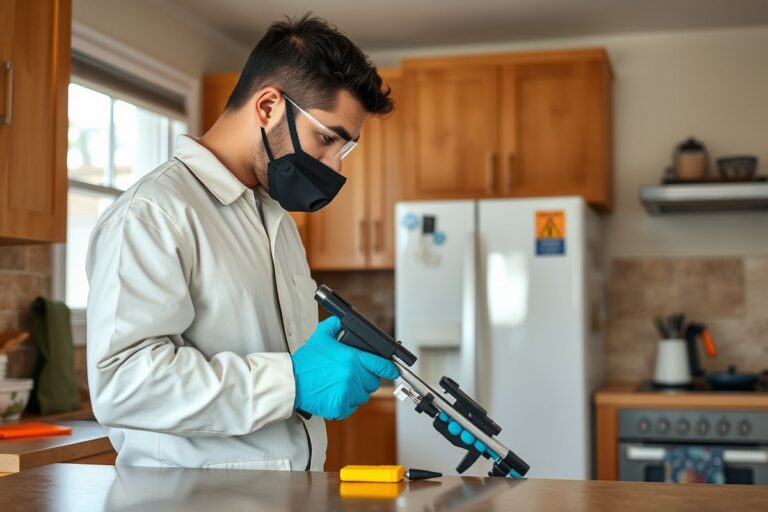
What Is Commercial Pest Control? A Complete Guide for Business Owners
Commercial pest control refers to the routine management of pest populations in business properties, designed to prevent infestations that could disrupt operations or damage reputation. It involves licensed professionals using specific methods tailored to different commercial environments such as restaurants, hotels, and warehouses. Understanding what is commercial pest control helps you manage risks efficiently and comply with health regulations that vary by state and pest type.
This overview is for business owners, property managers, and decision-makers who need clear guidance on selecting services, costs, and compliance requirements. You’ll learn how service frequency, contract types, certifications, and green options impact your choice and what to expect during inspections and treatment. Practical details include pricing ranges from $75 to $1,250 per month in urban markets like New York City, plus the importance of matching service scope to your facility’s pest challenges and licensure.
Key Takeaways
- Commercial pest control focuses on recurring, tailored treatments to protect business property and comply with regulations, unlike one-time residential services.
- Businesses face ongoing pest risks that require contracts costing between $75 and $1,250 monthly, with service frequency critical to avoiding costly inspections or shutdowns.
- Common commercial pests include rodents and insects, addressed through integrated pest management combining chemical, biological, and preventive methods.
- Licensing in pest control varies by service type: fumigation, general pest, or wood-destroying organisms, requiring specific certified operators for compliance.
- Inspection, treatment scheduling, and regular monitoring ensure pest problems are managed proactively, reducing damage and health risks in commercial settings.
- Green and eco-friendly pest control options exist, with regional pest challenges influencing treatment methods to balance effectiveness and safety.
What Is Commercial Pest Control and How Is It Different?

Commercial pest control involves managing pests in properties used for business purposes, such as office buildings, restaurants, warehouses, hotels, and multi-unit residential complexes operated as commercial enterprises. It differs from residential pest control primarily by scope and complexity because commercial spaces often cover larger areas and require specialized approaches to meet health and safety regulations. For example, restaurants face strict sanitation standards that demand thorough pest management to prevent contamination and fines, which is less common in a single-family home setting.
The range of services in commercial pest control is broader than in residential settings. Providers typically start with a detailed inspection to identify pest activity, followed by a custom treatment plan tailored to the specific facility and its compliance needs. These services can include general pest control measures, rodent and bird management, and disinfection. Commercial contracts might also cover ongoing monitoring and rapid response to prevent infestations that could disrupt operations or damage a business’s reputation.
Regulatory compliance is one key factor that makes commercial pest control different. Businesses handling food, healthcare, or warehousing must adhere to federal, state, and local regulations, which require licensed operators with specific certifications. For example, California’s Structural Pest Control Board licenses operators across different branches, including fumigation (Branch 1), general pests (Branch 2), and wood-destroying organisms (Branch 3). A commercial client may need an operator licensed in multiple areas depending on the property’s needs. This ensures all treatments meet legal and safety guidelines, which is generally not as strict in residential pest control.
Costs for commercial pest control services usually exceed those for residential because businesses need more frequent visits, varied treatments, and sometimes emergency responses. Pricing depends on factors such as property size, type of pest, level of infestation, and required treatment complexity. Tiered service plans, like those popular in residential settings, can be adapted to commercial needs by scaling frequency and service coverage, helping businesses budget for ongoing pest management instead of one-time fixes.
Successful commercial pest control relies on discretion and minimizing operational disruption. Technicians often work during off-hours to avoid interrupting business activities and maintain a safe environment for employees and customers. Communication between pest control providers and facility managers also matters a lot to set expectations and ensure preventive measures are followed between service visits. Failures in coordination or inadequate inspections can lead to recurring infestations, which cost more in the long run and risk business compliance and reputation.
Why Commercial Pest Control Is Essential for Businesses

Commercial pest control is essential for businesses because it prevents health hazards, protects property, and ensures compliance with regulations. Pests carry diseases and allergens that can affect employees and customers, increasing the risk of illnesses such as salmonella or allergic reactions. Regular pest control reduces this risk by eliminating rodents, cockroaches, and other vectors that contaminate food or workspaces.
Maintaining safety in your business means more than keeping pests out; it protects your reputation and legal standing. Health departments and local authorities require businesses, especially in food services and healthcare, to meet strict pest control standards. Without proper pest control measures, your business risks fines, closures, or losing licenses, which directly impact operations and revenue.
Implementing commercial pest control usually involves setting up a contract with a licensed provider who conducts regular inspections and treatments. Costs vary widely by location and size but expect a range between $100 and $500 monthly for many small to midsize businesses. This investment pays off by preventing costly infestations that could necessitate extensive cleaning, repairs, or product loss.
The process includes identifying current or potential pest issues, choosing targeted treatments, and scheduling consistent follow-ups. Businesses that ignore early signs of infestation often face prolonged infestations that cost more to control and cause more damage. Licensed companies also help ensure safe pesticide application that complies with environmental laws, such as those protecting waterways in regions like California.
Regular pest control inspections are important; waiting for visible infestations often means the problem has escalated beyond simple treatment.
Results of good pest control include a pest-free environment that passes health inspections and protects food safety. Facilities like restaurants and food processing plants benefit by minimizing liability risks related to contamination and customer complaints. Property owners avoid expensive structural damage caused by termites or rodents. In sectors like healthcare, pest control supports infection control protocols and patient safety.
The benefits of commercial pest control differ by industry and building type. For example, warehouses handle large inventories vulnerable to infestation, requiring more frequent and specialized treatment. Retail stores focus on protecting stock and customer areas, so continuous monitoring with discreet treatment options is preferred. Choosing a provider who understands these nuances and tailors services accordingly ensures better compliance and pest management outcomes.
Common Pests and Properties Served by Commercial Pest Control
Commercial pest control targets a range of insects, rodents, birds, and other pests that threaten health, safety, and property integrity. Various commercial properties require routine pest management to meet health codes, protect assets, and maintain operations. Specialized services also address wildlife invasions like rodents and nuisance birds, depending on the facility’s needs.
Most Common Commercial Pests
Pest control specialists focus on pests that frequently invade commercial buildings and cause health risks or structural damage. Cockroaches, ants, and flies are typical in food-related businesses because they contaminate surfaces and food products. Termites require proactive treatment since they cause costly wood damage that weakens structures. Bed bugs mainly affect lodging facilities, disrupting guests and reputation.
Rodents such as rats and mice pose both contamination and gnawing threats, spreading diseases and damaging wiring or insulation. Birds like pigeons can create sanitation problems by nesting and leaving droppings that degrade surfaces and air quality. Fleas, ticks, and spiders sometimes appear in warehouses or office buildings, introducing nuisance and bite risks.
- Cockroaches, common in kitchens, restaurants, and warehouses
- Termites, threaten wooden infrastructure in all facility types
- Bed bugs, problematic in hotels, motels, and residential facilities
- Ants and flies, frequent in food processing and storage areas
- Rodents, invade storage, office, and production facilities
- Bats and birds, disrupt roofs, loading docks, and outdoor spaces
- Fleas and ticks, occasionally found in warehouses and green spaces
Effectively addressing these pests requires specific chemicals, traps, and inspection techniques suited to each species and environment. Regular monitoring helps catch infestations early, preventing costly and disruptive outbreaks.
Industries and Property Types Served
Commercial pest control services cover a wide range of property types, all with unique pest risks and regulatory obligations. Restaurants and food service establishments need frequent treatments to satisfy health departments and avoid contamination. Hotels and lodging facilities require ongoing management especially to control pests like bed bugs and rodents.
Warehouses and distribution centers face challenges from rodents and stored product pests, demanding preventive measures to protect inventory. Office buildings, retail stores, and healthcare facilities also require pest control to ensure a clean, safe environment for employees and customers. Industrial plants and manufacturing facilities often deal with pest pressures linked to raw materials and waste.
Properties adjacent to vector control districts should coordinate treatments for mosquitoes or rodents, as some local programs may impose additional rules or complementary controls. Pest control contracts vary with the property size and risk level, ranging from monthly visits for restaurants to quarterly inspections for offices.
Wildlife and Rodent Control Options
Controlling rodents and certain wildlife requires specialized approaches beyond standard insect treatments. Rodent control involves trapping, bait stations, and sealing entry points to prevent access and eliminate populations. Well-designed programs combine sanitation efforts with physical barriers and chemical controls.
Birds such as pigeons and sparrows often need exclusion devices like netting, spikes, and deterrents rather than poisons, due to safety and legal restrictions. Wildlife professionals may be involved for larger animals or protected species, ensuring humane and compliant removal methods.
Addressing wildlife pests typically costs more due to the labor and materials needed for exclusion and removal. Still, investing in complete wildlife and rodent management protects commercial properties from contamination, structural damage, and regulatory fines.
How Commercial Pest Control Works: Methods and Integrated Pest Management
Commercial pest control uses a combination of chemical and non-chemical methods designed to address specific pest problems safely and effectively. The approach generally follows Integrated Pest Management (IPM), which emphasizes inspection, targeted treatment, and ongoing monitoring. Treatments are tailored to fit the unique needs of different industries, accounting for safety, regulations, and pest risks.
Chemical and Non-Chemical Treatment Methods
Commercial pest control relies on selective chemical treatments combined with non-chemical strategies to minimize exposure and environmental impact. Common chemical agents include baits, gels, and sprays formulated specifically for pests like rodents, insects, or birds. These chemicals are chosen for their effectiveness and safety profile, applied in precise locations rather than broad spraying to reduce unnecessary use.
Non-chemical methods include physical controls like traps and exclusion techniques such as sealing entry points to prevent pest access. Sanitation improvements and habitat modification also play a role by removing food and water sources that attract pests. Pest control professionals often advise business owners on operational changes to reduce pest harborage, making chemical treatments more effective and longer lasting.
Step-by-Step Integrated Pest Management (IPM) Process
IPM begins with a thorough inspection to identify pest species, pinpoint areas of activity, and find conditions that support infestation. Inspectors document their findings in a report that guides treatment selection. This inspection often involves checking structural vulnerabilities, food handling zones, and waste areas where pests thrive.
After identification, the next step is choosing treatments focused on the target pests, using the least toxic and most precise methods first. Application takes into account safety for employees, customers, and compliance with regulations like the California Food and Agricultural Code. Technicians record applications and use monitoring tools like traps or sensors to verify effectiveness.
Follow-up inspections occur regularly to track pest activity and adjust strategies as needed. This continuous monitoring lets you avoid overusing chemicals and quickly respond if new infestations arise. IPM aims for long-term control and often saves money compared to frequent, blanket pesticide applications. For example, a food processing warehouse in California might set up an IPM contract with two visits per month plus ongoing monitoring software to ensure pest levels stay below actionable thresholds.
Industry-Specific Pest Control Strategies
Different industries face distinct pest challenges that require customized approaches. In food service, inspections focus heavily on preventing cockroaches, rodents, and flies due to contamination risks. Treatments emphasize bait stations and exclusion points in kitchens and storage to minimize chemical residues where food is handled. Rapid knock-down methods might be used initially to reduce visible pests, followed by IPM tactics to maintain results.
Healthcare facilities demand stricter controls because patients may be more vulnerable to pest-borne infections. Pest control plans in hospitals concentrate on non-chemical methods combined with targeted, low-toxicity chemicals. They often require documentation for audits and regulatory compliance, with a strong focus on reducing chemical exposure in sensitive areas.
Warehouses and manufacturing plants may prioritize rodent control using baiting systems designed for large-scale operations and frequent monitoring. This can include automated pest control software to schedule visits and generate reports, helping manage costs and compliance. For example, a large warehouse might pay an initial setup fee of around $1,500 for system installation, then about $500 monthly for two scheduled visits plus on-demand treatments based on monitoring data.
Cost Factors, Service Frequency, and Contract Options
Commercial pest control costs vary widely depending on the type of business, service frequency, and specific pest risks. Monthly fees generally range from under $100 for small offices up to over $1,000 for large warehouses or high-volume restaurants. Contracts can be one-time or recurring, with ongoing services offering more consistent prevention and compliance benefits.
Typical Cost Ranges by Business Type and Service Frequency
Small offices or professional suites in cities like New York typically pay between $75 and $200 per month when serviced on a quarterly or monthly basis, with initial treatments costing around $150 to $400. Retail stores usually pay a bit more, $100 to $300 monthly, and initial services between $200 and $500. Restaurants vary significantly: small food service locations start around $100 to $300 monthly, while high-volume kitchens or bars can reach $300 to $800 per month, sometimes requiring bi-weekly visits. Warehouses and industrial sites have the widest range, from $200 to beyond $1,250 monthly, depending on size and pest risk, with initial costs potentially exceeding $2,000.
Facilities with high pest risks or regulatory requirements, like food service businesses, tend to require higher frequency services and thus, higher monthly fees. The table below presents general NYC market figures (not specific pricing), reflecting typical monthly and one-time cost ranges.
| Facility Type | Typical Monthly Cost | Typical One-Time / Initial Cost | Typical Service Frequency |
|---|---|---|---|
| Small Office or Professional Suite | $75, $200 | $150, $400 | Quarterly or Monthly |
| Retail Store or Storefront | $100, $300 | $200, $500 | Monthly |
| Small Restaurant / Food Service | $100, $300 | $250, $600 | Monthly |
| High-Volume Restaurant / Bar | $300, $800 | $400, $900 | Bi-weekly |
| Warehouse / Industrial / Large Facility | $200, $1,250+ | $500, $2,000+ | Monthly or Bi-weekly |
Factors Affecting Pricing
Facility type and compliance requirements heavily influence cost, as places subject to strict health codes require more frequent and detailed pest control. A restaurant with zero-tolerance pest policies will see higher prices than a low-traffic office that only needs preventive measures. Foot traffic intensity also matters; a busy retail floor demands more frequent treatments than a seldom-used storage room.
Active infestations increase costs due to the need for aggressive treatment plans and follow-ups. A business with ongoing roach or rodent problems will incur higher fees than one under routine monitoring. Service frequency affects pricing, with quarterly visits being the lowest-cost option and bi-weekly or monthly services charging more to maintain control in sensitive environments. Square footage adds another layer, as larger buildings require more labor and materials.
Do not expect the lowest bid to provide adequate coverage for high-risk businesses; check detailed service scopes and compliance guarantees.
Choosing Between One-Time and Ongoing Contracts
One-time pest control services handle immediate problems but do not ensure continuous protection. They fit situations where an infestation has recently been detected, or the business is preparing for a short-term event. These services usually cost more upfront and may require follow-up treatments if pests return.
Ongoing service contracts typically include regular inspections, preventive treatments, and ongoing monitoring. This approach reduces the risk of sudden infestations, helps meet regulatory standards, and often saves money over time. Business types exposed to health inspections, like restaurants, benefit from monthly or bi-weekly contracts to avoid fines and closures. In contrast, offices or warehouses with limited pest concerns can often choose quarterly visits or seasonally adjusted plans.
When deciding, assess your pest risk level, compliance needs, and budget. If a business has tight regulations, frequent public access, or a history of infestations, an ongoing contract is advisable. For low-risk operations with minimal pest history, a one-time treatment paired with seasonal inspections may be enough. Always ask providers for a detailed proposal showing costs, treatment schedules, and guarantees before committing.
Licensing, Certifications, and How to Choose a Reliable Provider
Commercial pest control companies must have proper licenses and certifications to ensure they meet safety and effectiveness standards. Confirming these credentials protects you from hiring unqualified providers and ensures compliance with state regulations. You can verify credentials through state pest control boards and industry associations before committing to a service contract.
Must-Have Certifications and Licenses
The primary license to verify is the state-level pest control operator license, such as the Structural Pest Control Board (SPCB) license required in California. This license confirms the company has met education and testing requirements for safe pesticide application and pest management. Technicians working on commercial properties typically need their own applicator licenses or certifications tied to specific pest control categories. These certifications ensure they follow correct procedures and apply treatments effectively without risking health or environmental harm.
Additional certifications from industry groups like the National Pest Management Association (NPMA) can indicate a company’s commitment to ongoing training and industry best practices. Look for certifications related to integrated pest management (IPM), as it emphasizes minimizing chemicals and using multiple control methods. Businesses in sensitive environments may require companies certified in green or environmentally responsible pest control approaches.
Checklist for Vetting Commercial Pest Control Providers
Start by verifying the company’s state operator license online through the appropriate regulatory board. Confirm the license is active and covers the type of pest control you need. Check that technicians have the necessary certifications for commercial treatments in your industry or property type. Ask for proof of insurance, including liability and workers’ compensation, to protect your business from accidents or damage during service.
Request references from other commercial clients, especially businesses similar to yours by size or sector. Successful long-term contracts and satisfied customers show the company’s reliability. Confirm the company offers a clear service plan that outlines treatment methods, frequency, and options for contract length. A reputable provider will tailor plans to your pest pressures and seasonal challenges rather than offering one-size-fits-all solutions.
Research any complaints or legal actions filed against the company through the Better Business Bureau or state consumer protection agencies. Good companies respond to complaints professionally and resolve issues promptly. Finally, check the company’s experience level. Teams with multiple certified commercial technicians, especially in your region, understand local pest issues and regulatory requirements better than newly established providers.
Key Contract Questions and Red Flags
Ask about what specific pests the contract covers and any exclusions that might come up later. Clarify how often inspections and treatments will occur and what triggers additional visits at no extra charge. Understand the contract’s renewal terms and cancellation policies. Contracts that lock you in for several years without opt-out clauses can become costly if service quality declines or your needs change.
Inquire about the types of pesticides and control methods used and whether the company follows integrated pest management principles. Reliable providers should explain the safety precautions for employees, your customers, and your property. If a company refuses to disclose treatment materials or methods, that is a red flag. Also watch for pricing that seems unusually low; it can indicate skimping on service or use of banned substances.
Request a written service agreement that lists guarantees or performance metrics. A clear refund or re-treatment policy shows confidence in their work. Be suspicious if the salesperson pressures you to sign quickly without time to review terms thoroughly. A thoughtful provider welcomes your questions and provides concrete answers before you commit.
Inspection, Treatment Timeline, and Ongoing Monitoring Practices
A commercial pest control inspection involves a complete check of the entire property to locate pest activity and identify conditions encouraging infestations. Results from initial treatments typically appear within days, but complete resolution depends on pest type and site conditions. Ongoing monitoring tracks pest presence and verifies treatment effectiveness through routine visits and detailed reporting, essential for preventing future problems.
Inspection Checklist for Commercial Properties
A thorough commercial pest control inspection covers multiple areas. Inspectors examine building exteriors for entry points like cracks, gaps, and damaged seals where pests can enter. Inside, they check high-risk spots including kitchens, storage rooms, loading docks, and restrooms for signs of pests such as droppings, nests, or damage. They also assess sanitation practices since leftover food or standing water encourages infestations. Structural issues like plumbing leaks and wall voids are inspected because they provide harborage. The inspector identifies pest species to tailor treatment strategies and may advise on sanitation or building repairs to eliminate conducive conditions.
The inspection process usually takes one to two hours for average-sized commercial properties, with larger or multi-building sites requiring more time. Inspectors document findings with photos and notes, which helps develop a customized pest management plan. A license is necessary for all inspections involving food-related facilities due to strict safety rules, ensuring thoroughness and regulatory compliance.
Typical Pest Control Treatment Timeline
Initial pest control treatments often show effects within 3 to 7 days as pests die off or leave treated areas. For example, rodent control devices or insecticide applications reduce activity quickly, but immune or hidden populations may require repeat visits. Severe infestations might need multiple treatments over several weeks to achieve control. The technician usually schedules a follow-up 7 to 14 days after the initial treatment to evaluate progress and reapply treatments if needed.
Restoration of pest-free conditions depends on pest biology, infestation extent, and site conditions. Integrated pest management (IPM) programs that combine treatments with exclusion and sanitation changes yield longer-lasting results. For ongoing pest prevention, treatments occur on a regular schedule, often monthly, quarterly, or seasonally, tailored to pest pressure and your business type. This proactive approach minimizes sudden outbreaks and supports compliance with health codes, especially in restaurants and food processing facilities.
Continuous Monitoring and Reporting Processes
Commercial pest control programs include scheduled monitoring visits to detect any new pest activity early. These inspections involve checking traps, bait stations, and high-risk areas identified during the initial inspection. Technicians record their findings, update pest counts, and note any changes in risk factors like construction work or sanitation issues. This data helps adjust treatment plans promptly to prevent larger infestations.
Reporting back to you typically occurs after each visit. Detailed service reports outline what was done, pests found, and recommendations for building or operational changes. Some pest control companies provide digital portals or apps where you can access service history and reports anytime. These records help demonstrate due diligence to health inspectors and support your facility’s compliance requirements.
For food-service businesses, ongoing pest management also involves periodic cooperation with regulatory inspections and adherence to changing food safety rules. Licensed pest control providers stay current on regulations and adjust their monitoring and reporting accordingly. Regular communication and transparency between you and your pest control provider are key to maintaining control and avoiding costly service interruptions due to pest issues.
Safety, Green Options, and Regional Pest Challenges
Chemical pest control for commercial properties uses products that are regulated to be safe for employees and customers when applied correctly. Green and organic options can be effective but often require tailored application strategies. Pest challenges vary depending on the region and season, requiring pest control plans that adjust timing and methods accordingly.
Chemical Safety and Precautions
Commercial pest control chemicals undergo regulation to ensure they are safe for use around people when applied by trained professionals. Technicians follow strict guidelines about dosage, application methods, and re-entry times to minimize exposure risks. For example, certain insecticides require treated areas to remain vacant for several hours to allow residues to settle and degrade safely.
Ensuring safety starts with hiring licensed pest control providers who understand product labels and local regulations. Facility managers should communicate schedules and restricted areas clearly to employees and customers before treatments. Ventilation and cleaning after application help further reduce chemical residues in indoor environments.
Always follow product label instructions precisely and notify occupants about treatment timing to prevent accidental exposure.
Effectiveness of Green and Organic Solutions
Green and organic pest control options can work well for commercial properties, especially for ongoing maintenance and low to moderate infestations. These methods often use biological agents, plant extracts, or naturally derived substances that target specific pests without harmful residues. They may take longer to show results compared to conventional chemicals but reduce concerns about toxicity and environmental impact.
Implementing green strategies involves combining products like essential oil sprays or baits with non-chemical methods such as habitat modification, sanitation, and physical barriers. Commercial properties with sensitive environments, such as food service or healthcare, may benefit from these approaches. Costs may be higher or require more frequent visits, so discuss with your pest control provider what fits your business needs and budget.
Contrary to some beliefs, green products are regulated and tested for safety and efficacy. Still, effectiveness depends on targeted pest species, infestation size, and application precision. Continuous monitoring afterward helps adjust treatment plans and avoid pest resistance or re-infestation.
Adapting Pest Control to Regional and Seasonal Variations
Regional climate and seasonal changes strongly influence pest populations and pressures. In colder northern states, pests like rodents and cockroaches seek indoor shelter more in fall and winter. Warmer southern regions face year-round activity from ants and termites but see spikes in mosquitoes during warmer months. Understanding local pest cycles helps schedule treatments for maximum impact.
Working with local pest control technicians who know the regional pest trends and business-specific vulnerabilities makes your program more effective. For example, a restaurant in Delaware might need intensified inspections in summer to manage flies and stored product pests, while a warehouse in Pennsylvania focuses more on rodent proofing before winter ends. Adjust treatment methods and frequency accordingly rather than using a one-size-fits-all schedule.
Regular pest monitoring tailored to your region can catch early infestations before costly damage or health issues arise. Document seasonal pest activity to refine control strategies year over year and reduce overall treatment needs.
Step-by-Step Action Plan for Choosing and Managing Commercial Pest Control
Understanding commercial pest control starts with assessing your property’s needs and choosing a licensed service that uses the right methods for your situation. Follow these steps to secure effective pest control that protects your business and complies with regulations.
- Before you start: Conduct a thorough inspection of your property to identify pest types, infestation severity, and areas vulnerable to pests. Confirm what pests are common locally, such as rodents in warehouses or cockroaches in restaurants. Knowing this guides the treatment approach and avoids unnecessary costs.
- Week 1: Research licensed and certified commercial pest control providers in your area. Verify their credentials through state licensing boards and ask for references from businesses similar to yours. A reliable provider follows integrated pest management (IPM) principles and offers tailored service plans.
- Week 2: Request detailed quotes comparing treatment methods, frequency, contract length, and prices. Understand that costs vary by pest type, property size, and service frequency, monthly service costs more upfront but better prevents infestations. Choose a plan balancing budget and your risk tolerance.
- Week 3: Schedule the initial pest treatment after discussing safety and green product options with the provider. Treatment timing matters; avoid busy business hours or critical processing times. Effective treatment shows reduced pest sightings within 2 weeks and minimal disruption to operations.
- After 1 month: Begin ongoing monitoring and follow-up treatments as recommended by the provider. Regular inspections catch new pest activity early. Monitoring logs and pest capture devices help confirm effectiveness. Persistent infestations may require adjusting methods or service frequency.
- Quarterly: Review your pest control contract and service results. Confirm the provider maintains licensing and certifications. Update your pest risk assessments as seasons and business activities change; some pests increase during warmer months or due to building modifications.
- Ongoing: Train your staff on basic pest prevention practices like proper waste management and sealing entry points. Your routine efforts reduce pest attraction and improve treatment outcomes. Document all pest-related issues and service visits to support communication with your pest control provider.
Frequently Asked Questions
What Is Commercial Pest Control?
Commercial pest control involves managing pests in business environments like restaurants, hotels, and offices. It focuses on ongoing prevention and tailored treatments to protect property, employees, and customers from health and safety risks unique to commercial settings.
Is Commercial Pest Control Worth It?
Yes, investing in commercial pest control often saves businesses from costly closures and failed inspections. Preventing infestations early protects your reputation and avoids the expense of emergency treatments or lost revenue during downtime.
What’s the Worst Pest to Have in Your House?
Cockroaches are often considered the worst household pests because they spread disease and trigger allergies. They breed quickly and can survive harsh conditions, making them very difficult to eliminate without professional help.
How Much Does Commercial Pest Control Cost?
Commercial pest control costs vary widely, from about $75 to $1,250 per month depending on property size, pest type, and service complexity. For example, a small restaurant might spend around $250 monthly, which adds up to $3,000 annually.
Is Commercial or Residential Pest Control Better?
Commercial pest control is better suited for business needs due to specialized treatments and stricter regulatory requirements. Residential pest control focuses on homes and is generally less complex and less expensive. Businesses should choose commercial services for compliance and safety.
How Quickly Can Commercial Pest Control Resolve an Infestation?
Initial treatments often show results within days, but complete resolution usually takes several weeks to months. Continuous monitoring ensures pests are controlled long-term, avoiding sudden infestations that risk business operations.
Wrapping Up
Commercial pest control protects your business from health risks, property damage, and regulatory fines by targeting the specific pests common to your industry and location. You can start today by scheduling a thorough inspection with a licensed provider who can identify current issues and advise on a treatment plan tailored to your facility’s needs. Prioritize providers that use integrated pest management and offer transparent contract options to balance cost and ongoing protection effectively. Taking this step early helps prevent infestations that can disrupt operations and increase expenses over time.