How to Conduct Pest Control Employee Evaluation with Clear Criteria and Actionable Feedback
How to conduct pest control employee evaluation starts with setting clear criteria and collecting data on performance areas like safety, compliance, pesticide handling, and job effectiveness. You will improve accountability and reduce turnover by providing regular, structured feedback that matches company standards and technician experience. Well-executed evaluations keep your team focused on timely job completion, pest control accuracy, and teamwork, which drives consistent service and protects your company reputation.
This information is for pest control business owners, managers, and HR professionals who oversee technician reviews. You’ll find practical steps to prepare, schedule, and carry out evaluations tailored by employee tenure and service type, ways to address underperformance, and tips on using technology like FieldRoutes to streamline the process. Paying attention to these areas helps maintain morale, identify growth opportunities, and ensure your staff meets Integrated Pest Management goals effectively.
Key Takeaways
- Use structured, data-driven evaluations focusing on key performance metrics to boost pest control technician productivity and morale.
- Schedule evaluations with clear preparation steps, including data collection on safety, compliance, pesticide handling, and job-specific tasks.
- Provide constructive feedback by setting measurable, actionable goals tailored to each technician’s tenure and service type.
- Integrate safety and regulatory compliance in evaluations to ensure adherence to pest control codes and hazardous substance regulations.
- Use technology platforms like FieldRoutes to streamline evaluation workflows, documentation, and performance tracking.
- Address underperformance promptly with targeted training while following legal guidelines on employee rights and review timelines.
What Is a Pest Control Employee Evaluation and Why It Matters
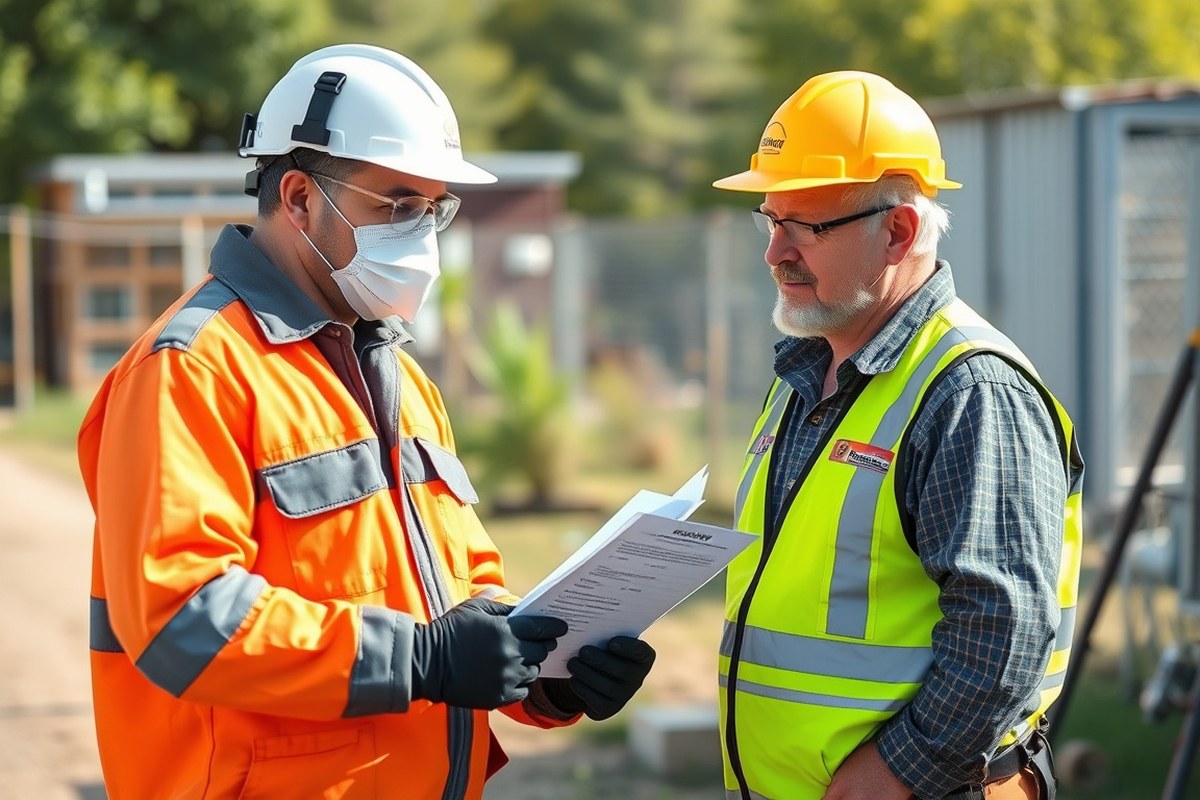
A pest control employee evaluation measures a technician’s job performance against specific criteria like safety compliance, service quality, and customer interaction. Its goals are to improve technician skillsets, ensure adherence to safety protocols, and boost overall customer satisfaction. This process identifies training needs, promotes accountability, and supports career growth, which in turn helps maintain consistent service standards.
These evaluations are critical for pest control businesses because the work involves handling hazardous chemicals and complying with strict regulations. Mistakes or non-compliance can lead to safety incidents or legal penalties. Regular evaluations catch issues early, preventing costly errors and improving on-the-job safety. They also safeguard your company’s reputation by ensuring employees deliver dependable service.
How evaluations impact employee retention ties directly to morale and engagement. Employees who receive clear expectations and regular feedback tend to feel more valued and understand their role better. This lowers turnover by reducing confusion and frustration over job performance. For example, businesses using software like Trainual benefit from tracking training completion, which ties directly to evaluation discussions and personalized development plans that help retain skilled technicians.
To conduct an employee evaluation effectively, start by gathering objective performance data such as job completion times, safety compliance records, and customer feedback scores. Use tools or software that integrate these metrics to avoid relying on memory or subjective impressions alone. Next, schedule a private meeting to discuss strengths and areas for improvement, referencing concrete examples and data during the conversation. Clearly explain the impact of any safety lapses or service inconsistencies and collaborate on actionable goals for improvement.
Results from good pest control evaluations often include more consistent on-time appointments, fewer safety violations, and higher customer satisfaction ratings. Poorly conducted reviews risk leaving employees unclear on expectations, which can cause repeated mistakes or disengagement. For companies with diverse services or technician experience levels, customizing evaluation criteria helps make the process relevant and fair. For instance, new hires might be assessed more on adherence to standard procedures, while veterans focus on problem-solving skills and customer relations.
Key Metrics and Criteria to Evaluate Pest Control Technicians

Evaluating pest control technicians requires a clear focus on their technical abilities, adherence to safety rules, customer interaction skills, and how efficiently they use their time. Including specific metrics in each area ensures you capture a complete picture of job performance and identify areas for training or improvement.
Technical Skills and Service Quality
Technical skills define how effectively a technician identifies pests and applies treatment methods. Accurate pest identification, knowledge of Integrated Pest Management (IPM) strategies, and proper equipment use are critical. Evaluations should verify that technicians systematically perform interior and exterior inspections, document findings, and apply treatments based on pest biology and environmental conditions.
Service quality depends on consistent and thorough application of pest control methods to meet customer expectations. You can measure this by reviewing job completion rates, quality control audits, and re-treatment rates. Lower recurrences of pest problems signal higher technical competence. Include these criteria in your checklist:
- Accuracy in pest identification and reporting
- Correct application of pesticides and non-chemical control methods
- Completion of inspection and treatment protocols per job
- Documentation completeness and timeliness
- Use and maintenance of pest control equipment
Regular updates to technical training help keep technicians current with evolving IPM techniques and regulatory requirements.
Safety Protocols and Regulatory Compliance
Safety compliance is non-negotiable in pest control. Technicians must follow chemical handling and application safety protocols outlined by the EPA and state agencies to protect themselves and clients. Your evaluation should include observation of how safety procedures are followed onsite, including personal protective equipment (PPE) use and chemical storage.
Regular testing and refresher training on pesticide safety, spill response, and first aid should be factored into performance records. Evaluate whether technicians stay within legal application limits and maintain proper documentation for pesticide use and disposal according to local regulations. Key safety and compliance checklist items include:
- Consistent use of PPE without reminders
- Accurate and timely completion of pesticide application records
- Knowledge of emergency response procedures
- Adherence to pesticide label instructions and restrictions
- Proper handling and storage of chemicals and equipment
Neglecting safety compliance can expose your company to regulatory fines and endanger employees and customers.
Customer Service and Communication
Customer communication often affects customer retention as much as technical skill. Technicians should explain treatment plans clearly, listen to customer concerns, and update clients on follow-up actions. Include evaluation of politeness, clarity of explanations, and responsiveness to customer questions.
Measure customer satisfaction through feedback surveys or follow-up calls. Response time to customer inquiries and professionalism on-site should also be part of the appraisal. Coaching technicians to use plain language instead of jargon improves their communication effectiveness. Evaluate these customer service elements:
- Clarity and professionalism in verbal and written communication
- Ability to address customer concerns promptly and respectfully
- Providing actionable advice or prevention tips
- Maintaining a positive and helpful attitude on every service call
- Timely follow-up on unresolved issues or callbacks
Productivity and Time Management
Productivity metrics help determine whether technicians efficiently complete their assigned routes and jobs. Tracking billed hours, the number of completed treatments, schedule adherence, and travel times offers insight into daily performance. Balance is key to avoid rushing jobs and compromising quality.
Use data-driven tools like field management software to gather these metrics accurately. Incorporate a weighted scoring system that might allocate 40% of the evaluation to technical competence, 25% to safety, 20% to customer service, and 15% to productivity for a balanced approach. Adjust weights depending on your company’s priorities. Consider tracking:
- Number of completed jobs versus assigned jobs per period
- Adherence to planned schedule and route efficiency
- Average time spent per job relative to job complexity
- Timeliness of documentation and reporting
- Utilization rate of available working hours
Certifications and Licensing
Certifications prove a technician’s knowledge and commitment to industry standards. Verify that employees hold necessary state licenses and certifications like GreenPro or EPA certification. Advanced certifications may be required for specialized services such as termite control or IPM projects.
Maintain a record of all certifications and monitor expiry dates to ensure ongoing compliance. Include certification status in evaluations and provide incentives or mandate training for those who need recertification. A typical checklist for certifications might include:
- Current state pesticide applicator license
- Completion of company-specific safety and technical training
- Additional certifications for specialized treatments (e.g., termite, rodent control)
- Records of continuing education and refresher courses
Steps to Prepare, Collect Data, and Schedule Effective Evaluations
Establishing clear evaluation criteria, gathering relevant data, and scheduling regular review meetings form the foundation of an effective pest control employee evaluation system. These steps help ensure evaluations reflect actual job performance, maintain consistency, and support ongoing employee development.
Defining Clear Evaluation Criteria
Start by outlining measurable and specific criteria linked to job responsibilities. This approach sets clear expectations and allows objective assessment. Focus your criteria on daily tasks, service quality, certifications, and compliance mandates relevant to pest control.
Document each role’s key responsibilities step-by-step, including required certifications, safety procedures, and technical standards. Translate these into performance metrics like job completion rate, accuracy in paperwork, adherence to schedules, and customer satisfaction scores. Tailor metrics to your company’s unique service types and priorities.
Collecting Data from Field Reports and Feedback
Gather data from multiple sources to capture a full picture of each employee’s performance. Rely on detailed field reports that track completed jobs, treatment accuracy, and cancellations. Use technology tools like ServiceTitan or FieldRoutes to access organized, role-specific performance reports that highlight KPIs and trends over time.
Include customer feedback by collecting and reviewing client satisfaction ratings and comments. This feedback offers insight into professionalism and problem-solving skills in real situations. Internal sources like supervisor observations and quality audits complement quantitative data with qualitative perspectives.
Scheduling Reviews and Preparing Technicians
Regular evaluations keep performance transparent, help correct course early, and boost staff morale. Schedule formal reviews at least twice a year or quarterly for active roles. Between formal evaluations, hold brief check-ins to address immediate concerns and keep feedback actionable.
Communicate review dates well in advance and provide employees with a summary of evaluation criteria and required data to self-assess their performance. This preparation encourages reflection and dialogue during the meeting. Organize notes and reports before the meeting to ensure a structured discussion focused on facts and clear next steps.
Adjusting Evaluation Frequency by Tenure and Role
New employees benefit from more frequent evaluations, such as monthly or quarterly, to guide onboarding and skills development. Experienced technicians often require less frequent formal reviews but still need ongoing feedback through brief check-ins. Adapt frequency to the role complexity; field technicians with high customer interaction merit closer observation than administrative staff.
Showing flexibility in scheduling evaluations based on tenure and job demands prevents review fatigue, maintains relevance, and supports targeted employee growth. Factor in seasonal workload changes to avoid evaluation timing during peak service periods that could distract from meaningful discussion.
- Identify all critical tasks and requirements for each pest control role. Break down responsibilities into measurable behaviors and results.
- Develop performance metrics aligning with those tasks. Include quality, timeliness, safety compliance, and customer satisfaction elements.
- Collect quantitative data through field reporting software. Use these reports to monitor progress and identify trends.
- Gather qualitative data via customer feedback and supervisor notes. Compare this across multiple sources for a balanced view.
- Set evaluation dates, typically twice a year or quarterly. Plan brief check-ins between to maintain timely communication.
- Send evaluation criteria and relevant data to employees ahead of review meetings. Encourage self-assessment and preparation.
- Conduct the evaluation using prepared notes and reports. Focus discussion on facts and setting achievable improvement goals.
- Adjust review frequency based on employee tenure and role complexity. Increase evaluations for new hires and decrease for seasoned staff with ongoing check-ins.
How to Provide Constructive Feedback and Set Actionable Goals
Providing constructive feedback and setting actionable goals requires clarity, balance, and follow-through. Feedback should be specific to pest control tasks and include both quantitative data and qualitative observations. Goals need to be realistic and linked directly to measurable outcomes in daily operations.
Delivering Clear, Balanced Feedback
Give feedback that starts with what the employee is doing well and then moves into areas needing improvement. This approach keeps the discussion balanced and maintains motivation. For example, say, “Your pest identification skills have helped reduce callbacks by 15%, which is excellent. To improve, focus on completing the inspection paperwork within 24 hours to meet client expectations.” This says what works and where to focus without being vague.
Use specific data from service reports, timesheets, and customer feedback to support your points. Mention measurable results like the number of successful service appointments or compliance with safety standards. Combine this info with your own observations such as attention to detail or communication skills. This mix helps give a full picture and avoids sounding purely critical or overly praise-heavy.
Using Scripts for Difficult Conversations
Scripts can guide you through sensitive topics without sounding confrontational. A practical script for addressing missed deadlines might start with, “I noticed the last two reports were submitted late, which affects scheduling. Can you walk me through what challenges you faced so we can address them?” This opens dialogue and shows you want to help solve problems, not just criticize.
For performance issues related to safety or pesticide handling, use a firm but respectful tone: “I’ve observed some inconsistencies in how you apply pesticides according to our protocols. This poses safety risks and compliance concerns. Let’s review the procedures together and schedule a refresher training to support you.” This states the issue clearly and offers a solution. Ending sensitive conversations on a forward-looking note helps maintain engagement: “What steps do you think will help improve this area?” or “How can I support you to meet these expectations?” These phrases invite collaboration and help you avoid a one-sided discussion.
Setting SMART Goals Tailored to Pest Control Tasks
Create goals that are specific, measurable, achievable, relevant, and time-based to keep employees focused. For instance, a goal might be, “Complete 95% of scheduled inspections with full documentation within 48 hours over the next quarter.” This ties a clear target to a timeframe and job-critical task.
Adjust goals based on experience and service type. A new technician might have goals like “Attend three pest identification workshops in six months” or “Achieve a confidence rating of 4 out of 5 on routine treatment procedures within 60 days.” More experienced techs can have productivity goals such as “Increase customer satisfaction scores by 10% within four months.” Setting challenging but reachable goals boosts motivation and helps track progress objectively.
Incorporating Self-Assessment and Peer Input
Encourage employees to rate their own confidence and challenges on key tasks like pest identification or pesticide application. Questions such as, “Do you feel confident handling rodent issues independently?” help reveal training gaps and attitudes. A self-rating of 4 or higher on a 5-point scale suggests solid understanding, while lower scores indicate areas for coaching.
Peer input adds another valuable perspective. A short anonymous survey among coworkers can provide insights on teamwork, communication, and reliability. Combine this feedback with quantitative data and your notes to form a well-rounded evaluation. This approach also involves employees in their development, making reviews less top-down and more of a shared effort toward improvement.
Integrating Safety, Compliance, and Pesticide Handling into Evaluations
Conducting pest control employee evaluations requires close attention to safety protocols, correct pesticide handling, and adherence to regulatory standards to ensure lawful and effective operation. Assess these areas systematically by using clearly defined checklists, reviewing real work practices, and documenting compliance to protect workers, customers, and the business.
Safety Protocols and PPE Use
Start evaluations by verifying that employees strictly follow safety protocols. Confirm that they have completed all required safety training and consistently use personal protective equipment (PPE) such as gloves, respirators, and protective clothing correctly on every job. Regularly updating your safety procedures helps keep standards aligned with the latest regulations. Use a simple, practical checklist for direct observation during evaluations. This checklist should confirm that technicians:
- Wear all necessary PPE for each specific pest control treatment
- Follow established protocols for equipment handling and disposal
- Understand emergency procedures, including spill response
- Regularly attend refresher safety trainings and pass related tests
- Apply IPM (Integrated Pest Management) principles to reduce unnecessary chemical use
Checking PPE use on the job prevents common errors that can expose workers to hazardous chemicals or physical injury.
Pesticide Application and Handling Accuracy
Evaluations must include direct assessment of how employees handle and apply pesticides. Review service reports and observe fieldwork to verify correct mixing, measuring, and application based on label instructions. Handling errors can cause health risks and regulatory penalties. Examine critical pesticide handling skills such as:
- Measuring and mixing pesticides according to label directions and treatment plans
- Using only approved chemicals for the pest and site
- Applying pesticides at correct dosages and via appropriate methods (spray, bait, dust)
- Ensuring no cross-contamination of equipment or unintended environment
- Storing and disposing of chemicals safely according to guidelines
Technicians who follow procedures reduce the risk of customer complaints, allergic reactions, or environmental harm.
Documenting Compliance and Incident Reporting
Proper documentation supports compliance verification during evaluations. Require employees to maintain detailed treatment logs and incident reports. Reviewing these records reveals patterns in performance and helps catch noncompliance early. Your evaluation checklist should include verification that employees:
- Complete treatment reports promptly after service visits
- Document any unusual occurrences such as spills or exposure promptly and accurately
- Record pesticide batch numbers, applicator license numbers, and customer authorizations
- Follow company procedures for incident escalation
- Meet recordkeeping standards to support audits or inspections
Documenting incidents consistently also helps manage legal risks and improves safety culture.
Neglecting incident reporting can escalate legal liability and obscure opportunities to correct unsafe practices.
Meeting Regional and Federal Regulatory Standards
Regulatory compliance must be a core element of every employee evaluation. Verify that technicians hold valid applicator licenses where required, complete mandated trainings, and adhere to state-specific pesticide laws. Noncompliance can lead to heavy fines and loss of business credibility. Effective evaluation includes these steps:
- Confirm up-to-date certification and licenses for pesticide application in the operating state
- Review employee knowledge of label restrictions and re-entry intervals
- Assess understanding of federal standards such as EPA labeling and reporting rules
- Discuss recent changes in state regulations to ensure ongoing awareness
- Consider offering support for license renewal or certification exam fees as an incentive for compliance
In some states, supporting technicians through exam fees and licensing can improve retention and performance. Missouri is an example where companies sponsor licensing fees tied to strong job performance and alignment with company standards.
Tailoring Evaluations by Employee Tenure and Pest Control Service Type
Evaluations for pest control employees should vary significantly based on their tenure and the type of services they provide. New hires need structured milestones focused on foundational skills and safety, while experienced technicians require assessments aligned with their specialized roles in residential, commercial, structural, or IPM services. Tailoring criteria and processes by these factors improves fairness and effectiveness in performance management.
Onboarding and 30- to 60-Day Milestones for New Hires
New pest control technicians require a clear, step-by-step evaluation plan during their first 30 to 60 days to set them up for success. Critical milestones include completing safety and pesticide handling training, successfully performing their first solo job, and demonstrating adherence to service-level agreements (SLAs). Tracking error rates on initial service calls and the amount of supervisory retraining time helps identify areas needing support early on.
Your evaluation checklist for this period should focus on mastering basic pest identification, correct equipment use, and compliance with legal licensing requirements. Including manager observations and customer feedback after the first few jobs provides practical insights. Failing to establish these checkpoints often leads to costly mistakes and increased liability in pest management.
Evaluation Variances for Residential vs. Commercial Services
Residential pest control evaluations emphasize customer service skills, communication, and the ability to identify common household pests accurately. New technicians should be assessed on how well they explain treatment plans and safety precautions to homeowners. The checklist might include room-by-room inspection thoroughness and chemical application precision to prevent health risks.
Commercial service evaluations focus more on adherence to strict safety and regulatory standards and managing pest control in varied environments like warehouses, offices, or schools. Evaluators should weigh a technician’s ability to comply with site-specific rules, coordinate with property managers, and document treatments meticulously. Upselling or cross-selling abilities to commercial clients also play a larger role here.
IPM and Structural Pest Control Specific Criteria
Integrated Pest Management (IPM) requires technicians to use preventive, least-toxic strategies, so evaluation criteria should emphasize pest monitoring skills, pest behavior knowledge, and environmental impact awareness. Checklists need to verify whether the employee identifies conducive conditions for pests, applies non-chemical controls, and recommends structural corrections.
Structural pest control technicians must demonstrate mastery of treatments involving general- and restricted-use pesticides. Their evaluation should include proof of appropriate licensing, insurance compliance, and proficiency in preventing structural damage. Monitoring their accuracy in applying chemicals to targeted areas and following local regulations protects your business from legal penalties.
Adjusting Expectations Based on Experience and Location
Experienced technicians deserve evaluations that focus on advanced diagnostics, customer retention measures, and mentoring junior staff rather than basic skills. Evaluation intervals can be extended from monthly in the first 60 days to quarterly or bi-annually for veterans. Their scorecards should include performance in upselling relevant services and managing complex client accounts.
Licensing and operational requirements vary by state and locality, impacting evaluation standards. Where commercial structural licenses are mandatory, ensure that employees meet all official criteria and that documentation is up to date. Adjust evaluation scopes accordingly, especially if your team covers multiple service areas with differing legal requirements and environmental challenges.
Using Technology Like FieldRoutes to Streamline Employee Evaluations
Using software like FieldRoutes can make pest control employee evaluations more accurate and efficient by automating data collection, tracking key performance metrics, and simplifying scheduling. These tools gather real-time data from field activities and customer feedback, streamlining the review process and helping managers spot trends and performance gaps quickly.
Automated Data Collection from Field Reports
FieldRoutes automates data collection by pulling detailed information from technicians’ field reports as they complete jobs. This automation eliminates the need for manual entry, reducing errors and saving hours that managers might otherwise spend gathering information. Data such as job completion times, service details, and technician notes are recorded in real time, providing an accurate and up-to-date view of each employee’s work.
Using automated data collection means evaluations rely on consistent and objective information instead of memory or incomplete records. Over time, this builds a richer dataset to identify patterns like declining punctuality or recurring service issues, which managers can address during evaluations. The system supports customization to focus on specific job types or service areas, allowing you to tailor the data collected for different technician roles.
Customer Feedback Integration
FieldRoutes integrates customer feedback directly into the evaluation process, linking client ratings and comments to individual technicians. This feature helps capture the customer experience immediately after service, providing timely insights into a technician’s professionalism, thoroughness, and communication skills. Managers can use this feedback alongside objective job data to get a fuller picture of employee performance.
Integrating customer reviews helps ensure evaluations consider both technical ability and customer service quality. Poor feedback flags issues early, enabling prompt coaching or training. Positive responses support recognition and motivate employees. You can customize feedback forms and set automated reminders for customers to complete them, improving response rates and making feedback more representative.
Scheduling and Notification Features
FieldRoutes simplifies scheduling evaluation sessions by coordinating technician availability and sending automated notifications. The software can pull from work schedules to suggest optimal times, reducing conflicts and no-shows. Automated reminders keep both managers and employees informed about upcoming evaluations, helping maintain a consistent schedule without extra administrative effort.
Efficient scheduling improves the timeliness of evaluations, which is important for addressing performance issues before they worsen. Managers can also link evaluations to training sessions using the scheduling system, making it easier to follow up on development plans. For businesses with multiple service locations or remote teams, centralized scheduling via FieldRoutes ensures a uniform evaluation process.
Performance Dashboards and Reporting Tools
FieldRoutes provides dashboards that display important metrics such as the percentage of tasks finished, timeliness, and client reviews clearly and accessibly. These dashboards refresh continuously, allowing supervisors to keep track of current performance outside of scheduled reviews. Graphical summaries help identify areas lagging behind or showing progress and support transparent communication of results with staff.
Automated reporting tools generate evaluation reports without manual calculations or data gathering. These reports can be customized to highlight the metrics most relevant to your business goals. By standardizing the data presentation, FieldRoutes supports fairer evaluations across different technicians and service types. It also archives past reports for review and comparison over time, helping track long-term progress.
Integrating FieldRoutes into your evaluation process requires setting up metric definitions that align with your company’s performance criteria. This setup phase can take several hours depending on your complexity but pays off by reducing ongoing administrative work. Keep in mind that software alone won’t fix all evaluation challenges; managers still need to interpret data thoughtfully and incorporate context from site visits or direct observation.
Handling Underperformance, Legal Compliance, and Training Post-Evaluation
Address underperformance or safety violations quickly by following a clear decision flowchart that guides your actions from warning to disciplinary steps. Maintain thorough legal documentation to protect your business and support compliance with labor laws. Use evaluations to develop targeted training that improves specific skills, and measure training impact through follow-up reviews tied to job performance.
Escalation Procedures for Safety or Performance Issues
Start by identifying the severity of the issue uncovered during evaluation. Use a decision flowchart beginning with a coaching conversation for minor lapses, escalating to written warnings if behavior or performance does not improve within a set period, such as 30 days. For repeated or serious safety violations, involve formal disciplinary action up to suspension or termination, consistent with your company policy and local labor laws.
This structured approach clarifies expectations and consequences, helping you address issues fairly and transparently. Document every step, including dates, conversations, and corrective actions, to build a defensible case if legal challenges arise. For example, a technician caught misusing a pesticide sprayer may first receive retraining, then a warning if errors persist, followed by suspension if safety risks continue.
Responding promptly to performance problems protects your clients, employees, and business reputation. Clear escalation reduces management bias and supports coaching that motivates improvement rather than punishment.
Documenting Evaluations to Meet Legal Standards
Accurate documentation is critical for compliance with employment laws and regulatory standards in pest control, such as those from the Missouri Department of Agriculture (MDA). Keep records of evaluation dates, criteria used, employee feedback, and any disciplinary actions, stored securely with restricted access. Your documentation should distinguish between objective performance data, like punctuality tracked through software such as FieldRoutes, and subjective comments to avoid bias.
Include a legal documentation checklist: confirm records capture the evaluation scope, specific performance metrics, safety compliance status, training provided, and employee acknowledgments. Retain documents for at least the minimum period required by state laws, typically three to seven years. Proper recordkeeping helps when defending against discrimination claims or disputes regarding termination or promotion decisions.
Failing to document evaluations thoroughly can undermine your ability to enforce policies and meet regulatory demands.
Designing Tailored Training and Development Plans
Post-evaluation training plans must address the exact skill gaps and compliance needs identified. Use a template that lists targeted skills, such as safe sprayer operation, proper bait gun maintenance, or new pesticide regulations, alongside specific learning activities. For example, training might combine hands-on equipment demonstrations, safety protocol refreshers, and access to online courses or pest management workshops.
Set clear objectives with measurable outcomes and timelines. Include steps such as refresher courses every six months and encourage continuous professional development through industry certifications or educational apps. By focusing training on weaknesses uncovered during evaluations, you invest in employee growth and reduce future violations or inefficiencies. A sample training plan template should have sections for the employee name, identified skills gaps, training method, timeline, trainer assigned, and follow-up date to assess progress.
Measuring Training Effectiveness and Follow-Up Reviews
Evaluate training impact by comparing pre- and post-training performance indicators tracked through your performance management system. Look for improvements in safety compliance rates, job efficiency, and client satisfaction scores. Conduct follow-up reviews within three months of training completion to discuss progress and any continuing challenges.
Use concrete data such as reduced equipment misuse incidents or higher inspection accuracy measured against MDA standards. Solicit employee feedback on training usefulness and adjust plans as needed. Regularly scheduled follow-ups reinforce accountability and demonstrate commitment to employee development.
Training succeeds when it leads to safer work practices, fewer errors, and better overall job performance. Maintain documentation of training outcomes linked to formal evaluations to support ongoing development and protect against legal issues.
Step-by-Step Action Plan for Conducting Pest Control Employee Evaluations
Follow these steps to carry out thorough and actionable performance evaluations that improve your pest control team’s safety, compliance, and customer service.
- Before Evaluation Day: Define clear, measurable evaluation criteria tied to key technician skills like safety compliance, pesticide handling, customer feedback, and job efficiency. Use your criteria to create a standardized form. This ensures consistency and covers all critical aspects of pest control work.
- One Week Before Evaluation: Collect quantitative data from your field management system, such as FieldRoutes, including work order completion rates, safety incident reports, and customer ratings. Review this data alongside supervisor notes to get a full picture of employee performance.
- Schedule Evaluations at Least Two Weeks In Advance: Set specific times for each evaluation to give employees time to prepare and reduce scheduling conflicts. Confirm appointments by email or message to improve attendance and focus during the review.
- Day of Evaluation: Start meetings by reviewing objective data, then discuss strengths and areas for improvement with specifics, mention safety violations or missed protocol if needed. Keep feedback balanced and fact-based to maintain openness and trust.
- Immediately After Evaluation: Set 1-3 actionable goals with deadlines tailored to the employee’s tenure and the pest control service type they perform. Include mandatory safety retraining or pesticide handling refreshers when relevant. Written goals promote accountability and track progress.
- Within One Month Post-Evaluation: Check progress on goals using updated performance reports and frontline supervisor feedback. Intervene with additional coaching or training if underperformance continues. Document all follow-up to protect against legal risks and demonstrate compliance.
- Quarterly: Reassess and adjust evaluation criteria based on regulatory changes, new technology like software updates in FieldRoutes, or shifts in customer expectations. Keeping your process current maintains its effectiveness and relevance.
Frequently Asked Questions
How to Conduct Pest Control Employee Evaluation?
Conduct pest control employee evaluations by setting clear performance metrics, gathering data on safety, compliance, and pest control effectiveness, and scheduling regular review sessions. Use tools like FieldRoutes to track real-time performance and ensure feedback results in actionable improvement plans.
What Should I Write in an Employee Performance Evaluation?
Write specific observations about the employee’s pest control skills, safety practices, customer service, and compliance with protocols. Include measurable achievements and areas needing improvement, then set clear goals for the next review period.
What Are the Three C’s of Pest Control?
The three C’s of pest control are Correct identification, Control methods, and Customer communication. They ensure technicians identify pests accurately, apply effective controls, and maintain clear communication with clients for consistent service quality.
What Not to Say in an Employee Evaluation?
Avoid vague criticisms, personal attacks, or unconstructive comments in employee evaluations. Focus on behavior and results, not personality, and provide suggestions rather than just pointing out faults to keep feedback useful and professional.
What Are 5 Reasons for an Employee Performance Review?
Performance reviews improve accountability, identify training needs, boost morale, reduce turnover, and align team goals with business objectives. These factors help maintain service quality and support technician growth in pest control companies.
How Often Should Pest Control Employee Evaluations Be Conducted?
Conduct evaluations at least twice a year to address ongoing performance, safety compliance, and training needs. More frequent reviews may be needed during onboarding or if performance issues arise.
Wrapping Up
Evaluating pest control employees well shapes service quality and compliance, making your business safer and more effective. Start by scheduling regular evaluations using clear metrics tied to safety and pesticide handling, ideally supported by software like FieldRoutes to capture data accurately. Focus on delivering specific feedback linked to observable actions, then set measurable goals for improvement to keep your team on track. Begin today by outlining key performance indicators for your technicians and scheduling the next evaluation session within the next 30 days.