How to Get Rid of External Hemorrhoids: A Complete Guide for Fast Relief
To get rid of external hemorrhoids, start by applying cold compresses for 10 to 15 minutes to reduce swelling and relieve pain. Increasing daily fiber intake to 30, 35 grams and adjusting bowel habits help speed healing and prevent recurrence. While full recovery takes time, these steps can ease discomfort within a day or two.
This article is ideal for those experiencing painful external hemorrhoids or those who suffer from recurring symptoms. You’ll learn how to identify external hemorrhoids, the best home remedies, lifestyle adjustments, when medical treatment is necessary, and how to avoid common mistakes that make symptoms worse.
Key Takeaways
- Apply a cold compress for 10-15 minutes to reduce swelling and ease external hemorrhoid pain quickly.
- Use sitz baths by sitting in warm water for 10-20 minutes several times daily to relieve symptoms and promote healing.
- Increase daily fiber intake to 30, 35 grams to prevent constipation and reduce strain on hemorrhoids.
- Maintain clean hygiene and avoid wiping harshly to prevent irritation and worsening of external hemorrhoids.
- Seek medical treatment like hemorrhoidectomy if pain persists beyond 2 weeks or symptoms worsen, especially for chronic cases.
- Pregnant women should manage swelling carefully, as 35% develop hemorrhoids due to hormonal changes and tissue expansion.
What Are External Hemorrhoids and How Do They Differ from Internal Types?
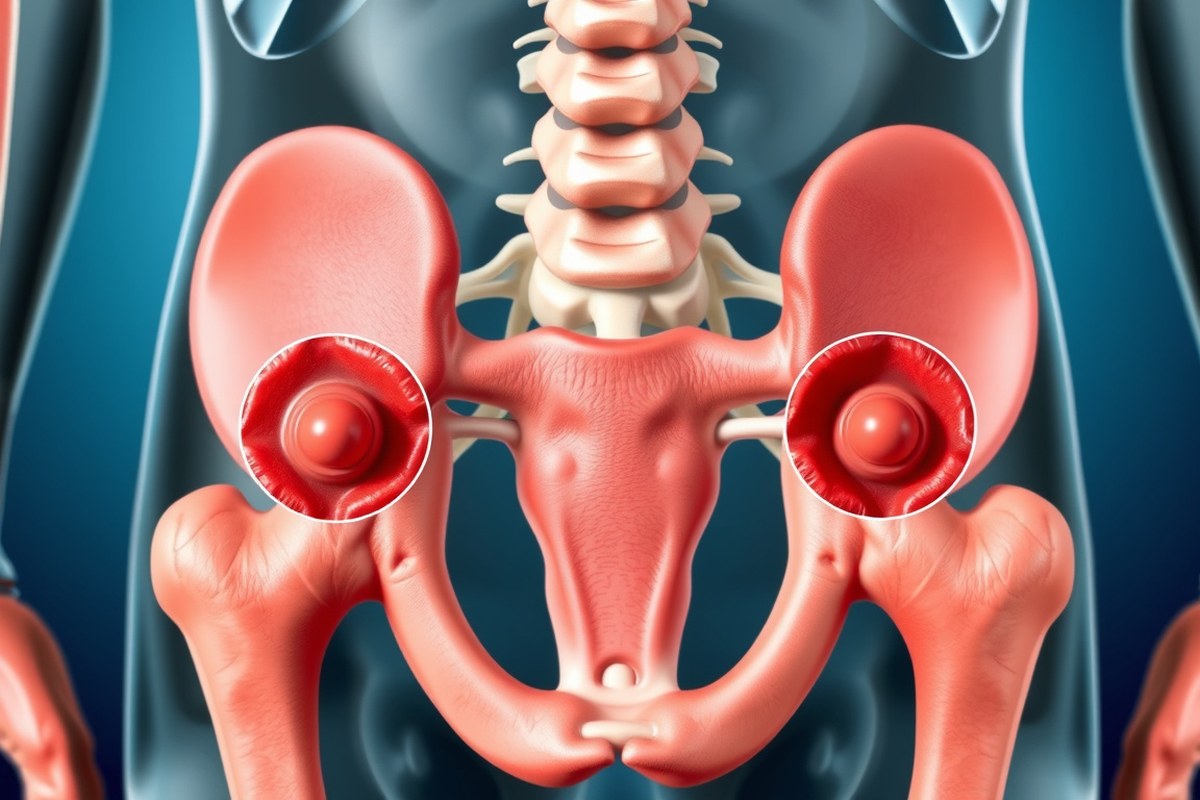
External hemorrhoids are swollen veins that form beneath the skin around the anus. They differ from internal hemorrhoids, which grow inside the lower rectum and are covered by a mucous membrane, making them less visible and often less painful. External hemorrhoids are located outside the anal opening, so you can typically see or feel them as lumps or bulges. These lumps can vary in size and may feel tender or painful when touched or when sitting.
The distinct location of external hemorrhoids explains their unique symptoms. Because they sit under sensitive skin, they often cause itching, burning sensations, and notable discomfort, especially during bowel movements or when pressure is applied. In contrast, internal hemorrhoids, hidden inside the rectum, usually cause painless bleeding during bowel movements or a feeling of fullness but rarely cause pain unless they prolapse or become strangulated.
External hemorrhoids appear as raised lumps around the anus that can look blue or red. A blood clot might develop inside these lumps, forming a thrombosed hemorrhoid, which feels hard and causes sharp, sudden pain, needing quick medical attention. Bleeding can happen with external hemorrhoids, typically seen on toilet paper or in the toilet bowl right after a bowel movement.
Diagnosis of external hemorrhoids typically involves a healthcare provider performing a physical examination that includes inspecting the area around the anus. Because external hemorrhoids are visible and palpable, diagnosis is straightforward without the need for internal scope examinations, which are more useful for finding internal hemorrhoids. Your provider may also ask about your symptoms, medical history, and bowel habits to determine the cause and rule out other issues such as anal fissures or colorectal disease.
The exact causes of external hemorrhoids are not fully understood, but they tend to develop due to increased pressure on the veins around the anus. Common factors contributing to this pressure include straining during bowel movements, chronic constipation or diarrhea, prolonged sitting, heavy lifting, and pregnancy. These factors can weaken the vein walls, making them swell and form hemorrhoids. External hemorrhoids often affect people over the age of 50 but can occur at any age depending on lifestyle and genetic predisposition.
Understanding the difference between external and internal hemorrhoids matters because it affects how you manage and treat the condition. External hemorrhoids generally cause more immediate discomfort due to their sensitive location and are easier to spot and monitor. Treatments that reduce swelling and pain, such as cold compresses applied for 10 to 15 minutes, can help provide relief promptly. Identifying the type of hemorrhoid you have helps ensure you use appropriate home treatments or seek medical care when symptoms worsen or complications arise.
Recognizing Symptoms and Typical Pain Duration of External Hemorrhoids

External hemorrhoids are recognizable by symptoms such as pain, swelling, bleeding, and itching around the anus. Pain tends to be most severe during the first two days, with healing through home care typically taking one to two weeks. Most external hemorrhoids go away on their own without medical treatment.
Common Indicators of Hemorrhoid Pain
The pain from external hemorrhoids comes from swelling and inflammation of the veins near the anus. Discomfort usually peaks in the first 24 to 48 hours after the hemorrhoid develops. You may experience sharp or throbbing pain, especially when sitting or during bowel movements. Mild pain often improves with over-the-counter creams or warm baths.
Some external hemorrhoids may become thrombosed, which means a clot forms inside the swollen vein, causing more intense pain that feels hard and tender. This pain tends to last longer and is more severe, requiring medical evaluation to avoid complications. Pain that continues beyond one week despite home treatment warrants a visit to a healthcare provider for a proper examination.
Visible Signs and Physical Changes
External hemorrhoids often appear as swollen, bluish or purplish lumps under the skin around the anus. These lumps can range from small pea-sized bumps to larger, easily felt masses. The swelling happens because of enlarged veins in the anal area, and the size may change based on activity and bowel movements.
Along with lumps, redness or skin irritation around the hemorrhoid may occur. Sometimes, the skin over the swollen veins can break, causing bleeding. Watching the size and color of these lumps helps determine if home remedies are working or if medical treatment is necessary.
Duration of Discomfort and Flare-Ups
Pain and other symptoms of external hemorrhoids generally start to get better after a few days of proper care, such as sitz baths, avoiding straining, and using topical treatments. Full healing often takes one to two weeks. Symptoms can flare up repeatedly over several months if triggers like constipation or prolonged sitting continue.
Repeated flare-ups may lead to ongoing swelling or discomfort and cause chronic hemorrhoids. Maintaining good bowel habits and avoiding pressure can reduce how long symptoms last and how often they recur. When pain or swelling worsens or does not improve after a week of home care, consulting a healthcare professional is recommended.
When Bleeding Occurs with Hemorrhoids
Bright red bleeding during or after bowel movements is a typical symptom of external hemorrhoids. This happens because the fragile, swollen veins get irritated or ruptured by hard stools. Usually, the bleeding is minor but can occasionally be more noticeable, showing on toilet paper or stool.
Bleeding hemorrhoids often heal with simple remedies, but persistent or heavy bleeding requires medical attention. Severe bleeding can cause anemia or point to other conditions needing evaluation. Tracking the amount and frequency of bleeding is important for managing your symptoms safely.
Itching and Irritation Around the Anus
Itching commonly results from swelling and irritation of the skin near external hemorrhoids. Moisture, mucus leakage, or mild bleeding can worsen the itching and cause discomfort. Avoid scratching, as it can harm sensitive skin and increase inflammation.
Applying soothing creams and keeping the area clean and dry helps reduce itching. Warm sitz baths relieve irritation by gently cleansing without drying the skin. Persistent itching lasting more than two weeks or that leads to skin breakdown should prompt a visit to a healthcare provider to prevent infection or further complications.
Avoid prolonged sitting and straining during bowel movements to reduce swelling and promote faster healing of external hemorrhoids.
Fast and Effective Home Remedies for External Hemorrhoids Relief
To relieve pain and swelling from external hemorrhoids quickly at home, use sitz baths, cold compresses, and over-the-counter creams and ointments. Sitz baths reduce inflammation through warm water soaking, cold compresses numb the area and shrink swollen veins, and topical treatments ease discomfort and itching. Proper hygiene and consistent care improve these effects safely.
How to Prepare and Use Sublingual Sitz Baths
Sitz baths involve sitting in warm water to soothe the affected area, reduce swelling, and promote healing. They work by increasing blood flow and relaxing muscles around the anus, which helps ease pain and itching. The ideal temperature for the water is warm, about 98 to 105 degrees Fahrenheit, and not hot enough to cause any burns or discomfort. Follow these steps to take a sitz bath properly:
- Fill a clean bathtub or specially designed sitz bath basin with about 3 inches of warm water.
- Test the water temperature with your hand to ensure it is comfortably warm, not hot.
- Sit down slowly in the water, making sure the affected area is fully submerged.
- Soak for 15 minutes without moving excessively to avoid irritation.
- Pat the area dry gently with a clean towel; do not rub or scrub.
- Repeat the sitz bath 2 to 4 times daily, especially after bowel movements.
Use a clean basin each time and avoid adding harsh soaps or chemicals, which can aggravate the skin. Sitz baths are safe for most people, including those who are pregnant.
Guidelines for Safe and Effective Cold Compress Application
Cold compresses help reduce swelling and numb pain in external hemorrhoids by constricting blood vessels. Applying cold correctly prevents skin damage and maximizes relief. Avoid placing ice directly on the skin to prevent frostbite; always wrap it in a thin cloth or towel. For best results, apply cold compresses as follows:
- Wrap an ice pack or a few ice cubes in a clean towel.
- Place the wrapped ice on the hemorrhoid area for 5 to 10 minutes at a time.
- Remove the compress and allow the skin to return to normal temperature before reapplying.
- Repeat this process every 1 to 2 hours during the first 24 to 48 hours after symptoms begin.
- Stop using cold compresses if you notice increased pain, skin irritation, or numbness lasting beyond application.
Cold therapy is best for acute flare-ups and is usually combined with warm sitz baths for ongoing care.
Recommended Over-the-Counter Creams and Pain Relievers
Over-the-counter creams and ointments can quickly reduce pain, swelling, and itching caused by external hemorrhoids. Products that contain phenylephrine help shrink swollen veins, while those with witch hazel soothe inflammation. Many creams also include mild numbing agents to ease discomfort. Choose products intended specifically for hemorrhoid relief to avoid irritation.
For pain control, oral medications such as acetaminophen (Tylenol), ibuprofen (Advil, Motrin), or naproxen (Aleve) can reduce inflammation and throbbing pain. Always follow the dosage instructions on the package and check for any drug interactions or allergies before use. Use these OTC products following these tips:
- Apply creams or ointments directly to the affected area up to 3 to 4 times daily, especially after bowel movements and sitz baths.
- Use medicated pads or wipes that contain soothing ingredients like witch hazel to maintain hygiene gently without irritation.
- Avoid overusing steroid-containing creams for more than a week unless directed by a healthcare provider, to prevent skin thinning.
- Keep the area clean and dry before applying any topical treatment to maximize absorption and comfort.
Using these remedies consistently can help ease symptoms substantially and prevent worsening during flare-ups.
Diet, Bowel Habits, and Lifestyle Changes That Promote Healing and Prevention
Dietary changes play a major role in healing and preventing external hemorrhoids by promoting softer stools and easier bowel movements. Eating a high-fiber diet prevents constipation, reducing the strain that causes hemorrhoid swelling and pain. Aim to consume 25 to 30 grams of fiber daily from foods like whole grains, beans, lentils, fruits (such as apples, pears, and berries), and vegetables (broccoli, carrots, and leafy greens). Fiber supplements like psyllium husk or methylcellulose also help if you find it difficult to get enough fiber from food alone.
Hydration is important for hemorrhoid recovery because fluids soften stool and improve bowel regularity. Drinking at least 8 cups (64 ounces) of water daily supports this process. Limit caffeine and alcohol as they can dehydrate you, worsening constipation. Besides water, herbal teas and clear broths contribute to hydration without added sugar or calories.
Good bowel habits prevent worsening symptoms and new hemorrhoids. Avoid straining during bowel movements, which means don’t sit on the toilet for more than 10 minutes at a time or push hard. Allow bowel movements to come naturally without delaying or forcing them. Going at the same time each day can help establish a regular routine, easing stool passage. Using a small footstool to improve your feet while seated on the toilet can change your posture to make bowel movements more natural and reduce pressure.
- Eat plenty of fiber-rich foods like oats, beans, berries, and leafy greens
- Drink at least 8 cups of water daily; reduce caffeine and alcohol intake
- Limit toilet sitting time to under 10 minutes and avoid straining
- Use a footstool to slightly raise feet during bowel movements
- Avoid sitting on hard or cold surfaces to reduce pressure on hemorrhoids
- Incorporate light exercise such as walking to improve bowel function
- Take 20-minute sitz baths after bowel movements to reduce swelling
Sitting directly on hard surfaces applies extra pressure to the hemorrhoids, increasing pain and swelling. Use cushioned seating or padded cushions for longer sitting periods. Exercise also impacts hemorrhoids; moderate activities like brisk walking or swimming improve blood flow and digestion. Avoid heavy lifting or intense workouts that can increase abdominal pressure and worsen symptoms.
Adjusting these habits may take a few days or weeks, but consistent changes reduce hemorrhoid flare-ups and aid healing. Hard, dry stools usually soften, pain diminishes, and swelling decreases as bowel function normalizes. Persistent pain or bleeding after lifestyle adjustments should prompt consultation with a healthcare provider for further evaluation and treatment options.
Medical Treatments and Procedures: Options, Risks, and When They’re Needed
Medical treatments provide effective options when external hemorrhoids do not respond to home remedies or cause persistent discomfort. Procedures such as rubber band ligation, sclerotherapy, thrombectomy, and hemorrhoidectomy vary in complexity, recovery time, and suitability depending on hemorrhoid severity and patient health. Choosing the right treatment involves balancing effectiveness, risks, and personal circumstances like pregnancy or chronic conditions.
Rubber Band Ligation: Procedure and Recovery
Rubber band ligation is a common outpatient procedure mainly used for internal hemorrhoids but can also be helpful for some external hemorrhoids, especially if they protrude. This treatment places a small rubber band around the hemorrhoid’s base to block its blood flow, causing the hemorrhoid to shrink and drop off a few days later.
This procedure is simple and quick, typically painless during the process, with most patients able to resume normal activities immediately. Recovery can include mild discomfort or a sensation of fullness for a few days. However, recurrence rates can be higher with rubber band ligation, particularly for more advanced hemorrhoid grades, and additional treatments might be needed. The costs usually range from $200 to $500 per treatment session in outpatient clinics.
Sclerotherapy and Thrombectomy Explained
Sclerotherapy is another non-surgical, in-office method where a chemical solution is injected into the hemorrhoid tissue. This causes irritation, leading to scarring and shrinking of the hemorrhoid. It’s an option for early-stage hemorrhoids or those not suitable for banding, with a low risk of pain and quick recovery.
Thrombectomy specifically treats thrombosed external hemorrhoids, those with painful blood clots. A small surgical incision drains the clot, relieving intense pain rapidly. This is usually an urgent procedure done under local anesthesia. Thrombectomy doesn’t address the hemorrhoid tissue itself but provides immediate symptom relief.
Hemorrhoidectomy and Surgery Considerations
When hemorrhoids are large, persistently symptomatic, or recur after repeated non-surgical treatments, surgery may become necessary. Hemorrhoidectomy involves surgically removing swollen hemorrhoid tissue and is often performed by a surgeon in a hospital or surgical center. This procedure offers the most definitive treatment and lowest chance of recurrence but requires a longer recovery, usually 1 to 2 weeks, and carries risks like pain, bleeding, or infection.
Pregnant women and patients with chronic illnesses require special evaluation before surgery. In pregnancy, conservative care is preferred to avoid risks from anesthesia and surgery, making invasive procedures rare unless absolutely necessary. Chronic conditions might affect healing, so doctors may recommend less invasive treatments first.
Below is a comparison table summarizing the main medical treatments and their key features. This can help you understand which procedure fits your specific situation best.
| Treatment | Ideal Hemorrhoid Grade | Procedure Type | Recovery Time | Benefits | Risks | Typical Cost |
|---|---|---|---|---|---|---|
| Rubber Band Ligation | II – III (some IV with recurrence) | Office-based, non-surgical | 1 – 3 days | Simple, quick, low pain, outpatient | Recurrence, mild discomfort | $200 – $500 per session |
| Sclerotherapy | I – II | Injection in office | Hours to days | Minimal pain, quick recovery | Possible irritation, less effective for advanced hemorrhoids | Similar to banding |
| Thrombectomy | Thrombosed External Hemorrhoids | Minor surgical drainage | Hours to days | Immediate pain relief | Local bleeding, infection risk | Varies, usually covered if urgent |
| Hemorrhoidectomy | III – IV, complicated | Surgical removal | 1 – 2 weeks | Definitive, low recurrence | Pain, bleeding, infection, longer downtime | $3,000 – $7,000 (varies) |
Consider medical treatments when symptoms last beyond a few weeks despite home care or when hemorrhoids significantly interfere with daily life. For severe pain from thrombosed hemorrhoids or large prolapsing external hemorrhoids, seek prompt evaluation. Surgery becomes appropriate when non-surgical options fail or for severe, recurrent cases with extensive tissue involvement.
Tip: Avoid delaying care if your external hemorrhoids bleed heavily or cause constant pain; timely medical treatment prevents complications and speeds recovery.
Special Cases: Managing External Hemorrhoids During Pregnancy and Chronic Conditions
Pregnant women often experience external hemorrhoids due to increased pressure in the pelvic area and hormonal changes that slow digestion, leading to constipation. Before using any topical treatments, check with your healthcare provider to ensure the medication is safe for pregnancy. Gentle sitz baths with warm water (about 100°F) for 10 to 15 minutes several times daily can relieve pain without medication risks. To avoid constipation, focus on a high-fiber diet with 30, 35 grams of fiber daily and drink at least eight glasses of water to keep stools soft and reduce straining, which can worsen hemorrhoids. Avoid prolonged sitting or standing to improve blood flow around the anus. Should bleeding or pain become severe, seek medical advice immediately, as some treatments may not be recommended during pregnancy.
For elderly individuals, managing external hemorrhoids requires special care because skin tends to be thinner and healing slower with age. Over-the-counter creams containing witch hazel or hydrocortisone can provide relief, but use them sparingly to avoid skin irritation. Increasing fiber intake and fluids is important, as chronic constipation is common in older adults and strain during bowel movements enlarges hemorrhoids. Walking regularly helps improve circulation and bowel function. Avoid overuse of laxatives since they can disrupt normal bowel habits. When pain is intense or hemorrhoids are thrombosed, consult a healthcare provider to explore treatment options like minimally invasive procedures that spare fragile tissues.
Chronic constipation and inflammatory bowel diseases (IBD), such as Crohn’s disease or ulcerative colitis, aggravate external hemorrhoids by causing frequent straining or inflammation. Managing these underlying conditions is necessary to reduce hemorrhoid flare-ups. Medication for IBD should be followed as prescribed, and bowel habits improved through dietary fiber and hydration. Use of topical treatments might need adjustment based on the severity of inflammation and doctor’s recommendations. For chronic constipation, gradually increasing fiber intake while drinking plenty of fluids helps soften stool and reduce pressure on hemorrhoids. Avoid prolonged sitting on the toilet, which worsens blood flow congestion. Persistent or large thrombosed hemorrhoids might require medical evaluation for possible surgical removal or other interventions tailored to your health status.
Across all these groups, taking care to prevent constipation is key. Consuming 30, 35 grams of fiber daily from fruits, vegetables, and whole grains softens stool and promotes regularity. Drinking one glass of water with every meal and snack supports hydration. Sitz baths, used several times a day, soothe irritation. Avoid heavy lifting and long periods of sitting or standing. Should pain or bleeding increase or hemorrhoids do not improve with home care, consult a healthcare professional to rule out complications and discuss treatments safe for your life stage or condition.
Recognizing Warning Signs and When to See a Healthcare Provider Immediately
Severe pain or heavy bleeding from an external hemorrhoid signals the need for urgent medical evaluation. Sudden intense pain can indicate a thrombosed hemorrhoid, where a blood clot forms inside the swollen vein. This condition causes sharp, persistent discomfort and a firm lump around the anus. Noticing a sudden increase in pain or bleeding that does not stop after a few minutes requires immediate medical care to avoid complications.
Thrombosed hemorrhoids typically require professional treatment rather than home care. A healthcare provider can perform a quick in-office procedure to remove the clot, usually within 10 minutes under local anesthesia. When this is done within two days of symptom onset, pain relief is almost immediate. Delaying treatment can lead to worsening pain, swelling, and risk of infection. Use the following urgent symptom checklist to decide when to see a healthcare provider without delay:
- Severe, sudden pain that does not improve with home remedies
- Heavy or continuous rectal bleeding lasting more than a few minutes
- A hard lump near the anus that causes constant discomfort
- Fever or signs of infection around the affected area
- Symptoms that last longer than one week despite self-care
- Difficult or painful bowel movements accompanied by bleeding
Emergency care ensures proper diagnosis and treatment, which may include clot removal or minimally invasive procedures to stop bleeding. Sometimes, surgical removal is necessary for severe or recurrent external hemorrhoids. Home treatment helps mainly with mild to moderate cases and symptom relief.
When your pain level is very high or you see blood that soaks through more than a couple of pads, visiting a healthcare facility can prevent serious complications and improve healing time. Keep in mind that untreated thrombosed hemorrhoids might lead to thrombosis enlargement or infection. Prompt medical attention reduces discomfort and speeds recovery.
Common Mistakes in Home Treatment and How to Avoid Making Them Worse
Many people trying to get rid of external hemorrhoids at home make mistakes that can prolong pain or even cause infections. Overusing creams, poor hygiene, prolonged sitting, and straining during bowel movements are common errors that can worsen symptoms. Correcting these habits is essential to avoid complications and promote healing.
Applying too much over-the-counter cream or using steroid creams frequently can damage the delicate skin near hemorrhoids and increase irritation. Instead, use medicated creams as directed on the label, typically no more than twice a day, and avoid steroid creams unless prescribed by a healthcare provider. Gentle hygiene practices matter too; harsh wiping or infrequent cleaning can cause inflammation or infection. Wash the area with warm water and mild, unscented soap after bowel movements and pat dry gently with a soft towel.
Spending long periods sitting, especially on the toilet, puts extra pressure on the veins around the anus, making hemorrhoids worse. It’s best to limit sitting on the toilet to no more than 10 minutes and avoid straining during bowel movements. If you don’t have a bowel movement after a few minutes, leave the bathroom and try again after some time. Straining can cause more swelling and bleeding, so it’s important to maintain soft stools by eating a diet high in fiber and drinking plenty of water.
- Avoid overusing creams and never apply steroid creams without medical advice.
- Clean the anal area gently but thoroughly with warm water and mild soap.
- Limit sitting on the toilet to 10 minutes or less to reduce pressure on veins.
- Delay bathroom visits if bowel movement doesn’t happen quickly to prevent straining.
- Keep stools soft with fiber supplements like psyllium and plenty of fluids.
- Avoid laxatives that cause diarrhea, which can worsen hemorrhoids.
- Refrain from heavy lifting or exercises that cause straining, such as squats or lunges, until symptoms improve.
Ignoring these precautions risks worsening your condition or developing infections. Persistent bleeding, extreme pain, or pus signals that you should seek medical advice promptly. Minor lifestyle adjustments and careful use of products can make a significant difference in healing times and comfort.
Limit time spent on the toilet to avoid extra pressure on hemorrhoids, and never strain to pass stool, this reduces pain and bleeding effectively.
Step-by-Step Action Plan to Get Rid of External Hemorrhoids
Follow this practical plan to relieve symptoms of external hemorrhoids, support healing, and know when to seek medical help. Each step includes clear actions and signs to track your progress.
- Day 1: Start warm sitz baths for 10, 15 minutes, 2 to 3 times daily. This soothes pain and swelling. You’ll know it’s working if you feel reduced discomfort after each bath.
- Days 1, 3: Apply over-the-counter hemorrhoid creams or witch hazel pads as directed. This helps shrink swelling and ease itching. Notice less burning or irritation as a good sign.
- Within the first week: Increase dietary fiber gradually to 25, 30 grams per day using fruits, vegetables, and whole grains. Drink plenty of water (at least 8 cups daily). Softer stools and easier bowel movements show this is effective.
- Week 1: Avoid straining during bowel movements. Try to go as soon as you feel the urge. Reduced pressure and less pain during bathroom visits indicate improvement.
- After 1 week: Continue lifestyle changes, avoid sitting for long periods, exercise moderately, and keep hygiene gentle but thorough. Decreased swelling and discomfort highlight progress.
- Week 2: Monitor symptoms closely. If pain, bleeding, or swelling persist or worsen after 14 days, schedule a healthcare provider visit. Severe signs, such as large lumps, intense pain, or heavy bleeding, require prompt medical evaluation.
- As needed: For pregnant individuals, discuss safe treatment options with your doctor before starting any new remedies. Protecting both your health and the baby’s is essential.
Frequently Asked Questions
Can External Hemorrhoids Go Away on Their Own?
Yes, many external hemorrhoids shrink and heal on their own within a few days to weeks with proper care. Keeping the area clean and avoiding straining during bowel movements helps speed recovery.
Is It Safe to Use Creams or Ointments for External Hemorrhoids Daily?
Using over-the-counter creams as directed for up to a week is generally safe to reduce pain and itching. Avoid prolonged use without consulting a doctor to prevent skin irritation or masking serious issues.
How Does Exercise Affect External Hemorrhoids?
Moderate exercise improves blood flow and digestion, which can reduce hemorrhoid symptoms. Avoid heavy lifting and intense workouts that increase abdominal pressure, as they may worsen swelling.
Can Sitting for Long Periods Worsen External Hemorrhoids?
Yes, prolonged sitting increases pressure on the anal area, aggravating hemorrhoid symptoms. Taking breaks to stand or walk every hour can relieve pressure and reduce discomfort.
Do Warm Baths Help with External Hemorrhoids?
Soaking in a warm sitz bath for 10 to 15 minutes several times a day can soothe pain and reduce swelling. Avoid hot water temperatures that may cause irritation instead of relief.
Are External Hemorrhoids Contagious or Caused by Infection?
External hemorrhoids are not contagious and result from swollen blood vessels, not infection. However, if the area becomes infected, medical treatment is necessary to prevent complications.
Key Points to Remember
Relieving external hemorrhoids starts with mindful care and proper treatment tailored to your symptoms. Begin by adjusting your diet to include more fiber and fluids today, which helps soften stools and reduces strain. If discomfort persists or worsens, schedule an appointment with a healthcare provider to explore medical options and prevent complications.