
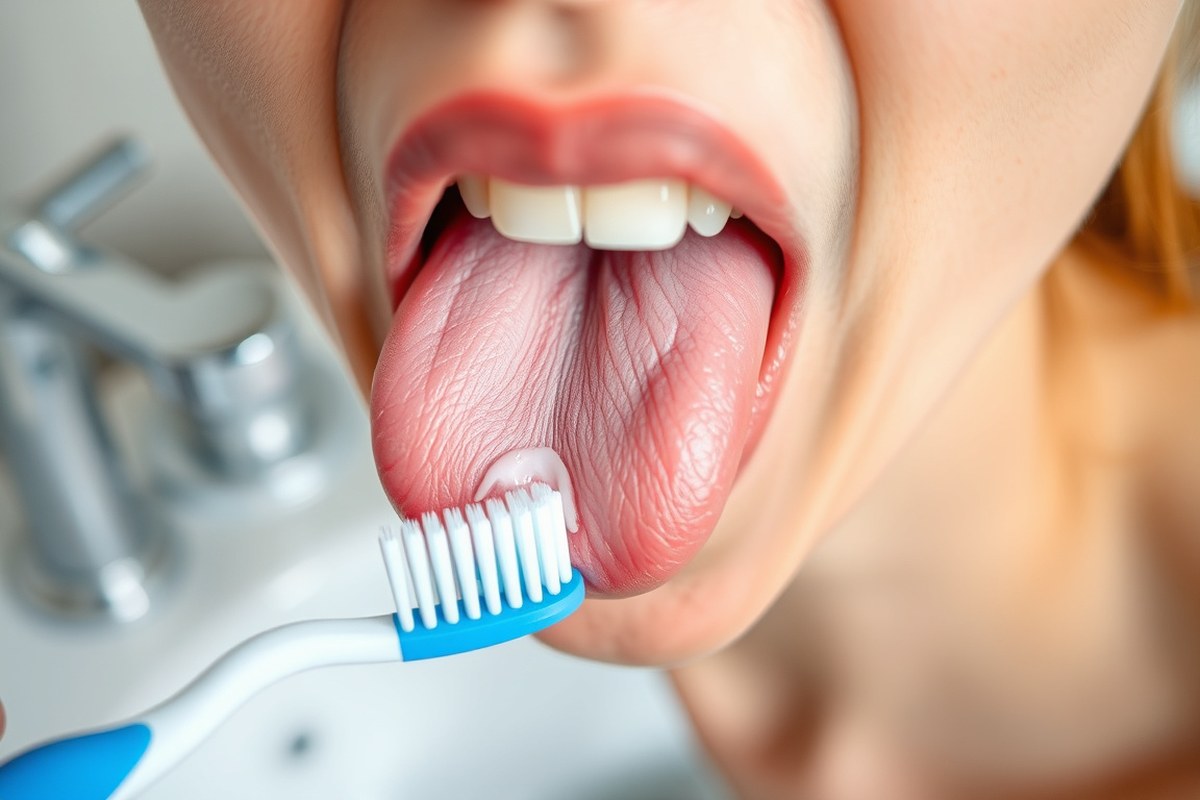
How to Get Rid of White Tongue: Effective Methods and When to Seek Help
To get rid of white tongue, a combination of daily tongue cleaning, proper hydration, and targeted home remedies offers the most effective approach. Identifying the cause of the white coating, often dry mouth or oral hygiene issues, helps guide safe and practical treatments. Natural remedies like glycerin and curcumin can support oral health and inhibit bacterial growth, speeding recovery.
This advice suits anyone experiencing white tongue and seeking safe self-care solutions or wondering when to see a doctor. You’ll find clear steps for cleaning your tongue, home remedies that work, lifestyle tips, and warnings about common mistakes that may delay healing or cause complications.
Key Takeaways
- Use a copper or plastic tongue scraper daily to remove bacteria and reduce white coating by up to 75% compared to brushing alone.
- Apply vegetable glycerin on your white tongue for about 5 minutes to alleviate dryness and reduce the white coating effectively.
- Curcumin paste applied for 10 minutes helps prevent oral pathogens and supports oral health, aiding white tongue clearance.
- Stay well-hydrated and maintain a consistent oral hygiene routine, including gentle tongue cleaning, to prevent white tongue recurrence.
- Consult your doctor if white tongue persists beyond two weeks or is accompanied by pain, fever, or dehydration symptoms.
- Differentiating white tongue from conditions like geographic tongue or leukoplakia is essential for proper treatment and when to seek professional care.
What Causes White Tongue and Is It Dangerous?

A white tongue usually appears as a thin, white coating on the surface of the tongue. This happens when dead cells, food debris, and bacteria build up between the tiny bumps called papillae. The coating may look patchy or uniform, and its thickness can vary depending on the cause. Poor oral hygiene is one of the most common triggers because it allows this debris to accumulate. Dehydration and dry mouth also contribute by reducing saliva, which normally helps rinse the tongue. Drinking more water and cleaning your tongue daily can often clear the coating in just a few days to weeks.
Smoking and alcohol use are frequent contributors to white tongue. Both can irritate the tissues inside your mouth, slow down the renewal of cells, and change the normal balance of bacteria. This creates an environment where the white coating tends to stick around or thicken. Cutting back or quitting smoking and reducing alcohol intake are effective steps to take if your white tongue correlates with these habits. These changes, alongside good oral hygiene, usually reverse the condition.
Nutritional deficiencies can also cause changes that lead to white tongue. Lack of vitamin B12, iron, or folate can affect the tongue’s surface, sometimes leading to soreness or a white look. These deficiencies might indicate a more systemic health issue, so persistent white tongue combined with other symptoms like mouth pain or difficulty swallowing should prompt a medical evaluation. Your healthcare provider may recommend blood tests to check for these deficiencies and suggest appropriate supplements.
A white tongue is usually not harmful. In most cases, it results from mild and fixable issues such as dry mouth or not brushing properly. Still, if white spots don’t come off when scraped, look raised, or remain for over two weeks, they might indicate more serious conditions like oral thrush, leukoplakia, or infections like syphilis. The Centers for Disease Control and Prevention report that about 25% of U.S. Adults have some form of tongue condition, though most are harmless. Any unusual or lasting changes should be checked by a healthcare professional to exclude infections or oral diseases.
How to Identify the Type of White Tongue You Have
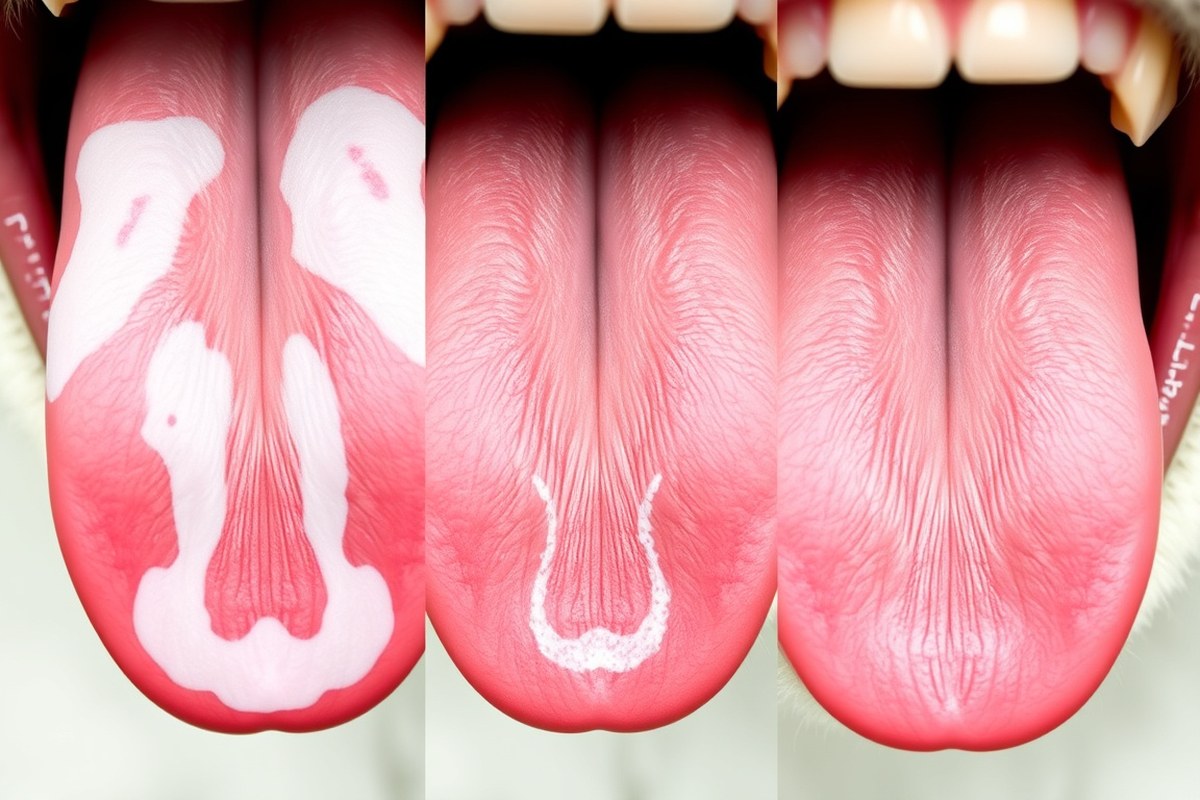
Identifying what type of white tongue you have starts with observing the appearance, texture, and any accompanying symptoms. Oral thrush, leukoplakia, and geographic tongue each present differently and require different approaches. Use a step-by-step look at the patches’ characteristics and your symptoms to help decide if you need medical evaluation or simply home care.
Distinguishing Oral Thrush Symptoms
Oral thrush is a fungal infection caused by Candida overgrowth. It appears as thick, white or sometimes yellowish patches on the tongue and inner cheeks. These patches often look creamy or cottage-cheese-like and can be wiped off, sometimes leaving a red, raw area underneath. You may notice soreness, difficulty swallowing, or a burning sensation. Oral thrush commonly affects people with weakened immune systems, those using inhaled steroids, or anyone who has recently taken antibiotics.
Because oral thrush is an infection, untreated cases can worsen or spread. Begin with gentle oral hygiene improvements and antifungal treatments if you suspect oral thrush. Coconut oil is one home remedy that may help reduce Candida, but persistent or painful white patches warrant professional care.
Recognizing Leukoplakia Characteristics
Leukoplakia causes white patches on the tongue or inside the mouth that cannot be scraped off. These patches look dry, thickened, and sometimes have a “hairy” appearance, especially in oral hairy leukoplakia. This condition often affects immunocompromised people and usually occurs due to chronic irritation, smoking, or alcohol use. Unlike thrush, leukoplakia patches generally do not cause pain or bleeding but can be pre-cancerous and require evaluation by a healthcare provider.
Leukoplakia patches are more persistent and do not respond to home remedies. When white patches remain despite good oral hygiene for several weeks, especially if they have a rough texture or uneven surface, a dental professional should examine them. Early diagnosis is important for managing potential risks.
Identifying Signs of Geographic Tongue
Geographic tongue features irregular, map-like, smooth patches that are red in the center with a white or light-colored border. These patches tend to change shape and location over days or weeks. The tongue generally remains moist and pink elsewhere. Geographic tongue is a benign condition caused by inflammation; it is not contagious or pre-cancerous. Most people have no symptoms beyond the appearance, though some may experience mild sensitivity to spicy or acidic foods.
Since geographic tongue doesn’t require treatment and the white borders are part of the normal pattern, it doesn’t fit the “white coating needing removal” category. Knowing this helps avoid unnecessary treatments. Persistent white coatings with uniform texture or thick buildup are not geographic tongue.
Assessing White Coating Thickness
The thickness of the white coating can help differentiate types of white tongue. Oral thrush typically forms thick, easily visible patches that can sometimes lift or scrape off. A thin white coating usually results from debris buildup, dry mouth, or mild irritation and may improve with brushing and rinsing. Leukoplakia patches are thick but cannot be removed by scraping.
Observe whether the white layer covers the entire tongue or appears in isolated patches. A consistent, uniform coating suggests simple debris or mild dehydration, while patchy or uneven white areas with distinct borders point towards medical causes like leukoplakia or geographic tongue. Use a clean tongue scraper or soft toothbrush to gently test if the coating comes off; don’t force this if it causes pain.
Noting Presence of Pain or Discomfort
Pay attention to whether the white patches cause pain, bleeding, or other symptoms such as difficulty swallowing or fever. Painful areas often indicate inflammation or infection, such as thrush or oral lichen planus, and usually require medical attention. Leukoplakia and geographic tongue typically cause little or no pain. Bleeding under white patches is unusual and should prompt prompt evaluation.
Any white tongue accompanied by pain, persistent discomfort, or changes that last more than two weeks needs assessment from a dentist or doctor. White patches with no pain or other symptoms usually point to benign causes or minor irritation but still merit monitoring. Recognizing these symptoms early helps decide if you need medical treatment or can manage at home.
White tongue that won’t come off with gentle scraping and lasts beyond two weeks should be checked by a healthcare professional to rule out serious conditions.
Which Tongue Cleaning Methods Work Best and Are They Safe?
The best tools to remove white tongue coating are tongue scrapers and soft toothbrushes, used gently and regularly. Tongue scrapers tend to be more effective than toothbrushes alone because they remove up to 75% more bacteria and debris. Mouthwashes can help, but choosing the right one and avoiding harsh types is essential for safety and results.
Toothbrush vs. Tongue Scraper
Using a soft-bristled toothbrush to clean your tongue is a simple option since you already have one. It can remove bacteria and white coating effectively if you brush gently from back to front. However, toothbrushes may not reach all the grooves and ridges of the tongue’s surface.
Tongue scrapers are made especially for cleaning the tongue and can be more effective than brushing alone. Research found that using a tongue scraper can lower bacteria on the tongue by up to 75% more than brushing does. These tools remove the white coating by scraping it away instead of brushing it off. Many people find scraping quicker and simpler to do.
Both tools require daily use for best results. You can combine them by brushing teeth and gums first, then using a scraper for a deeper cleaning. Avoid pressing too hard with either, which can irritate your tongue.
Materials of Tongue Scrapers Compared
Tongue scrapers come in copper, plastic, and silicone varieties. Each has benefits and safety considerations:
- Copper: Copper scrapers reduce bacteria effectively and have natural antimicrobial properties. They last a long time and can be cleaned easily but may feel stiff.
- Plastic: Plastic scrapers are flexible and affordable, often found at drugstores for $2 to $5. They may wear out faster and can harbor bacteria if not cleaned properly.
- Silicone: Silicone scrapers are gentle on the tongue, flexible, and easy to clean. They may be less effective at scraping thick buildup but are good for sensitive tongues.
Choosing a scraper depends on your tongue’s sensitivity and how thick the coating is. Copper or plastic scrapers typically remove more buildup, but silicone is safer for delicate tongues prone to irritation.
Mouthwash Types and Their Effects
Mouthwashes play a supportive role in managing white tongue by killing bacteria and reducing irritation. Alcohol-free therapeutic mouthwashes are preferred since alcohol can dry out your mouth and worsen white coating. Look for mouthwashes containing antiseptic ingredients like chlorhexidine or cetylpyridinium chloride.
Saltwater rinses are a natural alternative that can reduce inflammation without harsh chemicals. They also help maintain hydration, important for controlling white tongue. Avoid mouthwashes with strong whitening agents or excessive alcohol, which may irritate your tongue and delay healing.
Use mouthwash after tongue cleaning once or twice daily. Swish for about 30 seconds, then spit out. Consistency matters more than immediate effects, expect to see gradual improvement over several days.
Safety Tips for Tongue Cleaning Tools
Cleaning your tongue removes bacteria and improves oral health but must be done carefully. Use soft toothbrushes or smooth-edged scrapers. Avoid overly aggressive scraping or brushing that can cause soreness, small cuts, or swelling.
Always rinse your tongue cleaning tools after each use with warm water and dry them completely to prevent bacterial growth. Replace plastic scrapers every few months or when they show wear. Copper scrapers can be cleaned with vinegar or mild soap periodically to maintain hygiene.
Stop using any tool that causes pain, bleeding, or prolonged irritation and consult a dentist if problems continue. Combining proper hydration with gentle cleaning helps keep your tongue healthy without damage.
| Tool | Effectiveness | Material | Cost Range | Typical Use |
|---|---|---|---|---|
| Soft toothbrush | Moderate (removes coating with daily use) | Plastic handle, nylon bristles | $1, $5 (already owned) | Brush gently back to front |
| Tongue scraper (copper) | High (reduces bacteria by up to 75%) | Copper metal | $8, $15 | Scrape from back to front once daily |
| Tongue scraper (plastic) | High (similar to copper, but less antimicrobial) | Plastic | $2, $5 | Scrape gently from back to front daily |
| Tongue scraper (silicone) | Moderate (gentle, less scraping power) | Silicone | $5, $12 | Use gently on sensitive tongues |
| Alcohol-free mouthwash | Supportive (reduces bacteria, improves healing) | Varied antiseptics | $5, $15 per bottle | Rinse 30 seconds once or twice daily |
| Saltwater rinse | Natural, mild antiseptic and anti-inflammatory | Salt and warm water | Minimal (home-made) | Rinse 30 seconds daily or as needed |
Step-by-Step Daily Tongue Cleaning and Hydration Routine
To effectively reduce the white coating on your tongue, clean it twice daily and maintain good hydration by drinking enough water throughout the day. Daily tongue cleaning removes trapped bacteria and debris, while proper hydration keeps your mouth moist, limiting bacterial growth that causes the white film.
Morning Routine for Tongue Cleaning
Start your day by cleaning your tongue as part of your oral hygiene routine. This prevents the buildup of bacteria and white coating that often forms overnight. Use a tongue scraper or your toothbrush, whichever you prefer. Follow these steps for an effective morning tongue cleaning:
- Rinse your mouth with water to loosen debris on the tongue.
- Use a tongue scraper or a soft-bristled toothbrush to gently scrape from the back of the tongue forward.
- Rinse the scraper or brush after each pass to remove collected residue.
- Repeat the scraping 2 to 3 times, covering the entire surface of the tongue.
- Spit out any debris and rinse your mouth thoroughly with water.
- Brush and floss your teeth as usual to maintain overall oral hygiene.
- Use a mouthwash with antimicrobial properties if desired, but avoid harsh chemicals.
Doing this twice daily, both in the morning and at night, supports gradual removal of the white coating. Consistency matters since it targets the source of the buildup.
Hydration Guidelines for Oral Health
Hydration plays a key role in keeping your mouth healthy and preventing white tongue. A dry mouth encourages bacterial buildup, which leads to more white residue. Drinking enough water flushes out bacteria and keeps saliva flowing.
Aim to drink at least 64 ounces (about 8 cups) of water daily. You can increase this amount if you live in a dry climate or are physically active. Sip water regularly instead of drinking a large amount all at once to maintain steady moisture in your mouth.
Besides plain water, avoid beverages that dry out your mouth, such as excessive caffeine or alcohol. Staying well-hydrated helps reduce the chance of white tongue returning after cleaning it.
Additional Tips for Persistent White Tongue
If the white coating remains despite consistent cleaning and hydration, consider these variations:
- Use a tongue cleaning serum with gentle antimicrobial ingredients to slow microbial growth on the tongue surface.
- Increase the frequency of tongue cleaning to three times daily, especially if you notice buildup after meals.
- Maintain a balanced diet rich in fruits and vegetables to support your immune system and oral health.
- See a healthcare professional to rule out infections like oral thrush if white patches become thick or painful.
Persistent white tongue can result from underlying conditions, so adjusting your routine or seeking medical advice may be necessary for complete resolution.
Home Remedies That Actually Help Clear White Tongue
Several natural remedies can help reduce or clear a white coating on your tongue by targeting the buildup of bacteria, dead cells, or mild fungal infections. These at-home treatments often combine gentle exfoliation with antibacterial or antifungal properties, supporting healthier tongue hygiene. While these methods generally offer relief within days, consistent use and proper oral hygiene are key to avoiding recurrence.
Oil pulling with coconut oil is a popular choice that may reduce the white coating by cleansing the mouth of harmful bacteria. To do this, take about one tablespoon of coconut oil and swish it around your mouth for 10 to 15 minutes, then spit it out and rinse with water. Perform this daily, preferably in the morning before eating, for best results. Coconut oil costs around $5 to $15 for a jar and lasts for many uses.
Baking soda serves as a mild abrasive and natural antibacterial agent that helps remove dead cells and white residue. Mix half a teaspoon of baking soda with water to make a paste, apply it gently to your tongue with a soft toothbrush or your fingertip, and then rinse thoroughly. Doing this once daily can reveal a cleaner, pinker tongue within a few days without damaging the tissue. Avoid over-scrubbing to prevent irritation.
Neem, known for its antimicrobial and blood-purifying qualities, can assist in both treating and preventing white tongue from recurring due to infections or toxin buildup. You can find neem toothpaste or chewing sticks at health stores. Using these products during your regular brushing routine may reduce white patches over a week or two. Neem supplements or teas are also options but consult a healthcare provider before taking them internally.
Applying vegetable glycerin directly on the white-coated areas can soothe irritation and create a protective moisture barrier. Use a clean cotton swab to place a small amount on your tongue’s surface for about 5 minutes, then rinse if desired. Glycerin is inexpensive and widely available in pharmacies or online.
Curcumin, the active compound in turmeric, has anti-inflammatory and antifungal properties. A simple remedy is to mix turmeric powder with a few drops of water to form a paste, apply it gently on the tongue, and leave it for 5 minutes before rinsing off. Repeat once daily for a week. Turmeric is cost-effective, under $10 for a jar, and used cautiously to avoid staining.
- Coconut oil pulling: swish 1 tablespoon for 10, 15 minutes daily
- Baking soda scrub: half teaspoon paste applied once daily
- Neem-based toothpaste or chewing sticks as part of daily oral care
- Vegetable glycerin applied with cotton swab for 5 minutes
- Curcumin paste applied once daily for up to a week
Do not overuse scrubs or harsh treatments; gentle application avoids tongue irritation and maintains healthy tissue.
These home remedies usually work best as part of a regular oral care routine that includes proper brushing, flossing, and hydration. If the white coating persists beyond two weeks or is accompanied by pain, swelling, or other symptoms, see a dental professional for evaluation. Persistent white tongue could indicate underlying health issues requiring targeted treatment.
When to See a Doctor About Your White Tongue
Seek medical advice if your white tongue does not improve after two weeks of consistent home care. This timeline allows mild cases, which often clear up with proper oral hygiene and hydration, to resolve naturally. When the white coating persists beyond 14 days or worsens, it could indicate conditions like oral thrush, leukoplakia, or even oral cancer, all of which require professional evaluation.
Infections such as oral thrush, caused by an overgrowth of Candida yeast, often present as thick white patches on the tongue. People with weakened immune systems or those undergoing cancer treatments face increased risks. A healthcare provider can confirm the diagnosis through an oral exam or, if necessary, a biopsy, and prescribe antifungal medications or other targeted treatments. These medications may include topical antifungals like nystatin or prescription oral antifungals, which your doctor will dose based on the severity of the infection.
Ignoring a persistent white tongue can lead to complications. If oral thrush remains untreated, it can spread inside the mouth, causing discomfort and difficulty swallowing. In cases of leukoplakia, white patches can develop into precancerous lesions or oral cancer. Early detection through professional diagnosis greatly improves treatment success rates. Therefore, consulting your doctor as soon as these warning signs appear is important.
You should also seek medical attention right away if you notice pain, bleeding, or if the white areas become thickened or raised. Other signs that warrant prompt evaluation include unexplained weight loss, persistent bad breath, or difficulty eating. Your healthcare provider may assess for underlying health problems like diabetes, which can contribute to white tongue symptoms.
To decide whether to consult a doctor, watch for these key signals: no improvement after two weeks, worsening or spreading of white patches, associated pain or bleeding, and any signs of systemic illness. Professional treatment might involve antifungal medications, biopsy to rule out cancer, or specialized care for related diseases. While home remedies can be effective for mild cases, a clear and accurate diagnosis will ensure you receive the appropriate treatment to prevent complications.
How Lifestyle and Oral Hygiene Habits Affect White Tongue
Dry mouth plays a significant role in causing white tongue by reducing saliva flow. Saliva naturally cleanses your mouth and helps remove dead cells that build up on the tongue’s surface. Without enough saliva, these cells accumulate, forming a white coating. To address dry mouth, drink water regularly throughout the day, aiming for at least 64 ounces (about eight 8-ounce glasses). Avoid alcohol and smoking, as both dry out your mouth and lower saliva production. Using a humidifier at night can also keep your mouth moist while you sleep. If medication causes dry mouth, consult your doctor about possible alternatives.
White tongue often leads to bad breath because the dead cells and bacteria trapped in the coating release unpleasant odors. Tackling both issues requires consistent oral hygiene, including brushing your teeth and tongue twice daily, flossing, and rinsing. Using a tongue scraper after brushing removes buildup more effectively than brushing alone. Mouthwashes that contain antibacterial agents can help, but it’s important to avoid alcohol-based rinses, which can worsen dryness. Look for mouthwashes labeled as alcohol-free or those containing ingredients like chlorhexidine or cetylpyridinium chloride.
Replacing your toothbrush every three months is a simple habit that can reduce white tongue. An old toothbrush harbors bacteria, which can recontaminate your mouth each time you brush. Opt for a toothbrush with soft bristles and, if possible, one designed with a built-in tongue cleaner on the back of the head. This investment typically costs between $3 and $10, depending on the brand. Regular toothbrush replacement helps maintain overall oral cleanliness and prevents the white coating from recurring.
White tongue can come back if underlying lifestyle factors aren’t addressed. Smoking and drinking alcohol decrease saliva production, promoting a dry mouth environment where white tongue thrives. Quitting smoking and limiting alcohol to no more than one drink per day, as suggested by the Cleveland Clinic, significantly lowers the chance of recurrence. Dietary choices also matter; a diet heavy in sugary, starchy, or processed foods can feed the bacteria that contribute to the white coating. Incorporating fibrous fruits and vegetables stimulates saliva and naturally cleans your tongue.
Mouthwash can be effective, but selecting the right type is important. Alcohol-based mouthwashes may clean your mouth but can dry it, making white tongue worse. Instead, use alcohol-free products formulated for dry mouth or those with antimicrobial properties. Overuse of antiseptic mouthwashes may upset your mouth’s natural balance of bacteria, so limit use to once daily or as directed. Regular rinsing with plain water can also help keep your mouth moist and clear debris without risking dryness.
Common Mistakes When Treating White Tongue and How to Fix Them
Treating white tongue effectively requires avoiding some common mistakes that can delay healing or irritate your tongue further. One frequent error is over-scraping the tongue. Using a hard brush or applying too much pressure can cause soreness or small cuts, which may worsen the white coating by causing inflammation or trapping bacteria.
Skipping proper hydration is another major issue. Water helps flush away dead cells and bacteria that contribute to the white appearance. Experts like the Cleveland Clinic recommend drinking at least eight glasses of water daily, and people with dry mouth may need 8 to 12 cups according to the National Institute of Dental and Craniofacial Research.
Ignoring persistent symptoms also poses risks. When the white coating lasts more than two weeks despite thorough oral hygiene and hydration, consulting a healthcare professional is necessary to rule out infections or other medical conditions.
- Do not scrape your tongue more than once daily to avoid irritation.
- Use a gentle tongue cleaner or a soft-bristle toothbrush rather than abrasive tools.
- Drink at least 64 ounces (eight 8-ounce glasses) of water daily to stay hydrated.
- Follow up daily cleaning with rinsing your mouth with saltwater or an antiseptic mouthwash.
- Track progress for at least two weeks; if no improvement, get a dental or medical evaluation.
Monitoring how your tongue responds to home remedies helps determine if professional care is necessary. Good results include a gradual decrease in the white coating’s thickness and less discomfort. When the white layer remains thick, spreads, or is accompanied by pain, swelling, or bad breath, these are signs to schedule a visit to your dentist or doctor.
Be consistent but gentle with tongue cleaning, and increase water intake to help clear your white tongue safely.
Step-by-Step Action Plan to Clear White Tongue
Follow this straightforward plan to identify your white tongue’s cause, apply effective care, and know when to get medical advice.
- Day 1: Assess Your Tongue, Check your tongue’s appearance and symptoms to identify the likely cause. A thick white coating may suggest dehydration or poor hygiene, while painful white patches could need medical attention. Successful identification means you know whether to start home care or see a doctor.
- Day 1: Start Daily Tongue Cleaning, Use a tongue scraper or a soft toothbrush every morning to gently remove the white coating. Improved tongue texture or less coating after 3 days shows this works.
- Days 1, 7: Increase Hydration, Drink at least 8 cups of water daily to help flush bacteria and dry mouth. You’ll notice less dryness and a thinner coating within a week if hydration is effective.
- Days 2, 7: Apply Safe Home Remedies, Try rinsing with saltwater or an alcohol-free mouthwash once or twice daily. Reduced whiteness or less irritation signals these remedies help.
- Week 2: Improve Oral Hygiene Habits, Brush teeth twice daily, floss, and avoid smoking or excessive alcohol. Consistent improvement in overall mouth freshness and tongue appearance indicates progress.
- After 2 Weeks: Evaluate Progress, If white tongue persists, worsens, or is painful, schedule a visit with a healthcare professional. Knowing when home care isn’t enough prevents complications.
- Ongoing: Maintain Routine and Monitor, Continue tongue cleaning and hydration, avoid irritants, and watch for recurrence. Clear, healthy tongue texture over time shows prevention success.
Frequently Asked Questions
Can Certain Foods Help Clear White Tongue?
Yes, fruits like pineapple and papaya contain enzymes that can help break down the white coating and promote a healthier tongue surface. Incorporating these fruits into your diet may support removing the white tongue naturally.
Is White Tongue a Sign of Dehydration?
White tongue can indicate dehydration because a dry mouth encourages coating buildup. Drinking plenty of water daily helps keep your mouth moist and may reduce the white layer on your tongue.
Can Glycerin Improve White Tongue Symptoms?
Glycerin can soothe dry mouth, one common cause of white tongue, by keeping the tongue moist. Using glycerin-based mouth sprays or gels might help reduce white tongue caused by dryness.
Does Turmeric Treat White Tongue Effectively?
Turmeric’s curcumin content helps prevent oral pathogens, supporting oral health and reducing white tongue. Applying turmeric powder or rinsing with a turmeric solution twice daily may aid in clearing white tongue.
Can Quitting Smoking Help Clear White Tongue?
Smoking contributes to white tongue by irritating oral tissues and reducing saliva flow. Quitting smoking can improve oral health and reduce white tongue over time.
Are Antibiotics Ever Needed for White Tongue?
Antibiotics are rarely needed unless a bacterial infection causes white tongue. Most cases resolve with home care or antifungal treatments if caused by Candida. Consult a doctor for proper diagnosis.
The Bottom Line
White tongue often clears up with consistent care using proper cleaning and hydration, but staying mindful of any changes or discomfort is key. Try adding a gentle tongue scraper to your daily routine tonight, focusing on light, thorough strokes for about 30 seconds. Watching how your tongue responds over the next few days can help you adjust your care or decide if a medical check is needed.



2 Comments