How to Get Rid of Bruises Fast: 8 Proven Methods That Work
To get rid of bruises fast, start by applying a cold compress immediately after injury to reduce swelling and minimize discoloration. Improve the bruised area and use gentle pressure to promote blood flow and healing. While complete disappearance usually takes several days, these steps can speed recovery and lessen the bruise’s appearance. Consuming foods rich in vitamin C and K also supports faster healing.
This advice suits anyone dealing with minor bruises, from parents to athletes or elderly individuals wanting quick relief. You’ll learn proven treatments, diet tips, how to manage severe bruises, and common mistakes to avoid. Several home remedies and adjustments based on bruise location and severity can help you reduce bruising more effectively.
Key Takeaways
- Apply an ice pack for 15 minutes every few hours during the first 24 hours to reduce swelling and speed healing of bruises.
- After 24 hours, switch from ice to warm compresses to improve blood flow and help break down trapped blood in the bruise.
- Use ointments with 35% comfrey extract topically to support faster bruise recovery and reduce inflammation safely at home.
- Expect bruises to take about 2-3 weeks to fade depending on severity; persistent bruises beyond 2 weeks require professional care.
- Stop self-treatments and consult a doctor if bruising worsens or shows no improvement after 24 hours to avoid complications.
- Avoid common mistakes like applying heat too soon or neglecting rest, which can worsen bruises and delay healing.
1. How to Treat Bruises Immediately for Faster Healing

The first 48 hours are important for minimizing bruising and speeding healing. Acting quickly to reduce blood flow to the injured area helps limit tissue damage and swelling. Start with cold therapy immediately to constrict blood vessels and reduce bleeding under the skin. After a day, switch to gentle heat to increase circulation and support healing. Elevating the injured area also slows fluid buildup and relieves pain. Compression can reduce swelling, but it must be applied carefully to avoid making the bruise worse.
- Apply Ice Immediately: As soon as you notice the bruise, wrap an ice pack or frozen vegetables in a thin cloth. Place it on the bruised spot for 10 to 15 minutes. Remove the ice and wait at least 20 minutes before reapplying. Repeat this cycle every hour while awake for the first 24 hours to reduce swelling and limit bruising.
- Limit Ice Use to the First 24 Hours: Use cold therapy only within the first day. After 24 hours, stop icing to avoid restricting circulation that’s necessary for healing.
- Switch to Heat After 24 Hours: Apply a warm compress or heating pad for 10 to 20 minutes starting 24 hours after injury. Do this up to 48 hours post-injury to increase blood flow and remove pooled blood, which helps the bruise fade faster.
- Improve the Injured Area: Keep the bruised limb or area raised above your heart level as much as possible. Improve positioning helps drain fluids away, reducing swelling and discomfort.
- Use Compression Carefully: Light compression with an elastic bandage can help reduce swelling if used properly. Wrap the bandage snugly but not tightly enough to cause numbness or increase pain. Remove the bandage before sleeping and loosen it if circulation feels restricted.
- Monitor and Rest the Area: Avoid heavy use of the bruised area during the initial 48 hours, allowing tissue repair to begin. Overworking it can worsen pain and swelling.
Following these immediate steps provides the best conditions for faster healing. Ice therapy slows blood flow to keep the bruise smaller, while heat therapy after 24 hours promotes circulation for repair. Elevation and compression help control swelling, and gentle rest prevents further injury. Always use a cloth barrier between ice or heat and your skin to avoid frostbite or burns.
2. Understanding Bruises: Formation, Types, and Healing Timeline
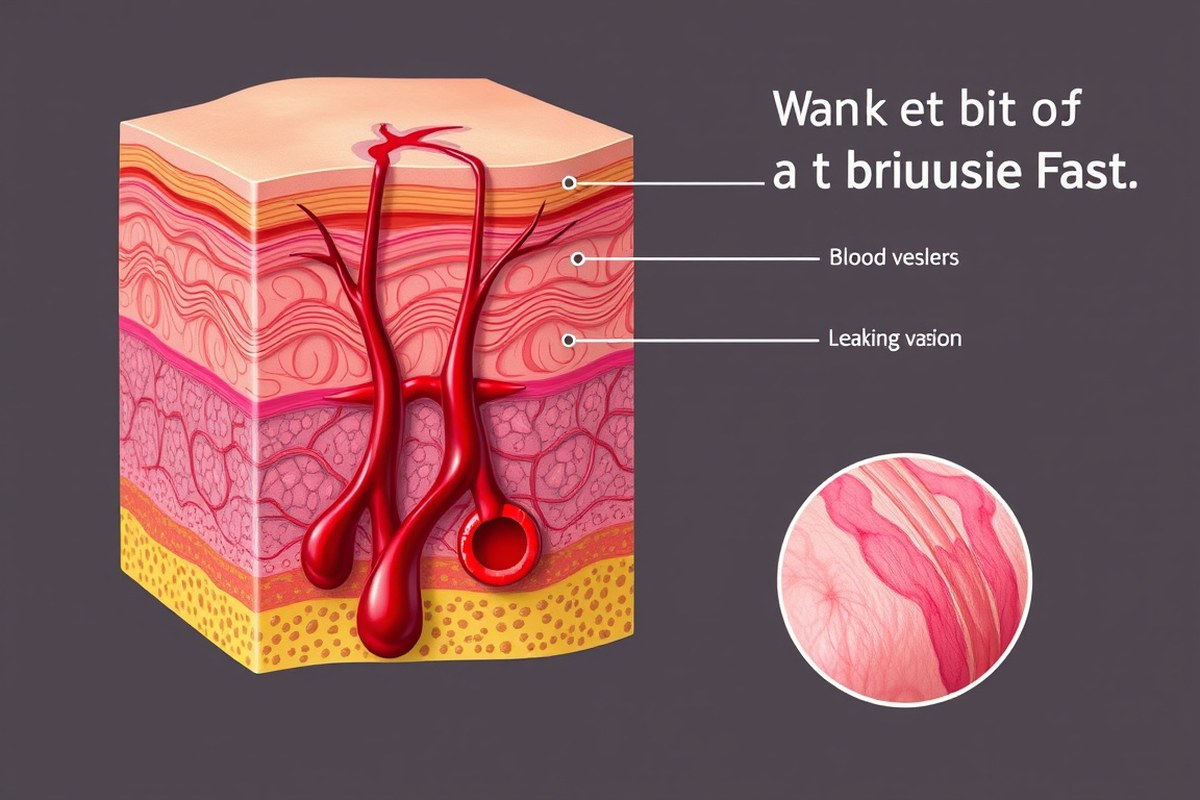
A bruise is an injury to the small blood vessels under your skin, caused by a bump or impact. These vessels break and leak blood, creating the visible discoloration known as a bruise. The time it takes for a bruise to heal depends on its size and severity but usually ranges from 2 to 3 weeks, passing through distinct color changes that reflect the healing process.
What Causes Bruises and Their Characteristics
A bruise forms when tiny blood vessels called capillaries rupture due to trauma or pressure, releasing blood into the surrounding tissues. This bleeding beneath the skin creates that familiar black, blue, or purple mark. The body’s immune system then starts to clear away this blood, leading to changes in color and gradual healing. Knowing that a bruise is basically trapped blood helps explain why cooling the area right after injury can reduce swelling and limit its size.
The severity of a bruise depends on how many vessels burst and how deeply the bleeding spreads. Superficial bruises stay close to the skin surface and are often smaller and less painful. Deeper bruises, especially after strong impacts or injuries, may be larger and involve swelling or discomfort. These differences affect how long a bruise lasts and how well you can treat it.
Common Types of Bruises Explained
Bruises generally fall into several categories based on how and where they form. Simple bruises occur with minor trauma, such as bumping a knee, and show typical discoloration on the skin’s surface. Larger or more painful bruises may involve muscle tissue underneath, called a contusion, which can cause more swelling and stiffness. You might notice these bruises feel tender and restrict movement depending on their location.
Other types include petechiae, which are tiny red or purple dots on the skin caused by very small capillary leaks, and purpura, larger patches of bruising that might signal underlying health issues or blood-clotting problems. Identifying the type of bruise helps decide whether home care is enough or if medical attention is necessary, especially when bruises appear without clear injury, last unusually long, or increase in pain.
Bruise Color Changes and Healing Duration
The most visible sign of a bruise healing is its changing color over time. Right after the injury, you usually see a dark blue or purple mark due to fresh, trapped blood. Within 1 to 2 days, it may turn black or greenish as blood cells break down. By days 5 to 10, the bruise often shifts to yellow or brown, which means your body is reabsorbing the blood and cleaning the area.
Typically, bruises fade completely within 2 to 3 weeks. This timeline can vary based on bruise size, location, and your body’s healing ability. Older adults may experience slower healing, and bruises on areas with thicker skin tend to last longer. Keeping an eye on the progression of colors can reassure you that healing is underway and help you spot any unusual changes like worsening pain or swelling that need medical evaluation.
Apply ice soon after injury and avoid heat during the first 48 hours to control swelling and minimize bruise size effectively.
3. Topical Treatments for Bruises: What Works and What Doesn’t
Topical treatments like vitamin K cream and arnica gel are commonly used to reduce bruising, inflammation, and discoloration. Natural remedies such as aloe vera, comfrey, and certain essential oils can also offer some relief if applied properly. The effectiveness of these treatments varies, so understanding their properties and the correct application is key to faster bruise recovery.
Vitamin K Cream and Arnica Overview
Vitamin K cream and arnica gel are among the most popular commercial topical treatments for bruises. Vitamin K helps the body use calcium to strengthen blood vessel walls, which may reduce the severity of bruises and speed up healing. Arnica, derived from the Arnica montana plant, is believed to reduce inflammation and swelling. Both are available over the counter at pharmacies, usually costing between $10 and $20 depending on the brand and size.
While vitamin K creams and arnica gels can help reduce bruising, evidence on how much they speed healing is limited. They are best used early after a bruise forms, preferably within the first 24 to 48 hours. Applying these treatments up to two or three times daily for a week can improve the skin’s appearance as the bruise fades.
Natural Remedies: Aloe Vera, Comfrey, and Essential Oils
Aloe vera gel is widely recommended for its soothing and anti-inflammatory properties. Applying aloe vera topically helps reduce pain and swelling associated with bruises. Look for pure aloe vera gel, and apply it 2 to 3 times daily to the affected area for gentle relief. It is safe for most skin types and does not usually cause irritation.
Comfrey is another home remedy used to treat bruises. It contains allantoin, which can promote cell regeneration, potentially speeding skin repair. Comfrey creams or ointments should be used cautiously, applied only to unbroken skin, and not more than twice daily. Prolonged use or application on open wounds is not recommended due to potential liver toxicity risks from compounds called pyrrolizidine alkaloids.
Essential oils such as lavender and tea tree are sometimes used for bruises because they have anti-inflammatory and antiseptic effects. However, essential oils should never be applied undiluted. Dilute them in a carrier oil, such as coconut or almond oil, at a concentration of about 1%. Test on a small skin area first to check for allergic reaction. Use with caution on sensitive skin or children.
| Topical Treatment | Key Benefits | Application Tips | Safety Notes |
|---|---|---|---|
| Vitamin K Cream | Strengthens blood vessel walls, may reduce discoloration | Apply 2-3 times daily within 48 hrs of bruising | Safe for most skin types; avoid broken skin |
| Arnica Gel/Cream | Reduces inflammation and swelling | Apply 2-3 times daily early after injury | May cause skin irritation; avoid broken skin |
| Aloe Vera Gel | Soothes skin, reduces pain and swelling | Apply 2-3 times daily to bruise | Generally safe; test first for sensitivity |
| Comfrey Cream/Ointment | Promotes skin regeneration | Apply up to twice daily, only on intact skin | Do not use on open wounds; avoid prolonged use |
| Essential Oils (Lavender, Tea Tree) | Anti-inflammatory and antiseptic properties | Dilute 1% in carrier oil; test patch first | Not for undiluted use or sensitive skin |
Using these topical treatments properly is essential for safety and effectiveness. Many people combine approaches, such as applying vitamin K cream after using ice packs and then soothing with aloe vera. Monitoring skin reaction and stopping any treatment that causes irritation helps avoid setbacks in healing.
Application Guidelines and Safety Precautions
Apply topical creams and gels gently with clean hands or a cotton swab. Avoid rubbing the bruise harshly, which can worsen tissue damage. Use a thin layer covering the bruise and surrounding skin. Reapply the treatment 2 to 3 times daily for several days during early bruise recovery.
For essential oils, mix about 3 to 6 drops into 1 tablespoon of carrier oil before applying. Perform a patch test on the inner forearm 24 hours before full use. Discontinue use if redness, itching, or burning occurs. Pregnant women and young children should consult a healthcare provider before using essential oils.
Avoid applying any topical treatment on broken or open skin to prevent infection. Stop using products if allergic reactions or rashes develop. Consult a doctor if the bruise worsens, becomes painful, or shows signs of infection despite treatment.
4. Diet, Supplements, and Lifestyle Tips to Speed Bruise Recovery
Vitamins K, C, and B12 play important roles in speeding up bruise healing. Vitamin K supports proper blood clotting, which helps stop bleeding under the skin faster. You can find vitamin K in leafy green vegetables like kale, spinach, and broccoli. Vitamin C promotes collagen production and protects tissues from oxidative damage, assisting in quicker repair of the skin and blood vessels. Citrus fruits, strawberries, bell peppers, and tomatoes are good sources of vitamin C. Vitamin B12 supports blood health and the formation of red blood cells, which helps clear bruises faster; foods such as eggs, dairy products, and fortified cereals provide B12.
Including pineapple in your diet can also aid bruise recovery. Pineapple contains bromelain, an enzyme with anti-inflammatory properties that may reduce swelling and promote healing. Eating fresh pineapple regularly or drinking pineapple juice after bruising can help your body flush away the bruise more efficiently. A balanced diet rich in protein supports tissue repair by providing the building blocks necessary for healing.
Avoid foods and supplements known to worsen bruising during the initial 48 hours after injury. Substances like aspirin, ibuprofen, vitamin E supplements, and fish oil can interfere with blood clotting and increase bleeding under the skin, resulting in larger or more persistent bruises. Staying away from spicy foods and alcohol during this time also prevents vasodilation, a widening of blood vessels that can make bruises worse. Also, cutting back on processed foods, fast foods, and those high in sugar helps reduce inflammation, supporting your body’s natural healing processes.
For those who bruise easily or are older, maintaining a balanced diet rich in these nutrients is important to prevent bruising and speed healing. In particular, older adults may benefit most from ensuring adequate vitamin K and C intake to strengthen blood vessels and support clotting. Taking care to rest and avoid heavy exercise or activities that raise blood pressure right after bruising also aids dietary efforts by limiting additional blood vessel damage.
Supplements designed for bruise recovery are sometimes recommended to complement diet. Products containing a combination of vitamin C, vitamin K, and herbal extracts such as comfrey or arnica may reduce inflammation and speed healing. For oral supplements, following the label instructions is important. For example, taking bruise supplements twice daily can provide a steady supply of healing nutrients, but avoid starting any new supplement without consulting a healthcare professional, especially if you use blood thinners or other medications.
5. Preventing and Managing Complications: When to See a Doctor
Seek medical attention if your bruise does not improve noticeably within 24 hours of self-care or if swelling or pain continues for more than four weeks. Persistent symptoms might indicate complications such as deep muscle bruises or hematomas, which require professional evaluation. Also, bruises from high-impact injuries that remain painful or large past two weeks should be examined by a healthcare provider to rule out underlying tissue damage.
Watch for signs that suggest a bruise needs urgent assessment. Large spontaneous bruises larger than 3 cm (about the size of a golf ball) without a clear injury, multiple bruises appearing suddenly in different parts of the body, or bruises accompanied by unusual bleeding from cuts or gums may signal blood clotting disorders or other health issues. Seek prompt care if you experience severe fatigue, dizziness, or unexplained weight loss along with bruising.
Recurring bruising without obvious cause also warrants a medical checkup. This may point to underlying conditions affecting your blood vessels or clotting factors. Older adults or people on blood-thinning medications should be particularly cautious. Being proactive can help avoid complications by identifying any serious health problems early.
- Bruises not improving after 24 hours of treatment
- Swelling or pain lasting beyond 4 weeks
- Bruises larger than 3 cm without injury
- Multiple unexplained bruises in different areas
- Persistent bleeding or bruising with other bleeding signs
- Severe fatigue, dizziness, or unexplained weight loss
- Recurring bruising without clear reason
Keep a photo record and notes of your bruise size and color changes weekly to share with your doctor if problems persist.
Hematomas can be more serious than typical bruises and may require treatments such as drainage, especially if they form near important organs or the brain. Immediate emergency care is needed for symptoms like severe headache, confusion, or neurological changes after a head bruise. Older individuals and people with fragile skin need extra monitoring since their bruises may appear more severe and can take longer to heal. Clear communication with your healthcare provider about your symptoms, medications, and medical history will guide the safest and most effective care for complicated bruising.
6. Common Mistakes When Treating Bruises and How to Fix Them
Applying heat too soon after a bruise forms is a common mistake that can make the injury worse. Heat increases blood flow, which might seem helpful, but in the first 48 hours after bruising, it can cause more blood to leak into surrounding tissues. This increases swelling and deepens the discoloration. Instead, keep the area cool using an ice pack wrapped in a thin cloth for 10 to 20 minutes every hour or two during the first day. This reduces blood flow, slowing bleeding under the skin and helping to control inflammation. Avoid placing ice directly on the skin to prevent frostbite, especially on sensitive areas like the face.
Overusing ice is another error some people make. Leaving an ice pack on for too long or applying it repeatedly without breaks can cause skin damage, including frostbite and nerve irritation. Limit icing sessions to 15 to 20 minutes, followed by at least 40 minutes without ice. For sensitive skin, especially in elderly individuals or children, reduce the icing time or place a thicker barrier like a towel between the ice and skin. Any pain or numbness caused by icing is a sign to stop immediately and switch to other remedies such as gentle elevation or topical treatments recommended for bruises.
Another frequent misstep is ignoring the need to improve the bruised area. Gravity pulls blood downward, so keeping the bruised limb improve above heart level slows the pooling of blood and reduces swelling. Bruises on a leg should be propped on pillows when sitting or lying down. Face bruising benefits from a slightly raised head position to minimize swelling.
Using home remedies without timing can also backfire. For example, applying vinegar or onion juice on a fresh bruise may sting or irritate the skin if used too soon. Wait until the initial swelling has gone down, usually after 48 hours, then apply these remedies twice daily to reduce inflammation. Start them gently; apply a small amount with a cotton swab and watch for any skin reaction.
Repeatedly touching or massaging a fresh bruise increases trauma and may spread the injury, leading to a larger contusion. Once initial swelling has decreased, gentle massage around, not on, the bruise can encourage circulation and healing. Always be gentle, and avoid aggressive rubbing.
People sometimes skip protective measures, exposing bruises to direct sunlight. Sun exposure can darken the bruise and slow healing. Protect healing skin with loose clothing or sunblock rated SPF 30 or higher when outdoors.
Failures to adjust care based on bruise location or severity cause delays in recovery. Deep bruises, such as those on the legs, tend to heal more slowly and benefit more from sustained elevation and consistent topical treatments. Facial bruises may respond better to cold compresses combined with natural remedies like cabbage leaves, known for reducing inflammation. Elderly skin bruises easily and may require milder, more frequent applications of cold and topical treatments, avoiding harsh or irritating substances.
Correcting these mistakes involves applying cold promptly but moderately, avoiding heat early on, lifting the injured area, protecting bruises from sunlight, carefully timing topical applications, and adapting treatment to the bruise’s location and your specific situation. These steps minimize worsening and promote faster recovery.
7. Tailoring Bruise Care: Adjustments for Severity, Location, and Age
Treating bruises effectively means adjusting your care based on factors like how severe the bruise is, where it’s located, and your skin type or age. These differences matter because they affect how quickly bruises heal and what kind of treatment is safest. Taking a tailored approach helps reduce healing time and avoid complications.
Age-Related Healing Differences and Adjustments
As you get older, your skin naturally thins and becomes more fragile, which slows down bruise healing. People over 60 often notice that bruises last longer, sometimes weeks, due to reduced collagen and blood vessel resilience. This age-related change means you should avoid aggressive massage or harsh topical treatments on bruises, opting instead for gentle care and allowing more time for rest.
Older adults taking medications like prednisone or with extensive sun damage may see darker or “bruise-like” spots that are actually related to skin thinning rather than new trauma. These spots call for a healthcare provider’s evaluation rather than self-treatment because they might indicate other skin issues. Protecting your skin daily with moisturizers and avoiding unnecessary trauma supports healing in mature skin.
Care Recommendations for Sensitive or Mature Skin
If your skin is sensitive or has aged significantly, it’s important to use mild, fragrance-free creams or ointments to avoid irritation. Avoid applying ice directly to the skin; wrap it in a thin cloth and limit use to 15-minute intervals to prevent frostbite or further damage. Warm compresses applied after 48 hours can boost circulation and speed recovery but should be gentle to prevent overstressing fragile skin.
Keep the bruised area clean and moisturized with hypoallergenic products to maintain skin barrier integrity. Rest and limit movement around the bruise to reduce the risk of worsening injury. For bruises on thin skin, such as the forearms of elderly patients, skip rubbing or scratching, which can worsen the damage and delay healing.
Treatment Variations Based on Bruise Location
Bruises on the face require special care since the skin is thinner and more delicate. Use cold compresses initially to reduce swelling and avoid strong topical creams that may cause redness or irritation. Applying gentle pressure when cleaning and moisturizing is necessary to avoid pain or further bruising. Because the face has more blood flow, bruises tend to heal faster but are more noticeable, so protecting the area from sun exposure is important to prevent discoloration.
On limbs like arms and legs, you can be more flexible with treatments. Cold packs help during the first 24 to 48 hours to minimize swelling, then warm compresses promote circulation and healing afterward. Elevating the bruised limb can reduce blood pooling and discomfort, especially with larger or deeper bruises. These areas can tolerate modest massage as healing progresses but only if it feels comfortable and doesn’t worsen tenderness.
8. Additional Home Remedies and Alternative Compresses for Bruises
Natural compresses can offer more options for bruises beyond the usual ice and heat packs. Bromelain, an enzyme found in pineapple, is known for its anti-inflammatory properties that help reduce swelling and speed healing. Eating two to three servings of pineapple daily or applying a fresh pineapple slice directly to the bruise for 10 to 15 minutes can be effective. Be cautious with direct fruit application: test first on a small skin area to avoid irritation.
Witch hazel is another natural remedy to consider. Its antioxidant polyphenols provide astringent effects that may decrease swelling and support skin healing. Apply witch hazel liquid with a cotton ball to the bruise twice daily, allowing it to dry naturally. It’s affordable and generally safe, but avoid use on broken skin to prevent irritation.
Banana peels have potassium and antioxidants, which may soothe bruised skin. Rub the inside of a fresh banana peel gently over the bruise for 5 to 10 minutes, then rinse with cool water. Repeat this process two or three times daily. This method is simple and low cost but may not replace more potent treatments for larger bruises.
- Arnica gel or cream: apply thinly to reduce inflammation and discoloration.
- Cold chamomile or green tea bags: use cooled bags as compresses to ease swelling.
- Papaya slices: contain papain, an enzyme similar to bromelain, that can decrease bruising.
- Raw potato slices: sometimes used to reduce mild swelling by placing over bruises for 10 minutes.
- Aloe vera gel: apply for its soothing and anti-inflammatory effects.
- Cold cucumber slices: help with swelling and cooling discomfort.
- Gentle massage with vitamin E oil after the bruise has started healing can improve skin appearance.
Test any topical natural remedy on a small skin patch first to check for allergic reactions or irritation before applying extensively.
Different bruises and body areas may respond better to some remedies than others. For instance, arnica is preferred for insect bites and stings, where inflammation is prominent. Enzyme-rich fruits like pineapple and papaya can be more helpful in reducing internal clots and swelling. For bruises on sensitive skin like the face or lips, gentle witch hazel compresses and aloe vera might be safer choices. Cost-wise, these treatments often range from inexpensive to moderate, using items you can find at grocery stores or pharmacies. Results typically include visible reduction in swelling and discoloration within a few days of regular use. Avoid applying any compresses to open wounds or skin with cuts to prevent complications.
Step-by-Step Action Plan to Get Rid of Bruises Fast
Follow these steps to treat bruises effectively at home, speed healing, and know when to get medical help. Track your progress to adjust care as needed.
- Immediately after injury: Apply a cold compress or ice wrapped in a cloth on the bruise for 10, 20 minutes every hour during the first 24 hours. You’ll know it’s working when swelling and pain start to decrease.
- Within 24, 48 hours: Switch to gentle warm compresses for 10 minutes a few times a day to improve blood flow and promote healing. The bruise should begin to show color changes from dark purple or blue to greenish or yellow.
- Day 2 onwards: Apply topical vitamin K cream or arnica gel once or twice daily. Improvement shows as fading discoloration and reduced tenderness.
- Daily diet and supplements: Include vitamin C-rich foods like oranges and bell peppers and consider a vitamin C supplement to support tissue repair. You’ll notice bruises healing faster and less pain over days.
- Avoid harmful habits: Don’t massage the bruise or take aspirin (unless prescribed), as these can worsen bruising. If you see continued swelling or more discoloration, adjust care accordingly.
- Watch for complications: Seek medical care if the bruise is unusually large, painful, or swollen for over two weeks, or if you develop numbness or severe pain. Proper diagnosis prevents serious issues.
- After 1, 2 weeks: Continue gentle care and protect the area from further trauma. The bruise should be fading steadily and pain should be minimal or gone by now.
Frequently Asked Questions
Can Applying Heat Help Get Rid of Bruises Faster?
Applying heat after 48 hours can improve blood flow and speed healing, but avoid heat in the first 48 hours to prevent swelling. Use a warm compress for 10 to 15 minutes several times a day once swelling has reduced.
Does Rubbing a Bruise Help It Heal Quicker?
Rubbing a bruise is not recommended as it can worsen tissue damage and delay healing. Gentle touch or light massage after a few days may help break up pooled blood safely.
Can Vitamins Reduce the Appearance of Bruises?
Vitamins C and K may support bruise healing by strengthening blood vessels and aiding clotting. Including foods rich in these vitamins can help but won’t make bruises disappear immediately.
Is It Safe to Use Essential Oils on Bruises?
Some essential oils like lavender or arnica have properties that may reduce swelling and pain, but they should be diluted and patch-tested first. Avoid if you have sensitive skin or allergies.
Will Elevation Speed Up Bruise Recovery?
Elevating the bruised area above heart level reduces blood flow and swelling, helping bruises fade faster. Try to keep the limb improve as much as possible during the first 24 to 48 hours.
Can Makeup Completely Cover Bruises?
Makeup can hide bruises temporarily but doesn’t speed healing. Using a color corrector before foundation provides better coverage for darker bruises.
Key Points to Remember
Taking swift action to treat bruises can significantly reduce healing time and discomfort. Applying a cold compress within the first 24 hours and maintaining a diet rich in vitamin C and K will help your body repair damaged blood vessels more effectively. Start by keeping a cold pack ready at home so you can apply it immediately after an injury happens.