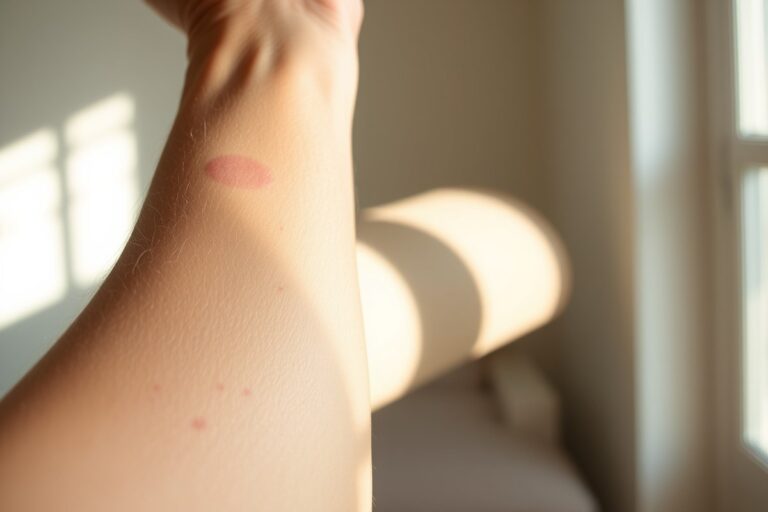
How to Get Rid of Bruises: 8 Proven Methods to Heal Faster at Home
To get rid of bruises faster, start by applying ice to reduce swelling within the first 48 hours, then switch to heat therapy afterward to boost circulation. Elevating and gently compressing the bruise can also speed healing, along with using topical remedies like arnica or vitamin K. Eating nutrient-rich foods supports your body’s repair process while avoiding substances that worsen bruising helps as well.
These methods work well for most people dealing with minor injuries, athletes, parents managing kids’ bruises, and the elderly. You’ll find practical tips on how to get rid of bruises on legs, face, and other common spots, plus how to tailor care by age or bruise location to avoid mistakes and know when to seek medical advice.
Key Takeaways
- Use ice packs on the bruise for 15 minutes every few hours during the first 48 hours to decrease blood flow and keep the bruise from spreading.
- Switch to warm compresses after 48 hours to boost circulation and help break down blood clots in the bruise area.
- Improve and compress the bruised area to minimize swelling and support faster healing.
- Use topical treatments like 35% comfrey extract ointment, arnica, or witch hazel to reduce bruising and inflammation.
- Avoid blood-thinning substances and maintain a nutrient-rich diet with vitamin K to support skin repair during healing.
- Most bruises heal within two weeks; seek medical advice for bruises that persist longer or have extreme severity scores.
1. What Causes a Bruise and Why Colors Change

A bruise happens when tiny blood vessels beneath the skin rupture after an injury, leaking blood that collects under the skin and causes the discoloration you see. The bruise’s size and how deep it goes depend on how hard you were hit and where it happened. Most bruises come from minor bumps and don’t cause harm, but larger blood pools called hematomas may lead to more swelling and firmness.
The changing colors of a bruise tell the story of your body healing. Right after an injury, the bruised skin typically looks red because of fresh, oxygen-rich blood collecting under the skin. As your body starts breaking down the trapped blood cells, the bruise darkens to blue or purple within a day or two. This happens because the hemoglobin in red blood cells loses oxygen and changes color as it degrades.
After a few days, the bruise turns green or yellow. These colors appear when your body breaks down hemoglobin into biliverdin (green) and then bilirubin (yellow) as part of the natural healing process. During this time, enzymes in your skin help clean up the leaked blood, and the bruise slowly fades as these pigments are absorbed or removed. Knowing what each color means can help you track your bruise’s progress and confirm that healing is underway.
Bruises usually change color over about two weeks, but this timeline can be longer or shorter depending on how bad the bruise is, where it is on your body, and your general health. Older adults and people on medication like prednisone often bruise more easily or have bruises that last longer because of thinner skin or fragile blood vessels. Vitamin K helps with blood clotting, so having enough before an injury might lessen bruising, but it takes around 10 days for your body to build up significant vitamin K levels.
Understanding what causes bruises and why they change colors gives you insight into the healing process. While you cannot remove a bruise instantly, it usually takes days for your body to clear the blood, the visible color changes provide clear signs of recovery. Watching these changes can guide you on whether your bruise is healing normally or if medical attention is needed.
2. Immediate Steps: How and When to Use Ice Therapy
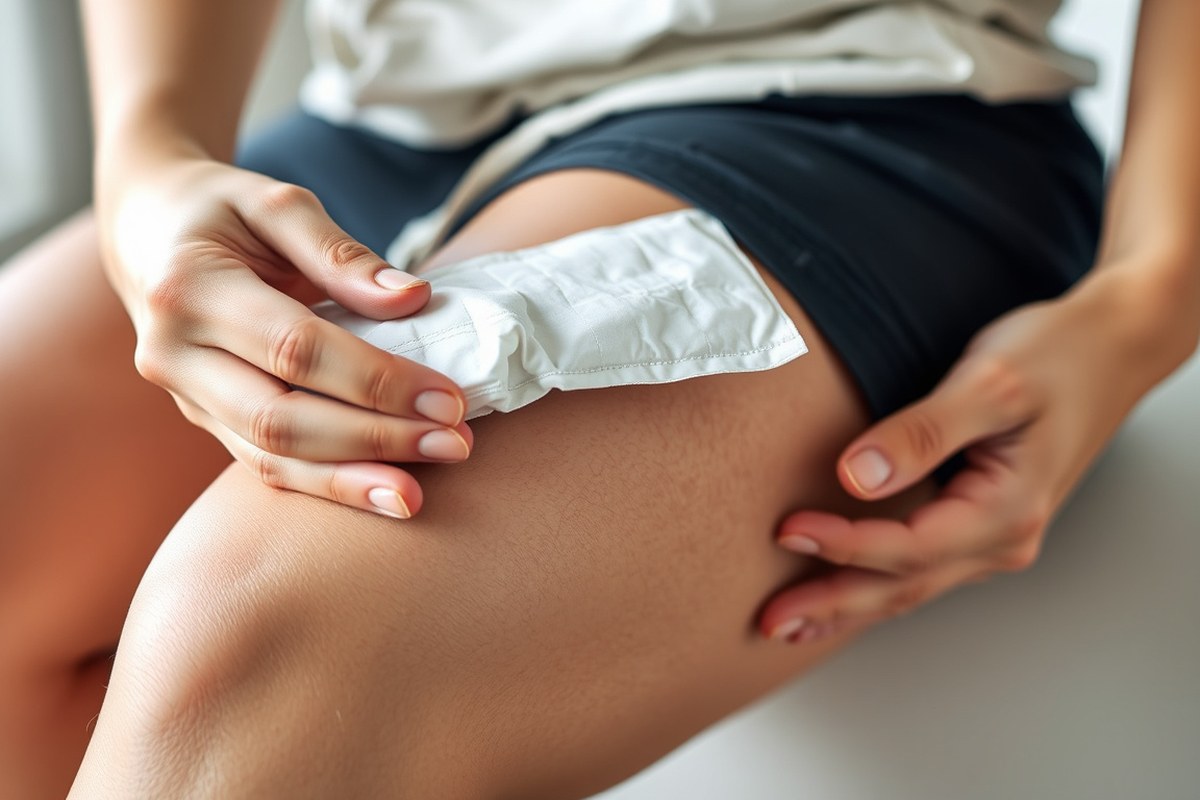
Start ice therapy as soon as you notice a bruise to reduce swelling and slow bleeding under the skin. Apply ice for short periods, about 10 to 15 minutes every few hours, during the first 48 hours to limit the bruise size and pain. Following safety precautions prevents skin damage or frostbite.
When to Start Ice Therapy
Icing a bruise should begin immediately after the injury, ideally within the first hour. The cold helps constrict blood vessels, reducing blood flow to the area and minimizing swelling and discoloration. Applying ice within the first 24 to 48 hours after injury is most effective for controlling inflammation.
For children or adults with sensitive skin, start icing as early as possible and monitor the skin closely. When immediate icing isn’t an option, apply ice as soon as the bruise appears. Early application reduces the size and discomfort of the bruise while preventing it from worsening.
Proper Ice Application Duration and Frequency
Use ice in sessions of about 10 to 15 minutes each. Apply the cold pack every two to three hours during the first two days post-injury. This timing balances reducing swelling with preventing cold-related skin damage. A recommended routine includes these steps for best results:
- Wrap a cold pack or a bag of frozen peas in a thin cloth or towel to avoid direct skin contact.
- Place the wrapped ice on the bruised area carefully, applying gentle pressure.
- Leave it on for 10 to 15 minutes only.
- Remove the ice pack and wait at least 20 minutes before reapplying.
- Repeat this cycle every 2 to 3 hours during waking hours for up to 48 hours.
- After 48 hours, switch to heat to encourage blood flow and healing.
Keeping the ice sessions within these limits helps manage inflammation while protecting your skin from frostbite or irritation. Over-icing can cause numbness or damage tissue.
Safety Tips for Using Ice Packs
Never apply ice directly to your skin. Always wrap the ice in a cloth or towel to avoid frostbite, which can happen when skin temperature drops too low. Limit each icing session to 15 minutes or less to safeguard skin health.
People with diabetes, poor circulation, or nerve damage need to be especially careful because they may not feel cold-related injuries. Monitoring skin for redness, excessive numbness, or pain is essential. Should any unusual symptoms occur, stop icing and consult a healthcare professional.
Use a towel or cloth between the ice and your skin to prevent frostbite and limit each icing session to 15 minutes maximum.
3. When and How to Switch to Heat Therapy After 48 Hours
Switch from cold to heat therapy about 48 hours after getting a bruise. The initial cold treatment helps reduce swelling and slows blood flow, preventing further bleeding under the skin. After two days, applying heat encourages blood circulation in the area. Improved circulation helps the body reabsorb the trapped blood, which can speed up healing and reduce the bruise’s discoloration.
To apply heat properly, use a warm compress, heating pad, or a towel soaked in warm water at a mild temperature, between 100°F and 110°F (38°C to 43°C). Apply the heat to the bruise for 10 to 15 minutes per session. Avoid using uncovered electric blankets or hot water bottles, as excessive heat may burn your skin or increase inflammation.
Repeat heat therapy two to three times daily. When dealing with multiple bruises or a large bruised area, soaking the area in a warm bath with witch hazel can also promote healing. Make sure the water is not too hot to prevent skin irritation. Lightly massaging the bruised area during heat application can further improve blood flow and help clear away the pooled blood.
Caution is important for people with certain health conditions. Those with diabetes accompanied by nerve damage, heart problems, or poor circulation should check with a doctor before using heat therapy. Avoid heat if the skin over the bruise has open wounds or if you are pregnant, as these situations can increase risk.
What good results look like include a gradual lightening of the bruise and decreased tenderness. You may notice less stiffness and improved movement if the bruise is near a joint. Heat may also reduce muscle tightness surrounding the injury. However, if swelling or pain increases, stop heat therapy and consult a healthcare professional, as too much heat too soon can worsen tissue damage or inflammation.
The switch to heat therapy complements other treatments like compression and topical gels. This combination focuses on restoring normal blood flow and speeding healing after the initial inflammation phase ends. Following this timing carefully helps your bruise heal without prolonging discoloration or discomfort.
4. Elevation and Compression: How They Help Bruise Healing
Elevation and compression help reduce swelling and improve blood flow, speeding up the healing of bruises. Elevating the injured area limits blood flow to the bruise, which helps minimize swelling and pain. Compression supports the tissues around the bruise, preventing excessive fluid buildup and aiding faster recovery.
Effective Elevation Techniques
Elevation reduces the amount of blood pooling in the bruised area by keeping it above the level of your heart. This helps decrease swelling and discomfort. For the best results, improve the bruised limb as soon as possible after injury and continue doing so for several hours a day in the first few days.
Elevating a bruise on your arm means resting that arm on pillows when sitting or lying down, keeping the arm higher than your chest. If the bruise is on your leg, lie down and prop the leg up on pillows or cushions so it is raised above your waist. Avoid standing or walking for long periods with the bruised leg down, as gravity will increase swelling.
Proper Compression Bandage Application
Compression therapy involves wrapping a bandage snugly around the bruised area to reduce swelling and support blood circulation. This method works best for bruises on arms and legs where bandages can wrap firmly. You want the bandage tight enough to feel supportive but not so tight that it causes numbness, tingling, or increased pain. Follow these steps to apply a compression bandage safely:
- Choose a clean, elastic bandage that fits the bruised area well.
- Start wrapping the bandage below the bruise, wrapping upward to just above it.
- Overlap each layer by about half the width of the bandage for even pressure.
- Keep tension even but avoid pulling too tight to prevent cutting off circulation.
- Secure the bandage with clips, Velcro, or tape at the end of wrapping.
- Check fingers or toes for color, warmth, and sensation to ensure circulation isn’t restricted.
- Remove or loosen the bandage if you notice numbness, tingling, or increased pain.
Compression bandages typically cost between $5 and $15 and can be found at most drugstores. Use them for a few hours daily during the initial swelling phase, then reduce use as swelling improves.
When to Use Compression
Compression is most helpful for bruises on the limbs where it’s easy to wrap a bandage snugly. It helps control swelling and reduces discomfort while the bruise heals. However, it’s not usually necessary for bruises on the face, torso, or areas where it is hard to apply a bandage properly.
Avoid compression if you have conditions like diabetes, poor circulation, or skin infections in the affected area. Always remove the bandage before sleeping unless advised otherwise by a healthcare professional. Use elevation in combination with compression for the best swelling control in the first 48 hours after injury.
5. Topical Remedies for Bruises: Arnica, Vitamin K, and More
Topical treatments can help reduce swelling, pain, and discoloration from bruises but may not instantly erase them. Arnica gel or cream is the most popular option; it is an herb known for reducing inflammation and bruising appearance. Use products with about 20% arnica ointment applied gently to the affected area up to 3 times a day. Avoid using it on broken skin. Vitamin K creams support clotting and were found in a small study to reduce bruising severity after laser treatment. Apply vitamin K cream twice daily to help the bruise fade faster alongside other care.
Home remedies like aloe vera, witch hazel, and comfrey provide soothing support. Aloe vera gel eases pain and swelling; apply a thin layer to the bruise 2 to 3 times daily. Witch hazel, rich in antioxidants, may help strengthen small blood vessels and reduce swelling, dab witch hazel extract gently onto the bruise once or twice a day. Comfrey contains compounds that promote skin repair but should be used cautiously and not on open wounds. These remedies complement standard treatments but rely on consistent, gentle application. The following table compares these options focused on effectiveness, application, and safety factors relevant to treating bruises at home or with over-the-counter products:
| Topical Treatment | Effectiveness | How to Use | Safety/Warnings |
|---|---|---|---|
| Arnica (20% ointment) | Reduces swelling, eases discoloration faster than vitamin K ointment in studies | Apply 2, 3 times per day on intact skin | Avoid open wounds; possible skin irritation |
| Vitamin K Cream | May decrease bruise severity, especially post-laser treatment | Apply twice daily to bruised skin | Safe for topical use; effectiveness varies |
| Aloe Vera Gel | Reduces pain and swelling, soothing effect | Apply a thin layer 2, 3 times daily | Avoid if allergic to aloe; not for deep wounds |
| Witch Hazel | May support blood vessels, reduce swelling | Dab gently once or twice daily | Use pure extract; discontinue if irritation occurs |
| Comfrey | Promotes skin healing, reduces inflammation | Use topical creams cautiously; avoid on broken skin | Not for open wounds or prolonged use |
Never apply arnica or comfrey products to broken skin as they can cause irritation or delay healing.
Applying these treatments promptly can help ease symptoms and potentially reduce bruise visibility. Most bruises take about two weeks to heal fully. Consistent application of creams and gels, combined with other care steps, offers the best chance to speed recovery and minimize discomfort. Watch for skin reactions and discontinue if irritation occurs.
6. Diet, Supplements, and Substances to Avoid While Healing
Eating the right foods and taking certain supplements can support faster bruising recovery and help strengthen blood vessels. Vitamin C is essential because it promotes collagen production, which is important for skin and blood vessel repair. Aim for at least the daily recommended intake of vitamin C: 90 mg for men and 75 mg for women. This can be achieved by eating citrus fruits like oranges or grapefruits, strawberries, and bell peppers. These foods also contain bioflavonoids that aid wound healing and reduce bruising.
Vitamin K plays an important role in blood clotting and reducing bleeding, which helps prevent larger or more severe bruises. A deficiency in vitamin K can cause easy bruising and slower healing. You can get vitamin K naturally from leafy green vegetables like kale and spinach, or through a supplement if recommended by your doctor. Vitamin B12 supports red blood cell production and can also help reduce bruising, especially if you have a known deficiency.
Pineapple is a natural food that contains bromelain, an enzyme that may help reduce inflammation and speed up bruise healing. Feel free to eat pineapple regularly after an injury to help your body flush away the bruise more quickly. To minimize bruising or prevent worsening of existing bruises, avoid substances known to thin the blood or interfere with clotting. Common medications and supplements to avoid if you bruise easily include:
- Aspirin, ibuprofen, and other non-steroidal anti-inflammatory drugs (NSAIDs) because they can increase bleeding and slow clotting.
- Vitamin E supplements, which may thin the blood and make bruising worse.
- Fish oil supplements, as they also have a blood-thinning effect.
- Alcohol, which can impair platelet function and slow healing.
- High-dose herbal supplements like ginkgo biloba and garlic if taken in large amounts for their blood-thinning effects.
Cutting these substances out while healing reduces the risk of bruises becoming larger or more painful. A balanced diet rich in vitamins C, K, and B12 combined with caution around blood-thinning substances gives your body the best chance to heal bruises quickly. Keep in mind that nutritional needs and medication effects vary by age and health conditions, so discuss supplements and medications with your healthcare provider before making changes.
7. How Long Do Bruises Take to Heal and When to See a Doctor
Most bruises heal within two to three weeks, fading through a series of color changes from red or purple to green, yellow, and then light brown as your body breaks down and absorbs the trapped blood. Small bruises after minor bumps or injuries typically disappear on their own in 10 to 14 days. Larger or deeper bruises may take longer, sometimes several weeks, especially if located on areas with thicker skin or in older adults whose healing process slows down.
You should consider seeing a doctor if a bruise remains painful or swollen beyond four weeks or if the discoloration does not fade after two weeks. Persistent swelling or pain could indicate an underlying injury such as a fracture or hematoma. Also, spontaneous bruises larger than 3 centimeters (about the width of a golf ball) appearing without any known injury need medical evaluation since they could signal a bleeding disorder or other health problems.
Repeated bruising without a clear cause or bruises that regularly take longer than two weeks to heal may point to issues with blood clotting or platelet function. In such cases, seeking medical advice for a blood workup is recommended. You should also seek prompt care if bruising comes with symptoms like unusual fatigue, dizziness, unexplained weight loss, or if bruises appear on unusual body parts unrelated to trauma.
If you’ve noticed a bruise that hasn’t faded as expected after two weeks, perform a quick checklist: check for increased pain, ongoing swelling, changes in size or shape, and any signs of infection such as warmth or redness around the area. Seek prompt medical attention if any of these signs appear. Otherwise, continue with gentle care and monitoring.
For obvious injuries that cause black eyes, immediate medical evaluation is important if you experience vision changes, severe pain, bruising around both eyes, or bleeding from the eye or nose. These may indicate a more serious injury. Following these guidelines helps ensure bruises heal properly and that any complications or underlying conditions don’t go unnoticed.
8. Adjusting Bruise Care by Age, Location, and Common Mistakes
Age, bruised area, and treatment errors influence how quickly your bruise heals. Older adults tend to bruise easier and heal slower due to thinner skin and reduced collagen. Strategic care tailored to where the bruise is and avoiding common mistakes can help speed recovery and reduce discomfort.
Bruise Care Differences by Age Groups
As you age, your skin naturally thins and loses fat cushioning, making blood vessels more vulnerable to damage and causing bruises to appear more easily and linger longer. Older adults may find that bruises can take two weeks or more to fully heal compared to a week or less in younger people. This slower healing also ties to reduced circulation and slower immune response.
For aging skin, gentle treatments are best. Avoid harsh rubbing or strong topical chemicals that may further irritate delicate skin. Instead, focus on ice packs for the first 24 to 48 hours, gentle elevation of the affected area, and the use of mild anti-inflammatory creams or natural remedies like frankincense oil, applied with care to avoid skin irritation.
Treating Bruises on Various Body Parts
The body’s location affects bruise treatment urgency and method. Areas with more muscle, like thighs or arms, usually tolerate compression well. Less padded regions such as shins, ankles, or face require gentler care to avoid increasing pain or swelling.
For shin or ankle bruises, apply light compression with an elastic bandage but not too tight to hinder circulation. Improve these limbs above heart level when possible. On the face or near joints, skip compression and rely on cold therapy and elevation if practical. For bruises on the torso or back, gently massaging around, but not on, the bruise after the initial inflammation phase may improve blood flow and healing.
Common Mistakes and Practical Remedies
Some common errors slow bruise healing and increase discomfort. These include applying heat too early, aggressively massaging fresh bruises, ignoring elevation, and using irritants on sensitive skin. Avoiding these mistakes improves healing speed and lowers infection risk.
- Applying heat within the first 48 hours can increase swelling; stick to ice packs initially.
- Rubbing or pressing hard on a fresh bruise may worsen vessel damage.
- Not elevating the affected limb allows more blood to pool and enlarge the bruise.
- Overusing topical products with strong acids or fragrances can irritate the skin.
- Delaying medical attention for large, unexplained, or painful bruises may miss underlying issues.
Performing gentle care like cold packs for 15, 20 minutes at a time and resting the bruised area reduces blood vessel leakage and swelling. Starting heat therapy only after 48 hours helps clear trapped blood without increasing inflammation. Using natural anti-inflammatories such as bromelain supplements or frankincense oil can complement standard treatment safely.
Always adjust bruise care based on how your skin reacts and avoid any treatment that causes pain or worsens discoloration.
Step-by-Step Action Plan to Get Rid of Bruises Fast
Follow these clear steps to reduce pain, speed healing, and know when to seek medical advice for bruises.
- Right after injury: Apply ice wrapped in a cloth to the bruise for 10 to 20 minutes every hour. This reduces swelling and slows discoloration. You’ll notice less pain and fading if done promptly.
- Within 48 hours: Keep the bruised area improve above heart level and use a compression bandage if possible. Both limit blood pooling, making the bruise less swollen and painful.
- After 48 hours: Switch to gentle heat therapy, such as a warm compress for 10 to 15 minutes, 2 to 3 times daily. This increases blood flow and helps clear trapped blood, easing color changes.
- Days 2 to 7: Apply topical remedies like arnica gel or vitamin K cream twice daily. Improvement shows as bruise colors shift towards yellow-green and reduced tenderness.
- Throughout healing: Eat foods rich in vitamin C and bioflavonoids while avoiding blood-thinning substances like aspirin and excessive alcohol to support skin repair and clotting.
- Monitor healing: Expect most bruises to resolve in 1 to 2 weeks. See a doctor if the bruise spreads significantly, is unusually painful, or doesn’t improve after 2 weeks.
- Adjust care as needed: For bruises in sensitive areas or on elderly skin, be extra gentle with compression and heat. Note less pain or swelling indicates effective care.
Frequently Asked Questions
Can Applying Banana Peels Help Get Rid of Bruises?
The antioxidant properties and potassium in banana peels may aid bruise healing, but evidence is limited. You can try placing a banana peel on the bruise for a natural home remedy.
Are There Special Techniques to Reduce Bruising on the Face?
Using cool cabbage leaves on facial bruises may reduce swelling and discoloration. Their anti-inflammatory properties make them a gentle option for sensitive skin areas.
Can Exercise Help Speed Up Bruise Healing?
Gentle movement can boost circulation, promoting faster healing. Avoid vigorous exercise that could worsen the bruise or cause more injury.
Is It Okay to Massage a Bruise to Make It Heal Faster?
Massaging a bruise too soon can worsen injury and swelling. Wait until swelling subsides before using gentle massage to improve circulation.
Does Hydration Affect How Quickly a Bruise Heals?
Staying well-hydrated supports overall skin health and healing processes. Drink plenty of fluids while your bruise heals to help your body recover.
Are There Any Over-The-Counter Drugs That Speed Bruise Healing?
Some topical creams with vitamin K or arnica may reduce bruise visibility. Oral medications generally do not speed healing unless prescribed for related conditions.
Wrapping Up
Healing a bruise takes time and the right care. Applying ice soon after injury and switching to gentle heat after two days can speed recovery and reduce pain. Today, you can start by gently elevating the injured area to lessen swelling, making a noticeable difference in your healing process.