

How Do You Get Rid of a Bruise in 24 Hours: 8 Proven Methods That Work
To reduce a bruise within 24 hours, begin by placing a cold pack on the injured area right away. Apply ice for 10 to 20 minutes at a time, taking breaks to help lower swelling and limit blood flow. After the initial day, use warm compresses to improve blood circulation and encourage healing, combined with light massage and topical options such as vitamin K or arnica to help the bruise disappear more quickly.
This advice is useful for anyone wanting quick relief from bruises, whether from sports, cosmetic procedures, or daily accidents. The article covers proven methods including when to use ice or heat, effective creams, helpful diet tips, and when to seek medical care to ensure the best results.
Key Takeaways
- Apply an ice pack wrapped in a compression bandage for 10 to 20 minutes every few hours during the first 24 hours to reduce swelling.
- Use warm compresses only after 48 hours to improve blood flow and help the body reabsorb bruised blood safely.
- Avoid heat during the first 48 hours as it can worsen bruising and delay healing.
- Topical treatments like vitamin K and arnica may support healing but should be used according to product guidelines and doctor advice.
- Eating foods rich in vitamin C and taking supplements can help strengthen blood vessels and promote faster bruise recovery.
- Gentle massage and compression can encourage lymphatic drainage but avoid vigorous rubbing that may worsen tissue damage.
1. How to Speed Up Bruise Healing Within 24 Hours

To get rid of a bruise in 24 hours, focus on reducing swelling and minimizing blood flow to the injured area immediately after the injury. Starting cold therapy within the first two hours and following it with elevation and compression helps limit the bruise size and discoloration. Monitoring and gentle care throughout the day further support healing and clarify when professional attention is needed.
First 0-2 Hours: Immediate Ice Therapy
Applying ice right after the injury happens is the most critical step to reduce swelling and control bruising. Cold constricts blood vessels, which limits internal bleeding beneath the skin and reduces inflammation. Avoid using ice directly on the skin to prevent frostbite; instead, wrap it in a thin cloth.
Apply an ice pack for 15 to 20 minutes every hour for up to two hours after the injury. This timing helps maximize the numbing effect and prevents excessive tissue damage. Use plenty of crushed ice or a commercial ice pack, which generally costs $5 to $15 at pharmacies or supermarkets, making it a low-cost intervention.
Next 6-12 Hours: Elevation and Compression
After the initial cold treatment, elevating the bruised area above heart level reduces blood flow to the injury site, limiting further leakage and swelling. Compression with an elastic bandage supports blood vessel walls and minimizes fluid buildup.
Keep the injured area improve whenever possible during the first 12 hours. Wrap the bruise snugly but not so tight that it restricts circulation. Remove the bandage if you experience numbness, tingling, or increased pain. Avoid vigorous movements or exercise to prevent aggravating the bruise.
12-24 Hours: Safe Care and Monitoring
Within 12 to 24 hours after the injury, continue gentle care while watching for changes in size, color, and pain. Ice sessions can be spaced out to 20 minutes every 3 to 4 hours if swelling persists. You may combine ice with over-the-counter topical treatments containing vitamin K to potentially speed up color fading, but check with a healthcare provider before starting.
Avoid heat or warm compresses during this period, as they can enlarge the bruise and increase swelling. Ensure you maintain rest and keep the bruise improve as much as possible. If the bruise enlarges, becomes unusually painful, or movement is limited, consult a physician promptly.
- Wrap an ice pack in a thin cloth.
- Apply the ice pack to the bruise for 15 to 20 minutes every hour during the first two hours.
- Improve the bruised area above the heart level to reduce blood flow.
- Apply a compression bandage snugly around the area, checking for circulation.
- Avoid any exercise or vigorous movement that could worsen the bruise.
- Continue icing the bruise for 20 minutes every 3 to 4 hours if swelling lasts.
- Use topical vitamin K creams only after consulting with a healthcare provider.
- Monitor the bruise for worsening symptoms and seek medical advice when needed.
2. When to Use Ice and How Long to Apply It

Applying ice immediately after a bruise forms helps reduce swelling and slows blood flow, which limits the size and severity of the bruise. Use cold therapy within the first hour and apply ice for about 15 to 20 minutes each time, allowing breaks between sessions to protect your skin. Avoid icing for too long or too late, as that can cause skin damage or delay healing.
Physiological Effects of Cold on Bruises
Cold therapy works by constricting blood vessels near the injured area, a process called vasoconstriction. This reduces blood flow, minimizing bleeding underneath the skin and slowing the spread of blood that creates the visible bruise. The reduction in swelling from less fluid leaking into the tissues also eases pain and stiffness.
With less blood pooling in the area, the bruise appears smaller and heals faster. The cooling sensation can temporarily numb the area as well, providing relief from discomfort. This immediate response is why cold packs or ice wrapped in a cloth are the best first aid for bruising.
Optimal Timing for Ice Application
The best time to apply ice is right after the injury occurs, ideally within the first hour. Applying cold promptly limits the initial bleeding under the skin, preventing the bruise from expanding. Even a delay of a few hours can reduce how effective ice therapy will be.
Once the first 48 hours have passed, ice becomes less helpful and might slow healing. At that point, switching to a warm compress will encourage circulation and assist your body in reabsorbing the trapped blood. Ice therapy is not recommended long after bruising sets in.
Recommended Duration per Session
Apply ice or a cold compress for 15 to 20 minutes each time. Using ice any longer risks skin damage such as frostbite or irritation, especially if the ice is applied directly without a cloth barrier. Keep the cold pack wrapped in a thin towel or tea towel to protect your skin.
After 15 to 20 minutes, take a break for at least 20 minutes before applying ice again to allow your skin temperature to return to normal. Longer exposure can lead to redness, numbness, or even blistering, undoing the healing benefits of cold therapy.
Safety Tips to Avoid Skin Damage
Never place ice directly on your skin. Wrap the ice pack or frozen vegetables in a cloth to prevent frostbite. Check your skin often during icing sessions for excessive redness or numbness, signs that you should remove the ice.
People with poor circulation, diabetes, or nerve damage should consult a healthcare professional before using ice therapy. Avoid icing open wounds or broken skin to prevent infection.
Use a barrier like a thin towel between your skin and the ice pack, and never apply ice for more than 20 minutes at a time to avoid frostbite.
Frequency of Icing for Best Results
During the first few hours, repeat icing every 30 to 40 minutes, following the 15 to 20 minutes on, 20 minutes off guideline. This intermittent approach gives you steady benefit without overwhelming your skin’s capacity to tolerate cold.
Limit the total daily icing sessions to about 4 to 6 times in the first 24 hours. Over-icing can cause skin damage and may delay bruise resolution. After the initial day, switch to gentle heat to improve circulation and encourage healing.
3. Heat Therapy: When and How to Use It Safely
Heat therapy becomes appropriate after the first 48 hours following the injury that caused the bruise. During those initial two days, cold compresses help reduce swelling and limit blood flow to the area, preventing the bruise from worsening. Once 48 hours have passed, switching to warm compresses or a heating pad several times daily for 15 to 20 minutes each time can speed up healing. The warmth increases blood flow to the area, helping the body absorb the trapped blood cells beneath the skin and promoting faster clearance of the bruise.
Applying heat improves circulation, which delivers oxygen and nutrients essential for tissue repair. This increased blood flow helps to break down the proteins and pooled blood causing the discoloration. Warmth also relaxes the surrounding muscles and can relieve any lingering pain or stiffness. For example, a properly used warm compress at around 98 to 104 degrees Fahrenheit encourages natural healing without causing discomfort.
It is important to avoid applying heat too early, especially within the first 48 hours after bruising. Early heat therapy can worsen swelling by dilating blood vessels when the area is already inflamed, potentially increasing the size and severity of the bruise. Likewise, never apply heat directly to broken skin or open wounds, and avoid prolonged heat exposure longer than 20 minutes at a time to prevent burns or skin irritation.
A good rule of thumb is to observe the bruise’s progression. When swelling and tenderness persist, continue using cold treatments and improve the area if possible. Once swelling goes down and the bruise enters its natural fading phase, start applying a warm compress. Repeat this process two to four times daily and monitor the bruise’s color changes. Warm therapy works well for common bruises from bumps or falls and even bone bruises, where increased circulation supports deeper tissue healing.
Warm compresses can be made at home by soaking a clean cloth in warm water, wringing out the excess, and placing it gently on the bruised area. Commercial heating pads set on low heat also work, but always follow the instructions to avoid overheating. The cost of heat therapy is minimal and can be as low as using a household item like a warm towel. Expect to see improvements in pain relief and bruise color fading over several days but not immediately, as the body requires time to clear out the damaged tissue.
Switch to heat therapy only after swelling reduces, typically after 48 hours, apply warmth gently for short periods, and avoid heat if inflammation is still present. This cautious timing supports faster, safer bruise healing by boosting circulation without risking further damage.
4. Comparing Topical Treatments: Vitamin K, Arnica, and More
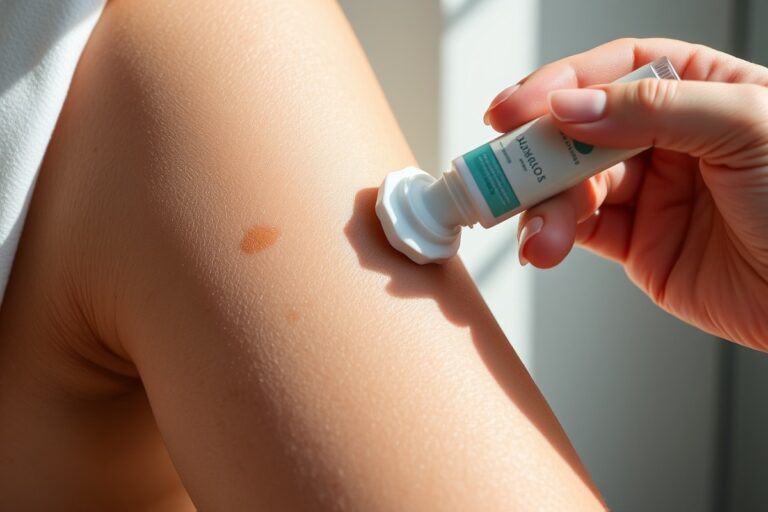
Several topical treatments target bruises by reducing swelling and speeding up healing. Vitamin K cream and Arnica gel are among the most popular. Vitamin K cream is clinically shown to aid bruise healing by supporting blood clotting and helping broken capillaries repair faster. Arnica gel, derived from a flower, may lessen bruising and tenderness, especially with regular use twice daily for a couple of weeks. Other options like anti-inflammatory gels or escin gel also offer benefits, though their effectiveness varies depending on the formulation and timing of application.
| Treatment | Effectiveness | Application Method | Scientific Support | Safety & Considerations |
|---|---|---|---|---|
| Vitamin K Cream | Clinically proven to speed healing by aiding blood clotting and capillary repair | Apply topically 2-3 times daily on the bruise starting immediately | Older research and clinical studies support its role in bruise healing | Generally safe; avoid open wounds or allergies to ingredients |
| Arnica Gel (20%) | Shown to reduce bruise size and tenderness with consistent use | Apply twice daily on the bruise for 1-2 weeks | 2010 study showed significant improvement in bruise fading | May cause skin irritation for some people; do not use on broken skin |
| Escin Gel (2%) | Reduces bruise tenderness when applied shortly after injury | Apply a single dose externally within 5 minutes after bruise occurs | Double-blind study confirmed reduction in bruise tenderness | Avoid use if sensitive; information limited to timing immediately post-injury |
| Anti-inflammatory Gels | May help reduce swelling and discomfort | Apply as directed, usually 2-3 times daily | Limited direct evidence for speeding bruise resolution | Consult label; avoid if allergic or on broken skin |
| Aloe Vera Gel | Traditionally used for soothing skin; limited evidence for bruise healing | Apply 2-3 times daily directly on bruise | Lacks extensive scientific backing for bruises specifically | Generally safe; useful for skin comfort |
The key to getting the most from these topical treatments is timing and application frequency. Starting treatment soon after the bruise appears and applying the cream or gel consistently, usually two to three times per day, can make a noticeable difference. In cases like escin gel, applying it immediately after injury matters most. Most topical options work best when the skin is intact, so avoid using them on broken skin to prevent irritation. Watch for any skin reactions, especially with herbal gels like Arnica.
Choosing the right topical treatment also depends on your situation. For quick cosmetic improvement after a minor bruise, vitamin K cream or Arnica gel offer a practical approach with some scientific support. For professional or laser-induced bruising, studies show these treatments can accelerate healing. If swelling and pain are prominent, combining topical gels with other remedies such as ice or compression might improve outcomes but always follow safety recommendations for each method.
5. Diet, Supplements, and Natural Remedies That Help Bruises
Eating foods rich in vitamin C and vitamin K can support faster bruise healing by strengthening blood vessel walls and promoting blood clotting. For example, citrus fruits, strawberries, broccoli, and leafy greens are high in vitamin C, while kale, spinach, and Brussels sprouts provide vitamin K. Including these in your diet daily helps reduce the severity and duration of bruises over time.
Bromelain, an enzyme found in pineapple, is another natural remedy shown to reduce bruising and swelling. Studies report that drinking about 12 ounces (350 milliliters) of pineapple juice daily for a week before and after injury or surgery may decrease swelling and speed recovery. Bromelain supplements are also available, but you should follow dosage instructions on the package and consult a healthcare professional before use, especially if you take blood thinners.
Applying turmeric paste or aloe vera gel to the bruise can soothe inflammation and may aid tissue repair. These remedies work best when used along with proper rest, ice, or other treatments. While arnica cream is a popular topical choice, scientific support varies, so results might differ among individuals.
- Add vitamin C-rich foods such as oranges, kiwi, and bell peppers to meals daily.
- Eat leafy greens or take vitamin K supplements if your diet lacks them and no contraindications exist.
- Drink pineapple juice or take bromelain supplements carefully, avoiding if allergic or on blood thinners.
- Apply aloe vera or turmeric paste externally 2 to 3 times daily to calm skin and inflammation.
- Avoid consuming alcohol at least 24 hours before and after bruising events, as it can worsen swelling.
Avoid applying bromelain directly to broken skin; use it as a supplement or drink pineapple juice instead.
Some home remedies like vitamin E oil, witch hazel, or excessive heat lack strong evidence and may irritate sensitive skin if misused. Focus on a balanced diet and gentle natural treatments combined with trusted methods like icing for the best results.
6. Massage and Compression: How They Affect Bruise Healing
Massaging a bruise is not recommended in the early stages because it can cause more damage to the blood vessels and increase swelling. Gentle lymphatic drainage massage after the initial swelling goes down can promote healing by encouraging fluid movement. Compression bandages help reduce swelling and limit bruise size when used properly.
When to Avoid Massage
Massaging a bruise within the first 24 to 48 hours can worsen the injury. Rubbing a fresh bruise aggressively may rupture more capillaries, increase bleeding under the skin, and cause additional pain. Avoid applying firm or deep pressure during this time. Also, do not massage if you have bleeding disorders or are on blood-thinning medications, as this increases the risk of larger bruises.
Delaying massage until after the swelling has reduced allows the body to stabilize the injured area. During the early stage, focus on protecting the bruise with rest and cold packs instead.
Gentle Lymphatic Massage Techniques
Once swelling diminishes, very gentle massage can help reduce fluid buildup around the bruise. Light lymphatic drainage massage encourages the movement of lymph fluid, which helps clear waste and reduce inflammation. The key is to use soft, gliding strokes with minimal pressure, directed toward nearby lymph nodes, such as those in the neck or underarms. To perform lymphatic massage safely:
- Wash your hands and ensure the skin is clean and dry.
- Apply a small amount of gentle lotion or oil to reduce friction.
- Use your fingertips to lightly stroke the skin around the bruise in the direction of lymph flow (toward the heart).
- Continue with slow, gentle circular or sweeping motions for 5 to 10 minutes.
- Avoid pressing directly on the bruised area; keep pressure light and comfortable.
- Repeat the massage once or twice daily as long as it feels soothing and does not increase pain.
This technique supports healing but should not be performed if the bruise is still painful or swollen.
Using Compression Bandages Correctly
Compression helps limit swelling by applying gentle pressure that slows fluid accumulation and reduces the bruise’s size. Use an elastic bandage that fits snugly but does not cut off circulation. Overly tight wraps can cause numbness or increased pain. Follow these steps to apply compression safely:
- Choose a clean, stretchable compression bandage slightly wider than the injured area.
- Start wrapping above the bruise, moving downward toward the injury.
- Overlap each layer by about half the bandage width to provide even pressure.
- Keep the wrap firm but comfortable; you should be able to slip a finger under it.
- Secure the end with clips or tape to prevent loosening.
- Wear compression for intervals of 1 to 2 hours, removing periodically to check skin color and sensation.
- If you notice increased swelling, pain, numbness, or discoloration, loosen or remove the bandage immediately.
Compression is most effective when combined with rest and elevation to support blood flow away from the bruise.
7. Common Mistakes That Slow Bruise Healing
Applying heat too soon can cause more blood flow to the bruise, making it larger and darker. Heat helps healing only after the initial swelling and bleeding under the skin have stopped, usually after 48 hours. Vigorous massage or rubbing the area can break the delicate blood vessels further, delaying healing and increasing pain.
Ignoring elevation allows more blood to pool in the bruised area, increasing swelling and discoloration. Elevating the bruised limb above heart level for the first day slows blood flow and reduces pressure on injured capillaries. Using unproven household remedies, like lemon juice or raw onion slices, can irritate skin and do not speed up bruise recovery.
- Avoid applying heat within the first 48 hours after the injury.
- Do not massage or rub the bruise aggressively.
- Keep the bruised area improve as much as possible during the first 24 hours.
- Skip untested home treatments that might cause irritation or allergic reaction.
- Apply ice packs for 15-20 minutes every hour during the first day to reduce swelling.
- Use gentle topical creams like Arnica gel or vitamin K to support healing without harm.
Following these tips helps reduce bruising and swelling and avoids setbacks. Heat and massage applied too early can worsen a bruise by increasing blood flow or damaging fragile vessels. Elevation works best when started immediately to limit fluid buildup. Home remedies without proven effects risk skin damage or allergic responses, slowing recovery. Sticking closely to safe, evidence-supported methods gives you the best chance to get rid of a bruise quickly.
8. When to See a Doctor or Consider Professional Treatments
Seek medical attention if a bruise remains painful and visible for longer than three weeks, or if it worsens instead of fading. Persistent bruising might signal underlying health issues such as blood clotting disorders or medication side effects. Also, get evaluated if the bruise is accompanied by unusual symptoms like swelling that doesn’t improve after a few days, severe pain, dizziness, or unexplained weight loss. Large bruises with firm lumps might indicate a hematoma, which sometimes requires professional treatment.
Laser treatments can accelerate the fading of longstanding bruises by breaking down the trapped blood beneath the skin more quickly than natural healing. However, while laser therapy can help in cases where bruises persist for two weeks or more, it is unlikely to clear a bruise within 24 hours. Such procedures typically require multiple sessions and some time to show noticeable improvement. Cost varies widely but generally ranges from $200 to $500 per session, depending on location and provider.
People with fragile skin or bruises in sensitive regions like the face should exercise caution. Special care includes avoiding aggressive massage or pressure and using gentle topical products advised by a healthcare professional. For bruises associated with cosmetic procedures or in delicate skin areas, seeking advice from a dermatologist is best. They can offer treatments like specific laser therapies or medical-grade creams tailored to your skin’s needs and medical history.
Recognize when a bruise requires professional care with this decision checklist: bruises lasting over three weeks; increasing size or swelling; intense pain days after injury; lumps or firmness under the skin; unexplained bruising with no injury; or frequent unexplained bruising across the body. Also include bruises if you have risk factors such as blood disorders or are taking blood-thinning medications. Call your primary care doctor or a dermatologist if any of these conditions apply.
When you call or visit your provider, be ready to describe when the bruise appeared, what may have caused it, any unusual symptoms, your medical history concerning bleeding or bruising issues, and current medications. This information helps guide whether blood work, imaging, or specialized treatments like laser therapy might be required. Follow the provider’s instructions carefully and do not delay seeking care if you suspect a fracture or serious complication.
Do not ignore a bruise that is increasingly painful hours after injury; significant soreness could indicate a fracture needing immediate medical evaluation.
Step-by-Step Action Plan to Speed Up Bruise Healing Within 24 Hours
Follow this plan immediately after you get a bruise to reduce swelling and discoloration fast. Each step shows when to act and how to tell if it helps.
- Within the first 1-2 hours: Apply ice wrapped in a cloth to the bruise for 10-15 minutes. A reduction in swelling and pain after icing indicates it is working.
- After icing: Gently wrap the bruised area with a compression bandage without cutting off circulation. Check that swelling reduces and skin color lightens over the next several hours.
- 6 to 12 hours after the injury: Begin applying a topical cream containing vitamin K or arnica twice a day. Notice if the bruise starts fading earlier than usual.
- 12 to 24 hours post-injury: Switch to warm compresses for 10-15 minutes three times a day to boost blood flow. Feel for any decrease in stiffness and observe color improvement.
- During the first day: Eat a diet rich in vitamin C and bioflavonoids or take supplements as directed. Expect less bruising and faster recovery as you continue this regularly.
- End of day 1: Gently massage the area if no pain or swelling remains to encourage circulation. When massage feels good and the bruise lightens, continue daily.
- Ongoing: Avoid common mistakes like heavy exercise or heat during the first 12 hours and watch for signs of worsening pain, increasing size, or signs of infection. Consult a doctor if these occur.
Frequently Asked Questions
Does Vicks VapoRub Help Get Rid of Bruises?
Vicks VapoRub is not proven to help heal bruises and is best avoided. Use proven creams or gels designed for bruising instead.
Does Vinegar Fade Bruises?
Vinegar does not have strong evidence to fade bruises quickly and may irritate the skin. Stick to cold compresses and topical treatments.
What Cream Heals Bruises Fast?
Creams with vitamin K or arnica gel can help bruises fade faster when applied promptly. Apply gently to the bruised area.
Will a Bruise Go Away Overnight?
Bruises do not disappear overnight; they usually take 2 to 3 weeks to fade. Early care can speed healing but won’t eliminate a bruise in hours.
Can Lemon Juice Help Reduce a Bruise Quickly?
Lemon juice is not recommended; it can irritate skin and does not speed bruise healing.
Does Drinking Water Speed Up Bruise Healing?
Staying hydrated supports overall healing but doesn’t speed up bruise disappearance significantly.
Wrapping Up
Speeding up bruise healing in 24 hours is possible by combining ice application with careful rest and proper care. Start by applying ice for 10 to 15 minutes right now to reduce swelling and limit the bruise’s spread. Taking this immediate action gives your body a better chance to begin healing faster and keeps discomfort to a minimum.




One Comment