How to Get Rid of Constipation: A Complete Guide with Effective Relief Methods
To get rid of constipation quickly, focus on increasing your intake of fiber-rich foods like ripe bananas, raisins, and figs, while drinking plenty of fluids. Incorporating simple lifestyle changes, such as regular physical activity and avoiding foods that worsen constipation, can provide fast relief. Over-the-counter laxatives may also be helpful but should be used with care, following instructions closely.
This advice is for adults experiencing discomfort or caregivers managing children’s constipation. You will learn about the causes, effective home remedies, safe medication options, warning signs that require medical attention, and how to manage chronic constipation for long-term relief.
Key Takeaways
- Increase fiber intake to at least 15% of daily value and drink plenty of fluids to quickly relieve constipation symptoms.
- Exercise regularly, aiming for 150 minutes per week, to stimulate bowel movements and support digestive health.
- Use short-term over-the-counter laxatives like stimulant types for fast relief, but follow dosing and safety guidelines carefully.
- Respond promptly to constipation lasting over two weeks or with severe symptoms like a fever above 101° F or abdominal pain.
- Establish a routine by attempting bowel movements 15 to 45 minutes after meals to take advantage of natural gastrointestinal stimulation.
- Avoid relying on laxatives long-term without medical advice, especially for older adults and children, due to possible side effects.
What Is Constipation and When Is It a Concern?

Constipation occurs when bowel movements become infrequent or difficult to pass. For most people, going three days without a bowel movement signals constipation. Signs include having fewer than three bowel movements weekly, stools that are hard or lumpy, straining while trying to poop, and feeling that the bowel hasn’t fully emptied. These symptoms often come with discomforts like bloating, abdominal cramping, sluggishness, and reduced appetite. Variations in how often you normally have bowel movements make it important to consider what’s usual for you personally.
Understanding when constipation is a typical short-term issue compared to when it points to a larger health problem relies on a simple decision rule: note how long symptoms last and their severity. Occasional constipation that resolves within a few days usually responds well to home remedies such as dietary adjustments or increased fluid intake. This kind of temporary constipation is generally not a cause for concern. However, constipation lasting beyond four weeks is considered chronic and warrants evaluation by a healthcare provider.
Serious concern arises if constipation is accompanied by specific warning signs. These include symptoms like unexplained weight loss, blood in stool, persistent or severe abdominal pain, or a sudden change in bowel habits lasting more than two weeks. Also, if constipation is combined with nausea, vomiting, or inability to pass gas, it may indicate a blockage or other urgent condition requiring immediate medical attention. Chronic constipation could signal underlying health issues such as hormonal imbalances, neurological problems, or structural changes in the bowel, which a doctor needs to diagnose.
The key to distinguishing normal from worrisome constipation involves tracking bowel movement frequency and any associated symptoms carefully. For example, if you normally have daily bowel movements but suddenly find yourself going more than three days without pooping and experience hard stools or straining, address it with lifestyle changes or home remedies initially. If symptoms persist beyond two weeks or worsen, schedule an appointment with your primary care provider to explore the cause. In children, whose constipation affects about 30%-35%, similar observation and medical consultation are important to prevent complications.
Managing your constipation starts with knowing what counts as normal for you and using the three-day rule combined with symptom monitoring as a practical guideline. This way, you can intervene promptly when needed and avoid complications that arise from untreated chronic constipation.
Common Causes and Risk Factors for Constipation
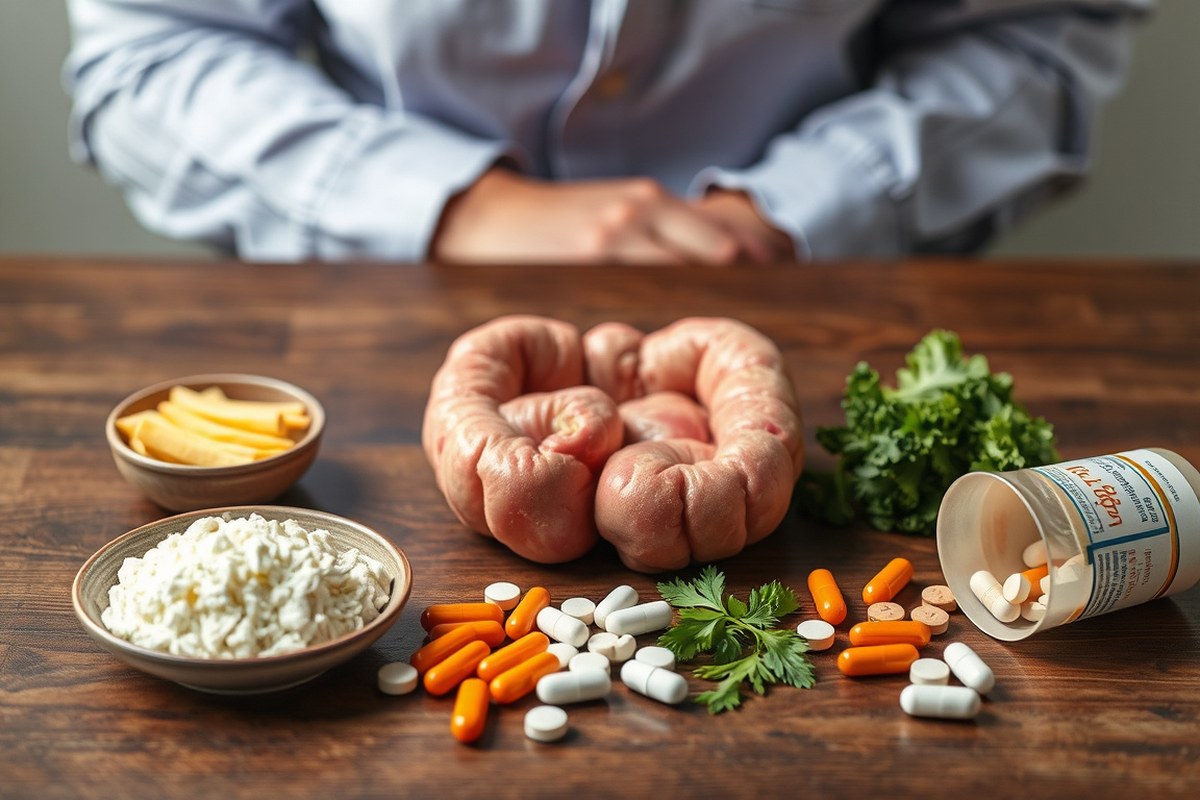
Constipation often arises from a combination of diet, lifestyle habits, medications, and health conditions. Poor dietary choices, such as low fiber intake and insufficient fluids, are among the most common causes. Fiber helps add bulk to stool and promotes bowel movements, so eating fewer than 25 grams of fiber daily can contribute to constipation risks. Foods high in fat or heavily processed may also worsen digestion and slow bowel transit.
Lifestyle factors like inactivity play a major role too. Sitting for long periods or not getting regular exercise reduces intestinal muscle contractions that help move stool through the colon. For someone with a sedentary lifestyle, introducing at least 30 minutes of moderate activity daily, such as walking or cycling, can improve bowel function over time.
Certain medications are known to cause constipation as a side effect. Opioid painkillers like morphine and codeine slow bowel motility, making it harder to pass stool. Other drugs, including some blood pressure medications, iron supplements, and anti-nausea drugs like Zofran, also contribute to constipation. When taking any of these, consult your doctor about alternatives or strategies to counteract constipation.
Medical conditions can increase constipation risk. For example, pregnancy commonly slows digestion due to hormonal changes. Chronic conditions such as irritable bowel syndrome (IBS) or hypothyroidism may also lead to persistent constipation. Age impacts prevalence too; older adults often experience slower digestive systems and may have other risk factors like reduced mobility and multiple medications.
Stress and mental health affect bowel habits as well. Stress hormones can alter gut motility and fluid absorption, sometimes worsening constipation. Managing stress through relaxation techniques, mindfulness, or therapy can support digestive health alongside other treatments.
Diagnosing the exact cause can be challenging because multiple factors often interact. Experiencing ongoing constipation means reviewing your diet and activity first. Gradually increasing fiber to 25, 30 grams daily, drinking enough water (about 64 ounces), and incorporating regular exercise helps many people. Avoiding or adjusting medications that cause constipation may require professional guidance. For persistent or severe cases, talking to a healthcare provider is necessary to explore further treatment options.
Avoid making sudden large increases in fiber intake; increase gradually over several weeks to minimize gas and bloating while helping your digestive system adjust.
Diet, Fiber, and Fluids: What Quickly Relieves Constipation?
Eating the right foods, getting enough fiber, and staying well hydrated can quickly ease constipation. Aiming for 25 grams of fiber daily from both soluble and insoluble sources helps soften stool and supports regular bowel movements. Drinking at least 64 ounces of water daily improves fiber’s effectiveness and prevents hard, dry stools. Adding fiber supplements may benefit you if you struggle to meet fiber needs through diet alone.
Recommended Daily Fiber Intake by Age and Sex
The general fiber target for adults is about 25 grams per day, which can vary slightly by age and sex. Women under 50 are usually advised to consume 25 grams, while men under 50 should aim for around 38 grams. After age 50, needs tend to drop to about 21 grams for women and 30 grams for men.
Getting this amount of fiber is important because it adds bulk to stool and stimulates bowel contractions needed for regularity. Consistent fiber intake helps prevent constipation rather than just treating it when it occurs. In case you are not meeting these targets, consider gradually increasing fiber over a few weeks to reduce gas and bloating.
Top Fiber-Rich Foods to Add Easily to Meals
Choosing foods high in both soluble and insoluble fiber can relieve constipation. Soluble fiber absorbs water and softens stool, while insoluble fiber adds bulk and speeds digestion. Some easily added fiber-rich foods:
- Leafy greens (spinach, kale), high in magnesium and fiber
- Whole grains (oats, barley, brown rice), provide insoluble fiber
- Fruits such as apples, pears (with skin), and berries, rich in soluble fiber
- Legumes like beans, lentils, and chickpeas, boost fiber and protein
- Nuts and seeds (flaxseeds, chia seeds, almonds), add fiber and healthy fats
- Vegetables such as carrots, broccoli, and sweet potatoes, fiber plus vitamins
To include them quickly, try oatmeal with berries for breakfast, a side salad with lunch, and beans or lentils in soups or stews for dinner. Snacking on nuts or fresh fruit also adds fiber throughout the day.
Fiber supplements such as psyllium husk or methylcellulose can help if your diet is low in fiber. They work by absorbing water in the intestines, making stool softer and easier to pass. Start with a small dose and increase gradually with plenty of fluids.
Best Drinks and Hydration Tips for Stool Softening
Drinking at least 64 ounces (about eight cups) of water daily supports fiber’s stool-softening action. Without enough fluids, fiber can harden stool and worsen constipation. Plain water is best, but herbal teas and water-rich fruits like watermelon also help hydrate you.
Avoid excessive caffeine or alcohol since they may cause dehydration. Set reminders to drink water regularly, especially when increasing fiber intake. Carry a water bottle and sip throughout the day to maintain good hydration.
Combining fiber intake with fluids and mild physical activity improves bowel function. Should you notice stools remain hard or infrequent despite these changes, consult a healthcare provider before trying stronger laxatives or supplements.
Lifestyle Changes That Help Relieve Constipation Fast
Exercise, improved toilet habits, and gentle abdominal massage can all help relieve constipation quickly and reduce its chances of returning. These lifestyle changes stimulate your digestive system and support regular bowel movements without the need for medication. Making these adjustments takes only a little time and effort but can make a noticeable difference in how comfortably and often you go.
Recommended Exercises to Stimulate Bowel Movements
Physical activity encourages your intestines to contract, which moves stool through your digestive tract more efficiently. Moderate, regular exercise works best for improving bowel regularity. Walking, jogging, cycling, and yoga are all good choices that activate your abdominal muscles and promote digestion.
Aim for at least 30 minutes of moderate exercise on most days. Even a brisk 10-minute walk after meals can help speed up digestion and reduce constipation. Avoid intense or very high-impact workouts if you’re not used to them, as they can strain your body and cause discomfort.
Steps to Establish a Healthy Toilet Routine
A mindful toilet routine helps you develop consistent bowel habits that prevent constipation. Setting aside time, listening to your body’s natural signals, and using supportive positions can make bowel movements easier. Here’s a simple routine to follow:
- Choose a consistent time each day to sit on the toilet, preferably after meals to take advantage of the natural gastrocolic reflex.
- Allow yourself at least 10 to 15 minutes without rushing or distractions like phones or reading materials.
- Place your feet flat on the floor or use a small stool to improve your knees above hip level. This posture straightens the rectum for easier stool passage.
- Relax your abdominal muscles and try leaning slightly forward to increase pressure on the colon.
- Breathe deeply and avoid straining hard; give yourself time to allow the body’s natural reflexes to work.
- Respond promptly when you feel the urge to go, as delaying can worsen constipation over time.
Consistency with this routine builds your body’s expectation for regular bowel movements and lowers the likelihood of prolonged stool retention.
How to Perform Gentle Abdominal Massage for Relief
Abdominal massage can stimulate bowel contractions and encourage stool movement through the intestines. You can do it yourself using gentle pressure and circular movements to ease discomfort and promote a bowel movement. To try massage, lie down comfortably and follow these steps:
- Place your hands on your lower abdomen just above the pubic bone.
- Massage in a clockwise direction, following the path of your large intestine: start from the lower right side, up toward the ribs, across the upper abdomen, and down the left side.
- Use firm but gentle pressure, taking about 5 to 10 minutes to complete the full circuit.
- Breathe deeply and relax your abdominal muscles during the massage to avoid tightening against the movements.
- Repeat 1 to 2 times daily or whenever you feel constipated or bloated.
This technique requires no special tools and only a few minutes each day. Many people find it makes bowel movements easier and less painful. Combined with improved toilet habits and regular exercise, abdominal massage can add natural, drug-free relief against constipation.
Over-the-Counter Laxatives: Types, Use, and Safety
Over-the-counter laxatives offer different approaches to easing constipation, depending on how fast you need relief and your health situation. Bulk-forming laxatives work gradually by adding fiber, osmotic laxatives pull water into the colon to soften stool, and stimulant laxatives speed up bowel movements by triggering intestinal contractions. Each has specific use cases, onset times, and safety precautions, especially for children.
Bulk-Forming Laxatives Overview and Side Effects
Bulk-forming laxatives contain fiber that absorbs water, increasing stool bulk and helping it pass more easily. These are typically the safest option for long-term use and can be part of regular constipation prevention. They usually take two to three days to produce results, so they’re not best for immediate relief.
Side effects include bloating, gas, and discomfort. Taking plenty of fluids alongside bulk-forming laxatives can reduce these issues. They are generally not suitable for babies or young children since their digestive systems may not handle the increased fiber well.
Osmotic Laxatives Details and Typical Onset
Osmotic laxatives, such as polyethylene glycol and lactulose, pull water into the colon to soften stool and increase bowel movement frequency. They usually take about two to three days to work, similar to bulk-forming laxatives but can be more effective for occasional constipation.
For children, osmotic laxatives are often preferred over bulk-forming types. They tend to cause fewer side effects but may lead to bloating or mild cramping. Using osmotic laxatives as a first step can help avoid the stronger effects of stimulant laxatives.
Stimulant Laxatives Uses and Precautions
Stimulant laxatives speed up bowel movements by increasing the intestinal muscle contractions. They usually provide relief within 6 to 12 hours, making them the fastest-acting over-the-counter option. Common stimulant laxatives include senna and bisacodyl.
These laxatives can cause cramping, diarrhea, and abdominal discomfort, so they should only be used when other methods fail or constipation is severe. Using stimulant laxatives for more than a few days in a row can lead to dependence, where bowel function relies on them. Follow directions carefully and avoid long-term use without a doctor’s guidance.
Laxative Safety Advice for Children and Adults
Laxative use in children should be cautious, generally favoring osmotic types over bulk-forming or stimulant ones. Doses must be adjusted for age and weight, and prolonged use should be avoided unless directed by a healthcare provider.
Adults should limit stimulant laxative use to short periods, typically less than one week. Bulk-forming and osmotic laxatives can be used more regularly but should still not replace dietary and lifestyle changes that address constipation causes. Always follow package instructions and consult a doctor if constipation lasts longer than two weeks or if laxatives are needed frequently.
| Laxative Type | Onset Time | Typical Use | Common Side Effects | Safety Notes |
|---|---|---|---|---|
| Bulk-Forming | 2 to 3 days | Long-term/prevention | Bloating, gas | Not suitable for infants; requires adequate fluids |
| Osmotic | 2 to 3 days | Occasional constipation relief | Bloating, mild cramping | Preferred for children over bulk-forming |
| Stimulant | 6 to 12 hours | Immediate relief for severe cases | Cramping, diarrhea | Short-term use only; risk of dependence |
This comparison can help you pick the right laxative based on how quickly you want relief and whether the situation is occasional or ongoing. Keep in mind the specific precautions for children and the risk of overusing stimulant laxatives.
Use stimulant laxatives sparingly and never for longer than a week without consulting your healthcare provider to avoid dependency and side effects.
What to Avoid and When Constipation Can Worsen
Eating certain foods and following habits that worsen constipation can make relief harder to achieve. Dairy products like cheese and whole milk tend to slow down bowel movements and can tighten stools. Processed foods, especially those high in fat and low in fiber, also contribute to constipation by reducing stool bulk. Excessive consumption of caffeine or alcohol can lead to dehydration, which further thickens stool and complicates passing it. Heavy reliance on stimulant laxatives without medical advice risks dependency and can worsen bowel function over time.
Holding in the need to have a bowel movement can make constipation worse. The best window to go is usually within 15 to 45 minutes after eating, since meals trigger your digestive system. Try not to stay seated for too long without moving, because lack of activity can reduce gut movement and make symptoms worse.
- Avoid dairy products like cheese and whole milk during constipation episodes.
- Limit processed or high-fat foods that lack fiber.
- Reduce caffeine and alcohol intake to stay hydrated.
- Do not ignore the natural urge to have a bowel movement.
- Limit the use of stimulant laxatives to severe cases or under doctor supervision.
- Keep moving to promote intestinal motility.
Some medications or cancer treatments can cause constipation as a side effect. If undergoing breast cancer treatment, changes in diet, fluid intake, and activity may increase your risk. It is important to maintain hydration and adjust habits to prevent worsening. When home remedies do not ease constipation or if you rely on stimulant laxatives frequently, consult a healthcare provider to discuss safer, effective treatments. Ignoring severe symptoms or overusing laxatives can lead to complications, including bowel obstruction or damage to bowel nerves. Proper timing, diet, hydration, and cautious medication use form the foundation of better outcomes against constipation.
Recognizing Serious Symptoms and When to See a Doctor
See a doctor if constipation lasts more than three weeks or if you experience two or more chronic symptoms for at least three months, such as fewer than three bowel movements per week, hard stools, or straining. Persistent constipation can signal an underlying medical condition that needs professional evaluation, especially if lifestyle and diet changes are not improving your symptoms.
Immediate medical attention is needed if you have severe abdominal pain that feels sharp or debilitating. Also, seek help if you notice blood or mucus in your stool, or if you have a fever alongside constipation. These signs could indicate infections, inflammation, or less common but serious issues like diverticular disease or bowel cancer. Your doctor might order tests such as blood work, stool analysis, or imaging to determine the cause.
Keep track of any accompanying symptoms such as unexplained weight loss, persistent nausea, vomiting, or changes in bowel habits, like alternating between constipation and diarrhea. These changes can be warning flags for more serious problems. A practical decision rule is to avoid waiting beyond two to three weeks for mild constipation to resolve if these symptoms appear.
If medications or supplements seem to be causing constipation, talk with your healthcare provider before stopping or changing your regimen. Some drugs can slow bowel movements, and your doctor can adjust your treatment or suggest alternatives. Ignoring medication-related constipation can worsen your condition or lead to complications like hemorrhoids or rectal prolapse.
Pain management at home can involve over-the-counter options such as paracetamol, following dosage instructions carefully. Avoid aspirin for children under 16. However, persistent or worsening pain should prompt urgent evaluation. More than 2 million people see doctors annually for constipation, reflecting how common and sometimes serious this issue can be.
Managing Chronic Constipation and Special Populations
Constipation can be a long-term issue when bowel movements occur fewer than three times a week and persist for several months. Managing chronic constipation involves a combination of lifestyle changes and, in many cases, medication. Increasing dietary fiber gradually up to 25-30 grams daily, staying well hydrated with about 8 cups of fluids per day, and regular physical activity like yoga can improve bowel regularity. If these steps don’t work after a few weeks, seeing a healthcare provider is essential to rule out underlying conditions.
Children often experience constipation, and their care differs somewhat from adults. Mild cases respond well to home remedies such as adding more fiber-rich foods and fluids. When medication is considered, polyethylene glycol, known by its brand name MiraLAX, is frequently recommended for children over one year old, as it gently softens stools without harmful additives. Consistent toilet routines, encouraging children to use the bathroom at regular times especially after meals, can also help establish better bowel habits.
Older adults are more prone to constipation due to slower digestive systems, decreased physical activity, and medications that affect bowel function. Managing constipation in this group may require more attention to hydration and fiber, along with safe use of laxatives. Some over-the-counter or prescription treatments, such as the medication Vibrant, can be discussed with a doctor if symptoms persist despite lifestyle adjustments. It’s important for seniors to have regular medical reviews because prolonged constipation can lead to complications like hemorrhoids or bowel obstruction.
Pregnancy often leads to constipation due to hormonal shifts that slow intestinal movement and increased pressure on the bowels from the growing uterus. Gentle exercise, sufficient fluids, and dietary fiber intake can help prevent constipation. Pregnant individuals should avoid harsh laxatives and consult their healthcare provider before using any medication, as safety varies during pregnancy. After delivery, maintaining these habits supports bowel function during recovery.
Medication-induced constipation can result from drugs such as painkillers, antidepressants, or iron supplements. Reviewing the medication list with a healthcare provider is critical to managing this type of constipation. Adjusting doses, switching medications, or adding stool softeners might be necessary. Consistent fiber and fluid intake remain fundamental, but treatment must be tailored to avoid interfering with essential medications.
Chronic constipation that lasts for weeks despite lifestyle changes warrants medical evaluation to identify any underlying problems and avoid serious complications such as bowel obstruction.
Step-by-Step Action Plan to Relieve Constipation
Follow this plan to identify constipation causes, apply quick relief methods, and know when to get medical help.
- Day 1: Increase Fiber and Fluid Intake, Add 5 to 10 grams of fiber to your diet using fruits, vegetables, or a fiber supplement and drink at least 8 cups of water. Expect softer stools and more frequent bowel movements within 24 to 48 hours.
- Day 2: Adjust Lifestyle Habits, Start a daily 20-minute walk and establish a regular time to try using the bathroom after meals. Notice any improvement in bowel regularity over the next couple of days.
- Day 3: Use Over-the-Counter Laxatives if Needed, Choose a bulk-forming or osmotic laxative as directed on the package for short-term relief. Relief typically occurs within 12 to 72 hours; stop use if symptoms worsen.
- Days 4 to 7: Avoid Constipation Triggers, Limit caffeine, processed foods, and dairy if they worsen symptoms. Track changes in stool consistency to confirm triggers.
- After One Week: Monitor Symptoms and Serious Signs, Watch for severe pain, blood in stools, or no improvement despite remedies. Consult a healthcare provider if these occur.
- Weeks 2 and Beyond: Maintain Healthy Habits, Keep up fiber, fluids, and exercise consistently to prevent constipation. Both fewer symptoms and predictable bowel movements show success.
- Ongoing for Special Cases, Caregivers managing children or people with chronic conditions should seek tailored advice from a medical professional to avoid complications.
Frequently Asked Questions
What Can I Drink for Constipation?
Drinking plenty of water is the best way to relieve constipation quickly because it softens stool and helps it pass. Warm liquids like herbal tea or prune juice can also stimulate bowel movements effectively.
What Foods Relieve Constipation Quickly?
Eating high-fiber foods such as leafy greens, nuts, and ripe bananas helps relieve constipation by adding bulk and drawing water into the stool. Adding magnesium-rich foods can speed relief.
What Helps Push Out Hard Poop?
Healthy fats from foods like avocado, olive oil, and nuts lubricate your intestines, making it easier to pass hard stool. These fats support smooth digestion and bowel movements.
How Can I Unblock My Bowels Fast?
To unblock your bowels fast, drink warm water and eat fiber-rich foods combined with mild exercise like walking. This encourages bowel movement and softens stool without harsh laxatives.
Can Constipation Cause Belly Pain?
Yes, constipation often causes belly pain due to stool buildup stretching the colon. Increasing fiber and fluids usually relieves this discomfort.
Is It Normal to Be Constipated After Surgery?
Constipation after surgery is common because of anesthesia and reduced movement. Talking to your doctor about gentle stool softeners can help safely manage this.
The Bottom Line
Relieving constipation often starts with simple steps like increasing your fiber intake and drinking more water. Try adding a serving of fruits or whole grains to your meals today to help ease digestion. If symptoms persist or worsen, consult a healthcare provider promptly to ensure proper treatment and rule out serious conditions.