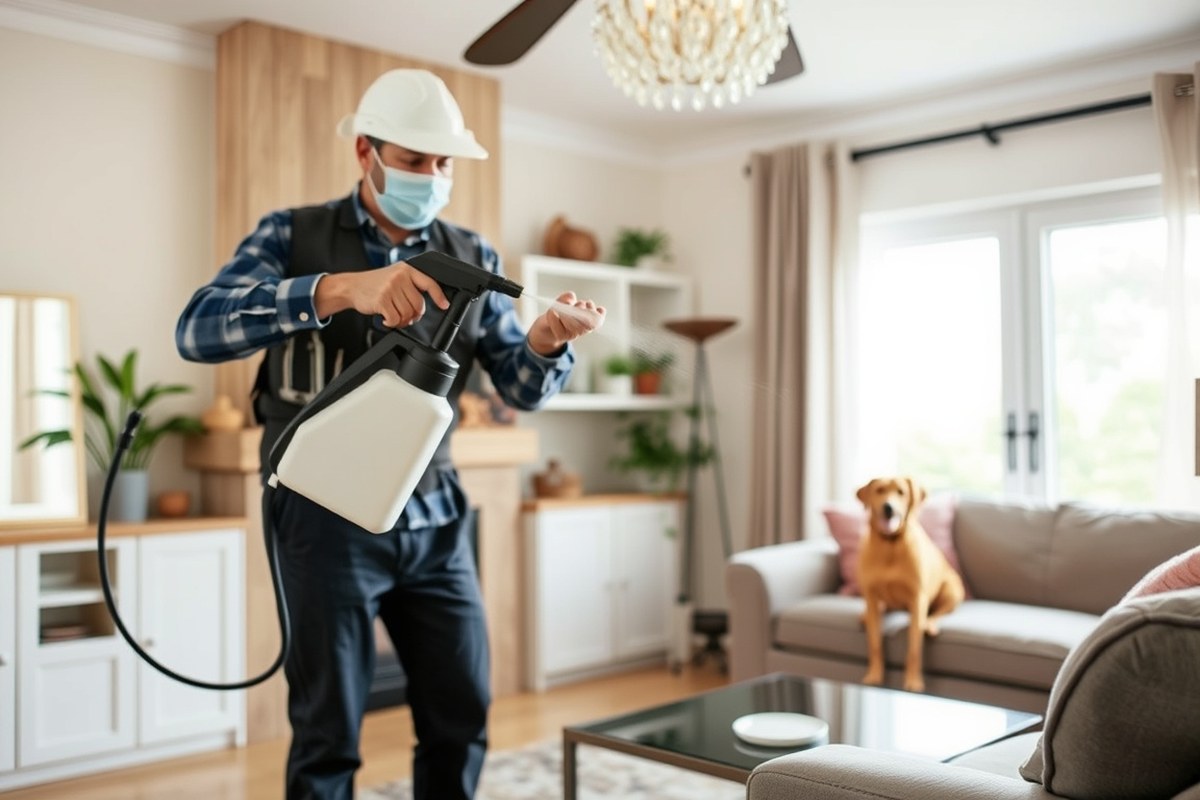
How Much Does Flea Pest Control Cost? Complete Guide to Pricing & Options
How much does flea pest control cost depends on several factors, including whether you choose professional services or do-it-yourself treatments. Professional flea control typically ranges from $150 to $300 per visit, while DIY options can cost under $50 but often require multiple applications. These differences matter because the right approach depends on your infestation size, pets, and budget.
This information suits homeowners, renters, and pet owners facing flea problems. You’ll get clear comparisons of treatment methods, timelines for results, recurring plan options, and guidance on combining flea control with pet care and cleaning. Understanding these elements helps you avoid common mistakes that increase costs and decide when to hire a professional or handle it yourself.
Key Takeaways
- Professional flea pest control typically costs between $100 and $300 per treatment, influenced by home size and infestation severity.
- DIY flea treatments average $20 to $80, with effectiveness varying by product type and proper application.
- Pricing depends on factors like infestation level, home size, treatment frequency, and regional service rates.
- Flea control results often appear within a few days, but follow-up treatments are commonly needed to eliminate eggs and larvae.
- Professional treatments usually offer longer-lasting results, while DIY methods save money but may require repeated applications.
- Effective flea control combines pet treatments, home cleaning, and pest control to prevent re-infestation.
How Much Does Professional Flea Pest Control Typically Cost?

Professional flea pest control usually costs between $100 and $300 for a single treatment, depending on the size of your home and severity of infestation. Pricing may follow either one-time fees or recurring service plans. Treatments generally take around 1 to 3 hours to complete and include multiple steps to target fleas at various life stages.
Typical Cost Ranges by Service Type
Standard flea treatment for an average-sized home (about 1,500 to 2,000 square feet) typically runs from $100 to $150 per visit. Larger homes or heavily infested properties can expect costs to rise to $200 to $300 per treatment due to increased labor and product use. Some companies charge by the square foot, usually between 5 and 15 cents per square foot, which helps scale pricing to your specific property size.
Recurring services, often scheduled monthly or every few weeks, raise total spending but improve effectiveness by interrupting the flea life cycle. Monthly plans can average $70 to $150 per visit, with discounts for longer-term commitments. One-time treatments might be insufficient in severe cases, increasing the need for follow-ups or bundled service packages.
Common Services Included in Treatment
Professional flea control generally begins with a thorough inspection of your living area and pet spaces to assess infestation level. Technicians apply insecticides formulated to kill adult fleas and insect growth regulators (IGRs) that stop eggs and larvae from developing. These products usually come as sprays or fogs applied indoors, on carpets, furniture, and pet bedding, plus exterior treatments around the foundation and landscaping if needed.
Many services include vacuuming recommendations or offer it as an add-on since mechanical removal improve chemical treatment results. Some companies inspect and treat pets directly or coordinate with your veterinarian’s flea medication to ensure an integrated approach. Post-treatment, technicians often provide guidance on cleaning routines and timing for returning to treated areas safely.
Overview of Pricing Models and Duration
The two main pricing models are one-time treatments and recurring service plans. One-time fees cover a single application aimed at quickly reducing flea populations. Results may require 1 to 3 days to show noticeable improvement, but residual eggs can hatch afterward, making follow-up treatments likely. One-time treatment costs vary widely but generally start around $100 for a basic home application.
Recurring plans offer ongoing flea suppression with scheduled visits every 2 to 4 weeks, lasting several months until the infestation clears. These often run on a monthly subscription basis, costing about $70 to $150 per visit depending on home size and service frequency. The advantage is better long-term control and prevention of reinfestation, which offsets repeated one-time treatment expenses.
Treatment duration per visit usually runs 1 to 3 hours, mainly depending on house size and method complexity. Technicians spend time applying treatment carefully in all areas pets and people frequent, including hard-to-reach spots. You may need to vacate your home for a few hours during treatment plus an additional wait time before re-entering to allow chemicals to settle safely.
What Are the Average Costs for DIY Flea Treatments?

The average cost for DIY flea treatments generally ranges from $10 to $60 for pet products and $15 to $50 for home-use supplies. These products include flea sprays, powders, foggers for your living space, and collars, spot-ons, or oral medications for pets. Choosing the right combination depends on the infestation level, the number of pets, and home size.
Cost Breakdown of Flea Treatment Products
Home flea sprays typically cost between $15 and $30 per bottle, with one bottle usually covering 1,000 to 1,500 square feet. Flea powders come in containers costing around $10 to $25, effective for treating carpets, pet bedding, and furniture. Foggers or flea bombs cost $20 to $40 each and release pesticides throughout rooms, helping reach fleas in hidden spots but requiring you to vacate the area during treatment. Most foggers cover about 1,200 to 1,500 square feet; you may need several depending on your home’s layout.
These home treatment products usually contain insect growth regulators (IGRs) alongside adulticides. The IGRs stop flea eggs from maturing and are essential for breaking the flea life cycle. To apply sprays or powders, follow product instructions carefully, targeting areas where pets rest and high-traffic spots. Overusing chemicals or missing critical hideouts reduces effectiveness and can prolong the infestation.
Pet Flea Control Options and Pricing
Flea collars range from $10 to $35 depending on brand and duration of effectiveness, usually lasting 4 to 8 months. Spot-on treatments are the most popular, with prices between $15 and $50 per dose; one dose covers one pet per month and often requires monthly reapplication for ongoing control. Oral flea medications typically cost $25 to $60 per tablet, providing one to three months of protection depending on the product. These oral options act quickly to kill adult fleas on the pet but do not affect environmental stages.
Select spot-ons or oral medications based on your pet’s age, weight, and health. Spot-ons target both fleas and ticks in many formulas, so read labels for any breed or health restrictions. Flea collars can be a budget-friendly addition but usually work slower and may not control severe infestations alone. Using a pet treatment alone without addressing fleas in your home rarely solves the problem long term.
Home Cleaning Supplies and Equipment Needed
Effective DIY flea control involves more than chemical treatments; vacuuming and washing fabrics frequently support your efforts. A powerful vacuum cleaner costs between $50 and $200 if you need to buy one, but it helps remove flea eggs, larvae, and adults from carpets and furniture. Plan to vacuum daily or every other day during the treatment period. Washing pet bedding, blankets, and removable upholstery covers in hot water (at least 130°F) also kills fleas in early stages and costs a few dollars more in energy per load.
In addition, consider using a steam cleaner, costing around $100 to $300 for rental or purchase, because steam kills fleas at all life stages on contact without chemicals. This method is useful on delicate fabrics or furniture where pesticides are not recommended. Combine cleaning tools and products with flea pesticides to interrupt the flea life cycle fully.
Regular vacuuming and washing pet items are as important as applying pesticide products to prevent flea eggs from hatching and reinfesting the home.
Factors That Affect Flea Control Pricing
Flea control pricing varies depending on several factors including the size of your property, how severe the flea infestation is, whether pets live in the home, and the geographic location. Each element influences the complexity and extent of treatment needed, which directly affects the cost. Understanding these factors helps you anticipate expenses and choose the right approach for your situation.
Impact of Property Size and Rooms
The size of your home plays a significant role in flea control costs because larger spaces require more product and labor time. A 1,000 square foot apartment versus a 3,000 square foot house can have a cost difference of two to three times, depending on how many rooms need treatment. Fleas tend to hide in carpets, furniture, and cracks, so treating every room thoroughly is critical to effective control.
Homes with multiple bedrooms and living areas increase the hours a technician spends applying insecticides and vacuuming. For example, treatment of a single-story home with four rooms might cost between $150 to $300, while a multi-story house with six or more rooms can reach $350 to $600 or more. Greater square footage and more furniture can raise the cost of both chemicals and the labor required.
Influence of Pets and Infestation Extent
The presence of pets, especially those that spend time both indoors and outdoors, makes flea control more complicated and often increases costs. Pets act as carriers and require additional treatments, such as topical flea preventatives or oral medications, besides the home spraying. If pets live in the home but do not receive simultaneous flea control, treatments inside the home alone often fail.
Infestation severity varies from low, where a few fleas are detected, to heavy infestations with visible fleas on pets and in the environment. Light infestations might only need one round of treatment, costing around $100 to $200. Moderate to heavy infestations require multiple visits, vacuuming, washing bedding, and possibly treating yards or outdoor spaces, pushing costs up to $300 to $700. High flea levels mean flea eggs and larvae are spread around extensively, so follow-up treatments every 7 to 10 days for a few weeks are often necessary.
Regional and Urban vs Rural Cost Differences
Flea control costs differ by location due to variations in pest prevalence, labor rates, chemical costs, and travel expenses. Urban areas often have higher service costs because of higher business overheads and demand, but they also typically have more pest control companies competing, which can lower prices through competition. Rural areas might have fewer providers, increasing travel charges or minimum call-out fees.
Climate also affects flea breeding patterns, warmer, humid regions often need more frequent treatments, increasing annual costs. For example, flea control in the southern United States may require multiple treatments between spring and fall, whereas northern states might only need occasional treatments. This regional variation means pricing can differ by several hundred dollars annually. Always check local providers for specific pricing and consider their reputation and treatment guarantees as part of your cost evaluation.
How Long Does It Take to See Results and Are Follow-Up Treatments Needed?
You can expect flea control treatments to start killing adult fleas within 24 to 48 hours, but complete eradication takes longer because eggs and larvae need time to hatch and be treated. Follow-up treatments are necessary to break the flea life cycle, and these typically occur 7 to 14 days after the initial treatment to target immature fleas before they mature. Costs for follow-ups vary but usually range from $50 to $150 depending on whether you hire a professional or use DIY products.
Expected Timeline for Treatment Results
Flea treatments usually start showing results by killing adult fleas within the first two days after application. This is because most insecticides work quickly on mature fleas. However, flea eggs and larvae are harder to affect and can remain hidden in carpets, pet bedding, and furniture. These immature fleas will continue to hatch for up to two weeks after the initial treatment, which is why you won’t see complete elimination right away.
You should expect the flea population to significantly drop around one week post-treatment, with further decreases after two weeks. Full clearance of a typical household flea infestation can take between two and four weeks. During this time, pets and household areas need to be treated properly and regularly cleaned to remove eggs and larvae, which otherwise restart the cycle.
Common Follow-Up Procedures and Costs
Follow-up treatments usually happen 7 to 14 days after the first application to kill fleas that have hatched from eggs laid before the initial treatment. Professionals often include this in their initial contract to ensure the treatment is thorough. The main methods used include a second spray or fogging of living areas and a retreatment of pets with veterinary-approved flea medications.
For professional services, follow-up treatments can add $50 to $150 to your total cost, depending on your location and the severity of the infestation. DIY follow-ups generally involve reapplying flea sprays or powders, which cost between $15 and $50 for a typical home size. Consistency in applying these treatments and following package instructions is critical to avoid resistance and reinfestation.
Signs to Determine If Re-Treatment Is Required
You should plan re-treatment if you notice ongoing flea activity, such as frequent pet scratching, visible fleas on your pet or in your home, or new flea bites on family members. Detection usually means some life stages of fleas survived the initial treatment or reinfestation has occurred from outside sources like wildlife or neighborhood pets.
Another reason to schedule further treatment is if it’s been more than four weeks since your last application without clear signs of elimination. Some infestations need multiple treatments beyond the first follow-up, especially in homes with heavy infestation, multiple pets, or poor sanitation. Regular vacuuming and washing pet bedding support treatment efforts and reduce the need for extra chemical applications.
Comparing Flea Control Methods: Costs, Pros & Cons
Different flea control methods vary widely in cost, effectiveness, and convenience, so comparing them can help you choose the best fit for your situation. Chemical sprays are common and affordable but may need multiple applications to break the flea lifecycle. Heat treatments offer fast, thorough control but come at a higher price and require professional equipment. Natural remedies reduce chemical exposure but can be less reliable and take longer to work.
Chemical Sprays and Insecticides Overview
Chemical sprays are the most widely used flea control method because they are relatively low cost and easy to apply. These products often contain adulticides to kill fleas on contact and insect growth regulators (IGRs) to prevent eggs and larvae from maturing. A typical home treatment with over-the-counter sprays costs between $20 and $60 per application depending on the product and home size. You may need 2 to 3 treatments spaced 7 to 14 days apart to fully break the flea lifecycle, as eggs can hatch after the initial spray.
The pros include accessibility and ease; you can apply sprays yourself without specialized training. On the downside, spraying carpets and furniture can lead to uneven coverage, which allows fleas to survive in untreated spots. Also, many sprays contain chemicals that require precautions like ventilating treated rooms and keeping pets and kids away during and immediately after application.
Use a vacuum with strong suction before spraying to remove eggs and larvae, improving spray effectiveness by allowing better contact.
Heat Treatments and Fumigation Explained
Heat treatments involve raising indoor temperatures above 120°F for several hours, which kills all flea life stages, including eggs and pupae, within hard-to-reach areas. Professional heat treatments run $1,000 to $2,500 for an average-sized home, making them the most expensive single treatment option. Fumigation uses gas to suffocate pests and typically costs about $500 to $1,500 depending on the home size and complexity.
Both methods require vacating the home for several hours to a day and must be conducted by licensed pest control professionals. Their major advantage is quick, complete elimination with a single treatment, reducing the need for follow-ups. The drawback is high upfront cost, possible risk to sensitive materials, and inconvenience of leaving the house. Heat treatments are best for severe infestations or situations where chemical use is not an option.
Natural and Non-Chemical Remedies Pros and Cons
Natural flea control options include diatomaceous earth, essential oils, flea traps, and regular vacuuming. Diatomaceous earth is abrasive to insects’ shells and costs about $10 to $30 per bag, covering several hundred square feet. Oils like cedar or lavender repel fleas but usually do not kill them and can require frequent reapplication. Flea traps use light and heat to lure fleas but mainly target adult fleas and do not affect eggs or larvae.
These remedies appeal to customers avoiding chemicals, but they generally work slower and are less reliable alone, especially in heavy infestations. Combining natural methods with thorough cleaning and pet flea treatments can improve results without chemical exposure. The cost is usually lower upfront but may involve ongoing maintenance. Keep in mind that some natural products can irritate pets or cause allergies, so check product safety before use.
How Flea Control Integrates with Pet Treatments and Home Cleaning
Effective flea control requires treating both your pets and your home simultaneously. Pet medications eliminate fleas on animals, preventing new infestations, while thorough home cleaning removes eggs, larvae, and adult fleas hiding in your living environment. Combining treatments and cleaning leads to more reliable and lasting flea elimination.
Recommended Pet Medication Options
Start treating pets with veterinarian-approved flea medications designed for their species, size, and health status. Common options include topical spot-on treatments applied monthly, oral tablets given once a month, and flea collars that can provide protection for several months. Choosing the right product depends on factors like your pet’s age, weight, indoor versus outdoor exposure, and any allergies.
Topical treatments usually cost between $10 and $25 per dose, while oral medications range from $15 to $40 monthly. Flea collars can cost $15 to $50 and last three to eight months. Your budget should account for continuous application since missing a dose could let fleas return. It helps to check for combination products that also target ticks or intestinal parasites, which can provide better overall pest control at a similar price.
Pets in multi-animal households all need treatment, even if only one shows fleas. Fleas move easily among animals and untreated pets become a reservoir, undermining your home cleaning efforts.
Essential Home Cleaning Steps
Cleaning your home targets flea eggs, larvae, and pupae that your pet medication doesn’t reach. Begin by vacuuming every carpeted and upholstered area thoroughly, focusing on pet sleeping spots and high traffic zones. Vacuuming physically removes fleas and their developmental stages, reducing their numbers significantly. Empty or dispose of the vacuum bag or canister contents outside right after use to prevent re-infestation.
Launder all pet bedding, blankets, and any washable fabrics in hot water above 130°F. Heat kills flea eggs and larvae effectively. Dry on a high heat setting for at least 30 minutes or longer for thicker fabrics. For areas that cannot be washed, such as carpets or upholstery, consider steam cleaning which also kills fleas at all life stages.
Use flea sprays or foggers labeled for indoor use carefully on floors, carpets, and pet resting areas, following product instructions precisely. Many contain insect growth regulators that prevent eggs and larvae from developing. Repeat treatments may be necessary two to four weeks after the first, depending on product recommendations and infestation severity.
Sample Cost Estimate Integrating Pet and Home Treatment
Imagine a household with two medium-sized dogs experiencing a moderate flea problem. The pet treatment might involve monthly topical applications costing about $20 each per month, totaling $40 monthly or $120 for three months. For home cleaning, invest in a good vacuum (around $80 if you don’t own one), washer/dryer use estimated at $15 worth of utilities over multiple cleaning sessions, and one or two flea spray treatments priced at $15 to $25 each.
This leads to approximately $150 to $200 spent in the first three months on combined pet and home flea control. Here’s a basic checklist: treat all pets with vet-approved medication on schedule, vacuum the entire home twice a week for the first month, wash pet bedding weekly, and apply flea sprays to carpets and furniture after vacuuming. Inspect and repeat treatment as needed based on the flea lifecycle, usually after about three weeks.
Skipping pet treatment creates a cycle where fleas keep returning despite home cleaning. Delay or neglect in cleaning lets flea eggs mature, causing the infestation to persist. Frequent re-treatments and maintenance cleaning may be necessary for severe infestations, raising costs beyond initial estimates.
Recurring Flea Control Plans and Bundling Options
Recurring flea control plans typically involve monthly or seasonal treatments designed to keep flea populations under control over time. These plans may also bundle flea treatments with other pest control services, helping you reduce overall costs while maintaining a pest-free home. Choosing a subscription or bundled service depends on the severity of the flea problem and your property’s specific needs.
Monthly and Seasonal Flea Control Service Plans
Pest control companies often offer monthly or seasonal flea control service plans that provide regular treatments throughout flea season, which usually lasts from spring through early fall. These plans typically involve scheduled visits every 30, 60, or 90 days, depending on the product used and environmental factors like humidity and temperature that affect flea activity. For example, monthly visits are common if fleas persist despite treatment, while seasonal plans might cover three to six visits over several months.
Signing up for a recurring plan ensures ongoing protection without the need to schedule each treatment separately. These plans often start around $40 to $70 per month, depending on the home’s size and whether pets are present. They include inspections and retreatments at no extra charge if fleas return within the subscription period, which helps catch reinfestations early before they become costly.
Benefits of Bundling Flea Control with Other Pest Treatments
Bundling flea treatments with other pest control services like ant, termite, or rodent control can save considerable money. Pest control companies offer package deals because applying multiple services together reduces labor and travel costs. This bundling is especially advantageous for properties prone to several pest issues, such as rental homes or properties in humid regions where ants and fleas thrive.
In practice, bundling might involve scheduling one technician visit every quarter rather than separate appointments for fleas and other pests. Combining treatments often use overlapping pesticide applications and inspection routines, reducing the total price by 10% to 25%, compared to paying for each service individually. It also simplifies maintenance since you deal with one provider and one invoice.
Cost-Saving Opportunities and Discounts
Many pest control companies offer discounts for signing multiyear contracts or paying upfront for seasonal services that span several months. For example, a company might discount a six-month flea subscription by 10% if you pay in full at the start of the season, rather than month to month. Discounts also exist for bundling flea control with services for termite or general pest control.
Late spring or early summer is the best time to lock in these deals because flea populations typically rise then. Delaying treatments beyond this window may require more frequent visits and higher expenses due to established infestations. Property managers or landlords managing multiple units can negotiate further savings through volume pricing or priority scheduling agreements.
Regular inspections included in recurring plans help avoid expensive emergency treatments for severe flea infestations, which can cost several hundred dollars for one-time service. Choosing a plan with guaranteed retreatments avoids out-of-pocket costs if fleas return after initial work. Always review contracts carefully to understand what is covered under your subscription and confirm that bundled services do not include unnecessary treatments for pests you don’t have.
When Is It Cost-Effective to DIY Versus Hiring a Professional?
Deciding between DIY flea control and hiring a professional depends on how severe the infestation is and your budget flexibility. Mild infestations with manageable costs favor DIY methods, while widespread or persistent fleas usually require professional treatment for effective, long-term control.
DIY Suitable Scenarios and Cost Considerations
DIY flea treatments work best when the infestation is detected early and limited to a small area or just a few pets. You can start by inspecting pets and common resting spots for fleas and flea dirt. Finding fewer than 10 fleas or only occasional bites on your pet typically means a DIY approach with over-the-counter sprays, powders, or flea shampoos costing $20 to $50 may suffice. These methods require consistent reapplication over weeks and thorough cleaning, including washing pet bedding and frequent vacuuming. The total cost will generally stay under $100 unless you need multiple products or pet medications.
DIY efforts are also practical if your budget is tight but you are ready to invest time daily in treatment and cleaning. Many DIY products have active ingredients effective against fleas but need repeat use to break the flea life cycle. However, DIY does not guarantee elimination if the infestation spreads beyond indoor pets or carpets.
Professional Treatment Indicators
Larger or long-standing infestations often demand professional pest control. Discovering dozens of fleas on pets, frequent bites on multiple family members, or spotting flea activity outside your home suggests a professional can target the fleas’ entire habitat. Professionals use specialized insecticides and dust treatments with residual effects that DIY products lack, increasing the chance of thorough control. On average, professionals charge $150 to $300 or more for full-home treatment depending on home size and flea severity.
Hiring a pro reduces the risk of flea reinfestation caused by improper use of chemicals or missing flea hot spots during DIY. Professionals also provide follow-up visits and advice tailored to your home environment, improving long-term results. Flea presence lasting more than a month despite DIY attempts usually requires professional intervention as a faster and more reliable solution.
Decision Rules Based on Budget and Severity
Start by assessing flea severity: count fleas on pets and check for visible signs like flea dirt or bites on people. When fleas are few and localized, begin a DIY treatment and monitor closely. Dedicate 2 to 4 weeks to repeated treatments with vacuuming and laundry. Maintain a budget limit of around $100 for products and pet medications. Upgrade to professional help if flea numbers rise, bites spread, or no improvement shows after a month. This avoids wasting money on repeated ineffective treatments.
Choosing professional treatment is advised if your infestation is severe from the beginning or your home has many animals, despite higher upfront costs. This saves time and ensures proper chemical application. For those with limited funds, negotiate payment options or request an initial inspection to gauge infestation size and treatment needs before committing financially.
Track flea counts weekly by combing pets; persistent high numbers after two treatments suggest it’s time to call a professional.
Common Mistakes That Increase Flea Control Costs
Mistakes during flea control often end up costing more due to ineffective treatment or repeated efforts. Ignoring important steps like treating pets and cleaning the home thoroughly can let fleas survive and multiply. Using the wrong products or delaying follow-ups also leads to wasted time, product, and money.
Skipping Pet Treatments or Home Cleaning
Not treating your pets alongside your home lets fleas continue their life cycle, leading to ongoing infestation despite your efforts. Fleas spend most of their time on animals, so applying flea medication or topical treatments to pets is essential. Many products cost between $20 and $60 per month per pet, but this expense is necessary to break the cycle.
Neglecting home cleaning also increases costs through repeated treatments. Flea eggs and larvae hide in carpets, pet bedding, and cracks in floors. Vacuuming daily for at least two weeks and washing bedding in hot water helps remove eggs and larvae. Skipping this step means fleas come back, causing you to spend on additional sprays or professional services.
Delaying Follow-Ups or Not Treating Outdoor Areas
Delaying follow-up treatments typically allows new fleas to emerge and re-infest your home. Flea eggs hatch in 2 to 3 weeks, so scheduling treatments or cleaning every 7 to 10 days for a month is necessary to catch all stages. Missing this window often results in repeated pest control visits and extra chemical use, raising your total cost.
Many people also forget outdoor areas where fleas breed, such as shaded moist spots, yards, and kennels. Outdoor flea control may involve additional products like yard sprays or granules, costing around $30 to $75 per treatment, but ignoring this can cause indoor reinfestation. Treating pets, home interiors, and the yard together reduces long-term expenses.
Using Ineffective or Incompatible Products
Using flea treatments that don’t work for your pets’ species, weight, or life stage leads to poor results and repeated purchases. Over-the-counter products vary widely in strength and formulation, and some may be safe only for dogs, not cats. Buying the wrong product wastes your money and risks harm to pets.
Mixing incompatible products can also reduce effectiveness or cause safety risks. For example, some shampoos may remove previously applied spot treatments. Using an insect growth regulator without an adulticide misses killing adult fleas, requiring multiple products and visits. To avoid this, read labels carefully or consult a pest control professional who can recommend the right treatment plan tailored for your situation.
How to Estimate Total Flea Pest Control Costs for Your Home
Estimating the total cost for flea pest control involves more than just the initial treatment. You need to include follow-up visits, pet medications, and any possible hidden fees. Planning out these expenses helps avoid surprises and ensures you allocate enough funds to fully eliminate the infestation.
Complete Flea Control Cost Checklist
Start by listing the known expenses: the professional or DIY treatment itself, which may range widely depending on your choice and home size. Add costs for follow-up treatments, as fleas often require multiple rounds spread over several weeks to fully break the life cycle. Factor in flea medication for pets; these typically come as monthly topical treatments, collars, or oral tablets, and prices vary by the type and size of your pet. Include potential hidden fees such as diagnostic charges, re-treatment guarantees, or additional services like home cleaning or yard treatment. Also, consider if you need multiple pet medications if you have more than one animal, and remember some medications require veterinary prescriptions, adding to cost and time. Finally, don’t overlook any preparation steps you must handle yourself, like extensive vacuuming, laundry, or moving furniture, which might require purchasing equipment or extra effort.
It’s critical to identify these costs early and keep track in one place. This helps you compare different service providers accurately and avoid unexpected bills. A thorough checklist avoids underestimating your budget and helps you decide if professional service or DIY makes more sense financially and logistically.
Worked Example: Budgeting for a 3-bedroom Home with Pets
Imagine a three-bedroom house with two dogs suffering a moderate flea infestation. You plan to hire a professional service. The initial treatment could cost between $150 and $250, depending on your region and company. Expect at least one or two follow-ups priced around $100 each, scheduled 10 to 14 days apart, since fleas hatch repeatedly. This adds roughly $350 to $450 for treatments alone.
For pets, plan on monthly flea medication going for $30 to $50 per dog. Over a typical 3-month treatment cycle, that totals $180 to $300. You may also need flea shampoo or sprays for spot treatment at home, which runs about $15 to $25. Hidden fees may include a $50 inspection fee or extra charges for yard treatment if your pets spend time outside. Altogether, you could expect a total outlay between $600 and $800 to fully clear fleas, including all treatment and pet costs.
This example shows how the cost quickly rises beyond the initial service price. It highlights why confirming the number of visits and pet treatment costs upfront helps you budget correctly. Always ask if the quoted price covers these elements or if you should plan extra.
Scripts for Communicating with Pest Control Companies
When requesting quotes, clear communication is key. Here is a template you can use when calling or emailing providers: “Hello, I have a flea infestation in a [size] home with [number and types of pets]. I need a complete treatment plan that includes follow-ups and pet flea control recommendations. Could you provide a detailed quote that lists initial treatment costs, number and cost of follow-up visits, any fees for home or yard treatment, inspection charges, and advice on pet medications? Also, please explain any preparation needed on my part and the warranty or guarantee policy.”
This script ensures you get all important details in one response. Adjust the specifics for your home and pets. Use their answers to compare multiple quotes side by side. Always ask providers to clarify anything you don’t understand before scheduling service. This helps avoid hidden or unexpected costs later.
Step-by-Step Action Plan for Managing Flea Pest Control Costs
Start by assessing your flea problem’s severity and budget to choose between professional and DIY options. This plan helps you act efficiently while tracking costs and results.
- Before You Start: Inspect your home and pets to estimate infestation levels. Use this to decide if DIY treatments suffice (usually $10, $30 per product) or if professional service, costing $150, $300 per visit, is needed for heavy infestations.
- Day 1: Pick your treatment method based on cost factors such as home size, flea stage, and pet treatments. Professionals save time and often include guarantees; DIY is cheaper but requires strict follow-up.
- Day 2, 3: Apply flea control treatments to pets and home thoroughly. For pets, use vet-approved spot-on or oral medications. For home, vacuum daily and treat carpets, furniture, and pet bedding to interrupt flea life cycles.
- Week 1: Monitor flea activity by checking pets and common areas. Reduced flea bites or flea counts signal treatment effectiveness. Continue vacuuming and maintain pet treatments as recommended.
- Week 2: Plan and schedule any needed follow-up treatments. Flea eggs can hatch after initial treatments, so additional rounds, professional or DIY, help ensure eradication and prevent costlier repeat treatments.
- Month 1: Evaluate overall cost including products, professional fees, cleaning, and pet treatment. Compare against initial estimates to track spending. Consider recurring flea control plans if indoor or outdoor flea pressure remains high.
- Ongoing: Maintain pet flea preventatives year-round, clean regularly, and inspect for new infestations until fleas disappear. This prevents reinfestations and limits future control costs.
- Review Cost-Effectiveness: After resolving the flea problem, decide if future DIY or professional services provide better value based on your experience, infestation risk, and local pricing.
Frequently Asked Questions
What Costs Should I Expect for Flea Removal on a Multi-Pet Household?
Multi-pet households usually face higher flea control costs because treatments must cover all animals. Professionals may charge $150 to $300 or more to ensure thorough coverage for pets and the home, plus multiple visits may be needed due to higher infestation risks.
Can Flea Pest Control Cost Vary by Home Size and Construction Type?
Yes, larger homes or those with crawl spaces and multiple rooms require more insecticide and time, raising costs. Wood or brick construction might also affect treatment methods, which changes labor and product expenses.
Do Seasonal Changes Affect the Price of Flea Pest Control Services?
Flea control costs can rise in warmer months since fleas are more active. You might pay more for treatments in spring or summer when infestations peak and control measures demand quicker turnaround and sometimes repeat visits.
How Much Can Flea Control Costs Increase If the Infestation Spreads Outside the Home?
Costs go up if fleas have infested yards or surrounding areas because outdoor treatments need different products and safety precautions. This might add $50 to $150 extra, depending on the yard size and pest control company policies.
What Additional Costs Come with Flea Removal in Rental Properties?
Landlords may face extra fees for pest control that cover multiple units or common areas. These costs vary widely but expect higher rates for commercial-style services and inspection fees, often $200 or more per treatment depending on infestation severity.
Are There Cheaper Flea Control Options for Homes with No Pets?
Yes, non-pet homes can use baits and perimeter insecticides that cost less than pet-safe indoor sprays. These treatments might cost $75 to $150 depending on the home’s size but are less effective if fleas hitchhike on visitors or wildlife.
Key Points to Remember
Flea pest control costs vary widely depending on the severity of the infestation, treatment methods, and whether you choose professional services or DIY options. You should evaluate your specific situation, including your home’s size and your pets’ flea exposure, before deciding. Today, inspect your pets and home carefully for flea signs and consider contacting a local pest control company for a detailed quote based on your needs. This approach helps you make an informed choice that balances cost and effectiveness without unnecessary expenses or ineffective treatments.