
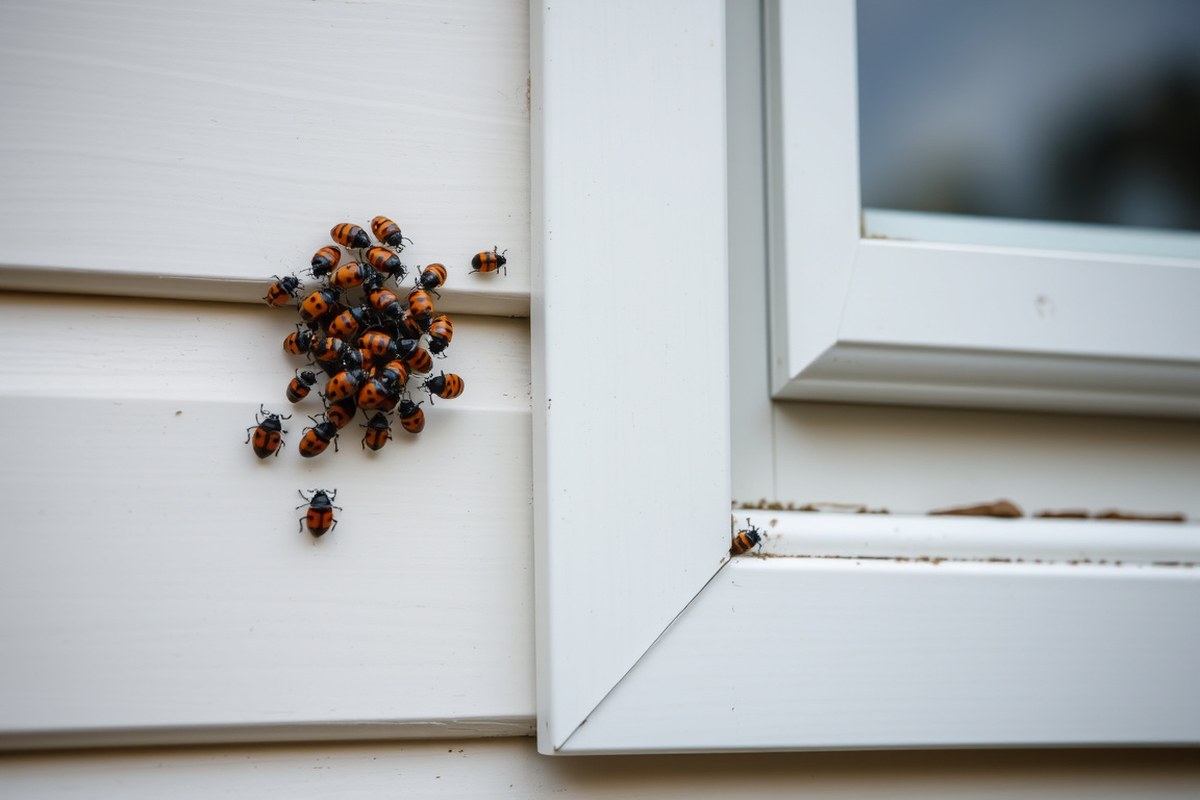
How to Get Rid of Asian Lady Beetles: 8 Proven Strategies That Work
Getting rid of Asian lady beetles is straightforward with the right approach. You can stop these unwelcome insects from invading your home by sealing entry points, using safe vacuuming methods, applying insecticides carefully, and trying natural repellents. Understanding their behavior and life cycle helps you keep them out year-round.
This guide targets homeowners, renters, landlords, and property managers facing Asian lady beetle problems in the fall and later seasons. It covers identifying these insects, stopping them from coming inside, and selecting effective treatments to keep your home comfortable and pest-free. Here’s the method to remove Asian lady beetles and reclaim your living area from these lookalike ladybugs.
Key Takeaways
- Distinguish Asian lady beetles from native ladybugs by their larger size (about 7 mm) and rounder, oval, convex shape.
- Expect Asian lady beetles to invade homes in fall, especially before first hard frost, seeking warmth near sunny walls.
- Seal cracks and gaps around windows, doors, and siding to limit Asian lady beetle entry, but expect some to get in.
- Use vacuuming as a safe, effective method to remove indoor beetles and reduce their numbers without chemicals.
- Apply insecticide granules outdoors with a lawn spreader for contact kill within 24 hours, lasting up to three months.
- Try natural repellents and home remedies cautiously, knowing results vary and professional options may be needed for large infestations.
1. Identify Asian Lady Beetles vs Native Ladybugs
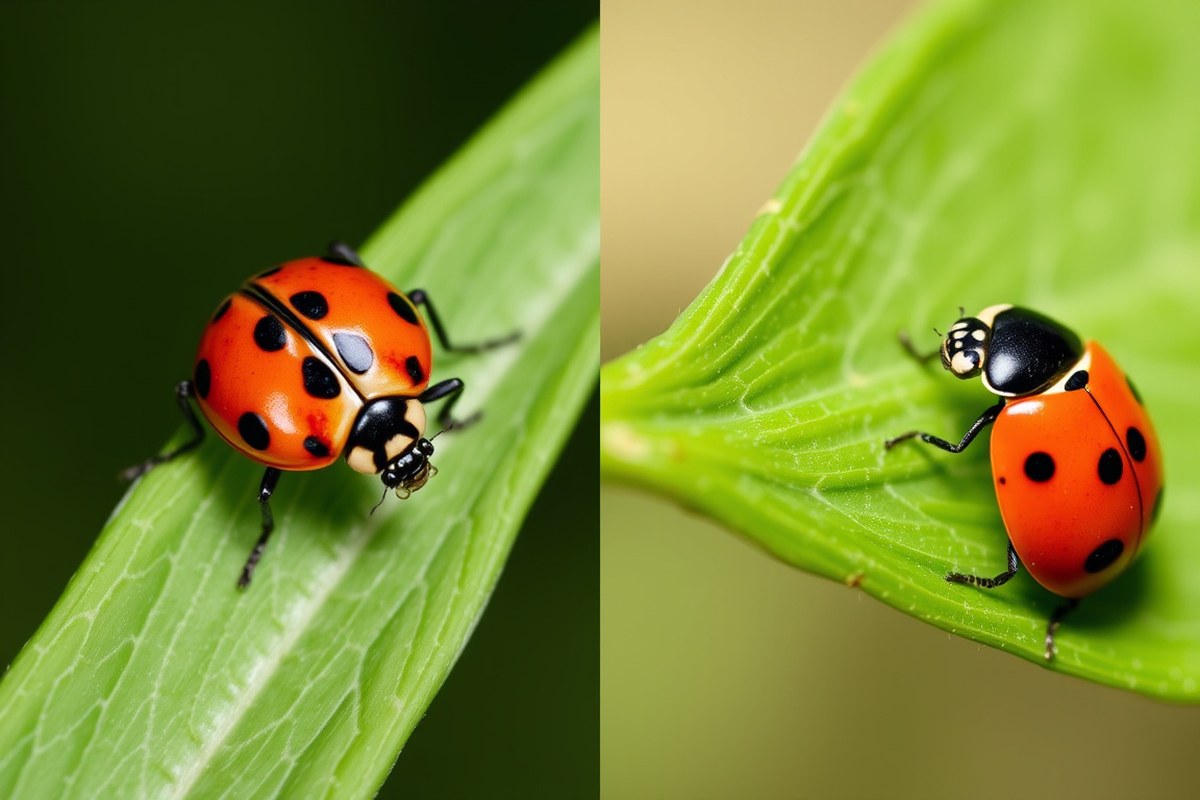
Asian lady beetles can easily be confused with native ladybugs because of their similar shape and coloring. To identify Asian lady beetles accurately, start by examining their size. These beetles are about 1/3 of an inch long, making them slightly larger and rounder than native ladybugs. Native ladybugs are usually smaller and have a more domed shape compared to the slightly broader Asian lady beetles.
Color and markings also help differentiate the two. Native ladybugs are typically bright red with seven distinct black spots on their wing covers. Asian lady beetles vary more in color, ranging from yellow and pale orange to bright red, and their spots can be numerous or nearly absent. The key identification feature for Asian lady beetles is the black “M” or “W”-shaped marking on the white area behind their head, which native ladybugs lack. This marking is highly visible and provides a reliable way to spot Asian lady beetles at a glance. Checking for this feature with a hand lens or phone camera can aid accurate identification when you find these insects inside your home or in your garden.
It’s also important to distinguish Asian lady beetles from other beetles or insects that resemble ladybugs but do not share their habits or impacts. Some beetles have spots and red or orange coloring but differ in shape and size. For example, some leaf beetles are more elongated and less dome-shaped. Unlike Asian lady beetles and native ladybugs, these other insects typically do not invade homes or bite, so confirming the characteristic “M” marking and overall round shape is important before deciding on control methods.
Accurate identification matters because native ladybugs are beneficial predators that help control pests like aphids naturally. Asian lady beetles, on the other hand, can become household pests in the fall by invading homes in large numbers. Treating your home to remove Asian lady beetles while preserving native ladybugs leads to better garden health and reduces unnecessary pest control efforts.
You can use a simple checklist for identification: first, measure the insect to confirm it’s around 1/3 inch long; second, observe the color variation from yellow to red; third, look for the distinctive black “M” shape on the white area behind the head; and fourth, note the rounder, broader body shape compared to typical native ladybugs. Keeping a photo reference handy also helps. Various extension services and university websites offer photos showing side-by-side comparisons of Asian lady beetles, native ladybugs, and look-alike insects. Taking clear photos of the insects you find can assist with online identification tools or when consulting pest control professionals.
2. Understand Why and When Asian Lady Beetles Invade Homes
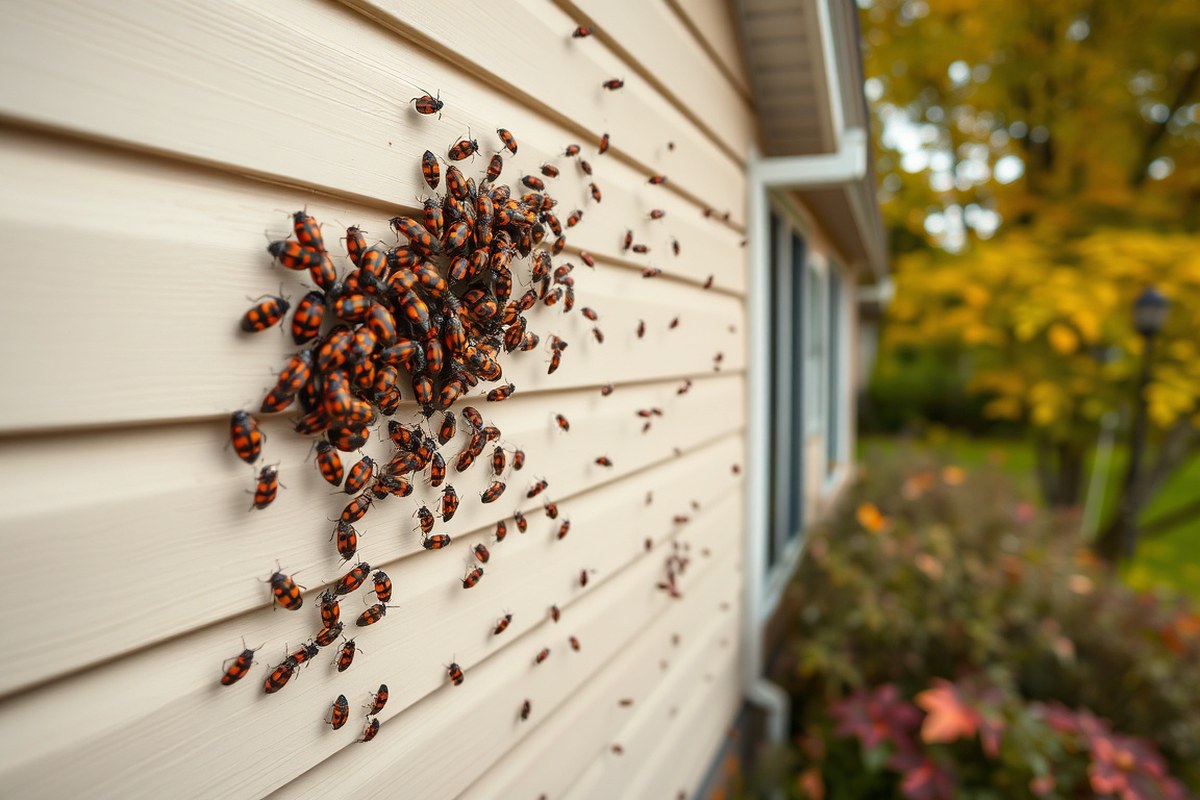
Asian lady beetles invade homes primarily in late summer and fall as they search for a warm and protected place to overwinter. These insects tend to swarm on sunny walls and often push indoors just before the first hard frost arrives. For example, in places like Manchester, New Hampshire, they typically move indoors between October 19 and 29 when temperatures start to drop below freezing at night. This behavior is triggered by weather changes, especially the first warm day around 65°F following the season’s initial frost, signaling the beetles to seek shelter.
Sudden infestations or swarms occur because Asian lady beetles congregate in large groups on warm, reflective surfaces such as windows and the south side of houses. When they find openings around doors, windows, or utility access points, they readily enter homes. The beetles tend to release a yellow, smelly liquid when disturbed or threatened, which can attract even more beetles, increasing the infestation. This secretion also makes the situation more unpleasant by leaving stains and odors inside the house.
The timing and intensity of these invasions depend heavily on local climate and weather patterns. In temperate climates, early or late frosts can affect when the beetles decide to enter homes. Milder autumns may delay their move indoors, while sudden drops in temperature will accelerate it. Also, the severity of the infestation can vary year to year based on how many beetles are in the surrounding environment and how suitable the weather is for their survival and reproduction.
Understanding this seasonal pattern helps you predict when beetles are most likely to appear around your home, usually from late September through November. You can then prepare by inspecting and sealing entry points before the first frost and monitoring sunny walls for swarms. Keeping an eye on the weather forecast for overnight lows heading toward freezing can give you a more exact timeline for when to expect beetle activity.
Monitor warm, sunny walls especially on the south side of your home during fall; spotting early beetle gatherings there lets you act before they enter.
3. Seal Your Home Effectively to Prevent Beetle Entry
Sealing your home to keep Asian lady beetles out requires a thorough inspection and targeted use of appropriate materials at every crack and opening. This approach significantly reduces beetle entry but won’t always stop all insects, especially in older or multi-story homes. Expect to combine sealing with other methods like vacuuming for best results.
Common Beetle Entry Points in Homes
Asian lady beetles typically squeeze through very small gaps, so focus on widely overlooked areas around your home’s exterior. Cracks around window frames, door edges, and utility penetrations are prime entry points. Pay special attention to any damage or loose siding, worn weatherstripping, and gaps around vents or pipes that lead indoors.
Houses located near wooded areas or with unshaded walls facing west or south tend to attract more beetles, which look for sunny spots to warm up. They often enter through openings as small as 1/16 inch. Multi-story homes and older siding areas usually have more potential gaps, increasing entry risk. Checking at ground level and up at the roofline is critical.
Best Materials and Tools for Sealing
Use a combination of caulk, weatherstripping, and mesh to block beetle access effectively. Silicone or acrylic latex caulk works well on narrow cracks and around window frames. Expandable foam sealant is good for larger gaps around pipes, vents, and attic openings but requires careful application to avoid mess. For door bottoms and frames, self-adhesive weatherstripping reduces entry of insects and drafts.
Fine hardware cloth or metal mesh screens can cover vents and openings too large for caulk or foam. Choose corrosion-resistant materials. Tools needed include a utility knife, caulk gun, putty knife, and a flashlight to inspect hard-to-see areas. Expect to spend between $20 and $60 on sealants and supplies, depending on how many gaps you need to address.
Sealing Tips for Different House Types
Older homes often have weathered siding and many small cracks, so a more detailed inspection and frequent maintenance may be necessary. Focus on layered siding joints and areas where trim meets the house, which commonly develop openings over time. Multi-story homes require you to check higher windowsills, eaves, and attic vents, sometimes using ladders or binoculars for thorough inspection.
Newer homes generally have fewer openings but still benefit from checking around utility entries and door frames. For light-colored homes especially on unshaded western or southern exposures, more frequent sealing is needed as beetles cluster on these sunlit surfaces before seeking entry.
- Inspect all window and door perimeter seals for cracks or worn weatherstripping.
- Use caulk to fill small cracks around window frames, siding joints, and door trim.
- Apply expandable foam sealant around larger gaps at utility entry points and attic vents.
- Install or repair weatherstripping on door bottoms and frames to block tight gaps.
- Cover unenclosed vents or holes larger than 1/8 inch with fine hardware cloth or mesh.
- Check the foundation line and roof eaves with a flashlight for hidden small openings and seal as needed.
- Monitor sealed areas every fall to catch new cracks or damage and reseal promptly.
- Consider professional inspection for multi-story or older homes with extensive siding damage.
4. Vacuuming: Safe and Efficient Indoor Beetle Removal
Vacuuming Asian lady beetles inside your home can reduce their numbers quickly and safely without applying chemicals. It physically removes the beetles from walls, windows, and corners, especially during their peak indoor seasons in fall and winter. However, vacuuming alone rarely eliminates an infestation completely. Combining vacuuming with other methods like sealing entry points will show noticeable improvements in about one to two weeks.
To use vacuuming effectively, focus on areas where beetles cluster or enter your home. Use a vacuum with a hose attachment for better reach and suction. After vacuuming, it’s critical to clean your vacuum to prevent beetle odors and stains from spreading, as the beetles can emit a yellowish fluid when crushed. This fluid can stain carpets and upholstery and cause an unpleasant smell. Follow these steps to vacuum and maintain your vacuum for Asian lady beetle control:
- Prepare the vacuum: Use a vacuum with a disposable bag or a canister that can be emptied outdoors. Avoid vacuums with permanent bags to reduce exposure to beetle residues.
- Focus on high beetle activity areas: Vacuum windowsills, window screens, door frames, baseboards, and warm sunny spots where beetles gather.
- Vacuum gently to capture beetles: Use moderate suction to avoid damaging walls or fabrics but strong enough to pull in beetles and debris.
- Empty vacuum contents promptly: Remove the vacuum bag or empty the canister immediately after use. Seal the bag or contents inside a plastic bag and discard in an outdoor trash bin to prevent beetles from escaping back inside.
- Clean vacuum parts: Wipe the hose, attachments, and vacuum interior with a damp cloth and mild soap. This prevents residual odors and beetle stains.
- Check for stains: Inspect carpets or upholstery near vacuumed areas and clean any yellowish spots with a carpet cleaner or soap solution.
- Repeat vacuuming regularly: Vacuum every few days during peak beetle seasons to keep populations low while other control methods take effect.
Vacuuming generally costs the same as maintaining your household vacuum, which ranges around $0 to $5 for cleaning supplies. Consistent vacuuming combined with sealing and other control steps generally reduces indoor beetle counts within one to two weeks. For heavier infestations, progress might take a month or more as beetles hidden inside walls remain inactive but eventually emerge. Avoid over-reliance on vacuuming alone since beetles often hide in wall voids and inaccessible spaces.
5. Use Insecticides Safely: When, What, and How to Apply
Insecticides can be useful to control Asian lady beetle infestations, especially when beetle numbers inside your home become overwhelming. Choose insecticides labeled for indoor use and specifically effective against Asian lady beetles, such as pyrethroid sprays. These products kill beetles on contact and can reduce the population quickly. Avoid broad applications outdoors, since Asian lady beetles feed on aphids and pests harmful to your garden plants and blanket spraying can disrupt beneficial insects.
Use insecticide sprays indoors in fall when Asian lady beetles cluster on sunny walls before entering your house through small cracks. Apply these along window frames, door edges, baseboards, and other entry points. Spray lightly to avoid run-off or excessive residue, focusing on crevices where beetles hide or crawl. Re-apply every 7 to 10 days during heavy activity to catch new arrivals but discontinue use once beetle movement fades in winter to minimize chemical exposure. Expect results within hours and reduced beetle presence within a week if applied correctly.
| Insecticide Type | Best Use | Protection Duration | Notes |
|---|---|---|---|
| Pyrethroid spray (e.g., permethrin, bifenthrin) | Indoor crack and crevice treatment | Up to 2 weeks | Fast knockdown, safe if used per label; avoid overuse |
| Granular insecticides | Outdoor perimeter barrier | Up to 3 months | Contact kill but not recommended for full landscape due to garden pest benefits |
| Insecticide foggers (indoor use only) | Severe indoor infestations | Immediate knockdown | Use with caution; do not apply near food or pets; ventilate after use |
For safe application, always read and follow the insecticide label instructions. Wear gloves, a mask, and protective eyewear to avoid inhaling or touching chemicals. Do not spray near children’s play areas, food prep spaces, or pet bedding. Schedule indoor treatments in late afternoon or early evening when beetles are more active on walls, allowing the insecticide to dry overnight before people return to use the area. Ventilate rooms well after spraying to reduce chemical odors and fumes.
Granular products can help form an outdoor perimeter barrier around foundation cracks to reduce beetle entry, but do not apply them to your entire garden or lawn. These granules kill beetles by contact and keep protection for several months but may harm beneficial insects like native ladybugs. Use only in narrow strips along your foundation or entry points, following package instructions for coverage and timing.
Never apply outdoor insecticides indiscriminately across your yard; focus treatments carefully to avoid harming beneficial insects that gardeners rely on.
6. Natural and Home Remedies to Repel or Kill Beetles
Natural treatments like essential oils and diatomaceous earth offer non-toxic options to control Asian lady beetles around your home. These methods work best to repel beetles rather than kill large infestations outright. Essential oils such as citronella and lavender produce odors that Asian lady beetles tend to avoid, while diatomaceous earth damages their protective exoskeletons, causing dehydration and death. However, results may vary depending on beetle numbers, application method, and environmental factors.
Essential oils act as a deterrent by masking attractants and creating an unpleasant environment for the beetles. To use, dilute 10 to 15 drops of citronella or lavender oil in one cup of water, then spray around window sills, door frames, and any known entry points. Repeat every few days or after cleaning surfaces. A 15 mL bottle of essential oil typically costs $8 to $15 and lasts for several applications.
Diatomaceous earth is a fine powder made from fossilized algae. It works by scratching beetles’ outer shells, leading to moisture loss. Food-grade diatomaceous earth is safe to use indoors and outdoors but must be dry to be effective. Lightly dust infested areas such as cracks, baseboards, and around window frames. Reapply if the powder becomes wet or after vacuuming. A one-pound bag costs about $10 and covers roughly 200 square feet.
Neither essential oils nor diatomaceous earth provides a guaranteed kill for heavy Asian lady beetle infestations. They are best used as part of an integrated approach that includes sealing entry points and vacuuming. Natural repellents also need reapplication to maintain effectiveness, especially during fall when beetles seek shelter indoors.
| Natural Treatment | How It Works | Application Method | Cost Estimate | Effectiveness | Limitations |
|---|---|---|---|---|---|
| Essential Oils (Citronella, Lavender) | Repels beetles with strong scent | Dilute 10-15 drops in 1 cup water; spray entry points every 2-3 days | $8-$15 per 15 mL bottle | Good for repelling; limited killing effect | Needs frequent reapplication; scent fades indoors quickly |
| Diatomaceous Earth (Food Grade) | Damages exoskeleton, causing dehydration | Light dusting on cracks, baseboards; keep dry; reapply if wet | About $10 per 1 lb bag | Moderate; kills beetles on contact and over time | Ineffective when wet; labor-intensive; slow acting |
Using these natural methods regularly during the fall can reduce the number of Asian lady beetles inside your home. Spray essential oils weekly and maintain dry diatomaceous earth barriers where possible. These measures help discourage beetles from settling but rarely solve severe infestations alone.
7. Plan a Year-Round Beetle Control Strategy by Lifecycle and Climate
Asian lady beetle control works best when matched to their lifecycle and local climate. Planning your sealing, spraying, and vacuuming around their seasonal behaviors can reduce infestations significantly. Start prevention early in the fall before beetles look for shelter and maintain efforts through winter into spring for long-term results.
Asian Lady Beetle Lifecycle Stages
Asian lady beetles can have one to several generations annually, depending on species and climate. Eggs are laid on plants, hatching into larvae that feed for several weeks. Larvae pupate before becoming adults, which actively feed outdoors through summer.
As temperatures drop in fall, adult beetles begin seeking warm cracks and crawlspaces to overwinter. This behavior signals the best time to start home sealing and insecticide spraying. Vacuuming is most effective once beetles have entered your home, usually late fall through early winter.
Seasonal Weather Impacts by Region
Climate influences beetle development speed and their overwintering timing. In temperate regions, beetles typically begin searching for shelter in October, triggered by cooler temperatures. Warmer southern areas might see later activity and more generations per year.
Colder northern climates tend to have a single generation and earlier overwintering behavior. This means early fall sealing can prevent beetle entry. Locations with mild winters may require maintaining both spring and fall controls due to prolonged beetle activity.
Monthly Timeline for Control Actions
The table below outlines a typical yearly plan for controlling Asian lady beetles by month. Adjust timing slightly for your region’s average temperature and beetle activity.
| Month | Action | Reason |
|---|---|---|
| August – September | Inspect and repair seals around windows and doors | Prepare before beetles start seeking shelter |
| October | Begin spraying exterior siding with insecticide like Harris Lady Beetle Killer | Target beetles aggregating outdoors before they enter |
| Late October – November | Vacuum visible indoor beetles regularly | Remove beetles entering home during peak overwintering entry |
| December – February | Continue indoor vacuuming as needed | Overwintering beetles may remain inside |
| March – April | Inspect seals again and perform maintenance | Prevent spring beetle exit and re-entry cycles |
| May – July | Limit controls to outdoor monitoring and minimal spraying | Beetles are active outdoors, less likely indoors |
Sealing your home by early fall costs mostly time and basic materials like weatherstripping and caulk. Spraying insecticide typically costs $10 to $30 per treatment for a DIY approach. Vacuuming requires only a standard vacuum cleaner with a bag that can be discarded promptly.
Plan to inspect seals annually and reapply insecticide each fall. Missing early sealing or spraying steps can allow large beetle aggregations on your siding, resulting in heavy indoor infestations. Regular vacuuming removes beetles that bypass prevention but doesn’t reduce outdoor populations.
8. Know When to Call Professionals and Avoid Common Mistakes
Calling a professional pest control service for Asian lady beetles becomes necessary when infestations are large, recurring, or causing allergic reactions. Avoid common mistakes like poor sealing, incorrect insecticide use, and overhandling beetles by following clear prevention and treatment steps. Knowing when and how to get expert help improves your chances of fully controlling these pests.
Signs You Need Professional Help
Large numbers of Asian lady beetles inside your home indicate a serious infestation that often requires professional treatment. Professionals can also help if beetles cause allergic symptoms such as itchy eyes, nasal irritation, asthma attacks, or skin welts. Another sign is frequent beetle entry despite your own exclusion efforts, showing gaps or entry points you may have missed.
If beetles cluster near windows, light fixtures, or drop from ceilings regularly, a professional can apply treatments safely to reduce populations. Repeat invasions in fall, when beetles seek shelter, suggest you should hire a service trained specifically to handle this species. Local pest control companies typically offer inspection and treatment packages costing between $150 and $300, varying by home size and infestation severity.
Top Mistakes and How to Fix Them
Many homeowners underestimate how tightly they must seal entry points. Small cracks around windows, doors, utility penetrations, and roof eaves allow lady beetles to enter easily. Fix this by using quality silicone or acrylic latex caulk and replacing torn screens promptly.
Using insecticides incorrectly is another mistake. Applying sprays indoors without following label instructions can worsen allergies and spread beetle odors. Use insecticides only in targeted cracks or wall voids, and never against large groups inside living areas.
Overhandling or crushing the beetles releases a foul-smelling yellow fluid that worsens the nuisance. Vacuum removing beetles gently and disposing of bags outside reduces this problem.
- Seal cracks and openings with high-quality caulk
- Replace broken screens and weather stripping
- Vacuum beetles instead of squashing them
- Use insecticides only as directed, focused on entry points
- Avoid disturbing beetle clusters repeatedly
- Wear masks if allergic symptoms appear during removal
These fixes improve your control success and reduce exposure to beetle secretions or bites.
How to Talk to Pest Control Professionals
Describe your problem clearly by mentioning when beetles appear, their typical locations in your home, and any allergic reactions in your household. For example: “Each fall, large numbers of Asian lady beetles gather around my living room windows and drop onto furniture. Some family members experience itchy eyes and sneezing.”
Ask about the methods they use, whether they perform thorough sealing, use insecticides targeted for Asian lady beetles, and offer follow-up services. Request a written estimate including inspection, treatment, and any preventive recommendations. Confirm if they have experience specifically with multicolored Asian lady beetles, as handling these differs from native ladybugs.
Keep records of beetle sightings and your home sealing efforts to share with professionals during the initial inspection.
Step-by-Step Action Plan to Get Rid of Asian Lady Beetles
Follow these steps to identify, control, and prevent Asian lady beetle infestations effectively and safely around your home.
- Day 1: Identify the Beetles – Examine the beetles inside and outside your home to distinguish Asian lady beetles from native ladybugs by looking for the M-shaped mark behind their heads. Confirming the species ensures targeted control methods.
- Within 3 Days: Seal Entry Points – Inspect and caulk cracks, gaps, and vents around windows, doors, and siding to block beetle entry. Success means no new beetles appearing indoors after sealing.
- Week 1: Vacuum Indoor Beetles – Use a vacuum with a disposable bag to safely remove visible beetles without crushing them, reducing indoor populations. Check that beetle numbers drop noticeably within days.
- Week 2: Apply Insecticides as Needed – Use EPA-approved insecticides labeled for Asian lady beetles on exterior entry points, following all safety instructions. Effectiveness shows when fewer beetles gather near the home over the following weeks.
- Weeks 3-4: Use Natural Repellents – Place bay leaves or citrus peels near windows and entryways as a natural deterrent. Notice reduced beetle activity in these areas to gauge success.
- Fall Season: Plan Year-Round Control – Monitor beetle activity through seasons and schedule sealing and treatments before fall to prevent next year’s invasion. Measure success by fewer beetles each year.
- Anytime: Call Professionals If Needed – If infestations persist despite your efforts, contact a licensed pest control expert to avoid ineffective treatments and damage. Success is regaining control and peace of mind.
Frequently Asked Questions
What Do Asian Ladybugs Hate?
Asian lady beetles dislike strong scents like citronella, citrus, and cloves. Using these scents around your home can help repel them temporarily.
What Home Remedy Gets Rid of Asian Lady Beetles?
A mixture of soapy water can kill Asian lady beetles on contact. Spray it directly on the beetles indoors to reduce their numbers safely.
What Causes Asian Lady Beetle Infestation?
Asian lady beetles seek warmth and shelter in homes, especially during fall. They invade buildings to overwinter and become a nuisance inside.
What Can I Spray to Keep Asian Lady Beetles Away?
Insecticides applied to the south and southwest exterior walls in early fall and spring deter beetles from congregating. Follow label instructions for safe use.
Can Asian Lady Beetles Damage My Home or Furniture?
No, Asian lady beetles do not harm your home or furniture. They mainly become a nuisance by gathering inside walls or windows.
How Long Do Asian Lady Beetles Live Indoors?
Asian lady beetles can live several months indoors if they find a protected space with enough food.
Final Thoughts
Getting rid of Asian lady beetles requires a clear, consistent approach focused on blocking their entry and removing any that get inside. Start today by inspecting the exterior of your home for cracks and gaps, sealing those openings with weather-resistant caulk or foam. Taking this step now can significantly reduce the number of beetles invading your living space during the fall season.




One Comment