How to Get Rid of Brown Recluse Spiders: A Complete Guide with Proven Steps
To get rid of brown recluse spiders, start by accurately identifying the spider and removing the conditions that encourage their hiding. Use safe DIY methods or insecticides to eliminate them, and consider professional pest control if the infestation persists. Recognizing their preferred hiding spots and seasonal behavior improves your chances of success.
Homeowners and renters in areas prone to brown recluse presence will find guidance on identification, signs of infestation, bite recognition, and when to seek medical help. You’ll also learn how to choose between DIY and professional treatments, and how to prevent future spider problems in your home.
Key Takeaways
- Identify brown recluse spiders by their light to medium brown color, 1/4 to 1/2-inch size, and unique three pairs of eyes.
- Look for signs like egg sacs, spider sightings in dark corners, and unexplained bite marks to spot infestations early.
- Check hidden areas like closets, basements, and cardboard boxes where brown recluse spiders commonly hide and enter homes.
- Recognize bites by delayed intense pain, possible fever, chills, and nausea within 24 to 36 hours, and seek medical help promptly.
- Use vacuuming or contact aerosol sprays such as CB 80 Aerosol for safe and effective DIY removal of brown recluse spiders.
- Compare DIY methods to professional pest control; professionals offer ongoing prevention programs like PestFree365+ for long-term safety.
How to Identify Brown Recluse Spiders Accurately
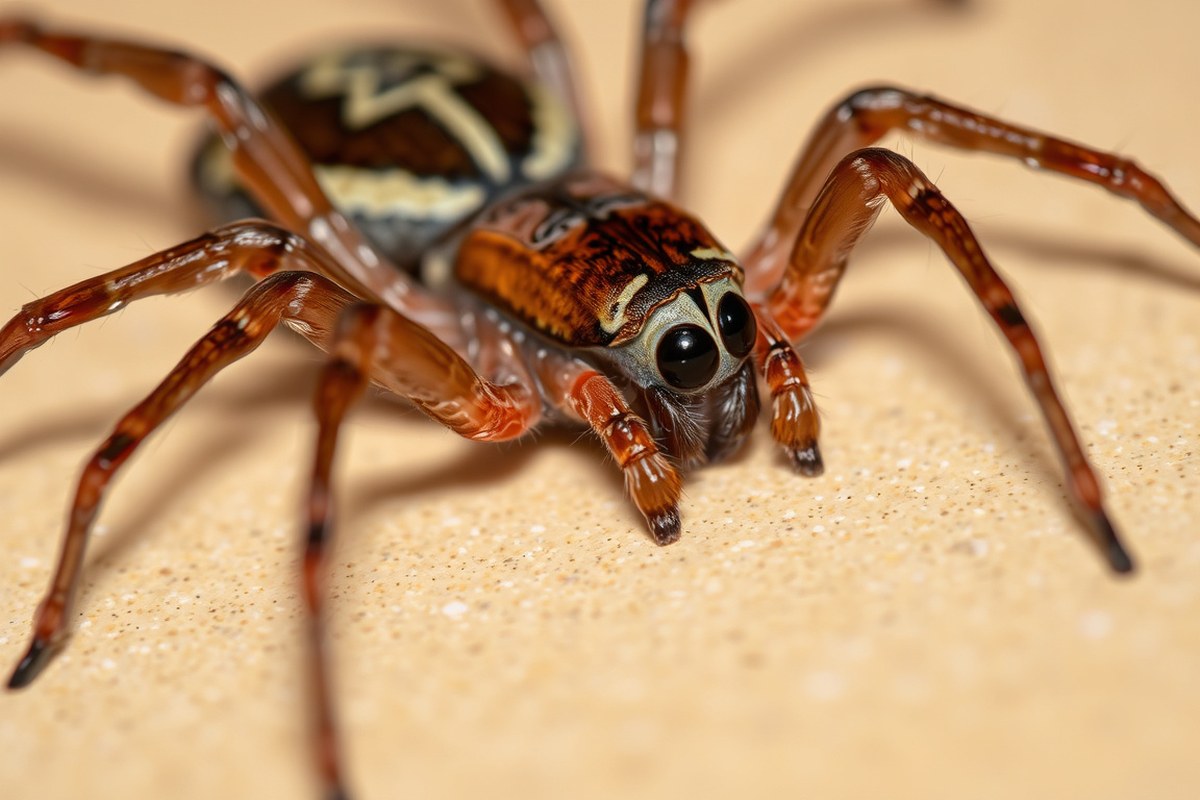
Brown recluse spiders range in size from about 1/4 to 3/4 of an inch, with adults typically measuring between 1/4 and 1/2 inch long. Their color varies from light to medium brown, often matching the wood or debris where they hide. One of the most identifiable features is their eye pattern: unlike most spiders, which have eight eyes in four pairs, brown recluses have six eyes arranged in three distinct pairs. This characteristic can help you distinguish them from many common lookalikes.
The violin-shaped marking on the brown recluse’s back is a popular identifying feature, but it is not always easy to see. This dark shape, pointing toward the rear of the spider, becomes more distinct as the spider matures. Younger spiders may lack this clear marking, so relying solely on this can lead to misidentification. When searching for brown recluses, look closely under good lighting or use a magnifying glass to spot the marking accurately.
Aside from the eyes and markings, you can distinguish brown recluse spiders from others by size and color, but some lookalikes like woodlouse spiders are larger and more strong. Woodlouse spiders also lack the violin marking and have a different body shape. Paying attention to the relatively small size and uniform brown coloring of brown recluses will help reduce confusion.
When checking your home for brown recluses, use a flashlight and wear gloves. Inspect areas where they hide, such as unused closets, boxes, or behind furniture, paying attention to small crevices, cardboard folds, or cluttered spaces. Using specially designed brown recluse spider glue traps with a spider-print can trap and help identify them without handling them directly, which reduces bite risk. These traps also confirm whether you have the six-eye pattern spider vs. Other common household spiders.
Identifying brown recluse spiders correctly matters because some other spiders resemble them but are harmless. Mistaking a harmless spider for a brown recluse can cause unnecessary alarm, while missing a true recluse could pose a health risk. After spotting a suspect spider, consider capturing it safely using an inverted jar and card, then compare the eye arrangement and markings against trusted reference photos. This approach avoids unnecessary exposure and helps target appropriate control measures effectively.
In summary, accurate identification comes from looking closely at size, uniform brown color, the violin-shaped marking (especially on adults), and the unique six-eye pattern arranged in three pairs. Use proper lighting and protective gear when inspecting suspected areas and consider using glue traps designed for brown recluse spiders to confirm suspicions. Spending time on proper identification saves effort and directs the right response, whether that means DIY treatments or professional pest control.
Signs of Brown Recluse Infestation You Should Never Ignore
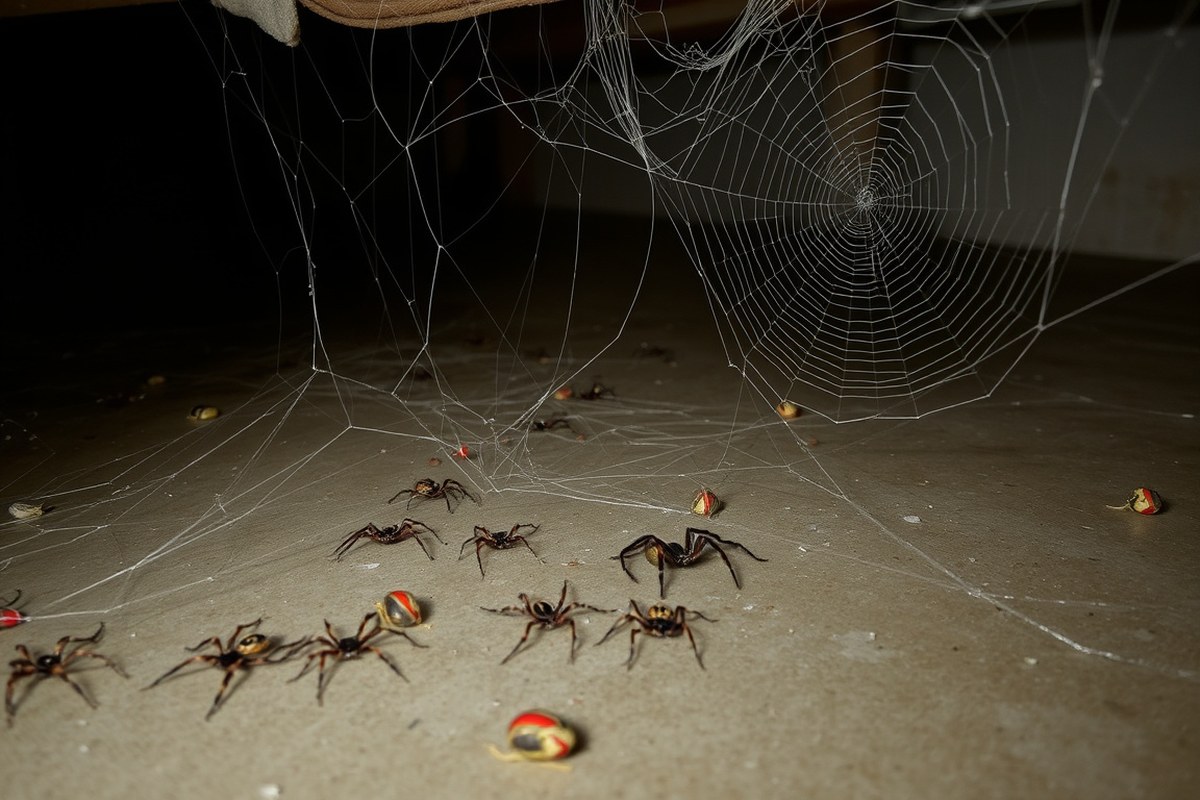
Just seeing one brown recluse spider could mean there are more hiding nearby. These spiders tend to stay out of sight, so signs beyond sightings are key to confirming an infestation. Look for irregular webs, shed skins, egg sacs, and repeated encounters, especially in dark, undisturbed areas of your home.
Unusual Web Patterns and Locations
Brown recluse spiders are not typical web builders like orb weavers. They create irregular, loose webs mostly to hide, not to catch prey. These webs often appear in dark, out-of-the-way spots such as basements, attics, closets, behind storage boxes, or under furniture.
Because these webs are disorganized and near the ground or hidden corners, spotting them signals spider activity. Unlike dense, symmetrical webs, brown recluse webs look messy or sparse. Finding these webs repeatedly in several areas of your home means you may face an infestation rather than a single stray spider.
Presence of Shed Skins and Molts
Molting is part of a spider’s growth process, with brown recluse spiders shedding their outer skin regularly. Shed skins resemble delicate, translucent spider shapes and often go unnoticed. Finding these sheds confirms a breeding and growing spider population inside your home.
Check behind furniture, in storage areas, inside closets, and near baseboards for shed skins. It’s especially significant to find them near egg sacs since this combination means active reproduction.
Clusters of Egg Sacs in Hidden Spots
Female brown recluse spiders produce silken egg sacs containing 40 to 50 eggs each. These sacs appear as off-white, loosely woven silk balls, often tucked away in quiet places like inside shoes, behind boxes, or inside dark closets.
Spotted egg sacs usually come in clusters, indicating an established spider population. Locations to inspect include storage boxes, unused clothing, and basement corners. Identifying egg sacs early helps target treatment before the infestation grows.
- Look inside shoes and boots stored for long periods
- Check behind hanging pictures and inside closets
- Examine boxes and storage bins made of cardboard or thin plastic
- Search under beds and furniture in less disturbed areas
- Inspect basements, attics, and crawl spaces carefully
Store belongings in sealed plastic containers to discourage egg sac placement and make inspection easier.
Frequent Spider Sightings over Time
Seeing multiple brown recluse spiders repeatedly, especially at night, strongly indicates an infestation. Single daytime sightings can be accidental, but consistent encounters mean a population is established in your home.
Focus your search in areas with minimal disturbance where the spiders can hide, such as basements, closets, behind stored items, or under furniture. Spiders hunting at night are more active and easier to detect then.
Regularly tracking sightings and noting locations helps confirm infestation size and progress. If you spot more than one spider over several days or weeks, assume more are present. This ongoing observation is important for effective pest control measures.
Where Brown Recluse Spiders Hide and How They Enter Your Home
Brown recluse spiders hide in dark, quiet corners both inside and outside your home. They enter through tiny cracks and gaps around windows, doors, and utility lines. These spiders prefer spaces with little disturbance, making cluttered storage areas and outdoor debris common staging spots.
Typical Indoor Spider Hiding Places
Inside your home, brown recluse spiders often settle in places that are rarely disturbed and provide dark refuge. You might find them in stored clothing, shoes, boxes, and behind furniture. They also live inside wall voids and under insulation, where they can remain hidden for long periods without being seen.
These spiders like undisturbed areas such as basements, attics, closets, and under sinks. Keep in mind they may hide inside linens, towels, and long-forgotten toys. Because they avoid open, busy spaces, clutter provides perfect shelter for them. Checking and cleaning these areas regularly can reduce their hiding places and lower your risk of encountering them.
Common Outdoor Habitats Near Homes
Brown recluse spiders often live outdoors near homes, where they find natural harborage to stage before moving inside. They hide under wood piles, rocks, metal debris, and leaf litter around your property. Sheds and garages also offer dark, secluded spaces favored by these spiders.
Keeping your yard tidy by removing debris and trimming vegetation can reduce outdoor places where brown recluse spiders thrive. A clean yard makes it less likely for spiders to establish populations just outside, decreasing the chance they’ll enter your home. Outdoor lighting can also attract insects, which in turn attract spiders that hunt them.
Entry Points Spiders Use to Invade
Brown recluse spiders get inside by slipping through small cracks and crevices in your home’s exterior. Gaps around windows, doors, and foundations are common entry points. Openings around utility lines or where pipes enter your house can also allow spiders to sneak indoors.
Spiders often hitch rides on boxes, used furniture, firewood, or other items brought inside. To block entry, seal cracks with caulk or weatherstripping. Make sure door sweeps and window screens fit tightly. Routine inspection during seasonal home maintenance helps identify and fix these potential entry routes before spiders move in.
Environmental Factors Attracting Spiders
Brown recluse spiders are drawn to environments where food (insects) and shelter are abundant. Homes with cluttered storage areas, piles of clothing, or accumulated debris are especially attractive. A high insect population inside or outside your home provides an easy meal source, encouraging spiders to stay.
Humidity and temperature matter, too. Brown recluse spiders prefer dry, warm spaces, so basements and attics with consistent warmth are ideal. Reducing clutter and controlling insects inside your home can remove key attractions for these spiders. Regular cleaning and pest control not only make your home less welcoming but also reduce the chances of a spider establishing a permanent residence.
Recognizing Brown Recluse Bites and When to Seek Medical Help
Brown recluse spider bites can be mild or serious, so recognizing symptoms promptly matters. Typically, the bite may go unnoticed initially or cause a sharp stinging sensation. Within 6 to 8 hours, a red lesion appears and pain intensifies, often becoming severe in 8 to 12 hours. Some bites cause a blister surrounded by redness, which may develop into an open sore or ulcer if untreated. Most bites remain localized and heal within three weeks without lasting damage, but complications happen when infection or tissue death occurs.
Seek immediate medical attention if you notice spreading redness, severe pain, fever, chills, nausea, or if blisters turn dark and enlarge. People with weakened immune systems or pets bitten by a brown recluse are at higher risk and require prompt care. For pets, especially small dogs and cats, venom from a bite can be fatal, so contacting a veterinarian right away is critical. In humans, early treatment can prevent infection and reduce the chance of tissue damage, which can otherwise lead to long healing times and potentially serious wounds.
Bites most often happen when you accidentally disturb spiders, like reaching into clothing, shoes, or boxes where they hide. Even if spiders rarely appear around your home, bites can still occur because brown recluses tend to be secretive and come out at night. The spiders are shy and bite only when provoked, which means you can lower bite risk by wearing gloves when handling stored items and shaking out clothes and shoes before putting them on.
When bitten, wash the area gently with soap and water and apply a cool compress to reduce pain and swelling. Avoid home remedies such as cutting the wound or applying heat, as these can worsen injury. Monitor the bite over the next several hours; if symptoms worsen or signs of infection develop, visit a healthcare provider immediately. Prompt medical care may involve wound cleaning, antibiotics if infection is present, pain management, and rarely, more advanced treatments.
Because brown recluse bites can escalate or cause severe reactions, always err on the side of caution. If you’re unsure whether a spider bite is from a brown recluse, getting a professional medical evaluation is the safest choice. Quick response prevents complications and speeds recovery. Avoid trying to self-diagnose injuries and remember that many skin lesions have different causes that require distinct treatments.
Safe and Effective DIY Methods to Eliminate Brown Recluse Spiders
Removing brown recluse spiders safely requires a mix of proper insecticides, natural repellents, and cautious handling. Using proven pyrethroid insecticides, combined with sticky traps and cleaning, offers the best control. Protecting yourself during the process with gloves and avoiding direct contact reduces the risk of bites and injury.
Selecting the Right Insecticides and Repellents
Effective brown recluse spider control usually starts with insecticides containing pyrethroids like bifenthrin or deltamethrin. Research from Oklahoma State and Texas A&M universities shows these products have some impact, although brown recluses remain challenging to kill with chemicals alone. Products with botanical extracts and oils may repel spiders short-term but don’t provide lasting control and aren’t strongly tested against these spiders.
Sticky traps are valuable tools for monitoring and controlling brown recluse populations. Placing these traps in corners and along baseboards helps catch spiders moving through your home. Regularly replacing traps maintains ongoing control.
Choosing products labeled specifically for spiders ensures stronger results. Check your local home improvement store for insecticides mentioning brown recluse or spider control on the label.
Step-by-Step Application for Best Results
Spider poison works best when applied directly to active areas and combined with cleaning. Here are clear steps to follow for applying insecticides safely and effectively around your home:
- Inspect suspected spider hiding spots, such as cluttered areas, closets, and basements.
- Declutter these spaces to remove webs and reduce spider habitat.
- Vacuum corners, cracks, and behind furniture to physically remove spiders and egg sacs.
- Apply a pyrethroid insecticide along baseboards, window frames, door thresholds, and other entry points, focusing on cracks and crevices.
- Place sticky traps around these treated areas to catch wandering spiders.
- Repeat insecticide application every 2 to 3 months or as directed on the product label.
- Maintain cleanliness and monitor traps weekly, replacing them as they fill.
Always read the label instructions before applying insecticides, and avoid spraying where children or pets frequently roam.
Safe Handling and Protective Gear Tips
Handling brown recluse spiders or cleaning infested areas requires safety precautions. Wearing thick gloves and long sleeves prevents bites during cleanup or when setting traps. A dust mask is helpful if disturbing dusty corners or webs.
Never touch a brown recluse spider with bare hands. Use a jar or container to safely capture the spider for removal outdoors if that matches your comfort level. When you cannot identify the spider confidently, avoid contact and consider professional help. After any cleanup or insecticide use, wash your hands thoroughly, and ventilate the treated space before spending extended time there.
Natural Repellents and Substances to Avoid Spiders
Some natural substances may discourage brown recluse spiders from settling in your home. Essential oils like peppermint or citrus have shown short-term spider repellency. Spray a diluted mix of peppermint oil and water around windows, doorways, and storage areas to create an uncomfortable environment for spiders.
Brown recluse spiders dislike strong smells like vinegar or chestnut, so wiping surfaces periodically with a vinegar-water solution can help reduce their presence, though this is not a reliable control method. Prioritize physical control measures, as natural repellents alone rarely stop infestations. Keeping your home free of debris, sealing cracks, and reducing other insect prey improves the effectiveness of natural repellents by removing conditions that attract spiders.
Comparing Treatment Options: DIY vs Professional Pest Control
Deciding between tackling a brown recluse spider problem yourself or hiring professional pest control depends heavily on the size of the infestation, your comfort with handling potentially dangerous pests, and the effectiveness you need. Mistakes often involve underestimating the spider population or using ineffective treatments, which can prolong the problem and increase bite risk.
| Aspect | DIY Treatment | Professional Pest Control |
|---|---|---|
| Cost | Low to moderate; typically $10 to $50 for sprays and traps | Moderate to high; often $150 to $300 per visit, with possible follow-ups |
| Safety | Moderate; personal exposure to insecticides and risk of bites if spiders are disturbed | High; licensed professionals use safer, targeted approaches and protective gear |
| Effectiveness | Effective for minimal presence and early stages; may not remove established infestations | High; thorough inspection and integrated management strategies ensure elimination |
| Time and Effort | High effort; requires frequent treatment and monitoring | Low effort for homeowner; professionals handle all steps quickly |
| Risk of Reinfestation | Higher if food sources or hiding places are not controlled | Lower, due to scheduled treatments and habitat modification |
| When to Choose | Small number of spiders, no bites, and you can follow safety guidelines | Large infestation, previous bites, or unsuccessful DIY attempts |
The key rule for deciding your course of action is to assess the level of infestation and your comfort with chemical treatments. Treat yourself only if you notice just a few spiders and feel confident in following product labels carefully. Avoid disturbing spider webs or nests directly to reduce bite risk. Wear gloves and use approved insecticides specifically labeled for spiders, applying them in corners, closets, and undisturbed areas where brown recluses hide.
You should call a professional service if spiders seem widespread or if you’ve had bite incidents. Expect a licensed exterminator to inspect your property fully, use professional-grade insecticides, and recommend habitat modifications such as sealing cracks and removing clutter. Regularly scheduled treatments over weeks or months might be necessary to break the spider lifecycle and reduce food sources that attract them, according to pest control guidelines. Professionals reduce your exposure to chemicals and increase the odds of complete removal.
How Seasonal and Regional Factors Impact Brown Recluse Control
Brown recluse spiders become most active during the warmer months, typically from late spring through early fall. This period coincides with increased outdoor temperatures, often ranging between 70°F and 90°F, which encourages these spiders to venture out more frequently at night. They tend to hide during the day in dark, undisturbed areas such as closets, basements, and storage spaces. Knowing this natural activity cycle helps you plan inspections and treatments effectively, scheduling them for evenings when spiders are more likely to be seen and for spring or summer months when infestations can intensify.
Regional variations significantly influence how brown recluse spiders behave and how control efforts should be timed. In states like Texas, Missouri, and Oklahoma, regions within the spider’s native range, these spiders often live outdoors in woodpiles and sheds during mild conditions but will move indoors when temperatures drop. Conversely, in parts of Alabama, Tennessee, Mississippi, and the Florida Panhandle, brown recluse spiders tend to remain indoors year-round because of mild winters and suitable indoor environments. Treatments in these areas may need to be maintained continuously or repeated regularly since the spiders don’t enter a deep dormant phase.
Effective control requires an integrated approach conducted over several weeks to several months, depending on the infestation’s severity and your region’s climate. Initial inspections typically uncover hiding spots, egg sacs, and pathways. Treatments frequently start with sealing entry points and removing clutter to reduce shelter. Applying pesticides complements these steps but does not suffice on its own. Professional pest control services generally recommend follow-up visits every two to four weeks during peak seasons to monitor progress and retreat if necessary.
The timeline to get rid of an infestation generally spans two to three months in states with distinct seasons where spiders become less active in winter. In warmer regions where brown recluse spiders live indoors year-round, ongoing maintenance may be required, extending treatment to six months or longer to fully disrupt breeding cycles. Good results show a steady decline in sightings, web presence, and spider activity during night inspections. Failure to address hidden nests, egg sacs, or harborages often leads to re-infestation, requiring additional treatments and longer control periods.
Inspection timing often fits best with dusk or early nighttime hours when brown recluse spiders are out hunting. Seasonally, plan complete assessments and intensive control measures before the spider population peaks in summer. Regular monitoring throughout the infestation period helps catch any resurgence early. Budget-wise, professional pest control services can range from $150 to $400 per visit, depending on property size and infestation level, multiple visits can add up. Balancing cost with the need for thorough, repeated treatments is key to achieving lasting control of brown recluse spiders.
Long-Term Prevention Strategies to Keep Brown Recluse Spiders Away
Keeping brown recluse spiders away over the long term depends on making your home less inviting for them. Clutter offers hiding spots, so reducing it inside and outside limits their habitat. Regularly sorting through stored items and tossing out unneeded materials cuts down potential spider shelters.
Correctly storing firewood and outdoor items is important to prevent spider access. Keep firewood no closer than 20 feet from your home and place it on a rack or pallets to lift it off the ground. This stops spiders from using the wood as a path inside. Use a securely fastened tarp to cover the firewood, ensuring it allows airflow to reduce moisture. Excess moisture can attract insects, which are food sources for spiders.
- Seal cracks and gaps in the foundation, walls, doors, and windows using silicone caulk or expanding foam to block spider entry points.
- Keep basements, attics, and garages well-lit and ventilated, since brown recluses prefer dark, damp places.
- Vacuum and dust frequently, focusing on corners, closets, and storage areas to disrupt spider webs and egg sacs.
- Store seasonal clothing and bedding in sealed plastic bins instead of cardboard boxes to minimize spider hiding spots.
- Consider using rodent-proof containers for pet food and compost to prevent attracting insects that spiders hunt.
- Use a botanical repellent like Stay Away® Spiders around the perimeter of your home to discourage spiders naturally without harsh chemicals.
Sealing openings requires inspecting your home’s exterior closely during warmer months when spiders are more active. Pay attention to areas where pipes and cables enter your walls. Professional pest control services may help locate and seal difficult spots effectively, though DIY kits for caulking start around $5 to $15.
A well-maintained yard also plays a role. Trim grass and shrubs at least 12 inches away from the house foundation to reduce spider harborage. Removing leaf litter and debris, and keeping mulch layers to a minimum prevents spiders from nesting near entrances.
Regular monitoring and maintenance every few months ensure measures stay effective and catch spider activity before it becomes a problem.
Step-by-Step Action Plan to Get Rid of Brown Recluse Spiders
Follow this plan to confidently identify, eliminate, and prevent brown recluse spiders in your home using practical steps and safety precautions.
- Day 1: Identify and Inspect, Use a reliable identification guide to confirm any spider sighting as a brown recluse. Check common hiding spots like closets, attics, and behind furniture. You’ll know you succeeded when you find no spiders matching the brown recluse features in these areas.
- Day 2: Look for Infestation Signs, Search for spider webs, egg sacs, and dark spots that indicate presence. Confirm reduced spider activity or absence of webs after thorough cleaning to know this step worked.
- Day 3: Seal Entry Points, Inspect windows, doors, vents, and cracks; seal any openings with caulk or weatherstripping to block spider entry. Check after a week for no new spider sightings indoors.
- Week 1: Apply Safe DIY Treatments, Use recommended non-toxic insecticide sprays or traps around baseboards and corners. Confirm effectiveness if spider activity decreases after one week.
- Week 2: Monitor and Clean Regularly, Vacuum spider webs and egg sacs weekly, especially in hidden spots. Track fewer sightings or none at all to assess progress.
- Week 3: Evaluate Need for Professional Help, If spiders persist, contact a licensed pest control professional for targeted treatment. Absence of spiders after professional service confirms success.
- Ongoing: Maintain Prevention Habits, Keep clutter to a minimum, reduce moisture, and routinely inspect your home, especially in warmer months. Fewer or no spider encounters over time indicate your prevention is effective.
Frequently Asked Questions
What Smell Does Brown Recluse Hate?
Brown recluse spiders dislike the smell of cedar and eucalyptus oils. Using these scents can help deter them from your home by disrupting their hiding spots or entry points.
What Time of Year Are Brown Recluses Most Active?
Brown recluse spiders are most active during warmer months, from spring through early fall. They prefer temperatures between 45 and 110 degrees Fahrenheit, so you’ll notice more activity when it’s warm.
Why Is My House Infested with Brown Recluse Spiders?
An infestation often means your home has plenty of undisturbed hiding places like clutter, wood piles, or dark corners. These conditions create a refuge that supports their survival and breeding.
Do Brown Recluses Go into Beds?
Brown recluse spiders can enter beds, but it’s uncommon because they prefer dark, undisturbed areas. Keeping your bedding away from walls and using bed frames can reduce the chance of encounters.
Can Brown Recluse Spiders Live in Vehicles?
Yes, brown recluses can hide in vehicles, especially if they sit unused and cluttered. Checking and cleaning your car regularly helps prevent these spiders from hitching a ride.
Are Brown Recluse Bites Immediately Painful?
No, brown recluse bites often start painlessly and worsen over hours. Early recognition and medical care are important to manage symptoms effectively.
Before You Go
Controlling brown recluse spiders effectively means combining careful identification with consistent prevention steps tailored to your home’s layout and local climate. Start by sealing cracks and gaps around doors and windows today to block their entry and reduce hiding spots. Taking this simple action now helps protect your home from future infestations and keeps you safer from spider bites.