

How to Get Rid of Sickness Fast: 8 Science-Backed Steps That Work
To get rid of sickness fast, focus on rest, hydration, and symptom relief. Drinking plenty of fluids and using over-the-counter medications can soothe your throat, reduce sinus swelling, and help mucus drain. Starting antiviral medicines within the first 48 hours is key for a milder flu. These steps won’t cure a cold instantly, but they will speed up recovery and ease discomfort.
This advice suits anyone eager to manage cold or flu symptoms quickly, whether adults, parents caring for children, or those with mild illness. You’ll find practical daily routines, effective home remedies, tips on when to see a doctor, and how to avoid common mistakes while preventing the spread of illness.
Key Takeaways
- You can’t cure a cold in 24 hours, but taking vitamin C within the first day may shorten symptom duration and severity.
- Start antiviral medication within 48 hours of flu symptoms to reduce illness length and severity effectively.
- Use over-the-counter cold medicines cautiously; avoid them entirely in children under 6 due to serious risks.
- Rest, hydration, and symptom-specific home remedies like warm teas and saline nasal sprays help manage symptoms comfortably.
- Seek medical attention if symptoms worsen, last longer than 10 days, or if you experience severe pain or breathing issues.
- Avoid ineffective or unsafe practices like excessive antibiotic use or unproven supplements without doctor approval.
Can You Really Cure a Cold or Flu Quickly?
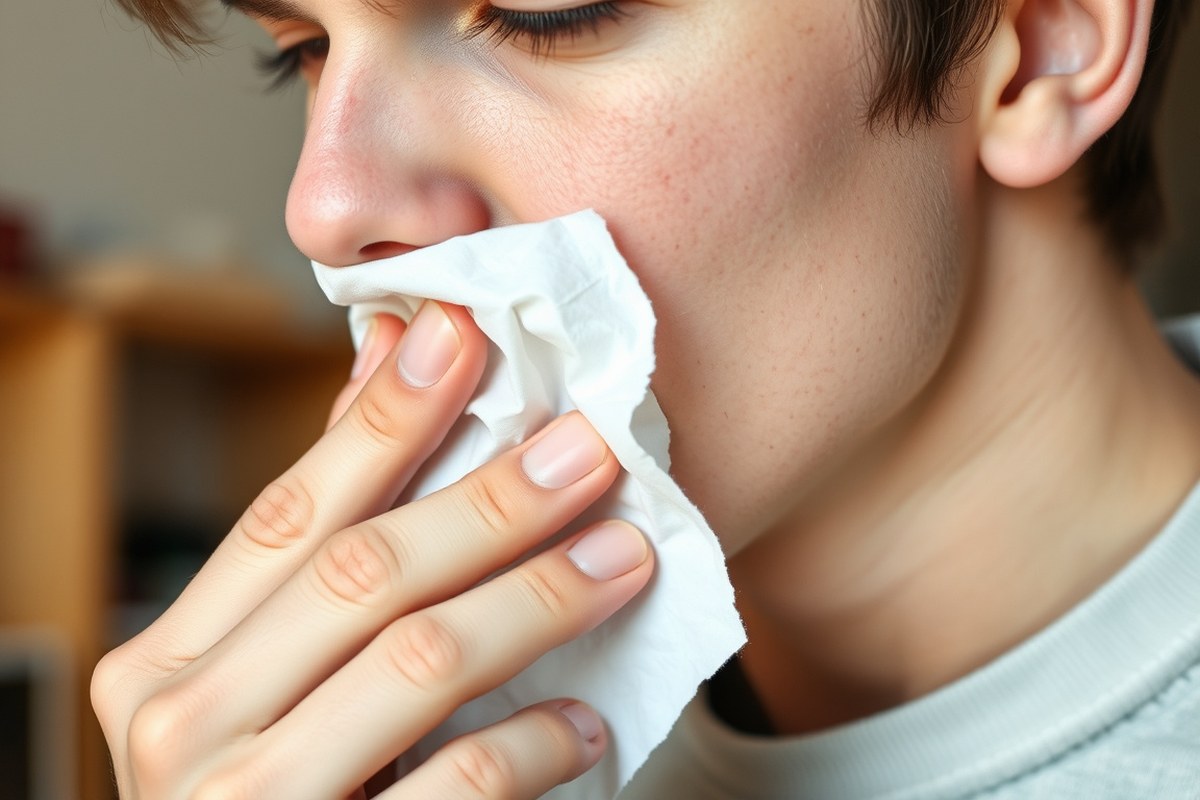
You cannot realistically cure a cold or flu in 24 hours. The common cold is caused by viruses that your body needs time to fight off. Most colds last between 5 and 10 days, sometimes stretching up to two weeks, depending on your health and immune system. Flu symptoms often develop faster and tend to be more intense, with a fever and cough appearing within the first two days of illness.
The speed of your recovery depends on several factors, including how soon you start treatment, your overall health, and the specific virus strain. Taking vitamin C within the first 24 hours of symptoms can help reduce duration and severity. Similarly, zinc supplements, taken within the first 48 hours, may shorten a cold by about one day. Elderberry has shown promise in some studies for reducing symptoms and shortening the illness by about two days if used early.
Flu recovery timelines differ slightly. Antiviral medicines are effective only if started within 48 hours of symptom onset and can shorten illness and lessen symptoms. Unlike colds, flu symptoms can cause exhaustion and make normal activities difficult. You should expect flu symptoms to peak within the first three days and then gradually improve over one to two weeks. Persistent or worsening symptoms beyond 10 days warrant medical advice.
It’s important to monitor symptom length closely. Cold symptoms that do not improve after 10 days, or flu symptoms that worsen or include a high fever over 100 degrees lasting more than three days, suggest complications or another illness. Allergies might mimic cold symptoms but tend to last for weeks without improvement. When symptoms linger beyond the typical timeframes without progress, contacting a healthcare provider is recommended.
Trying to force a cold or flu to go away quickly often leads to frustration. Instead, focus on alleviating symptoms while your immune system does its work. Rest, hydration, and targeted use of supportive treatments like vitamin C, zinc, and antiviral medications (for flu) provide the best chance of shortening your illness. However, the virus will usually run its course over several days to weeks, and realistic expectations help you manage care more effectively.
Daily Self-Care Plan for Fast Symptom Management

To manage cold or flu symptoms quickly, stick to a 72-hour daily plan focusing on hydration, rest, nutrition, and timely medication. Drinking plenty of fluids and taking medication at scheduled times help reduce symptom severity. Prioritize uninterrupted sleep and maintain consistent hydration throughout your day to support recovery.
Morning Hydration and Nutrition Tips
Start each day by rehydrating your body after hours of sleep. Drinking fluids like water, herbal teas, or broths helps thin mucus and keeps you hydrated. Avoid caffeine and alcohol as they can cause dehydration and interfere with rest. Incorporate nutrient-rich foods such as fruits and soups to support your immune system without overwhelming your stomach.
Taking vitamin C or zinc early in your illness may ease symptoms, but starting these after symptoms appear offers little benefit. If you opt to supplement, keep to recommended doses, 1,000 mg daily for vitamin C and zinc lozenges taken as directed.
Afternoon Symptom Relief Strategies
Use the afternoon hours to manage symptoms and maintain comfort. Drink another large glass of water or warm fluids every few hours to stay hydrated. Consider using a humidifier to keep the air moist and relieve congestion. Over-the-counter medications like pain relievers or decongestants work best taken consistently and according to label directions.
Gargle with warm salt water if your throat feels sore, and avoid activities that might strain your voice or worsen symptoms. Light, easy-to-digest meals can provide energy without taxing your system.
Evening Rest and Medication Timing
Rest is not just about the total hours of sleep but about quality and uninterrupted sleep. Aim to sleep as much as possible the first night and at least 7 to 9 hours on following nights. Take a single nighttime dose of honey (for children over 12 months) to help reduce coughing and improve sleep.
Schedule medication doses so they provide relief through the night. For example, take pain relievers or cough medicine right before bed to minimize discomfort. Avoid caffeine and alcohol close to bedtime to prevent sleep disturbances. Keep water within reach to stay hydrated during the night if you wake up.
- Drink 8 to 12 ounces of water or herbal tea first thing in the morning.
- Eat a light breakfast with fruits or a warm broth.
- Take vitamin C (up to 1,000 mg) and zinc lozenges early if starting supplements.
- Use a humidifier in your room during the day to ease congestion.
- Drink fluids regularly every 2 to 3 hours, aiming for at least 64 ounces per day.
- Take over-the-counter medications according to package instructions, spacing doses evenly.
- Gargle with salt water 1 to 3 times daily to soothe a sore throat.
- Get 7 to 9 hours of quality sleep each night, taking cough suppressant or pain relief medicine before bed if needed.
Keep caffeine and alcohol out of your routine while sick, they dehydrate you and disrupt the sleep you need to heal.
Comparing Home Remedies and Over-the-Counter Medicines
Choosing between home remedies and over-the-counter (OTC) medicines depends on your age, symptom severity, and safety considerations. Home remedies are generally safe and cost-effective, often suitable for all ages with a focus on symptom relief. OTC medicines may offer quicker symptom control, especially for adults, but they carry risks, especially for young children. Below is a detailed comparison of common options for cold and flu symptom relief.
| Remedy/Medicine | What It Is | Pros | Cons | Age Limits | Effectiveness |
|---|---|---|---|---|---|
| Honey | Natural sweetener used to soothe cough | Relieves cough at bedtime, easy to use, low cost | Not safe for children under 1 year due to botulism risk | 1 year and older | Good for cough relief in children and adults |
| Saltwater Gargle | Warm salt dissolved in water to ease throat irritation | Reduces sore throat pain, inexpensive, no side effects | Only relieves throat symptoms, not for young kids who may swallow | Generally safe for older children and adults | Effective for sore throat relief |
| Steam Therapy | Inhaling steam to clear nasal passages | Eases nasal congestion, simple, no direct drug side effects | Risk of burns, needs supervision for children | Safe with adult supervision, usually 4 years and older | Moderate relief for congestion |
| Zinc Supplements | Oral zinc to reduce cold duration | May shorten cold duration in adults | Possible side effects include nausea; effectiveness varies | Adults only | Good for reducing cold length in adults |
| OTC Cold and Cough Medicines | Medications like decongestants, cough suppressants, analgesics | Relieves multiple symptoms, fast acting | Not recommended for children under 6; serious side effects in young kids | Adults and children 6 years and older (some products 12+) | Effective for symptom relief but do not shorten cold duration |
| Decongestant Nasal Sprays | Nasal sprays that reduce swelling in nasal passages | Fast relief of congestion | Do not use more than 3 days in a row; may cause rebound congestion | Adults and older children (varies by product) | Effective for short-term congestion relief |
Honey provides an accessible remedy for cough and should be given only to children over 1 year due to safety concerns. Saltwater gargles soothe sore throats without medication risks but require adequate caution in children who might swallow the solution. Steam therapy can relieve nasal congestion but needs careful adult supervision, especially with younger children. Zinc supplements have shown benefit in adults for shortening cold duration but come with potential mild side effects.
OTC medicines, including various cough and cold products, can reduce symptom severity in adults and older children but are not recommended for kids under 6 and should never be given to those under 4. They provide faster symptom control but do not cure the cold or make it end sooner. Nasal sprays can quickly relieve congestion but have usage limits to avoid worsening symptoms.
When to See a Doctor or Seek Medical Attention
Get prompt medical care if your symptoms get worse, last beyond 10 days, or you develop a fever higher than 101.3°F (38.5°C). Symptoms of the common cold usually ease within a week, but persistent fever, intense sore throat, trouble breathing, chest pain, or a cough that worsens into wheezing require immediate evaluation. Recognizing when signs may point to a more serious illness, like the flu, strep throat, sinus infection, or COVID-19, is key, since these conditions can resemble a cold yet need proper diagnosis and treatment.
The flu tends to cause more severe symptoms than a common cold and can sometimes lead to complications requiring hospital care. You should see a healthcare provider immediately if you experience any of the following: persistent high fever, severe headache, ear pain, vomiting violently, severe shortness of breath, or chest pain. People with underlying health conditions like asthma, COPD, or a weakened immune system should be particularly cautious and consult a doctor early if symptoms develop or worsen.
Having flu-like symptoms for less than 48 hours means visiting a doctor quickly matters. Antiviral medications are most effective within that timeframe, and early treatment can shorten illness duration and reduce complications. Even when more than 48 hours have passed but your symptoms are severe or worsening, medical evaluation remains important.
Use this simple decision rule to determine whether to seek medical care: check the severity and duration of your symptoms daily. Persistent fever above 101.3°F for more than three days, or symptoms like shortness of breath, chest pain, or confusion developing at any time, require calling your healthcare provider or visiting urgent care immediately. For symptoms lasting beyond 10 days without improvement, a doctor’s visit is warranted to rule out bacterial infections or other complications.
When you contact a doctor or urgent care center, clearly describe your symptoms and timeline. You can say: “I have had a cough and congestion for 8 days, with a fever fluctuating around 101.5°F for the last 4 days. I also feel short of breath and have chest discomfort. I’m concerned because my symptoms are getting worse instead of better.” This helps the provider assess urgency and recommend testing or treatment promptly.
Be aware that costs for urgent care visits can vary widely, typically ranging from $100 to $200 without insurance, with additional charges for tests and medications. Seeking prompt care when necessary can prevent costly complications or hospital stays. Notifying the medical office in advance about suspected COVID-19 or another contagious illness is important for safety instructions. Timely medical attention ensures proper diagnosis and management, helping you recover faster and prevent serious outcomes.
Effective Home Remedies to Soothe Throat and Clear Congestion
Soothing a sore throat and clearing congestion at home can be effective with simple remedies like salt water gargling, steam inhalation, and honey use. These methods ease discomfort, help clear mucus, and support faster symptom relief when done safely and correctly.
Salt Water Gargling Benefits and Method
Gargling with warm salt water reduces throat pain and inflammation by drawing excess fluid from throat tissues, loosening mucus, and helping flush out irritants or bacteria. Use about 1/2 to 1 teaspoon of salt dissolved in one cup (8 ounces) of warm water. Gargle for 15 to 30 seconds, then spit it out. Repeat this up to three times daily, avoiding swallowing the solution to prevent excess salt intake.
This remedy suits adults and older children but is not recommended for young children who may struggle to gargle safely. Careful timing helps too, try gargling after meals or before bedtime to soothe nighttime throat irritation.
Safe Steam Inhalation and Humidifier Use
Breathing in warm, moist air helps loosen nasal and chest congestion by thinning mucus, making it easier to clear. You can inhale steam safely by filling a large bowl with hot water (about 110°F to 120°F), then leaning over it with a towel draped over your head to trap the steam. Breathe deeply through your nose for 10 to 15 minutes. Repeat this 2 to 3 times daily but keep the water below boiling to avoid burns.
Using a cool-mist humidifier continuously in your room is another safe way to maintain moist air. This reduces throat dryness and nasal irritation, especially in dry indoor environments or winter months. Clean humidifiers regularly to prevent mold or bacteria buildup.
- Use filtered, previously boiled, or distilled water in steam or humidifiers to reduce impurities.
- Do not overheat water when preparing steam; keep temperature safe to avoid burns.
- Keep humidifiers clean; disinfect weekly by following the manufacturer’s instructions.
- Place a humidifier several feet from your bed to avoid excessive moisture around bedding.
- Avoid steam inhalation with children under 12 unless supervised by an adult.
- Limit steam inhalation sessions to 10-15 minutes to prevent dizziness or overheating.
- Moist air helps nasal passages but does not cure infection; use alongside other remedies.
Never leave children unattended during steam inhalation, and avoid direct contact with hot water to prevent burns.
Honey Use and Cough Relief Precautions
Honey has antiviral and antibacterial properties that help soothe a sore throat and calm coughs by coating irritated tissues. A teaspoon of honey can be taken plain or mixed into warm tea with lemon for added relief. Adults and children over one year old can safely use honey up to three times daily.
Do not give honey to infants under 12 months due to the risk of botulism. Honey is best for temporary cough relief but should not replace medical treatment if symptoms worsen or last beyond 10 days.
Mistakes to Avoid: Ineffective Remedies and Unsafe Practices
You should avoid antibiotics for colds because they only work on bacterial infections, not viruses. The common cold is caused by viruses, so using antibiotics will not help you recover faster. Instead, taking antibiotics for a cold can lead to side effects like diarrhea, allergic reactions, or antibiotic resistance that makes future bacterial infections harder to treat. Antibiotics might be necessary if a doctor confirms a bacterial sinus infection, but don’t expect them to clear typical cold symptoms.
Many over-the-counter (OTC) medicines promise relief for nasal congestion, but some key ingredients, like phenylephrine found in products such as DayQuil and Sudafed, are often ineffective. These medicines may not reduce swelling in your nasal passages or actually drain mucus, which are essential to feeling better. Spending money on these products can be frustrating since they rarely deliver the promised relief. Instead, try saline nasal sprays or steam inhalation, which hydrate your nasal passages and help mucus flow out without side effects.
Popular home remedies like using large doses of vitamin C or herbal supplements often have limited evidence supporting their effectiveness in shortening colds. While a moderate amount of vitamin C might slightly reduce the risk of catching a cold if you take it regularly, taking mega doses after symptoms start usually doesn’t speed recovery. High doses can cause stomach upset or kidney stones in some people. It’s safer to focus on rest, hydration, and symptom-treating remedies rather than relying on unproven or costly supplements.
Using cough and cold products in children under four years old can be risky. These medicines can cause serious side effects such as rapid heart rate, convulsions, or breathing problems in young children. The FDA advises against giving OTC cough and cold medicines to kids under this age. Instead, use a cool-mist humidifier, suction nasal aspirators, or saline drops to ease congestion safely. For infants and toddlers, consult your pediatrician before trying any medications.
Overusing decongestant nasal sprays like oxymetazoline can lead to rebound congestion if used for more than three days in a row. Although these sprays reduce swelling in nasal passages quickly, extended use causes your nasal tissues to swell worse once you stop using the spray. Follow the label instructions carefully, limiting use to no more than three consecutive days to prevent this problem.
Many people believe that keeping warm and bundled up always helps recovery, but overheating or sweating excessively can cause dehydration or worsen symptoms. Instead, wear comfortable layers that you can adjust during the day, drink plenty of fluids, and rest in a cool, well-ventilated room. Managing your environment thoughtfully helps your body focus energy on healing rather than dealing with temperature stress.
Avoid trying to “tough it out” without rest or skipping fluids. Sleep and hydration are essential parts of recovery. Neglecting these increases the risk of complications and prolongs sickness. Drink water frequently, at least 8 cups a day, and prioritize sleep even if symptoms seem mild at first. This simple step costs nothing but can shorten your cold duration noticeably.
Adjusting Care by Age, Health, and Seasonal Factors
Infant and child-specific precautions Children under 6 years require careful use of medications. Over-the-counter cold medicines are not recommended for children under six due to limited benefit and possible side effects. Instead, focus on gentle symptom relief methods such as humidified air and proper hydration. Honey may soothe coughs but use only in children over 1 year old to prevent botulism risk. Consult a pediatrician before giving cold medicines to children ages 4 to 6, especially nasal sprays or decongestants. Young children, especially under 2, frequently catch colds and may have weaker immune defenses. Watch closely for complications like RSV, which can cause more severe respiratory issues in infants. Quick medical advice is advised if symptoms worsen or breathing difficulty appears. Do not give OTC cough or cold medicines to children under 6. Use honey for cough relief only for children aged 1 year and above. Keep infants well hydrated with breast milk or formula. Monitor for signs of RSV or pneumonia in very young children. Contact a pediatric provider if cold symptoms are moderate or severe. Care considerations for older adults Older adults often experience colds less frequently but face higher risks of complications. Immune response weakens with age, so symptom relief and infection prevention become more critical. Some common medications like antihistamines combined with decongestants can ease symptoms for those over age 5, but sedation risk is higher with first-generation antihistamines, so use with caution. Adults with underlying conditions like diabetes, heart disease, or lung problems should maintain close contact with healthcare providers when sick. Proper rest, hydration, and symptom monitoring remain key. Zinc supplements may help reduce cold severity in adults, but the effect seems minimal in children. Older adults should avoid self-medicating indiscriminately and follow provider guidance, especially if symptoms worsen. Use antihistamines plus decongestants cautiously due to sedation risk. Zinc may help reduce cold severity for adults. Prioritize hydration and rest for recovery support. Monitor closely if you have chronic health problems. Seek medical care promptly for worsening symptoms or breathing issues. Winter vs. Summer cold treatment adaptations Seasonal factors influence infection rates and symptom triggers. In winter, people spend more time indoors, increasing exposure to viruses, so colds may appear more severe or more frequent in group settings like daycare. Winter colds typically last about 7 to 10 days. In summer, colds last a similar duration but exposure risks differ. Treatments for summer and winter colds overlap, but being alert to specific triggers helps. For instance, allergens are more common during spring and summer, so antihistamines might ease symptoms linked to allergies rather than infection. In winter, focus on maintaining warmth and humidifying indoor air to reduce nasal congestion. Increase hand hygiene and avoid close contact during peak cold seasons. Use humidifiers in winter to ease breathing and congestion. Consider allergy-specific treatments in spring and summer. Keep well hydrated regardless of season. Watch for increased cold incidence in children attending daycare during winter months.
Preventing Spread While Managing Your Cold or Flu
Stopping the spread of your cold or flu to others means controlling how the virus travels from your body to theirs. Viruses spread mainly through droplets when you cough, sneeze, or even talk. Washing your hands often, particularly after touching your face or blowing your nose, removes many virus particles and lowers the chance of passing them on. Cleaning surfaces like doorknobs, light switches, and shared electronics regularly also helps because viruses can live there for hours or even days.
Staying home when you’re contagious is important. Experts from the Centers for Disease Control and Prevention say you should isolate until you’ve been fever-free for at least 24 hours without using fever-reducing drugs like acetaminophen or ibuprofen. Going to work or school too soon puts coworkers and classmates at risk. When around others, wearing a well-fitting mask and keeping physical distance reduce transmission further.
- Wash hands with soap and water for at least 20 seconds, especially after coughing or sneezing.
- Cover your mouth and nose with a tissue or your elbow when you cough or sneeze, then dispose of the tissue immediately.
- Disinfect high-touch surfaces daily using household cleaners containing at least 70% alcohol or bleach solutions.
- Avoid close contact, including handshakes and hugs, while you are symptomatic.
- Stay home for at least 24 hours after your fever breaks without medication.
- Use separate towels, dishes, and utensils to prevent sharing germs with family members.
- Open windows or improve ventilation when indoors.
Exercise during a cold or flu depends on how you feel. For mild cold symptoms, light activity may be okay and can support your immune system. Strenuous exercise, though, is best avoided for two or three days because your body needs rest to fight the virus effectively. Outdoor air can feel refreshing, but don’t push yourself or risk catching a secondary infection. When a fever or chest congestion develop, prioritize resting until these get better.
Avoid going to work or public places while contagious to protect the health of those around you.
By following these precautions, you reduce the risk of spreading your illness while allowing your body time to recover. Taking these steps costs little but requires consistent effort and awareness. The good result looks like fewer people around you catching the cold or flu, and a swifter return to your usual routine without complications from spreading or catching additional viruses.
Step-by-Step Action Plan to Ease Your Cold or Flu Fast
Follow these practical steps to manage symptoms, support recovery, and avoid common pitfalls when dealing with a cold, flu, or mild sickness at home.
- Day 1: Start Hydrating and Resting, Drink plenty of fluids like water and herbal teas to stay hydrated, and get extra sleep. You’ll know it’s working when your throat feels less dry and you wake up feeling a bit more refreshed.
- Day 1: Use Safe Over-the-Counter Medicines if Needed, Take acetaminophen or ibuprofen to reduce fever and relieve aches, following package directions carefully. Improvement shows when your fever drops and pain or headaches lessen.
- Day 1-2: Apply Effective Home Remedies, Use saline nasal spray to clear congestion and gargle warm salt water to soothe your throat. When nasal breathing eases and throat discomfort reduces, these remedies are helping.
- Day 2-3: Avoid Common Mistakes, Skip unproven treatments like excessive vitamin doses or unapproved supplements and avoid smoking or alcohol. Feeling no worsening symptoms confirms you avoided harmful practices.
- Day 3-5: Monitor Your Symptoms Closely, Track if symptoms improve, stay the same, or worsen. You should see gradual relief in coughing, congestion, and fever; persistent or worsening symptoms indicate it’s time to consult a doctor.
- Day 5: Adjust Care Based on Your Age and Health, If you’re a child, older adult, or have chronic conditions, ensure you follow age-appropriate remedies and consult your healthcare provider sooner if symptoms linger. Improvement or medical advice will guide your next steps.
- Throughout Illness: Practice Hygiene to Prevent Spread, Wash hands frequently, cover coughs, and avoid close contact to protect others. Knowing you haven’t passed the illness to household members confirms good prevention.
- After Symptoms Fade: Resume Normal Activity Gradually, Return to daily routines as energy returns, avoiding sudden overexertion. Feeling stronger each day shows your body is recovering properly.
Frequently Asked Questions
Can a Cold Be Cured in 2 Days?
No, most colds last 5 to 10 days, though symptoms can improve with rest and care over time. Early treatment with zinc or vitamin C might shorten symptom duration slightly.
Is Laying in Bed All Day Good for a Cold?
Rest helps your body fight infection, but complete bed rest all day is unnecessary and can lead to stiffness. Light activity can be beneficial as long as you don’t overexert yourself.
What Are the 5 Stages of a Cold?
The five stages typically include incubation, onset, peak symptoms, recovery, and resolution. Recognizing these helps manage symptoms and know when to seek care if conditions worsen.
Can You Get Rid of a Cold in 24 Hours?
You can’t fully get rid of a cold in 24 hours, but using zinc or vitamin C early may reduce its duration and lessen symptoms. Focus on symptom relief and rest to feel better faster.
How Long Does a Cold Remain Contagious?
Cold viruses can live on surfaces and hands for up to 24 hours, so you’re most contagious during the first few days of symptoms. Good hygiene helps prevent spreading it to others.
Does Hydration Speed Up Cold Recovery?
Staying hydrated keeps mucus thin and helps your immune system work properly, which aids recovery. Drink plenty of fluids like water and herbal teas throughout your sickness.
Key Points to Remember
While you can’t cure a cold or flu instantly, managing your symptoms with consistent self-care helps you feel better faster and reduces the risk of spreading illness. Start by prioritizing rest and hydration today to support your body’s natural healing process. Taking these simple steps can make a significant difference in your recovery timeline.




One Comment