How Do Ultrasonic Pest Repellers Work: What Actually Works (and What Doesn’t)
Ultrasonic pest repellers work by emitting high-frequency sound waves that are meant to disturb pests without affecting humans or most pets. These devices target the hearing and nervous systems of rodents and insects, pushing them to leave the area over time. You’ll find variation in frequency, coverage area, and operation modes, which influence how well these devices perform in different environments.
Homeowners, renters, and small business owners curious about non-chemical pest control will benefit from understanding which pests respond to sonic frequencies and in what settings these devices work best. This article breaks down the science behind ultrasonic pest repellers, safety considerations, common mistakes, and when a combined pest control strategy might be necessary.
Key Takeaways
- Ultrasonic pest repellers emit high-frequency sound waves above 20 kHz that disrupt pest communication and behavior to deter them from treated areas.
- These devices commonly target rodents, mosquitoes, cockroaches, and spiders but vary in effectiveness depending on the pest species and environment.
- Ultrasonic frequencies interfere with pests’ nervous systems and sensory organs, causing discomfort or disorientation that encourages them to leave.
- Coverage typically ranges from 800 to 1,200 square feet per unit, with varied operation modes including continuous or intermittent ultrasound pulses.
- Ultrasonic repellers are generally safe for humans and most pets but may affect small animals like hamsters or rodents sensitive to high-pitched sounds.
- Scientific studies provide mixed evidence on long-term pest control success; monitoring and combining with other methods improves results significantly.
What Is an Ultrasonic Pest Repeller and How Does It Work?
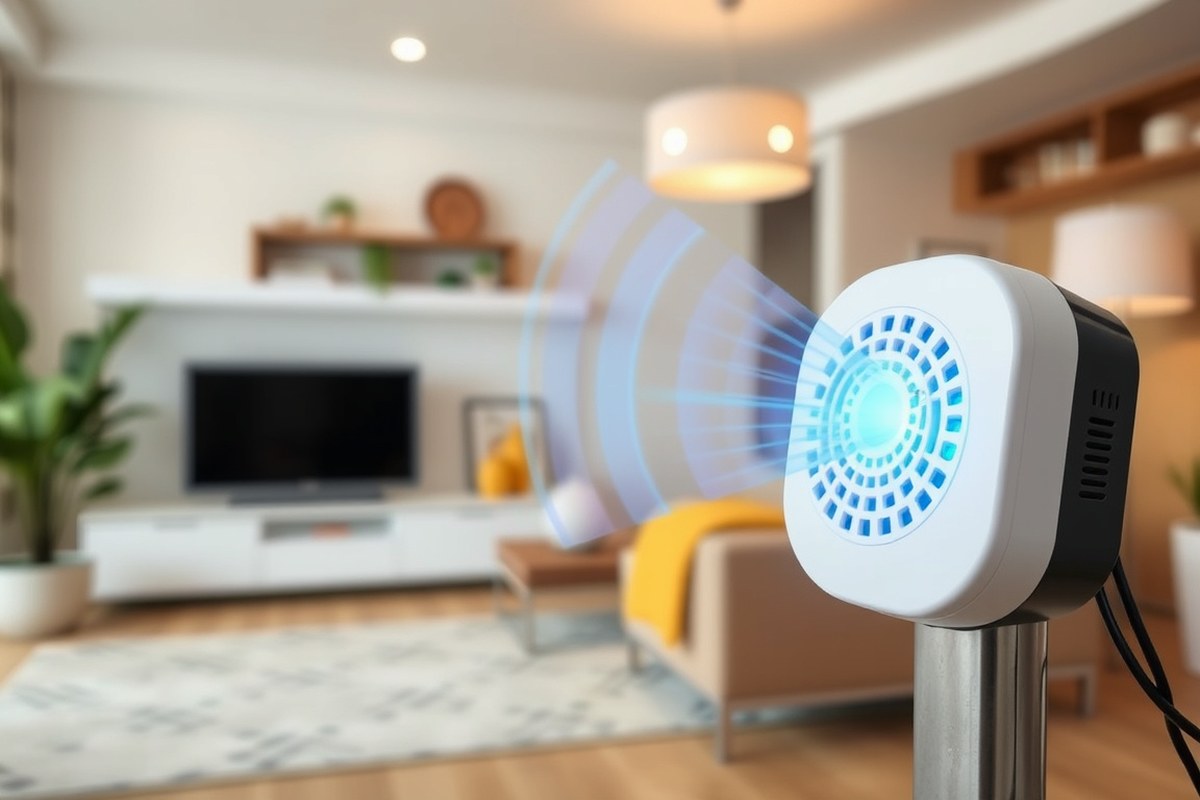
Ultrasonic pest repellers are devices designed to emit sound waves at frequencies higher than the upper limit of human hearing, typically above 20,000 hertz. These sound pulses are intended to disturb or irritate pests like rodents and insects, encouraging them to leave the treated area without resorting to poisons or traps. The devices operate by producing a continuous or intermittent ultrasonic signal using a small built-in speaker or piezoelectric transducer.
The basic principle behind ultrasonic pest repellers is that many pests rely on sensitive hearing or communication systems that can detect ultrasonic frequencies. When these sounds are emitted, they create an uncomfortable environment for the pests, interfering with normal behaviors such as nesting, feeding, and mating. For example, rodents like mice and rats hear ultrasonic sounds clearly, so the pulsating or high-frequency waves can trigger a stress response, prompting them to move away.
The technology requires a power source, usually plugging into a standard electrical outlet or using batteries for portable units. The device converts electrical energy into mechanical vibrations via the transducer, sending ultrasonic waves into the surrounding space. These waves generally cover a limited area, often around 800 to 1,200 square feet, depending on the product’s power and room layout. You need to place the unit where the sound can travel with minimal obstructions since walls and furniture absorb or block ultrasonic waves, reducing effectiveness.
Typical devices cost between $15 and $50, making them an accessible option for basic pest deterrence. Installation is straightforward: plug in the unit and keep it running continuously to maintain the ultrasonic environment. Some models include settings for frequency variation or intermittent pulses, which aim to prevent pests from getting used to the sound. However, effectiveness varies, depending on the species, room conditions, and proper placement.
Common issues with these devices include limited range and obstacles that block the sound waves, making pests less likely to be fully repelled. Since the ultrasonic waves do not pass through walls well, multiple units may be necessary for larger or multi-room spaces. Devices produce a sound inaudible to humans but could affect pets like hamsters or gerbils, so keep that in mind when deciding where to place the repeller. No chemicals or pesticides are involved, so these devices serve as a non-toxic option for pest control when combined with other measures such as sanitation and exclusion.
Which Pests Are Repelled by Ultrasonic Devices?
Ultrasonic pest repellers primarily target rodents such as mice and rats, as well as common household insects including cockroaches, ants, spiders, and mosquitoes. These devices emit high-frequency sound waves that irritate these pests, interfering with their communication, navigation, or feeding behaviors, causing them to leave the area. The effectiveness varies because these pests rely on acute hearing or vibrations to detect threats, making ultrasonic sound uncomfortable or disorienting for them.
Mice and rats often respond to ultrasonic sound by avoiding spaces where the devices operate, but the success depends heavily on how well the sound can reach the pests’ hiding spots or travel through walls and obstacles. Insects like cockroaches and ants are also affected since their sensory systems pick up certain frequencies, disrupting their normal activity. Mosquitoes can be repelled to some extent because their nervous systems respond to high-pitched sounds, though ultrasonic has mixed results here due to differences among mosquito species and environmental factors.
Certain pests show low to no response because their sensory biology doesn’t interact with ultrasonic sound. Termites, for example, have a limited hearing range and rely more on chemical and tactile signals, so ultrasonic repellers have little effect on them. Larger pests like squirrels or underground burrowing rodents may avoid ultrasonic devices if the sound reaches them, but they often live outside the effective range or behind barriers that block sound waves, limiting results in those cases.
Ultrasonic devices work best in enclosed areas because sound waves dissipate quickly in open spaces. To improve outcomes, place units in rooms where pest activity is noted and avoid blocking the device with furniture or clutter. Success looks like reduced sightings or damage from rodents and crawling insects within a few days to weeks. Lack of improvement often means the pests are not sensitive to the ultrasound frequency used or the device placement is poor.
Place ultrasonic pest repellers at least 2 feet off the floor and away from soft materials like curtains to maximize sound wave travel and prevent absorption that weakens effectiveness.
In practice, using ultrasonic repellers as part of an integrated approach yields better control. For instance, sealing entry points and maintaining cleanliness alongside ultrasonic units helps deny pests other resources, increasing the chance they will leave. Depending on the pest and environment, you might need multiple devices spaced according to manufacturer guidelines to cover larger or complex spaces adequately.
How Ultrasonic Frequencies Affect Pest Behavior and Biology
Ultrasonic pest repellers emit sound waves at frequencies above the human hearing range to interfere with pest sensory systems. Different pests respond to specific ultrasonic frequencies, which can disrupt their behavior and biological functions. Understanding these frequency effects helps explain how these devices attempt to drive pests away.
Ultrasonic Frequency Ranges and Pest Sensitivity
Ultrasonic frequencies typically range from 20 kHz to 100 kHz. Most ultrasonic pest repellers operate between 25 kHz and 65 kHz because this range can affect common household pests like rodents and insects without disturbing humans. Pests have evolved sensory organs tuned to specific frequency bands. Rodents hear frequencies between about 1 kHz to 90 kHz, with peak sensitivity around 40 kHz. Insects, depending on the species, may detect ultrasounds from roughly 20 kHz to over 100 kHz as a survival mechanism against predators like bats.
Not all devices use the same frequency because pest species vary in their sensitivity. Devices designed for rodents target frequencies around 40 kHz to 60 kHz, while those targeting insects may employ higher or varying frequencies to cover a broader insect range. Some models sweep frequencies to cover multiple pest types or reduce habituation, but this can affect power and coverage.
Biological Effects on Rodents Versus Insects
In rodents, ultrasonic waves primarily disrupt the auditory system, causing discomfort or agitation. High-frequency sounds can trigger stress responses and neural overstimulation. This can interfere with their ability to navigate, communicate, and forage, encouraging them to avoid areas where the ultrasonic waves are strong. However, the intensity and frequency need to be within the pest’s sensitive range; too low or too high and the effect diminishes.
Insects process ultrasound differently. Many moths and crickets detect ultrasonic signals as cues of nearby predators such as bats. Ultrasonic emission can activate their evasion behaviors like flying away, freezing, or dropping from surfaces. For insect pests like cockroaches or spiders, which may not rely heavily on ultrasonic detection, effectiveness is variable. Exposure to certain ultrasonic frequencies can affect reproduction rates or feeding behaviors, but this depends on the species and environmental factors like distance and barriers.
Behavioral Changes Caused by Ultrasonic Exposure
Pests exposed to targeted ultrasonic frequencies often show avoidance behavior, which is the primary goal of using these devices. Rodents may stop nesting or exploring spaces with constant or intermittent ultrasonic signals. For example, a 40 kHz tone can prompt mice to exit an area within days, although continuous exposure is necessary to maintain repellent effects.
Insects exposed to pulses or varying frequencies may interrupt feeding or mating activity temporarily. However, some pests may habituate, learning to ignore the signals if there is no actual threat. This habituation explains why ultrasonic repellers sometimes appear less effective over time or do not work in heavily infested areas. Successful use means running devices continuously and combining them with good sanitation and physical exclusion.
Range, Coverage, and Operation Modes of Ultrasonic Repellers
Ultrasonic pest repellers typically emit high-frequency sound waves that can reach distances of about 30 to 50 feet in ideal conditions. Their effective coverage depends largely on the space layout and type of obstacles present. Most devices operate continuously, but some models use timer or sensor-based settings to cycle the ultrasonic signals.
Typical Range and Limitations
The ultrasonic sound waves usually travel 30 to 50 feet from the device, with the best results within a 30-foot radius before intensity fades. Ultrasonic frequencies cannot pass through solid objects like walls, furniture, or thick curtains, which sharply limits the effective coverage area. Because of this, one unit often isn’t enough for large rooms or multiple rooms.
The range applies in an open, unobstructed environment. In everyday homes or offices, items such as cabinets, appliances, and room dividers block or absorb the sound waves, reducing the practical coverage significantly. You should expect the effective zone to be less than the maximum stated distance once these factors come into play.
To optimize coverage, place the ultrasonic repeller in a central, open area where it faces the general locations pests frequent. Position it at least 3 feet off the floor to match the height most pests occupy. Avoid placing units behind furniture or inside cabinets, as this will block the sound waves entirely.
Continuous vs Timer Operation
Most ultrasonic pest repellers emit sound waves continuously to maintain constant coverage. Continuous operation ensures pests receive an unbroken signal that discourages their activity. However, some models include timer functions or motion sensors that activate the device intermittently to save power or extend device life.
Intermittent operation can reduce electricity use and can sometimes help pests avoid becoming accustomed to the signal. Still, this mode risks creating windows where pests regain confidence to return. When selecting a unit with timer settings, set the on-period to at least 15 to 20 minutes at a time, ideally with shorter off-periods that target pests’ active hours.
Devices with built-in sensors turn on only when they detect motion, which can activate the ultrasonic waves as pests move nearby. This approach can increase device lifespan and power efficiency but requires pests to physically approach the device’s range. Continuous mode often offers more consistent results when pests roam widely.
Influence of Room Layout and Obstacles
Walls, large furniture, and household items interfere with ultrasonic waves by absorbing or blocking them, creating shadow zones where pests may hide unaffected. Rooms with complex layouts or many obstructions may need multiple devices placed strategically in each larger area or separated sections.
Open-plan spaces with minimal barriers allow wider coverage from a single unit, but irregular room shapes often require placing the repeller to cover main pest pathways or entry points rather than the entire room. You have to experiment with positioning to find where the signal reaches most effectively.
Reflective surfaces like tile or glass can slightly extend the reach of ultrasonic waves by bouncing sound around, but this is inconsistent and should not replace proper placement. In general, avoid corners and enclosed spaces where sound waves dissipate quickly. When pests are present in shadowed areas, add additional repellers focused on those spots to close coverage gaps.
Are Ultrasonic Pest Repellers Safe for Humans, Pets, and the Environment?
Ultrasonic pest repellers produce sound frequencies above the range humans can normally hear, making them inaudible to people and generally safe for everyday use around children. Most pets, such as dogs and cats, can hear some ultrasonic frequencies but typically tolerate the sound well if devices follow recommended limits. These devices have minimal environmental impact since they do not use chemicals or toxins, but proper placement and usage remains important to avoid unintended effects on sensitive animals or wildlife.
Human Auditory Range vs Ultrasonic Frequencies
Humans usually hear sounds from about 20 Hz up to 20,000 Hz, but ultrasonic devices emit sounds above 20,000 Hz, often in ranges starting around 25,000 Hz. This means most adults cannot hear the sounds produced by these repellers at all. Occasionally, younger people or children with exceptionally sensitive hearing might detect faint noises near the upper audible limit, but that is uncommon. Because these frequencies are outside human hearing, they do not disrupt daily activities or sleep.
Devices vary in frequency output and intensity, so check product specifications to confirm the emitted sound range. Ultrasonic sound waves lose energy quickly over distance and cannot penetrate walls or furniture easily, which also limits any possible exposure or annoyance. Proper installation as directed by the manufacturer ensures the sound stays confined to targeted pest areas without affecting humans.
Effect on Common Household Pets
Dogs and cats hear frequencies up to about 45,000 Hz and 64,000 Hz, respectively, which means they can detect some ultrasonic signals. Most repellers emit in the low ultrasonic range, so pets sometimes hear but generally adapt to the noise without distress. Signs of discomfort, such as scratching or avoidance near the device, suggest you should relocate it or discontinue use. Animals like rodents or bats are more sensitive to these sounds, which is the intended effect.
Avoid placing devices in locations where your pet spends a lot of time, especially if you notice behavioral changes. Birds and small mammals vary widely in hearing sensitivity, so exercise caution if you keep exotic pets. Monitoring your pet’s response during initial use and periodically afterward helps ensure safety. Adjust or remove devices if pets show signs of stress or irritation.
Test a new ultrasonic repeller on a limited schedule and area to observe your pets’ reactions before continuous use in your home.
Environmental and Ecological Considerations
Ultrasonic pest repellers do not emit chemicals or pesticides, so they avoid contaminating indoor air, water, or soil. This reduces risk to human health and nearby ecosystems compared to toxic pest control methods. Sound waves dissipate rapidly and do not accumulate in the environment, limiting long-term effects. However, outdoor use near sensitive wildlife habitats or pollinator areas should be avoided since some animals depend on hearing for communication or navigation.
When used indoors or in controlled settings, these devices pose minimal environmental hazards. Energy consumption is usually low, similar to a nightlight, so the overall environmental footprint is small. Keep in mind that overly wide or intense coverage might disturb beneficial insects and small wildlife inhabiting outdoor spaces if ultrasonic repellers intended for indoor use are placed outside.
Evaluating Effectiveness and Scientific Evidence on Ultrasonic Devices
Scientific studies on ultrasonic pest repellers show mixed results, with some evidence of short-term pest deterrence but frequent questions about long-term effectiveness. Many experiments note pests’ quick habituation to ultrasonic sounds, limiting practical usefulness.
Overview of Major Scientific Findings
Researchers have tested ultrasonic pest repellers across various settings, mostly indoor labs and controlled field trials. Early studies found that rodents like rats and mice sometimes reduce activity when exposed to certain ultrasonic frequencies between 30 to 50 kHz. Similarly, some insects appear temporarily disturbed by specific frequency ranges, leading to short-term avoidance behaviors.
However, these effects often diminish after a few days or weeks. For example, a 2015 study published in Pest Management Science observed reduced mouse movements during the first 48 hours of exposure to an ultrasonic device, but activity returned to baseline by day seven. Another research project monitoring cockroach behavior found initial repellency within the first two hours, but no significant change after four days of continuous exposure.
Limitations Shown in Experiments
Ultrasonic devices tend to have limited range and directional coverage, which reduces their ability to impact pests throughout a typical living space. Some studies highlight that obstacles such as furniture, walls, and household items block or absorb ultrasonic waves, shrinking effective areas to small pockets rather than entire rooms.
Also, experimental variation in frequency output, volume intensity, and exposure duration contributes to conflicting results. Many devices do not emit consistent frequencies or sufficient sound pressure levels across their claimed area. Field studies often report negligible impact on pest populations compared to untreated control groups. This suggests that ultrasonic repellers alone cannot be relied upon for complete pest control.
Pest Habituation and Resistance Potential
Pests tend to habituate or become less sensitive to ultrasonic waves over continuous exposure. This desensitization occurs because many pests perceive ultrasonic sounds as environmental noise rather than a threat after repeated encounters. Habituation limits the repellents’ ability to force pests to leave or avoid treated zones long term.
In some cases, pests may ignore or bypass ultrasonic frequencies, especially if essential resources like food and shelter exist. Studies indicate that rodents may shift activity patterns or relocate within a home rather than fully evacuate. Because habituation reduces effectiveness quickly, ultrasonic repellers often must be part of an integrated pest management plan instead of standalone solutions.
Common Mistakes, Troubleshooting, and Confirming Ultrasonic Device Performance
Ultrasonic pest repellers often fail due to user mistakes and improper verification of their operation. Checking placement, managing expectations, and using straightforward testing steps help ensure the device performs as intended. Following a structured approach simplifies troubleshooting and confirms if the device emits ultrasonic waves.
Incorrect Device Placement
Placing an ultrasonic device in the wrong location is a common error that severely reduces its effectiveness. These devices need a clear line of sight to the pest entry points or activity areas because ultrasonic waves do not pass through walls or furniture. Avoid placing the repeller behind curtains, inside cabinets, or near large objects that can block or absorb the sound waves.
Position the device 6 to 8 feet above the floor for rodents, as they tend to stay close to the ground. Insects may require placements closer to their hiding spots, often lower to the floor or near windows and doors where they enter. Keep the device away from competing noise sources like fans or air conditioners that can interfere with the ultrasonic signal.
Expectations vs Reality
Expecting immediate disappearance of pests causes many users to prematurely judge the device as ineffective. Ultrasonic repellers often require several days or weeks to influence pest behavior sufficiently. They disrupt breeding and nesting patterns rather than instantly repelling all pests.
Effectiveness depends on the pest species and infestation level. Rodents may respond within 5 to 10 days, while insects can take longer. The repeller works as part of an integrated approach, so results improve when combined with sanitation and exclusion methods. Understanding these limitations prevents unnecessary replacement or misuse.
Testing Methods to Confirm Operation
Verifying that the ultrasonic repeller operates as expected helps separate product failure from user error. You can check if the device emits ultrasonic frequencies with inexpensive tools or simple experiments.
- Use an ultrasonic detector app on a smartphone; some apps can pick up frequencies above 20 kHz and indicate if the device is active.
- Borrow or purchase an ultrasonic frequency meter designed for technical verification; these readers display the output frequency and waveform.
- Hold a phone with a microphone or a listener microphone close to the device; some people hear a faint high-pitched hum or a buzzing noise if sensitive enough.
- Check the device’s LED indicator light or status display to confirm it powers on and cycles through modes correctly; consult the manual to interpret signals.
- Observe pest activity before and after turning the device on; reduced signs of gnawing, droppings, or sightings over one to two weeks suggests some effect.
- Make sure to test the device in a smaller, enclosed space for initial confirmation, since ultrasound dissipates rapidly over large or open areas.
- Re-test after repositioning or cleaning the device surface to avoid dust blocking the ultrasonic emitter.
Systematic testing like this clarifies whether the device functions or requires replacement. Troubleshooting mistakes, such as poor placement or misunderstanding timing, often explain apparent failure more than technical faults. This checklist gives you clear, actionable steps to confirm your ultrasonic pest repeller’s performance.
When and Where to Use Ultrasonic Repellers: Indoor vs Outdoor and Space Coverage
Ultrasonic pest repellers are primarily designed for indoor use, as they depend on sound waves traveling unobstructed through air to reach pests. Using these devices outdoors faces challenges like sound dissipation and environmental noise. For effective coverage in larger spaces or several rooms, placing multiple units is necessary.
Indoor Effectiveness Factors
Ultrasonic waves travel in straight lines and can be blocked or weakened by walls, furniture, and other objects. That means placing one device in a large room with multiple barriers will limit its effective range. The best locations are open areas near pest entry points or where pests are active. Position the repeller at least 6 to 12 inches above the floor, depending on the target pest’s typical movement height.
The sound does not penetrate solid objects like walls or glass, so a device placed in one room rarely affects pests in adjacent rooms. That requires either multiple devices or moving a single repeller between rooms. Coverage typically ranges from 800 to 1,200 square feet per unit, but results depend on room shape and obstacles. Rooms with heavy furniture or clutter demand closer placement or more units.
Keep in mind that ultrasonic sound waves do not pass through fabrics or thick curtains well. Avoid placing devices behind curtains or inside cabinets. They perform best in areas with an open line of sight. Cleaning and keeping the device dust-free also ensures the sensors and speakers operate at full capacity.
Outdoor Use Considerations
Ultrasonic pest repellers generally do not work reliably outdoors. Outdoor environments dissipate high-frequency sound waves quickly due to wind, open space, and background noise from traffic, animals, or machines. Plants and weather conditions also interfere with the sound’s direction and intensity.
Some devices claim outdoor use, but they typically require placement in enclosed or semi-enclosed areas such as porches or garages. Protecting the unit from rain and extreme weather is important because moisture can damage electronics and reduce effectiveness. Also, consider the electrical power source if the device isn’t battery-operated.
Using ultrasonic devices outside calls for realistic expectations. The pest-repellent effect will be limited to small, sheltered zones near the unit. For large outdoor areas, other pest control methods are often more reliable and practical.
Using Multiple Units for Full Coverage
A single ultrasonic repeller covers a limited area, usually up to about 1,000 square feet indoors. If you want to protect multiple rooms or a large, segmented space, install one device per room or zone. This ensures overlapping coverage without dead spots where pests can avoid the sound.
Place each unit according to the target pest’s behavior and room layout, near entrances, on walls, or corners with little furniture blocking the sound. Avoid installing devices facing each other, as ultrasonic waves can interfere and create ineffective patterns. Spacing devices evenly across the space optimizes coverage.
Running multiple devices slightly increases power usage and upfront cost but improves pest control results. For example, a two-bedroom apartment might require three or four units placed strategically to cover bedrooms, living areas, and kitchen separately.
Position ultrasonic pest repellers away from soft furnishing and transparent surfaces to prevent sound blockage and improve effectiveness.
Cost, Brands, and Comparisons with Other Non-Toxic Pest Controls
Ultrasonic pest repellers generally cost between $15 and $60, with several reliable brands offering models in this range. Their price and convenience compared to traps or essential oils make them a common choice for people wanting non-chemical methods. Ultrasonic devices work differently than traditional pest control tools, so understanding their benefits and limitations is key when deciding which approach fits your needs.
Popular Ultrasonic Models and Price Ranges
Several brands stand out for producing widely used ultrasonic pest repellers. Victor, Pest Zapper, and Neatmaster are among the common names you’ll find online or in home improvement stores. Prices vary mostly due to coverage area, additional features like LED indicators or multi-frequency sound modes, and design. Models intended for large spaces or outdoor use tend to cost more.
| Brand | Model | Price Range | Coverage | Features |
|---|---|---|---|---|
| Victor | Ultrasonic PestChaser | $20, $30 | Up to 800 sq. Ft. | Night light, plug-in design |
| Pest Zapper | Ultrasonic Pro | $35, $50 | Up to 1200 sq. Ft. | Multi-frequency, rechargeable |
| Neatmaster | Advanced Ultrasonic | $25, $40 | Up to 1000 sq. Ft. | Switched frequencies, wall plug |
| MaxMoxie | Ultrasonic Rat Repeller | $15, $30 | About 800 sq. Ft. | Single frequency, eco-friendly |
| Chapin | Indoor Ultrasonic | $40, $60 | Up to 1500 sq. Ft. | LED indicators, smart sensor |
Choosing a model depends on the size of the area you want to protect and features that match your preferences. Check product specifications and user reviews to verify if the claimed coverage fits your rooms or outbuildings.
Pros and Cons: Ultrasonic vs Other Methods
Ultrasonic repellers offer an advantage over chemical sprays by avoiding toxins, making them safer around children and pets. They require minimal maintenance once plugged in and can cover a large area without direct contact with pests. However, effectiveness varies, as pests can become accustomed to the sound or find hiding places beyond the device’s range.
Traps physically capture or kill pests, providing immediate and observable results. Their limitation is they require ongoing checking, disposal, and resetting. Essential oils like peppermint or eucalyptus may deter some insects but have short-lived effects and need frequent reapplication, which can be inconvenient indoors.
Ultrasonic devices don’t eliminate pests but aim to repel them by encouraging pests to leave treated areas. Traps actively reduce pest numbers but do not prevent new infestations. Essential oils act as mild repellents without residues but lack consistent performance across pest types.
When to Choose Ultrasonic Repellents
Ultrasonic pest repellers suit situations where chemical use is not acceptable or safe. They work best in enclosed spaces without many physical barriers, such as garages, basements, or small rooms. If you want a hands-off method to discourage rodents or insects without touching traps or sprays, ultrasonic devices can be a good option.
Consider pairing ultrasonics with other methods for tougher infestations. For example, using traps in hotspots while running ultrasonic devices in surrounding areas can offer both repellence and population control. Avoid relying solely on ultrasonics in large, open outdoor areas, since the sound waves lose strength over distance and obstacles reduce coverage.
When Ultrasonic Repellers Don’t Work: Next Steps and Combined Pest Control Strategies
When ultrasonic pest repellers do not solve a pest problem, taking a systematic approach helps you decide the next steps. You should assess how severe the infestation is, consider combining ultrasonic units with other control methods, and know when to consult a professional.
Assessing Infestation Levels
Start by evaluating the extent of the pest issue in your space. Check for signs such as droppings, damage to materials, sightings during different times of day, and entry points like cracks or gaps. Small or early infestations may respond better to ultrasonic devices, but heavier infestations often require additional interventions.
Document where you see pests most frequently and how many you notice over several days or weeks. This helps determine whether ultrasonic waves alone have a chance to work or if the problem is too entrenched. Severe infestations can overwhelm ultrasonic frequencies, which rely on driving pests away rather than killing or capturing them.
Combining with Traps, Baits, or Chemicals
You can improve pest control results by using ultrasonic repellers alongside other proven methods. Traps and baits physically remove or poison pests, addressing population reduction directly. For example, placing snap traps at known rodent pathways can catch individuals that ultrasonic sound does not deter. Use baits with caution, following label instructions to avoid accidental harm to pets or children.
Consider integrating mechanical methods, like sealing entry points or cleaning food debris, while running ultrasonic devices. These steps reduce pest attractants and prevent new pests from entering. Chemical pesticides can be added but should be reserved for cases where infection is heavy, as they carry health and environmental risks. Using multiple tactics provides a layered defense and reduces the chance that pests will simply move beyond the ultrasonic device’s range.
When to Hire Pest Control Professionals
If pests persist despite ultrasonic devices and supplementary methods, it is sensible to call a pest control professional. Experts conduct thorough inspections that identify hidden nesting sites and pest species. They have access to tools and treatments, including licensed rodenticides or insecticides, that consumers cannot purchase. Professionals can also create long-term management plans tailored to your property.
Hiring a professional is advisable in cases of extensive infestations, especially with venomous or disease-carrying pests. Expect an inspection to take one to two hours and treatment plans to last from several days to weeks, depending on severity. Service costs vary by region and infestation type but typically range from $150 to $500 for initial visits. The benefits include faster resolution and reduced risk of pest-related damage or health hazards.
Step-by-Step Action Plan for Using Ultrasonic Pest Repellers
Follow this plan to set up, test, and evaluate an ultrasonic pest repeller effectively in your home or workspace. This will help you decide if the device meets your pest control needs.
- Before you start: Choose a repeller designed for the specific pests you want to target, like rodents or insects, and verify its frequency range covers those pests. This ensures the device emits the right ultrasonic waves to affect pest behavior based on biological studies.
- Day 1: Place the unit in a location with minimal furniture or obstacles within 30 feet of the main pest activity area, mounting it 2 to 4 feet above the floor if possible. Proper placement ensures maximum range and coverage since ultrasonic waves do not penetrate walls or furniture well.
- Day 1, 3: Run the device continuously and avoid turning it off, as constant operation provides consistent frequency exposure pests need to detect and avoid the area. Watch for a reduction in pest signs like droppings or noises as early indicators.
- After 1 week: Inspect the treated area for pest activity. When pests persist, check for common obstacles such as blocking objects, multiple rooms requiring separate units, or frequency settings. Adjust placement or add units as needed since one device usually covers only one room.
- Week 2: Use a manual or traditional method like traps alongside the ultrasonic repeller to gauge its added effectiveness. Compare pest catch numbers or sightings before and during device operation to confirm impact.
- After 2 weeks: Assess pest activity again. Without improvement, reevaluate your pest type and device compatibility, as ultrasonic repellers have mixed results and may not work on all species or in cluttered environments.
- Ongoing maintenance: Keep the device dust-free and free of obstructions and replace it per manufacturer guidance (usually every few years) to maintain consistent ultrasonic output. Routine checks prevent performance loss over time.
- Consider combined strategies: If ultrasonic repellers alone don’t reduce pests, integrate other non-toxic methods such as sealing entry points, sanitation improvements, or bait stations with low-risk chemicals to achieve better control.
Frequently Asked Questions
Can Ultrasonic Pest Repellers Differentiate Between Pest Species and Non-Pest Insects?
Ultrasonic repellers generally cannot distinguish between pest and non-pest insects because their sound frequencies affect broad insect groups. This means beneficial insects like pollinators might also be repelled or disturbed, so consider placement to minimize impacts on important species around your home.
Do Ultrasonic Pest Repellers Impact Pest Reproduction or Only Behavior?
They mainly disrupt pest behavior by causing discomfort or disorientation, which can indirectly reduce reproduction by driving pests away from breeding areas. However, they do not directly kill pests or interfere with reproductive cycles like chemical treatments would.
Can Ultrasonic Pest Repellers Penetrate Walls or Furniture to Reach Hidden Pests?
Ultrasonic waves do not pass well through walls, solid objects, or furniture, limiting their penetration to line-of-sight areas. For hidden pests behind walls or under floors, ultrasonic devices are less effective and better combined with other control methods.
How Does Room Size Affect the Choice of Ultrasonic Pest Repeller Model?
The size of the room influences device range, which typically covers 800 to 1,200 square feet per unit. Larger rooms or areas with obstacles need multiple units or devices with adjustable power levels to maintain consistent coverage and effectiveness.
Can Ultrasonic Pest Repellers Interfere with Other Household Electronics?
Most modern ultrasonic devices operate at frequencies that do not interfere with standard household electronics, but poorly designed models might cause minor interference. Check device certifications and user reviews for interference reports before purchase to avoid issues.
What Maintenance Is Needed to Keep Ultrasonic Pest Repellers Functioning Well?
Maintenance mostly involves keeping the device clean and ensuring it is plugged in and positioned correctly. Dust or obstructions near the speaker can reduce ultrasonic wave transmission, so wipe devices monthly and avoid placing them behind furniture or curtains.
Key Points to Remember
Ultrasonic pest repellers disrupt pests’ behavior with high-frequency sound, but their effectiveness depends on coverage, pest species, and proper placement. Testing your device in a small, enclosed room and monitoring pest activity over a week helps you see if it works for your situation. If results are limited, combining these repellers with physical barriers or traps can improve pest control while keeping chemical use to a minimum.