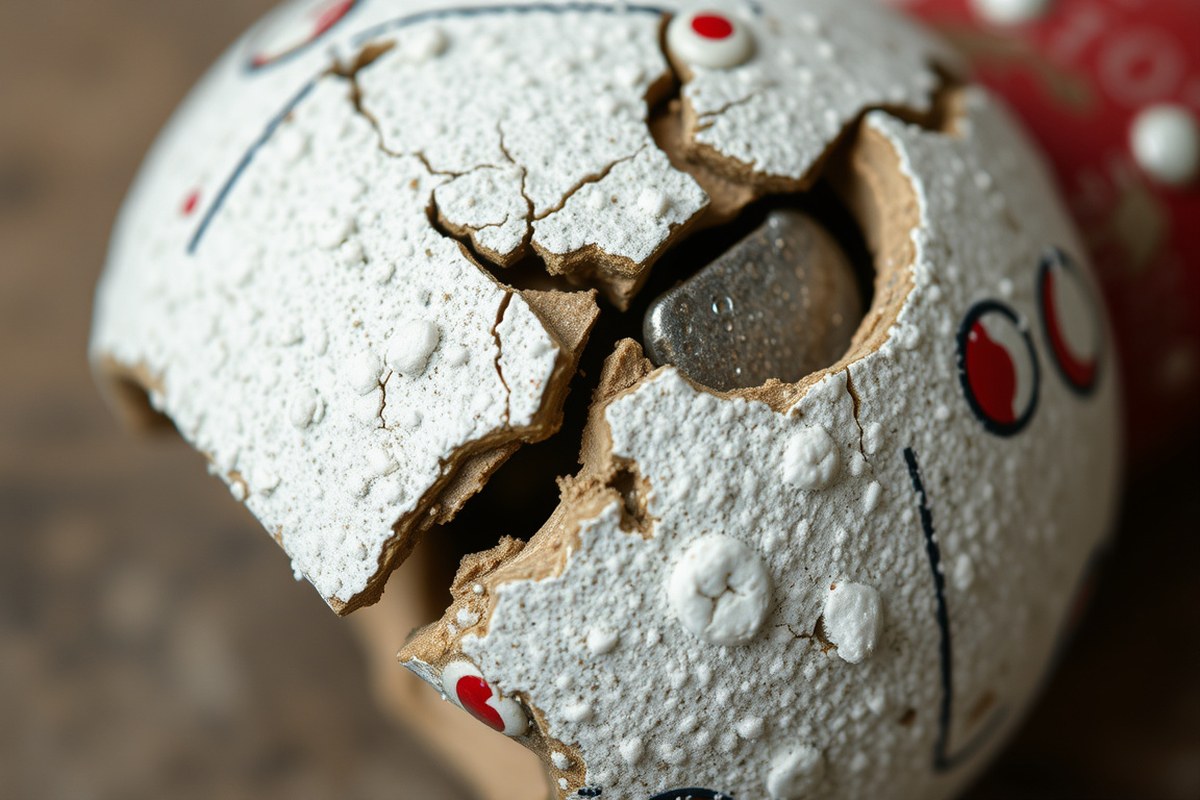
What Is Zinc Pest: A Complete Guide to Identify, Prevent, and Treat It
Zinc pest is a deterioration process affecting zinc alloy objects, causing cracking, warping, and eventual crumbling. It occurs due to impurities and manufacturing defects that trigger a chemical reaction within certain zinc alloys. Understanding what is zinc pest helps you identify early signs and prevent further damage to vulnerable products.
This information is essential for manufacturers, collectors, engineers, and hobbyists working with vintage electronics and zinc alloy items. You’ll learn to recognize affected alloys and products, spot visual and structural damage, understand how environment and storage impact zinc pest, and explore options for treatment and prevention. Accurate diagnosis versus other metal problems is also covered.
Key Takeaways
- Zinc pest is a decay caused by impurities in zinc alloys that leads to cracking, swelling, and crumbling of metal parts over time.
- Products made from early zinc die-cast alloys, especially with high lead or cadmium, like vintage toys and electronics, are most vulnerable.
- Visual signs include surface cracks, discoloration, and distorted shapes, while structural signs involve brittleness and loss of mechanical integrity.
- Impurities, improper alloy composition, and poor casting methods during manufacturing accelerate zinc pest development.
- High humidity, temperature fluctuations, and poor storage conditions increase the risk and speed of zinc pest corrosion.
- Zinc pest cannot be reversed or fully stopped; preservation relies on careful environmental control and gentle handling.
What Exactly Is Zinc Pest and How Does It Happen?
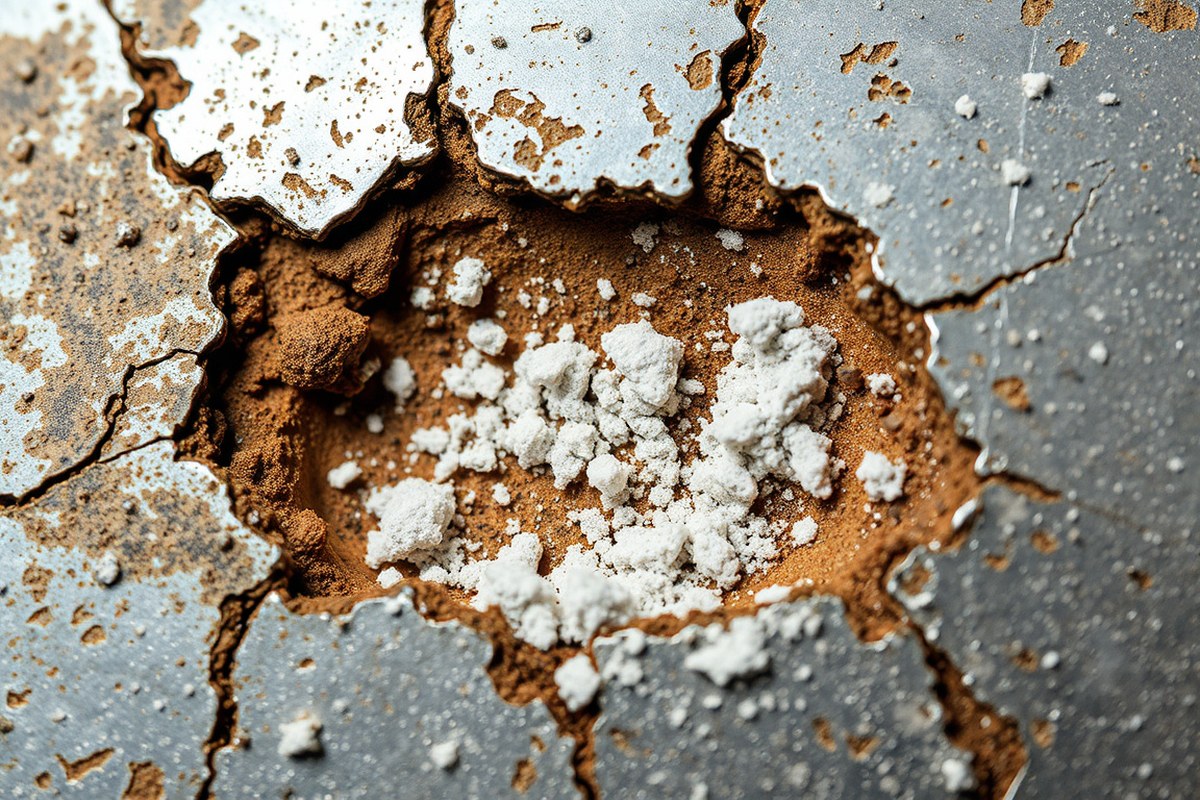
Zinc pest is a form of metal degradation that affects products made from zinc alloys, particularly those composed of zinc mixed with small amounts of other metals like aluminum, copper, or magnesium. It happens when impurities and internal stresses in the alloy trigger a slow chemical breakdown, causing the metal to expand, crack, and crumble over time. This process damages the object’s structure and appearance, often making it unusable or significantly less valuable.
The primary cause of zinc pest is a reaction known as intergranular corrosion. Zinc alloys consist of small crystalline grains held together by grain boundaries. If the alloy contains cadmium impurities or unevenly distributed elements, these boundaries become weak spots where chemical changes start. Moisture, oxygen, and acidic environments accelerate this corrosion at the microscopic level. The metal begins to separate along these grain boundaries, forming internal cracks that eventually reach the surface.
Physically, zinc pest manifests as swelling and warping because the corrosion products occupy more volume than the original metal. This expansion builds internal pressure, which causes visible cracks and flakes as the metal loses cohesion. Over years or decades, this effect can cause items like vintage toys, electrical components, or collectible figures to disintegrate from the inside out.
The chemical mechanism behind zinc pest involves the conversion of zinc metal into zinc oxide and other compounds through oxidation. The presence of impurities such as cadmium disrupts the solid solution of the alloy, making the zinc atoms more prone to reacting with available oxygen and moisture. These reactions produce byproducts that expand and create physical stress within the metal matrix. Heat and storage conditions can speed up or slow down this degradation process.
Understanding exactly how zinc pest develops helps you identify vulnerable zinc alloy products early and choose proper manufacturing processes or storage methods to minimize risk. Avoiding impurities during melting and casting, controlling cooling rates, and maintaining stable, dry storage environments reduce the chemical reactions that trigger zinc pest. Once the process begins, the internal damage is irreversible, making prevention critical for lasting preservation.
Which Zinc Alloys and Products Are Most Prone to Zinc Pest?

Zinc pest mainly affects zinc alloys with impurities, especially those produced before the 1960s when quality control was limited. Alloys with a high lead content or improper alloying elements are more vulnerable. The most susceptible alloys include zamak (Zamak or Zamak 3), an alloy of zinc, aluminum, magnesium, and copper commonly used in die casting. Variations of zamak with higher lead or cadmium impurities show a faster rate of degradation. Pure zinc or high-purity zinc alloys are much less prone to this problem.
Many vintage products made from these alloys have experienced zinc pest, resulting in crumbling, swelling, or deformation over time. Knowing which items are at risk can guide collectors and manufacturers to watch carefully for early signs and store or handle these objects properly.
- Die-cast zamak toys produced in the 1930s to 1950s, including toy cars and figurines from brands like Marx and Tootsietoy
- Radio and camera parts with die-cast zinc alloy housings from the mid-20th century
- Electrical connectors and switch components made from zamak or similar alloys
- Automotive parts such as carburetor linkages and trim components manufactured using zinc die casting during the 1940s and 1950s
- Early plastic model kits with metal parts prone to zinc pest deterioration
- Decorative hardware and fixtures from mid-century manufacturing
The problem is common in products made during the 1930s through the early 1960s due to inconsistent zinc ore quality and processing techniques. Later, stricter manufacturing standards reduced zinc pest occurrence by improving alloy purity and casting methods. Manufacturers today use controlled alloy compositions with less lead and cadmium to reduce risk.
Handle vintage zinc alloy items carefully; once zinc pest starts, physical damage accelerates, and repairs are often impossible.
What Are the Visual and Structural Signs of Zinc Pest?
Zinc pest appears progressively with distinct visual and structural signs. Early detection involves spotting subtle surface changes, while advanced stages show severe deformation and material breakdown. You can identify zinc pest by carefully inspecting items for a clear set of symptoms and following a step-by-step checklist to catch damage before it becomes irreversible.
Early Stage Signs to Watch For
The initial phase of zinc pest usually impacts the surface texture quietly but noticeably. You may observe faint discoloration or surface roughening that does not match typical aging patterns. Small, shallow cracks often form around edges or stress points. These early signs matter because they indicate internal chemical reactions have begun, although the material still holds its shape. Check items under good lighting and with a magnifying glass if available. Look for these red flags:
- Uneven or blotchy fading of the original finish
- Fine hairline cracks developing on flat or curved surfaces
- Slight powdery or dusty residue forming at joints or seams
- Minor swelling or raised spots disrupting the surface uniformity
- Discoloration ranging from dull gray to whitish hues
Gentle tapping or light pressure can help reveal early looseness or brittleness. If you detect any of these signs, isolate the affected piece to prevent cross-contamination and monitor it regularly for progression.
Advanced Zinc Pest Symptoms
As zinc pest progresses, the damage becomes more obvious and extensive. Cracks widen and deepen, often intersecting to create a network of fractures that weaken the object. Surface powdering grows thicker, sometimes resembling rust but with a finer texture. The overall shape may start to warp due to internal stress and volume changes from corrosion. During inspections, note these worsening symptoms:
- Deep cracks with visible gaps or flaking
- Discoloration spreads and may become chalky white or yellowish
- Bulges or blistering in certain areas
- Parts may become loose or start detaching
- Increased powdery buildup, sometimes with a greasy feel
Advanced symptoms signal the metal’s structural integrity is failing, making handling risky and repair options limited. Document damage with photos and detailed notes for tracking deterioration rates.
Physical Effects on Material Integrity
Zinc pest gradually destroys the metal’s strength and cohesion. That leads to brittleness where parts snap under slight stress. Warping can prevent mechanical components from fitting or moving properly. Fine powder residue often indicates internal breakdown rather than just surface corrosion. Confirm physical damage by performing these simple tests carefully:
- Press gently on suspected areas to detect softness or crumbling
- Try slight bending or flexing to assess brittleness, do so cautiously to avoid breakage
- Weigh the item over time to check for material loss from powder falling off
- Compare the fit of moving parts before and after suspected damage
Being aware of these signs helps you decide if an object is worth preserving or requires specialized conservation efforts. Early and ongoing inspection with a checklist prevents surprises and loss of valuable zinc alloy items.
Why Does Zinc Pest Occur and Which Manufacturing Defects Contribute?
Zinc pest occurs primarily because of impurities present in the alloy and flaws introduced during manufacturing. Small amounts of lead or cadmium contamination in zinc alloys create weak spots where the metal’s crystalline structure breaks down over time. These impurities cause internal stresses and micro-cracks, accelerating chemical reactions that lead to powdering and cracking. Zinc alloys used in older products often contained higher impurities due to less refined smelting and alloying methods, making them especially vulnerable to this degradation.
The exact composition of the zinc alloy also plays a significant role. Alloys with a higher percentage of zinc combined with brittle metals like lead or tin tend to be unstable. When the ratio of stabilizing elements such as aluminum or copper is too low, the alloy becomes susceptible to intergranular corrosion, a core mechanism of zinc pest. Modern manufacturing standards limit these harmful impurities and adjust alloy components to ensure the metal matrix remains stable, but vintage processes did not always control these factors rigorously.
Manufacturing defects beyond composition can hasten zinc pest formation. Casting defects such as porosity, inconsistent cooling rates, or uneven alloy mixing introduce local stresses. Cooling from molten to solid that occurs too rapidly or unevenly creates a non-uniform microstructure with internal strain. Injection molding or die casting techniques improperly applied can trap air bubbles or create weak grain boundaries. These imperfections act as starting points for physical breakdown when the product faces environmental stress like heat or humidity.
Vintage zinc alloy products, especially those made before the 1960s, frequently experience zinc pest because of the less advanced refining and casting technologies of that era. Techniques then did not routinely remove all lead contamination or control alloy ingredient ratios precisely. Molding tools worn down over production runs could also cause dimensional inconsistencies and stress risers in the metal. Such inaccuracies remain invisible until the metal ages and cracks. Collectors often see old toys, musical instruments, and electronic casings from that period deteriorate this way.
You can reduce zinc pest during manufacturing by using high-purity zinc and adding stabilizer metals like aluminum or copper within specified ranges. Avoiding lead and cadmium impurities under 0.01% can dramatically lower risk. Controlled casting temperature and slow, uniform cooling reduce internal stresses significantly. Regularly maintaining molds and casting equipment ensures consistent product quality. These actions require investment in raw material sourcing, precise alloy formulation, and stricter process controls, which add to production costs but extend product life substantially.
In repair or restoration scenarios, knowing the original manufacturing defects can help you decide whether to replace parts or attempt careful stabilization. Products with heavy microstructural damage and impurity-driven degradation rarely recover intact, since the metal’s molecular framework has deteriorated. Spotting early signs of manufacturing flaws paired with environmental stresses allows for preventive measures before zinc pest accelerates.
How Environment and Storage Conditions Influence Zinc Pest Development
Zinc pest accelerates significantly under high humidity and fluctuating temperature conditions. Moisture in the air acts as a catalyst for the chemical reactions that cause zinc alloys to deteriorate, especially those with impurities. Maintaining a controlled, dry environment slows the progression of zinc pest by limiting the available water that supports corrosion and expansion of the metal structure.
Temperature also affects zinc pest development. Warmer temperatures increase the reaction rates of the zinc alloy’s internal deterioration, leading to faster cracking and deformation. Conversely, cooler, more stable temperatures can slow this process, though freezing conditions might cause physical stress in fragile zinc alloys. Room temperature storage around 65°F to 75°F with minimal fluctuation is ideal to slow zinc pest.
Storage and display environment play a major role in whether zinc pest worsens or remains dormant. Exposure to direct sunlight can raise surface temperatures and encourage moisture condensation under certain conditions, escalating damage. Placing zinc alloy items in sealed, low-humidity cases with silica gel packs or other desiccants helps prevent moisture buildup. Avoid storage near heating vents, bathrooms, or kitchens, where humidity levels are typically higher.
Regions with consistently high humidity and warm climates are more prone to zinc pest damage. For example, coastal areas with salty, moist air can promote corrosion more aggressively than dry inland environments. Collectors and manufacturers in such climates should invest in climate-controlled storage solutions to reduce risk. Using air conditioners or dehumidifiers allows year-round control of moisture and temperature, which is often critical for preserving zinc alloy products.
Keep zinc alloy items in airtight containers with desiccants and monitor storage area humidity with a hygrometer to prevent unexpected spikes that speed up zinc pest.
Even slight improvements in storage conditions can extend the life of vulnerable zinc alloys. For instance, lowering room humidity from 60% to below 40% reduces moisture ions that drive the alloy’s breakdown. However, overly dry conditions can cause other materials, like wood or paper components associated with zinc alloy products, to deteriorate. Balance your storage environment based on the full composition of the item.
Avoid sudden temperature changes during transport or display setups, as these fluctuations create condensation cycles that soak the metal intermittently. When relocating zinc alloy objects, acclimate them slowly to new environmental conditions inside sealed protective packaging to minimize thermal shock.
Can Zinc Pest Be Reversed, Treated, or Halted Once It Starts?
Zinc pest cannot be reversed or fully repaired once it starts because its chemical breakdown weakens the metal internally. However, you can slow or halt its progression through specific treatments, physical support, and protective coverings. Acting early and controlling the environment around affected items offers the best chance to preserve them.
Chemical Treatments to Slow or Halt Progression
Treatments target the oxidation and corrosion processes causing zinc pest. You can apply corrosion inhibitors specifically formulated for zinc alloys to slow further decay. Common inhibitors include benzotriazole solutions or specialized metal stabilizers that create a thin protective layer on the surface. To apply chemical treatments effectively:
- Clean the surface gently with a mild, non-acidic detergent to remove dirt and loose corrosion products.
- Dry completely before treatment to avoid trapping moisture beneath inhibitors.
- Use a soft brush or cotton swab to apply the inhibitor evenly on the affected area.
- Allow the treated item to air dry in a low-humidity environment.
- Repeat application annually or whenever you notice signs of renewed corrosion.
Keep in mind these chemicals only slow progression; they don’t restore damaged metal and must be used cautiously with vintage items to avoid surface changes.
Physical Repairs and Reinforcement Options
Since zinc pest causes internal structural damage, physical repairs focus on stabilizing fragile parts rather than fixing the underlying metal. Many collectors or engineers use mechanical reinforcement techniques to prevent further physical loss or cracking. Steps for physical support include:
- Epoxy resin or acrylic adhesives to bind cracked or flaking areas gently, avoiding strong solvents that can worsen corrosion.
Physical reinforcement is useful mainly for display or limited-use pieces, since it does not stop ongoing chemical deterioration.
Protective Coatings and Storage Improvements
Applying protective coatings can slow exposure to moisture and environmental pollutants that accelerate zinc pest. Clear lacquers or microcrystalline wax coatings are effective barriers on small to medium-sized objects. They should be tested on a discrete area to ensure no chemical reaction with the alloy. For storage, control temperature and humidity carefully:
- Maintain humidity below 45% relative humidity to reduce moisture involvement in corrosion.
- Use silica gel packets or dehumidifiers inside storage cases to keep environment dry.
- Store items away from direct sunlight and temperature fluctuations, which promote zinc alloy stress.
- Use acid-free tissue paper or padded mounts to prevent physical abrasion during handling.
Regular inspection during storage lets you catch early signs of progression so you can apply treatments sooner.
How to Prevent Zinc Pest During Manufacturing and in Collectors’ Care
Preventing zinc pest starts with selecting the right materials and maintaining strict process controls during manufacturing. For collectors and hobbyists, controlling storage conditions and handling methods can keep zinc alloy items stable for decades.
Manufacturing Best Practices to Avoid Zinc Pest
Using high-purity zinc alloys with low impurities reduces the likelihood of zinc pest development. Manufacturers should carefully control alloy composition, particularly reducing lead, cadmium, and iron content, which can trigger degradation. Heat treatment and proper cooling rates also influence crystal structure stability.
Consistency during casting is important. Slow, even cooling helps avoid internal stresses and micro-cracks where corrosion can initiate. Manufacturers benefit from regular inspection and testing of zinc alloys before production runs to detect any impurity spikes.
- Use premium-grade zinc alloy with minimal impurities
- Perform strict quality control on raw materials
- Implement slow cooling and controlled heat treatment after casting
- Inspect for defects regularly during production
- Design parts to minimize thin sections that cool unevenly
- Maintain accurate records of batches for traceability
- Consider protective coatings to add corrosion resistance
Following these measures reduces internal defect formation and chemical instability. Some additional costs arise from higher alloy purity and extended quality checks, but these investments lower long-term failure rates and warranty claims.
Storage and Display Recommendations for Collectors
Collectors should store zinc alloy items in cool, dry environments with stable temperatures and low humidity to prevent accelerated corrosion. Avoid basements, attics, and garages where humidity and temperature fluctuate widely. Using airtight containers with desiccants can further limit moisture exposure.
Handling with clean, dry hands or cotton gloves minimizes oils and acids from your skin, which can catalyse zinc pest. Avoid storing items in cardboard or acidic paper; instead, use acid-free tissue or polyethylene bags.
- Store in a dry, temperature-controlled area, ideally around 65, 75°F
- Keep relative humidity below 50% using silica gel packs or similar
- Use acid-free wrapping materials or sealed plastic containers
- Handle with clean hands or gloves to prevent contamination
- Limit exposure to direct sunlight and pollutants
- Check items periodically for early signs of deterioration
Routine monitoring allows early detection before significant damage. Investing in proper storage supplies pays off by preserving value and structural integrity over time.
Seasonal and Climate Control Tips
Seasonal changes often cause temperature and humidity swings that stress zinc alloys. You can use climate control devices such as dehumidifiers, air conditioners, or humidifiers to maintain stable conditions, especially in humid or temperature-volatile regions.
For display, avoid placing zinc alloy objects near windows or heat sources where conditions fluctuate throughout the day. Midseason or cooler months typically pose lower risks, so storing or displaying during these times reduces the chance of zinc pest initiation.
- Use climate control to keep storage rooms at stable temperature and humidity
- Schedule inspections in spring and fall, when temperature changes increase risk
- Avoid rapid temperature changes by limiting door openings and air drafts
- Consider HVAC filters to reduce airborne pollutants
- Store in interior rooms rather than attics or unheated garages
Applying these climate-focused steps helps maintain integrity by preventing moisture absorption cycles that accelerate zinc pest formation. For serious collectors, a small electric dehumidifier costing under $100 can make a big difference.
How to Diagnose Zinc Pest Compared to Other Metal Problems
Distinguishing zinc pest from other metal issues like corrosion or fatigue hinges on specific visual and structural characteristics. Zinc pest causes the metal to crack, warp, or crumble internally due to impurity-induced expansion, whereas typical corrosion primarily affects surface layers, often showing rust, discoloration, or pitting. Metal fatigue usually results in clean fractures or bending after repeated stress, without the granular deterioration seen in zinc pest. Identifying these differences is important for deciding if a zinc alloy object is suffering from zinc pest or a more common metal problem. Dirt or cosmetic damage can resemble early stages of decay but do not alter the metal’s structure.
The easiest way to decide what you are facing is to use a decision table comparing the main attributes of zinc pest, general corrosion, metal fatigue, and superficial damage. This trained approach helps prevent misdiagnosis, which is critical since zinc pest is irreversible while dirt or corrosion might be cleaned or treated.
| Feature | Zinc Pest | General Corrosion | Metal Fatigue | Dirt or Cosmetic Damage |
|---|---|---|---|---|
| Cause | Impurities causing internal crystallization | Environmental exposure (moisture, chemicals) | Repeated mechanical stress | External deposits or surface marks |
| Appearance | Cracks, blisters, warped surfaces, powdering | Surface rust, pitting, discoloration | Clean fractures, metal bending or fatigue cracks | Dirt stains, scratches, no structural change |
| Structural impact | Internal breakdown, loss of metal integrity | Surface damage, may weaken part if severe | Loss of structural strength, cracks propagate | No impact on structural integrity |
| Progression speed | Slow but irreversible | Variable, depends on environment | Depends on load cycles | Static unless disturbed |
| Detection method | Close visual inspection, tapping for internal crumble | Visual inspection, corrosion testing | Stress testing, crack detection techniques | Cleaning to remove discoloration or marks |
Use this decision rule to identify zinc pest:
- Look for surface cracks or blistering that feel powdery or soft when gently tapped.
- Check if affected areas distort the shape or cause crumbling, not just surface discoloration.
- Attempt cleaning with mild soap and brush; if damage remains or worsens visibly, eliminate dirt or cosmetic damage.
- Consider the product’s age and alloy type; zinc pest only affects certain zinc alloys and older items more commonly.
- If unsure, a non-destructive test like low-level ultrasound or professional metallurgical analysis helps confirm internal damage.
This structured process helps you differentiate zinc pest from simple corrosion or fatigue in vintage zinc products and electronics, guiding you on proper handling or restoration steps. Early and accurate diagnosis can avoid futile treatments that won’t stop the pest from progressing.
Warning: Avoid sanding or aggressive cleaning on suspected zinc pest as it may accelerate the damage or remove fragile surfaces.
Quick-Start Action Plan for Managing Zinc Pest
Follow these steps to identify, prevent, and address zinc pest in your zinc alloy products or collections effectively.
- Before Inspection: Gather all zinc alloy items and review product history to identify types prone to zinc pest, such as zamak alloys produced before the 1970s. You’ll know you’re ready when you can separate suspect items for closer examination.
- Day 1: Examine items carefully for visual signs like surface cracking, pitting, discoloration, and structural deformation. If these signs appear in multiple spots, zinc pest is likely present.
- Day 2: Confirm zinc pest by comparing symptoms to those of other metal problems like corrosion or fatigue, focusing on deep internal cracks and brittleness. Accurate diagnosis is critical; if uncertain, consult a metallurgist.
- Week 1: Evaluate current storage and environmental conditions, ensuring items are kept in stable, low-humidity environments with temperatures below 75°F and minimal exposure to acids or pollutants. Success means controlled conditions that slow zinc pest progression.
- Week 2: For manufacturers, review alloy composition and processing methods to avoid defects linked to zinc pest, such as impurities and improper cooling; for collectors, consider stabilization treatments recommended by conservation professionals. Effective steps will reduce new cases or halt development.
- Month 1: Implement ongoing monitoring, documenting any new changes in affected items. Halted zinc pest appears as no new cracks or expansion over several weeks.
- Ongoing Care: Store zinc alloy products in controlled environments and limit handling to preserve condition. Preventive care will maintain the integrity of your items long-term.
Frequently Asked Questions
What Causes the Internal Growth of Zinc Pest Crystals?
Zinc pest crystals grow internally due to impurities and uneven alloy composition during casting. Controlling alloy purity can reduce crystal formation and delay deterioration in zinc alloy parts.
Is Zinc Pest Common in Modern Zinc Alloy Manufacturing?
Zinc pest is rare in modern manufacturing due to improved alloy standards and quality control. Contemporary zinc alloys have additives that prevent zinc pest, making it mostly a concern for vintage or poorly made items.
Can Zinc Pest Affect Electrical Conductivity?
Yes, zinc pest can disrupt electrical conductivity by cracking or deforming conductive paths. This leads to unreliable connections in vintage electronics with zinc alloy parts, requiring careful inspection if you handle such devices.
Does Humidity Alone Cause Zinc Pest to Spread Faster?
High humidity speeds zinc pest by promoting corrosion and internal stresses. Keeping affected parts in low-humidity conditions can slow the progression but won’t stop zinc pest once it starts.
Are Zinc Die-Cast Products More Vulnerable to Zinc Pest Than Sand-Cast?
Zinc die-cast products are generally more vulnerable due to rapid cooling and potential internal stresses. Sand-casting usually produces denser and more uniform alloys, reducing zinc pest risk.
Can Zinc Pest Cause Mechanical Failure in Collectibles?
Yes, zinc pest leads to cracking and crumbling, compromising structural integrity. Collectors of vintage zinc alloy models should handle them gently and control environment to avoid mechanical damage.
Key Points to Remember
Zinc pest is a slow but damaging decay process affecting certain zinc alloys, mainly those with impurities and poor manufacturing controls. Preventing it starts with strict alloy composition and proper storage in low-humidity environments. You can check your zinc products for early signs today by inspecting for small cracks or powdery white residue before the damage spreads.