How to Get Rid of Dark Spots: A Complete Guide with Proven Treatments
Getting rid of dark spots requires patience and a careful mix of treatments tailored to your skin type and the cause of the spots. Effective strategies include using products with ingredients like retinoids or hydroquinone, considering professional options like chemical peels or laser treatments, and consistently applying sunscreen to prevent new spots. Some mild spots may respond well to gentle home remedies, but deeper or stubborn marks often need stronger solutions.
This information suits anyone dealing with discoloration from sun damage, acne, hormonal changes, or aging. You’ll learn about different types of dark spots, compare treatments from over-the-counter to prescription and professional procedures, explore natural remedies, and find advice on daily skincare routines and when to consult a dermatologist for the best results on how to get rid of dark spots.
Key Takeaways
- Dark spots can take six to 12 months to fade, especially those several shades darker than your natural skin tone.
- Use home remedies cautiously for mild, recent dark spots under three months old, as they are gentler and less irritating.
- Sunscreen with at least SPF 30 is essential daily to prevent new spots and protect treated skin from further damage.
- Topical treatments like 0.5% Melasyl or hydroquinone creams can reduce dark spots but may take 3 to 6 months for visible results.
- Chemical peels and laser treatments offer faster results but might require professional evaluation, especially for deep or older spots.
- Avoid picking at pimples and use hydrocortisone cream to reduce inflammation and prevent post-acne dark spots.
What Are Dark Spots and How Do They Form?
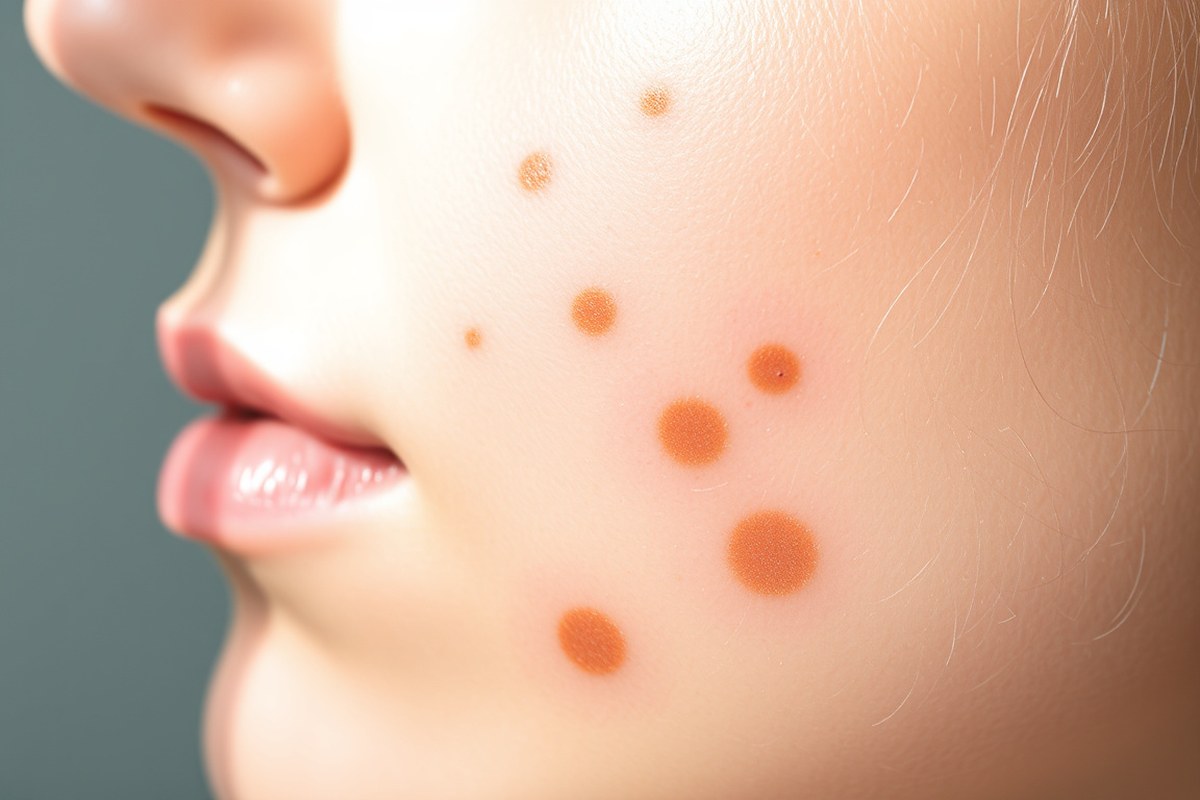
Dark spots are areas of skin that become darker than their surrounding skin due to excess melanin, the pigment responsible for skin color. They form when certain factors trigger your skin to produce more melanin, often as a protective response. This process is called hyperpigmentation, and it usually happens after your skin experiences inflammation, irritation, or damage.
Sun exposure is one of the most common causes of dark spots. Ultraviolet (UV) rays stimulate the melanin-producing cells in your skin to create more pigment, which helps shield deeper skin layers from damage. Over time, repeated sun exposure can lead to uneven melanin buildup, creating dark patches typically seen on the face, arms, and legs. These areas are the most exposed, so they receive the most UV radiation.
Acne and other forms of inflammation also cause dark spots. When your skin breaks out or suffers an injury like a cut or bug bite, the healing process can increase melanin production in that exact spot. These are called post-inflammatory hyperpigmentation spots, and they often take several months or longer to fade, especially if the affected skin is darker.
Hormonal changes can trigger another kind of dark spot known as melasma. Fluctuations in hormones, common during pregnancy or with the use of birth control pills, stimulate melanin production across larger areas, especially on the face. These spots often appear symmetrically on your cheeks, forehead, and upper lip.
Aging also plays a role because over the years, your skin’s ability to regulate melanin becomes less efficient. This results in sunspots or age spots, which look like flat, brown patches developing on frequently sun-exposed skin. Certain medications and medical treatments that cause skin inflammation or sensitivity can worsen these pigmentation changes as well.
To understand how dark spots form in your skin, consider that melanin sits in specific skin cells called melanocytes. When these cells become overactive, they deposit extra pigment into the layers above them. This pigment doesn’t spread evenly but instead clusters, creating the characteristic dark spots. That means protecting your skin from triggers, especially the sun, plays a major role in preventing new spots from forming.
Although dark spots themselves are harmless, they can affect your appearance and confidence. Their color ranges from light brown to almost black, and the healing process can take six to twelve months depending on the spot’s depth and your skin tone. Also, treating whatever causes the spots, like controlling acne or adjusting medications, helps reduce the chance of new spots appearing alongside managing existing ones.
Different Types of Dark Spots and Their Causes

Dark spots on your skin vary by cause and appearance, influencing how you treat them. Common types include sun spots from UV damage, melasma driven by hormones, and post-inflammatory hyperpigmentation following skin injury. Identifying which type you have helps you choose effective treatments and avoid worsening the spots.
Sun Spots from UV Damage
Sun spots, also known as age spots or liver spots, appear on areas regularly exposed to the sun such as your face, hands, and shoulders. They develop due to excess melanin production triggered by ultraviolet (UV) rays from sunlight. These spots are usually flat, oval, and brownish, showing up in middle age or later years but can occur earlier with heavy sun exposure.
Preventing sun spots is critical since sunlight darkens existing spots and causes new ones. Using a broad-spectrum physical sunscreen containing zinc oxide or titanium dioxide can block most UV rays. Apply sunscreen every day, especially on exposed skin, even in cloudy weather, and reapply every two hours if you’re outdoors. Wearing hats and protective clothing will also reduce your risk.
- Common on sun-exposed skin: face, hands, shoulders
- Appear as flat, brown or tan patches, often 1, 3 cm wide
- Result from cumulative UV damage over time
- Progressively darken with ongoing sun exposure
- Prevent using physical sunscreens and protective clothing
Daily sunscreen use is essential to prevent sun spots from darkening and new spots from forming.
Melasma and Hormonal Influences
Melasma shows up as brown or grayish patches with irregular borders, often on the cheeks, forehead, and upper lip. Hormonal changes during pregnancy or from birth control pills commonly cause it, so it’s sometimes called the “mask of pregnancy.” Hormones stimulate excess melanin, and sun exposure makes melasma worse.
This type of dark spot frequently affects women, but men can experience melasma if exposed to hormonal shifts or certain medications. Melasma may also flare during hormone therapy or from thyroid disease. Because melasma is hormone-driven, it can be persistent and sensitive to treatment.
Treat melasma by limiting sun exposure rigorously, combining sunscreen with topical treatments prescribed by a dermatologist. Over-the-counter products with vitamin C or agents like hydroquinone under medical supervision can lighten the spots.
- Linked to hormonal changes from pregnancy, birth control, or medications
- Irregular patches of brown or gray on face
- Worsens with sun exposure
- More common in women but possible in men
- Treatment requires strict sun protection and medical-grade creams
Post-Inflammatory Hyperpigmentation from Skin Injury
Post-inflammatory hyperpigmentation (PIH) occurs after your skin heals from an injury, like acne, eczema, cuts, or burns. It looks like flat spots that are darker than your natural skin tone, often reddish-brown or blackish, depending on your skin color. PIH can happen anywhere on your body but appears often where inflammation or skin damage occurred.
The key to managing PIH is treating the initial cause and avoiding further irritation. Using gentle skincare to prevent new trauma helps reduce the risk of more spots. Topical treatments such as vitamin C serums or hydroquinone might fade PIH over several weeks to months. Avoid picking or scratching your skin, as that prolongs pigmentation. Consult a dermatologist if the dark spots persist or worsen.
- Caused by injury or inflammation like acne, eczema, or cuts
- Dark flat spots appearing after skin heals
- Varies in color from reddish to dark brown or black
- Common on areas with prior skin problems
- Improved with gentle care and targeted topical treatments
Avoid picking at acne or injuries to reduce risk of leaving dark spots from post-inflammatory hyperpigmentation.
Effective Over-the-Counter and Prescription Treatments Compared
Creams available without a prescription that include vitamin C, retinol, and mild hydroquinone (up to 2%) can help reduce dark spots, particularly if the spots are not severe or have appeared recently. Products like Differin Dark Spot Correcting Serum and Ambi Skincare Fade Cream should be applied to the darkened areas as indicated on their labels. With regular use, noticeable improvement typically happens within 10 to 16 weeks, though some irritation or temporary darkening of the spots may happen at the start.
Prescription treatments like stronger hydroquinone (above 2%) and prescription-grade retinoids provide more potent options for stubborn or long-standing dark spots. Hydroquinone has been the gold standard for over 50 years due to its ability to break down pigment quickly. Prescription retinoids help fade spots by increasing skin cell turnover and unclogging pores, which also benefits acne-prone skin. These treatments usually require 3 to 6 months for significant fading and carry higher risks of irritation, so starting under dermatological supervision is recommended. Look for serums and creams that include these effective ingredients for dark spot treatment:
- Hydroquinone (up to 2% in OTC, higher in prescriptions)
- Retinol or prescription retinoids
- Vitamin C (for brightening and antioxidant protection)
- Natural extracts like licorice root or curcumin (may offer mild effects)
Using sunscreen with at least SPF 30 daily is critical to prevent spots from getting darker or new ones forming during treatment.
| Treatment Type | Key Ingredients | Effectiveness Timeline | Typical Use Case | Possible Side Effects |
|---|---|---|---|---|
| OTC Creams & Serums | Vitamin C, Retinol, Hydroquinone (≤2%) | 10-16 weeks | Mild or recent spots | Mild irritation, initial darkening |
| Prescription Hydroquinone | Hydroquinone (>2%) | 3-6 months | Stubborn/darker spots | Irritation, sensitivity, requires monitoring |
| Prescription Retinoids | Tretinoin, Adapalene | 3-6 months | Dark spots and acne combination | Skin dryness, peeling, irritation |
| Natural Extracts (OTC) | Licorice root, Curcumin, Aloe | 6-8 weeks (varies) | Mild fading support | Less likely to irritate |
Patience and consistency matter most. Slowly applying these treatments directly to the spots and protecting your skin from UV exposure improve their effects. Starting with an OTC product can be a good choice for mild discoloration. Stronger prescription treatments often achieve faster or more significant results but should be used with care to prevent irritation or other side effects. Consult a dermatologist if your spots don’t improve or if you have sensitive skin before beginning prescription-strength therapies.
Professional Procedures: Chemical Peels and Laser Treatments
Chemical peels are effective professional treatments for reducing dark spots by removing the outer layer of skin, which helps to lighten discoloration and smooth skin texture. These peels vary in strength, from mild superficial peels requiring minimal downtime to deeper peels that penetrate further but need longer recovery. A board-certified dermatologist typically applies an acid solution such as glycolic acid or trichloroacetic acid, leaving it on your skin for a set time before neutralizing it. Costs generally range from $150 to $300 per session, with multiple treatments often needed spaced several weeks apart to achieve noticeable results. Risks include temporary redness, peeling, sensitivity, and in rare cases, scarring or changes in skin color, especially if not performed correctly or if aftercare instructions are not followed carefully.
Laser treatments target the melanin-producing cells responsible for dark spots by using focused beams of light to break up pigment. Different types of lasers suit various skin types and spot origins, so a consultation with a dermatologist is essential to select an appropriate device. This procedure usually requires a single session or a few sessions spaced weeks apart, with costs typically between $200 and $500 per session. Laser treatments offer faster results than topical methods but carry risks such as redness, swelling, blistering, and potential hyperpigmentation or hypopigmentation if the settings are too strong for your skin. Protective measures like avoiding sun exposure before and after treatment help reduce these risks.
Microdermabrasion is a less intense option that uses a gentle abrasive tool to exfoliate the skin’s surface, promoting skin renewal and fading some types of dark spots, especially those close to the surface. This treatment usually costs between $75 and $200 per session and requires multiple visits for best results. It has minimal recovery time but may cause mild redness or sensitivity following treatment. It’s less effective for deeply ingrained dark spots than chemical peels or lasers but can be a good choice for someone seeking gradual improvement without significant downtime.
A good rule of thumb is to discuss your individual skin type, dark spot severity, and history with a dermatologist to determine if professional procedures are appropriate. You should consider these treatments if your dark spots are moderate to severe, have persisted despite at-home efforts, or if you want faster improvement for cosmetic reasons. Be sure to follow all pre- and post-treatment instructions carefully to minimize risks and support skin healing. Professional treatments are best combined with daily sun protection and a tailored skincare routine to maintain results and prevent new spots from forming.
Natural Remedies and Home Treatments: What Works and What to Avoid
Natural remedies can help lighten dark spots over time, but none work overnight. They typically require consistent application for 1 to 3 months before you may see noticeable results. Their effectiveness depends on the ingredient’s ability to gently fade pigmentation without causing irritation or inflammation, which can worsen spots, especially for skin of color.
Lemon juice is one of the most popular home treatments. It contains citric acid, which can brighten skin and promote mild exfoliation. To use, apply freshly squeezed lemon juice to the dark spots with a cotton ball once a day, then rinse off after 10 to 15 minutes. Limit use to avoid skin dryness or sensitivity, and always wear sunscreen afterward because lemon juice can increase sun sensitivity.
Licorice root extract is a safer alternative that gently inhibits melanin production. Look for products containing this extract or apply diluted licorice root tea as a compress twice daily. It’s well-tolerated and suitable for sensitive and melanin-rich skin types.
- Aloe vera gel applied twice daily can soothe skin and support healing without irritation.
- Green tea extract has antioxidants that may help reduce pigmentation if used consistently over weeks.
- Apple cider vinegar, diluted with water (1:1 ratio), can be dabbed on spots daily, but can cause irritation if left too long.
- Turmeric paste mixed with milk or honey and applied 2-3 times weekly may provide mild brightening effects.
- Vitamin C serums at home can lighten spots by preventing melanin formation; apply once daily.
- Avoid harsh scrubs or acids, such as undiluted lemon juice and baking soda, that can damage skin barrier and darken spots.
Applying makeup to cover spots might seem helpful but can clog pores and worsen pigmentation if not removed thoroughly. Always patch-test home remedies before full application to check for reactions. Avoid picking at any spots or acne lesions to prevent inflammation that can deepen dark spots.
Use sunscreen daily to prevent dark spots from worsening, especially when using natural remedies that increase sun sensitivity.
Some natural treatments may cause redness, dryness, or peeling, so watch your skin closely. Persistent or worsening dark spots call for consultation with a board-certified dermatologist who can recommend safer, more effective treatments tailored to your skin type and condition.
Building a Daily Routine: Sunscreen, Treatment Application, and Exfoliation
To effectively reduce dark spots, create a daily skincare routine focused on applying broad-spectrum sunscreen, using targeted treatments at the right times, and gentle exfoliation. Proper timing and layering of products ensure maximum benefit while reducing skin irritation. Follow clear steps to protect your skin and support fading pigmentation.
Applying Sunscreen Correctly Every Day
Sunscreen plays a key role in preventing the formation of new dark spots and keeping current ones from getting worse. Using a broad-spectrum sunscreen with an SPF of at least 30 is important every day, no matter the weather or season. Applying enough sunscreen evenly on your skin and reapplying it every two hours while outside helps maintain protection against UV radiation that can cause pigmentation changes.
You should apply sunscreen as the final step of your morning skincare routine, about 15 minutes before sun exposure. Use about one teaspoon for your face and more for other exposed areas. Choose sunscreens with physical blockers such as zinc oxide or titanium dioxide for added defense against pigment development.
Timing and Layering Active Ingredients
Applying brightening and lightening treatments correctly maximizes their effectiveness. Many active ingredients, like vitamin C, azelaic acid, retinol, and niacinamide, target dark spots but require specific timing and layering. Vitamin C serums work best in the morning underneath sunscreen to protect skin from free radicals. Retinol and azelaic acid are more effective at night and improve skin cell turnover.
To begin, introduce one active ingredient at a time to monitor skin response. Wait until the serum or treatment absorbs fully before applying the next product. Avoid applying retinol and vitamin C simultaneously to reduce irritation; use vitamin C in the morning and retinol at night.
Safe Exfoliation Practices for Pigmentation
Exfoliation helps remove the darker layers of skin cells, speeding the fading of dark spots. Gentle chemical exfoliants like alpha hydroxy acids (AHAs) or beta hydroxy acids (BHAs) are safe options that improve skin texture and pigmentation. Use exfoliants no more than 2 to 3 times a week to avoid damaging the skin barrier.
Physical exfoliation with brushes or scrubs should be very gentle, if used at all, since aggressive scrubbing can worsen dark spots by irritating skin. Always follow exfoliation with moisturizer and sunscreen to protect new skin cells from sun damage.
Combining Products Without Irritation
Combining treatments requires care to avoid irritation and reduced effectiveness. For example, applying retinol and AHAs together may increase redness or peeling. Instead, use AHAs in the morning and retinol at night, or alternate nights. Niacinamide is a versatile ingredient that can be layered with most other actives to soothe skin and reduce inflammation. Follow this step-by-step routine to build a safe and effective daily regimen:
- Cleanse your face with a gentle cleanser suited for your skin type.
- In the morning, apply a vitamin C serum to clean, dry skin and let it absorb for 1 to 2 minutes.
- Apply a light moisturizer suitable for your skin needs if necessary.
- Apply broad-spectrum sunscreen with SPF 30 or higher at least 15 minutes before sun exposure.
- In the evening, cleanse your face again and dry thoroughly.
- Apply a retinol or azelaic acid treatment, starting every other night, then increasing frequency as tolerated.
- Twice or thrice weekly, replace active ingredients with a gentle chemical exfoliant such as an AHA serum, applying after cleansing and before moisturizer.
- Use a nourishing moisturizer after treatment to maintain the skin barrier.
Recognizing Problematic Spots and When to See a Dermatologist
Noticing a dark spot that looks unusual or changes over time requires careful attention because it could signal a serious condition such as skin cancer. Your first step should be a simple self-check using the ABCDE rule, which helps identify features of potentially dangerous moles or spots. Look for Asymmetry, where one half of the spot does not match the other in shape. Check the Border for irregular, notched, or scalloped edges. Note the Color, paying attention to variation in shades of tan, brown, black, or even red, white, or blue. Measure the Diameter; spots larger than about 6 millimeters (approximately the size of a pencil eraser) warrant closer monitoring. Finally, observe for Evolution, any change in size, shape, color, or symptoms such as itching or bleeding.
Dark spots that raise any of these red flags should prompt a consultation with a dermatologist promptly. Doctors use a careful history and examination to determine the cause and may perform a biopsy if skin cancer is suspected. Biopsies are generally quick office procedures where a small piece of the lesion is removed and analyzed at a lab, usually costing from $100 to several hundred dollars depending on your insurance and location.
Seeing a dermatologist is especially important if new spots appear without a clear trigger, if a spot grows rapidly, or if you have many dark spots that are difficult to identify. This review confirms the diagnosis and helps develop a treatment plan tailored to your skin type and the nature of the spots. Waiting too long, skipping professional advice, or trying aggressive treatments at home can delay the diagnosis of serious conditions or worsen your skin’s appearance.
A smart approach involves tracking your spots with photos every few weeks, noting any changes. Professional evaluation also includes spotting differences between common hyperpigmentation, such as age spots or melasma, and lesions that might need urgent treatment. Dark spots from sun damage often respond to targeted treatments, but spots that resemble melanoma or other skin cancers will require specialized care. For those with darker skin tones, recognizing risky spots can be trickier; uneven pigmentation or a sudden new spot should not be ignored, either.
If you’re using home remedies or over-the-counter products and see no improvement after about four months, schedule a dermatologist visit to review your condition. Effective dark spot treatments are available, but identifying when a spot is benign or when it signals something needing biopsy and possible removal is a important step to protect your health. Professional guidance ensures safer, more effective results and peace of mind.
Mistakes to Avoid and Tips for Tracking Treatment Progress
The most common mistakes in treating dark spots include over-exfoliating and neglecting sun protection. Tracking progress means observing changes in your skin carefully over weeks or months. Adjusting treatments based on your skin type and the season boosts effectiveness.
Common Dark Spot Treatment Errors
One frequent error is over-exfoliation, which damages the skin barrier and can worsen pigmentation. Avoid applying physical scrubs or acids more than two to three times a week to prevent irritation. Another mistake is skipping sunscreen. Since UV rays trigger dark spots, daily use of broad-spectrum SPF 30 or higher is essential.
Other mistakes include using multiple strong lightening agents simultaneously, which can cause sensitivity, and impatience in expecting quick results. Dark spot treatments often take 4 to 12 weeks to show noticeable improvement. Stopping too soon or switching products too frequently undermines progress.
- Applying too many exfoliating products at once
- Neglecting daily sunscreen application
- Using harsh treatments unsuitable for your skin type
- Expecting instant results and abandoning treatment early
- Ignoring product instructions or mixing incompatible ingredients
- Failing to patch test new products before widespread use
Following product guidelines carefully and giving skin time to respond usually leads to better long-term outcomes.
Monitoring Your Skin’s Response
Track changes by taking clear photos of affected areas under consistent lighting every two to four weeks. Note any changes in color, size, or texture. Mild redness, dryness, or peeling can be normal at first but watch for persistent irritation or worsening spots, which indicate the treatment may be too strong.
Use a simple skin diary or app to record product use, frequency, and any reactions. If after three months you see little improvement, consult a dermatologist to reconsider your plan.
Be patient: Dark spot treatments need consistent application and several weeks to months before showing results.
Adjusting for Skin Type and Season
Your skin tone and type affect both treatment choice and outcome. For example, individuals with darker skin tones should avoid aggressive treatments like strong chemical peels or high-intensity lasers, as they risk causing post-inflammatory hyperpigmentation. Instead, gentle topical agents like niacinamide and vitamin C serums may be safer.
Seasonal changes matter. Winter’s lower UV exposure can be ideal for starting certain treatments without risk of further pigmentation. In contrast, summer requires stricter sun protection and possibly milder treatments to avoid aggravation. Adapting your routine based on these factors helps prevent setbacks and improves dark spot resolution.
Lifestyle Factors Affecting Dark Spots
Daily habits influence how well treatments work. Regular sun exposure without protection or visits to tanning beds will undo any progress. Smoking impairs skin healing, while poor diet and dehydration reduce the skin’s ability to regenerate.
Stress and lack of sleep may worsen hormonal imbalances that contribute to pigmentation. Making healthy lifestyle choices supports your skincare routine.
- Always apply sunscreen every morning, even on cloudy days
- Wear hats and seek shade during peak sun hours
- Avoid tanning beds completely
- Maintain a balanced diet rich in antioxidants and hydration
- Manage stress with relaxation techniques and good sleep hygiene
Step-by-Step Action Plan to Fade Dark Spots
Follow this plan to start treating your dark spots safely and effectively, using the right products and habits. Track your progress and know when to get professional advice.
- Before You Start: Identify the type of dark spot you have by observing its size, location, and recent changes. This helps choose the right treatment and avoid worsening spots.
- Day 1: Begin your daily sunscreen routine with broad-spectrum SPF 30 or higher, applied every morning and every two hours when outdoors. This prevents new dark spots and protects your skin during treatment.
- Week 1: Introduce an over-the-counter topical treatment containing ingredients like hydroquinone, niacinamide, or vitamin C. Apply as directed, usually once or twice daily. Look for gradual lightening and reduced spot visibility after 4 weeks.
- Weeks 2 to 4: Add gentle exfoliation 1-2 times per week using a mild chemical exfoliant like alpha hydroxy acids (AHA). This supports skin renewal and treatment absorption. Avoid scrubbing or harsh physical exfoliants to prevent irritation.
- After 4 Weeks: Assess improvement. If spots fade slightly, continue current care. No change or worsening means you might need prescription treatments or professional procedures, so consult a dermatologist.
- Week 5 and Beyond: Maintain daily sunscreen, treatment application, and exfoliation as tolerated. Keep a photo log every 2 weeks to track progress and adjust steps if needed.
- Ongoing: Avoid picking at spots or using unproven natural remedies that can cause inflammation. Persistent, changing, or irregular dark spots require medical evaluation to rule out skin conditions.
Frequently Asked Questions
How Long Does It Typically Take to Get Rid of Dark Spots?
It usually takes six to 12 months for dark spots to fade, especially if they are several shades darker than your skin tone. Consistent treatment and sun protection are essential during this time.
Can Dark Spots Caused by Acne Heal Faster Than Sunspots?
Yes, dark spots from acne or minor injuries are more superficial and typically fade faster than sunspots or melasma, which are deeper and more persistent.
Are There Special Considerations for Treating Dark Spots on Darker Skin Tones?
Yes, treatments like retinoids, hydroquinone, chemical peels, and certain laser therapies are options for darker skin, but should be used cautiously to avoid irritation or hypopigmentation.
Can Makeup Help Get Rid of Dark Spots?
Makeup won’t eliminate dark spots but can conceal them for a more even skin tone, especially products with skin-brightening ingredients.
Are Home Remedies Effective for All Types of Dark Spots?
Home remedies are best for mild, recent dark spots less than three months old; older or deeper spots usually need stronger treatments.
Should I Continue Acne Treatment While Trying to Fade Dark Spots?
Yes, addressing active acne is key because new pimples can cause more dark spots, hindering your overall progress.
Wrapping Up
Fading dark spots takes consistency and the right approach tailored to your skin type and the spot’s cause. Start today by choosing a broad-spectrum sunscreen with at least SPF 30 and applying it every morning to prevent new spots and protect ongoing treatments. This step lays a solid foundation for any other method you decide to use and reduces the chance of dark spots worsening over time.