Where to Get a Second Opinion on Pest Activity? A Complete Guide for Reliable Results
If you want to know where to get a second opinion on pest activity, start by consulting licensed pest control professionals and certified inspectors with expertise in the specific pest issues you face. Reliable second opinions come from experts who can verify initial findings, offer alternative treatments, and ensure you’re making informed decisions about pest management. Options also include specialized consultants and sometimes university extension services that provide thorough evaluations.
Homeowners, renters, property managers, and business owners benefit from a clear understanding of pest presence and proper treatment plans. This article explains who these experts are, how to verify their credentials, typical costs, what to expect during inspections, and how to handle conflicting reports. You’ll also learn about new tools, remote inspection options, consumer rights, and ongoing monitoring strategies for effective pest control.
Key Takeaways
- A second opinion on pest activity verifies initial findings and helps you avoid unnecessary treatments or missed infestations.
- Pest control operators, entomologists, and independent inspectors commonly provide reliable second opinions on pest activity.
- Verify credentials by checking state licenses, certifications from professional pest management associations, and customer reviews online.
- Expect a second opinion pest inspection to cost between $100 and $300 and take 30 to 60 minutes to complete.
- During a second opinion inspection, the expert examines pest signs, compares reports, and recommends an appropriate action plan.
- Evaluate conflicting reports by comparing evidence, asking for clarification, and considering a third opinion if needed.
What Is a Second Opinion on Pest Activity and Why Get One?

A second opinion on pest activity involves getting an independent evaluation from a different pest control professional to confirm, clarify, or challenge an initial pest inspection or diagnosis. It serves as a tool to ensure that the recommended treatment or identification of pest problems is accurate and appropriate. Especially when significant treatment costs or property damage concerns are at stake, a second opinion can provide peace of mind and more informed decision-making.
Knowing when to seek a second opinion depends on signs that the initial assessment might not be clear or complete. For instance, if the first report is vague about the severity or type of infestation, recommends aggressive or expensive treatment without clear explanation, or if there is a conflicting diagnosis in online research or with neighbors’ experiences, it’s wise to consider another inspection. Suspicion of misidentification, such as confusing harmless issues like wood stains or harmless insects with termites, also calls for a second look.
To decide if a second opinion is needed, check if the initial findings detail the pest type, infestation extent, and treatment options clearly. Consider how much the proposed solution costs and whether it aligns with visible signs of pest activity. If the inspection was rushed or lacked visual proof, that also warrants further review. Wait times also matter; if pest activity suddenly worsens after treatment or new symptoms appear, a follow-up opinion helps verify what’s happening.
Getting a second opinion usually involves contacting a different licensed or certified pest professional who does not have ties to the first service provider. Explain your concerns and share the initial report if possible. Many pest control experts will offer inspections for a reasonable fee or sometimes even free, especially if you mention it’s a second opinion. Expect this process to take at least 30 to 60 minutes, as thoroughness is key. A good second opinion should clearly identify the pest, show signs of activity or damage, explain treatment choices with pros and cons, and provide an estimate if treatment is needed.
The benefits of seeking a second opinion include avoiding unnecessary or harmful treatments, identifying overlooked pest issues, and confirming if the problem can be managed with less invasive methods. It can save money and prevent property damage by ensuring you only invest in needed services. The drawbacks are the added expense and time, which might delay immediate action in urgent infestations. Therefore, it’s best to consider a second opinion when costs or risks are high or when initial findings cause doubt.
For example, if a termite inspection report recommends extensive fumigation costing thousands, but you see no visible damage or spot only a few isolated signs such as mud tubes, asking for a second opinion can prevent overspending on unnecessary treatment. On the other hand, if visible damage is severe and pests are confirmed consistently, a second opinion might just reaffirm the treatment plan, proving it reliable.
Following this checklist helps: assess clarity and details of the first report, evaluate treatment cost versus visible damage, note any unusual recommendations or rushed inspections, and consider worsening symptoms after initial treatment. When any of these points raise doubts, reach out to another pest control expert for a thorough, independent review before committing to pest control actions.
Types of Professionals Who Provide Pest Activity Second Opinions

Several types of professionals can provide a second opinion on pest activity, each with distinct roles, reliability, and cost structures. The most common are pest control companies, independent pest inspectors, and entomologists. You can get a second opinion from a different pest control company, which often helps verify the original diagnosis and treatment plan. Independent inspectors and entomologists offer more specialized inspections, sometimes used for complex or unusual pest problems or when an unbiased assessment is critical.
Pest control companies typically offer integrated pest management services, including inspection, treatment, and ongoing control. Hiring a second company can confirm findings but may have a sales focus tied to their services. Independent pest inspectors have no stake in treatment sales, which often increases reliability in evaluating pest presence and damage. Entomologists, experts in insect biology, provide detailed identification and analysis, usually at higher costs and longer turnaround times, ideal for scientific evaluations or unusual infestations.
| Provider Type | Pros | Cons | Typical Cost Range | Turnaround Time |
|---|---|---|---|---|
| Pest Control Company | Full service, quick results, easy scheduling | May push for treatments, potential bias | $75, $200 per inspection | Same day to 2 days |
| Independent Pest Inspector | Unbiased, focused on inspection only, good for legal or resale | No treatment offered, may need multiple visits | $100, $300 per inspection | 1 to 3 days |
| Entomologist (University or Private) | Highly detailed, scientific, best for unusual pests or research | Higher cost, longer wait, may not be local | $200, $500 or more per evaluation | 1 week to several weeks |
Choosing the right professional depends on your specific concerns. Use a pest control company’s second opinion if you want confirmation that includes treatment options. Select an independent inspector if you want an objective look free from sales pressure, especially for home buying or legal disputes. Contact an entomologist for detailed species identification or when conventional treatments haven’t resolved the issue.
Always confirm the credentials and licensing of pest inspectors or companies before hiring to ensure the second opinion is credible and useful for your situation.
How to Find and Verify Credentials of Pest Second Opinion Providers
You should verify a pest second opinion provider’s qualifications, certifications, and licenses to confirm they are trusted professionals. Checking these credentials ensures their inspection methods follow industry standards and comply with local regulations. Use a checklist to confirm they hold recognized certifications, maintain valid licenses, and have a good reputation in your area.
Recognized Certifications for Pest Experts
Most qualified pest control professionals will have certifications from recognized industry organizations. Certifications show they have completed training and passed exams specific to pest management. Look for certifications such as the National Pest Management Association’s QualityPro, state-level applicator certifications, or those from the Entomological Society.
These certificates indicate knowledge of proper pest identification, treatment methods, and safety practices. Providers without these might lack the expertise needed for accurate second opinions. Ask to see certificates or check if they appear on the organization’s public registry.
Verifying Professional Licensing Requirements
Licensing requirements vary by state and sometimes by city or county. A reputable second opinion provider must comply with local licensing laws to legally inspect and recommend treatments. You can often verify licenses online through your state’s department of agriculture or pest control regulatory agency. Use this simple checklist to verify licenses and avoid scams:
- Obtain the provider’s full business and license names
- Search the state regulatory website for license validity and status
- Confirm the license covers the specific pest issues in your area
- Check for any disciplinary actions or complaints against the license
- Ensure the license is current and not expired
Never rely solely on business websites or verbal claims without checking official records. An unlicensed provider may offer unreliable opinions or use unsafe methods.
Assessing Experience and Industry Reputation
Beyond certifications and licenses, relevant experience counts in getting a trustworthy second opinion. Ask how long they have worked in pest control, especially with the particular pest you are concerned about. Experienced professionals understand pest behavior and may spot signs others miss.
You can also ask for references from past clients or property managers. Providers with positive industry reputations tend to have repeat customers and referrals. Large companies often have more resources but smaller specialists might provide more personalized attention.
Using Online Reviews and Testimonials
Online reviews can provide insights into how well a pest expert delivers second opinions and customer service. Look for detailed reviews on platforms like Google, Yelp, or Angie’s List rather than just star ratings. Reviews mentioning clear communication, thorough inspections, and reliable advice are good indicators.
Check testimonials on the company’s website but be cautious if all reviews sound overly positive without any constructive feedback. Negative reviews can reveal common issues such as missed infestations or poor follow-up. Compare reviews from several sources for a balanced view.
Consulting Regional Pest Control Associations
Many regions have pest control or urban entomology associations that certify and maintain directories of trusted professionals. Contacting these bodies can help you find licensed providers who meet professional standards. Some associations offer consumer helplines or online search tools for verified company listings.
These groups may also provide resources to educate homeowners on recognizing qualified inspectors and avoiding fraud. Membership in a regional or national pest management organization often signals ongoing training and commitment to ethical practices.
Typical Costs, Duration, and Process of Getting a Pest Second Opinion
Getting a second opinion on pest activity usually takes a few hours for the inspection itself and several days to receive a detailed report. Costs typically range from $100 to $300 depending on your location and the extent of inspection needed. Sharing the first inspection report with the second expert helps them compare findings and provide a more accurate assessment.
Average Fees for Pest Inspections
The cost for a second opinion on pest activity generally falls between $100 and $300. This fee covers a thorough inspection of your property by a licensed professional who will look for signs of infestation, structural damage, and potential problem areas. In some regions, prices may be higher if specialized equipment or extensive inspection time is required. Keep in mind that some experts charge a flat fee, while others might bill by the hour or include testing fees for pest samples.
Getting a second opinion often costs less than a full initial inspection but is still a worthwhile investment. A modest fee ensures the expert has enough time to carefully examine your property and review previous reports. If the inspection covers multiple pests or large properties, expect prices to be on the higher end of the range.
Timeline from Appointment to Report
The inspection itself usually takes between one and three hours depending on the size and complexity of your property. Scheduling typically takes place within a few days to a week, depending on the expert’s availability. After inspection, the professional generally requires two to five business days to analyze findings and prepare a written report tailored to your concerns.
Scheduling and receiving the report might be faster for remote or smaller inspections but can extend if lab analysis or additional tests are needed. Confirm the expected turnaround time when making your appointment to plan accordingly. Being available for follow-up questions during the report phase helps prevent delays.
Typical Inspection Procedures Explained
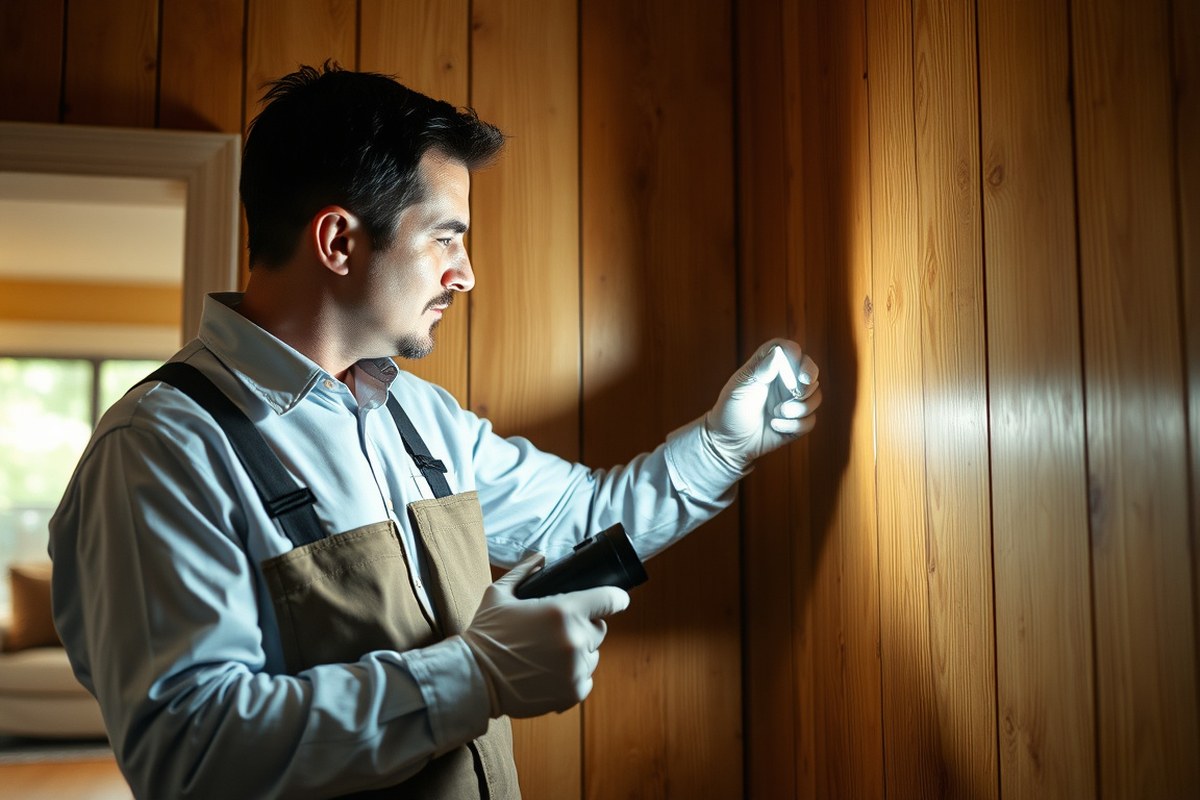
The process begins with you scheduling the appointment and providing any relevant information such as previous pest reports or noted concerns. On the inspection day, the expert examines common infestation sites including crawl spaces, attics, basements, and exterior foundations. They typically use tools such as moisture meters, flashlights, and magnifying lenses to detect evidence invisible to the naked eye.
Sharing the first pest report before or at the time of inspection allows the professional to target their examination and confirm or dispute previous findings. During the inspection, expect probing questions about pest activity patterns, your pest control history, and any recent property changes. After the walkthrough, the expert may take photographs or samples to assist with diagnosis before drafting the second opinion report.
Factors Influencing Cost Variations
Several factors affect how much a second opinion inspection costs. The location and size of your property play a significant role; larger homes take more time and expertise. Geographic region influences pricing due to differences in pest prevalence and local regulations. Complexities such as evidence of structural damage or multiple pest species require more detailed evaluation, raising the final fee.
The customer’s requirement for additional services, like termite soil treatments or radon testing linked to pest control, can increase costs. Some professionals include follow-up visits in their pricing, while others charge separately. Always clarify what the fee covers so you avoid surprises after the inspection.
How Results Are Communicated
Most pest second opinion reports are delivered in writing, either as a printed document or a PDF emailed within a few business days after inspection. These reports summarize all observations, pest presence or absence, damage assessments, and recommended next steps. Clear communication helps you understand the situation and decide on treatments or repairs.
The expert may also review the report with you by phone or in person to explain findings and answer questions. This interaction can clarify any conflicting points between the first and second opinion reports. Providing detailed, transparent results is part of the professional’s service to support your pest management decisions.
What to Expect During and After a Second Opinion Pest Inspection
A second opinion pest inspection uses detailed methods and tools to verify pest activity and deliver a clear, written report. Understanding the techniques and what a reliable report should include helps you trust the findings and decide on proper treatment. You can then request a formal report and know what questions to ask the inspector to clarify any doubts.
Common Inspection Tools and Techniques
Professionals use visual inspections combined with specialized tools to detect pest presence and damage. They check common entry points, structural vulnerabilities, and signs like droppings or damage to wood and insulation. Tools often include moisture meters to detect damp areas where pests thrive, flashlights for dark spaces, and borescopes for inside walls or tight cavities.
Some inspections may also use more advanced methods like infrared cameras to detect temperature differences caused by nests or water intrusion. Sticky traps or bait stations might be placed temporarily to confirm pest activity, especially for rodents or insects that are hard to find on the spot.
- Visual inspection of interiors, exteriors, and crawl spaces
- Use of moisture meters to find damp spots attracting pests
- Flashlights and mirrors to access hidden areas
- Infrared or thermal imaging devices for detecting nests or leaks
- Placement of sticky traps or bait stations for confirmation
- Checking landscaping and grading around the structure
Using these tools together helps pinpoint current infestations, risk areas, and potential routes for pest entry or spread.
Key Report Elements to Expect
A reliable second opinion report clearly states what was inspected, what pests or damage were found, and the evidence supporting this. It should include detailed descriptions, photos or diagrams of affected areas, and notes on areas inaccessible for inspection. Results must specify the pest species identified and estimate the extent of infestation or damage.
The report will also recommend next steps, such as treatment options, repair suggestions, or monitoring plans. It should explain the urgency of action and outline any risks if treatment is delayed. Transparency about what the inspection did not cover or confirm adds to the report’s credibility.
Always keep a copy of the report for future reference, as it serves as a record to compare with any other inspections or treatments.
Request a formal report by emailing or calling the inspector with a message like this template:
Dear [Inspector’s Name], Thank you for conducting the second opinion pest inspection at [address]. I would appreciate receiving a detailed, written report that includes your findings, pest species identified, evidence observed, and specific recommendations for treatment or repairs. Please let me know if you need any additional information from me. Best regards, [Your Name]
Questions to Ask During Your Second Opinion
Asking the right questions during or after the inspection helps you understand the report and its implications. Request clarification on how the inspector identified pest evidence and their confidence level. Inquire about alternative explanations if pests were not found but damage exists. Questions that provide useful insight include:
- What specific signs or tools led you to confirm pest presence?
- How extensive is the infestation or damage compared to typical cases?
- Are there preventative measures I should take after treatment?
- What risks do untreated infestations pose short-term and long-term?
- Can you clarify parts of the report with technical terms or photos?
- Do you recommend follow-up inspections or ongoing monitoring?
Asking these helps you make informed decisions based on the inspection’s evidence and professional judgment.
How to Evaluate and Handle Conflicting Pest Inspection Reports
Conflicting pest inspection reports can create confusion, but careful evaluation will help you make the right choice. Start by comparing the details in each report closely. Look for specific information about the type of pest, the extent of the infestation, and the recommended treatment methods. Differences in observations may stem from the inspectors visiting different areas, using different techniques, or having different levels of experience. Understanding these factors prevents jumping to conclusions based on the cost or complexity of treatments alone.
When the second opinion completely disagrees with the first, consider the credibility and credentials of both providers. A well-credentialed inspector with thorough documentation deserves more weight. Pay attention to whether the reports reference visible signs such as droppings, damage, or live pests, and whether inspections were thorough. Claims without clear evidence merit skepticism. Taking photos or videos during inspections can provide a baseline for comparison and improve transparency.
Faced with one report recommending costly treatments and another suggesting simpler methods, apply a decision rule framework to guide next steps. First, prioritize confirmation of the pest type and infestation scope by a third professional when uncertainty remains. Second, ask for clarification on why treatments differ, sometimes higher costs result from preventative measures or longer-term warranties. Third, assess your tolerance for risk. Choosing a less expensive approach might save money now but could lead to recurring issues requiring more expense later.
Common pitfalls include relying solely on cost or popularity of treatments without reviewing evidence and ignoring potential conflicts of interest, such as inspectors who sell pest control services directly. Misinterpreting normal signs like old damage or unrelated stains as active infestation can lead to unnecessary treatments. Delay decisions if the inspection occurred during a season when pests are less active, as results might not reflect the full picture.
Communicating directly with inspectors to ask open-ended questions about their findings can clear confusion. Request a written summary that highlights key evidence and reasoning behind recommendations. When you continue to feel uncertain, a third opinion from a different specialist can serve as a tiebreaker. Detailed and documented reports with clear photos and straightforward language provide stronger guidance than vague descriptions.
The cost of resolving conflicts varies, from about $75 to $200 for each inspection, typically depending on property size and pest type. Spending on additional inspections is worth it when a large financial or health risk is involved. Good decisions rely on clear facts, not pressure from a single opinion, especially when pest control methods affect the safety of your home or business.
When a Second Opinion Is Most Valuable: Common Pest Scenarios
Second opinions are especially valuable with pests that cause serious, costly damage like termites or rodents. These pests often require expensive treatment or structural repairs, so confirming the pest type and extent of damage protects you from unnecessary costs. Situations with vague or unclear signs of infestation also benefit from a second opinion since misidentifying pests can lead to ineffective treatment or safety risks. Reliable identification is tougher for some pests like bed bugs or carpenter ants because their signs overlap with other issues, making expert confirmation important. For large or commercial properties, a second opinion ensures no infestations are missed and that treatment plans fit the scale and complexity of the property.
Insurance or warranty claims related to pest damage commonly require professional documentation verifying the problem and its cause. A second opinion inspection can strengthen these claims by providing an independent, detailed report. This helps avoid disputes about damage responsibility or treatment necessity, potentially speeding up claim approval. Here is a checklist of red flags and scenarios that recommend getting a second opinion:
- Initial inspection reports conflicting pest species or damage severity
- High-cost treatments proposed without clear evidence of infestation
- Unusual or unexplained property damage suspected to be pest-related
- Insurance or warranty requires independent pest verification
- Signs of termites or rodents detected, especially in foundational or structural areas
- Commercial or multi-unit properties with complex pest histories
- Ongoing infestation despite previous treatments
To get a useful second opinion, choose a qualified inspector with experience in the specific pest problem you face. Schedule inspections close to the original one to avoid changes in pest activity confusing results. Expect a thorough evaluation of visible damage, pest activity, and environmental factors. Costs vary with property size and pest complexity but often range from $100 to $300 for residential inspections, more for commercial jobs. After the inspection, ask for a detailed report to compare findings and treatment recommendations. Good results include clear identification, evidence-backed treatment advice, and actionable next steps. Avoid relying on vague or rushed reports that don’t explain how pests were identified or why specific treatments are needed.
Latest Tools, Remote Options, Consumer Rights, and Ongoing Pest Monitoring
Remote pest inspection options have become more common, offering convenience and preliminary assessments through apps and online services. DIY pest monitoring apps can track sightings, identify common pests from photos, and suggest treatment steps. AI-powered services similarly analyze images and descriptions, providing a quick second opinion on whether pest activity is present and what type it might be. These tools work well for initial screening but should not replace a professional in-person inspection for complex or persistent problems.
You can use technology effectively by capturing clear, close-up photos or videos of suspected pest signs, then submitting them via a reputable app or AI service. Be sure to provide context like location and recent pest control history. Many apps are free or low cost, while advanced AI services may charge a fee. Use these tools as a first step to decide if an expert second opinion is warranted on-site, especially when pest presence is uncertain.
Persistent pest issues often require ongoing monitoring. Getting a second opinion more than once is reasonable if treatments have failed or new activity appears. For example, if you receive an inspection report and treatment recommendation but continue to see pests weeks later, consult another expert to confirm or reassess the situation. Frequent second opinions should be balanced with the cost and inconvenience of inspections; sometimes consistent monitoring with traps or visual checks between inspections helps track problem progress.
Consumers have legal protections that support seeking second opinions. Many states and localities require pest control companies to provide a clear contract detailing services and guarantees. You have the right to consult other providers without penalty and to question findings or treatments. Federal laws regulate pesticide use and disclosure to ensure safety and transparency. Keep copies of all inspection reports and contracts. If a pest control service fails to meet state licensing requirements or violates contract terms, you can file complaints with state pest control boards or consumer protection offices.
Using online and AI tools for pest activity second opinions raises privacy and data security considerations. Choose apps and services with clear policies on how they handle your data and images. Avoid sharing unnecessary personal information. Also, recognize AI analysis may not be fully accurate or updated on all pest species, so it should supplement, not replace, expert inspections. When hiring a professional after using remote tools, share results from apps to help them target their inspection efficiently.
Use clear, well-lit photos and detailed descriptions when submitting pest images for remote analysis, and verify that any digital service complies with privacy laws before sharing personal information.
Step-by-Step Action Plan for Getting a Second Opinion on Pest Activity
Follow these steps to secure a reliable second opinion on any suspected pest issue and feel confident about your next move.
- Before You Start: Identify your pest concern clearly, then research local pest professionals online, focusing on certified inspectors and entomologists. Confirm their credentials through state licensing boards or professional associations to ensure reliability.
- Day 1: Contact at least two different qualified providers to compare availability, fees, and services. Choose one based on credentials, cost transparency, and willingness to explain the process.
- Day 2 to 3: Schedule and prepare for the inspection by noting pest sightings, damage, or concerns to share with the inspector. A thorough inspection report should come within a few days, expect detailed findings and treatment recommendations.
- Within One Week: Review the second opinion report carefully alongside the first report. Look for differences in diagnosis or recommended treatments, and clarify any confusing points by contacting the second inspector directly.
- After Receiving Reports: Decide your next steps based on consistent findings or expert advice when reports conflict. Prioritize recommendations that align with safety, control effectiveness, and budget constraints.
- Week 2: If needed, request ongoing monitoring or follow-up visits to track pest activity and treatment effectiveness. Use any remote monitoring options offered to stay informed without extra visits.
- Ongoing: Keep records of all inspections, reports, and treatments. This documentation supports consumer rights and helps with future pest management decisions.
Frequently Asked Questions
Can I Get a Second Opinion from an Independent Pest Inspector?
Yes, independent pest inspectors not affiliated with initial companies can provide unbiased second opinions. Choose someone certified by recognized organizations for accurate assessments.
Is It Possible to Get a Second Opinion Online About Pest Activity?
Some companies offer video inspections and remote consultations for second opinions. Make sure they verify your pest evidence clearly through high-quality images or live video.
How Soon Should I Seek a Second Opinion After the First Pest Inspection?
It’s best to get a second opinion within a few days of the first report. This helps avoid delays in treatment and confirms pest activity before damage worsens.
Can Real Estate Agents Recommend Reliable Pest Second Opinion Providers?
Yes, many agents work with trusted pest professionals for second opinions during property transactions. Still, check credentials independently to avoid conflicts of interest.
Are Nonprofit Consumer Protection Groups a Source for Pest-Related Second Opinions?
Some consumer groups offer advice but rare direct pest inspections. Contact them for guidance on reputable inspectors instead.
Is a Second Opinion Advisable If Initial Pest Activity Seems Minor?
Even minor signs can signal bigger issues; a second opinion can confirm severity and prevent costly mistakes.
Wrapping Up
Getting a second opinion on pest activity can save you time, money, and stress by confirming the presence and scope of any infestation before you take action. To get started today, you can contact a local licensed pest control professional or an independent pest inspector to schedule an evaluation. This step helps ensure you have accurate information and peace of mind before committing to treatment or repairs.