

How to Get Rid of Old Mattress: A Complete Guide to Dispose, Donate, and Recycle
Getting rid of an old mattress responsibly means choosing recycling, donation, or professional removal instead of sending it to a landfill. These options minimize environmental harm and comply with local regulations. Knowing how to get rid of old mattress the right way helps you avoid fines and support sustainability.
This information is designed for homeowners and renters replacing or disposing of an old mattress. You’ll find clear advice on legal disposal rules, recycling processes, donation preparation, removal service costs, DIY dismantling, online selling tips, and creative reuse ideas to manage your mattress with care and convenience.
Key Takeaways
- Hiring professional mattress removal services usually costs around $50 to $150, depending on location and haul-away specifics.
- Up to 75% of a mattress’s materials, steel, foam, fiber, and wood, can be recycled to reduce landfill waste.
- Donating your mattress requires honest descriptions and pre-cleaning, which can cost $50 to $150 for professional cleaning.
- Picking up and hauling your mattress yourself may cost about $5 and take 45 minutes if you have a truck bed ready.
- Check local regulations and mattress recycling programs through nonprofits like the Mattress Recycling Council before disposal.
- List old mattresses online for free with clear “you haul” terms to find local takers and avoid disposal fees.
Best Ways to Get Rid of Your Old Mattress Responsibly
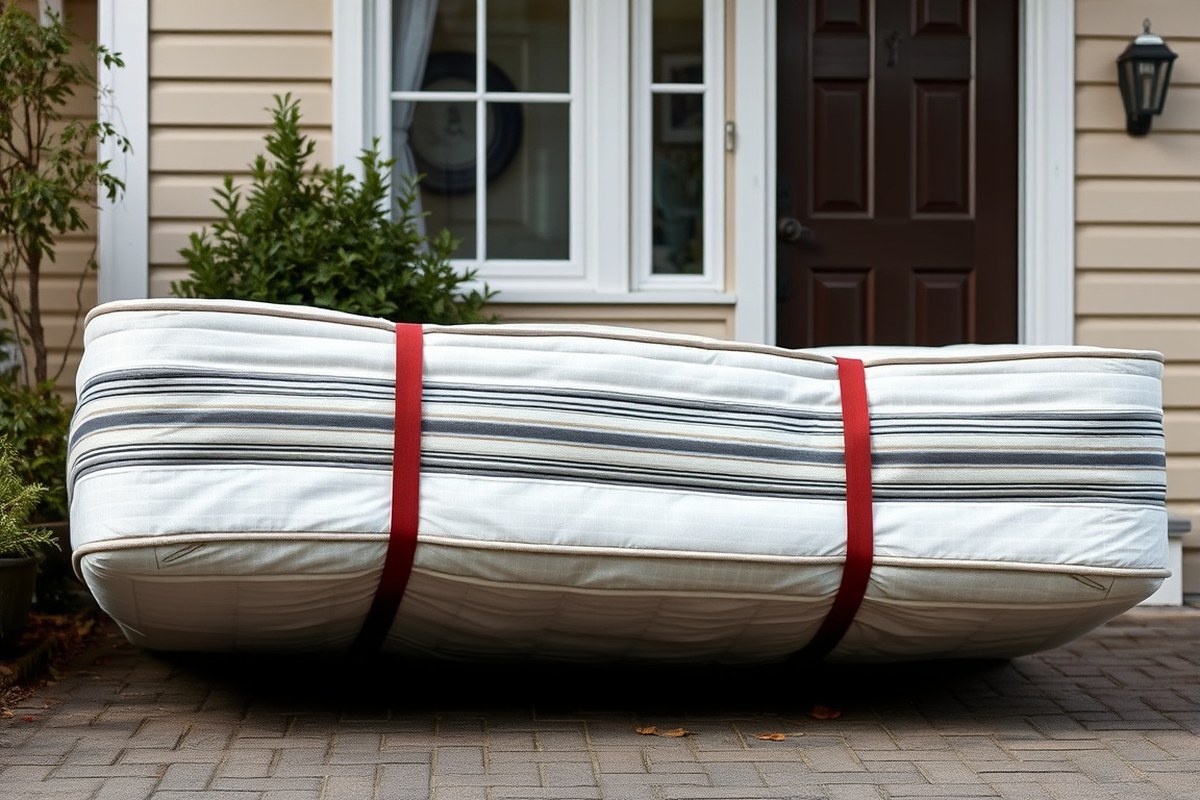
The best way to get rid of your old mattress depends on its condition, your budget, and local disposal rules. For mattresses in good shape, donating or selling can be practical and free, offering benefits to others while sparing the environment. When donation is not an option due to damage or contamination, professional removal services or recycling programs are responsible choices. Landfill disposal is the least recommended due to environmental impact and potential fines for improper curbside dumping in many areas.
Matching your mattress disposal method with your situation starts with a quick decision checklist. Check if your mattress is clean, dry, and structurally sound. Should it meet those criteria, consider donating to charities like Habitat for Humanity or local furniture banks. These options are often free and may even include pickup. When the mattress is stained or damaged beyond repair, wrapping it securely in a plastic mattress disposal bag (which costs about $15 to $25 at hardware stores) prevents health hazards before transport.
Your location also impacts your options. Some local recycling centers accept mattresses, and you can find nearby programs through resources like Earth 911 or the Bye Bye Mattress Directory. Professional haul-away services, typically costing around $50, offer the convenience of in-home pickup combined with recycling to ensure responsible disposal. Avoid placing mattresses on the curb in areas where it is illegal and can result in fines.
- Good condition: Donate or sell through local charities or online platforms for free or minimal effort.
- Contaminated mattress: Seal in a plastic disposal bag and use professional removal or landfill as last resort.
- Recycling option: Check local recycling centers or directories to find nearby mattress recycling programs.
- Professional removal: Pay about $50 for curb-to-curb or in-home pickup that includes recycling services.
- No recycling available: Consult local waste services for landfill drop-off following safety guidelines.
- Curbside disposal: Avoid unless explicitly permitted to prevent fines and illegal dumping.
Ensuring the mattress is handled according to local regulations is important to avoid penalties and reduce environmental harm. Taking action sooner helps maintain a clean, comfortable home environment and allows your new mattress the support it needs. When you face a mattress that is no longer useful, use the checklist above and weigh your budget and location factors for the most responsible and convenient disposal.
Legal and Local Regulations on Mattress Disposal

Many cities allow curbside pickup of old mattresses, but the rules vary widely. In places like Boston, Chicago, and Philadelphia, you can set your mattress out with your regular trash if it’s sealed in a plastic mattress bag. This containment helps prevent pest spread and complies with local sanitation rules. Check with your municipal waste department to find the specific pickup days and any preparation requirements, such as bagging or tagging the mattress. Some cities require scheduling a bulky item pickup in advance and may charge a fee for this service.
Local laws often include mattress recycling mandates since nearly 75% of mattress components can be recycled. States with recycling regulations direct residents to use approved recycling centers or programs operated by nonprofits like the Mattress Recycling Council. These centers may provide free or low-cost drop-off options, and some even offer pickup services. Using these facilities not only complies with local mandates but also reduces landfill waste by diverting usable materials like springs, foam, and fabric.
Illegal dumping rules play a key role in keeping mattress disposal compliant. Dumping a mattress outside designated collection areas, such as on the curb without authorization, in vacant lots, or near public parks, can result in fines or other penalties. Many states impose fines for illegal dumping, which often start around $100 and can increase depending on the jurisdiction and the number of offenses. Such penalties emphasize the importance of checking your area’s regulations before simply leaving the mattress on the street.
To comply with local rules, first find your city or county’s waste disposal website and search for “mattress disposal” or “bulk trash pickup.” Confirm whether your municipality requires a request or fee for pickup. Next, verify if there are mattress recycling programs in your area, through resources like Bye Bye Mattress or Earth 911. When recycling isn’t mandated or available, look for scheduled bulk trash collection days and see if mattress bagging or tagging is necessary. Living in a rural area often means your local landfill accepts mattresses but usually requires you to transport them there yourself.
Some tips when preparing your mattress for disposal include wrapping it in a clear plastic bag or tarp to prevent pest infestation and staining. Keep mattresses indoors or in a dry place until pickup day to avoid weather damage that could complicate recycling or donation. Doing a quick local search for “junk removal services” can help you find companies that legally haul mattresses away; many such services partner with recycling programs or donation charities to minimize landfill use.
Before placing a mattress on the curb, always confirm your city’s rules to avoid fines and prevent illegal dumping problems in your neighborhood.
How Mattress Recycling Works and What Can Be Recycled
Old mattresses can often be recycled through local programs or specialized facilities that break them down into their component parts. Recycling centers separate materials like steel springs, foam, and fabric, then process them to be reused in new products. This keeps a large portion of mattress waste out of landfills and supports environmental sustainability.
Common Mattress Materials Recycled
Mattresses typically contain steel coils, polyurethane foam, cotton or polyester fabric, wood, and adhesives. Steel springs make up a significant portion of the mattress frame and can be taken to scrap metal recyclers for reuse. The foam, often polyurethane, can be processed to create carpet padding or insulation. Fabric covers and cotton batting are biodegradable or can be repurposed into cleaning rags or stuffing. Wood components from the frame also have applications in recycling or as biomass fuel. Because these materials are separated and recycled individually, about 75 percent of a mattress can be diverted from waste, according to the Mattress Recycling Council.
Typical Recycling Program Process
Recycling programs usually start with collection points at mattress retailers, waste facilities, or dedicated recycling centers. Some services accept drop-offs, and others may offer pickup for a fee. Once collected, the mattress is sent to a processing facility where it is dismantled manually or mechanically. Equipment removes the fabric top and sides to expose the interior parts. The steel springs are pulled out and baled for metal recycling. Remaining foam and cotton are shredded and sorted for reuse or composting. Adhesives and small plastic parts are disposed of according to local regulations. Some states like California, Connecticut, and Rhode Island have Mattress Recycling Council programs partnering with retailers and waste haulers to streamline this process. Outside these states, searching online for mattress recycling centers or asking mattress retailers can help locate options nearby.
Environmental Benefits of Mattress Recycling
Recycling mattresses reduces the volume of bulky waste sent to landfills, which can take decades to decompose and contribute to methane emissions. Recovering steel reduces the need for new mining and lowers energy use associated with metal production. Repurposing foam and textiles minimizes the demand for petroleum-based raw materials and limits pollution from manufacturing. Keeping these materials in the economy helps conserve natural resources and lowers the carbon footprint of mattress disposal. Recycling programs also create jobs and skills development opportunities in local communities. Proper recycling helps manage waste responsibly, especially given that discarded mattresses each year can circle the earth end to end when stacked.
Donation Options and How to Prepare Your Mattress to Donate
You can donate an old mattress if it is in good condition, without stains, tears, or signs of bed bugs. Finding a local charity or shelter that accepts mattress donations requires some research, and cleaning your mattress before donation improves its chances of getting accepted. Prepping your mattress properly includes vacuuming, spot cleaning stains, and deodorizing with baking soda.
Which Charities Accept Mattresses
Not all charities and thrift stores take mattress donations because of concerns about hygiene and pest infestations. However, some organizations do accept mattresses that meet their standards. Services like Donation Town can connect you with local shelters and charities that are willing to accept mattress donations. In New Jersey, for example, shelters such as The Warehouse NJ and The Salvation Army accept mattresses if they are in good condition. Sometimes these organizations also offer to pick up your mattress, making donation more convenient. When no charity in your area accepts mattresses, consider using professional removal services or recycling options instead.
Mattress Condition Requirements
Most charities require that donated mattresses be free of stains, tears, and especially any bed bug infestation. A mattress with visible damage or infestations typically won’t be accepted due to health concerns. It must be clean and structurally sound, with no sagging or broken springs that affect usability. Unsure whether your mattress qualifies? Inspect it carefully and discard any with significant wear. Reselling or giving it away for reuse might be an alternative if recycling or donation options are unavailable.
Cleaning and Preparing Guidelines
Preparing your mattress for donation includes thorough cleaning to meet charity requirements and improve the chances of acceptance. Start by vacuuming the mattress to remove dust, dirt, and debris. Spot clean any stains using mild detergent and warm water, allowing the mattress to dry completely before donation. Sprinkle baking soda over the mattress surface and let it sit for several hours to deodorize, then vacuum it off. Avoid using harsh chemicals or saturating the mattress with water, as this can cause damage. After cleaning, wrap the mattress in a plastic cover or mattress bag if possible to protect it during transport. Call ahead to confirm whether the receiving organization requires the mattress to be wrapped or covered and whether they offer pickup services.
Professional Mattress Removal Services: Costs and What’s Included
Professional mattress removal services handle the pickup, transportation, and disposal of your old mattress, often ensuring environmentally responsible recycling or donation. Pricing typically depends on your location, mattress size, access difficulty, and company policies. In many places, the cost ranges from about $80 to $150 for a single mattress, especially when it involves hauling the mattress from inside your home.
Most junk removal companies like 1-800-GOT-JUNK? Or LoadUp provide fully licensed and insured teams that manage all heavy lifting and loading. This reduces physical strain and streamlines the disposal process. Some services include dismantling the mattress if needed, and they often recycle or donate usable materials, reducing landfill waste.
Many mattress retailers also offer pickup of your old mattress when they deliver your new one. For example, in California since 2021, online mattress sellers must provide a pickup service within 30 days of delivery. This option can be free or may carry a small fee, depending on the retailer. It’s a convenient solution that helps ensure proper disposal without arranging a separate removal service.
| Service Type | Typical Cost | What’s Included | Notes |
|---|---|---|---|
| Professional Junk Removal (single mattress) | $80, $150 | Pickup from home, loading, transportation, disposal/recycling | Price depends on location and difficulty |
| Mattress Retailer Pickup | Free to small fee | Pickup when delivering new mattress | Required by law in CA for online sellers |
| Non-Profit Mattress Recycling (certain states) | Varies, often low or free | Pickup or drop-off for recycling | Examples include Spring Back Utah |
| Eco-Friendly Junk Removal Companies | Similar to standard junk removal | Pickup, sorting, donation, recycling | Companies like LoadUp and 1-800-GOT-JUNK? |
Review local laws and service options because costs vary by region. Urban areas often have more providers and competition, which may lower prices. If your mattress is bulky or located in a hard-to-access space, expect potential extra fees. Using retailer pickup services when buying a new mattress can save time and sometimes money.
Ask your mattress retailer about old mattress removal options when ordering your new mattress to avoid separate service fees.
Services dedicated to eco-friendly disposal are increasingly common, and they help reduce landfill contributions significantly. Selecting companies that prioritize recycling and donation supports sustainability. Non-profit organizations may serve only select states, so verify availability in your area before planning removal.
DIY Mattress Disposal and Safe Dismantling Methods
You can dismantle and recycle a mattress yourself with the right tools and precautions. This involves carefully taking apart the mattress to separate its materials, such as foam, fabric, and metal springs. Doing so reduces the mattress’s bulk and makes recycling easier or disposal safer.
Required Tools and Materials
Gathering proper tools is important to safely dismantle your mattress. You will need a sturdy box cutter or utility knife to cut through the fabric and foam layers. Heavy-duty work gloves protect your hands from sharp springs and rough edges. Safety goggles shield your eyes during cutting. A pair of pliers helps remove springs and staples, while trash bags or a tarp contain the separated materials for disposal or recycling.
The right workspace should be spacious, flat, and well-ventilated. Keep water and fire extinguishers nearby in case of accidents. Dispose of any sharp parts immediately in a puncture-resistant container.
Step-by-Step Mattress Dismantling
Follow these steps carefully to break down your mattress and prepare its parts for disposal or recycling:
- Lay the mattress flat on your workspace and fold it in half to reduce size and exposure to dust.
- Cut along the seams with your utility knife to peel back the fabric cover, taking care not to injure yourself.
- Pull out the foam padding and fabric layers separately.
- Use pliers to detach metal springs or coils. Place springs immediately in a designated container to avoid injury.
- Cut through any remaining fabric with the utility knife for easier handling.
- Wrap foam and fabric in trash bags or tarp for transport to disposal or recycling locations.
- Check your area’s waste rules to see if foam and metal can be taken to local recycling centers.
This process typically takes one to two hours, depending on the mattress size and your experience. Folding the mattress before cutting helps contain dust and improves safety.
Handling Bedbugs, Stains, and Damage
If your mattress has bedbugs or heavy stains, treat it with caution. Bedbugs present health risks, so avoid reopening or moving the mattress excessively. Consider sealing the mattress in a plastic cover for at least a week to suffocate bugs before dismantling.
For stained or moldy areas, wear a respiratory mask and discard affected foam or fabric safely. Do not attempt to recycle parts infested or contaminated by pests or mold, as this can spread hazards. Damaged mattresses without infestation can be dismantled normally, but handle sharp or broken springs carefully to prevent injury.
Severe damage like waterlogging or mold may require professional disposal, as DIY dismantling increases health risks. Always consult local waste regulations for contaminated materials and follow recommended disposal methods to protect yourself and others.
Selling or Giving Away Your Mattress Online Successfully
You can sell or give away a mattress online, especially if it remains in decent condition. This saves you disposal fees and could help someone else in need. Start by creating an honest, detailed listing that highlights the mattress size, brand, and condition clearly. Mention any stains, smells, or damage so buyers know what to expect. Include high-quality photos taken in good lighting from multiple angles to build trust.
Use a clear, straightforward listing template like this: “Queen-size mattress by [Brand], gently used for [X months/years]. No tears or major stains, smells fresh, and comes from a smoke-free, pet-free home. Available for pickup or delivery within [your city/area]. Asking $[price] or free for quick pickup. Contact me at [phone/email].” Adjust the details based on your mattress condition and your selling goals.
Set a reasonable price by checking similar listings in your area. Giving away the mattress free can speed up removal but expect more inquiries for pick-up scheduling. For selling, keep your price competitive to avoid stale listings. Update or repost your listing every few days if you don’t get a response.
Respond quickly and politely to questions. Arrange meet-ups during daylight hours in a safe location, preferably your home or a public area. Be clear about pickup details, like needing assistance to move the mattress or if disassembly is required. Avoid accepting payments through unsecured methods or sharing personal financial details.
Do not hide defects or overstate cleanliness; misleading listings can lead to disputes or no-shows. Avoid listing mattresses that are heavily soiled, infested, or damaged beyond normal wear since many platforms prohibit selling items that pose health risks. If the mattress is unsure for sale, giving it away with full disclosure could be safer.
Consider different approaches based on your situation. Renters with move-out deadlines might prioritize quick giveaway posts on local community boards or apps like Facebook Marketplace or Nextdoor. Owners in stable housing can afford more time to sell at a higher price via specialized apps or larger selling platforms. Always follow platform rules on used mattress sales and adhere to local health regulations.
Clear communication, accurate descriptions, and safety awareness help you sell or give away your old mattress successfully online. This approach reduces waste, avoids disposal costs, and benefits your community. Planning your listing carefully can turn an old mattress into a resource rather than a burden.
Creative Reuse Ideas for Old Mattresses and Environmental Impact
Repurposing an old mattress helps keep bulky waste out of landfills and minimizes environmental harm. One creative option is to dismantle the mattress and reuse the foam as cushioning for pet beds or outdoor furniture. You can cut the foam into shapes that fit inside pillows, chairs, or crates, providing extra comfort without buying new materials. Another idea is to use the springs as trellises or plant supports in your garden. Clean them thoroughly, remove any ragged edges, and place them near climbing plants like tomatoes or beans.
Old mattress fabric and batting can also be repurposed as insulation for sheds or garages. Cutting the fabric into smaller pieces makes it easier to layer in walls or ceilings, although be sure to avoid any treated or chemically-laden textiles. For those with DIY skills, breaking down the wooden bed frame or slats into usable lumber can support small woodworking projects such as shelves or raised garden beds. Stripping down the mattress yourself requires some time and care, but it lets you control how each part is reused or disposed of.
The environmental impact of throwing away a mattress is significant. Mattresses take between 80 and 120 years to break down in landfills, largely because of the synthetic materials and dense construction. Foam, fabric, metal springs, and chemicals like flame retardants contribute to slow decomposition and can release harmful substances into soil and water over time. Fiberglass components commonly found in mattress covers pose additional risks if left untreated in landfill conditions.
Choosing to reuse rather than discard reduces the volume of mattress waste entering landfills. It also lessens the demand for new raw materials, which require energy and resources to produce. Even small actions like transforming foam pads or using springs as garden supports add up when many people participate. However, repurposing might not be practical if the mattress is structurally compromised or contaminated with mold, bed bugs, or other allergens.
Make sure to wear gloves and a mask when dismantling an old mattress to avoid skin irritation or inhaling dust and fibers.
You can start by removing the mattress cover with scissors and separating the foam layers carefully. Springs can be pulled out with pliers, but they may need to be cut if attached too tightly. Foam works best when cleaned with a mild detergent and thoroughly dried to prevent mildew in its new use. Wood parts, in case of a frame, should be checked for nails or staples before repurposing. While this process requires more effort than regular disposal, it helps you reduce environmental harm in a practical way.
Step-by-Step Action Plan for Getting Rid of Your Old Mattress
Follow these simple steps to dispose of your mattress responsibly, legally, and affordably. Each step ensures you explore all your options before making a final decision.
- Day 1: Check Local Regulations and Guidelines. Visit your city or county waste management website or call to confirm mattress disposal rules and any special pickup or drop-off requirements. You’ll know it worked when you have the exact steps and deadlines for legal disposal.
- Day 2: Assess Mattress Condition for Donation or Resale. Inspect the mattress for cleanliness, damage, and local donation center acceptance criteria. Decide if it qualifies to donate or sell online. Success means you’ve identified at least one possible reuse option.
- Day 3: Contact Donation Centers or Post Online. Arrange a pickup or drop-off with a charity that accepts mattresses or create a detailed listing on platforms like Craigslist or Facebook Marketplace. Confirmation of pickup or interest from buyers proves progress.
- Day 4: Explore Mattress Recycling Facilities. Locate nearby mattress recyclers via Earth911.org or local resources and check recycling fees and preparation instructions. Knowing the nearest recycler and their rules shows readiness for eco-friendly disposal.
- Day 5: Schedule Professional Mattress Removal if Needed. Compare prices and services for junk hauling companies that handle mattresses, noting if they recycle or donate. Booking a service confirms your fallback plan for easy removal.
- Day 6: Prepare Mattress for Chosen Disposal Method. Strip bedding, bag the mattress if required, and dismantle it safely if doing DIY recycling or donation. Completed preparation means the mattress is ready for transport or pickup.
- Day 7: Execute Disposal or Donation. Deliver the mattress to the recycler, charity, or wait for the removal service. Keep records of donation receipts or disposal confirmation to ensure compliance with local regulations.
- After 2 Weeks: Follow Up and Consider Creative Reuse. If the mattress is still unsold or not picked up, consider creative reuse ideas like repurposing foam or springs. This phase helps you avoid landfill and maximize the mattress’s remaining value.
Frequently Asked Questions
How to Get Rid of Old Mattress?
You can dispose of an old mattress by donating, recycling, selling, or hiring a removal service. Avoid throwing it in the trash to prevent fines and reduce environmental harm.
What’s the Best Way to Dispose of an Old Mattress?
Recycling is the best method since it reduces landfill waste and recovers materials. Donation is another good option if the mattress is still in usable condition.
Where Can I Throw Away a Mattress for Free?
You might be able to give it away for free online or donate it to local charities. Some cities have special collection programs, so check local waste management resources.
Why Is It Illegal to Throw Away a Mattress?
Many places ban mattress dumping because they are bulky and difficult to manage at landfills. Improper disposal can lead to fines to discourage illegal dumping and environmental harm.
Can I Dispose of a Mattress Myself?
Yes, you can dismantle it and recycle parts or drop it off at specified recycling centers. Proper handling and following local regulations ensures safe and legal disposal.
How Can I Prepare a Mattress for Donation?
Remove all bedding and thoroughly clean the mattress. Check local charity guidelines to confirm they accept your mattress and meet quality standards.
The Bottom Line
Getting rid of your old mattress responsibly reduces waste and follows local regulations, protecting both your community and the environment. Today, check your city’s waste management website to find specific mattress disposal or recycling programs available near you. Taking this step ensures you handle your mattress properly and supports sustainable practices.






One Comment