How to Get Rid of Black Widows: A Complete Guide with Proven Methods
To get rid of black widows, start by accurately identifying the spider and locating their hiding spots inside and outside your home. Use safe and effective DIY methods like liquid insecticides or dusting in cracks and voids, and apply natural deterrents such as essential oils and vinegar. Taking prompt action helps prevent bites, which can be harmful due to their venom. If needed, professional pest control services can provide targeted treatment to eliminate black widows thoroughly.
Homeowners, renters, and gardeners concerned about spider bites will find clear steps to spot black widows, recognize their bites, and handle infestations safely. This includes preventive measures to keep black widows from returning and guidance on when to call a professional for help managing more severe infestations.
Key Takeaways
- Identify black widows by their size: females are about 0.5 inches long with a 1.5-inch leg span and glossy black bodies.
- Check dark, undisturbed spots like woodpiles, garages, and sheds for black widow hiding places inside and outside your home.
- Recognize black widow bites by sudden pain and muscle cramps, and seek medical care even if the bite mark is not visible.
- Safely kill black widows with a flyswatter or shoe, then disinfect the area to remove venom residue and webbing.
- Use insecticides like PT 221L Residual Insecticide Aerosol to effectively eliminate black widows around your home and garden.
- Spray vinegar or essential oils like peppermint as natural deterrents to repel black widows without harmful chemicals.
How to Identify Black Widow Spiders Accurately
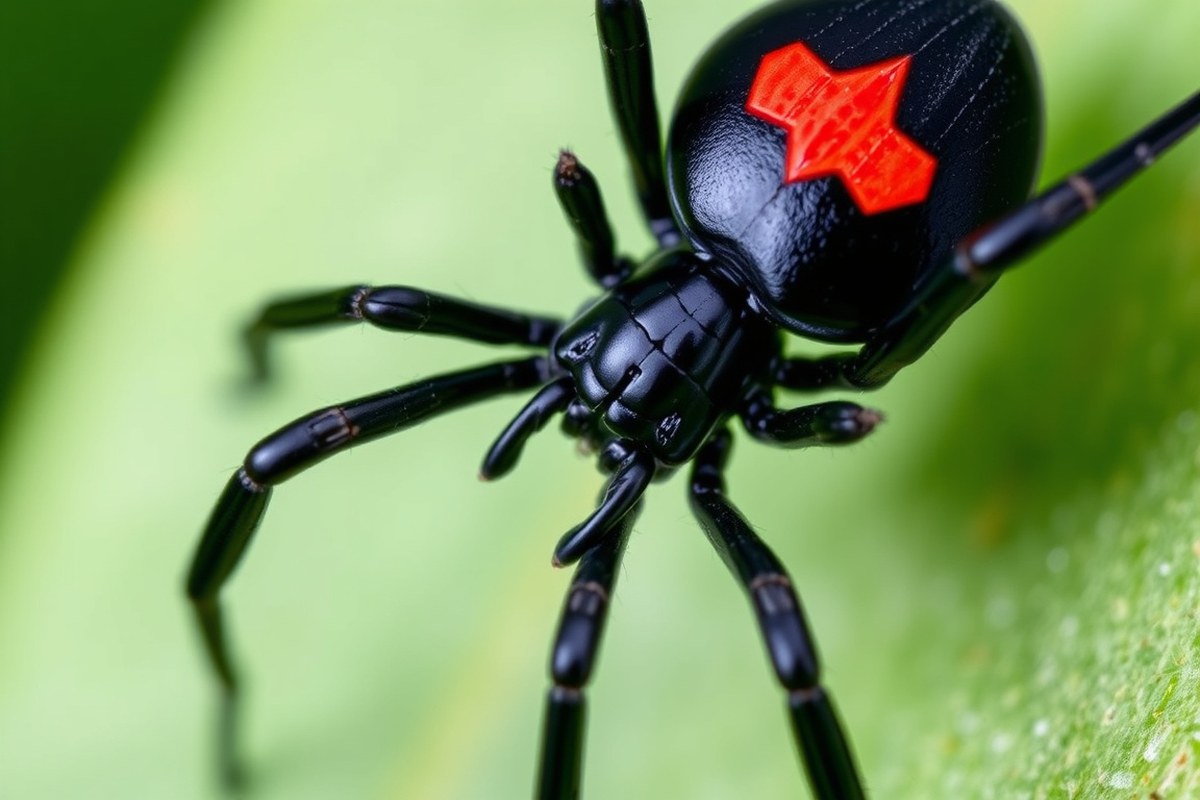
Correctly identifying black widow spiders is essential for effective control and safety since female black widows are venomous and require careful handling. Start by observing the spider’s size and body shape. Female black widows typically measure about 0.75 to 1.5 inches including their legs, making them noticeably larger than males. Their bodies are shiny black with a distinctive round abdomen marked by a bright red hourglass shape on the underside. This hourglass marking is the most reliable trait to distinguish females from other spiders, as very few species display the same vibrant red pattern on a glossy black surface.
Male black widows are less recognizable because they are smaller and less striking. Males usually grow to about 0.5 to 0.75 inches, roughly half the size of females. Their body color ranges from brown to gray rather than pure black, and they may have spots or bands in red, white, or yellow on their backs and legs. Unlike females, males do not exhibit the classic hourglass marking on their underside. Knowing this difference helps you avoid mistaking harmless males for females.
To positively identify a black widow when you see one, follow a step-by-step checklist: First, estimate the spider’s size using a nearby object for reference, females will appear larger and more strong. Next, look closely at the abdomen from below to spot the signature red hourglass marking if visible. Check the overall color; a glossy black body indicates a female, whereas a duller, brownish-grey hue suggests a male. Finally, observe the pattern on the legs and back, males will often have colorful bands not found on females.
Identifying black widows matters because it dictates your approach to removal and safety precautions. Mistaking a different spider for a black widow can lead to unnecessary fear or improper treatment, while overlooking a black widow’s presence might expose you or your family to bites. Use gloves, avoid direct handling, and consider safely capturing a spider in a clear container to compare it against trusted pictures online or consult an expert for confirmation.
Appearance can vary by species and region; for example, three species of black widows in the U.S. May differ slightly in markings or size. Still, the characteristic female black widow hourglass mark and body shape remain consistent. Lighting also affects how you see colors, so use natural light when identifying. If the marking isn’t clear, wait until the spider moves or carefully reposition yourself to view the underside.
Though identification takes a few moments and cautious observation, it costs nothing and prevents unnecessary pesticide use or panic. In contrast, misidentifying spiders wastes time and may lead to ineffective control measures. Accurately distinguishing males from females also helps prioritize actions since females pose the greater health risk due to their venom.
Common Black Widow Hiding Spots Inside and Outside Homes

Black widow spiders prefer dark, quiet places that stay undisturbed for days or even weeks. Indoors, they often hide in cluttered corners, basements, and storage areas. Outdoors, they like sheltered spots close to the ground such as woodpiles, sheds, and dense vegetation.
Preferred Indoor Locations for Black Widows
Inside your home, black widows tend to nest in low-traffic areas where they won’t be disturbed. Basements, crawl spaces, and closets filled with boxes or stored items provide ideal shelter. These spaces usually contain insects that attract spiders as prey. Moving items away from walls reduces their hiding spots, and sealing boxes tightly prevents spiders from sneaking inside.
Decluttering is key to eliminating indoor hiding spots. Vacuum and sweep regularly to remove webs and insects. Diatomaceous earth can be spread lightly along corners, doorways, and windowsills to create a barrier that deters black widows.
Outdoor Areas with High Spider Activity
Outside, black widows favor locations close to the ground that stay undisturbed, such as under rocks, woodpiles, and garden debris. They weave webs in protected corners of sheds, garages, and under patio furniture. Yard waste or clutter creates excellent hiding spots and food sources for them.
Maintaining a clean yard decreases black widow activity. Removing leaves, trimming dense shrubs, and storing firewood off the ground on racks help reduce suitable habitats. Frequent inspection around the foundation of your home also limits spider access.
Signs of Black Widow Presence in Clutter
Black widows thrive where clutter accumulates and dust builds up, offering shelter and abundant prey. Black widow webs are irregular and messy, often found in hidden corners of storage units, attics, or piles of boxes. A regular check of cluttered indoor and outdoor spaces should be part of your spider control routine.
- Look for tangled, uneven webs in corners of closets or crawl spaces
- Check behind stacked boxes and storage bins
- Inspect basements and attics where clutter and dust collect
- Watch for small insects that attract spiders
- Spot silky egg sacs attached to hidden surfaces
Clearing or organizing storage areas helps expose and reduce spider shelters, especially in long unused spaces.
Common Shed and Garage Hiding Places
Sheds and garages offer multiple black widow hiding spots thanks to tools, boxes, and equipment that sit untouched for long periods. Areas with little activity, especially near the floor or inside corners, are favored. Black widows often nest in cracks, behind shelves, and under stored items like pots or outdoor gear.
Using a residual insecticide aerosol with a crack-and-crevice tip can reach spiders hidden in tight spaces where sprays don’t normally penetrate. Regularly cleaning and decluttering these areas is essential to prevent spider buildup.
Always wear gloves and protective clothing when cleaning sheds or garages to avoid accidental spider bites.
Woodpile Characteristics Attracting Spiders
Woodpiles provide ideal black widow habitats due to their moisture, shade, and crevices. Piled logs create dark, cool environments where spiders can build webs undisturbed. Stacking wood on the ground increases spider activity, especially if bark remains on the logs and there is leaf litter underneath.
Improve woodpiles off the ground using racks or pallets to reduce spider access. Store wood away from your home’s foundation to keep spiders from moving indoors. Keeping the area lean by removing excess debris and regularly inspecting the stack also lowers spider risks.
Recognizing Black Widow Bites and What to Do Immediately
Black widow spider bites may not always be easy to spot because the bite mark itself is often very minor or barely visible. You might not feel the bite immediately either. Symptoms usually develop within an hour and can include sharp pain at the bite site that spreads, muscle cramps, severe abdominal pain, and weakness. Some people also experience sweating, nausea, tremors, or spasms. The severity depends on factors like your weight, age, sensitivity to venom, location of the bite, and how much venom was injected. While very serious cases could lead to convulsions, deaths from black widow bites are extremely rare in the U.S., especially with prompt medical care.
When bitten, the top priority is to seek medical attention right away. Call emergency services or get to an urgent care center without delay. While you wait for help, try to keep the bitten area still and improve to slow venom spread and reduce swelling. Wash the bite gently with soap and water to clean the area and prevent infection. Applying a cold compress can lessen pain and inflammation but avoid placing ice directly on the skin. Avoid trying to suck out venom or cut the wound.
Here is a clear step-by-step checklist of what you should do immediately after a suspected black widow bite: first, stay calm and limit movement. Second, wash the bite site with mild soap and water. Third, apply a clean, cool compress to the area for 10 to 15 minutes every hour as needed. Fourth, keep the bitten limb raised above heart level if possible. Fifth, seek medical care as soon as you can, especially if you develop muscle cramps, abdominal pain, or systemic symptoms like sweating and weakness. When you can safely capture the spider without risking another bite, bring it with you to assist medical professionals with identification, which helps confirm treatment.
Medical treatment may include pain management with prescribed analgesics, muscle relaxants to reduce cramps, and antivenom in severe cases. The costs and availability of antivenom vary, but most bites can be treated successfully without it. Early action improves recovery and limits complications. Do not rely on home remedies alone since black widow venom affects your nervous system and requires professional assessment.
Injuries from black widow bites are not very common, but they need fast response because the venom can spread and cause serious symptoms. Taking the right immediate steps keeps pain manageable and helps doctors provide targeted care, lowering risks of complications.
Safe and Effective DIY Methods to Remove Black Widows
Physically removing black widows and their egg sacs is possible with careful handling, proper protective gear, and the right tools. Doing so reduces the immediate spider presence and prevents reinfestation by removing egg sacs before they hatch. Trapping and squashing black widows can also work but require caution to avoid bites.
Protective Gear and Tools Needed
Always wear thick gloves, preferably leather or heavy-duty gardening gloves, to protect your hands from bites when handling black widows. Use long sleeves and pants to minimize exposed skin. A flashlight helps locate spiders in dark corners or under objects when working at night or in shaded areas.
Tools should include a clear jar with a lid or a container for capture and relocation, and a sturdy vacuum cleaner with a hose attachment to suck up spiders and egg sacs safely. Some people use a stick or tongs to maneuver spiders into containers without getting too close.
Step-by-Step Black Widow Removal Process
Follow this checklist to safely remove black widows and their egg sacs. These steps reduce bite risk and lower the chance of spiders returning from missed egg sacs.
- Wear protective gloves and cover exposed skin with long clothing.
- Use a flashlight to inspect potential hiding spots such as corners, woodpiles, or cluttered areas near the ground.
- Carefully place a jar or container over the spider or egg sac. Use a stiff card or lid to slide underneath and trap it safely inside.
- Secure the container’s lid tightly to prevent escape.
- For egg sacs, avoid direct contact. Vacuuming is safest; use a vacuum nozzle to suction sacs and webs from walls or floors.
- Relocate captured spiders far from your home or dispose of vacuum bags promptly outdoors.
- Clean the area by removing webs and debris where spiders hide to discourage return visits.
- Repeat inspections regularly during summer months when egg sacs are present and spider activity peaks.
Use this script for capturing a single black widow: “Put the jar calmly over the spider, slide the stiff paper underneath slowly and don’t rush. Once inside, cover it securely. Release it outside at least 100 feet away from your home, in a wooded or brushy area.”
Common Mistakes to Avoid During Removal
Do not handle black widows with bare hands or thin gloves. Bites can happen quickly if the spider feels threatened. Avoid squashing spiders directly on skin or clothing to prevent potential venom exposure or accidental movement.
Another common mistake is missing egg sacs, which can hold hundreds of hatchlings. Overlooking these means reinfestation is likely. Egg sacs often hide in tight crevices or under leaves, so thorough inspection is critical.
Avoid flushing spiders down toilets or drains, as this does not guarantee elimination and can cause plumbing issues. Instead, trap and relocate or vacuum and discard carefully.
Choosing and Applying Insecticides That Work on Black Widows
Several chemical insecticides effectively control black widow spiders when applied correctly. Residual sprays containing pyrethroids, such as bifenthrin, cyfluthrin, or deltamethrin, can provide lasting protection by killing spiders on contact and deterring new ones from settling. These active ingredients are commonly found in professional and consumer products labeled for spider control.
In addition, applying food-grade diatomaceous earth around your home’s perimeter can kill black widows by damaging their exoskeletons as they crawl over it. This method is chemical-free and safe for use around children and pets when applied properly.
Applying insecticides requires attention to safety and effectiveness. Spray in black widow hiding spots such as dark corners, under eaves, around door and window frames, garages, basements, and sheds. Use a pump sprayer for outdoor areas and a trigger spray for indoor cracks and crevices. Make sure to follow label instructions, wear gloves, long sleeves, and a mask if recommended. Keep people and pets away until the spray dries, typically 2 to 4 hours. Avoid applying indoors unless the product is labeled for indoor use. The following table compares common insecticides effective against black widows with application details and cost ranges:
| Insecticide | Active Ingredient | Application Area | Effectiveness | Approximate Cost |
|---|---|---|---|---|
| Ortho Home Defense | Bifenthrin | Indoor/Outdoor perimeter | High residual kill, up to 3 months | $15, 25 per gallon |
| Cyfluthrin-Based Spray | Cyfluthrin | Outdoor cracks, foundation | Fast knockdown, residual 2, 3 weeks | $10, 20 per quart |
| Diatomaceous Earth (food-grade) | Silica | Outdoor perimeter, crawl spaces | Mechanical kill, no chemicals | $10, 15 per 4 lb bag |
| Permethrin Concentrate | Permethrin | Outdoor landscape, eaves | Broad spectrum, residual up to 6 weeks | $20, 30 per quart |
For mild infestations, spraying outdoor structural cracks and web areas can significantly reduce black widow presence. Regular monthly treatments during warmer months when spiders are active improve results. For problem areas difficult to reach, such as inside crawl spaces or wall voids, a professional may apply dust or aerosol formulations safely and thoroughly.
Remember to avoid spraying plants, especially flowering ones, as these insecticides can harm beneficial insects. Use targeted application only on walls, foundations, and dark corners where black widows hide. Wearing protective gear and ensuring pets and children are away during and shortly after treatment will minimize risks to your household.
Always read and follow the insecticide label instructions carefully to ensure safe application and prevent harm to people, pets, and the environment.
Natural Deterrents: Using Essential Oils and Vinegar Against Black Widows
Essential oils and vinegar offer a natural way to discourage black widow spiders from settling around your home without using harsh chemicals. Essential oils such as peppermint, tea tree, eucalyptus, lavender, and citronella have scents that black widows find unpleasant. You can mix 10 to 20 drops of one or a combination of these oils into a spray bottle filled with about 16 ounces (2 cups) of water. Adding a teaspoon of dish soap helps the mixture stick to surfaces better. Spray this solution generously around doorways, window frames, baseboards, garage corners, and outdoor areas near woodpiles or sheds, repeating every few days and after rain.
Vinegar, particularly white vinegar, works as a mild natural pesticide against black widows because its strong odor disrupts their sensory cues. To make a simple vinegar spray, combine one part white vinegar with three parts water plus a teaspoon of liquid dish soap. Spray it on the same high-risk areas mentioned above. Since vinegar can have a strong smell that lingers for some hours, spraying in the evening or early morning when fewer people will notice the odor may be best. Avoid spraying on porous natural stone or wood surfaces frequently, as vinegar’s acidity can cause damage over time.
For outdoor use, apply either essential oil or vinegar spray every three to five days during warmer months when black widows are most active, and after heavy rain which can wash away the repellent. Indoors, focus on corners, behind furniture, and attics or basements since black widows avoid sunlight. Reapply weekly or sooner if you notice spider webs returning. Expect to see fewer spider webs and less spider activity within a week if you maintain regular applications.
Costs are low for these natural repellents. A 2-ounce bottle of quality essential oils costs between $5 and $15 depending on the type. White vinegar is inexpensive, usually under $3 for a gallon. This makes natural repellents affordable for regular use. A spray bottle is a one-time purchase around $2 to $5. Using natural repellents reduces the risk of exposure to harmful chemicals, which matters especially if you have kids or pets.
Limitations include the need for frequent reapplication and the inability of these sprays to kill spiders on contact. They mostly act as deterrents, encouraging black widows to move elsewhere rather than eliminating existing populations quickly. Heavy infestations or webs inside hard-to-reach spaces might require additional pest control measures. Also, some people may be sensitive to essential oils or vinegar fumes, so test one spot indoors first and ventilate the area.
In summary, apply essential oil or vinegar-based sprays regularly to windows, doors, and common spider hiding spots. Use about 10 to 20 drops of essential oil per 16-ounce spray bottle or a 1:3 vinegar to water ratio. Spray every 3 to 5 days outdoors during spider season and weekly indoors. Reapplying after rain is necessary outdoors. Monitor spider activity over one to two weeks to judge effectiveness and adjust spraying frequency. This routine can help keep black widows at bay naturally, with minimal cost and chemical exposure.
Preventive Measures to Block Black Widows from Entering Your Home
To block black widows from entering your home, start by sealing every crack and gap around windows, doors, and the foundation. Use high-quality silicone or acrylic latex caulk for gaps under 1/4 inch. For larger openings, steel wool or copper mesh combined with expanding foam works well. Check weather strips on doors and replace anything worn to eliminate gaps where spiders can crawl inside. Sealing costs vary but expect to spend around $10 to $20 per tube of caulk and a few dollars on weather stripping. This upfront effort keeps black widows and their prey from getting indoors.
Decluttering your yard and storage areas also plays a big role in prevention. Black widows hide under wood piles, boxes, rocks, and debris that accumulate near your house. Regularly clearing away such materials removes potential hiding spots and food sources like insects. For outdoor tools and firewood, store them at least 20 feet away from the home and improve firewood off the ground. This reduces moisture and insect activity, further deterring black widows.
- Seal cracks and gaps with caulk, steel wool, or copper mesh by early spring.
- Replace door and window weather stripping every 1-2 years or when damaged.
- Clear piles of wood, rocks, and debris from your yard monthly during spider season (spring through fall).
- Store firewood and outdoor items at least 20 feet from your house and keep them improve.
- Keeps areas dry by trimming back vegetation away from the foundation every 3 months.
- Regularly sweep and vacuum indoor and outdoor corners to remove webs and egg sacs.
Timing matters because black widows are most active in warmer months, roughly April to October in most southern and temperate regions. Complete sealing and decluttering by early spring before spider activity peaks. Repeat yard cleaning and web removal monthly during this period. During winter, check for new openings caused by shifts in weather and re-seal as needed. Keeping up this schedule prevents black widows from establishing nests near your home.
Maintaining a well-lit area around your home also helps. Spiders prefer darkness and hiding spots close to walls. Motion-activated lights can discourage them from settling near entrances. Alongside these physical barriers, increasing natural predators like birds or mud dauber wasps can reduce spider populations without chemicals. This balance supports long-term spider control.
When to Call a Professional for Black Widow Spider Control
Calling a professional pest control service for black widow spider control is necessary when the infestation is large, recurring, or poses a direct bite risk to residents, especially children or pets. Professionals can handle severe cases safely and more effectively than DIY methods. Use a simple decision flowchart: if you spot more than five spiders in common living areas or multiple egg sacs, or if anyone suffers repeated bites or severe reactions, it’s time to contact experts.
Signs You Need Professional Help
You should consider professional help if you find black widows in high-traffic indoor areas like basements, garages, or bedrooms. Finding multiple adult spiders or egg sacs close to living spaces increases bite risk and indicates a growing population. Repeated sightings despite your DIY efforts, or bites causing severe symptoms such as muscle cramps or difficulty breathing, also signal the need for professional intervention.
Severe infestations often involve spiders hiding in hard-to-reach cracks, behind walls, or deep in clutter where DIY methods can’t reach effectively. Lawnmowers and firewood storage areas commonly shelter black widows, but if you can’t safely clear these spots, professionals with specialized tools and protective gear are safer options to avoid bites.
Always wear gloves and protective clothing when inspecting or cleaning areas with black widow activity to reduce bite risk.
What Professionals Do Differently
Professional pest controllers use a combination of specialized insecticide dusts like Cimexa Dust and D-Fense Dust, applied precisely into spider nests, wall voids, and other hidden spots where black widows live. These products combine Pyrethrins and Silica Gel and are not typically available for home use. Professionals also conduct thorough inspections and apply follow-up treatments to prevent re-infestation.
They have experience identifying black widow habitats and behavior, ensuring treatments target the right locations. Professionals can assess environmental factors like humidity and clutter that help spiders thrive and advise on corrective measures, such as sealing entry points or reducing debris. Their equipment can reach deep into the garage or under the basement stairs where spiders often hide, areas tough to approach safely on your own.
Cost and Budget Considerations
Professional black widow spider control services usually cost between $150 and $400 depending on infestation severity, location size, and treatment frequency. Single treatments often start around $150 for a small garage or basement. More extensive or follow-up treatments increase costs, but professionals often include assessments and guarantee follow-up visits if spiders return within a set period.
DIY options are less expensive upfront, with insecticides and traps generally costing $20 to $75 for supplies. Though cost-effective for minor problems, these methods may require repeated applications and time, and don’t eliminate spitting out spider nests in inaccessible places. Professional intervention offers faster, more complete control, which can be more cost-effective over time if infestations persist.
When working with a tight budget, try targeted DIY treatments first in less severe infestations while monitoring for spider counts. If results are poor or if bites continue, allocate funds for a professional. Some companies offer free inspections or payment plans for larger treatments, so inquire about financial options before committing.
Step-by-Step Action Plan to Get Rid of Black Widow Spiders
Follow these clear steps to identify, remove, and prevent black widows safely and effectively in and around your home.
- Day 1, Identify and Inspect: Carefully check common black widow hiding spots like woodpiles, garages, and dark corners to confirm their presence by spotting their shiny black bodies with red hourglass marks. Success means you’ve located where they hide.
- Day 2, Remove Existing Spiders: Use a vacuum with a hose attachment or wear gloves to remove visible spiders and egg sacs. Confirm success when no live spiders are seen during the removal process.
- Day 3, Apply Safe Insecticides: Treat identified hiding spots with a labeled insecticide effective against black widows following all safety instructions. Effective application means you see fewer or no spiders over the next few days.
- Day 4, Use Natural Deterrents: Spray areas prone to spider activity with a mix of vinegar or essential oils like peppermint to reduce spider presence. Notice less spider activity after repeated applications.
- Week 2, Seal Entry Points: Check and seal cracks, gaps, and openings around doors, windows, and foundations with caulk or weatherstripping. Success shows fewer spiders entering your home.
- Week 3, Clear Clutter Regularly: Maintain clutter-free zones inside and outside your home to limit spider hiding places. Knowing it worked means fewer webs and spiders appear over time.
- After 1 Month, Monitor and Repeat Treatments: Keep inspecting common spots weekly and repeat insecticide or natural treatments if spiders reappear. Effective control means you see little to no spider activity.
- Anytime, Call a Professional: If you encounter large infestations, are allergic to spider bites, or cannot safely remove spiders, contact a licensed pest control professional. This ensures expert removal and peace of mind.
Frequently Asked Questions
How Long Does It Take for Professional Treatments to Eliminate Black Widows?
Professional treatments for black widows usually take a few days to a week, depending on infestation size. Follow-up visits might be needed to ensure complete removal and prevent return.
Can Black Widows Build Webs Indoors After Treatment?
Black widows can rebuild webs indoors after treatment if preventive steps are skipped. Clean webs regularly and seal entry points to block their return.
Are Foggers Effective Against Black Widow Spiders?
Foggers are generally not effective for black widows because spiders hide in cracks and voids where fog doesn’t reach. Targeted insecticides are a better option.
How Often Should I Reapply Insecticide to Keep Black Widows Away?
Reapply insecticide every 4 to 6 weeks during spider season for continued protection. Follow label instructions for safe and effective use.
What Are the Risks of Using Insecticides Indoors to Kill Black Widows?
Indoor insecticides may pose health risks if improperly used, especially around children or pets. Always follow label safety guidelines and ventilate treated areas well.
Can I Safely Handle Dead Black Widows After Removal?
Handle dead black widows with gloves to avoid contact with venom or debris. Dispose of them in sealed bags to prevent accidental exposure.
Key Points to Remember
Getting rid of black widows requires careful identification, targeted removal, and ongoing prevention to keep your home safe. Start by inspecting dark, undisturbed areas around your house and yard to spot any webs or spiders today. Taking early action can reduce risks and help protect your family from bites.